5 Controversial Opinions of Tucker Carlson
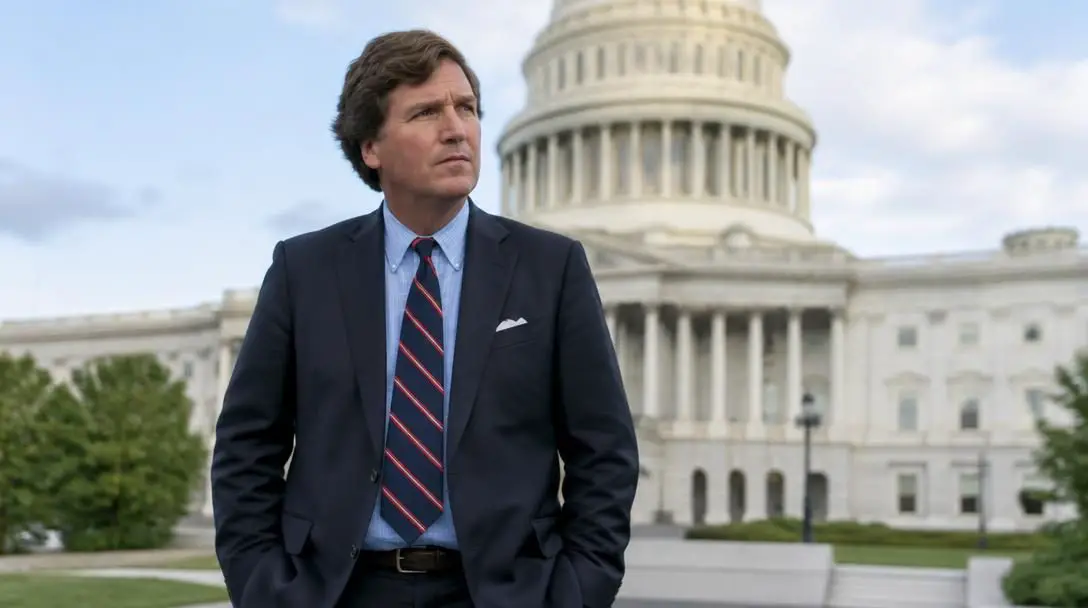
Tucker Carlson has remained one of the most recognizable and polarizing figures in modern American television commentary for decades. After starting his journalism career in print publications, Carlson transitioned to television news in the early 2000s, anchoring programs on CNN, PBS, and MSNBC before arriving at Fox News in 2009. The launch of his primetime broadcast, Tucker Carlson Tonight, in 2016 propelled him to the forefront of conservative political commentary, regularly dominating the cable ratings landscape while generating fierce national debate.
Carlson's signature format merged political analysis, cultural critiques, and provocative monologues that frequently challenged consensus viewpoints. While his dedicated viewership viewed his commentary as an essential challenge to mainstream narratives, media monitoring groups, medical experts, and political opponents often condemned his rhetoric. By reviewing five of his most contentious stances alongside the mechanics of primetime cable news, readers can gain a clearer understanding of how polarizing commentary drives public discourse.
Key takeaways
- Tucker Carlson established himself as a dominant cable news figure through tenures at CNN, PBS, MSNBC, and ultimately Fox News.
- His primetime programming frequently drew intense scrutiny for stances challenging consensus positions on climate change, public health, demographic shifts, LGBT rights, and abortion.
- During the COVID-19 pandemic, Carlson shifted from urging early caution to minimizing the virus and advocating an anti-vaccine stance despite having received the shot himself.
- Primetime cable opinion relies on bold rhetoric and emotional resonance to sustain viewer loyalty and cross-platform media amplification.
- Critical media consumers can evaluate polarizing commentary by cross-referencing primary documents, tracking rhetorical shifts over time, and distinguishing opinion monologues from factual reporting.
Tucker Carlson's Media Evolution
Carlson’s long-standing presence on television news spans more than two decades, marked by distinct professional chapters. He began as a print journalist before entering the cable television circuit as a co-host at CNN at the start of the millennium. Over the next decade, he moved between major television operations, hosting broadcasts on PBS and MSNBC before finding a permanent television home at Fox News in 2009.
When Tucker Carlson Tonight debuted in late 2016, it established a direct and populist conservative tone that quickly secured some of the highest audience numbers in cable television history. Carlson built a loyal following by questioning political orthodoxies across both major American political parties, targeting corporate interests, and challenging conventional wisdom on social and foreign policy. However, this massive audience retention came alongside recurring public backlash, as critics frequently identified his broadcasts as a primary source of division and controversial rhetoric in American media.
Five Contentious Positions That Defined Carlson's Broadcast
Throughout his time hosting his flagship primetime show, Carlson routinely focused on hot-button cultural and social topics. The following overview details five specific topic areas where his rhetoric prompted intense national discussion, regulatory scrutiny, and public outrage.
| Topic Area | Key Rhetorical Framing | Public Reaction & Rebuttal |
|---|---|---|
| Climate Change | Dismissed global warming as a hoax; termed renewable shifts a "war against people." | Heavily criticized by environmental watchdogs and researchers for denying climate science. |
| Demographic Shifts | Challenged immigration policies; labeled white supremacy a political "conspiracy theory." | Accused by civil rights groups of stoking racial division; Carlson cited personal conduct in defense. |
| LGBT Rights | Referred to youth gender care as "sexual mutilation"; criticized post-tragedy media narratives. | Advocacy organizations like GLAAD condemned his segments as anti-LGBT rhetoric. |
| COVID-19 Pandemic | Reversed early alarm to brand the crisis a hoax and counsel against public vaccination. | Public health figures highlighted confusion caused by conflicting claims and personal vaccination status. |
| Abortion Policy | Framed abortion access through an economic lens, citing corporate incentives for childlessness. | Sharply rejected by reproductive rights advocates while supported by traditional pro-life organizations. |
Climate Change and Energy Policy
Carlson made skepticism of environmental consensus a core theme of his programming. A comprehensive study examining Fox News programming across the first half of 2019 revealed that the network aired nearly 250 segments focused on climate change. Of those segments, 86 percent outright dismissed the severity of global environmental changes or characterized the phenomenon as a total fabrication. Carlson anchored more of these dismissive discussions than any other host on the network during that study window.
On his program, Carlson frequently invited guests who rejected scientific consensus on carbon emissions, pairing their appearances with sharp verbal broadsides against environmental initiatives. He described the transition toward renewable energy in severe terms, calling it "a war against people" while praising traditional fossil fuels as "our greatest blessing." When disputing mainstream meteorological data, Carlson argued: "It’s not global warming; it’s global cooling. That’s what’s going to kill your grandmother."
In another widely discussed broadcast, Carlson drew a direct rhetorical link between social justice concepts and environmental advocacy, stating that "in the hands of Democratic politicians, climate change is like systemic racism in the sky. You can’t see it, but rest assured, it’s everywhere and it’s deadly."
Race and Demographic Shifts
Carlson's monologues concerning immigration, national identity, and changing demographics frequently drew fierce public condemnation. Media observers and civil rights monitors argued that few television commentators fueled national debates surrounding race as consistently as Carlson. A substantial portion of his nightly monologues focused on border security, asylum policies, and demographic adjustments occurring within American communities.
While watchdogs and political opponents routinely contended that his coverage advanced racial grievance and xenophobia, Carlson rejected those characterizations. During one broadcast addressing national discussions on racism, Carlson dismissed institutional critiques by stating that white supremacy is "a conspiracy theory used to divide the country and keep a hold on power."
When confronted by public demands for advertising boycotts over his rhetoric, Carlson maintained that his commentary reflected genuine patriotism and honest reporting. He defended his background and workplace standards directly to viewers: "I’ve never had a white supremacist work for me. I don’t think I’ve ever talked to a white supremacist…I’m stating my sincere views as reflected in my personal life and my professional life as clearly as I can."
LGBT and Transgender Issues
Public discourse surrounding gender identity, school curricula, and LGBT rights became another frequent focal point on Tucker Carlson Tonight. Carlson used his platform to oppose medical treatments for transgender youth, referring directly to gender-affirming clinical interventions for minors as "sexual mutilation of children." Furthermore, he called upon parents across the country to actively confront educators who introduced classroom discussions related to transgender identity or sexual orientation.
His commentary during breaking national news events also led to severe fallout. Following a deadly mass shooting at an LGBT nightclub in Colorado Springs, Carlson used his monologue to attack the subsequent media coverage. Addressing his audience, he declared: "These horrifying murders in Colorado over the weekend quickly became a pretext for yet more censorship of your speech. You are responsible for this, they told you, because you said the wrong thing."
Carlson's remarks drew immediate condemnation from civil rights and media groups. The advocacy organization GLAAD publicly denounced his commentary, asserting that the host was leveraging national tragedies to amplify hostile anti-LGBT rhetoric.
COVID-19 Pandemic Response and Vaccines
The arrival of the global COVID-19 pandemic in early 2020 marked a period of striking rhetorical evolution for Carlson. During the earliest days of the global outbreak, Carlson departed from many conservative commentators by warning viewers that the novel coronavirus was dangerous and required urgent, decisive action. He publicly urged fellow Republicans to treat the emerging crisis with heightened gravity.
Within two months, however, Carlson’s perspective changed substantially. He began downplaying the severity of the illness, characterizing emergency public health interventions as authoritarian overreach, and eventually suggesting to his audience that the broader pandemic response was an exaggerated hoax. As public vaccination campaigns rolled out nationwide, Carlson became one of television's most visible vaccine skeptics, frequently questioning the safety and necessity of the shots and urging viewers to refuse them.
This stark pivot caused widespread concern among public health experts and confusion among viewers. Although Carlson had received the vaccine himself, he solidified a relentless anti-mandate and anti-vaccine stance on his nightly broadcast, highlighting potential side effects and framing public health advisories as coordinated state control.
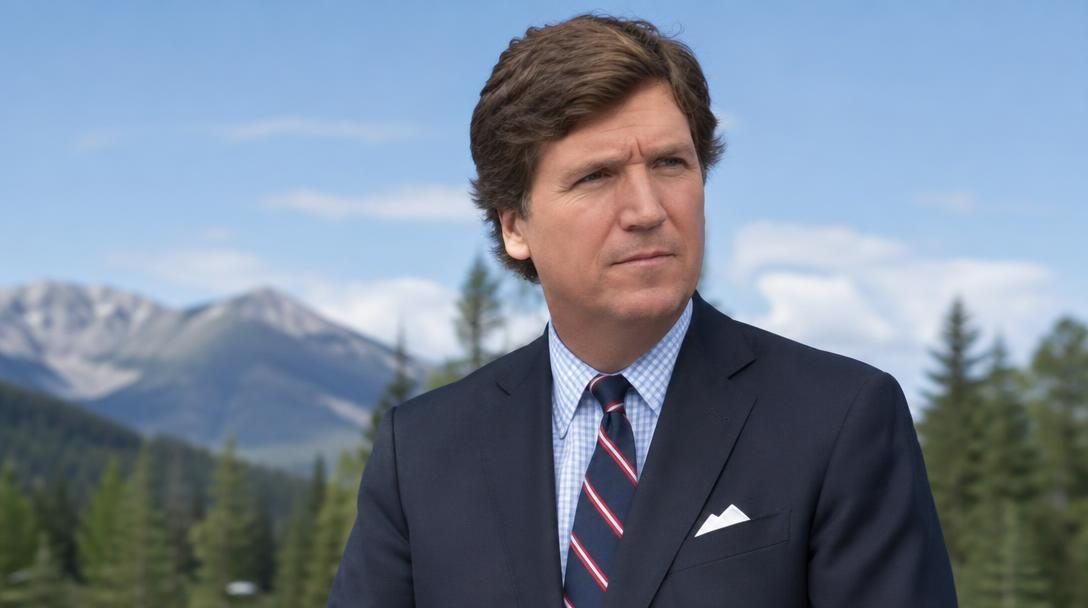
Carlson's shifting COVID-19 coverage demonstrated how quickly cable opinion commentary can pivot from early institutional alarm to entrenched anti-establishment skepticism.
Abortion and Economic Arguments
While Carlson spent his early career as a registered Democrat, he developed into an ardent voice for the modern pro-life movement, adopting increasingly firm rhetoric against reproductive rights over his years on cable television. What set his commentary apart from traditional social conservative arguments was his tendency to frame abortion access through an economic and class-based framework.
Rather than relying solely on conventional moral or theological assertions, Carlson argued that major corporations and political leaders promoted abortion rights to normalize an economic structure that discouraged traditional family formation. Outlining this concept during a broadcast, Carlson stated:
"When you get to this point, and this point is a place where the economy is so completely distorted that only Democratic voters – donors – can still afford to have normal families... When you get there, the solution is simple: Don’t reproduce. Childlessness is the cure for the economy they created. And that’s why abortion is so very important, especially now."
Through this argument, Carlson asserted that corporate support for family planning was driven by financial motives to avoid the economic burdens of supporting working-class families, rather than a genuine defense of personal autonomy.
The Mechanics of Cable Ratings and Controversial Commentary
To understand why provocative commentary remains a fixture of American cable news, it is necessary to examine the commercial model that drives television networks. Cable news programming relies on audience retention, brand differentiation, and ideological alignment to achieve commercial viability.
- The Primetime Structure: Unlike daytime television hours that focus largely on breaking news and field reporting, primetime hours exist to deliver ideological analysis. Networks hire strong personalities capable of interpreting complex news through a specific political lens.
- Audience Loyalty: Pundits who express unvarnished, contrarian, or polarizing viewpoints build deep emotional bonds with viewers. This loyalty produces stable, predictable ratings that persist across fluctuating news cycles.
- Cross-Platform Virality: A dramatic monologue delivered on television does not end when the program finishes. Provocative clips are shared across social platforms, analyzed by rival cable networks, and cited in digital headlines, ensuring the commentator remains central to national discourse.
- Corporate Sponsor Balancing: While boycotts and advocacy campaigns occasionally prompt advertisers to withdraw from specific programs, networks routinely weigh advertiser concerns against the raw viewer volume generated by a high-profile host.
How to Critically Evaluate Polarizing Media
Navigating an opinion-saturated media landscape requires deliberate analytical habits. Consumers can evaluate controversial commentary more objectively by adopting several systematic habits when watching primetime programs.
- Separate Opinion Monologues from Factual Reporting: Recognize the distinction between news reports that present documented facts and opinion segments that interpret events through an ideological perspective.
- Review Quotations in Their Complete Context: Avoid evaluating an argument based on a isolated video clip or headline. Locate full broadcast transcripts to review the context and qualifiers of the commentator's statement.
- Chart Long-Term Shifts in Rhetorical Stance: Track whether a commentator maintains consistent philosophical positions over time or reverses course when political or audience incentives shift, as occurred during pandemic coverage.
- Consult Primary Source Documents: Whenever an anchor cites legislation, scientific research, or economic data, look up the original study or statute to determine whether the pundit accurately represented the findings.
- Compare Perspectives Across the Media Landscape: Read accounts of the same event across progressive, conservative, and centrist publications to determine which facts were emphasized or omitted by partisan outlets.
Common Traps When Consuming High-Stakes Commentary
Even seasoned media consumers frequently fall into cognitive traps when watching polarizing political coverage. Recognizing these errors helps maintain critical independence:
- Equating High Ratings with Factuality: Cable television ratings measure viewer retention, entertainment value, and psychological resonance; they do not serve as an indicator of journalistic accuracy or peer-reviewed validity.
- Overlooking Intentional Hyperbole: Commentators deliberately use metaphors, dramatic irony, and provocative exaggerations to keep viewers engaged, which can obscure whether an assertion is intended as literal policy analysis.
- Relying on Pundits for Specialized Scientific Information: Cable commentators lack technical training in epidemiology, atmospheric science, or complex economics; consulting certified scientific bodies provides a more reliable foundation.
- Succumbing to Echo Chamber Isolation: Consuming only commentators whose opinions align with existing personal beliefs limits exposure to valid counterarguments and alternative interpretations of national events.
Frequently asked questions
Which networks did Tucker Carlson work for before hosting on Fox News?
Before launching his flagship primetime show on Fox News in 2016, Carlson worked for several major networks. He began his television career at CNN in the early 2000s, later hosted programming on PBS, and anchored a show on MSNBC before joining Fox News in 2009.
How did Tucker Carlson's position on COVID-19 change over time?
During the earliest stages of the pandemic in 2020, Carlson warned viewers that COVID-19 was dangerous and urged conservative lawmakers to treat it seriously. However, within two months, he reversed his stance, downplayed the virus, labeled the pandemic response a hoax, and advised viewers against taking the vaccine, despite having received the shot himself.
What unique economic argument did Carlson present regarding abortion?
Rather than framing abortion purely as a moral or religious matter, Carlson argued that corporate and political institutions promote abortion access to offset a distorted economy. In his view, advocacy for childlessness allows corporations to avoid supporting working families.
What did studies reveal about Carlson's coverage of climate change?
A study analyzing Fox News broadcasts during the first half of 2019 revealed that out of roughly 250 segments addressing climate change, 86 percent dismissed the issue or claimed it was a hoax. Carlson hosted more of these dismissive segments than any other anchor on the network during that timeframe.
Why do cable networks prioritize opinion programming over straight news during primetime?
Primetime opinion programming commands greater viewer loyalty and emotional engagement than daytime reporting. Strong editorial voices draw predictable audiences nightly, sparking social media discussions and digital interest that boost overall network visibility.
The Bottom Line
The media career of Tucker Carlson illustrates the powerful impact that ideological opinion television exerts on modern American politics. Through his primetime monologues, Carlson challenged mainstream scientific, social, and public health consensus, building a massive audience while consistently testing the boundaries of cable commentary. As news audiences continue migrating toward digital platforms, streaming networks, and independent broadcasting, understanding the commercial forces, rhetorical strategies, and media literacy practices behind polarizing commentary remains essential for every informed news consumer.