5 Exciting Curry Dishes You Might Never Have Heard Of
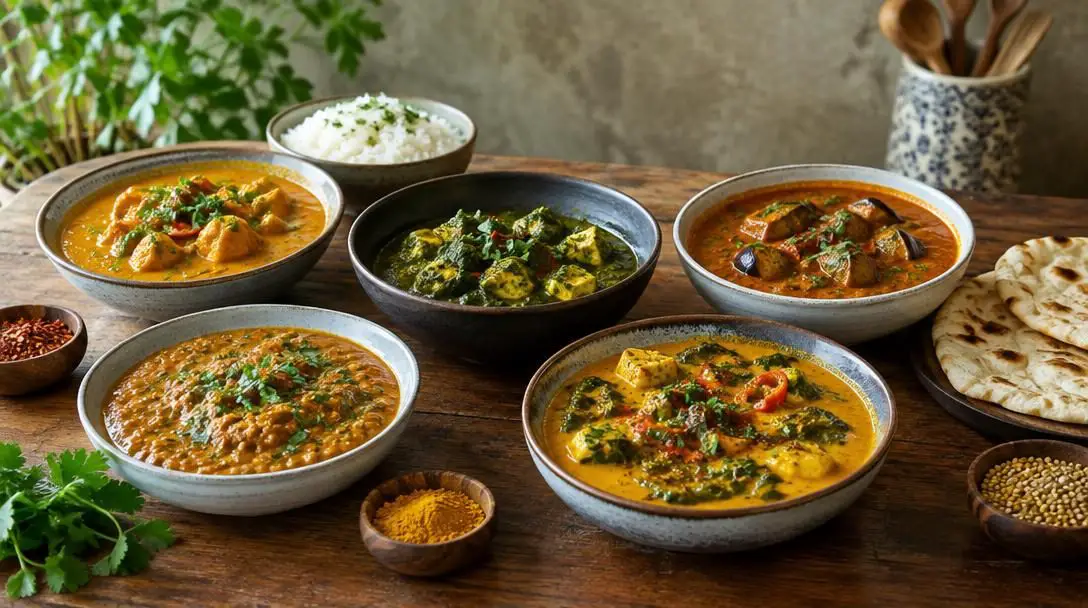
Curry is a foundational pillar of global gastronomy, celebrated across continents for its remarkable versatility and deep aromatic complexity. While most home cooks are familiar with standard takeout staples or everyday household variations, conventional menus represent only a tiny fraction of what the global curry tradition offers. Across different regions, cooks have spent centuries refining distinct cooking techniques, indigenous spice mixtures, and bespoke starch pairings that yield completely unexpected textures and flavor balances.
Venturing beyond the usual takeout repertoire opens up an entirely new culinary landscape. Whether you are craving a soothing, pepper-laced stew on a busy weeknight, an intensely fiery coastal curry poured over delicate crisp wafers, or a royal slow-simmered centerpiece for a holiday feast, regional curries offer transformative additions to your regular cooking routine.
Key takeaways
- Exploring regional curries introduces home cooks to diverse culinary techniques ranging from overnight slow simmering to rapid pantry assembly.
- Distinctive liquid bases such as cooling yogurt, rich coconut milk, and bone broth each produce completely different structural bodies and sauce consistencies.
- Iconic recipes like Kori Rotti demonstrate how unique starch pairings, such as crispy rice wafers, redefine the texture of a curry dish.
- Careful heat regulation is critical when simmering dairy or coconut foundations to prevent delicate emulsions from separating.
- Selecting curries based on their required cooking times allows you to integrate authentic regional flavors seamlessly into both busy weeknights and festive weekend gatherings.
Five regional curries to expand your culinary horizons
Every traditional curry reflects the geography, agricultural products, and cultural history of its birthplace. The five dishes below highlight how diverse ingredients—from humble root vegetables and trotters to aromatic royal spice blends and toasted peanuts—create vastly different dining experiences.
| Dish | Origin | Primary protein | Key flavor elements | Approximate cooking time |
|---|---|---|---|---|
| Mutton Paya | India | Mutton trotters (or alternative meats) | Garlic, onions, oil, and whole spices | 30 minutes (or slow-cooked overnight) |
| Kori Rotti | Tulunadu, India | Chicken | Red chili, coconut milk, crisp rice wafers | Over 1 hour |
| Lucknowi Nihari Gosht | Lucknow, India | Mutton or beef | Yogurt, cinnamon, bay leaves, nutmeg | Around 1.5 hours |
| Kozhi Ishtew | India | Chicken (steamed or baked) | Potatoes, coconut, peppercorns | Flexible / moderate |
| Massaman Curry | Thailand | Meat (beef, chicken, or lamb) | Coconut milk, peanuts, sugar, onions, citrus | Varies by simmer |
Mutton Paya
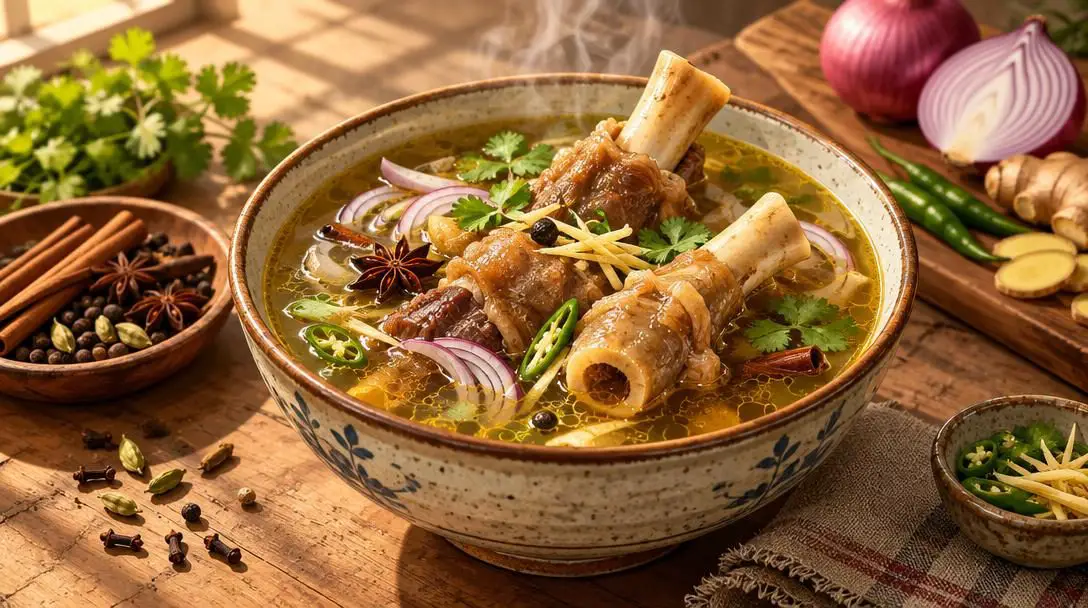
- Origin: Traditional Indian cuisine
- Meal course: Typically served for breakfast
- Core cut: Mutton trotters (alternative meats optional)
- Key aromatics: Garlic, onions, oil, and whole spices
Mutton Paya is a legendary, hearty broth celebrated throughout India, where it is traditionally consumed as an invigorating morning meal. The centerpiece of this preparation is mutton trotters, which release natural gelatin and marrow as they simmer, yielding a broth with an exceptionally rich, sticky, and nourishing consistency. The foundational aromatics remain straightforward—sliced onions, crushed garlic, and select whole spices bloomed in oil—allowing the unadulterated depth of the meat to anchor the sauce. Although a functional version can be assembled and finished in approximately thirty minutes when using pressure techniques, the dish is traditionally cooked slowly overnight to fully dissolve the connective tissue and produce an unctuous, deeply comforting broth.
Kori Rotti
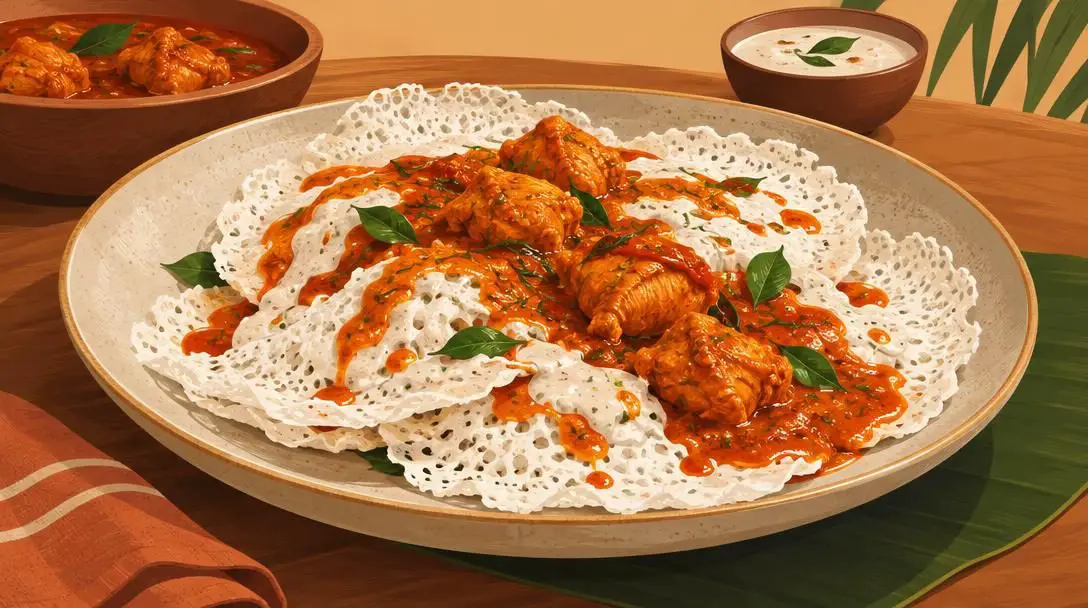
- Origin: Tulunadu region of southwestern India
- Primary protein: Chicken
- Signature pairing: Crisp, dehydrated rice wafers
- Flavor profile: Fiery red chili balanced with coconut milk
Hailing from the coastal Tulunadu region, Kori Rotti is a celebrated main course known for its remarkable contrast of textures. The dish consists of two vital components: a thin, fiery, intensely spiced chicken gassi made with an abundance of dried red chilies and creamy coconut milk, paired with dry, brittle rice wafers known as rotti. Preparing this masterpiece takes more than an hour of hands-on cooking to build the vibrant, multi-layered sauce. When plated, the piping hot, spicy gravy is ladled generously over the cracked, crisp wafers, allowing them to soften rapidly and soak up the flavorful sauce without losing all of their satisfying structural crunch.
Lucknowi Nihari Gosht
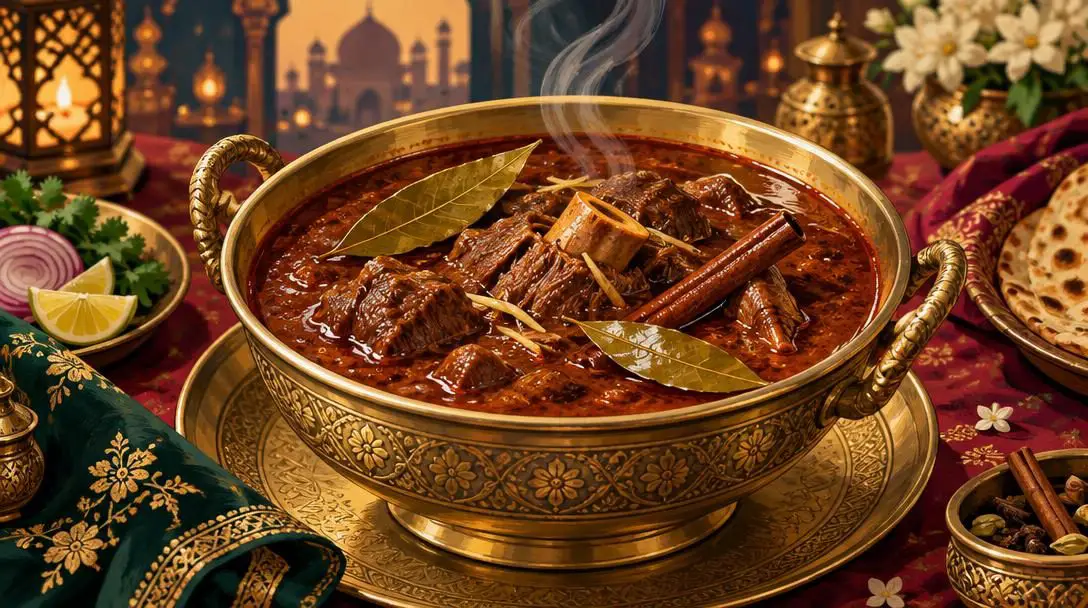
- Origin: Lucknow, India
- Historical standing: Royal court delicacy
- Occasion: Celebratory events and Eid
- Key seasoning: Cinnamon, bay leaves, nutmeg, and cooling yogurt
Once reserved strictly for royal banquets in the historic city of Lucknow, Lucknowi Nihari Gosht has evolved into an accessible culinary centerpiece for celebratory gatherings and significant holidays such as Eid. This colorful, lavish curry relies on an elegant blend of fragrant sweet spices, prominently featuring whole bay leaves, warm cinnamon, and grated nutmeg. Rather than relying solely on water or heavy stocks, the gravy utilizes cooling yogurt whisked into the aromatic base. This dairy addition tenderizes the meat during its roughly hour-and-a-half cooking journey, delivering a velvety, glossy sauce that balances spice intensity with a silky, delicate finish.
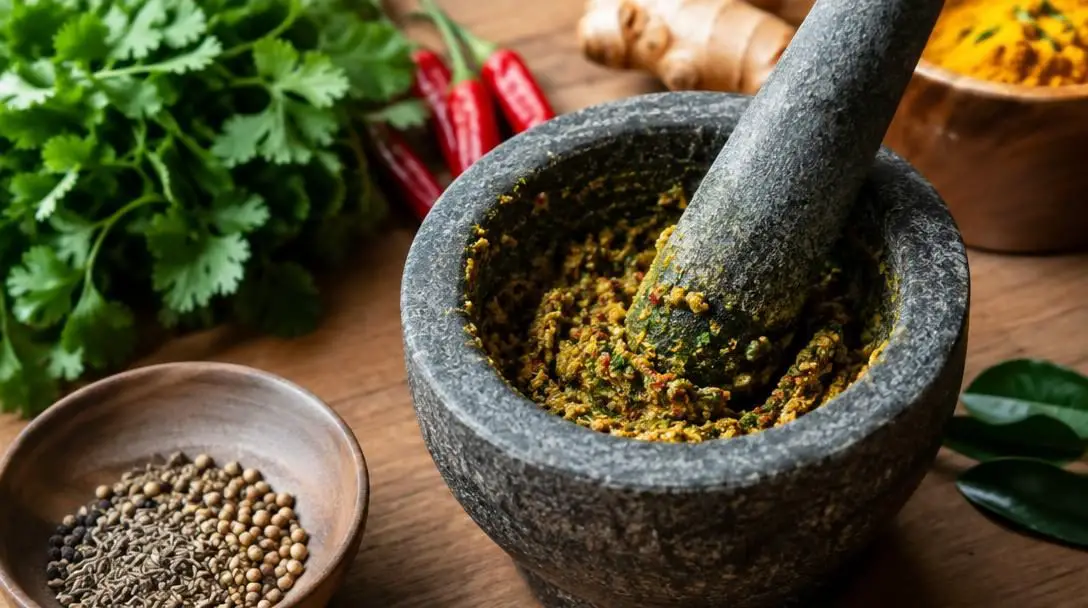
A regional curry functions through the deliberate layering of aromatics, liquids, and spices to construct a harmonious sauce that elevates its chosen protein.
Kozhi Ishtew
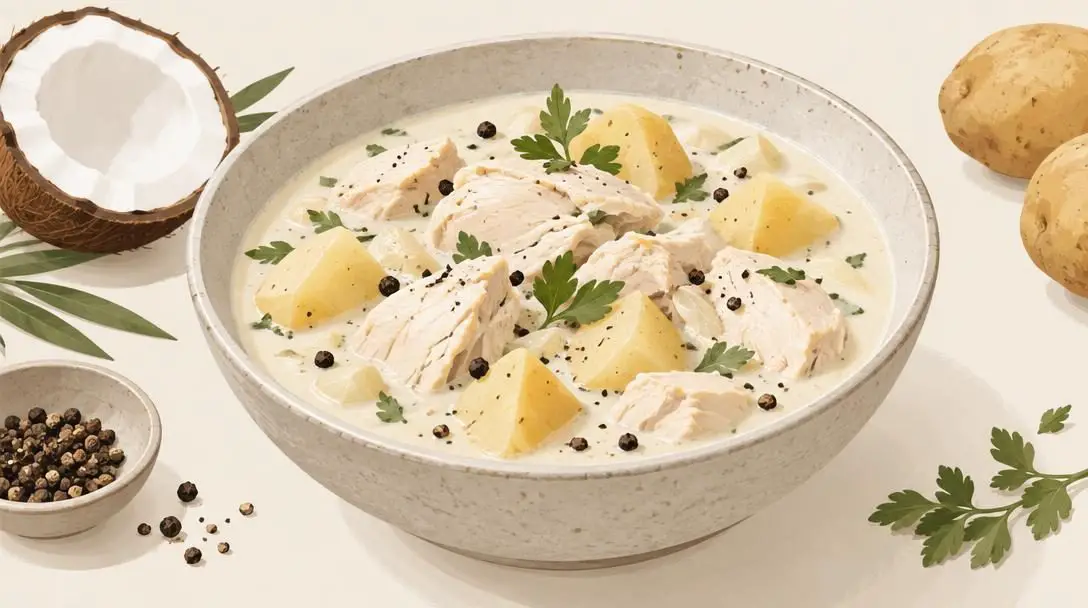
- Origin: Southern India
- Primary protein: Chicken (steamed or baked)
- Core components: Potatoes, coconut, and crushed peppercorns
- Flavor profile: Mild, soothing, and pantry-friendly
For those seeking gentle comfort without overwhelming heat, Kozhi Ishtew represents the ultimate everyday home-style curry. This dish relies heavily on accessible, budget-friendly pantry staples rather than rare or costly specialty spices. Black peppercorns provide a steady, mild warmth that replaces sharp chili heat, making the dish universally approachable for all palates. Tender chicken—which can be baked or steamed depending on the cook's preference—simmers gently alongside hearty potato chunks in a soothing coconut base. The natural starches released by the softening potatoes give the broth a satisfying body, creating a wholesome, restorative meal.
Massaman Curry
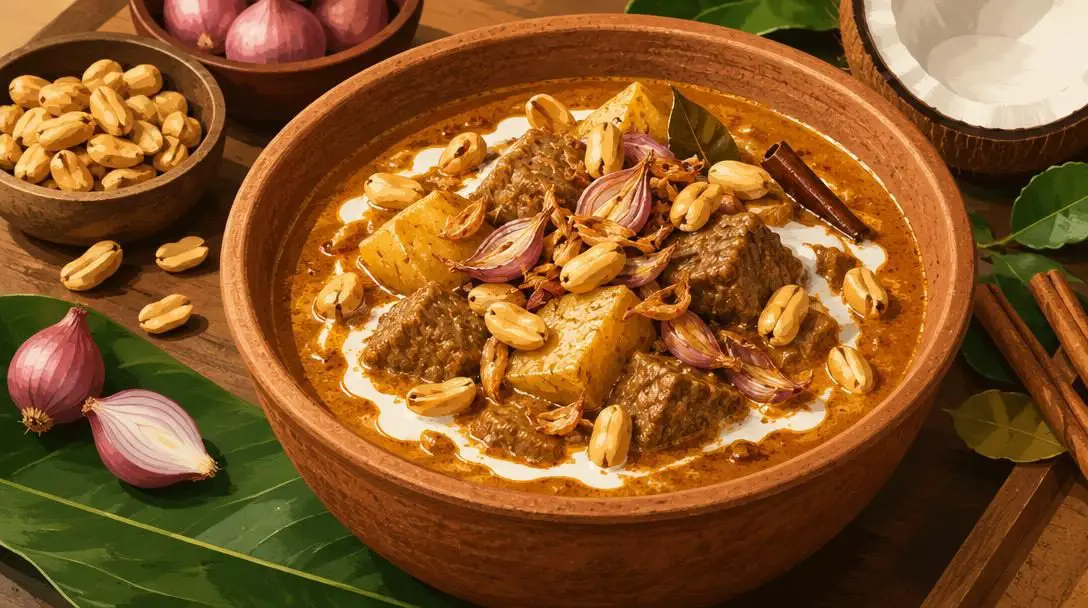
- Origin: Thailand (originating in the 17th century)
- Culinary style: Celebrated cross-cultural fusion
- Key ingredients: Coconut milk, sugar, peanuts, and onions
- Historical note: Earliest recorded recipes featured orange juice
Massaman curry is one of Thailand's most revered culinary exports, with roots stretching back to 17th-century trade routes that introduced foreign dried spices to Southeast Asian ingredients. The dish is celebrated for its intricate fusion profile, masterfully uniting savory, sweet, and nutty tones into a thick, comforting gravy. Roasted peanuts, caramelized onions, palm sugar, and rich coconut milk form the heart of the stew. Interestingly, the earliest documented historical recipe for Massaman curry included the addition of orange juice, which imparted a vibrant, subtle citrus acidity that cut through the natural richness of the coconut milk and ground nuts.
The culinary mechanics behind distinct curry styles
Every memorable curry is a study in food science, balancing fats, acids, starches, and heat to develop flavor. Understanding how these structural components interact helps any home cook execute regional dishes with confidence and precision.
In rich, slow-simmered dishes such as Lucknowi Nihari Gosht, the yogurt functions as both a flavor carrier and a tenderizing medium. The lactic acid present in the yogurt gently breaks down the muscle fibers of the meat over the course of ninety minutes. Simultaneously, the dairy fats absorb the fat-soluble flavor compounds found in nutmeg, cinnamon, and bay leaves. This keeps the spices from scorching and melds them into a glossy, harmonious sauce with none of the harshness associated with raw powdered seasonings.
In coastal and Southeast Asian recipes like Kori Rotti and Massaman curry, coconut milk serves as the primary structural foundation. The natural lipids in coconut milk trap and disperse the intense capsaicin from red chilies across the entire palate, softening what would otherwise be an overwhelming burn. Furthermore, these fats emulsify with the sweet notes of sugar and the savory oils of roasted peanuts or braised chicken. In Kori Rotti, the resulting thin gravy is deliberately engineered to be absorbed by crisp rice wafers, which capture the liquid while retaining enough integrity to provide textural contrast.
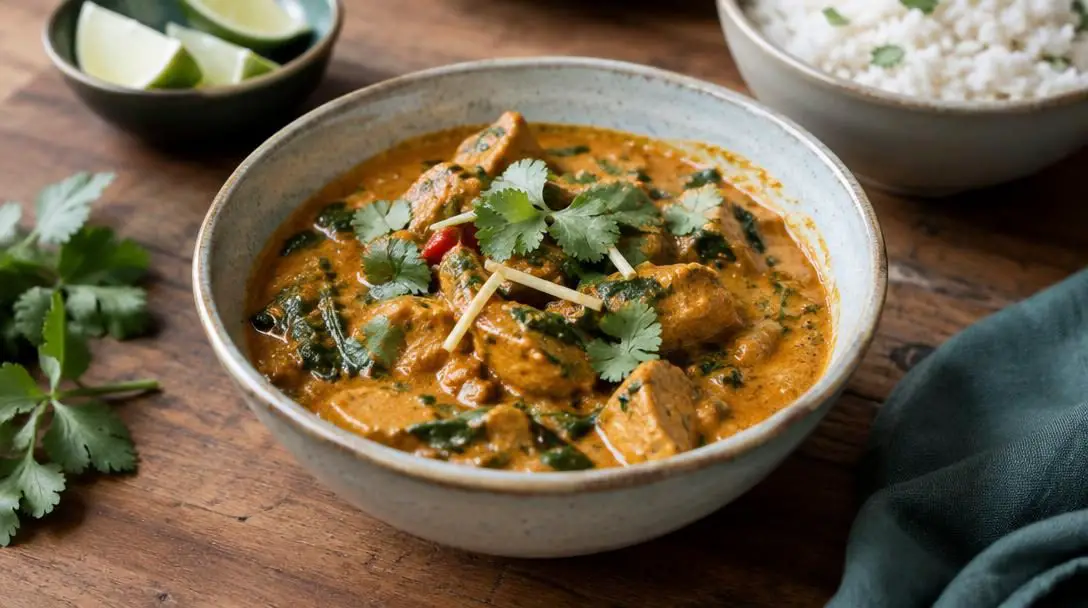
By contrast, dishes such as Kozhi Ishtew and Mutton Paya rely on natural starches and proteins rather than heavy spice pastes for body. In Kozhi Ishtew, diced potatoes release amylose and amylopectin into the simmering broth, naturally thickening the coconut base into a creamy stew without the need for flour slurries. In Mutton Paya, the collagen housed within the trotters slowly melts into rich gelatin over extended periods, creating a hearty broth that provides tremendous body and a signature sticky mouthfeel.
Step-by-step framework for preparing regional curries at home
Mastering regional dishes requires a structured workflow. By following a clear progression from scheduling to final assembly, home cooks can tackle complex flavor profiles without feeling overwhelmed.
- Evaluate your schedule and select the appropriate dish: Review your available time before committing to a recipe. If you have an hour and a half, plan for the layered spices of Lucknowi Nihari Gosht. For a dynamic one-hour weeknight dinner, opt for Kori Rotti. If you have only thirty minutes in the morning or want to run a slow cooker overnight, turn to Mutton Paya.
- Assemble and prep your foundation ingredients: Measure and prep all components prior to heating the pan. For Kozhi Ishtew, peel and dice your potatoes, gather whole peppercorns, and determine whether you will steam or bake your chicken. For Massaman curry, measure out your sugar, crush or toast your peanuts, slice your onions, and open your coconut milk.
- Bloom whole spices and build the flavor base: Warm your cooking oil over medium heat to extract the essential oils from your aromatics. For Mutton Paya, sweat the onions and garlic alongside whole spices before introducing the trotters. For Lucknowi Nihari Gosht, smooth your yogurt thoroughly and blend it with ground cinnamon, grated nutmeg, and whole bay leaves before introducing it to the pan.
- Maintain a gentle, regulated simmer: Bring the liquids to a very gentle bubble, then reduce the heat to low. Regulating the simmer ensures that the proteins become fork-tender without shrinking or drying out, while preserving the silky consistency of coconut milk or dairy foundations.
- Combine with traditional starches at the moment of serving: Complete the meal by honoring traditional serving methods. If preparing Kori Rotti, distribute the dry, crisp rice wafers across wide, shallow bowls and ladle the boiling-hot, fiery chicken curry over them immediately before serving so diners enjoy the perfect balance between crisp and saturated textures.
Mistakes to avoid when exploring new regional recipes
When cooking curries outside your usual comfort zone, small oversights in heat management or timing can compromise the end result. Avoiding these common traps ensures authentic flavor and ideal texture:
- Rushing the required cooking duration: Recipes such as Lucknowi Nihari Gosht and Kori Rotti demand anywhere from an hour to ninety minutes to tenderize meat fibers and dissolve the raw edge of aromatics. Cranking the stovetop burner to high heat only scorches delicate spices and leaves the protein tough.
- Underestimating red chili heat levels: Kori Rotti is famously fiery, powered by generous measures of dried red chilies. Failing to assess the heat tolerance of your diners can make the meal difficult to enjoy; if you need a milder option, choose the gentle black pepper heat of Kozhi Ishtew instead.
- Shocking delicate dairy or coconut liquids: Pouring chilled yogurt or coconut milk into a scorching pan causes the emulsion to break, leaving behind visible curds and separated oil. Always temper dairy bases by incorporating a spoonful of warm pan liquid first, and reduce burner heat to a gentle simmer before stirring them in.
- Cutting the trotter cooking window short: Mutton Paya depends entirely on the breakdown of tough connective tissue within the trotters. While basic assembly takes thirty minutes, undercooking the meat leaves the trotters chewy and rubbery rather than tender and gelatinous. Take advantage of an overnight slow cook whenever possible.
- Prematurely drenching your crispy starches: In Kori Rotti, the crisp rice wafers are designed to be crunchy when the sauce meets them. Soaking the wafers minutes in advance turns the foundation into a soggy porridge before the bowl ever reaches the dinner table.
Frequently asked questions
Can I use meats other than mutton trotters when cooking Paya?
Yes. While mutton trotters are the authentic standard that provides the signature gelatinous broth, home cooks can substitute alternative cuts of meat based on availability and personal preference while retaining the same garlic, onion, and whole spice base.
What makes Kozhi Ishtew suitable for diners with sensitive palates?
Kozhi Ishtew avoids intense dried red chilies entirely. Instead, it gets its mild, pleasant warmth from crushed black peppercorns, which are softened by sweet coconut milk and the soothing starch of simmered potatoes.
Why did the earliest Massaman curry recipes contain orange juice?
The original seventeenth-century recipe included orange juice to provide a distinct citrus note. This touch of fruit acidity cuts through the natural richness of the coconut milk, sugar, and roasted peanuts.
How should Kori Rotti be plated to get the best texture?
Keep the thin, spicy chicken curry and the crisp rice wafers separate until the moment of dining. Ladle the hot curry directly over the brittle wafers immediately before eating to preserve a pleasing interplay between crisp and sauce-soaked textures.
What occasions are traditionally associated with Lucknowi Nihari Gosht?
Historically created as a lavish meal for royal courts, Lucknowi Nihari Gosht is traditionally prepared for significant celebrations, family gatherings, and festive holidays such as Eid.
The bottom line
Expanding your curry repertoire beyond standard dishes offers a deeper appreciation for regional culinary heritage. Whether you are simmering a comforting pot of peppered Kozhi Ishtew for an easy dinner, assembling a fiery batch of Kori Rotti for a weekend project, or preparing a royal Lucknowi Nihari Gosht for a holiday celebration, each regional dish introduces unique techniques that will permanently enrich your home cooking.