5 Foods That Massachusetts Does Best
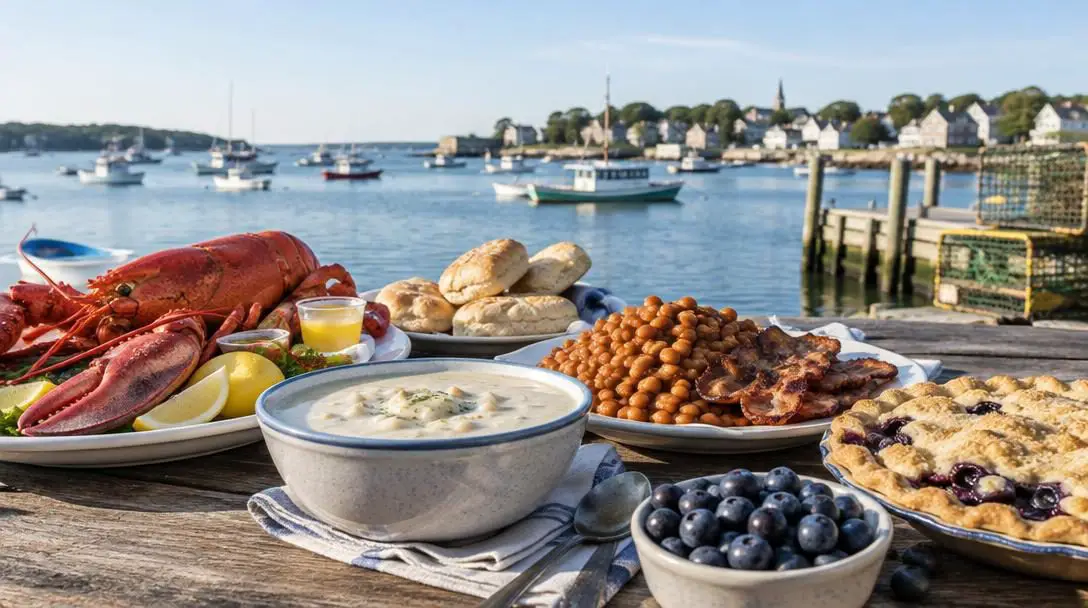
Massachusetts culinary heritage is inseparable from the geography, maritime industries, and cultural communities that have shaped the Commonwealth over centuries. While the capital city of Boston is recognized worldwide for historical milestones like the Boston Tea Party, sporting landmarks like Fenway Park, and the Boston Marathon, the state's food culture carries an equally potent legacy. From working fishing ports hauling cold-water Atlantic shellfish to neighborhood Italian bakeries and grand hotel dining rooms, Massachusetts dining tells a story of adaptation, survival, and craftsmanship.
Although the state boasts a broad variety of regional specialties, five iconic dishes define the character of Massachusetts dining: slow-cooked Boston Baked Beans, fresh coast-style Lobster Rolls, bakery-crafted Lobster Tails, velvety New England Clam Chowder, and the historic Boston Creme Pie. Each dish showcases a deliberate balance between humble staple ingredients and luxurious local bounty.
Key takeaways
- Massachusetts food identity blends coastal Atlantic seafood, colonial baking methods, and European pastry traditions.
- Iconic dishes such as baked beans and clam chowder rely on slow-rendered pork fat, aromatic vegetables, and gentle heat for deep flavor.
- Items like the lobster roll and the bakery lobster tail celebrate contrasting textures, from toasted split-top buns to layered sfogliatella shells.
- Historic establishments like the Omni Parker House and Mike's Pastry remain central to preserving the authentic preparation of these New England classics.
At a glance: Five defining dishes of Massachusetts
Each of the Commonwealth's signature dishes evolved out of distinct cultural environments, utilizing contrasting cooking vessels, textures, and flavor bases to achieve their enduring status.
| Dish | Culinary Category | Primary Base Ingredients | Defining Texture |
|---|---|---|---|
| Boston Baked Beans | Savory side dish | Beans, dark molasses, slab bacon or salt pork | Tender, slow-softened beans in thick sauce |
| Lobster Rolls | Seafood sandwich | Northern Atlantic lobster, butter, mayonnaise, lemon | Meaty chunks inside a warm, crisp-toasted bun |
| Lobster Tails (Pastry) | Italian-American pastry | Sfogliatella dough, ricotta, boiled cream, whipped cream | Shattering, flaky shell filled with rich cream |
| New England Clam Chowder | Seafood soup | Quahog or cherrystone clams, cream, potatoes, bacon | Hearty, spoon-coating broth with crisp crackers |
| Boston Creme Pie | Layered dessert cake | Sponge cake, pastry cream, chocolate glaze | Moist crumb, silky custard, and glossy ganache |
The five essential foods of Massachusetts
Boston Baked Beans
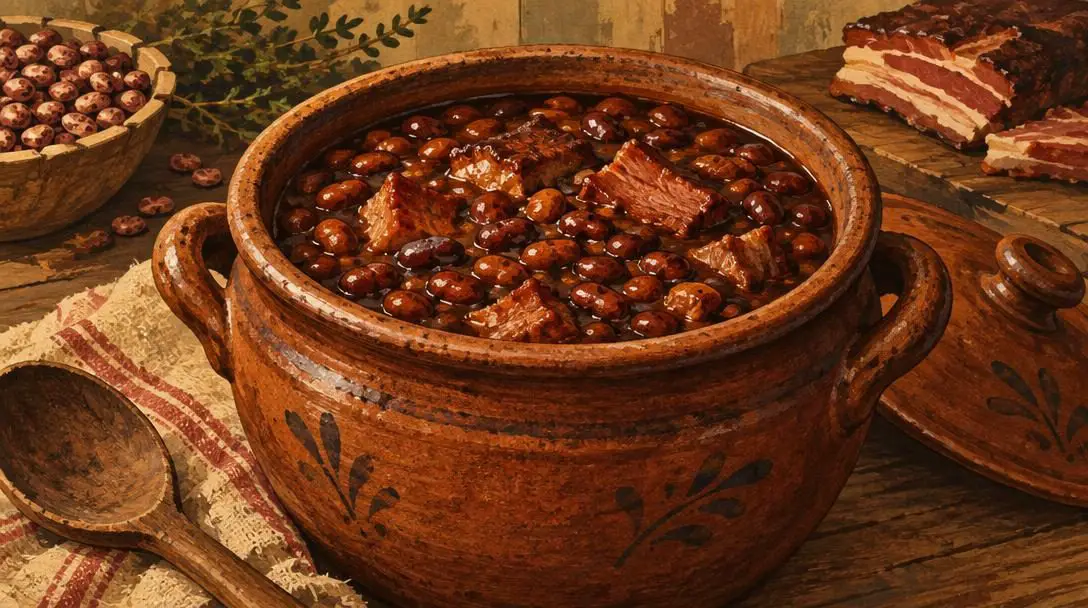
- Origin: Ancient Native American cooking methods adopted by early colonists
- Key flavor profile: Earthy, sweet molasses balanced with savory rendered pork
- Traditional vessel: Heavy earthenware bean pot
Long before European settlement, Native Americans in the region baked native beans in earthenware vessels, sweetening them with local ingredients. Early settlers adopted these practices, integrating dark molasses from transatlantic trade along with salt pork or slab bacon. The dish became so deeply woven into local life that Boston earned its enduring nickname, Bean Town.
Authentic Boston baked beans are prepared inside a heavy ceramic or earthenware bean pot, which regulates heat evenly. Simmered for hours alongside aromatic vegetables, herbs, and seasonings, the starches soften gradually into a velvety consistency without disintegrating. The richness of rendered fat offsets the deep, bittersweet undertones of the molasses, resulting in a savory staple that remains a fixture across New England dinner tables.
Lobster Rolls
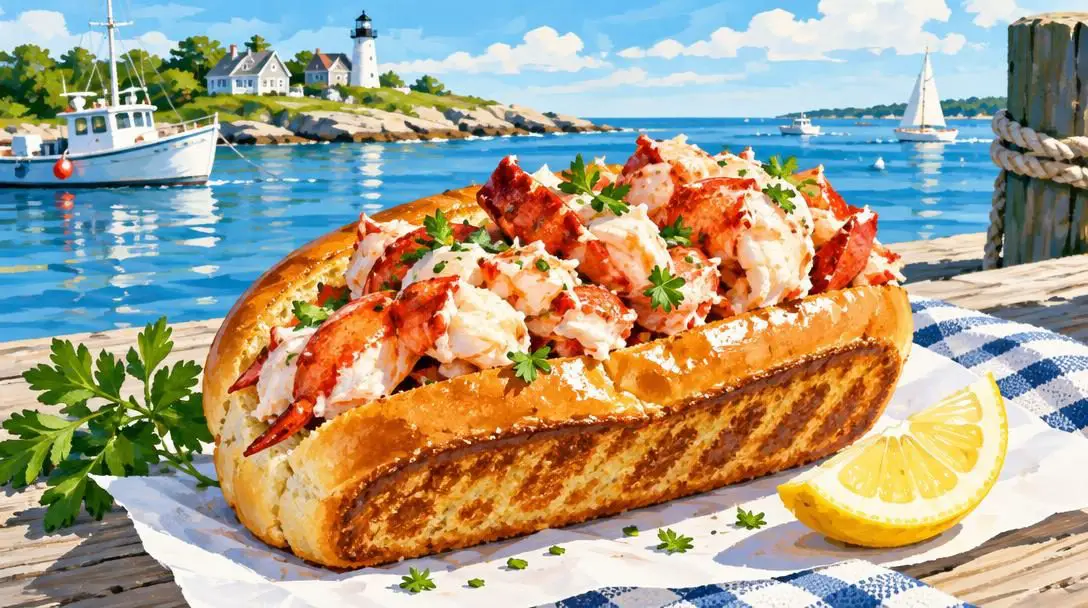
- Origin: Coastal seaside shacks and urban fish counters
- Key flavor profile: Sweet cold-water lobster accented by lemon, butter, and herbs
- Serving style: Warm, butter-griddled roll
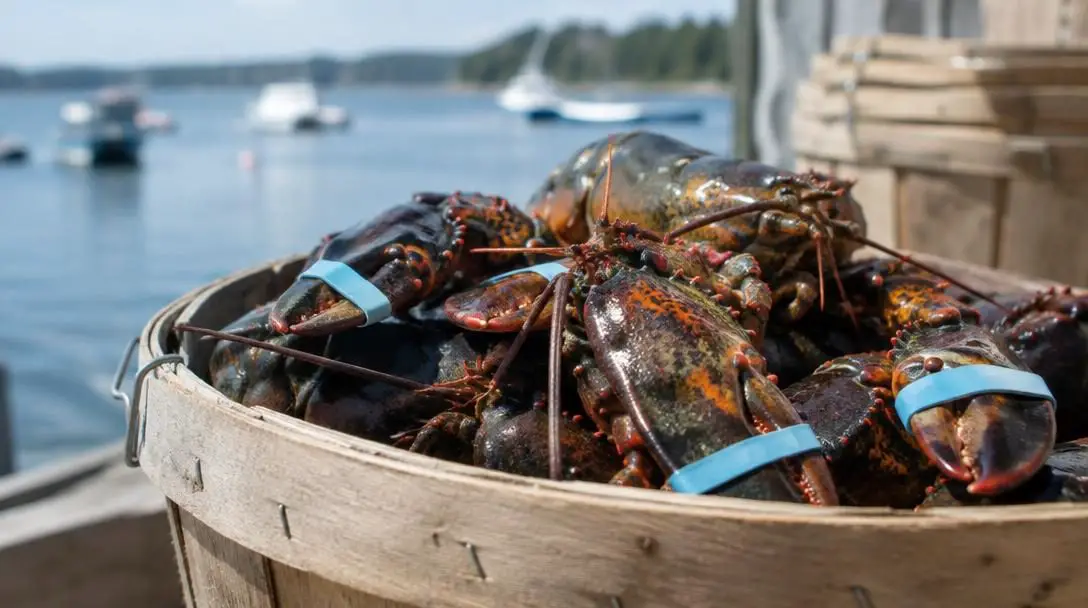
The cold, nutrient-dense waters off the Massachusetts coastline have long supported abundant populations of northern Atlantic lobster. While cracking whole steamed lobsters at a dining table is a cherished ritual, the lobster roll developed as an unpretentious, casual format designed for seaside shacks, harbor counters, and busy city streets.
Massachusetts style favors restraint, ensuring the pristine sweetness of the lobster remains the primary focus. Large, succulent chunks of cooked meat are gently tossed with drawn butter, a sparing amount of smooth mayonnaise, fresh lemon juice, lemon zest, salt, pepper, and minced herbs. This lightly dressed seafood is heaped inside a split-top roll that has been griddled in butter until golden. The contrast between the warm, toasted bread and the cool, tender seafood creates an ideal balance of temperature and texture.
Lobster Tails (Pastry)
- Origin: Italian-American bakeries such as Mike's Pastry
- Key flavor profile: Delicate cream filling with powdered sugar and crisp pastry
- Signature structure: Sfogliatella shell encasing tender cream puff dough
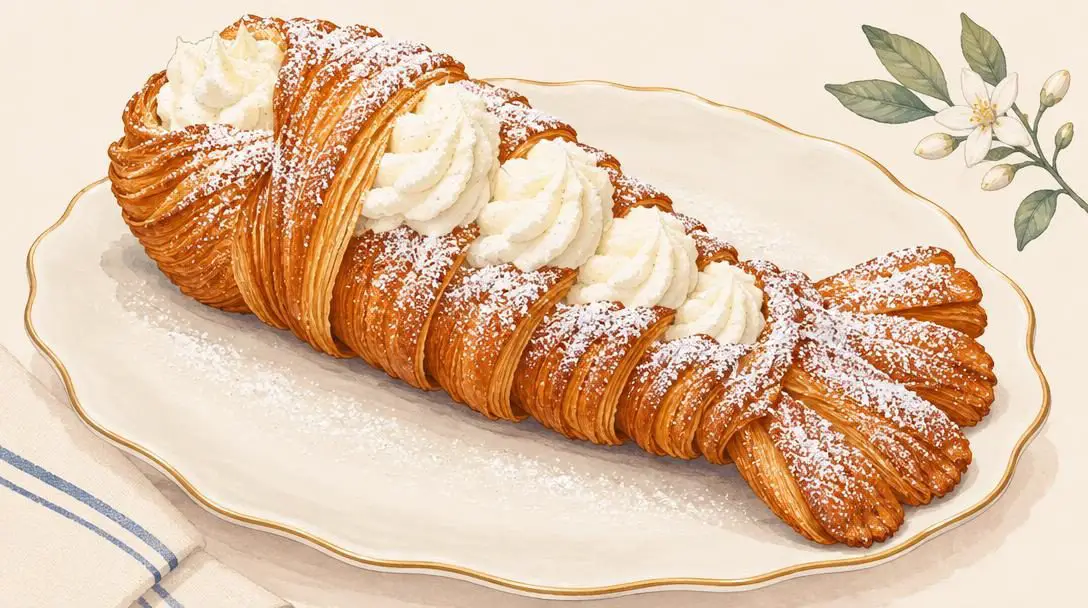
Despite sharing a name with the famous crustacean, this beloved bakery item contains no seafood. Originating within the vibrant Italian-American bakeries of Boston, most notably celebrated destinations like Mike's Pastry, the pastry earned its title because its ridged, flared exterior mirrors the shape of a lobster tail.
Crafting this confection demands complex pastry technique. Bakers layer tender cream puff dough inside a fragile, laminated sfogliatella shell, which bakes into countless paper-thin, crackling ridges. Once cooled, the hollow interior is piped generously with a decadent three-part filling: sweet whipped cream, traditional Italian boiled cream, and smooth fresh ricotta cheese. Finished with a heavy dusting of powdered sugar, it delivers an interplay of shattering pastry and airy dairy.
New England Clam Chowder
- Origin: Regional coastal fishing communities
- Key flavor profile: Briny shellfish broth enriched with cream and smoky bacon
- Classic accompaniment: Crisp oyster crackers
New England clam chowder is arguably the most recognizable soup in American regional cuisine. While other coastal territories experiment with tomato or clear broths, Massachusetts cooks insist on a creamy, heavy, and warming preparation built to combat blustery North Atlantic winds.
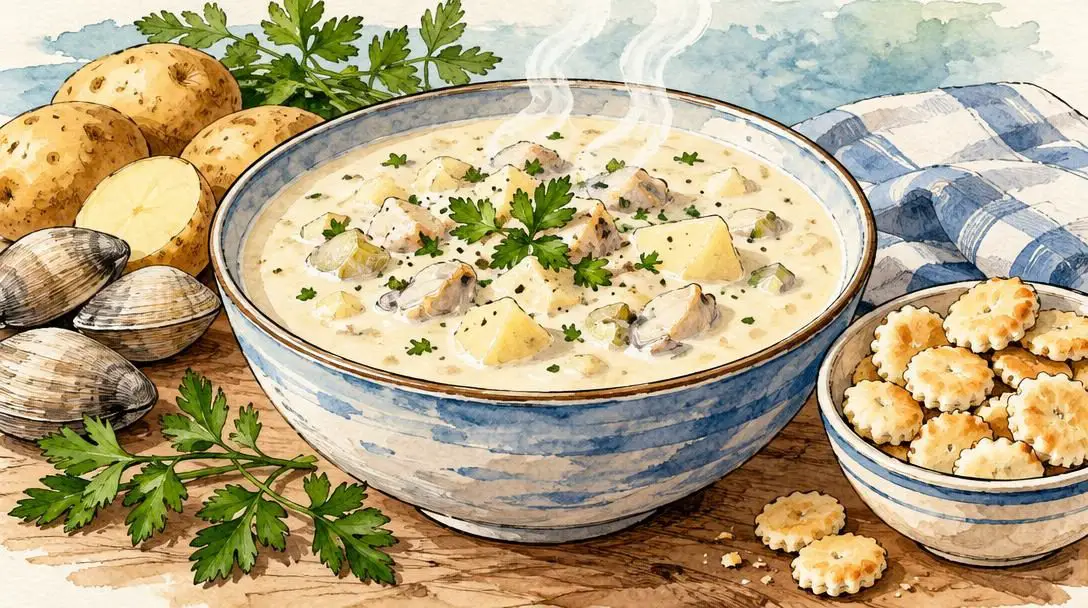
Authentic Massachusetts chowder relies on fresh hard-shell clams—predominantly local quahogs or cherrystones—simmered alongside diced potatoes, slab bacon, butter, cream, onions, celery, and savory herbs. As the potatoes simmer, they release natural starches that help bind the clam liquor, pork fat, and dairy into a thick, comforting soup. Topped with a handful of crisp, salted oyster crackers, each spoonful merges oceanic brine with rich cream.
Authentic Massachusetts chowder relies on the natural starches of simmering potatoes and rendered bacon fat to create its comforting, spoon-coating body.
Boston Creme Pie

- Origin: Boston's historic Omni Parker House
- Key flavor profile: Light vanilla sponge layered with rich pastry cream and dark chocolate
- Form: Two-layer sponge cake with ganache glaze
Despite its historic label, the Boston Creme Pie is not a pie at all, but an elegant layered cake. Created during the nineteenth century in the kitchens of Boston's historic Omni Parker House, the dessert quickly garnered fame across New England and became a permanent standard in regional bakeries, including popular spots like Mike's Pastry.
The dessert consists of two light, moist rounds of sponge cake sandwiching a thick layer of rich vanilla pastry cream. The entire cake is crowned with a smooth, glossy chocolate glaze or ganache poured across the top tier, allowing it to drip attractively down the sides. The tender crumb of the sponge absorbs just enough moisture from the custard filling to maintain a silky, balanced texture in every slice.
Balancing flavor, fat, and texture in Massachusetts cooking
The enduring popularity of these five staples rests on practical, time-tested cooking science. Massachusetts recipes frequently combine hearty animal fats with acidity, natural sugars, and distinct physical textures to prevent heavy dishes from tasting one-dimensional.
In Boston Baked Beans, the prolonged, gentle heat of the earthenware pot works on the dense starch of the legumes. Without steady heat, the high sugar content of dark molasses would scorch on the bottom of a metal pan. By insulating the ingredients, the clay pot allows the fat from the salt pork or slab bacon to render slowly, emulsifying with the molasses and bean cooking liquid into an unctuous glaze. The salt in the cured meat offsets the molasses, ensuring the dish reads as savory rather than cloying.
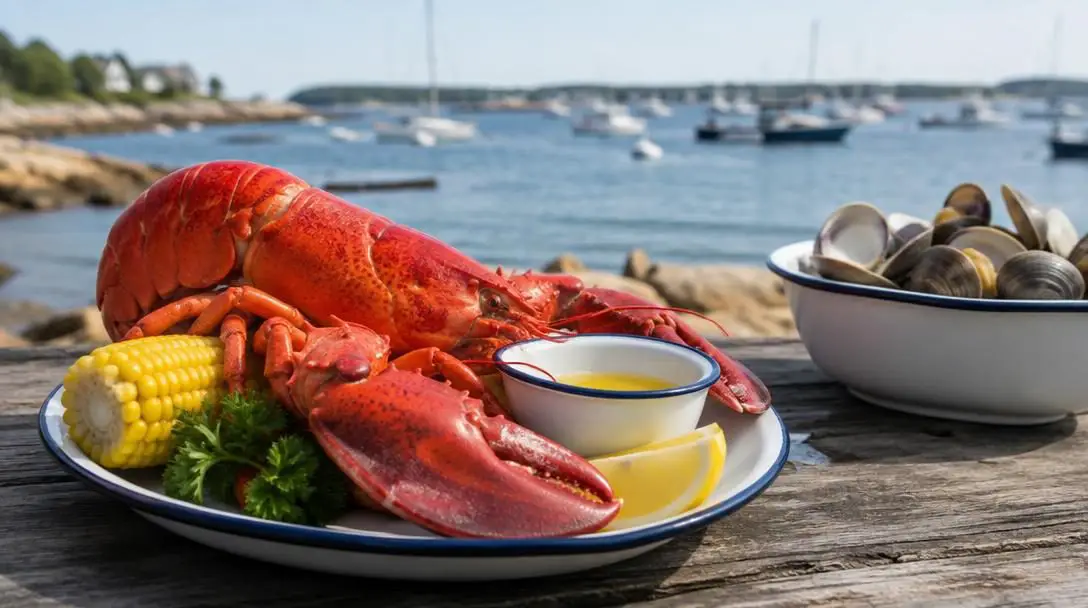
With Lobster Rolls, the focus shifts to delicate proteins. Cold-water lobster meat is exceptionally lean and carries a subtle, natural sweetness. To enrich this lean meat, cooks toss the chunks with a light coating of butter and mayonnaise. The crucial addition of fresh lemon juice and zest provides citric acid that cuts through the dairy, while black pepper and minced herbs lend aromatic freshness. The butter-griddled roll provides a necessary warm crunch against the cool, tender seafood.
The engineering of the Lobster Tail pastry centers entirely on moisture containment and structural contrast. The sfogliatella dough bakes into dozens of paper-thin, crispy strata. If filled too far ahead of time, the moisture from the ricotta and whipped cream would soften the shell; freshly piped, the crisp exterior crackles instantly before yielding to the lush, tangy filling.
Similarly, New England Clam Chowder relies on starch suspension. Rather than masking the sea brine of quahogs or cherrystones behind heavy flour thickeners, the starch naturally released from simmering diced potatoes thickens the clam liquor and cream. Floating dry, crisp oyster crackers on top introduces a dry textural interruption to an otherwise dense, velvety broth.
How to experience and prepare Massachusetts classics
Recreating or ordering these five Massachusetts specialties requires an appreciation for regional customs, correct ingredient sourcing, and classic culinary steps.
- Source fresh, cold-water shellfish: When preparing chowder or lobster rolls, obtain fresh northern Atlantic lobster or live hard-shell clams like quahogs or cherrystones. Pre-cooked frozen meats packed in water dilute the delicate, briny flavor essential to the dishes.
- Employ low-temperature earthenware baking: For authentic baked beans, soak dried beans overnight and combine them in a lidded ceramic pot with dark molasses, onions, herbs, and slab bacon. Bake at low heat for several hours until the sauce reduces and thickens naturally.
- Dress lobster with absolute restraint: Keep cooked lobster pieces in large, identifiable chunks. Toss with just enough butter, mayonnaise, lemon juice, zest, and seasoning to coat the exterior lightly without forming a pool of dressing in the bowl.
- Layer your oyster crackers gradually: When eating a bowl of hot clam chowder, scatter oyster crackers in small batches over the top as you eat. This ensures every bite retains a crisp crunch rather than dissolving into the broth.
- Explore historic culinary landmarks: If visiting Boston, stop at the Omni Parker House to taste Boston Creme Pie where it was invented, and visit North End bakery counters such as Mike's Pastry for fresh Lobster Tails.
Culinary missteps to avoid
Because these foods are widely prepared across the country, improper shortcuts frequently undermine their authentic taste and structure. Watching out for these common errors will protect your dining and cooking experience:
- Drowning lobster in heavy mayonnaise: Oversaturating lobster meat with mayonnaise, or padding the mixture with celery filler, obscures the fresh sweetness of the Atlantic catch. Massachusetts cooks treat the shellfish as the uncontested star.
- Rushing the baked bean pot: Attempting to cook baked beans on high heat over a stovetop burns the sugars in the molasses and leaves the beans tough and chalky. Slow rendering in an oven is mandatory.
- Confusing bakery lobster tails with seafood: Expecting a savory seafood item when ordering a Lobster Tail at an Italian bakery leads to culinary confusion; it is an entirely sweet pastry packed with boiled cream and ricotta.
- Using cold, untoasted bread: Spooning lobster salad into an unheated, dry hot dog bun ruins the dish. The bun must be buttered and toasted on a griddle until crisp and warm.
- Baking Boston Creme Pie in a pie shell: Searching for pie crust recipes when preparing Boston Creme Pie misses the mark completely. The dish is strictly a two-layer sponge cake with pastry cream and chocolate ganache.
Frequently asked questions
Why is Boston Creme Pie called a pie if it is actually a cake?
The dessert was created at Boston's Omni Parker House during a period when pie pans and cake tins were used interchangeably in hotel kitchens. Even though it is composed of two layers of sponge cake with pastry cream and chocolate glaze, it retained the traditional nineteenth-century name.
What makes New England clam chowder different from other styles?
New England clam chowder features a heavy, creamy base made with fresh cream, butter, potatoes, slab bacon, and clam liquor, typically highlighting local quahog or cherrystone clams. Unlike Manhattan-style chowders, it contains no tomatoes.
Is there any real seafood in a bakery Lobster Tail?
No, the bakery Lobster Tail is a sweet Italian-American dessert. It earned its name entirely from its physical appearance, as the layered sfogliatella shell resembles a lobster tail once baked. It is filled with ricotta, whipped cream, and Italian boiled cream.
Why is molasses used in authentic Boston Baked Beans?
Molasses became a staple in colonial Boston through historic maritime trade. When combined with slow-cooked beans and salt pork in an earthenware pot, the dark molasses imparts an earthy, bittersweet depth that defines the dish.
How should a traditional Massachusetts lobster roll be served?
A classic Massachusetts lobster roll is served with large chunks of cold-water lobster meat lightly coated in butter, mayonnaise, lemon juice, and herbs, mounded inside a split-top roll that has been griddled in butter until warm and crisp.
The bottom line
The culinary traditions of Massachusetts are anchored in a deep respect for local maritime resources and time-honored baking techniques. Whether savoring a hot bowl of clam chowder along the coast, enjoying slow-simmered baked beans rooted in Bean Town history, or biting into a crackling lobster tail pastry in Boston's North End, these five dishes reflect the character, resilience, and distinct heritage of the Bay State.