5 Instagram-worthy Destinations for Nature Lovers
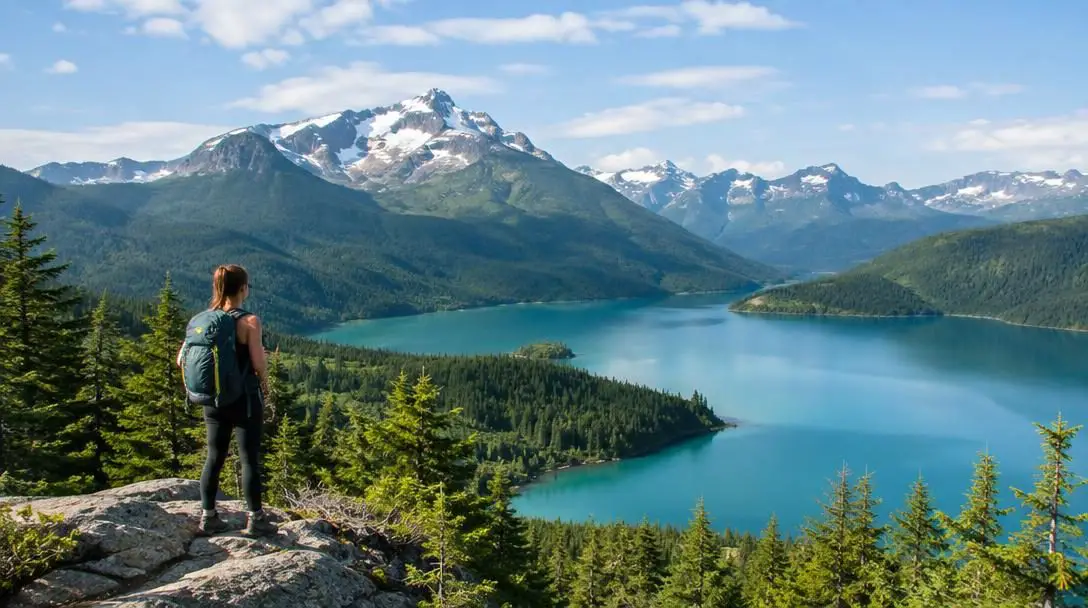
In our connected digital era, the intersection of outdoor travel and visual storytelling has never been more vibrant. Enthusiasts and seasoned travelers take to social media platforms not merely to log vacation stops, but to celebrate the grandeur of the earth, chronicle rare biological diversity, and promote the preservation of delicate ecosystems worldwide. A truly captivating nature photograph requires far more than casual snapshots; it demands extraordinary geological formations, pristine lighting, rich biodiversity, and sweeping vistas that challenge everyday human perspective.
For travelers seeking environments that balance prehistoric earth processes with sheer visual drama, certain global destinations stand apart. From towering alpine peaks carved by ice sheets to subterranean volcanic engines, sunken calderas, and sprawling marine biomes, these iconic landscapes offer endless opportunities for creative exploration. Understanding the geographic forces that shaped them—and the conservation practices required to protect them—is the key to experiencing their power responsibly.
Key takeaways
- Glacial silt, active volcanism, hydrothermal heating, and living coral reefs generate the planet's most dramatic natural color palettes.
- Timing expeditions around early morning light and shifting weather patterns dramatically improves visual contrast while bypassing crowded hours.
- Strict conservation rules, including trail boundaries and drone restrictions, protect both sensitive wild environments and visitor safety.
- Successful outdoor photography relies on terrain-specific equipment, from circular polarizers for alpine waters to telephoto lenses for safe wildlife observation.
At a glance: Five extraordinary landscapes
Each of the world's most visually striking natural destinations owes its character to distinct geological and ecological mechanisms. The table below outlines how these premier environments compare in their structural features and key points of visual interest.
tbody| Destination | Geographic Location | Primary Geological Feature | Key Visual Highlight | Notable Wildlife or Flora |
|---|---|---|---|---|
| Banff National Park | Alberta, Canada | Glaciated limestone mountain ranges | Turquoise alpine lakes and rock flour reflections | Grizzly bears, elk, bighorn sheep |
| Bali | Lesser Sunda Islands, Indonesia | Volcanic island arc along the Ring of Fire | Stepped subak rice terraces and mist-filled waterfalls | Lush tropical rainforest canopy |
| Yellowstone National Park | Wyoming, Montana, Idaho, United States | Continental subterranean volcanic hotspot | Hydrothermal rings and towering geyser plumes | Free-ranging bison, gray wolves, grizzly bears |
| Santorini | Southern Aegean Sea, Greece | Submerged volcanic caldera basin | Multi-hued volcanic cliffs and whitewashed architecture | Mineral-rich red and black coastal gravels |
| Great Barrier Reef | Queensland, Australia | Biogenic calcium carbonate reef structure | Luminous coral formations and azure marine channels | Sea turtles, reef sharks, manta rays |
Five world-class landscapes for visual storytelling
Every corner of the globe holds natural marvels, but five distinct regions showcase a convergence of ecological richness, geologic drama, and extraordinary visual appeal. These locations span continental divides, tropical volcanic arcs, subterranean geothermal cauldrons, ancient sunken craters, and sprawling oceanic provinces.
Banff National Park, Canada
- Location: Alberta, Canada (Continental Divide)
- Distinction: UNESCO World Heritage Site
- Key Waterways: Moraine Lake, Lake Louise, Peyto Lake
- Native Wildlife: Bighorn sheep, elk, grizzly bears
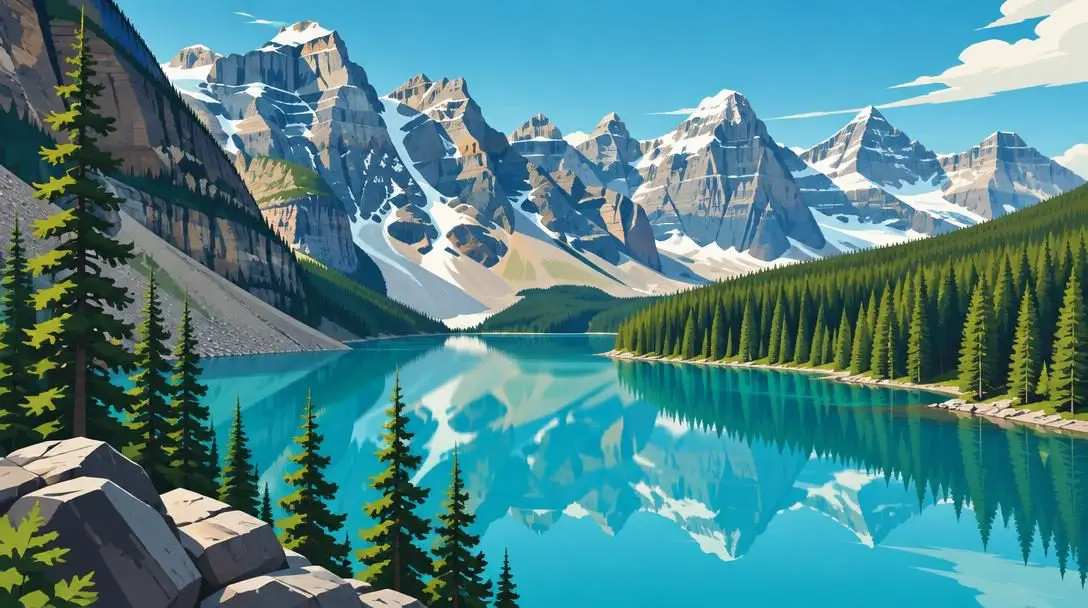
Nestled along the Continental Divide in Alberta within the rugged Canadian Rocky Mountains, Banff National Park is celebrated worldwide for its breathtaking alpine beauty. Recognized globally as a UNESCO World Heritage Site, the park is defined by towering limestone peaks, sprawling subalpine forests, and an extensive network of glacial bodies of water. High-elevation landmarks such as Moraine Lake, Lake Louise, and Peyto Lake are renowned for their luminous shades of turquoise, azure, and emerald green.
This striking coloration is the direct result of heavy glacial grinding. As massive glaciers slowly grind down ancient mountain bedrock, they produce an exceptionally fine mineral silt known as rock flour. Suspended within cold meltwater, these tiny reflective particles scatter sunlight, radiating deep jewel tones under direct daytime exposure. Above the timberline, sheer rocky precipices carved by ice and weathering frame the serene surfaces below, establishing sharp vertical contrasts that draw nature photographers throughout the year.
The park also serves as a critical wildlife corridor across the boreal wilderness. Bighorn sheep navigate steep scree slopes, while elk graze open meadowlands and grizzly bears roam expansive river basins. Capturing this alpine terrain requires anticipating sharp shifts in weather, temperature, and elevation. Early morning shoots yield mirror-like lake surfaces before high-altitude winds disrupt reflections, while wide-angle lenses allow photographers to anchor compositions with pristine shoreline waters against towering limestone spires.
Bali, Indonesia
- Location: Lesser Sunda Islands, Indonesia
- Tectonic Setting: Pacific Ring of Fire
- Cultural Landscape: Tegalalang Rice Terrace (UNESCO World Heritage Site)
- Active Landform: Mount Batur caldera
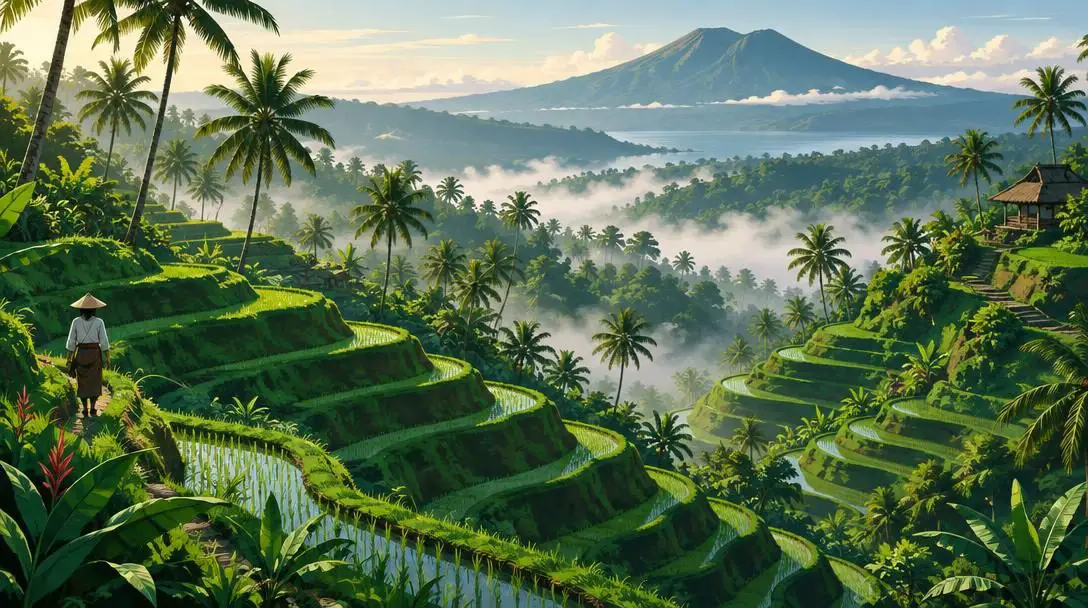
Positioned along the geologically turbulent Pacific Ring of Fire, the Indonesian island of Bali represents an equatorial landscape where steep volcanic topography transitions into fertile river valleys and dynamic coastlines. The island's geography is anchored by active volcanic peaks such as Mount Batur, which dominates the northeastern skyline. Rich volcanic soils produced by past and ongoing eruptions have fostered an extraordinarily dense, biodiverse environment where agricultural traditions and tropical jungle exist in balance.
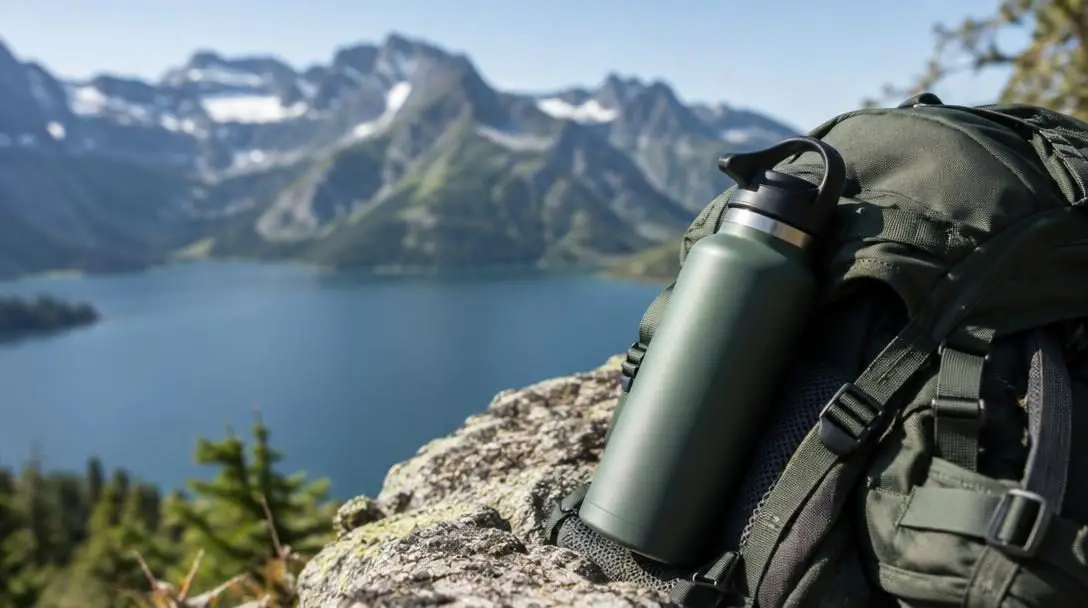
Among its most recognizable landscapes is the Tegalalang Rice Terrace, an intricately layered marvel designated as a UNESCO World Heritage Site. Shaped by the ancient Balinese cooperative water management system known as subak, these terraced hillsides showcase vibrant, stepped greenery sculpted directly into steep ravines. The rhythmic contours of the paddies catch the morning light, creating cascading layers of emerald foliage that follow the natural topography of the land.
Beyond the cultivated terraces, Bali's interior rainforests are split by fast-flowing rivers plunging over high escarpments. Cascades like Nungnung Waterfall plunge with thunderous power into jungle basins, while Tukad Cepung Waterfall flows inside an enclosed, rounded cavern where morning light creates distinct shafts of illumination through rising mist. Successful photography in this tropical climate demands careful management of high humidity, overhead forest canopy density, and early daylight along mountain ridgelines.
Yellowstone National Park, United States
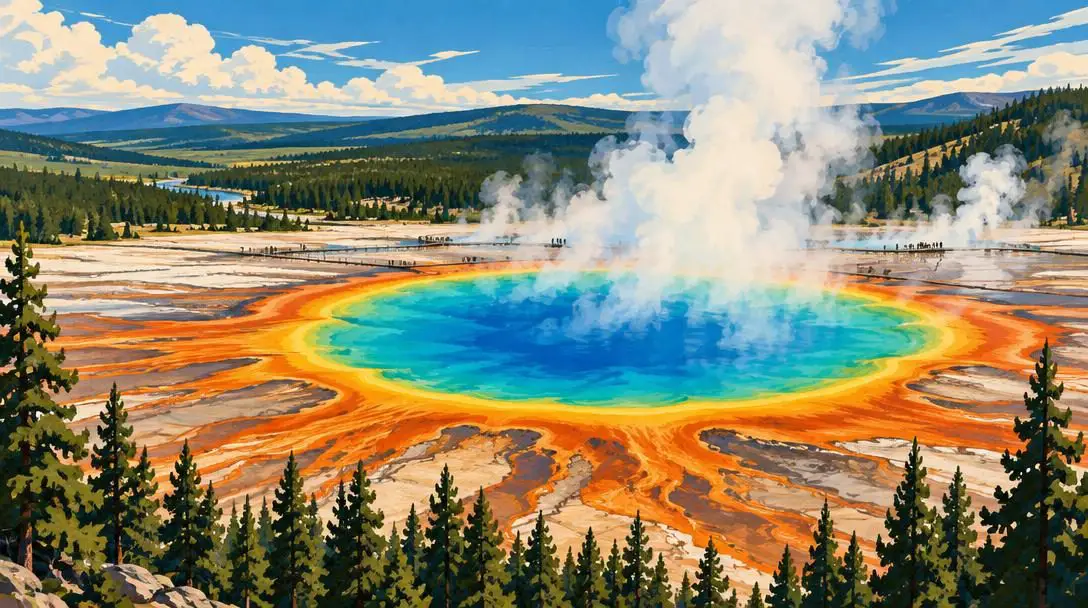
- Location: Wyoming, Montana, and Idaho, United States
- Geothermal Engine: Subterranean volcanic hotspot
- Hydrothermal Landmarks: Grand Prismatic Spring, Old Faithful
- Fauna: Free-ranging bison, gray wolf packs, grizzly bears
Spanning across Wyoming, Montana, and Idaho, Yellowstone National Park rests directly above an immense subterranean volcanic hotspot in the American West. This massive underground heat engine powers the world's largest concentration of hydrothermal features, transforming the high plateau into an otherworldly landscape. Thousands of active steam vents, bubbling mud pots, colorful hot springs, and powerful geysers erupt continuously beneath wide mountain skies.
The crown jewel of Yellowstone's geothermal landscape is the Grand Prismatic Spring, the largest hot spring in the United States. Its concentric rings of deep blue, vibrant green, radiant yellow, and fiery orange are generated by specialized thermophilic bacteria that flourish at varying water temperatures along the mineral terraces. Nearby in the Upper Geyser Basin, Old Faithful reliably launches boiling water and white steam high into the air, offering a clear display of the intense pressures beneath the earth's crust.
Beyond hydrothermal basins, broad expanses like the Lamar and Hayden Valleys shelter iconic megafauna, including free-ranging bison herds, gray wolf packs, and roaming grizzly bears. Capturing these scenes safely requires a disciplined approach to scale and distance. High, designated observation platforms provide the angles necessary to photograph the intricate geometry of thermal pools, while long telephoto lenses are indispensable for framing large predators and grazing herds across open sagebrush meadows.
Santorini, Greece
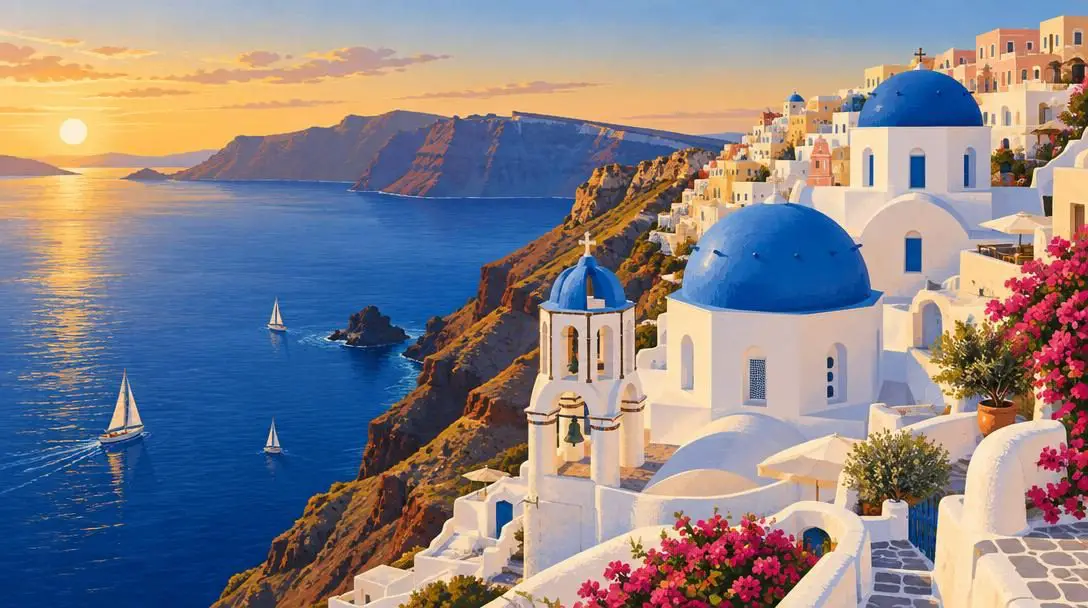
- Location: Southern Aegean Sea, Greece
- Geologic Genesis: Explosive volcanic caldera collapse
- Prominent Towns: Oia and Fira
- Distinctive Shorelines: Red Beach, Perissa Beach
Emerging from the cobalt expanse of the southern Aegean Sea, the Greek island of Santorini stands as a monument to ancient cataclysmic volcanism. The island was shaped by one of the largest explosive eruptions in recorded history, which caused the center of the original landmass to collapse into the sea, leaving behind a massive water-filled caldera bordered by steep, multi-hued cliffs. This raw geological amphitheater forms an astonishing backdrop for traditional Cycladic architecture.
Settlements such as Oia and Fira perch dramatically along the rim of the caldera. Their winding pedestrian paths, bright whitewashed cubic houses, and iconic blue-domed churches stand in vivid contrast to the dark volcanic rock faces plunging hundreds of meters toward the water below. Along the outer coastline, the island's violent geologic past is further highlighted by Red Beach, framed by towering iron-rich cliffs, and Perissa Beach, covered in deep black volcanic gravel.
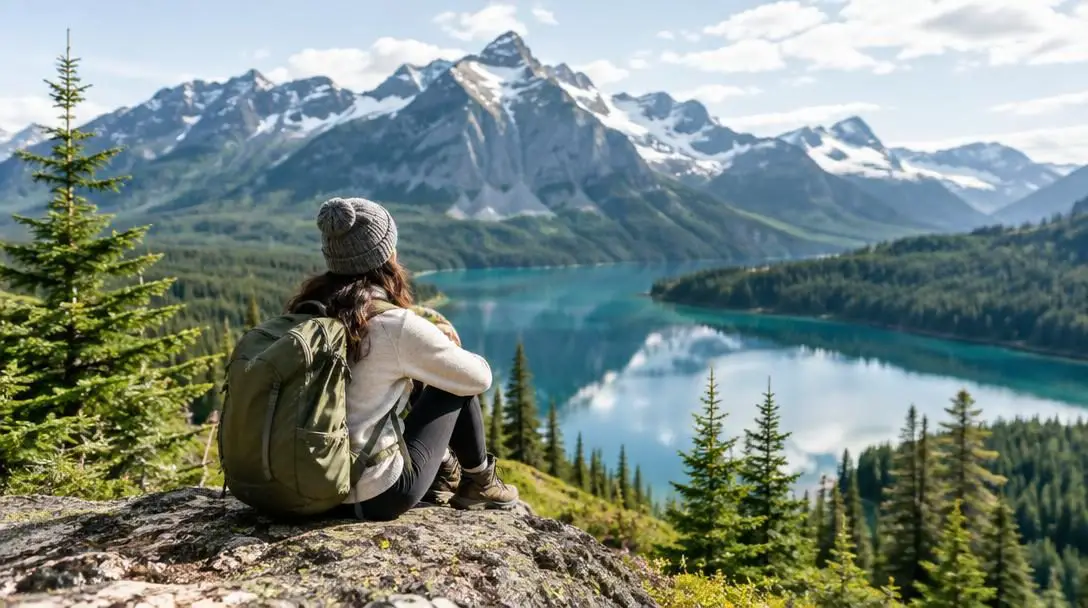
Photographing Santorini requires mastering intense Mediterranean sunlight and high tonal contrasts. The midday sun reflects sharply against whitewashed walls and pale stone paths, making the late afternoon golden hour the ideal time to work. As twilight arrives over Oia, amber and rose tones illuminate the caldera walls, balancing architectural forms with the deep blue hues of the surrounding Aegean Sea.
Great Barrier Reef, Australia
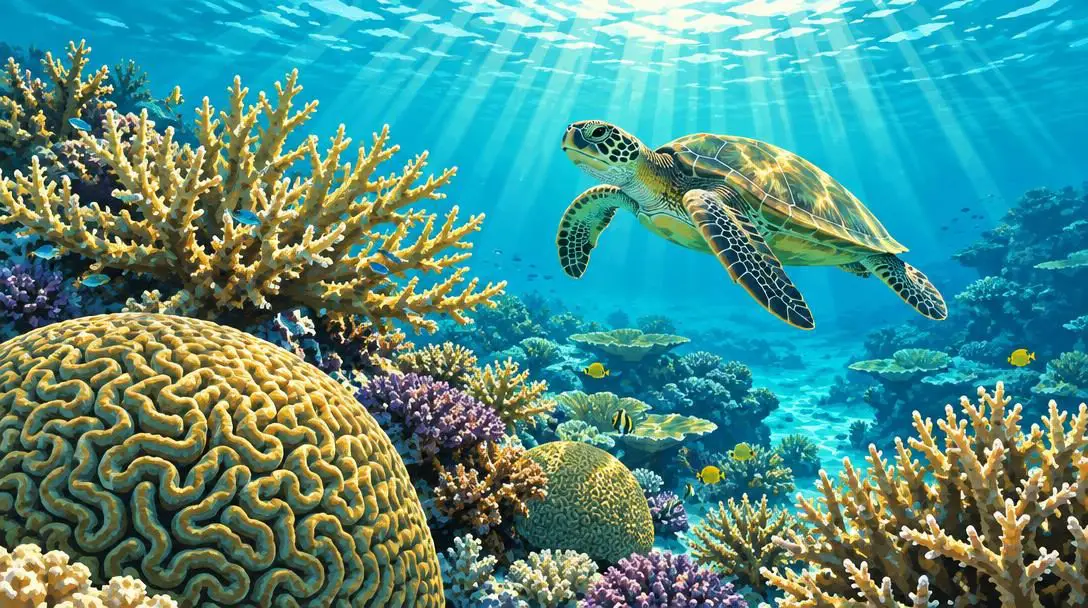
- Location: Coral Sea off Queensland, Australia
- Spatial Dimension: Spans over 2,300 kilometers
- Biological Nature: World's largest living structure
- Key Species: Green sea turtles, reef sharks, manta rays
Extending over 2,300 kilometers along the northeastern coast of Queensland, Australia, the Great Barrier Reef is the largest living structure on the planet. Built by billions of microscopic, calcium-carbonate-secreting coral polyps over millennia, this vast marine ecosystem is so expansive that it is visible from space. The complex encompasses thousands of individual reefs, shallow lagoons, and sandy cays harboring an unparalleled collection of ocean life.
The exceptional clarity of the Coral Sea permits direct sunlight to illuminate thriving coral gardens composed of intricate hard and soft species. Snorkelers and divers explore habitats shared by green sea turtles, reef sharks, manta rays, and hundreds of species of colorful reef fish. Along the outer barrier boundaries, steep underwater walls plunge into abyssal depths, where strong ocean currents supply nutrients to pelagic marine life.
Documenting the Great Barrier Reef involves two entirely different perspectives: close-range underwater photography and high-altitude aerial views. Beneath the surface, divers utilize specialized waterproof housings and artificial strobes to restore the vibrant reds, purples, and yellows that are naturally absorbed by seawater at depth. From the air, scenic flights over shallow channels and coral formations reveal expansive, abstract patterns of turquoise and deep indigo that highlight the enormous scale of this marine sanctuary.
A truly captivating nature photograph demands extraordinary geological formations, pristine lighting, and deep respect for the fragile ecosystems that sustain them.
Field-tested strategies for landscape and wildlife photography
Embarking on an expedition to capture sensitive wilderness areas demands meticulous preparation, technical competence, and a firm commitment to low-impact travel. To bring home compelling imagery without disturbing delicate habitats, follow these essential logistical steps.
- Audit terrain-specific camera equipment: Assemble optics and protective gear tailored to your target environment. Pack circular polarizing filters to cut through surface water reflections at alpine lakes or tropical reefs, telephoto lenses of at least 300mm to 400mm for megafauna, and sealed dust covers for volcanic ash environments.
- Scout natural lighting and seasonal access: Research sunrise and sunset azimuths, seasonal road closures, and low-tide windows well before arrival. Schedule early dawn sessions to capture glass-smooth reflections across glacial lakes or mist burning off volcanic ridgelines before daytime crowds gather.
- Secure all required entry passes and permits: Review local park regulations months ahead of departure. Procure necessary vehicle reservations, backcountry wilderness passes, and commercial media permits where applicable.
- Establish safe field workflows: Follow designated boardwalks, maintain safe perimeter buffers around wildlife, and wear terrain-appropriate footwear when navigating steep steps or loose volcanic scree.
- Execute redundant on-site media backups: Store digital exposures across multiple durable memory cards and offload image files daily to dual portable hard drives before reformatting storage media.
Critical mistakes to avoid in sensitive wilderness environments
Photographing wild landscapes introduces significant environmental and personal challenges. Travelers frequently make missteps that compromise personal safety, damage expensive camera equipment, or degrade fragile wild ecosystems. Avoiding these common errors ensures both a safe visit and long-term environmental protection.
- Approaching dangerous wildlife: In megafauna corridors across Yellowstone and Banff, visitors often underestimate the speed and defensive behavior of large mammals. Bison, elk, and bears are dangerous wild animals. Never advance toward an animal for a tighter composition; rely strictly on long focal-length lenses from secure locations or inside vehicles.
- Stepping off designated paths and trails: Venturing beyond marked boundaries causes severe, long-lasting damage. Walking along the delicate mud berms of Bali's Tegalalang Rice Terraces destabilizes centuries-old irrigation channels, while stepping onto thermal ground in Yellowstone damages fragile mineral formations and risks serious bodily injury.
- Disregarding local drone regulations: Recreational drone flights are heavily restricted or entirely prohibited in national parks throughout Canada and the United States, as well as across Australia's protected marine parks. Operating an unauthorized drone disturbs nesting birds, agitates wildlife, and generates noise pollution in tranquil wilderness areas.
- Neglecting equipment protection against harsh elements: Fine volcanic dust in Santorini and Bali can penetrate moving lens barrels, while fine mineral mist near hydrothermal basins can leave mineral deposits on front optical elements. Always utilize protective filters, lens hoods, and weather-sealed sleeves.
- Failing to account for rapid weather changes: Mountain environments like the Canadian Rockies can transition from mild sunshine to freezing sleet or snow within an hour. Inadequate personal layering can lead to hypothermia and cut short an otherwise productive shoot.
Frequently asked questions
Why do lakes in Banff National Park appear so intensely turquoise?
The distinctive turquoise and emerald hues of lakes like Moraine Lake and Lake Louise come from glacial rock flour. As glaciers grind against mountain limestone bedrock, they create a fine mineral powder. Carried by summer meltwater into alpine basins, these microscopic particles remain suspended and scatter incoming sunlight, reflecting vibrant jewel tones under midday skies.
Can I fly a camera drone to capture these destinations?
In most of these iconic protected regions, drone usage is either prohibited or strictly regulated. Personal recreational drone flights are banned in Canadian national parks like Banff, U.S. national parks like Yellowstone, and throughout the marine park zones of the Great Barrier Reef. Always verify local civil aviation and park authority rules before packing an aerial platform.
What camera lenses are most useful for a diverse nature expedition?
A balanced field kit generally includes an ultra-wide zoom (such as a 16-35mm equivalent) for vast landscapes, cave interiors, and stepped terraces; a standard workhorse zoom (such as a 24-70mm) for general travel; and a telephoto zoom (such as a 100-400mm) for safely isolating wildlife and compressing distant mountain layers.
How can underwater photographers capture vibrant coral colors on the Great Barrier Reef?
Because water absorbs warm light wavelengths rapidly as depth increases, photographs taken below several meters can look monochromatic blue or green. Photographers counteract this by staying close to the surface in bright ambient sunlight, applying custom white-balance adjustments, or using external underwater strobes to reveal the natural pinks, purples, and yellows of coral polyps.
When is the best time of day to photograph crowded landmarks like Oia or Old Faithful?
Early morning at dawn is consistently the most productive time. Arriving at first light minimizes crowds, provides softer directional illumination, and often coincides with calmer winds, resulting in mirror-like alpine lakes, dramatic rising steam plumes in cool morning air, and peaceful shooting conditions along narrow village pathways.
The bottom line
Capturing the planet's most breathtaking natural wonders is about far more than compiling digital trophies. Whether framing the mineral rings of Yellowstone's geothermal springs, observing the marine biodiversity of the Coral Sea, or admiring the ancient volcanic calderas of the Mediterranean, the most memorable images emerge from patience, preparation, and respect. By matching equipment to environmental conditions, timing excursions to natural light cycles, and honoring conservation boundaries, travelers ensure that these awe-inspiring landscapes remain protected for future generations to explore.