5 Reasons To Book A Safari Tour
The African safari industry represents a massive economic and ecological sector that numerous nations depend on for long-term financial stability and natural preservation. Once conducted as historical hunting expeditions, safaris have evolved into highly organized eco-tourism journeys that welcome more than thirty million visitors to the continent each year. These international travelers are drawn by untamed environments, flourishing wildlife populations, and varied cultural encounters that provide a refreshing shift in perspective from everyday modern living.
Far from being restricted to a single ecosystem or country, safaris span sweeping geographic landscapes. Travelers can explore everything from breezy coastal shores with white sand beaches to towering mountain ranges, dense woodlands, rugged highlands, and sprawling grasslands like Tanzania's renowned Ngorongoro Crater. Beyond providing extraordinary personal encounters with nature, modern safari excursions play an essential structural role in funding local infrastructure, maintaining conservation areas, and protecting vulnerable ecosystems.
Key takeaways
- Over thirty million travelers journey to Africa each year to experience diverse wilderness environments.
- Tourism forms a pillar of regional commerce, projected to expand into an industry worth over three hundred billion dollars.
- Scheduled excursions allow travelers to view native wildlife like elephants, lions, and giraffes thriving outside captivity.
- Direct tour revenue provides critical funding for antipoaching ranger patrols and wildlife medical care.
- Traveling with ethical operators directly benefits community development and local businesses.
Core Reasons to Book an African Safari Tour
Deciding to embark on an African wildlife expedition represents a substantial commitment of time and resources. For travelers considering such a journey, understanding the tangible personal, ecological, and cultural impacts helps illustrate why guided safaris remain among the world's most sought-after adventures.
Breathtaking and Diverse Natural Landscapes
The opportunity to witness genuinely gorgeous, untouched terrain is a primary motivation for safari travelers. For those accustomed to dense urban settings or uniform geographic regions, crossing into the African wilderness reveals an astonishing variety of topographies. Landscapes shift dramatically from breezy coastal shores bordered by white sand beaches to rugged highlands, dense woodlands, and expansive open plains. Standout geological marvels like Tanzania's Ngorongoro Crater showcase dramatic volcanic calderas teeming with life. Observing these expansive, open vistas provides a sense of physical scale that permanently alters how visitors perceive the natural world.
Direct Sightings of Wild Animals in Their Natural Habitats
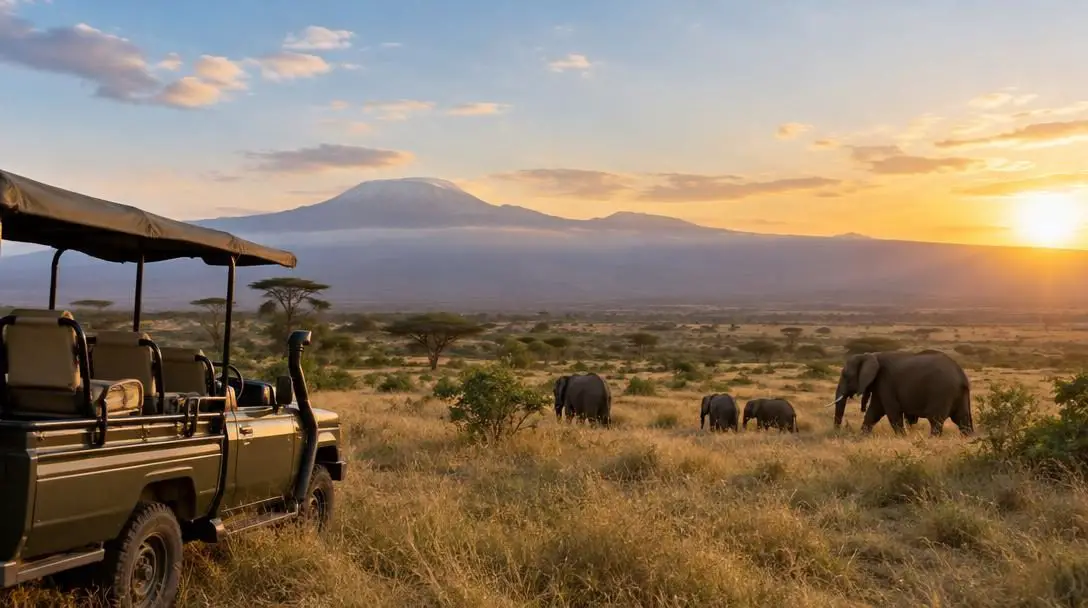
Nothing compares to observing wild animals roaming freely within their native ecosystems. Outside of human captivity, these creatures genuinely rule the land, providing a profound and humbling vantage point that nature documentaries and traditional zoological parks cannot match. Safari guests frequently find themselves positioned mere yards from large mammals and apex predators, granting them an intimate look at essential survival behaviors such as territorial hunting, social play, and the rearing of young offspring.
In their native ecosystems, wild animals genuinely rule the land, creating a humbling atmosphere that no zoo or documentary can replicate.
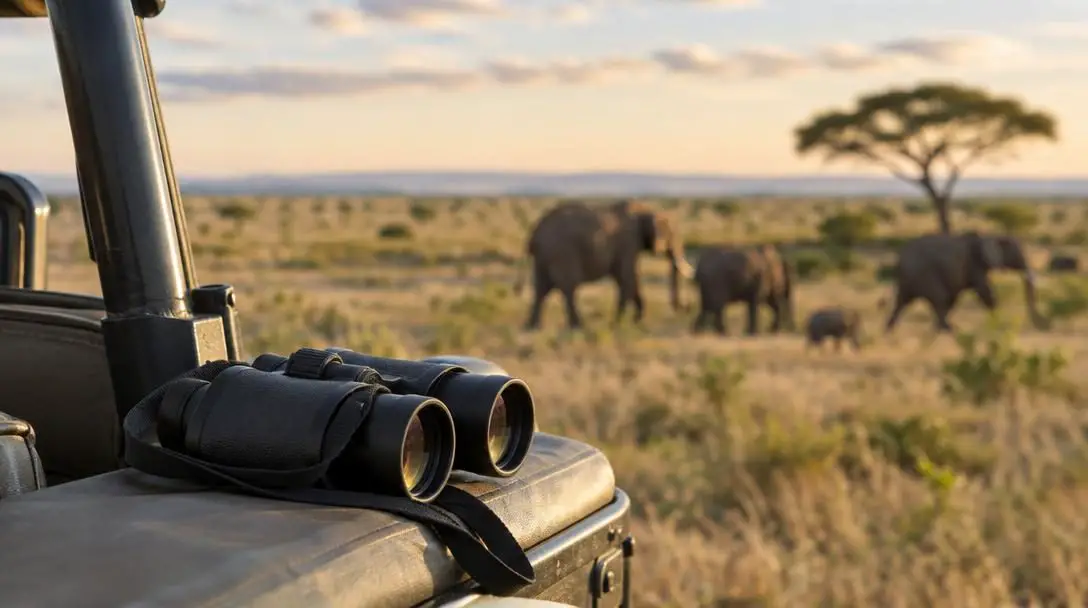
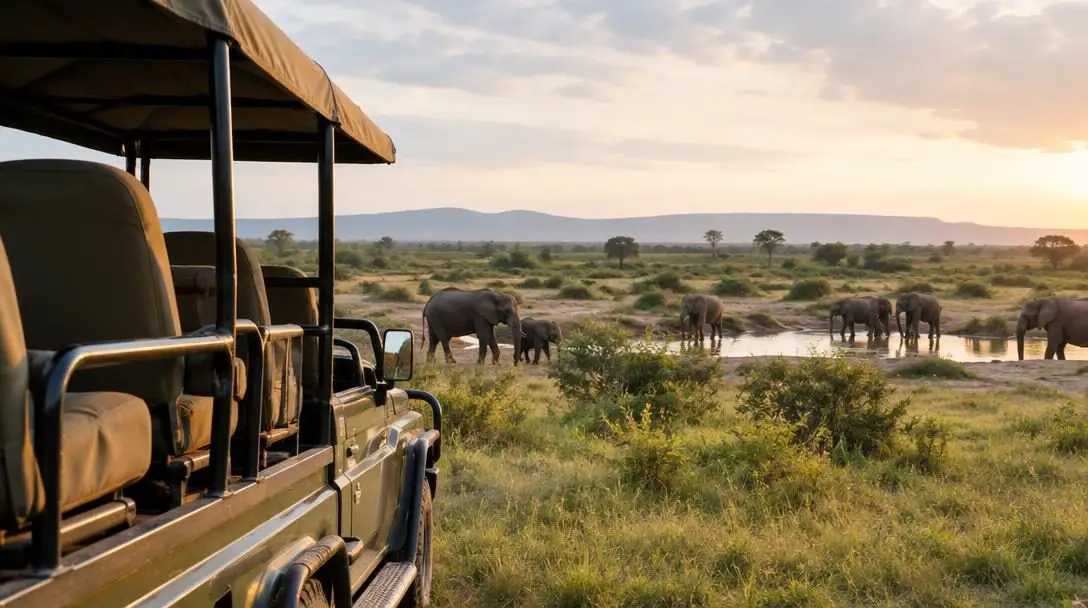
These protected reserves provide unmatched viewing access to species native to the continent. Visitors can observe fierce predators such as lions, cheetahs, and hyenas coexisting alongside large grazing herds. In addition to iconic African elephants, travelers routinely encounter zebras, giraffes, hippopotamuses, and ostriches interacting in completely unrestrained environments.
Direct Support for Regional Economies and Communities
Booking a safari itinerary delivers immediate, positive financial support to regional economies. When guests arrive, their expenditures directly sustain local enterprises, including family-owned dining establishments, regional lodges, and neighborhood markets where craftspeople sell handmade goods and souvenirs. This continuous flow of consumer spending supplies the vital capital needed for community development projects, municipal infrastructure, and ongoing wildlife care.
Across Africa, tourism accounts for a substantial share of total gross domestic product, with analysts projecting the broader sector will grow to exceed three hundred billion dollars in total economic value. However, the economic reliance on safari revenue varies substantially by geographic zone.
Immersion in Distinct Cultural Heritages
Safari travel offers the rare privilege of engaging with rich, distinct cultural traditions. Immersing oneself in an unfamiliar society presents an authentic education in local traditions, social customs, manners, storytelling, and regional foods and drinks. Every nation and territory maintains its own historical customs, allowing guests to encounter a rich social tapestry that deepens their worldview.
Furthermore, safaris invite guests to step away from pervasive technological distractions such as internet access and televisions. Detaching from the routine hustle and bustle of modern life fosters a tranquil headspace where visitors can build authentic connections with local hosts, expert field trackers, and fellow travelers around communal gatherings.
Active Contributions to Wildlife Conservation
Direct conservation funding is one of the most vital outcomes of modern safari tourism. Reputable travel providers design their itineraries to minimize habitat disruption while dedicating substantial portions of commercial proceeds toward environmental stewardship and veterinary intervention for sick or injured animals. Organizations such as National World Safaris, which launched in 2005, have demonstrated how commercial travel revenue can be channeled directly into anti-poaching initiatives and ecological safeguarding.
Tourism-funded budgets supply the specialized gear, vehicles, and ranger patrols required to defend endangered species from illegal hunting networks. Nations like Madagascar, Mozambique, and Botswana have recorded notable increases in tourism arrivals alongside broadened conservation enforcement, resulting in documented drops in poaching across their national reserves.
Comparative Economic Reliance on Tourism Across Africa
The economic footprint of travel is not uniform across the continent. While some geographic sectors rely on tourism as a cornerstone of their gross domestic product, others maintain diversified industrial bases that depend far less on international visitors.
| Region | Economic Reliance | Role in Regional Economy |
|---|---|---|
| East Africa | High | Represents nearly ten percent of the overall economy; primary driver of public revenue and commerce. |
| North Africa | High | Relies heavily on consistent visitor influx to sustain domestic service industries. |
| West Africa | High | Maintains strong dependence on foreign tourism spending for employment and municipal stability. |
| Central Africa | Low | Relies minimally on tourism revenue compared to other continental regions. |
| South Africa | Moderate to Low | Represents only a small share of a broad, highly diversified industrial economy. |
How Safari Tours Operate in Practice
Professional safari excursions run according to carefully coordinated field logistics that maximize passenger safety, protect animal welfare, and optimize wildlife viewing opportunities throughout the day.
- Scheduled Game Drives: Excursions typically take place twice daily. Morning drives depart at sunrise when predators and grazers are most active before the midday heat. Afternoon game drives start late in the day and run toward dusk, allowing guests to witness species preparing for nocturnal routines.
- Dedicated Safari Vehicles: Guests travel inside custom four-wheel-drive vehicles or converted pop-top vans built to navigate rough, unpaved terrain while offering unobstructed sightlines for photography.
- Licensed Field Guides: Experienced guides track animal footprints, read environmental cues, interpret wildlife vocalizations, and ensure vehicles maintain a safe, respectful distance that prevents animal distress.
- Camp and Lodge Facilities: Accommodations range from permanent brick-and-mortar lodges to mobile tented bush camps positioned close to seasonal wildlife corridors, providing meals and community resting quarters between drives.
Step-by-Step Guide to Planning a Safari
Turning a dream safari into reality requires structured preparation to match personal preferences with seasonal conditions and regional requirements.
- Choose Your Primary Region: Decide between East African hubs like the plains of Tanzania and Ngorongoro Crater, or Southern destinations such as Botswana and Mozambique, based on the specific landscapes and wildlife you wish to prioritize.
- Select an Ethical Operator: Book through established operators that support conservation infrastructure, avoid habitat disruption, and provide fair employment to local communities, mirroring the standard set by groups like National World Safaris.
- Secure Travel Documents: Verify that your passport remains valid well beyond your travel dates and apply for all required entry visas for each transit and destination country.
- Consult Medical Professionals: Schedule an appointment with a travel clinic well in advance to obtain recommended preventive medications, required vaccinations, and general health advice.
- Organize Practical Clothing: Pack breathable, earth-toned garments that blend into the wilderness, avoiding bright colors or stark dark shades that attract insects, and include warm layers for chilly morning departures.
- Prepare Viewing Equipment: Invest in high-quality binoculars and a camera equipped with a capable zoom lens to clearly view distant animals like cheetahs, leopards, and ostriches.
Mistakes to Avoid on a Safari Tour
First-time visitors often encounter logistical hurdles that can detract from their bush experience. Avoiding these frequent missteps will keep your journey enjoyable, safe, and stress-free.
- Disregarding Wildlife Boundaries: Because wildlife roams completely unrestrained, visitors must strictly heed guide instructions, stay seated inside vehicles, and refrain from calling out to, feeding, or touching animals.
- Overpacking with Rigid Luggage: Regional bush aircraft and transfer trucks often reject hard-shell suitcases. Bringing soft-sided duffel bags ensures smooth transfers across remote airstrips.
- Focusing Exclusively on Predators: fixating solely on spotting lions and hyenas causes travelers to overlook magnificent encounters with zebras, giraffes, hippopotamuses, and diverse bird species.
- Rushing Through Multiple Destinations: Cramming multiple parks into a single week leads to travel fatigue. Spending several consecutive nights in a single reserve maximizes the likelihood of observing complex natural behaviors.
- Expecting Constant Digital Connectivity: Many remote lodges intentionally operate without high-speed internet or in-room televisions, encouraging guests to unwind and fully appreciate their natural surroundings.
Frequently asked questions
How many people travel on African safaris each year?
More than thirty million international travelers visit the African continent annually to experience guided safari tours and explore its protected wildlife reserves.
Which animals can I expect to see on a typical safari?
While wildlife sightings depend on the specific region, visitors commonly observe apex carnivores such as lions, cheetahs, and hyenas, along with African elephants, giraffes, zebras, hippopotamuses, and ostriches.
How does safari tourism assist in wildlife conservation?
A significant portion of safari commercial revenue finances anti-poaching ranger units, provides veterinary care for sick or injured animals, and maintains protected habitats in countries like Botswana, Mozambique, and Madagascar.
Why do safari excursions run early in the morning and late in the afternoon?
Game drives are timed around animal activity patterns. Wildlife is most active during the cooler hours of early morning and late afternoon, while many species rest in shaded cover during the peak heat of midday.
What luggage should I bring on an African safari?
Travelers should pack soft-sided duffel bags rather than rigid, hard-shell suitcases. Small safari transfer planes and four-wheel-drive vehicles have strict weight and spatial constraints for guest luggage holds.
The bottom line
Booking an African safari offers an extraordinary opportunity to encounter untamed wildlife, awe-inspiring geological formations, and diverse cultural heritages across the continent. By choosing certified, eco-minded tour operators, travelers do far more than embark on a memorable personal journey—they supply the essential economic resources that fund anti-poaching patrols, protect sensitive natural habitats, and ensure local communities thrive for generations to come.