5 Largest World Capitals You Have to See
Every nation requires a capital to anchor its political governance, yet national capitals differ drastically in their character and scale. While certain administrative centers house little more than government ministries and legislative chambers, others evolve into the undisputed cultural, financial, and logistical heartbeats of their homelands. These megacapitals command vast populations, house historic treasures, and offer an expansive variety of lodging and activities for international travelers.
For visitors exploring global regions, prioritizing these massive central hubs offers significant logistical advantages. Major capitals usually function as primary air-transit gateways, simplify transportation with comprehensive transit systems, and provide deep hospitality options ranging from accessible budget accommodations to world-class hotels. Among the world's most populous centers of government, five stand apart for their sheer scale, vibrant neighborhoods, and boundless sightseeing potential.
Key takeaways
- Megacapitals like Beijing, Cairo, Tokyo, Jakarta, and Moscow combine central political governance with massive urban populations and deep cultural heritage.
- Cairo and Beijing lead the list in sheer headcount, each sustaining populations exceeding 21 million residents.
- These cities serve as primary national transport networks, offering both straightforward arrival logistics and convenient departure points for wider regional travel.
- Managing visits across metropolises of this scale requires grouping sights by neighborhood to avoid excessive commuting times.
The Unique Appeal of National Megacapitals
Megacities that double as national capitals command a distinct presence in international tourism. Unlike purpose-built administrative outposts that exist strictly to host civil servants, these expansive cities serve as the central nervous systems of their respective countries. They pull together domestic migrants, students, corporate headquarters, and artists into dense urban quarters that reveal a concentrated portrait of national life.
Because these metropolises carry both political authority and commercial weight, they allow travelers to absorb centuries of architecture, modern technological innovations, and rich civic traditions in a single journey. Whether navigating ancient monumental zones or hyper-dense commercial districts, travelers in these five giant capitals experience destinations where historical weight meets modern momentum.
| Capital City | Country | Recorded Population | Regional Distinction | Primary Sights and Features |
|---|---|---|---|---|
| Cairo | Egypt | 21.9 million | Most populated land in Africa and the Middle East | Pyramids of Giza, Nile Delta access |
| Beijing | China | 21.3 million | Most populated area in China | Fortune 500 corporate hubs, historic architecture |
| Tokyo | Japan | 14 million (2022) | Largest city in Japan | Mount Fuji vistas, cherry blossoms, modern gadgets |
| Moscow | Russia | Over 12 million (2022) | Second most populous city in Europe | Coldest megacapital, rich cultural tourism |
| Jakarta | Indonesia | Over 11 million | Most populous city in Indonesia | Elevated standard of living, vibrant arts and festivals |
Five Largest World Capitals Every Traveler Should Explore
These five destinations demonstrate how massive headcounts and intense civic energy combine to create unforgettable travel destinations. Each features its own balance of ancient landmarks, regional transit networks, and distinct urban lifestyle.
Beijing
- Population: 21.3 million
- National Status: Capital and most populated area in China
- Economic Role: Largest collection of Fortune 500 companies
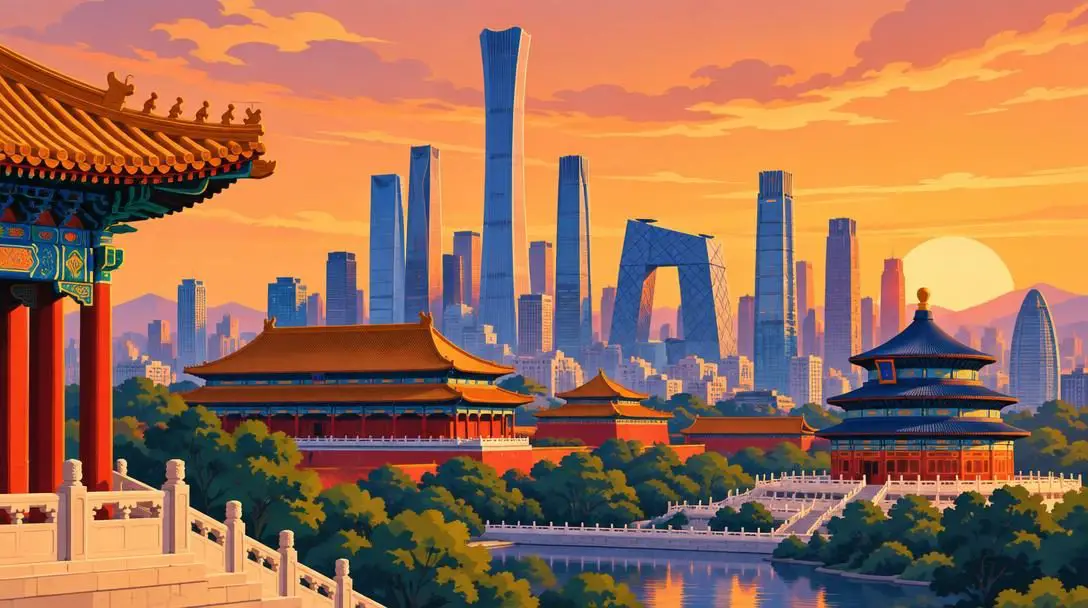
Holding a staggering population of 21.3 million people, Beijing stands as the most populated area within China and ranks among the most populous capital cities across the globe. As a dominant center for domestic and international media, economic development, and advanced science, the metropolis retains a continuous draw for millions of long-term residents and international travelers alike.
Visitors to Beijing encounter an architectural landscape that seamlessly balances antique structures with bold, modern civil engineering. The city houses the world's largest concentration of Fortune 500 corporate headquarters, yet its everyday streetscapes remain deeply tied to enduring customs and historical grandeur. This interplay of antique heritage and cutting-edge commerce makes it an essential stop for understanding China's past and present.
Cairo
- Population: 21.9 million
- Regional Standing: Most populated land in Africa and the Middle East
- Geography: Positioned near the Nile Delta
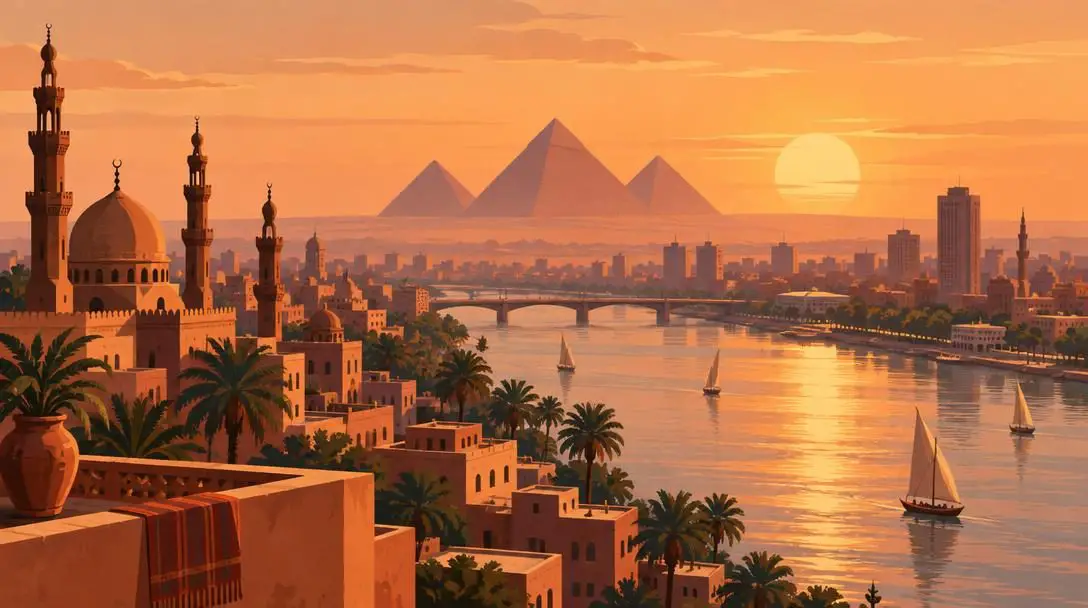
Holding 21.9 million residents, Cairo is the most populated land in both Africa and the Middle East. The Egyptian capital is globally renowned for sitting alongside the pyramids of Giza, recognized universally as one of the great wonders of the world. Positioned near the lush Nile Delta, where the historic river flows forward to meet the Mediterranean Sea, the city provides an unmatched setting for historical exploration.
Human activity and cultural traditions in the region date back over half a million years, giving Cairo a density of antiquity that few cities anywhere can rival. History enthusiasts find endless avenues for discovery across its expansive layout, wandering between ancient monumental complexes and dynamic, bustling urban markets.
Tokyo
- Population: 14 million (as of 2022)
- National Status: Capital and largest city in Japan
- Key Landmark: Views of Mount Fuji on the island of Honshu
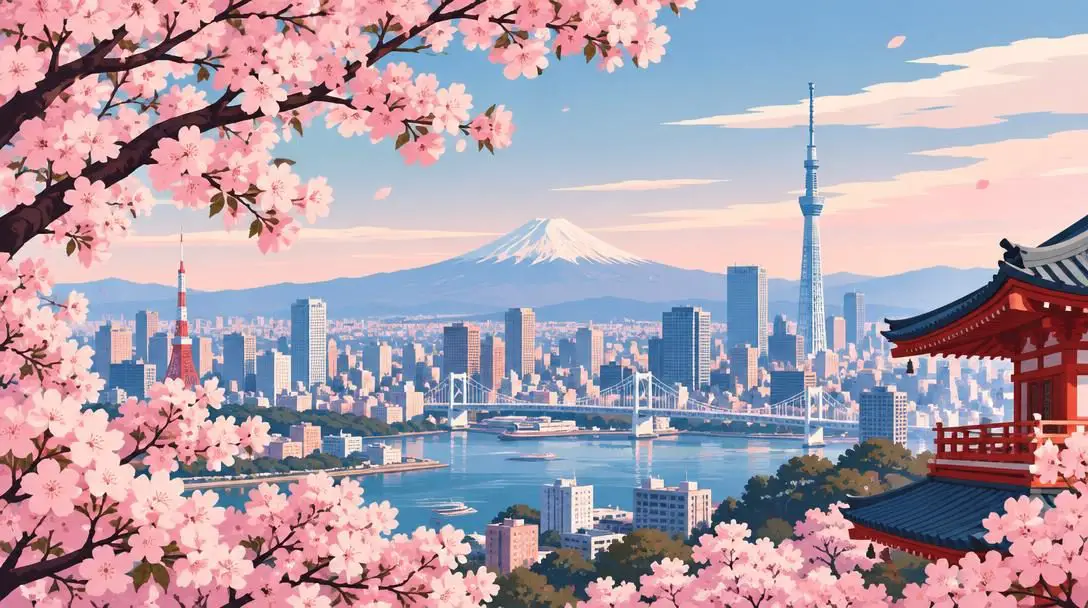
Ranked high on travel wish lists worldwide, Tokyo serves as Japan's capital and its largest city, registering 14 million residents within its boundaries as of 2022. It represents a thrilling sensory environment characterized by cutting-edge consumer technology, eccentric lifestyle gadgets, an endless array of dining choices, and a magnetic public atmosphere.
Despite its sprawling urban footprint across the island of Honshu, Tokyo offers tranquil escapes where traditional aesthetics still reign. During the spring season, an abundance of blooming cherry blossoms transforms older, culturally rich neighborhoods into serene respites from the dense metro corridors. On clear days, residents and travelers are treated to striking views of Mount Fuji rising against the horizon, grounding the hyper-modern cityscape against an iconic natural backdrop.
Megacities that double as national capitals serve as the central nervous systems of their respective countries.
Jakarta
- Population: Over 11 million
- National Status: Capital and most populous city in Indonesia
- Cultural Identity: Prominent center for public art and cultural festivals
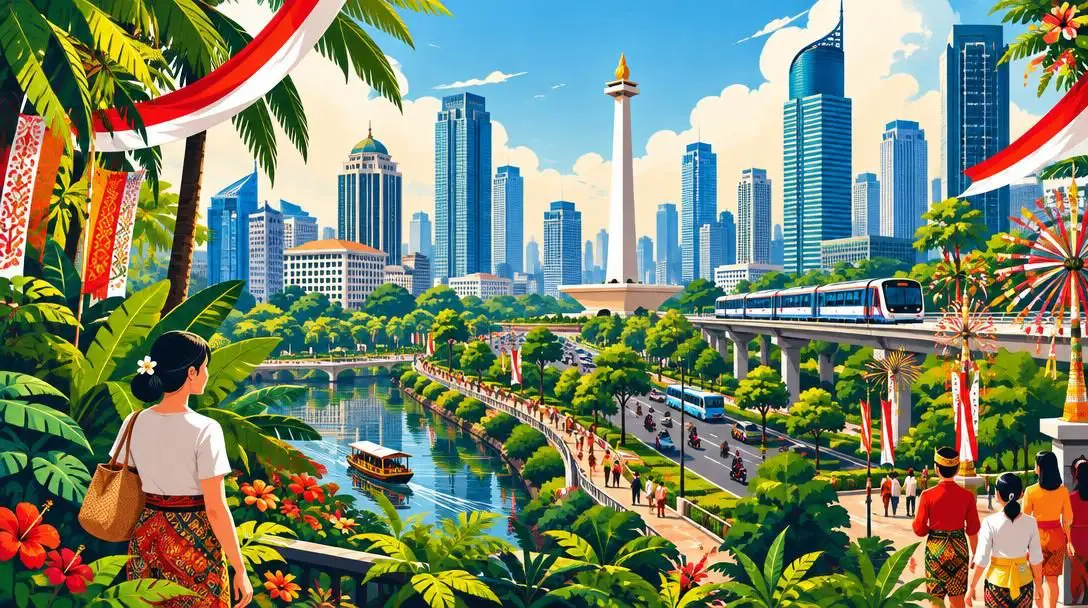
As the primary urban center of Indonesia, Jakarta is home to over 11 million residents, making it the most populous city within the country and a titan among Southeast Asian capitals. The metropolis presents an energetic environment that provides an elevated standard of living compared to poorer and underdeveloped rural areas across the archipelago.
Jakarta's residents celebrate their diverse heritage through vibrant showcases of public art, neighborhood exhibitions, and energetic annual festivals. The city's layered tropical environment and civic pride offer travelers a vibrant glimpse into modern Indonesian culture, street cuisine, and artistic creativity.
Moscow
- Population: Over 12 million (as of 2022)
- European Standing: Second most populous city in all of Europe
- Climate Profile: One of the coldest capital cities in the world
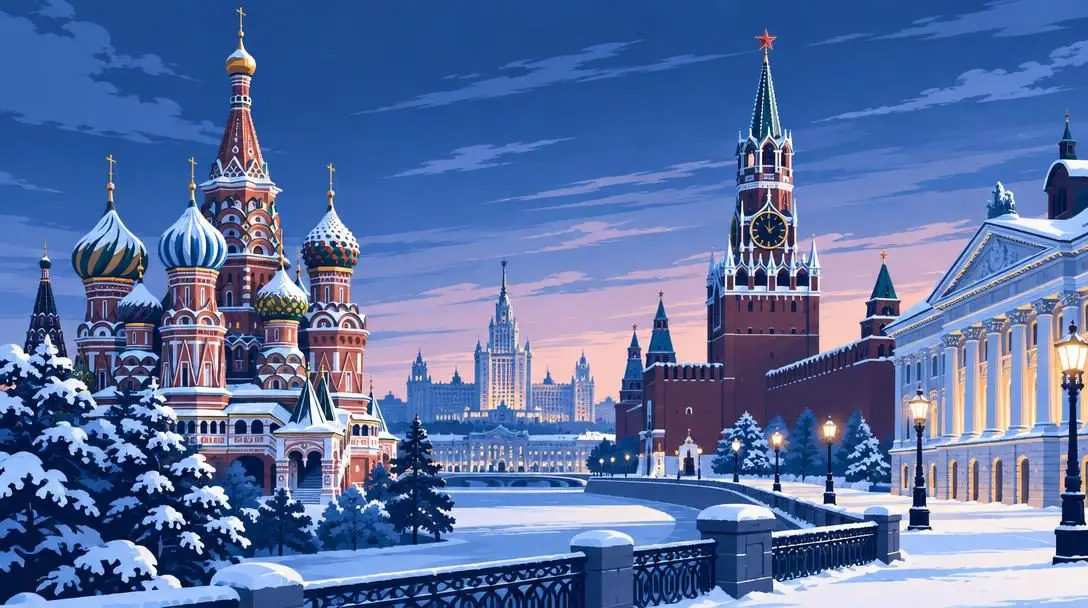
Recording more than 12 million residents as of 2022, Moscow is the largest city in Russia and holds the title of the second most populous urban center in all of Europe. A long and turbulent historical timeline has done nothing to diminish interest in the city; it remains a magnet for domestic migrants and stands as one of the most visited destinations across the European continent.
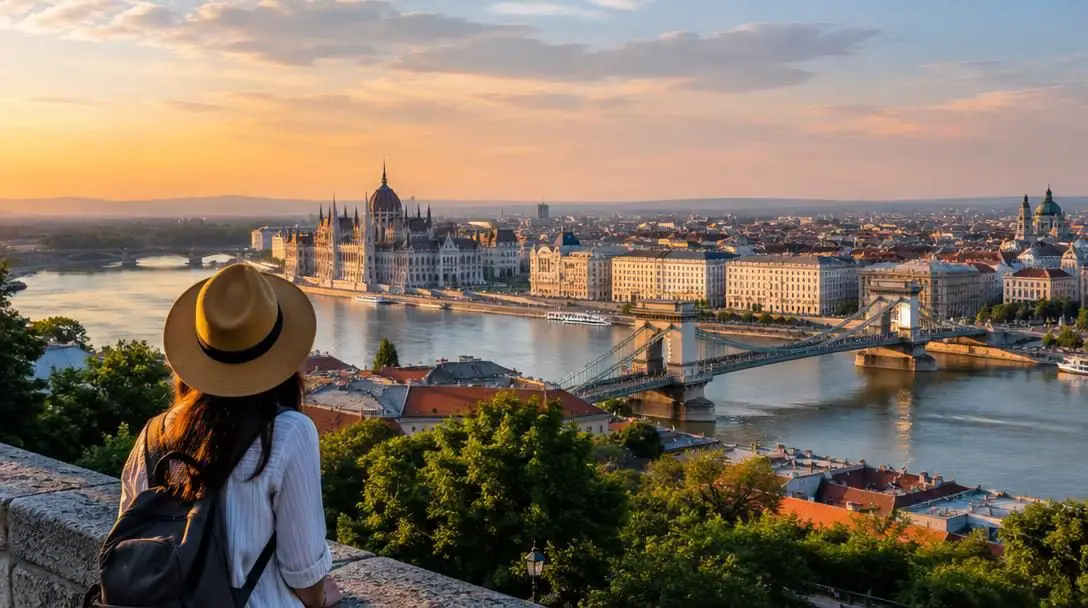
Moscow is celebrated for its deep catalog of cultural venues, ornate architectural traditions, and grand public spaces. Travelers heading to the Russian capital must also account for its harsh climate realities: because it ranks as one of the coldest capital cities in existence, visitors should always prepare with heavy outerwear and protective winter gear.
How Megacity Tourism Operates
Exploring metropolises containing 11 million to nearly 22 million residents requires understanding the logistical machinery that keeps these places moving. Tourism in a massive capital functions very differently than visiting smaller resort towns, relying on centralized infrastructure, diverse administrative districts, and layered architectural timelines.
- Centralized Transportation Infrastructure: Major capitals serve as the entry hubs for their nations. International flights land at primary metropolitan terminals, while national rail networks radiate outward from the capital. This concentration makes reaching the city straightforward, even when traveling across continents.
- Distinct Urban Districts: Megacities rarely function as a single uniform downtown. Instead, they operate as collections of distinct boroughs, wards, or sectors. Tokyo, for instance, functions across separate wards that alternate between commercial tech centers and quiet residential streets, while Beijing spreads its scientific clusters and historic lanes across broad districts.
- Layered Historical Eras: In ancient centers such as Cairo and Beijing, historical monuments sit alongside contemporary economic developments. Ancient treasures like the Giza pyramids or centuries-old imperial landmarks stand within a short transit journey of Fortune 500 corporate centers.
- Variable Seasonal Conditions: The geographic diversity of these capitals means travelers must adapt to widely different environmental conditions, ranging from the equatorial warmth of Jakarta to the extreme winter temperatures typical of Moscow.
Planning a Successful Capital Itinerary
Because crossing a massive metropolitan area can take hours during peak transit periods, itineraries must be constructed methodically. Following structured planning steps helps prevent unnecessary transit delays and fatigue.
- Verify Regional Entry Requirements: Check all current entry guidelines, passport validity windows, and visa rules for China, Egypt, Japan, Indonesia, or Russia well before purchasing flights.
- Select a Neighborhood Base Aligned with Your Interests: Secure lodging near the attractions you care about most. If your primary goal in Tokyo is visiting cherry blossom parks and traditional historic shrines, book a hotel near those areas rather than across the wider metropolitan area.
- Group Sightseeing Geographically: Cluster daily activities by district. In Cairo, reserve a dedicated day for exploring the pyramids of Giza and adjacent sites rather than commuting back and forth through downtown traffic.
- Pack for Local Climate Demands: Pack appropriately for local seasonal realities. Bring thermal base layers, heavy winter coats, and boots for Moscow, or lightweight, breathable clothing for tropical Jakarta.
- Study Urban Transit Layouts in Advance: Learn the basics of the city's subway or urban rail lines before departing. Navigating underground rail systems often proves far faster than hailing cars in congested street traffic.
Frequent Traps Travelers Encounter in Massive Capitals
Due to the sheer size of these urban powerhouses, first-time guests often fall into common itinerary traps. Avoiding these missteps will save both precious hours and unnecessary frustration.
- Underestimating Cross-Town Transit Times: Distances on a map can be deceiving. In hubs like Beijing, Cairo, and Jakarta, navigating from one side of the city to the other often demands hours of buffer time due to population density and traffic.
- Overloading the Daily Schedule: Attempting to check off four or five distant attractions in a single day is exhausting in a vast city. Restricting plans to one or two primary destinations each day leaves room to enjoy the local atmosphere without rushing.
- Overlooking Seasonal Climate Warnings: Arriving in Moscow without proper cold-weather clothing can disrupt an otherwise rewarding vacation. Similarly, underestimating midday heat in Cairo or humid tropical conditions in Jakarta can lead to rapid dehydration.
- Lodging Far Away from Transit Links: Although budget-friendly rooms can be found throughout suburban perimeters, staying too far from primary rail or bus networks results in expensive cab rides and lengthy daily commutes.
- Ignoring Neighborhood Culture: Focusing exclusively on marquee commercial centers or corporate hubs causes visitors to miss local art galleries, neighborhood street markets, and community festivals that illustrate true resident life.
Frequently asked questions
Which capital city on this list has the largest population?
Cairo holds the largest population among the featured capitals, with an astounding 21.9 million residents living within its metropolitan boundaries. It is followed closely by Beijing, which supports 21.3 million people.
What natural landmark can be seen from Tokyo?
Residents and visitors in Tokyo can view Mount Fuji, which is situated on the surrounding island of Honshu and visible from various elevated vantage points on clear days.
Why is Moscow distinct among major European capitals?
Moscow is the largest city in Russia and the second most populous city in all of Europe, home to over 12 million people as of 2022. It is also distinguished as one of the coldest capital cities in the world.
What ancient landmark makes Cairo a premier destination for history lovers?
Cairo features the world-famous pyramids of Giza, one of the ancient wonders of the world, set in a historic region where culture and civilization date back more than half a million years.
What makes Jakarta an attractive destination within Indonesia?
As Indonesia's capital and most populated city, Jakarta offers an elevated standard of living compared to the country's less developed areas, alongside an active cultural scene centered around community arts and lively seasonal festivals.
The Bottom Line
The largest capital cities in the world are far more than administrative centers; they are dynamic microcosms of their home nations. Beijing, Cairo, Tokyo, Jakarta, and Moscow combine tens of millions of residents, immense historical landmarks, and sophisticated modern industries into singular travel experiences. Because these megacapitals double as their countries' primary transport hubs, they serve both as magnificent standalone vacations and as natural launchpads for broader regional adventures.
Whether your goal is marveling at the Nile Delta near Cairo, taking in views of Mount Fuji from Tokyo, or exploring the cultural legacy of Moscow and Beijing, thoughtful preparation makes all the difference. By tailoring your packing to local weather patterns, selecting accommodations near reliable transit lines, and clustering activities by neighborhood, you can smoothly navigate the extraordinary energy of the world's greatest capitals.