5 Legendary Florida Live Venues
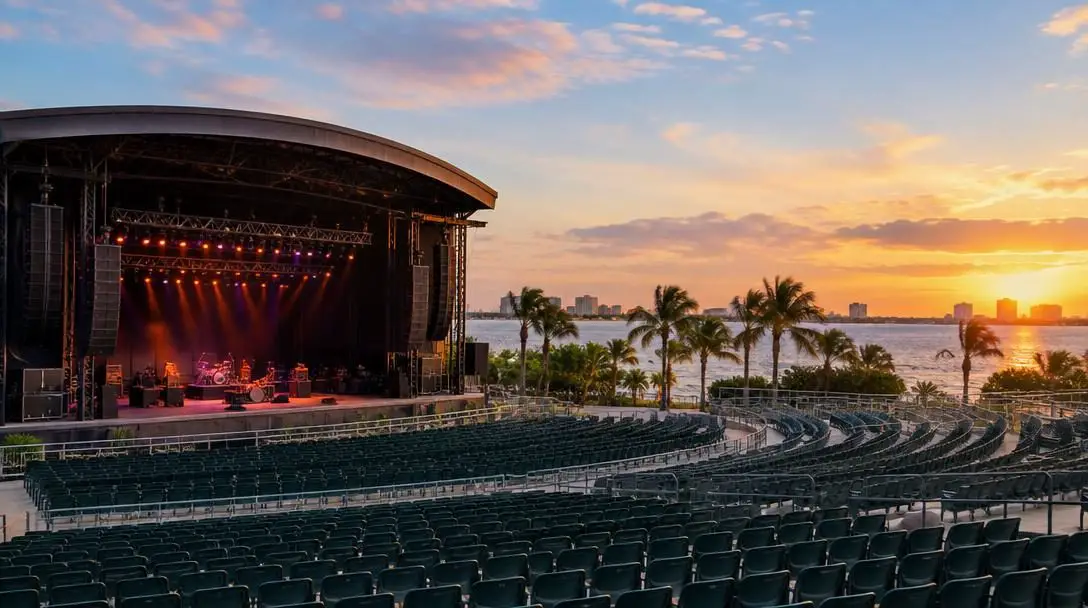
When discussions turn to the most revered live performance spaces in the United States, attention typically gravitates toward coastal legacy monuments like Madison Square Garden in New York, the Hollywood Bowl in Los Angeles, or Red Rocks Amphitheatre carved into the Colorado mountains. Florida is frequently overlooked in national conversations celebrating historic music hubs, yet the state sustains one of the most prolific and diverse touring circuits in the country. From historic early-twentieth-century downtown theatres to sprawling open-air athletic facilities, Florida presents a comprehensive network of stages that have nurtured emergent talent and hosted the biggest touring spectacles on earth.
The state's unique geography shapes an expansive touring route that spans hundreds of miles. National tours moving through the region reach distinct markets, traveling from the political and collegiate center of the Panhandle down through the tourism hubs of Central Florida and into the multicultural coastal metropolis of South Florida. Along this route, the Sunshine State serves as a crucial launchpad and cultural gateway for global music genres, including Latin pop, hip-hop, heavy metal, and arena rock. Whether an audience member is looking for sweaty general admission clubs or monumental stadium stages holding tens of thousands of fans, Florida delivers exceptional live music across every imaginable format.
Key takeaways
- Florida features a deeply diverse live entertainment ecosystem ranging from historic downtown venues to modern sports arenas and massive outdoor stadiums.
- Versatile multi-use facilities regularly host both premier professional sports franchises and record-setting international concert tours.
- Historic preservation efforts have kept iconic cultural landmarks active, ensuring century-old venues continue booking modern, genre-crossing talent.
- Student-led independent venues provide an accessible, ground-level pipeline for groundbreaking alternative artists alongside Florida's arena-scale destinations.
The Sunshine State as a premier touring corridor
Florida's geographical position requires touring productions to commit substantial logistical resources to travel down the peninsula, which has fostered a distinctive, self-contained regional music ecosystem. Because major metropolitan areas like Orlando, Miami, and Tampa are separated by hours of highway, artists frequently route multi-stop runs across the state. This geographic spread allows performers to connect with demographically varied crowds, each offering their own musical tastes and cultural traditions.
South Florida in particular operates as an international bridge for Latin entertainment, hosting major televised music awards alongside sold-out arena runs for Latin trap, reggaeton, and bachata stars. Simultaneously, Central Florida attracts millions of global travelers who fill calendar dates between regular professional sports matchups, while Northern Florida links the state to the broader Southern indie rock and collegiate circuits. This dynamic landscape ensures that artists across all genres find dedicated audiences across the state's storied stages.
At a glance: Florida's essential live music stages
The following table outlines the distinguishing characteristics, locations, and prominent performers associated with five of Florida's most significant performance spaces.
| Venue | Location | Primary Facility Type | Notable Past Performers |
|---|---|---|---|
| Amway Center | Orlando | Modern Multi-Purpose Arena | Bad Bunny, Dua Lipa, Bruce Springsteen, Red Hot Chili Peppers |
| Club Downunder | Tallahassee | Student-Operated Campus Club | Soundgarden, The White Stripes, Modest Mouse |
| Miami-Dade Arena | Miami | Waterfront Professional Sports Arena | Madonna, Lady Gaga, Taylor Swift, Tina Turner |
| The Beacham | Orlando | Historic Downtown Theatre | Pink, The Police, Judas Priest, 50 Cent |
| Hard Rock Stadium | Miami Gardens | Open-Air Multi-Purpose Stadium | Elton John, U2, Paul McCartney, The Rolling Stones, Metallica |
5 legendary Florida venues that shaped live entertainment
While the state contains dozens of remarkable spaces, five specific venues have left an indelible mark on Florida's live music history through architectural legacy, cultural relevance, and iconic headlining acts.
Amway Center
- Location: Church Street, Downtown Orlando
- Primary Tenant: Orlando Magic (NBA)
- Predecessor Facility: Original Amway Arena (opened 1989, closed 2010)
- Key Headliners: Bad Bunny, Dua Lipa, Bruce Springsteen, Red Hot Chili Peppers
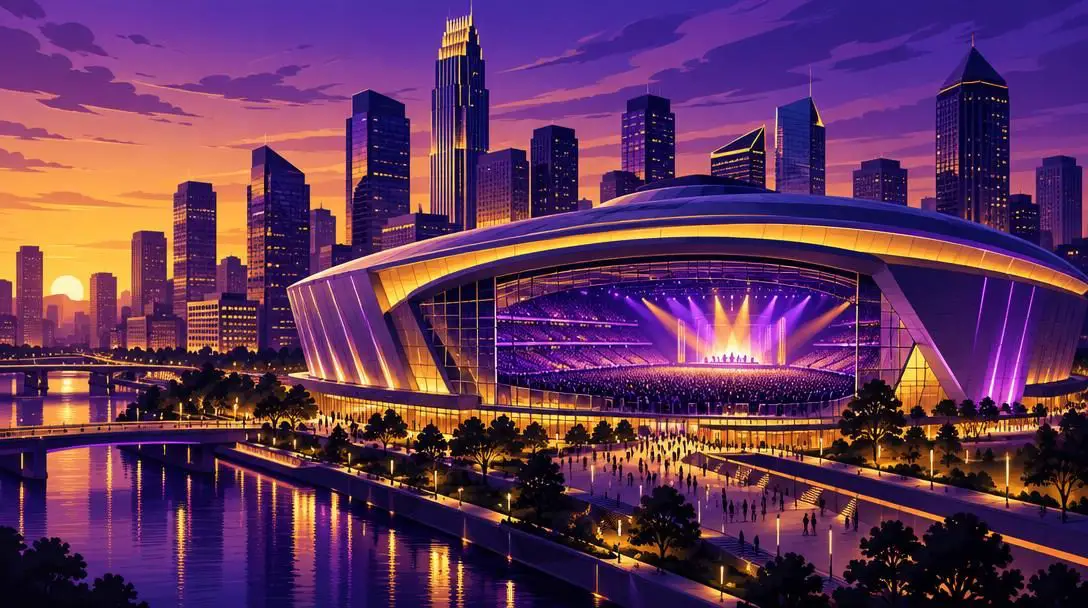
The story of top-tier arena entertainment in Orlando began with the original Amway Arena, an indoor sports and entertainment hub that opened in early 1989. For over twenty years, that beloved facility served as the primary arena for Central Florida, accommodating the NBA's Orlando Magic and welcoming major global touring spectacles until it shut its doors in late 2010. The modern Amway Center on Church Street promptly succeeded it, providing downtown Orlando with a cutting-edge, state-of-the-art entertainment palace.
While engineered primarily to meet the demanding technical standards of professional basketball, the Amway Center boasts a high-density concert schedule throughout the year. Booking a date here serves as a clear milestone that an artist has graduated into mainstream superstar status. Over the years, the venue has hosted critically acclaimed and commercially dominant performers across rock, pop, and Latin urban music, proving its status as a vital stop for world-tour itineraries.
Club Downunder
- Location: Tallahassee (Florida State University)
- Governance: Fully student-run programming board
- Student Admission: Free for enrolled FSU students
- Notable Past Acts: Soundgarden, The White Stripes, Modest Mouse
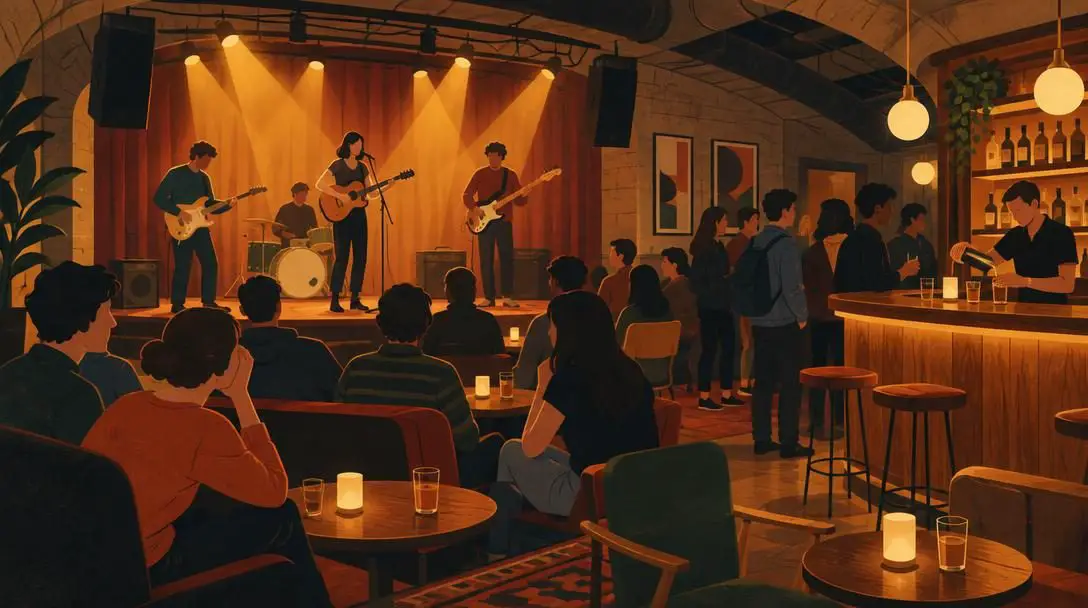
Colleges and universities throughout North America regularly provide student activity centers, but Florida State University in Tallahassee houses an operation that remains unique in collegiate live entertainment. Club Downunder operates directly under the guidance of students, who take charge of talent booking, marketing, production, and nightly operations. Unlike typical dry campus halls, Club Downunder includes a full bar service for patrons who meet the legal drinking age, lending it the authentic feel of an independent urban club.
The space stands out for its extraordinary public accessibility. Enrolled FSU students are admitted completely free of charge to all performances, while non-student music lovers from the community can attend by paying an entry fee. Over several decades of operation, Club Downunder has served as an essential proving ground, catching groundbreaking rock and indie bands right before or during their major commercial breakthroughs.
Miami-Dade Arena
- Location: Downtown Miami waterfront
- Opening Date: December 31, 1999
- Former Names: American Airlines Arena, FTX Arena
- Key Headliners: Madonna, Lady Gaga, Taylor Swift, Tina Turner
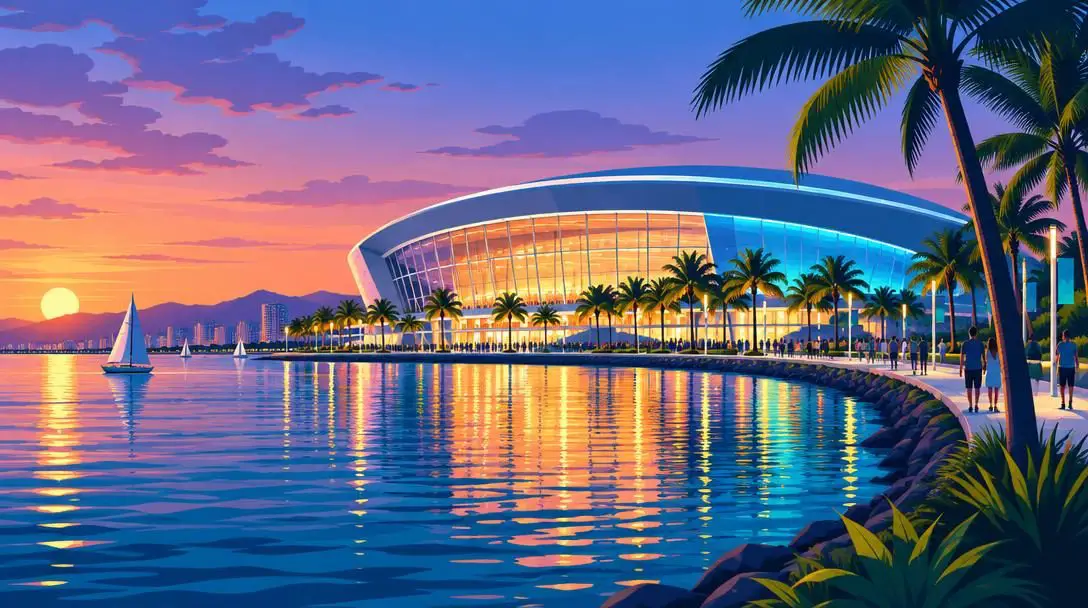
Positioned directly on the vibrant downtown Miami waterfront, Miami-Dade Arena stands as South Florida's crown jewel for indoor arena-scale entertainment. Serving as the home court for the NBA's Miami Heat, the facility opened its doors on New Year's Eve in 1999. Over the course of its history, the facility has experienced multiple commercial rebrandings, carrying the names American Airlines Arena and FTX Arena before operating under the Miami-Dade Arena title.
Much like its Central Florida counterpart, securing a headline date at the waterfront arena signifies an artist's place among international music royalty. Iconic solo superstars have treated the room to marathon stadium-level performances indoors. Beyond standard world tour stops, the venue remains a primary broadcast anchor for Hispanic entertainment, regularly hosting the annual Premio Lo Nuestro awards and celebrating the wide spectrum of Latin musical culture.
Playing Miami-Dade Arena places an artist directly alongside international music royalty in one of the most culturally dynamic entertainment markets in the world.
The Beacham
- Location: Orange Avenue, Downtown Orlando
- Original Era: Operated from 1921 to 1976 under original name
- Intermediate Identity: Great Southern Music Hall
- Key Headliners: Pink, The Police, Judas Priest, 50 Cent
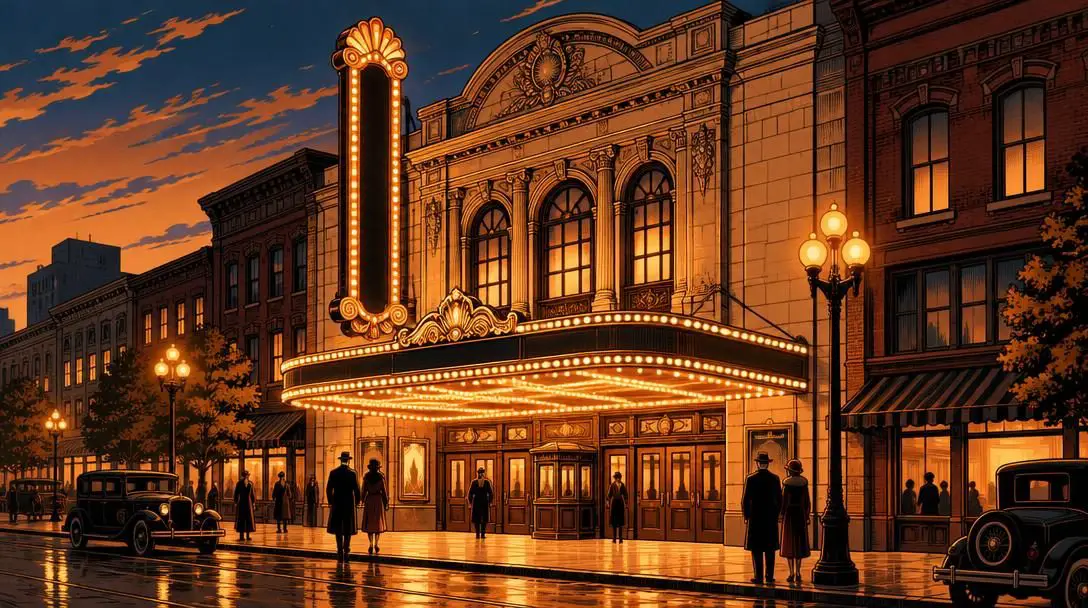
Steeped in architectural charm and century-old character, The Beacham brings a deep sense of history to Orange Avenue in downtown Orlando. The landmark space originally operated under The Beacham moniker from 1921 until 1976, after which it adapted to various entertainment identities, most notably operating as the Great Southern Music Hall. Dedicated preservation efforts saved the building from the wrecking ball, allowing it to officially reclaim the historic Beacham name in 2011.
Today, The Beacham serves as an eclectic centerpiece of Orlando's nightlife district. The room is thoroughly genre-agnostic, easily pivoting between heavy metal shows, hip-hop sets, contemporary pop showcases, and country jams. In a showcase of its versatility, the room has even hosted professional wrestling matches. This ability to accommodate both up-and-coming underground talents and revered heritage artists makes The Beacham an enduring favorite for local music enthusiasts.
Hard Rock Stadium

- Location: Miami Gardens
- Original Construction: 1987 (built for the Miami Dolphins)
- Historic Names: Joe Robbie Stadium, Pro Player Stadium
- Notable Headliners: Elton John, U2, Paul McCartney, The Rolling Stones, Metallica
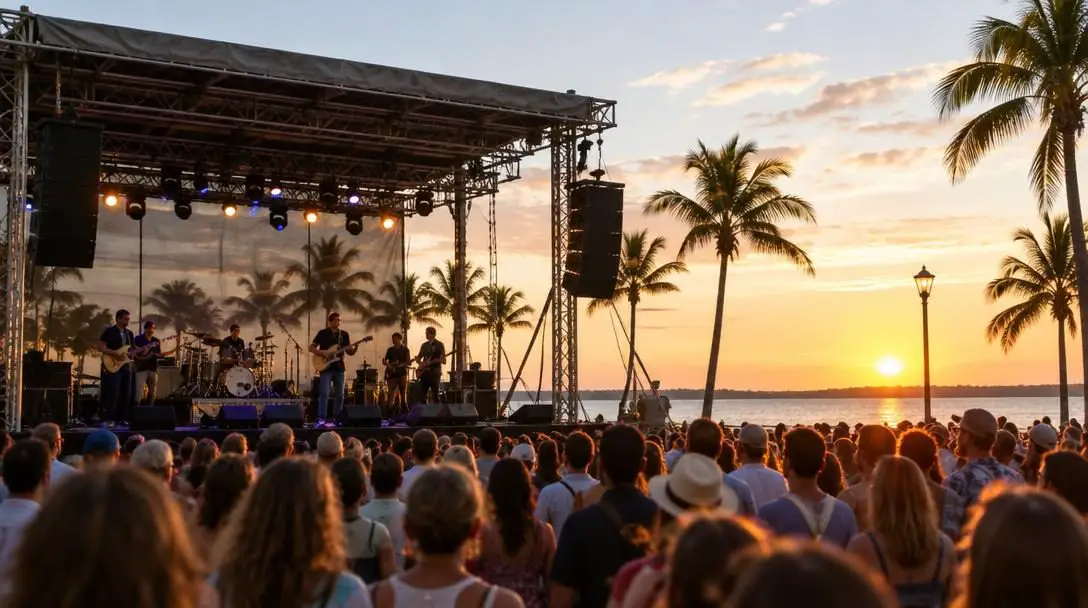
When measuring Florida's live music venues by sheer size and physical impact, Hard Rock Stadium in Miami Gardens stands at the pinnacle. Built in 1987 to replace the historic Orange Bowl as the home turf for the NFL's Miami Dolphins, the open-air facility has carried several names across the decades, including Joe Robbie Stadium and Pro Player Stadium. While football remains its baseline athletic purpose, headlining this colossal venue signifies that an act possesses stratospheric global drawing power.
The venue has served as the Florida home for rock legends producing stadium-scale stage configurations. Additionally, the stadium holds monumental attendance milestones across all genres: superstar Bad Bunny established the facility's all-time attendance high-water mark, packing the venue with more than 97,000 attendees during an unforgettable, record-shattering performance.
How major live event operations function behind the scenes
Hosting live music across a spectrum that spans from cozy student clubs to 90,000-capacity open-air stadiums demands rigorous technical coordination and operational management. The logistics vary significantly depending on the design and mandate of each individual space:
- Dual-purpose facility conversions: Arenas like the Amway Center and Miami-Dade Arena execute complex overhauls between basketball games and concerts. Stage hands and technical crews lay protective flooring over the sports court, hoist thousands of pounds of lighting and audio arrays into roof rigging trusses, and construct custom staging in a matter of hours.
- Student talent boards: At Club Downunder, students gain real-world industry experience by negotiating booking contracts, managing hospitality riders, coordinating sound engineering, and directing front-of-house operations. This structure maintains an authentic pulse on rising talent while serving the university community.
- Historic preservation maintenance: Managing a 1920s structure like The Beacham requires continual infrastructural investment. Operators must safely integrate high-output digital audio equipment, computerized lighting consoles, and point-of-sale hardware into a vintage architectural layout while adhering to modern fire and safety codes.
- Stadium crowd processing: Managing the safe transit of nearly 100,000 people through Hard Rock Stadium involves intricate crowd-control modeling. Entry gates use digital ticketing turnstiles, walk-through security magnetometers, and zone-segregated ramps to prevent congestion and safely route fans to general admission turf zones or tiered grandstands.
Step-by-step guide to attending concerts in Florida
Securing tickets is only the first step in enjoying a live show. Navigating venue policies, transportation logistics, and regional weather requires thoughtful coordination.
- Confirm venue entry guidelines: Review the official website of the host venue several days prior to the show. Take note of clear-bag mandates at large facilities like Hard Rock Stadium or the Amway Center, and verify age restrictions or student identification requirements for campus clubs like Club Downunder.
- Arrange transportation and parking early: Urban facilities, including The Beacham and Miami-Dade Arena, are nestled in busy downtown districts. Research parking garages ahead of time, consider pre-purchasing parking permits, or plan to use regional public transit and rideshares to bypass downtown traffic jams.
- Account for local climate conditions: If your show takes place at an open-air venue like Hard Rock Stadium, monitor the forecast for heat indices and unexpected rainstorms. Wear lightweight clothing, stay hydrated before arriving, and confirm whether your seating area is exposed to the elements.
- Arrive ahead of gate opening times: For events featuring general admission standing floors, such as those at The Beacham or Club Downunder, arriving well before doors open secures an optimal view of the stage and avoids extended waits at the box office or exterior queue.
- Bring valid government identification: Whether you intend to purchase drinks at Club Downunder's full bar or pick up Will Call tickets at Miami-Dade Arena, carrying a valid state ID, driver's license, or passport is mandatory for smooth verification.
Common mistakes to avoid at Florida venues
Even seasoned concertgoers can run into logistical hiccups. Avoiding these standard missteps will keep your live music experience hassle-free:
- Relying on outdated venue names: Florida venues often change corporate naming partners or revert to heritage titles. Searching for historical names like FTX Arena, American Airlines Arena, Joe Robbie Stadium, or Pro Player Stadium on outdated mapping software can cause confusion. Verify the venue's active street address before traveling.
- Cutting arrival times too close to showtime: Arriving at a massive arena or stadium five minutes before the scheduled start time guarantees you will miss the opening acts. Processing thousands of guests through metal detectors and ticket scanners takes time.
- Misunderstanding campus parking regulations: When attending performances at university spots like Club Downunder, never assume campus parking spots are unrestricted after hours. Check campus visitor parking guidelines to prevent parking fines or vehicle towing.
- Carrying physical cash only: Modern arenas, including the Amway Center and Miami-Dade Arena, increasingly operate on cashless concession models. Arriving without a debit or credit card can leave you unable to purchase tour merchandise, food, or bottled water.
Frequently asked questions
Can non-students attend concerts at Club Downunder?
Yes. Although Club Downunder is located on the Florida State University campus and provides free admission to enrolled FSU students with valid identification, performances are open to the general public. Non-student attendees typically purchase a general admission ticket at the door or through designated sales channels.
What was Miami-Dade Arena called before its current name?
The downtown Miami arena opened on New Year's Eve in 1999 as American Airlines Arena. It subsequently transitioned to the name FTX Arena before becoming known as Miami-Dade Arena.
What is the single-concert attendance record at Hard Rock Stadium?
The stadium's all-time concert attendance record is held by Bad Bunny, who drew an extraordinary crowd of over 97,000 fans to a single performance at the Miami Gardens facility.
How old is The Beacham in Orlando?
The Beacham's history traces back to 1921, when it originally opened on Orange Avenue. It operated under that name until 1976, served as the Great Southern Music Hall and other ventures, and officially reclaimed its original Beacham identity in 2011.
Which professional sports teams play in these historic concert venues?
The Amway Center is the home court of the NBA's Orlando Magic, Miami-Dade Arena hosts the NBA's Miami Heat, and Hard Rock Stadium serves as the home field for the NFL's Miami Dolphins.
The bottom line
Florida's live music landscape represents a remarkable intersection of architectural history, athletic grandeur, and diverse cultural expression. The state's venues are far more than passive concrete enclosures; they are historic spaces that adapt continuously to the shifting demands of modern production. Whether experiencing an emerging indie rock group inside the student-run walls of Club Downunder, appreciating century-old brickwork at The Beacham, or cheering alongside nearly 100,000 spectators under the open skies of Hard Rock Stadium, concertgoers in Florida take part in a storied, dynamic live entertainment tradition.