Going On a Safari? 5 Essential Tips
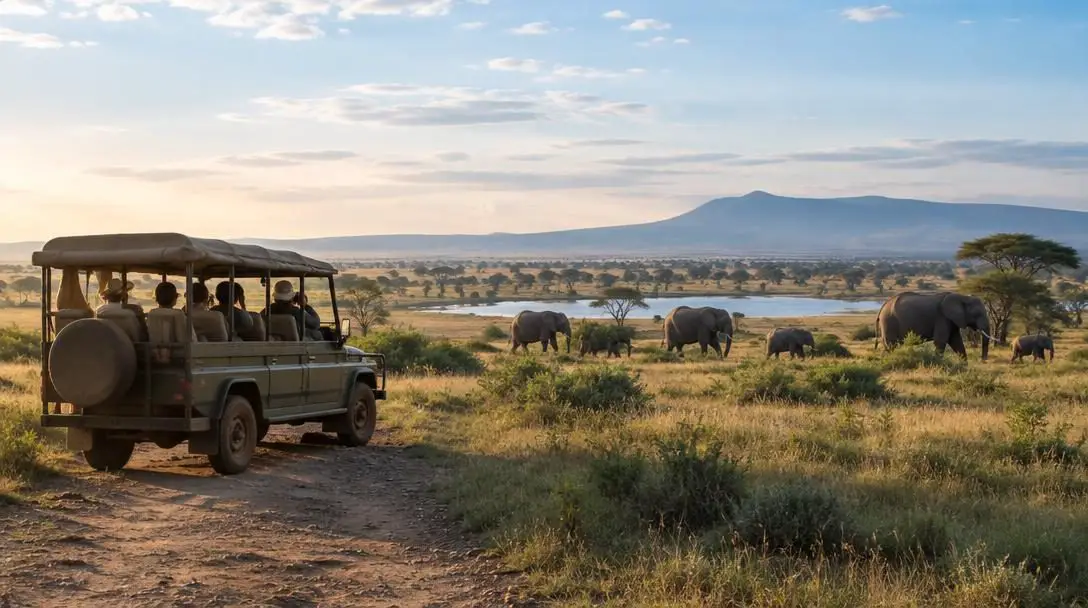
Every year, tens of millions of travelers journey to the African continent to experience a wilderness unlike anything else on Earth. The sweeping landscapes offer an extraordinary vantage point to observe iconic wildlife—including lions, elephants, hippos, and giraffes—roaming freely across ancient ecosystems. Witnessing these animals in their natural habitats is a transformative encounter, but it demands an entirely different mindset from standard holiday sightseeing or a visit to an engineered theme park.
Safari expeditions venture deep into raw, untamed terrain where nature operates purely on survival and instinct. You cannot simply step off a passenger flight, climb into an open four-wheel-drive vehicle, and treat the bush like a passive show. Respecting the delicate boundary between human observers and wild animals is essential for your safety and the preservation of these pristine environments.
Key takeaways
- Wild animals view safari vehicles as neutral, single objects until individual passengers break the vehicle's outline.
- Safari guides possess specialized tracking expertise and prioritize animal conservation over carrying heavy weaponry.
- Clothing should consist of neutral, earth-toned layers while avoiding bright shades, dark navy, solid black, and camouflage patterns.
- Patience, situational awareness, and strict adherence to vehicle rules prevent sudden defensive charges from megafauna.
The Mechanics of Animal Perception in the Bush
A successful safari relies on a delicate, unspoken truce between people and wildlife, facilitated almost entirely by highly skilled professional guides. These experts spend years mastering the surrounding terrain, deciphering subtle weather shifts, monitoring wind direction, and tracking paw prints and droppings. They detect the presence of camouflaged apex predators by interpreting sudden alarm calls from birds and observing nervous body language among grazing herds.
The primary tool of the modern safari is the specialized vehicle—typically a rugged, open-sided Jeep or modified four-wheel-drive truck. Over successive generations, resident wildlife has grown habituated to the physical profile, mechanical sound, and exhaust scent of these vehicles. Large carnivores and massive herbivores perceive the entire machine as a single, large, non-threatening object that routinely moves through their territory without posing a challenge.
This perceptual dynamic remains stable only as long as passengers preserve the machine's familiar silhouette. The moment an occupant stands up, extends arms out of the frame, or makes abrupt noises, that optical illusion fractures. An animal suddenly recognizes the presence of individual human figures. For an apex predator like a lion, an isolated human profile can awaken predatory hunting instincts. For protective giants such as maternal elephants or territorial hippos, that disruption can trigger an immediate, bone-crushing defensive strike.
Five Essential Tips for a Safe Safari
Approaching the African wilderness with humility and proper preparation guarantees that your journey remains an exhilarating adventure rather than an emergency scenario. Keeping fundamental bush principles in mind will maximize your sightings while keeping you and your companions safe.
Listen to Your Guide
Your safari guide lives and works in the bush every single day, possessing an encyclopedic knowledge of regional ecology, animal behavior, and local geography. They can identify a leopard resting in a canopy hundreds of meters away or recognize the slight ear-flick of an elephant that signals mounting irritation. While certain safety rules might appear overly cautious to an untrained traveler, every single directive is grounded in real wilderness survival. Avoid overconfidence, give your guide your undivided attention, and defer to their judgment without hesitation throughout the drive.
Remain Seated
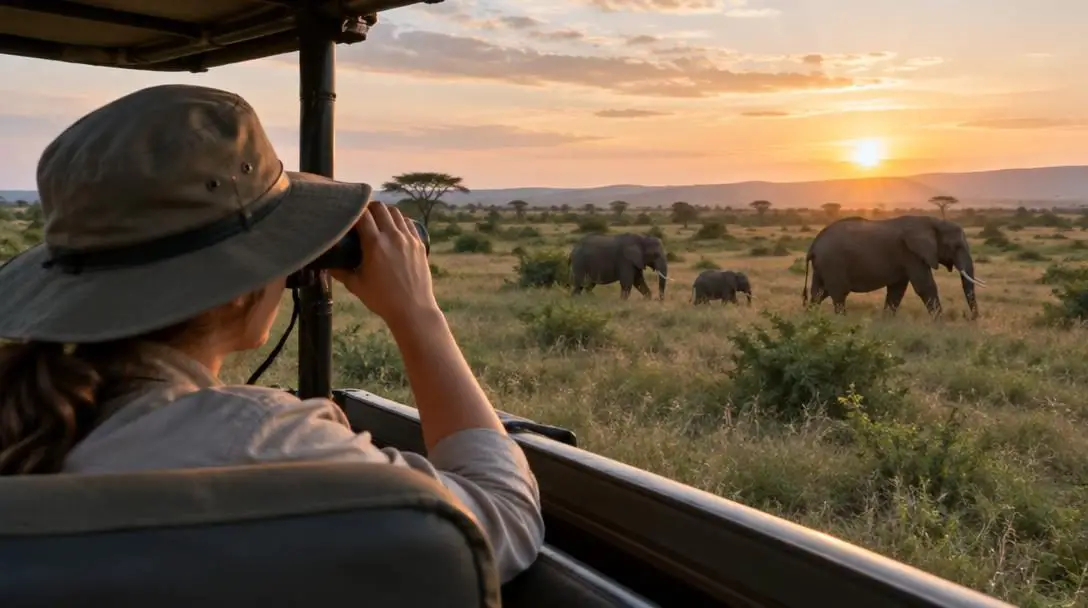
Remaining seated in your vehicle is a non-negotiable rule on any game drive. Because wild fauna have been conditioned to view the safari vehicle as a single, unthreatening apparatus, staying low in your seat keeps you hidden within that collective profile. Standing up disrupts the expected geometry of the vehicle. Animals instantly register the upright human silhouette, which dissolves their indifference and transforms you into a recognizable target, potential competitor, or visible prey item. Keeping seated maintains the psychological camouflage that protects everyone on board.
A safari vehicle offers an effective visual disguise in the bush, but it is never an impenetrable fortress against an agitated multi-ton animal.
Avoid Distracting or Attracting Animals
Wild animals are not performers on a stage, and visitors must never treat them as entertainment. Whistling, clapping, shouting, or waving to force an animal to glance toward a camera lens disrupts natural feeding, resting, and hunting routines. Even worse, deliberate agitation can provoke an aggressive territorial charge. Most travelers assume safari guides carry high-powered rifles ready to neutralize any threat, but in reality, guides are wildlife protectors rather than armed soldiers. Their mission is to preserve wildlife, not destroy it. Preventing conflict through quiet, passive observation is your primary line of defense.
Prepare Your Wardrobe and Gear
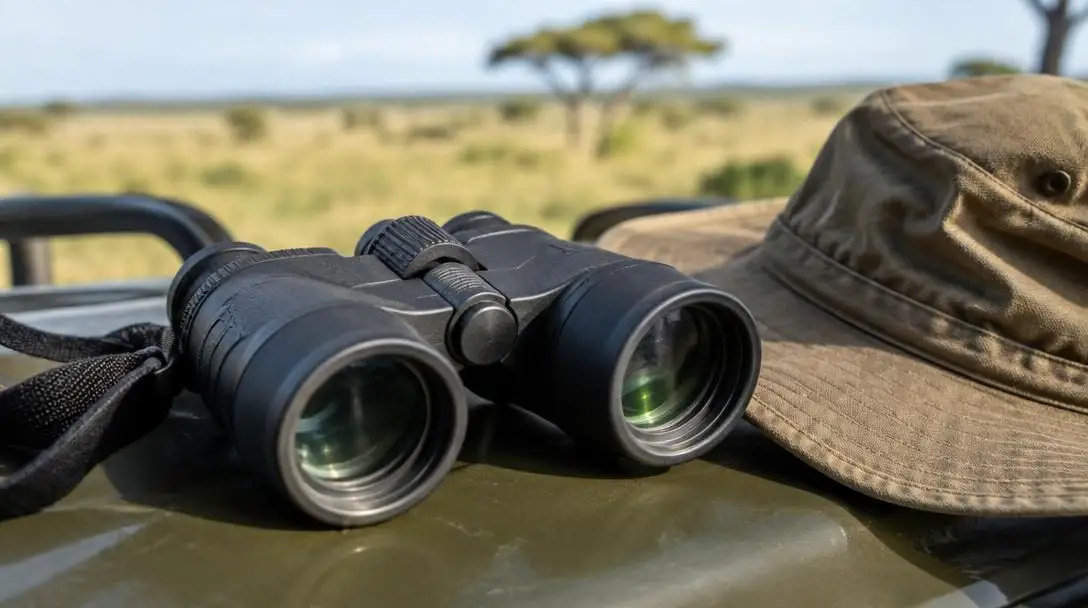
Thorough preparation begins with dressing practically for the elements and the wildlife. Avoid bright, saturated colors or busy prints, which draw unwanted attention and disrupt sightings. Military-style camouflage clothing is often strictly prohibited or associated with anti-poaching units, while solid dark colors like navy blue and pitch black actively attract biting insects such as tsetse flies. Instead, select breathable, earth-toned garments in khaki, brown, and muted olive green that protect against sun exposure, brush, and bug bites.
Your gear bag should be tailored for long, dusty days in remote regions far from modern amenities. Pack a high-performance camera, durable charging blocks or power banks, broad-spectrum sunscreen, high-strength insect repellent, sturdy walking boots, and a wide-brimmed safari hat. Carrying physical regional maps alongside a dedicated GPS device ensures you can navigate to and from remote trails without relying on spotty cellular signals.
Expect the Unexpected
Nature adheres to no script or predictable timetable. While many travelers enjoy serene, picturesque viewings, wild environments can shift in an instant. Online videos frequently demonstrate the raw reality of the bush: territorial bull elephants pursuing vehicles, unpredictable animal approaches, or abrupt weather shifts. Conversely, this volatility also delivers unforgettable moments, such as witnessing a rare kill or crossing paths with an elusive nocturnal predator. Entering the bush with flexible expectations, continuous situational awareness, and deep respect ensures you can appreciate the environment in all its unpredictability.
Safari Gear and Wardrobe Planning
Packing for a remote expedition requires balancing environmental protection, comfort, and animal psychology. Evaluating your equipment before you depart prevents costly mistakes out on the trail.
| Gear Category | Recommended Choices | Items to Avoid | Functional Purpose |
|---|---|---|---|
| Field Apparel | Neutral tones: khaki, tan, muted olive green | Bright colors, busy patterns, camouflage | Blends into the landscape without alarming wildlife |
| Insect Defense | Long-sleeved, lightweight breathable layers | Solid black and dark navy blue clothing | Minimizes exposed skin and avoids attracting biting flies |
| Footwear | Durable, broken-in trail or hiking boots | Open-toed sandals, thin slip-on shoes | Guards against thorns, rough terrain, and venomous critters |
| Electronics & Power | High-capacity power banks, camera with zoom lens | Drones, noisy electronic gadgets | Captures distant sightings without audible disruptions |
| Navigation & Trail | Regional topographic maps and standalone GPS | Sole reliance on smartphone cellular connections | Maintains trail awareness across remote, signal-free tracks |
Step-by-Step Preparation for the Game Trail
Systematic preparation ensures you can transition smoothly from arrival to active exploration in the bush. Following a structured routine helps minimize logistical oversights before leaving camp.
- Review your wardrobe selection: Sort through your travel attire and eliminate high-contrast colors, camouflage garments, and deep black or navy fabrics. Assemble layered, neutral earth-toned outfits that guard against intense sun and rough scrub brush.
- Assemble critical field gear: Verify that your electronics are packed alongside protective cases that seal out fine dust. Confirm you have packed sunscreen, insect repellent, durable boots, a wide-brimmed hat, and fully charged external batteries.
- Calibrate your navigation tools: Download offline maps and verify your GPS waypoints before heading into areas devoid of cell towers. Ensure you have physical backup maps for traveling to remote access points and trail networks.
- Attend the initial safety briefing: Listen intently to your guide and vehicle crew during the pre-departure meeting. Note emergency procedures, confirm designated seating arrangements, and ask clarifying questions about vehicle protocol before the engine starts.
- Practice quiet observation on the trail: Once traversing the reserve, maintain a low profile in your seat. Keep your voice at a low whisper, refrain from sudden physical shifts, and follow all real-time instructions provided by your guide.
Common Mistakes Travelers Make on Safari
Even seasoned adventurers can make critical errors when faced with the raw scale of the African wilderness. Avoiding these common missteps will protect both your travel party and the native fauna:
- Assuming calm animals are tame: Grazing giraffes, resting lions, and submerged hippos often appear peaceful near vehicles. This calm demeanor is habituation, not domestication; sudden disturbances can provoke violent self-defense.
- Treating the vehicle as an armored fortress: While a truck provides an effective psychological shield, it cannot withstand a physical collision with a multi-ton elephant or an agitated rhinoceros if the animal is provoked.
- Presuming guides are heavily armed security: Most guides carry little to no weaponry, operating under conservation mandates that prioritize animal preservation. Safety depends entirely on respectful human conduct.
- Wearing tactical camouflage: Many travelers assume military-style patterns are ideal for the outdoors, but in several African nations, camouflage is reserved strictly for anti-poaching units and military personnel.
- Prioritizing photography over passenger safety: Dangling arms out of the window, leaning far over vehicle railings, or whistling to get an animal to face a camera breaks the vehicle outline and endangers everyone on board.
Navigating Diverse African Terrains and Seasons
Understanding regional geography is vital when planning your journey. Africa features an astonishing array of ecosystems, ranging from dense thorn scrublands and lush river deltas to arid savanna plains and high-altitude mountain regions. Wildlife behavior, migratory movements, and visibility shift dramatically between the dry and wet seasons.
During dry periods, vegetation thins and animals congregate predictably around shrinking waterholes and rivers, making wildlife tracking more straightforward. Conversely, wet seasons transform arid landscapes into lush, green pastures, providing abundant food for newborn herbivores but dispersing herds across vast territories. Tailoring your expectations, clothing layers, and equipment to the specific regional ecosystem ensures you make the most of every hour spent on the trail.
Frequently asked questions
Why is it dangerous to stand up inside a safari vehicle?
Animals perceive the vehicle as a single, neutral entity. Standing up breaks this familiar profile, exposing you as an individual human. This can trigger predatory hunting instincts in carnivores like lions or prompt aggressive defensive charges from large herbivores.
What colors are best to wear on an African safari?
Neutral, earth-toned colors such as khaki, beige, tan, and muted olive green are ideal. Avoid bright colors that stand out to wildlife, camouflage prints that may be reserved for military forces, and solid dark navy or black, which actively attract biting tsetse flies.
Are safari guides armed to defend passengers from wild animals?
Most safari guides are not heavily armed. Their primary role is conservation and education, not armed defense. They rely on their deep understanding of animal body language, spatial boundaries, and passive observation to prevent dangerous confrontations entirely.
Can wild animals attack or damage a safari vehicle?
Yes. While vehicles are typically ignored when passengers behave quietly, provoked or cornered animals—particularly massive herbivores like elephants and hippos—possess the strength to charge, ram, and even flip over a standard four-wheel-drive safari truck.
What essential items should I bring on a game drive?
You should bring a quality camera, high-capacity portable charging blocks, broad-spectrum sunscreen, insect repellent, a wide-brimmed safari hat, sturdy boots, and independent navigation aids like physical maps and a dedicated GPS unit.
The Bottom Line
An African safari offers an unmatched window into the natural world, granting travelers the rare privilege of observing apex predators and prehistoric megafauna in their ancestral habitats. Achieving an extraordinary experience requires trading urban expectations for patience, vigilance, and profound humility. By dressing sensibly, remaining seated, respecting animal boundaries, and trusting your guide's lifetime of expertise, you ensure that your journey into the wild remains safe, ethical, and unforgettable.