5 Must-Read Comic Book Issues for Spider-Man Fans
There are certain comic book superheroes that are universally beloved, and toward the very top of that list stands Spider-Man. Not only is the wall-crawler one of the greatest classic heroes in print history, but his cinematic outings have consistently delivered box office gold, demonstrating his enduring appeal across multiple generations. While moviegoers have watched Peter Parker swing across cinema screens, battle complex villains, and navigate everyday personal hardships, the foundational comic books feature definitive standalone issues and storylines that represent the absolute best of the long-running franchise.
For casual followers and longtime movie fans eager to understand the character's origins, exploring the source material offers an eye-opening adventure. These milestone chapters establish the emotional depth, physical limits, and high-stakes relationships that define Peter Parker. To fully appreciate what makes the web-slinger tick, there are specific, indispensable comic issues that every fan should read.
Key takeaways
- The Amazing Spider-Man #121-122 marked the end of comic innocence by permanently raising the emotional stakes and ushering in the Bronze Age.
- Iconic cinematic sequences, such as Peter abandoning his suit in an alley trash can, directly replicate classic panels from The Amazing Spider-Man #50.
- Milestone stories like The Amazing Spider-Man #33 redefined the character's physical endurance and resolve through visual storytelling and inner monologue.
- Reflective narratives like "Spider-Man: Blue" and "To Have and To Hold" showcase the enduring maturity and emotional gravity of Peter Parker's key relationships.
At a glance: Essential Spider-Man reading
| Storyline or issue | Key characters featured | Primary thematic focus |
|---|---|---|
| "To Have and To Hold" (The Sensational Spider-Man) | Peter Parker, Mary Jane Watson, S.H.I.E.L.D. | Marital devotion following public unmasking |
| "Spider-Man: Blue" | Peter Parker, Gwen Stacy, Mary Jane Watson | Enduring grief, memory, and mature reconciliation |
| "If This Be My Destiny" (The Amazing Spider-Man #33) | Peter Parker, Peter's family (in thought) | Indomitable willpower and physical ascension |
| "Spider-Man No More" (The Amazing Spider-Man #50) | Peter Parker, Kingpin | Burden of responsibility versus civilian happiness |
| "The Night Gwen Stacy Died" (The Amazing Spider-Man #121-122) | Peter Parker, Gwen Stacy, Green Goblin, Mary Jane Watson | Tragic loss, irreversible consequences, and the Bronze Age transition |
The 5 must-read comic book stories for web-slinger fans
To truly understand the journey, personal development, psychological complexity, and immense sacrifices that characterize Peter Parker, these five comic book issues and story arcs represent required reading. Each entry highlights a transformative moment in the wall-crawler's extensive history.
"To Have and To Hold" (The Sensational Spider-Man)
- Release Year: 2007
- Key Event: Post-Civil War unmasking
- Primary Antagonist or Obstacle: S.H.I.E.L.D. interrogation and public exposure
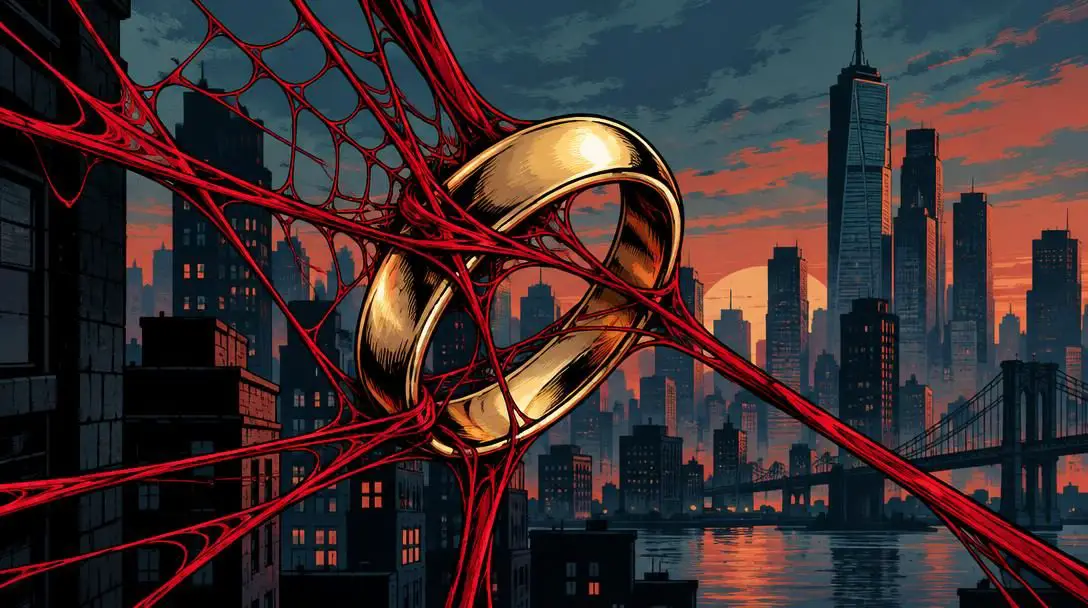
Anyone who has navigated a committed partnership understands the necessity of putting daily stresses into perspective and reflecting on what makes a relationship endure. This dynamic is brought to life between Peter Parker and Mary Jane Watson in the 2007 story "To Have and To Hold," published within the pages of The Sensational Spider-Man. Set in the turbulent aftermath of the massive crossover event "Civil War," Peter's secret identity has been revealed directly to the public, turning their private lives upside down.
While dealing with the fallout of worldwide exposure, Mary Jane finds herself facing intense questioning from S.H.I.E.L.D. Rather than succumbing to the immense external pressure, the narrative takes a deeply reflective turn. The issue offers a poignant showcase of the emotional bond connecting Peter and Mary Jane, illustrating why their marriage functioned as a true partnership and why their shared history resonates so profoundly with comic readers.
"Spider-Man: Blue"

- Release Year: 2002
- Framing Device: Audio recordings addressed to Gwen Stacy
- Emotional Focus: Unresolved grief and romantic loss
Debuting in 2002, "Spider-Man: Blue" is a deeply personal retrospective examining how heavily the web-slinger carries the memory of his lost love, Gwen Stacy. Looking back at the tragedy of her demise, Peter Parker is shown as emotionally scarred and depressed, continuing to mourn her absence years after the fateful event. Even though Peter is married to Mary Jane Watson during the period in which the retrospective takes place, the weight of the past remains an inescapable presence in his daily life.
Throughout the storyline, Peter uses an audio tape recorder to speak directly to Gwen, verbalizing his lingering heartache, fond recollections, and regrets. When Mary Jane eventually discovers the recordings, the narrative subverts typical romantic tropes. Rather than responding with jealousy, insecurity, or anger, Mary Jane chooses to join Peter in his mourning. This compassionate reaction culminates in a touching and mature conclusion that honors both women's unique roles in Peter's life.
"If This Be My Destiny" (The Amazing Spider-Man #33)

- Issue Number: The Amazing Spider-Man #33
- Setting: Collapsing underwater base
- Narrative Significance: Landmark test of physical and mental endurance
Throughout his publication history, Spider-Man has faced moments where external crises forced him to level up both mentally and physically. The Amazing Spider-Man #33 serves as the dramatic climax of an arc where Peter must push past his absolute physical boundaries simply to survive, resulting in what is widely celebrated as one of the most iconic visual sequences in comic book history.
Trapped beneath an immense heap of fallen machinery inside a flooding underwater structure, Peter finds his head spinning, feeling as though the literal weight of the world is crushing his body. As rising water threatens to drown him and defeat seems inevitable, Peter shifts his thoughts away from his physical agony and centers his mind entirely on his family. Drawing strength from love, duty, and sheer desperation, he summons the resolve to hoist the catastrophic load off his back, demonstrating an act of pure will that permanently elevated his standing on the superhero power scale.
Spider-Man's power has never been merely a physical gift, but an exhausting personal responsibility that repeatedly tests his mental endurance and personal happiness.
"Spider-Man No More" (The Amazing Spider-Man #50)
- Issue Number: The Amazing Spider-Man #50
- Primary Villain: Kingpin
- Cinematic Influence: Directly adapted in Sam Raimi's Spider-Man 2
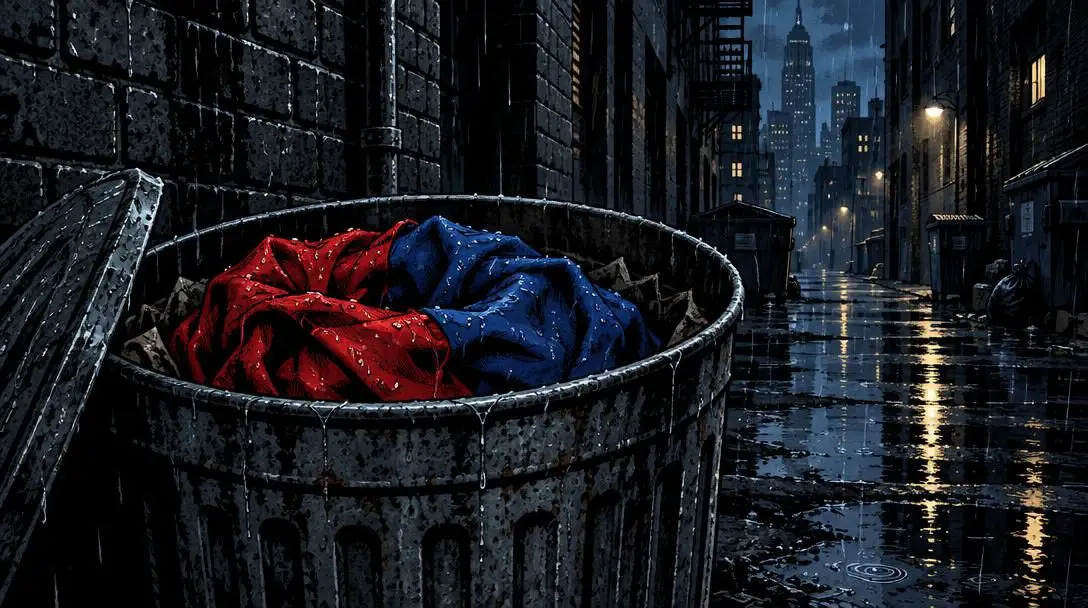
For enthusiasts of cinematic superhero adaptations, director Sam Raimi's Spider-Man 2—starring Tobey Maguire—is frequently cited as a gold standard. In that film, a beleaguered Peter Parker discards his superhero costume in an alleyway trash receptacle, choosing to walk away from his alter ego in pursuit of a normal, quiet life. This dramatic sequence is a faithful adaptation of The Amazing Spider-Man #50, titled "Spider-Man No More."
The filmmakers paid meticulous homage to this milestone issue, replicating the exact staging, framing, and camera angles originally established in the comic panels. However, an important narrative distinction exists between the printed issue and the Hollywood film: while the cinematic adaptation features Doctor Octopus as the central menace driving Peter to his breaking point, the original comic book storyline introduces the formidable crime lord Kingpin, who takes advantage of Spider-Man's absence to consolidate his control over the city's criminal underworld.
"The Night Gwen Stacy Died" (The Amazing Spider-Man #121-122)
- Issue Numbers: The Amazing Spider-Man #121 and #122
- Publication Date: Summer 1973
- Historical Impact: Marked the industry transition into the Bronze Age of comics
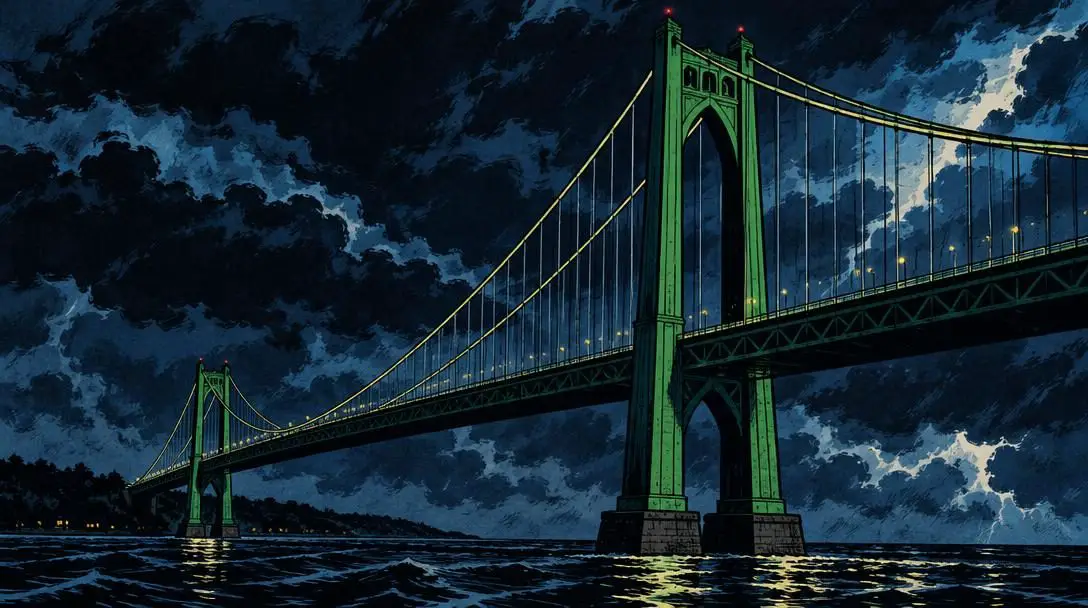
Although it spans two separate issues, "The Night Gwen Stacy Died"—unfolding across The Amazing Spider-Man #121 and #122—stands as the definitive, tragic turning point to which the franchise consistently returns. Published in the summer of 1973, this narrative begins when Peter's arch-nemesis, the Green Goblin, discovers Spider-Man's civilian identity. Armed with this catastrophic knowledge, the villain kidnaps Peter's girlfriend, Gwen Stacy, baiting the hero into a deadly confrontation that ends in Gwen's untimely death atop a bridge.
Gwen's sudden death represented an unprecedented disruption not just for Peter Parker, but for the entire medium of superhero storytelling. By demonstrating that key civilian characters could suffer permanent, fatal consequences despite the hero's best efforts, the narrative broke long-standing industry conventions and signaled the arrival of the Bronze Age of comics. Furthermore, this devastating story fundamentally altered the trajectory of Mary Jane Watson, transforming her into a deeper, far more empathetic figure who ultimately became Peter's primary emotional anchor, while solidifying the Green Goblin's legacy of villainy.
Historical background: From Silver Age optimism to Bronze Age reality
To understand why these particular issues maintain such a revered status among fans and scholars, one must examine the broader evolution of the American comic book industry during the mid-to-late twentieth century. When Spider-Man was created in the early 1960s, mainstream superhero publishing was firmly planted in the Silver Age. This era was largely characterized by lighthearted, whimsical plots, distinct boundaries between good and evil, and an unwritten editorial rule that central supporting characters were insulated from real, lasting tragedy.
Spider-Man altered this paradigm from his earliest appearances by grounding superheroics in mundane, relatable dilemmas. Peter Parker had to worry about earning enough money for rent, purchasing medicine for his frail aunt, and keeping up with his academic coursework. In milestone entries such as issue #33 and issue #50, these civilian conflicts evolved into serious psychological burdens, demonstrating that great power comes at immense personal expense.
The decisive break occurred in the summer of 1973 with the loss of Gwen Stacy. Prior to The Amazing Spider-Man #121, readers took it for granted that the hero would always complete the rescue just in time. By shattering that expectation, the creative team proved that failure carried permanent weight. Death was no longer confined to origin stories like that of Uncle Ben; it could strike the active, core cast without warning. This transition toward realistic vulnerability and lasting grief permanently reshaped serial comic storytelling.
How comic storytelling works: Mechanics and pacing
Approaching vintage comic books for the first time can feel jarring for readers accustomed to modern graphic novels, prose, or films. Appreciating classic entries like The Amazing Spider-Man #33 and #121 requires an understanding of how traditional sequential art communicates tension and character psychology.
- Visual storytelling and panel layout: Artists use panel sizing and placement to control the passage of narrative time. In the legendary lifting scene of issue #33, the struggle is broken into deliberate, tight frames showing rising water and muscle strain, forcing the reader to absorb the agonizing seconds required for Peter to overcome the weight.
- Internal monologue via thought captions: Because classic comics could not rely on cinematic acting or voiceover, writers utilized extensive thought balloons. This mechanic allowed audiences to witness Spider-Man executing incredible athletic feats while simultaneously reading about his self-doubt, panic, and internal calculations.
- Self-contained episodic arcs: While contemporary publishers frequently design comics as prolonged storylines intended solely for collected paperbacks, vintage issues delivered complete emotional journeys within twenty to thirty pages. Issue #50 functions as a fully realized character study from introduction to conclusion.
- Retrospective framing devices: Miniseries such as "Spider-Man: Blue" employ retrospective narrators to re-examine historical canon through a modern lens, offering emotional closure without altering established continuity.
Practical steps for reading and collecting landmark issues
Starting a journey into classic comics does not require hunting down fragile, four-figure original printing runs. You can easily experience these iconic stories using affordable, modern distribution methods by following this step-by-step approach.
- Select your preferred reading format: Determine whether you prefer reading on a digital tablet via monthly catalog subscriptions or holding a printed volume. Digital subscription apps grant immediate access to entire historical runs, while physical books offer tactile benefits.
- Purchase curated collected editions: Look for trade paperbacks, masterworks, or graphic novel anthologies that gather landmark issues together. Milestones such as issues #33, #50, and #121-122 are consistently reprinted in major Spider-Man collections, and "Spider-Man: Blue" is sold as a standalone paperback.
- Utilize public library resources: Check your local municipal library or cooperative digital lending apps. Public library systems regularly stock collected editions of classic superhero milestones, allowing you to sample vintage eras for free.
- Group related story arcs together: Plan your reading order thematically. For the most powerful emotional impact, read "The Night Gwen Stacy Died" in The Amazing Spider-Man #121-122 prior to opening "Spider-Man: Blue."
- Compare the comics with cinematic adaptations: Revisit movies like Sam Raimi's Spider-Man 2 immediately after reading The Amazing Spider-Man #50 to see firsthand how iconic comic panels were translated directly onto the screen.
Common mistakes new comic readers make
Newcomers diving into classic twentieth-century comic runs frequently encounter difficulties adjusting to the conventions of the medium. Keeping these pitfalls in mind will prevent frustration and enhance your reading experience:
- Expecting modern cinematic dialogue: Scripts from the 1960s and 1970s contain heavy exposition, dramatic declarations, and explanatory narration. Expecting scripts to resemble modern cinema can lead to disappointment; instead, appreciate the text as a product of its era.
- Assuming movie continuity matches the comics: Cinematic adaptations routinely alter villain motivations, combine distinct characters, or swap storylines entirely. Expecting the comic source material to mirror modern films will cause unnecessary confusion.
- Insisting on reading chronologically from issue #1: Attempting to read thousands of issues starting from the 1962 debut often results in reader fatigue. Jumping directly into universally recommended milestones is an acceptable and effective strategy.
- Ignoring civilian subplots: Peter Parker's personal life is the emotional spine of the series. Skipping scenes involving his friendships, jobs, and romantic partners removes the emotional weight from his superhero battles.
Expanding your reading journey beyond the essentials
Once you have finished these five foundational selections, you can branch out into subsequent comic eras based on what elements you enjoyed most. If the grim reality and emotional stakes of "The Night Gwen Stacy Died" resonated with you, continue exploring the mid-1970s issues of The Amazing Spider-Man to witness Peter's gradual transformation into a more hardened, experienced crime-fighter in the wake of tragedy.
Conversely, if the mature romantic dynamic found in "To Have and To Hold" and "Spider-Man: Blue" stood out, you can explore the long-term evolution of Peter Parker and Mary Jane Watson's partnership. Tracking their path from casual acquaintances to committed spouses provides unmatched narrative payoff and deepens your appreciation of their shared endurance during major upheavals like the "Civil War" unmasking.
Frequently asked questions
Why is The Amazing Spider-Man #33 considered so important?
The issue features Spider-Man lifting an enormous pile of collapsed industrial machinery in an underwater base through sheer determination and devotion to his family, establishing a visual and physical benchmark for the character's willpower.
How does Spider-Man: Blue handle the dynamic between Gwen Stacy and Mary Jane?
Peter Parker records voice tapes addressing his grief over Gwen Stacy's death, and when Mary Jane discovers what he has been doing, she supports his grieving process with empathy rather than jealousy.
What major difference exists between The Amazing Spider-Man #50 and Spider-Man 2?
While both stories feature Peter Parker walking away from his superhero identity and tossing his suit into an alley trash can, the original comic features Kingpin as the villain expanding his criminal syndicate, whereas the film features Doctor Octopus.
How did The Night Gwen Stacy Died change superhero comic books?
Gwen Stacy's death proved that major supporting characters could suffer permanent, fatal consequences, bringing an end to the innocence of the Silver Age and inaugurating the more mature Bronze Age of comics.
The bottom line
Spider-Man has endured for generations because his stories combine spectacular heroic feats with ordinary, relatable human heartbreak. Whether he is lifting tons of steel to save his family, grappling with the catastrophic loss of a partner, or questioning whether he has the strength to continue wearing the mask, Peter Parker remains the ultimate everyman hero. By reading these five essential stories, you will discover the foundational moments that transformed a classic comic book character into an enduring cultural icon.