5 Politicians Who Changed Their Minds On Fundamental Issues – And Why
In modern representative democracy, few political labels carry as much sting as that of the "flip-flopper." While political parties establish foundational platforms to guide policy and rally voters, the elected officials who inhabit those parties frequently find that their personal perspectives, governing strategies, and policy priorities transform over the course of decades in public life.
A sudden or gradual policy reversal forces both voters and political analysts to evaluate the underlying motivation behind the change. Did the official experience a genuine ideological evolution driven by new facts and personal relationships, or did they orchestrate a calculated tactical maneuver designed to secure reelection and political relevance? By analyzing prominent reversals across the political spectrum, we can better understand how personal convictions, electoral realities, and cultural shifts interact on the national stage.
Key takeaways
- Elected officials frequently modify their stances due to personal encounters, independent fact-finding, or evolving constituent demographics.
- Prominent American leaders across both major parties have executed high-profile reversals on core social, environmental, and legal questions.
- Taking an unpopular position contrary to party consensus can result in severe electoral punishment, as seen in primary defeats.
- Strategic policy moderation can help political leaders protect vulnerable legislative coalitions following disappointing election cycles.
- Discerning authentic personal growth from opportunistic positioning requires examining the timing, legislative follow-through, and professional sacrifices involved.
The dynamics of political reversals
The accusation of being a political "flip-flopper" achieved widespread prominence during the 2004 United States presidential election. During that campaign, critics weaponized the label against Democratic nominee John Kerry, framing his shifting legislative votes and evolving rhetoric as evidence of indecision and opportunism. Despite the effective framing in that race, changing course is a universal phenomenon in statecraft. Almost every long-serving politician has reconsidered or reversed at least one major platform position during their career.
Political parties like the Democrats and Republicans, alongside third-party and independent movements, expect their members to champion established party doctrines. However, public servants frequently encounter fresh evidence, shift their personal values through direct life experiences, or respond to profound changes in the broader electorate. When a reversal occurs, it tests the delicate balance between standing firm on long-held ideological principles and adapting to dynamic modern governance.
While the label of flip-flopper is often used as a political weapon, changing course can reflect genuine learning, personal growth, or a strategic response to an evolving electorate.
At a glance: Five notable political platform shifts
| Politician | Original Position | Revised Stance | Primary Catalyst |
|---|---|---|---|
| Joe Biden | Opposed federal recognition of gay marriage | Vocal champion of marriage equality | Personal engagement with advocates and changing public sentiment |
| Bob Inglis | Dismissed climate change as an environmental hoax | Accepted climate science and advocated conservative solutions | Independent research, scientific consultation, and personal study |
| Donald Trump | Supported abortion rights as a pro-choice Democrat | Adopted a pro-life platform as a Republican candidate | Alignment with conservative primary voters and federal judicial appointments |
| Mitch McConnell | Resolute opposition to federal gun control measures | Strategic openness to bipartisan gun policy negotiations | Electoral vulnerability among suburban voters post-2022 midterms |
| Tulsi Gabbard | Progressive Democratic primary candidate and congresswoman | Independent speaker aligned with conservative gatherings | Deep ideological alienation over party leadership and national direction |
Five politicians who reversed their fundamental positions
Across modern American political history, leaders from various ideological traditions have made dramatic, public breaks with their past viewpoints. The following five figures illustrate the diverse personal, scientific, and strategic reasons that drive fundamental policy transformations.
Joe Biden
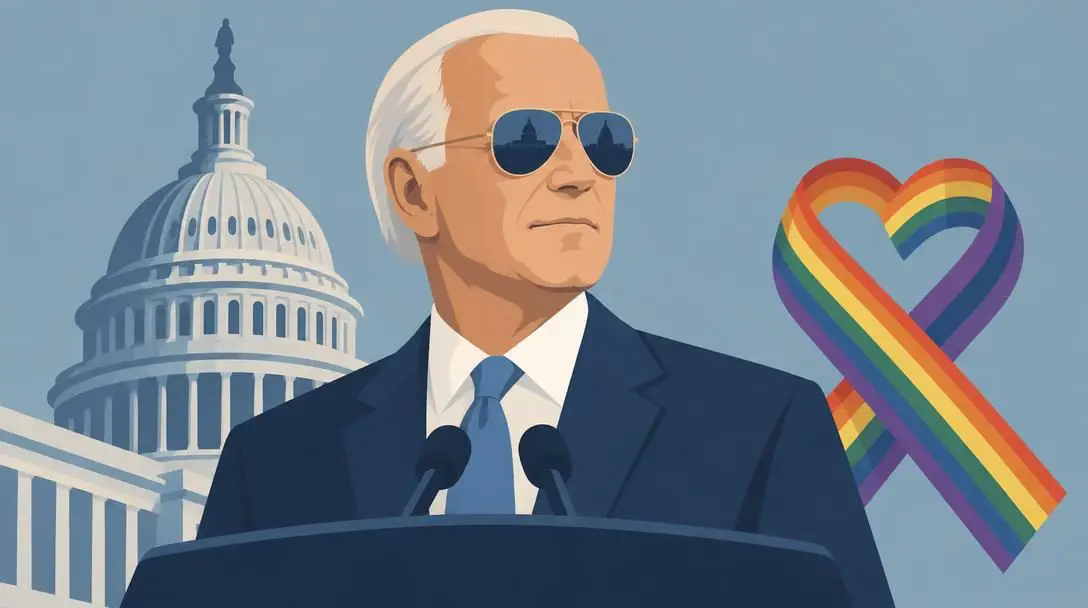
- Primary issue: Federal recognition of gay marriage
- Prior stance: Traditional opposition during the 1990s and 2000s
- Catalyst: Direct personal dialogues and accelerating cultural acceptance
Throughout the 1990s and 2000s, opposition to same-sex marriage was standard doctrine for large factions of both major parties. Joe Biden, then serving as a senior Democratic senator, held this conventional viewpoint for decades. It was not until his service as Vice President under President Barack Obama that Biden publicly broke with his past position and embraced the federal recognition of marriage equality.
A crucial turning point occurred through personal interactions that challenged his previous assumptions. Michael Lombardo, the former head of premium cable network HBO, recounted that a 2012 meeting with Biden—which included Lombardo and his husband—played a direct role in changing the future president's perspective. Biden quickly became an outspoken defender of marriage rights, recognizing the dramatic speed at which the national consensus was moving. He openly captured this cultural transformation by noting: "Things are changing so rapidly, it's going to become a political liability in the near term for someone to say, 'I oppose gay marriage.'"

Bob Inglis
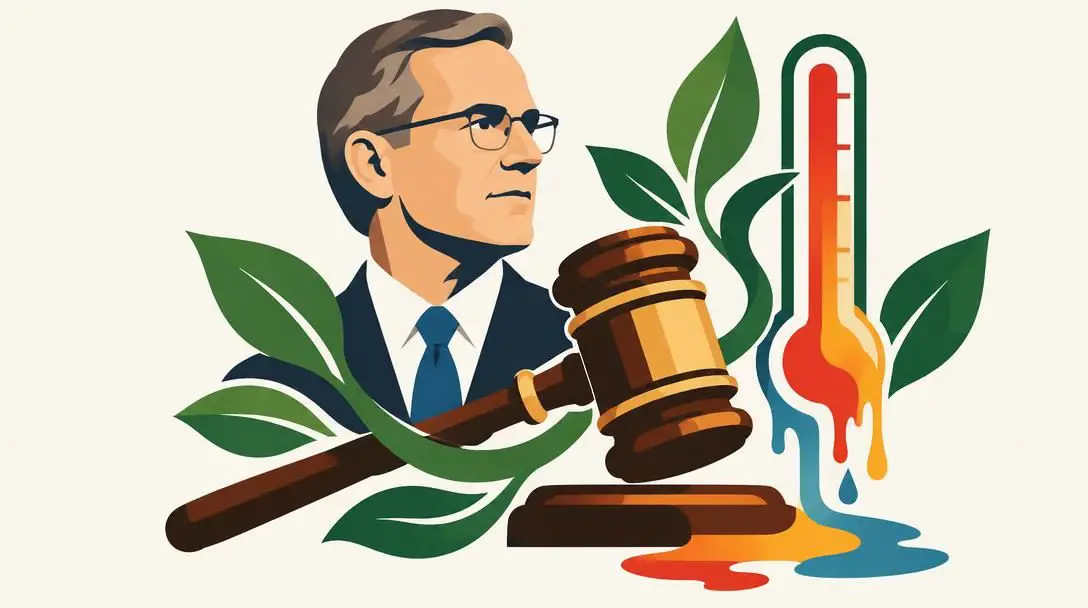
- Primary issue: Anthropogenic climate change
- Prior stance: Dismissed climate change as an environmental hoax
- Catalyst: Independent scientific investigation and data review
Bob Inglis built a distinguished career representing South Carolina's 4th congressional district in the House of Representatives across two separate terms, first from 1993 to 1999 and again from 2005 to 2011. When debates surrounding global warming and environmental policy first surged into mainstream national politics, Inglis adhered strictly to the dominant partisan line, publicly dismissing climate change as an outright hoax.
However, Inglis chose to embark on his own fact-finding process, examining specialized research and consulting with scientific authorities. This independent inquiry completely reshaped his worldview, convincing him that climate change was an undeniable physical reality requiring conservative engagement. The professional consequences of his reversal were swift and devastating. Because his new stance conflicted with the orthodox views of the Republican primary electorate in his district, Inglis lost the institutional backing of his party and subsequently lost his congressional seat. Refusing to abandon his conservative values, he dedicated his post-congressional career to urging fellow Republicans to accept climate science, frequently pointing out that deep-seated political tribalism prevents many elected officials from acknowledging empirical facts.
Donald Trump
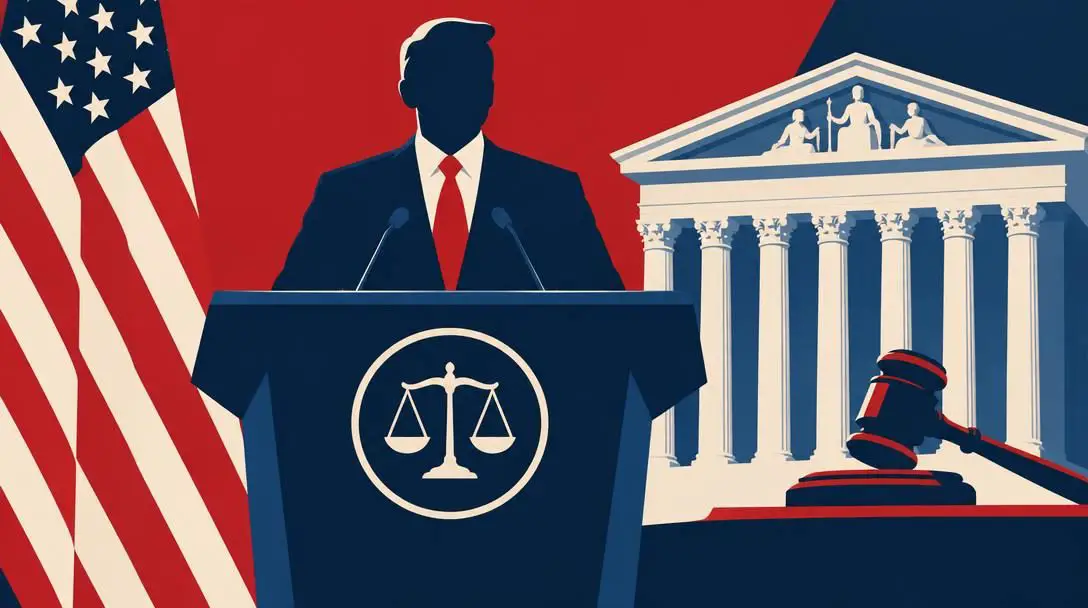
- Primary issue: Abortion access and reproductive law
- Prior stance: Self-identified pro-choice Democrat in business
- Catalyst: National political candidacy and alignment with the Republican platform
Decades before entering electoral politics and becoming the 45th President of the United States, Donald Trump was a high-profile real estate developer and media figure who identified as a Democrat. In various television and print interviews during that era, Trump expressed support for reproductive choice. His perspective was encapsulated in a widely cited interview statement: "I'm very pro-choice…I hate the concept of abortion, but still, I just believe in choice."
When Trump entered the 2016 presidential contest as a Republican, he executed a comprehensive transformation on the issue, adopting a staunchly pro-life platform. Unlike politicians whose shifts remain rhetorical, Trump followed through on his updated stance by appointing three conservative jurists to vacancies on the Supreme Court of the United States. In 2022, the court issued its landmark decision overturning Roe v. Wade, ending decades of constitutional protection for abortion rights. Trump celebrated this historic legal milestone, declaring, "This brings everything back to the states where it has always belonged," while adding that "God made the decision" to overturn the longstanding ruling.
Mitch McConnell
- Primary issue: Federal firearm regulations
- Prior stance: Uncompromising opposition to gun control legislation
- Catalyst: Shifting suburban voter sentiment following the 2022 midterms
Long-serving Senate Republican leader Mitch McConnell has historically stood as an immovable barrier against federal gun control legislation, consistently pledging to deploy his legislative influence to defeat Democratic firearm restrictions. For decades, McConnell’s resolute opposition mirrored the broader conservative consensus regarding Second Amendment protections.
However, an observable shift in tone and strategy developed in the aftermath of the 2022 midterm elections, when Republican candidates underperformed historical expectations. Observers noted that recurring mass shootings across the country had alienated critical segments of the electorate, particularly moderate suburban voters and traditional Republicans who grew weary of absolute opposition to firearm safety measures. Prominent Republican donor Dan Eberhart explained McConnell's pragmatic recalibration: "McConnell can read the polls as well as anyone…Republicans are being painted as extremists on every issue because of the MAGA issue. Guns are an issue where they can disprove that narrative." Rather than reflecting an ideological conversion, the move highlighted McConnell's skill in adjusting public stances to protect legislative majorities.
Tulsi Gabbard
- Primary issue: Alignment with the national Democratic Party
- Prior stance: Democratic congresswoman and 2020 presidential candidate
- Catalyst: Ideological estrangement over foreign affairs and social policy
Tulsi Gabbard entered the national spotlight as a Democratic congresswoman representing Hawaii, eventually launching a high-profile bid for the 2020 Democratic presidential nomination. During her tenure in Congress and on the campaign trail, she championed several progressive platforms—such as the federal decriminalization and legalization of drugs—while maintaining an unorthodox, non-interventionist foreign policy that appealed to both libertarians and anti-war activists.
Following her unsuccessful presidential primary campaign, Gabbard's relationship with Democratic Party leadership deteriorated rapidly. By late 2022, having left public office, Gabbard formally announced her departure from the party. She issued a blistering critique of her former political home, claiming the modern party establishment was actively "stoking anti-white racism." Gabbard further argued that party leaders "demonize the police but protect criminals at the expense of law-abiding Americans…And above all, they are dragging us ever closer to nuclear war." Although she registered as an independent, Gabbard subsequently became a regular presence at prominent conservative conferences and political rallies, illustrating how complete ideological alienation can lead to a total realignment of political loyalties.
Mechanisms that compel politicians to reconsider
Political shifts are rarely sudden epiphanies occurring in a vacuum. Instead, they represent the culmination of converging personal, social, and structural factors that force a public servant to reconsider their standing.
- Direct personal exposure: When public figures form personal bonds or engage in candid dialogues with individuals directly impacted by legislation—such as Joe Biden’s interactions with advocates for marriage equality—theoretical policy arguments transform into compelling human realities.
- Independent factual investigation: Some officials step outside the insulated consensus of their party caucuses to inspect empirical research, as Bob Inglis did with environmental science. When the underlying facts directly contradict party dogma, lawmakers face a choice between scientific integrity and partisan allegiance.
- Electoral coalition maintenance: Demographics and voter preferences are in constant flux. Leaders like Mitch McConnell closely evaluate polling among swing constituencies, such as suburban moderates, recognizing that an unyielding refusal to compromise on high-salience issues can jeopardize broader governing coalitions.
- Primary and general election alignment: National aspirations routinely demand that politicians reshape regional or private viewpoints to match the ideological requirements of primary voters. Donald Trump’s transition from a pro-choice private entrepreneur to a pro-life standard-bearer exemplifies this electoral imperative.
- Institutional and ideological alienation: When an official’s foundational values diverge irreconcilably from their party's mainstream direction, as occurred with Tulsi Gabbard, public frustration can precipitate a complete rupture with the party establishment.
How voters can evaluate a politician's reversal
Navigating the space between a principled evolution of thought and opportunistic positioning can prove challenging for voters. Applying a systematic framework allows citizens to evaluate policy changes objectively.
- Review the official explanation: Examine the language the politician uses to defend their new stance. Authentic shifts are typically supported by coherent, transparent explanations detailing the specific research, conversations, or experiences that precipitated the change.
- Analyze the electoral calendar: Contextualize the timing of the announcement. Reversals declared immediately before a contested primary or in the immediate wake of an electoral defeat frequently signal pragmatic brand management rather than deep ideological soul-searching.
- Compare rhetoric to concrete action: Assess whether the elected official backs up their revised public statements with measurable policy outcomes, such as sponsoring legislation, casting floor votes, or approving executive and judicial nominations.
- Evaluate the personal cost incurred: Determine what the official stood to gain or lose by adopting their updated platform. A politician who willingly forfeits institutional support or risks their seat—exemplified by Bob Inglis—demonstrates a high degree of personal conviction.
- Track long-term consistency: Observe whether the public servant defends their new stance across diverse audiences, or whether they tailor their message selectively depending on the political composition of the room.
Common mistakes when analyzing changing political views
Evaluating political figures requires avoiding common cognitive biases that undermine objective analysis. Citizens and commentators frequently fall into several analytical traps:
- Assuming bad faith in every reversal: It is easy to dismiss all political shifts as deceitful theater. However, individuals throughout society regularly update their views as cultural conditions and personal understandings evolve; lawmakers possess the same capacity for genuine personal growth.
- Equating rigidity with moral strength: Consistency is an admirable governing trait, but dogmatic refusal to reconsider outdated policies in the face of fresh economic, scientific, or social evidence can result in ineffective, disconnected leadership.
- Applying partisan double standards: Voters frequently applaud ideological shifts within their favored party as "thoughtful, courageous maturity" while denouncing identical transformations by opposing politicians as "unprincipled flip-flopping."
- Underestimating the power of party coalitions: Elected officials do not operate as isolated free agents. Dismissing the immense pressure exerted by party leaders, financial donors, and activist bases obscures why politicians ultimately yield to prevailing partisan tides.
Frequently asked questions
Why did the term "flip-flopper" become so famous in American politics?
The term surged into popular usage during the 2004 presidential campaign, when Republican strategists and media outlets applied it heavily against Democratic nominee John Kerry to frame his changing votes and policy positions as evidence of poor leadership and political opportunism.
Did Bob Inglis remain a conservative after accepting climate change science?
Yes. Despite losing his congressional seat due to pushback within his party, Inglis remained an active conservative. He has dedicated his post-congressional career to encouraging fellow Republicans to accept climate science and advocate for conservative, market-based environmental solutions.
What specific encounter influenced Joe Biden's view on marriage equality?
In addition to shifting national sentiment, former HBO head Michael Lombardo stated that a private 2012 meeting between Biden, Lombardo, and Lombardo's husband served as a pivotal personal interaction that helped the then-Vice President embrace federal recognition of gay marriage.
How did Donald Trump prove his commitment to his revised abortion platform?
After shifting from a pro-choice stance in his business career to a pro-life platform during his presidential campaign, Trump cemented his revised view by appointing three conservative Supreme Court justices who ultimately voted to overturn Roe v. Wade in 2022.
Why did Mitch McConnell adjust his approach to gun control after 2022?
Following disappointing results in the 2022 midterm elections, polling revealed that swing suburban voters and traditional Republicans were growing uncomfortable with absolutist gun policy following high-profile mass shootings, prompting McConnell to moderate his public strategy to maintain electoral competitiveness.
The bottom line
Public policy is never entirely static, because the society it governs is continually shifting. As national culture evolves, scientific research deepens, and demographic realities reconfigure the electoral landscape, politicians will inevitably continue to change their minds. Whether motivated by private conversations, institutional fallout, or hardheaded electoral math, a public reversal reveals the enduring friction between personal conscience and the relentless demands of political survival.