5 Surprising Facts About the Earth’s Atmosphere
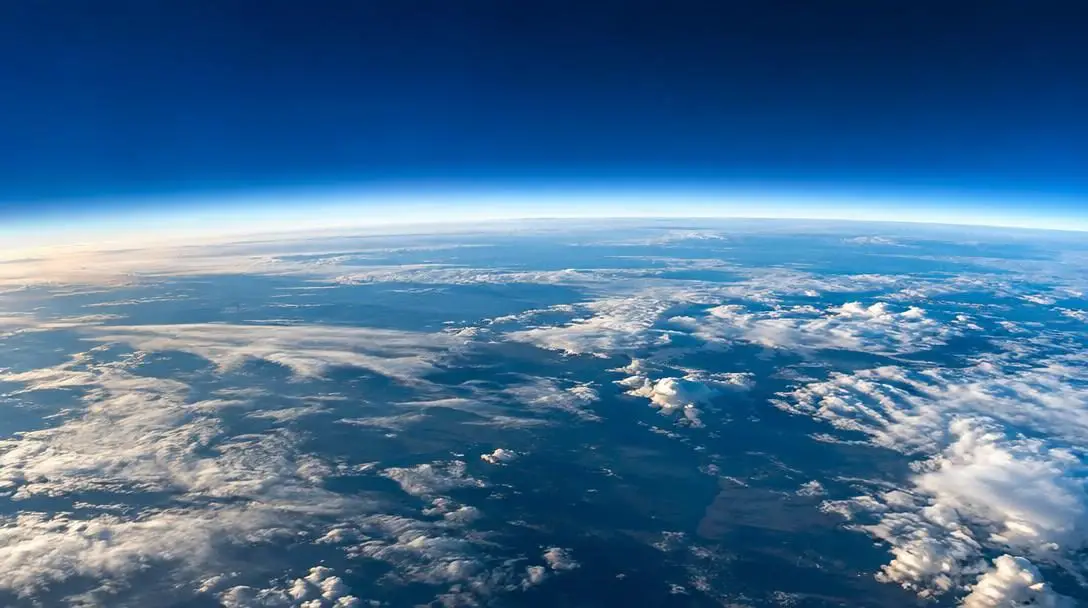
The Earth’s atmosphere is an essential, life-sustaining envelope of gases wrapped around our world. Rather than serving as an empty void or a static bubble, it acts as an expansive environmental regulator that supplies breathable air, shields the surface from cosmic threats, and prevents the planet from experiencing the devastating temperature extremes typical of airless worlds. Held in place by gravity, this fluid system forms a porous, protective threshold between our terrestrial habitat and the vacuum of space.
Every biological and physical process on the planet is directly shaped by the movement, composition, and behavior of this gaseous ocean. While we rarely notice the air we inhale every few seconds, the systems that govern atmospheric circulation, climate balance, and radiation screening are remarkably intricate. Exploring the fundamental mechanics and surprising properties of our atmosphere reveals why maintaining its delicate balance is vital for the future of life on Earth.
Key takeaways
- Gravity concentrates most atmospheric mass near the planet's surface, leaving higher altitudes progressively thinner and colder.
- The atmosphere is organized into five specialized layers, each serving a unique planetary function ranging from weather generation to meteor interception.
- Water vapor is the most abundant natural greenhouse gas, driving both the global hydrological cycle and severe weather events.
- The stratospheric ozone layer serves as an indispensable planetary barrier against cell-damaging ultraviolet radiation from the sun.
- Atmospheric circulation acts as a colossal thermal engine powered by uneven solar heating across the globe.
Gravitational compression and the non-uniform sky
A common assumption is that the air around us forms an even, homogenous blanket encompassing the globe. In reality, the atmosphere is profoundly non-uniform, exhibiting dramatic shifts in density, pressure, temperature, and chemical composition depending on altitude and location. The primary architect of this variation is planetary gravity, which pulls gas molecules continuously toward the Earth's center.
Because the air mass overhead bears down on the layers below, the atmosphere undergoes severe compression at sea level. The greatest concentration of molecular mass sits directly adjacent to the Earth's crust and oceans. As one ascends into mountainous elevations or travels into the upper skies, this downward compressive force diminishes, causing the atmosphere to thin rapidly.
This vertical variation produces immediate physical consequences. The reduction in air density at elevated altitudes lowers the available concentration of oxygen molecules per breath, precipitating acute physiological challenges for humans climbing high peaks. Simultaneously, aircraft wings and jet engines depend on air molecules to produce aerodynamic lift and sustain fuel combustion, forcing aviation engineers to navigate operational limits as air density drops with altitude.
Furthermore, temperature fluctuations through the vertical atmospheric column drive severe convective instabilities. When warm, less-dense air parcels collide with colder, denser pockets above, the resulting energy exchange can trigger intense storms, violent updrafts, and catastrophic events such as hurricanes and tornadoes.
The five distinct layers of the atmosphere
Rather than blending into a single uniform mixture from the soil to the stars, the atmospheric column is divided into five stratified layers. Each zone exhibits distinct thermal profiles, physical behaviors, and environmental responsibilities that collectively regulate the planetary habitat.
| Atmospheric Layer | Vertical Position | Primary Phenomena | Protective Function |
|---|---|---|---|
| Troposphere | Lowest (surface level) | Clouds, rain, wind systems | Maintains breathable oxygen and climate stability |
| Stratosphere | Second layer | Ozone concentration, dry airflow | Filters harmful solar ultraviolet radiation |
| Mesosphere | Third layer | Extreme low temperatures | Incinerates incoming meteors and space debris |
| Thermosphere | Fourth layer | Auroras, high-energy solar interactions | Absorbs energetic solar rays |
| Exosphere | Outermost layer | Particle dissipation into space | Forms transitional threshold to the cosmic vacuum |
The Troposphere

- Position: Lowest layer, contacting the planetary surface
- Key activity: Generates nearly all daily weather events
- Moisture content: Contains the vast majority of atmospheric water
The troposphere is the foundational atmospheric layer in which humans and all terrestrial life reside. It harbors the dense air required for cellular respiration alongside the bulk of global water vapor. Driven by surface heating, warm air currents rise and cool within this active zone, forming clouds, rain, snow, and complex atmospheric fronts. Because temperature drops steadily with elevation in the troposphere, active vertical mixing is continuous, establishing the baseline conditions for regional weather patterns worldwide.
The Stratosphere
- Position: Second layer, positioned directly above the troposphere
- Climate: Characterized by calm, dry, and stable air masses
- Key feature: Houses the life-preserving ozone layer
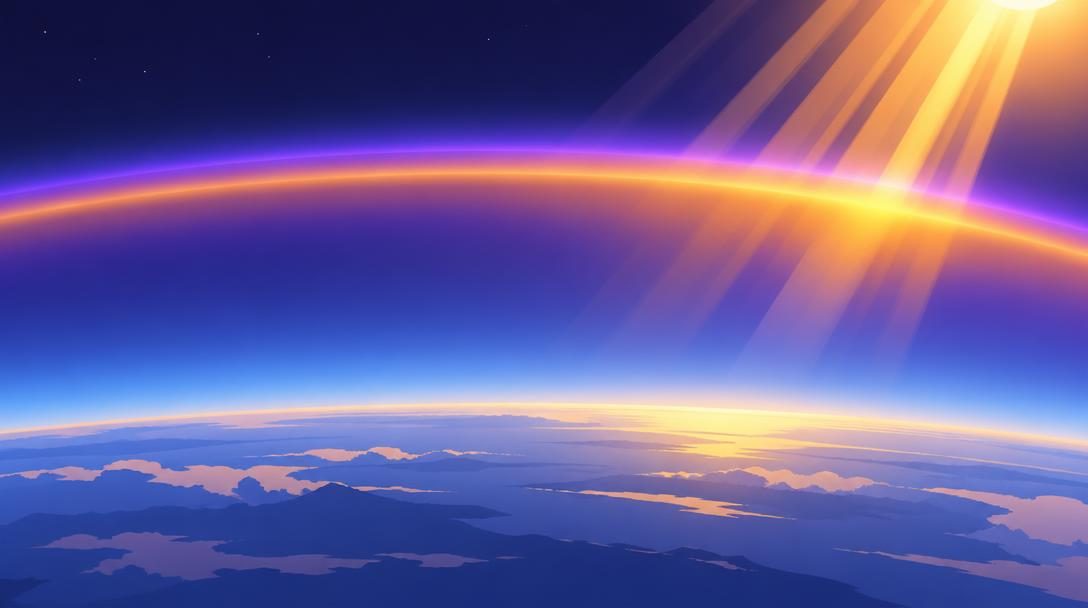
Positioned above the turbulent troposphere, the stratosphere is characterized by calm, dry conditions with minimal moisture. Its defining feature is the concentration of ozone molecules, which absorb intense solar energy. This absorption creates an inverted thermal profile where temperatures actually increase with altitude, preventing turbulent vertical mixing and resulting in very stable horizontal air currents.
The Mesosphere
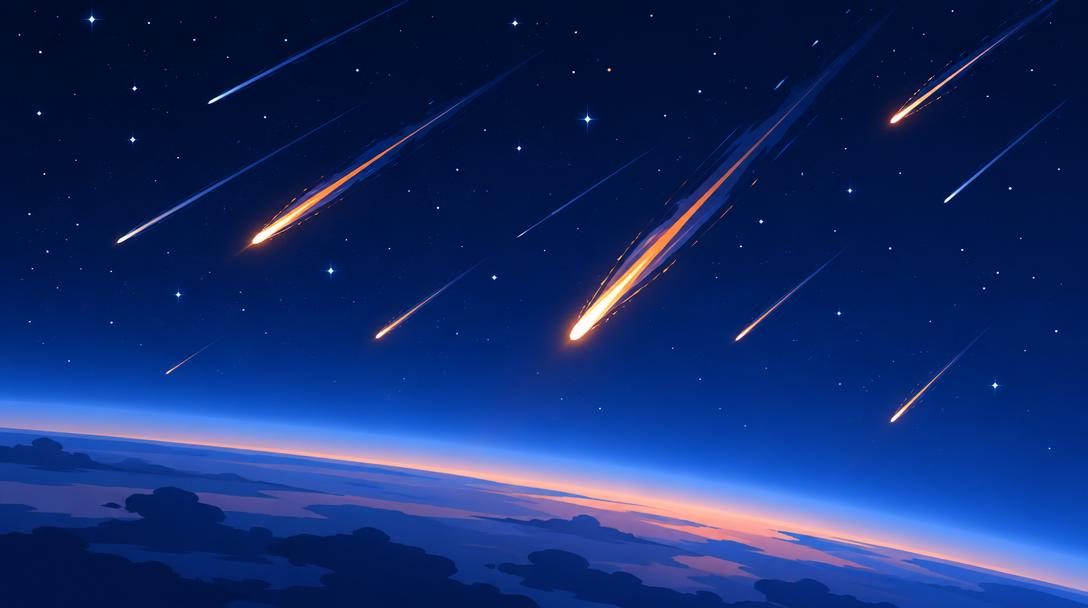
- Position: Third layer in the vertical atmospheric stack
- Function: Acts as a planetary impact shield
- Phenomena: Incinerates incoming celestial debris through friction
The mesosphere occupies the middle tier of the atmospheric architecture. Despite its relatively low density compared to the lower layers, gas concentrations here are sufficient to generate significant friction against incoming cosmic fragments. As meteors plunge into this zone at extreme velocities, the surrounding air is compressed and heated, causing the debris to disintegrate into bright streaks of light before striking the ground.
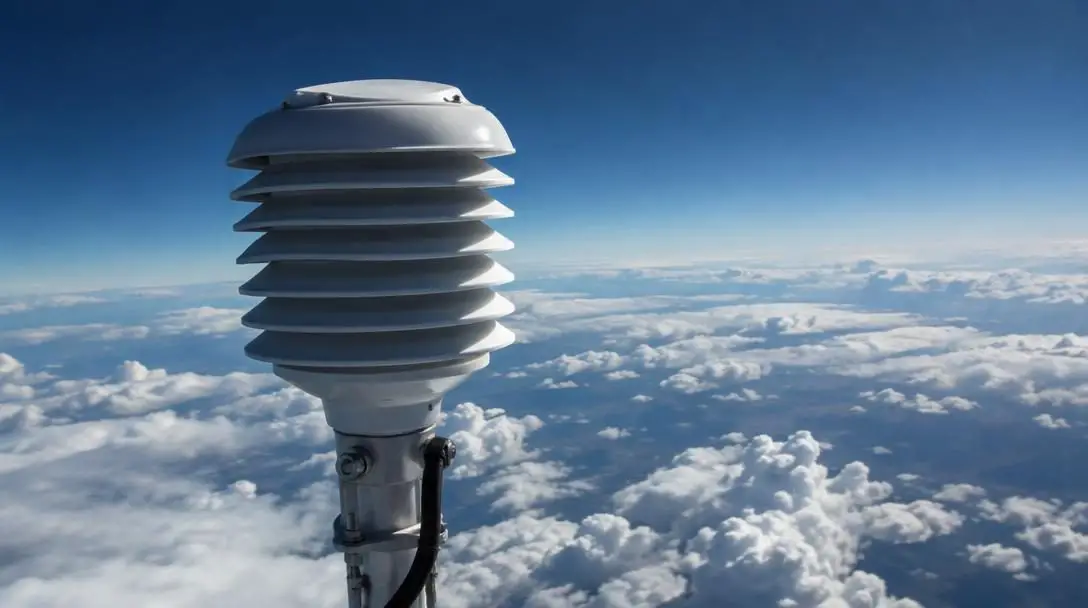
The Thermosphere
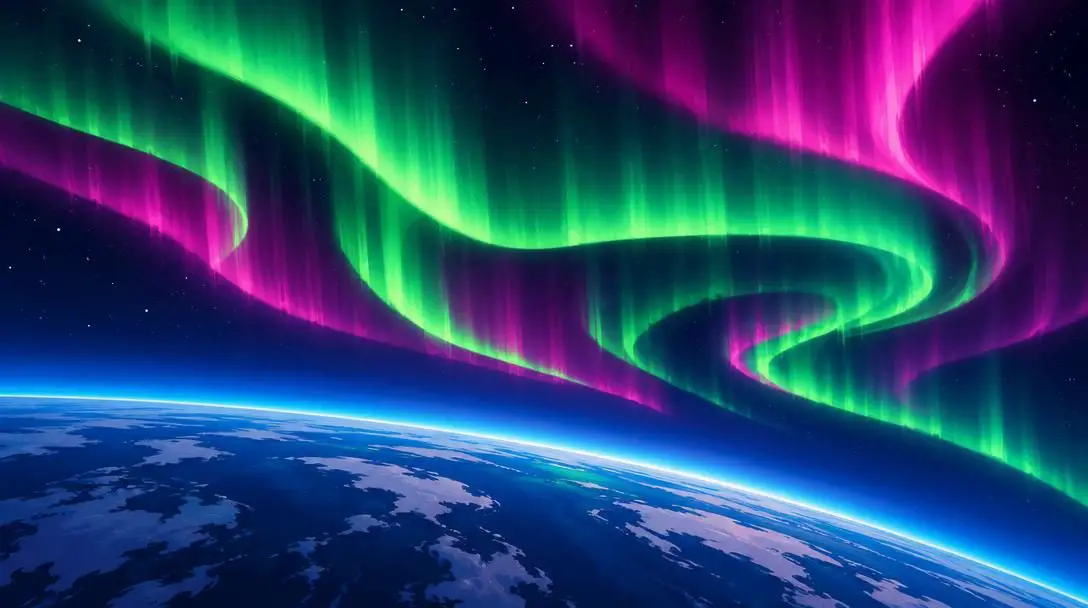
- Position: Fourth layer, directly below the exosphere
- Characteristic: Marked by energetic solar radiation interactions
- Phenomena: Displays the aurora borealis and australis
In the thermosphere, atmospheric particles are sparse and directly bombarded by raw, unfiltered solar radiation. High-energy interactions between solar particles and atmospheric gases excite atomic components, producing the vibrant, shifting curtains of light known as the aurora borealis. The energized particles in this layer absorb substantial solar wavelengths, shielding the layers underneath.
The Exosphere
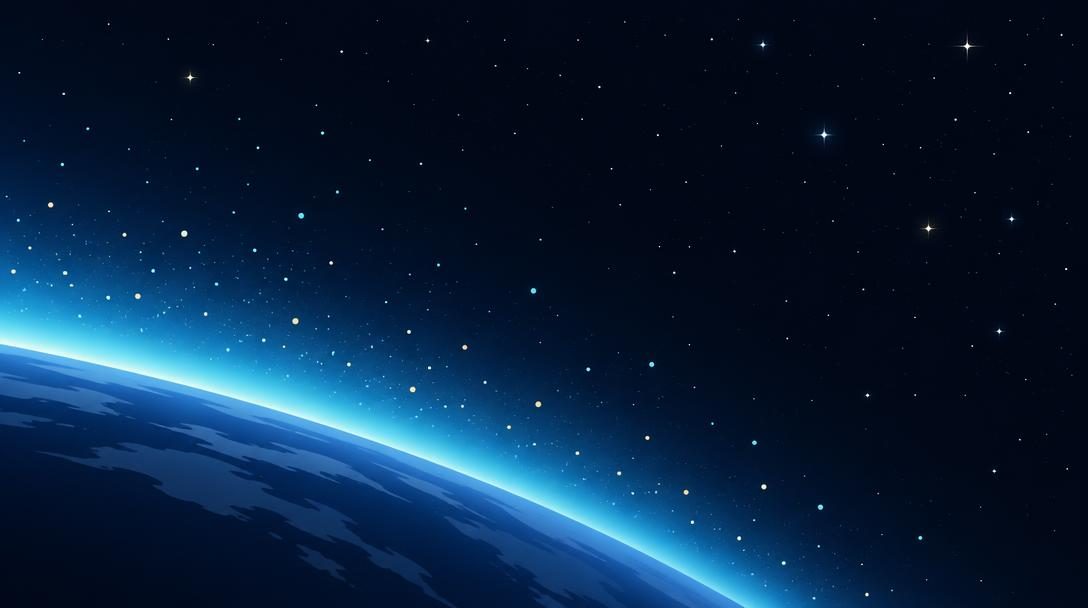
- Position: Outermost layer of the atmosphere
- Density: Extremely sparse, widely separated gas particles
- Boundary: Fades progressively into the vacuum of space
The exosphere forms the ultimate boundary of our planetary envelope. Here, the gravitational grip of the Earth weakens, and gas molecules travel along ballistic paths without colliding frequently with one another. Rather than ending at a sharp ceiling, the exosphere thins imperceptibly over vast distances until planetary gases yield entirely to interplanetary space.
Rather than functioning as an impenetrable shell, the atmosphere acts as a porous, dynamic boundary between the Earth's surface and the vacuum of space.
Constant change and atmospheric equilibrium
Far from an immutable backdrop, the atmosphere is an active, evolving engine continually reacting to inputs from terrestrial and extraterrestrial sources. Solar variability, volcanic outgassing, regional wildfires, and modern industrial practices consistently introduce new elements into the global gaseous pool.
When volcanic eruptions occur, explosive columns inject sulfurous compounds, ash, and greenhouse gases into the upper layers, altering solar transmittance and dampening global surface temperatures for extended periods. Similarly, widespread wildfires discharge particulate soot and carbon into regional airsheds, disrupting local convective patterns and degrading air quality across entire continents.
Human activities represent an unprecedented driver of atmospheric transformation. The sustained burning of fossil fuels releases significant quantities of carbon dioxide into the troposphere. As heat-trapping gases multiply, they retain excessive thermal energy within the lower atmosphere, driving global warming, perturbing historic precipitation cycles, and multiplying the frequency of intense droughts, heatwaves, and flooding events.
Planetary shielding and radiation absorption
Beyond providing air for respiration, the atmosphere operates as an indispensable defensive shield against electromagnetic bombardment from space. While the sun emits vital light and heat, it also generates severe streams of high-energy ultraviolet radiation capable of shattering biochemical bonds.
The stratospheric ozone layer serves as the primary barrier preventing these destructive wavelengths from reaching ground level. Composed of triatomic oxygen molecules, the ozone layer absorbs biologically damaging ultraviolet rays, rendering the Earth's surface hospitable to fragile cellular life. Without this natural filter, humans and animals would suffer drastic rates of skin cancer, vision-impairing cataracts, and severe immune degradation, while plant yields would decline substantially.
However, this vital shield is vulnerable to anthropogenic chemistry. The historic release of industrial compounds, most notably chlorofluorocarbons once prevalent in aerosol sprays and cooling appliances, catalyzed catastrophic chain reactions in the upper atmosphere. In the cold skies above Antarctica, these pollutants systematically tore ozone molecules apart, forming a vast area of severe ozone depletion.
The overlooked power of atmospheric water vapor
When discussions turn to greenhouse gases, carbon dioxide typically receives the primary focus. Yet water vapor is the most abundant natural greenhouse gas within the planetary envelope, exerting an enormous influence over daily weather and long-term climate stability.
Water vapor enters the sky through a multifaceted planetary transport loop:
- Evaporation: Solar radiation warms oceans, lakes, and rivers, driving liquid water into an invisible gaseous state.
- Transpiration: Vegetative ecosystems absorb moisture through root networks and exhale excess water vapor through leaf pores.
- Sublimation: Glacial structures, high-altitude snowfields, and polar ice sheets convert directly into gas under specific low-pressure, sunny conditions.
Once suspended in the atmosphere, water vapor acts as an efficient thermal trap. It absorbs the infrared thermal energy radiating back from the Earth's warmed landmasses and oceans, re-radiating heat in all directions and insulating the biosphere from extreme nocturnal freezes. As this moist air ascends and cools within the troposphere, the vapor condenses onto micro-particles, giving rise to clouds and releasing latent heat.
This dynamic double-edged property means that as planetary temperatures climb, atmospheric moisture capacity expands. A warmer atmosphere absorbs substantially higher quantities of vapor, supercharging the energy potential of incoming storm systems and amplifying the destructive power of hurricanes, monsoons, and inland deluge events.
Mechanics of the global atmospheric heat engine
To understand the atmosphere, one must view it as a continuous thermal engine powered by solar energy. Solar radiation strikes the spherical Earth unevenly: equatorial latitudes absorb direct, high-intensity rays, while the polar regions receive slanted, diffused energy spread over broader surface areas. This geographic thermal imbalance sets the entire envelope into perpetual motion.
Hot air masses at the equator expand, lose density, and rise high into the tropospheric column. As this warm air surges upward, it generates a low-pressure zone at the surface that pulls in cooler, denser air from higher latitudes. Concurrently, the elevated equatorial air flows toward the poles, cooling and contracting along its journey before sinking back to the surface in temperate and polar zones.
Because the Earth rotates beneath this moving fluid, the trajectories of traveling air masses curve, generating the Coriolis effect. This rotation transforms simple north-south thermal convection into intricate prevailing trade winds, high-altitude jet streams, and organized storm systems. This atmospheric engine redistributes enormous quantities of heat from the tropics toward the poles, preventing the equator from becoming an unlivable furnace and the polar regions from turning into absolute frozen wastelands.
Everyday steps for atmospheric stewardship
Because the health of the atmosphere directly governs the safety of the biosphere, individual and community-level actions are essential to preserve its chemical equilibrium. Proactive stewardship centers on minimizing pollutants that disrupt both the troposphere and stratosphere.
- Lower personal carbon emissions: Conserve household electricity, opt for energy-efficient heating and cooling systems, and replace single-occupant automobile travel with walking, cycling, or public mass transit.
- Safeguard cooling equipment: Ensure that residential air conditioners, automotive cooling systems, and refrigerators are repaired by certified technicians to prevent the venting of ozone-depleting refrigerants and volatile chemical compounds.
- Support healthy vegetative covers: Protect existing forests, plant native tree species, and cultivate home gardens to enhance regional transpiration cycles and reinforce natural carbon sequestration.
- Curb consumption and material waste: Reduce the purchase of non-essential manufactured goods and actively recycle household materials, diminishing the energy-heavy industrial processes that release airborne pollutants.
- Heed local air advisories: Stay attuned to regional air quality metrics and observe burn bans and anti-idling restrictions, which mitigate dangerous tropospheric smog and particulate build-ups.
Widespread misconceptions about the air above
Given the invisible nature of the gases that sustain us, numerous misconceptions persist regarding the atmosphere's structure, boundaries, and composition. Clearing up these assumptions is essential for planetary literacy.
- The atmosphere has a distinct outer wall: Many visualize the atmosphere as terminating abruptly where outer space begins. In truth, gas density simply fades across thousands of kilometers, with the outermost exosphere thinning seamlessly into the solar vacuum.
- Weather occurs uniformly across all altitudes: Weather events do not span the entire atmospheric stack. Precipitation, cloud formations, jet streams, and violent storms are confined almost entirely to the troposphere, the lowest and densest tier.
- Oxygen is the primary component of air: While oxygen is mandatory for mammalian life, it is not the dominant gas. The atmosphere is composed primarily of nitrogen, with oxygen serving as a secondary gas alongside minor concentrations of argon, carbon dioxide, and water vapor.
- Carbon dioxide is the only critical greenhouse gas: While carbon dioxide is the primary driver of human-induced climate warming, water vapor naturally exerts the strongest greenhouse effect, governing natural baseline thermal trapping across the globe.
Frequently asked questions
Where does the Earth's atmosphere actually end?
The atmosphere does not possess a solid or abrupt physical boundary. Instead, the concentration of gases thins gradually with altitude through the thermosphere and exosphere, eventually fading imperceptibly into the vacuum of space.
Why is it harder to breathe at higher elevations?
Because planetary gravity pulls gas molecules toward the surface, air density decreases with altitude. Although the chemical ratio of oxygen remains relatively constant, fewer total air molecules are packed into any given volume of air, meaning each breath taken at high elevation yields less oxygen for the body.
Which layer of the atmosphere protects us from meteors?
Incoming meteors and celestial debris typically incinerate in the mesosphere, the third atmospheric layer. Friction and pressure generated as fast-moving objects compress the gases in this zone create intense heat, vaporizing space debris before it can impact the ground.
How does the ozone layer differ from greenhouse gases?
The ozone layer is concentrated in the stratosphere and acts as an electromagnetic shield, absorbing harmful ultraviolet rays from the sun. Greenhouse gases, such as carbon dioxide and water vapor, are concentrated in the lower troposphere, where they trap infrared thermal energy radiating from the planetary surface.
Why does water vapor make extreme weather worse?
As atmospheric temperatures rise, the air's capacity to hold water vapor increases. Because water vapor carries latent thermal energy and releases it during cloud condensation, elevated moisture levels supply storms with additional fuel, resulting in heavier precipitation, intense flooding, and more destructive hurricanes.
The bottom line
The Earth's atmosphere is not a passive backdrop to human activity, but a finely calibrated, highly responsive planetary engine. From the dense, weather-rich currents of the troposphere to the tenuous fringes of the exosphere, every tier plays a specific role in deflecting space debris, filtering lethal radiation, and stabilizing global temperatures. Understanding the interconnected dynamics of gravity, moisture, and chemical balance underscores the profound responsibility humanity carries to preserve this irreplaceable shield.