5 Surprising Facts About the Science of Touch

Touch is the very first sense human beings develop, serving as an irreplaceable channel for exploring physical environments, establishing trust, and maintaining lifelong social bonds. While often overshadowed by vision or hearing, tactile perception relies on a remarkably sophisticated biological network connecting the skin, spinal cord, and brain to regulate internal states and physical actions.
Modern neuroscience and psychology demonstrate that physical touch does far more than alert us to textures and temperatures. From subconscious shifts in financial decisions to natural neurological mechanisms that dull physical discomfort, understanding the science of touch reveals why bodily contact remains vital to human survival and emotional health.
Key takeaways
- Touch is the first sensory system to develop in humans, acting as a foundational pathway for survival and emotional bonding.
- Human skin relies on four specialized mechanoreceptors to detect light touch, slipping objects, deep vibrations, and skin stretching.
- Gentle physical contact can activate spinal cord mechanisms that block pain signals from traveling to the brain.
- Subtle, nonverbal touch subconsciously influences human decision-making, increasing financial risk tolerance and retail purchasing behavior.
- Skin-to-skin holding and nurturing contact in early infancy significantly improve developmental outcomes and help establish secure attachment.
The biological architecture of human touch
Human skin functions as a massive, responsive sensory organ packed with millions of specialized nerve endings known as mechanoreceptors. We do not experience physical contact through a singular, uniform mechanism. Instead, our tactile sense depends on a complex division of labor among distinct receptors that convert mechanical pressure into electrical signals for the central nervous system.
These receptors are positioned at varying depths throughout the skin, connective tissues, and muscles. Depending on their structural shape and how rapidly they adapt to mechanical forces, they allow the brain to perceive delicate brush strokes, sustained pressure, fine textures, slipping grasps, and high-frequency buzzing.
| Mechanoreceptor | Skin layer | Sensory function | Primary location or role |
|---|---|---|---|
| Merkel cells | Epidermis | Light touch, sustained pressure, fine details and edges | Surface skin; distinguishing delicate textures like feathers |
| Meissner’s corpuscles | Superficial dermis | Gentle pressure, low-frequency vibrations, slip detection | Clustered in fingertips and lips; prevents dropping held items |
| Pacinian corpuscles | Deep dermis | Deep pressure, high-frequency vibrations | Deeper tissue; senses machinery hums or thudding impacts |
| Ruffini endings | Deep dermis | Skin stretching, sustained gripping, tissue deformation | Monitors finger position, joint adjustments, and sustained hold |
When these receptors are stimulated simultaneously, they send high-speed neural messages up the peripheral nerves and spinal cord to the brain's somatosensory cortex. There, the brain synthesizes the individual inputs into a coherent, real-time tactile landscape, enabling us to interact seamlessly with our surroundings.
How touch shapes emotions and everyday decisions
Tactile inputs do not travel strictly to analytical processing centers in the brain; they connect directly to regions responsible for emotional regulation, reward, and social evaluation. Because physical contact is deeply intertwined with safety and interpersonal bonding, even momentary or incidental touch can sway judgment without conscious awareness.
Everyday gestures like an affectionate hug from a family member or a reassuring pat on the back can significantly lower subjective feelings of stress. By communicating safety and encouragement, physical contact alters the neurochemical state of the receiver, prompting shifts in how they evaluate risks, navigate uncertainty, and interpret social environments.
Physical touch introduces social cues that subconsciously modify human judgment, shifting our willingness to trust others and embrace uncertainty.
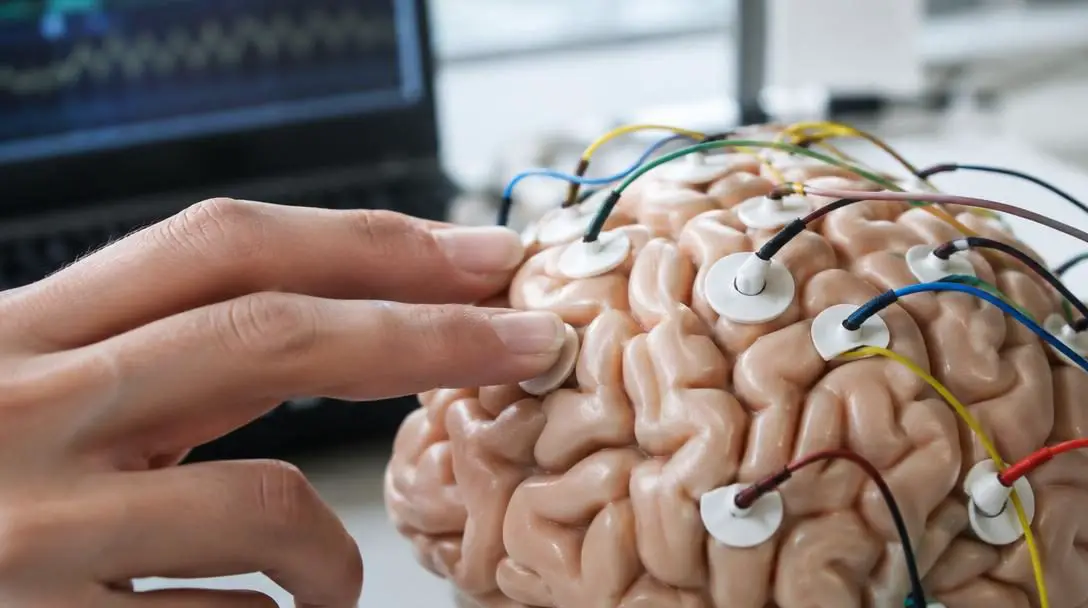
Laboratory research highlights how physical touch alters real-world decision-making. In one notable study, participants who received a light, reassuring touch on the back of the neck were significantly more willing to take financial risks compared to participants who were not touched. The fleeting physical contact appeared to provide an unprompted sense of psychological security, altering their risk-reward calculations.
A similar dynamic regularly appears in commercial contexts. Research indicates that shoppers who are lightly touched by a retail salesperson are statistically more likely to purchase a product. This brief, professional contact generates immediate rapport and social warmth, making consumers more receptive to recommendations and comfortable completing transactions.
The gate control theory: how touch dampens pain
While physical contact can convey tenderness or thermal heat, it also serves as a potent, non-pharmacological tool for pain management. The connection between touch and discomfort is explained scientifically by the gate control theory of pain, which illustrates that pain perception is not a direct, uninterrupted telephone line from an injury to the brain.
Instead, incoming pain impulses must pass through a neurological filtering mechanism located within the dorsal horn of the spinal cord. This metaphorical "gate" can be opened, closed, or partially blocked depending on competing sensory signals and psychological states.
When you accidentally bump an elbow or stub a toe, your immediate instinctive reaction is to rub or hold the injured area. This automatic reflex leverages the gate control mechanism:
- An initial impact triggers specialized pain fibers, transmitting high-priority warning signals toward the spinal cord.
- Instinctive rubbing or applying gentle pressure activates nearby mechanoreceptors, which fire through fast-conducting, non-painful sensory nerve fibers.
- These non-painful sensory fibers enter the dorsal horn and stimulate inhibitory interneurons in the spinal cord.
- The activated inhibitory cells close the neurological gate, dampening the intensity of the pain signals before they can ascend to the brain.
This biological mechanism also helps explain the therapeutic outcomes observed in formal bodywork practices. Modalities like therapeutic touch—where a trained caregiver or practitioner places their hands directly on or near a person's body—have demonstrated effectiveness in clinical studies for relieving localized pain and reducing systemic anxiety. Providing organized, supportive tactile inputs helps settle an overstimulated nervous system.
The critical role of touch in infant development
Physical contact is not merely an optional comfort for young children; it is a biological requirement for healthy survival. In the initial weeks and months following birth, an infant's visual acuity is still maturing, leaving touch as the primary channel through which they discover the world, evaluate threat levels, and receive care.
Extensive clinical research demonstrates that infants who receive regular physical contact—including holding, cuddling, and direct skin-to-skin contact—experience superior physiological stability and health outcomes compared to infants deprived of touch. Consistent bodily contact aids in stabilizing core body temperature, steadying heart and respiration rates, and regulating early sleep-wake cycles.
Beyond immediate physical stabilization, tactile nurturing underpins the development of secure caregiver attachment. When an infant's distress is consistently met with comforting, physical holding, the child internalizes a foundational sense of psychological safety. This early tactile communication builds resilience, supporting lifelong emotional balance, healthy social behaviors, and balanced stress responses well into adulthood.

Touch as a nonverbal communication pathway
Human language relies heavily on vocal sounds and visible facial expressions, but touch provides a nuanced, direct medium of communication that bypasses verbal constraints. Tactile communication is especially critical for individuals who cannot rely on standard auditory or visual channels, such as those who are deaf-blind or living with severe motor disabilities.
Through structured systems of physical touch—such as standardized tapping sequences, directional tracing, and tactile signing against the palm or upper body—individuals with profound communication challenges can express thoughts, state physical needs, and cultivate meaningful interpersonal connections.
Tactile communication also plays a transformative role in conventional healthcare environments. Hospitals and acute care facilities are frequently frightening or disorienting for patients. When healthcare providers use intentional, compassionate touch—such as a reassuring hand on an anxious patient's shoulder or holding a hand during an uncomfortable procedure—they break through clinical detachment, lowering distress and building mutual trust.
Actionable ways to apply the science of touch
Recognizing the profound impact of tactile stimulation enables individuals, parents, and medical professionals to use physical contact more mindfully in daily life. Intentional touch can be integrated across multiple routines to support emotional balance and caregiving:
- Incorporate skin-to-skin holding with infants: Parents and caregivers should practice skin-to-skin holding and frequent cuddling during infancy to stabilize vital signs and establish secure attachment patterns.
- Apply gentle friction to minor injuries: Take advantage of the gate control theory by lightly rubbing the tissue surrounding minor bumps or scrapes to stimulate inhibitory spinal pathways.
- Offer supportive gestures in clinical settings: Healthcare workers and family caregivers can use calming physical contact, like a steady hand on a forearm, to reduce procedural anxiety.
- Notice tactile influences in social interactions: Remain aware of how social touch, from firm handshakes to polite pats, shapes personal feelings of trust and comfort during daily interactions.
- Utilize tactile techniques for communication barriers: When assisting nonverbal individuals or people with sensory impairments, explore structured touch-based signaling systems to maintain clear connections.
Common mistakes and misconceptions about touch
Because touch is such an intuitive, everyday experience, people often misunderstand the physiology behind it or misapply tactile strategies. Steering clear of common mistakes ensures that touch is utilized responsibly and effectively:
- Viewing touch as a single, uniform sense: Many people treat touch as a monolith, failing to realize that light brushing, deep pressure, slip detection, and skin stretching are managed by four distinct mechanoreceptors with unique adaptation speeds.
- Disregarding context, boundaries, and personal consent: While studies reveal that touch can influence sales and comfort, unsolicited or culturally inappropriate physical contact damages trust and prompts defensive stress responses.
- Relying on touch as a sole pain treatment: Rubbing an injury or receiving therapeutic touch can successfully attenuate pain perception via spinal gating, but it cannot replace necessary medical treatment for serious injuries or chronic pathology.
- Underestimating infant tactile requirements: Assuming that infants only require nutrition and clean bedding overlooks decades of developmental evidence proving that physical contact is necessary for physiological regulation.
- Restricting touch to mechanical tasks: Viewing physical touch purely as physical labor ignores its capacity as a communication tool capable of delivering empathy and reassurance without spoken words.
Frequently asked questions
What are the four primary touch receptors in human skin?
The four primary mechanoreceptors are Merkel cells, Meissner’s corpuscles, Pacinian corpuscles, and Ruffini endings. Each receptor sits at a specific depth in the tissue and specializes in registering light contact, low-frequency vibrations, deep pressure, or skin stretching.
How does rubbing an injury reduce the feeling of pain?
Rubbing stimulates non-painful sensory nerve fibers, which travel to the dorsal horn of the spinal cord and activate inhibitory interneurons. According to the gate control theory, this closes the neurological gate, dampening the pain signals sent to the brain.
Why does touch influence financial and purchasing decisions?
Tactile contact directly stimulates neurological pathways tied to emotional security and interpersonal bonding. Subtle contact, such as a reassuring touch on the neck or arm, can subconsciously lower perceived risk and foster trust, making people more willing to embrace uncertainty or purchase products.
Why is skin-to-skin contact so critical for newborn babies?
Because an infant's visual and auditory systems are still developing, touch is their primary sensory channel. Skin-to-skin holding helps regulate core body temperature, stabilizes heart rate, supports healthy sleep patterns, and creates the emotional security needed for strong attachment.
Can tactile touch help people who cannot hear or see?
Yes. Tactile communication systems use structured touch patterns, such as hand-tracing and physical signs applied to the palm or body, allowing deaf-blind or nonverbal individuals to share complex thoughts, request assistance, and maintain close social ties.
The bottom line
Touch is far more than a passive sensory receiver; it is an active biological and social bridge linking our internal physiology with the external world. From specialized mechanoreceptors in our fingertips to the inhibitory circuits of our spinal cord, our nervous system is purpose-built to register, interpret, and respond to physical contact.
By understanding the science of touch, we can better appreciate its profound role in easing physical discomfort, guiding developmental growth, and fostering human connection. When applied with care, respect, and awareness, intentional touch remains one of the most powerful tools we have for supporting physical health and emotional well-being.