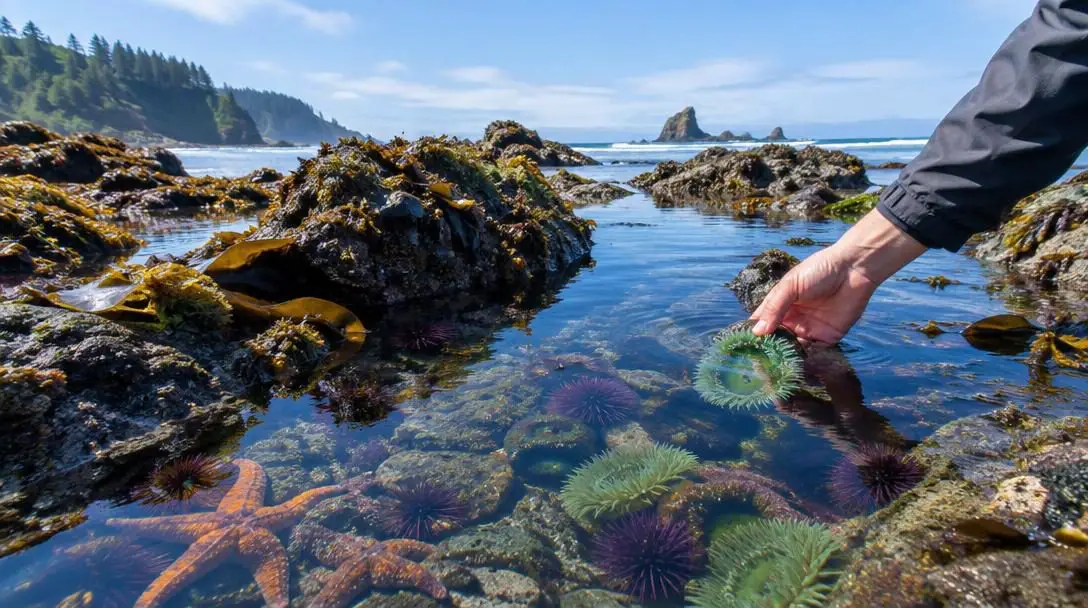
5 Surprising Facts About the Ocean You Need to Know
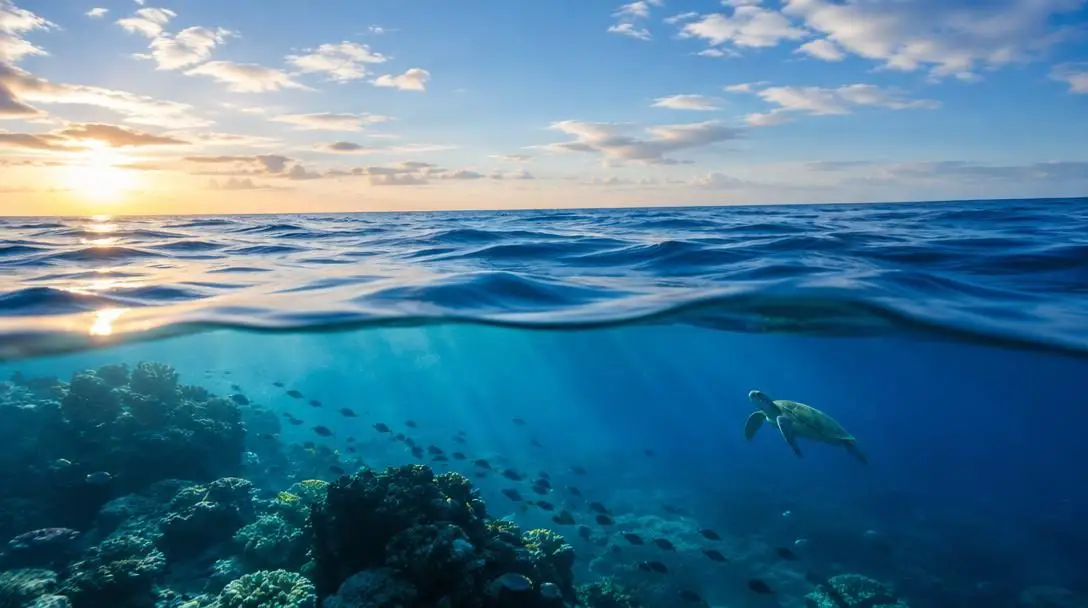
Covering more than 70% of the planet's surface, the ocean constitutes Earth's largest continuous aquatic habitat. For centuries, human understanding of this environment was confined almost entirely to surface navigation, winds, and trade routes. Early mariners viewed the open sea primarily as a scenic canvas or a flat transit highway, widely presuming that the abyssal floor beneath was an empty, mud-filled desert unable to sustain complex ecosystems or grand terrain.
The advent of modern oceanography, deep-sea exploration submersibles, and acoustic sounding systems has overturned these historical misconceptions. Far from being a uniform, static void, the ocean contains the planet's most dramatic geological relief, a dynamic acoustic landscape, and sophisticated thermal mechanisms that keep terrestrial environments habitable. Investigating the foundational science of marine systems offers essential clarity on how our planet functions.
Key takeaways
- The ocean covers over 70% of Earth's surface with an average depth of roughly 3,800 meters, serving as a primary thermal regulator for global climate.
- Earth's largest mountain range is the mid-ocean ridge, a volcanic system spanning more than 40,000 miles across three major ocean basins.
- The Andes underwater mountain chain represents the longest submerged chain on the planet, stretching over 7,000 kilometers along western South America.
- Seawater is not universally blue, frequently shifting to green or red based on phytoplankton blooms, biological matter, and light scattering.
- Water's physical density allows acoustic waves to travel far faster and farther than in air, producing an active underwater soundscape.
Five Surprising Features of the Global Ocean
The marine realm challenges ordinary terrestrial assumptions about topography, optics, and sound. While landmasses contain familiar landmarks, the physical structures beneath the sea operate on an entirely different scale. Exploring five foundational facts reveals the true scope of the underwater world.
The Global Ocean Basin
- Surface Coverage: More than 70% of Earth
- Average Depth: Approximately 3,800 meters (12,467 feet)
- Key Wildlife: Whales, sharks, and specialized deep-sea fish
The vast scale of the global ocean makes it difficult to comprehend from a shoreline. Beyond its immense horizontal footprint, the ocean reaches an average depth of roughly 3,800 meters (12,467 feet). Organisms residing at these depths must endure near-freezing temperatures, total darkness, and immense hydrostatic pressure. Despite these hostile conditions, marine life thrives throughout the water column, supported by complex biological adaptations.
The Mid-Ocean Ridge
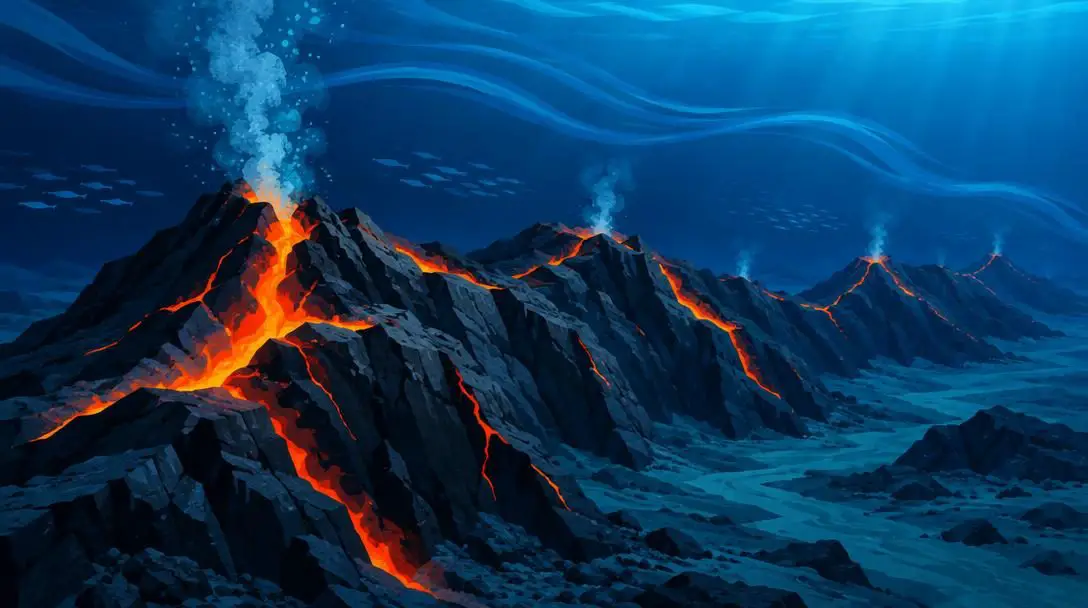
- Total Length: Over 40,000 miles (64,373 kilometers)
- Geographic Span: Atlantic, Indian, and Pacific Oceans
- Formation Process: Volcanic activity and mantle upwelling
When thinking of major mountain ranges, terrestrial peaks like the Alps or the Himalayas typically come to mind. However, the largest mountain range on Earth rests entirely underwater. Known as the mid-ocean ridge, this continuous volcanic chain spans more than 40,000 miles (64,373 kilometers). As tectonic boundaries pull apart, magma rises from the Earth's mantle and solidifies upon contact with cold seawater, constantly generating fresh oceanic crust.
The Andes Underwater Mountain Chain
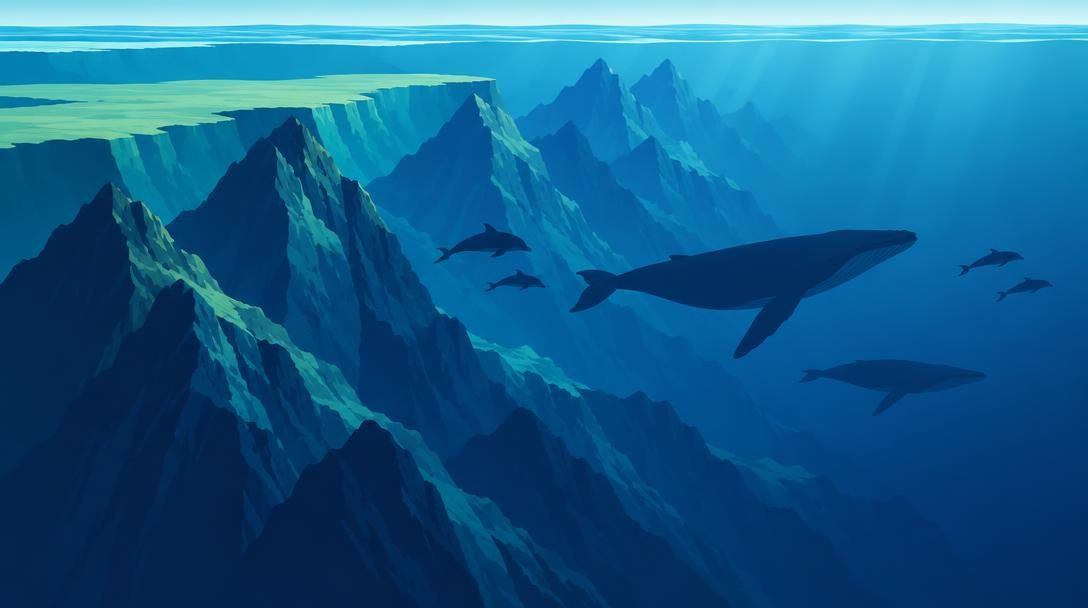
- Total Length: More than 7,000 kilometers (4,350 miles)
- Geographic Location: Western coast of South America
- Associated Species: Whales, dolphins, and sea lions
In addition to the global ridge network, the marine world features the longest mountain chain on Earth: the Andes underwater mountain chain. Extending along the western continental margin of South America for more than 7,000 kilometers (4,350 miles), this colossal feature was created by convergent plate boundaries. The interaction between colliding tectonic plates creates dramatic vertical relief and supports rich coastal ecosystems populated by whales, dolphins, and sea lions.
Dynamic Ocean Coloration
Although the sea is celebrated for its deep azure appearance, ocean water is not inherently blue. The perceived color of the water column shifts continuously depending on atmospheric conditions, the angle of incoming solar radiation, and the presence of dissolved or suspended matter. While water molecules naturally absorb red and orange wavelengths while scattering blue light, the presence of microscopic organisms alters this optical baseline.
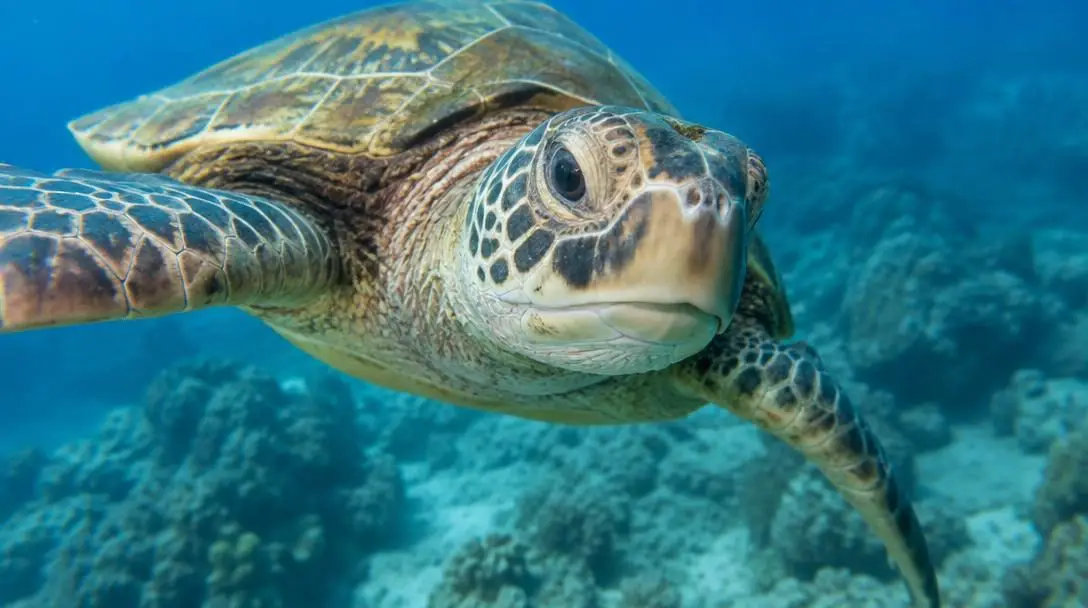
When phytoplankton and single-celled algae proliferate, their internal chlorophyll absorbs blue and red wavelengths while reflecting green light, turning entire oceanic regions emerald green. Other distinct algal species produce pigments that reflect red wavelengths, causing dense blooms that tint coastal waters reddish-brown. Runoff sediment and coastal pollutants further modify these optical properties.
The Submerged Marine Soundscape
Rather than existing as a silent abyss, the ocean maintains a rich acoustic environment. Sound waves rely on molecular interaction, and because liquid water is far denser than air, acoustic energy moves faster and persists over significantly greater distances. Low-frequency rumbles from distant surface waves, underwater seismic activity, and biological vocalizations combine to form an intricate natural symphony.
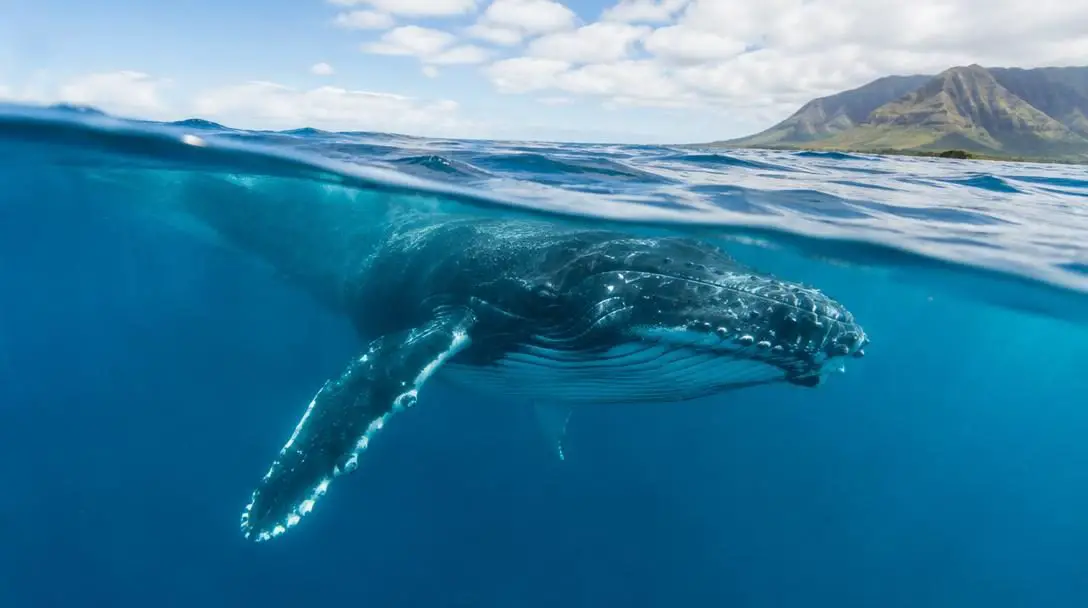
Marine animals take full advantage of these acoustic dynamics. Whales, dolphins, and deep-sea fish utilize sound waves for long-range navigation, foraging, and social communication. The complex acoustic songs of humpback whales, for example, can travel across vast ocean distances, functioning as an expansive biological transmission network.
Because water molecules are packed closely together, underwater sound waves travel significantly faster and persist over far greater distances than in the atmosphere.
| Ocean Feature | Primary Location | Recorded Dimension | Key Physical Characteristic |
|---|---|---|---|
| Global Ocean Basin | Worldwide surface | 3,800 m average depth | High heat capacity and climate buffer |
| Mid-Ocean Ridge | Atlantic, Indian, Pacific | Over 40,000 miles long | Active volcanic seafloor spreading |
| Andes Underwater Chain | Western South America | Over 7,000 km long | Tectonic plate convergence and uplift |
How Geological and Physical Marine Mechanisms Operate
The remarkable features of the marine environment are direct manifestations of fundamental physical, chemical, and geological processes. Understanding these underlying mechanics clarifies how the ocean dictates broader Earth systems.
The ocean's ability to stabilize atmospheric temperatures stems from the high specific heat capacity of liquid water. Water demands significantly more energy to change temperature than dry rock or soil. Because the global ocean covers more than seven-tenths of the planet, it acts as an immense solar thermal reservoir. It captures solar energy across the equator, transports heat through deep convective currents, and releases thermal energy gradually into the atmosphere, mitigating violent swings in continental weather patterns.
Undersea geology is similarly driven by plate tectonics. Along divergent boundaries, plates separate, permitting magma from the Earth's mantle to rise, cool, and construct the volcanic summits of the mid-ocean ridge. Conversely, along continental margins like western South America, dense oceanic plates plunge beneath lighter continental plates. This intense subduction and tectonic pressure force seafloor uplift, generating the enormous vertical reliefs characteristic of the Andes underwater chain.
Practical Steps to Expand Your Ocean Literacy
Developing a comprehensive understanding of marine systems requires engaging with reliable scientific frameworks and observational tools. Following a methodical research path can help students, researchers, and enthusiasts expand their oceanographic knowledge.
- Review foundational Earth science concepts, paying close attention to plate tectonics, planetary heat distribution, and optical physics.
- Examine bathymetric seafloor maps to visualize the dramatic topography of the mid-ocean ridge, continental shelves, and deep trenches.
- Listen to marine acoustic recordings provided by oceanographic research institutions to identify hydrophone audio of wave action, seismic rumbles, and whale vocalizations.
- Track regional water characteristics through satellite observations, monitoring how phytoplankton blooms alter seasonal ocean colors from blue to green or red.
- Connect with local educational institutions, such as regional aquariums, maritime centers, and university research facilities, to view specimens and current oceanographic findings.
- Share accurate marine science facts within your personal and professional circles to help dispel persistent public misconceptions regarding the ocean.
Common Ocean Misconceptions to Avoid
Because the marine depths are largely inaccessible to everyday observation, several widespread myths continue to circulate in popular culture. Correcting these errors is essential for developing an accurate picture of the planet.
- Believing the seafloor is a flat desert: The abyssal plain is punctuated by monumental topography, including the 40,000-mile mid-ocean ridge and the 7,000-kilometer Andes underwater chain.
- Assuming seawater is universally blue: Water coloration alters dramatically in response to solar angles, suspended sediments, pollutants, and massive blooms of green or red phytoplankton.
- Viewing the underwater world as silent: Liquid water's physical density allows sound to propagate rapidly and over vast ranges, creating an acoustic environment filled with wave noise, seismic activity, and cetacean calls.
- Underestimating overall ocean depth: The global ocean reaches an average depth of approximately 3,800 meters, creating high-pressure, low-temperature habitats across millions of square miles.
- Ignoring marine climate stabilization: The ocean is not an inert basin of water; its vast thermal storage capacity prevents rapid, destabilizing atmospheric temperature shifts worldwide.
Future Inquiries in Marine Science
Expanding ocean literacy highlights critical areas that require ongoing scientific stewardship and technological development. Because the sea acts as the Earth's primary heat reservoir, atmospheric shifts directly alter water temperature gradients. These changes influence phytoplankton distribution, thereby altering marine optical signatures and shifting foundational food webs that sustain whales, sharks, and deep-sea fish.
Furthermore, human-generated noise pollution presents an escalating challenge to marine biology. Because water conducts acoustic energy with remarkable efficiency, commercial shipping routes and industrial coastal projects can disrupt natural communication networks used by cetaceans for hunting and mating. Preserving these acoustic habitats has become a focal point of contemporary oceanographic study.
Finally, the mid-ocean ridge remains a premier frontier for geological discovery. As magma continuously wells up from the mantle to forge new oceanic crust, this volcanic system acts as a living laboratory. Investigating the interaction between intense hydrostatic pressure, volcanic heat, and abyssal biology will continue to reshape our understanding of how life thrives in extreme environments.
Frequently asked questions
How deep is the ocean on average?
The global ocean has an average depth of approximately 3,800 meters (12,467 feet). This creates vast zones characterized by near-freezing temperatures, absence of sunlight, and immense pressure.
What is the largest mountain range on Earth?
The largest mountain range on Earth is the underwater mid-ocean ridge, which extends for more than 40,000 miles (64,373 kilometers) across the Atlantic, Indian, and Pacific Oceans.
Why does the ocean appear green or red in certain areas?
The ocean changes color based on sun angles, pollutants, and biological organisms. High concentrations of phytoplankton containing chlorophyll reflect green light, while other algal blooms reflect red wavelengths, giving the water a green or reddish-brown tint.
How does the ocean regulate global climate?
Because water has a high specific heat capacity, the ocean absorbs massive volumes of solar thermal energy across its surface and releases it slowly over time, moderating seasonal temperature extremes across the planet.
Why does sound travel better underwater than through the air?
Water molecules are packed much closer together than gas molecules in the atmosphere. This increased density allows acoustic pressure waves to transfer efficiently from molecule to molecule with minimal energy loss, letting sounds travel faster and across greater distances.
The bottom line
The ocean is far more than a vast expanse of blue water or a commercial transport route. It is a highly dynamic system defined by staggering geological formations, intricate acoustic networks, and crucial climate-buffering capabilities. From the volcanic spreading centers of the mid-ocean ridge to the microscopic algae that shift the optical characteristics of entire coastal regions, marine environments govern the essential biological and physical balances of our planet. Appreciating these realities is the first step toward understanding the true mechanics of Earth.