5 Tips for Tracing Unknown Mobile Numbers
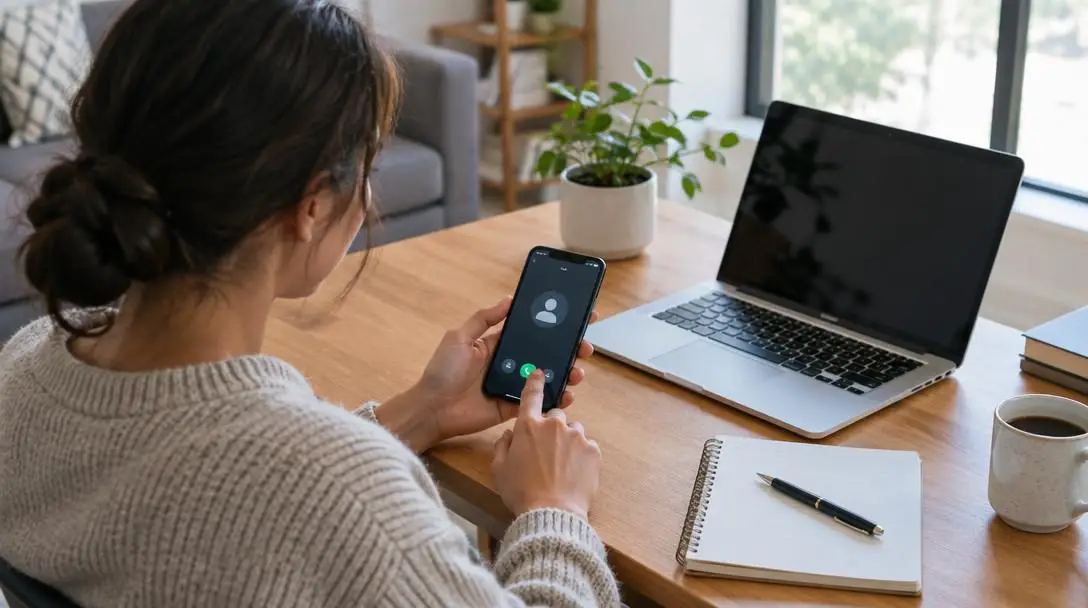
Receiving calls and text messages from unrecognized telephone numbers has become a routine fixture of modern mobile phone usage. As telecommunications networks span the globe, handheld devices serve as the central hub for our personal conversations, corporate projects, customer support inquiries, and marketing broadcasts. However, persistent connectivity introduces a daily dilemma whenever an unfamiliar sequence of digits flashes across your screen.
An incoming communication from an unknown number can signify anything from an urgent delivery driver trying to reach your door to an automated robocall designed to disrupt your afternoon. Missing a critical message from a job recruiter, healthcare professional, or client can carry real consequences, yet answering unsolicited calls wastes time and invites potential security risks. Tracing an unknown mobile number equips you to evaluate caller intent, safeguard your personal information, and determine the appropriate response.
Key takeaways
- Tracing an unknown caller relies on public records, aggregated directories, crowdsourced databases, and cellular network routing.
- Dedicated reverse lookup tools and real-time caller ID platforms can reveal caller identities, physical locations, and spam classifications.
- Checking social media networks and broad search engines helps link unrecognized phone numbers to public personal profiles and business listings.
- Inquiring within your personal network or escalating to your mobile network carrier provides reliable solutions when self-service search tools fail.
- Refraining from calling back unverified numbers immediately prevents automated dialers from marking your phone line as an active target.
The mechanics of tracing phone numbers
To successfully uncover the identity behind an unknown mobile number, it helps to understand how telecommunications data is stored, indexed, and retrieved. When a telephone number is assigned to a customer, it does not exist in complete isolation. Network carriers, service providers, and governing telecommunications registries create technical records that associate those specific digits with an account holder or commercial entity.
Different investigative approaches leverage distinct data streams to match digits with real-world identities:
- Directory and Data Aggregation: Commercial investigative platforms and public directories continuously gather information from telephone white pages, corporate registry filings, court archives, and broad digital footprints. When you query a set of digits, these aggregators cross-reference the number against billions of stored records to identify the individual or business entity associated with it.
- Crowdsourcing Mechanisms: Many modern mobile security applications rely on community contributions to identify callers. As millions of participants install an application, they can submit reports on spam activities or permit their address books to populate shared databases. This collaborative structure creates a dynamic system capable of flagging telemarketers and scammers moments after they begin dialing.
- Social Platform Indexing: Online communication channels, professional platforms, and consumer social networks frequently use mobile phone numbers as account recovery mechanisms or unique sign-in credentials. If an individual maintains a public account linked to their mobile line, digital queries can connect the numerical string directly to an active personal or commercial profile.
- Network Carrier Routing: Beneath commercial databases lies internal telecommunications routing data. Mobile carriers maintain private exchange logs and transmission records that manage how voice packets and SMS traffic travel between cellular towers. While consumer privacy rules restrict direct public access to this routing data, carriers possess internal operational mechanisms to trace incoming signals to their registered point of origin.
Five core methods for tracing unknown mobile numbers
When unexpected incoming calls or text messages arrive, several investigative avenues are available to determine who is reaching out. These approaches range from commercial digital databases to real-time screening software, informal networking, and telecommunications carrier support.
Reverse phone lookup services
Reverse phone lookup tools represent one of the most reliable and widely used strategies for unmasking mystery callers. Standard telephone directories require you to know an individual's name to locate their contact details. A reverse directory reverses this workflow entirely: you input the ten-digit telephone number into a search box, and the system scans its compiled records to retrieve the registered owner's file.
Established lookup platforms such as Truecaller, Zlookup, and Spokeo maintain vast collections of public documents and consumer records. When a number query is successful, these services can display a wealth of contextual background. Depending on the depth of available records, users can review the owner's legal name, registered residential or workplace address, and connected online profiles, turning an anonymous phone call into an identifiable contact.
Social media platforms
Modern social media channels have evolved into massive digital phonebooks. Platforms including Facebook, LinkedIn, and Twitter regularly prompt users to link their mobile numbers to enable account recovery, two-factor authentication, and contact discovery. When users leave these security identifiers visible on their public profiles, they inadvertently construct a bridge between their telephone line and their public digital footprint.
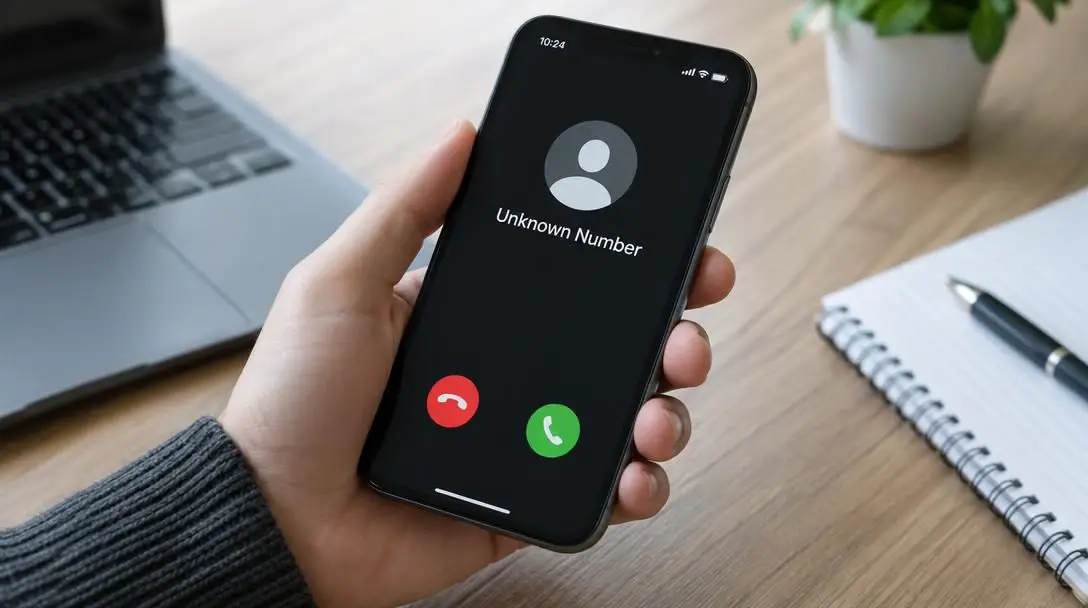
To trace a number using this technique, copy the unrecognized sequence of digits directly into the search bar of Facebook, LinkedIn, or Twitter. If an account has connected that number to a publicly searchable profile, the search results will display the user's name, photograph, and professional background. Furthermore, running the digits through broad search engines like Google can uncover forum posts, digital classified advertisements, personal websites, and professional bios where the number was previously shared.
Caller ID apps
While reverse directories require manual investigation after an interaction occurs, caller ID applications provide instantaneous identification before you pick up the phone. These mobile programs run quietly in the background of your smartphone operating system, actively inspecting incoming voice calls and text alerts against extensive cloud directories.
Widely adopted caller ID applications such as Truecaller, Hiya, and Mr. Number display caller information on your incoming call screen in real time. Beyond displaying the caller's verified name and approximate geographic region, these utilities flag known robocallers, suspicious telemarketers, and aggressive debt collectors. By relying on crowdsourced spam classifications, these apps allow you to dismiss nuisance calls without pausing your daily workflow.
Personal and professional networks
Sometimes the most straightforward route to identifying an unknown caller does not involve complex digital platforms at all. Because people share contacts within overlapping social and business circles, an unfamiliar number may belong to someone already known to your personal or workplace peers.
The unfamiliar caller might be a mutual client, a prospective employer who received your resume, a service vendor hired by a family member, or an acquaintance operating from a new mobile device. Sharing the digits with friends, household members, or colleagues often solves the mystery quickly. If direct outreach produces no answers, posting a discreet inquiry on your personal social media channels can tap into the collective memory of your broader community.
Mobile service providers
When unknown calls turn into persistent, unwanted interruptions or raise safety concerns, contacting your telecommunications carrier is the best course of action. Mobile carriers maintain specialized customer security divisions dedicated to combating network abuse, scam campaigns, and systematic telemarketing violations.
Your network provider has technical capabilities that far exceed consumer-facing mobile apps. Carrier technicians operate within private switching exchanges and signaling infrastructures, enabling them to trace call origins across domestic and international routing hubs. A cellular carrier can apply direct network-level blocks to protect your account and submit formal complaints against abusive callers to telecommunications authorities.
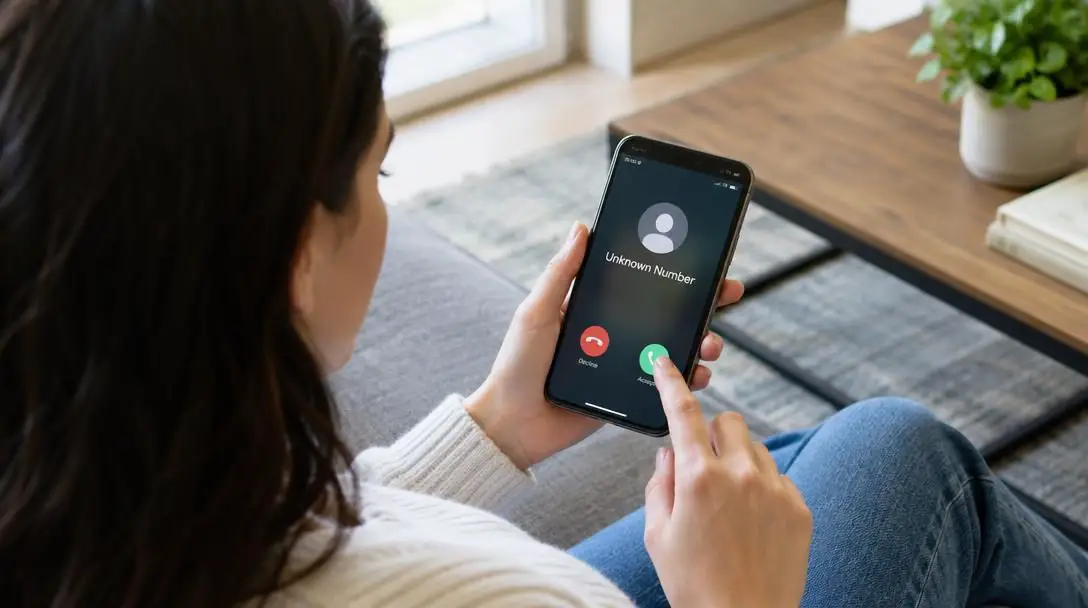
Tracing an unknown mobile number allows individuals to understand the context of the communication, distinguish between authentic outreach and unwanted solicitations, and make informed choices on how to respond.
Comparing number tracing methods
Selecting the right investigative tool depends on whether you need immediate call screening, detailed personal background checks, or network-level intervention. The table below illustrates how the five core techniques compare across primary mechanisms, platforms, and ideal use cases.
| Tracing Method | Primary Mechanism | Key Tools or Platforms | Retrieved Information | Best For |
|---|---|---|---|---|
| Reverse Phone Lookup | Data aggregation across public and commercial records | Truecaller, Zlookup, Spokeo | Full legal name, residential address, social accounts | Post-call background investigation |
| Social Media Searching | Public profile indexing and account identification | Facebook, LinkedIn, Twitter, Google | Professional background, social bios, forum postings | Finding professional or personal identities |
| Caller ID Applications | Real-time incoming call scanning and community spam feeds | Truecaller, Hiya, Mr. Number | Caller name, geographic location, spam risk warnings | Screening incoming calls before answering |
| Network Inquiries | Crowdsourced recognition among peers and colleagues | Direct messaging, family circles, social feeds | Mutual connections, shared business referrals | Verifying potential mutual associates |
| Service Provider Support | Internal telecommunications exchange routing data | Wireless carrier support lines, customer portals | Origin verification, carrier-level call blocking | Resolving persistent harassment and malicious spam |
Step-by-step practical investigation process
When an unfamiliar number flashes across your device, moving through a systematic troubleshooting sequence prevents frustration and delivers actionable results. Follow these chronological steps to identify mystery callers efficiently:
- Document the call metadata: Record the complete numerical string, paying special attention to country codes and regional area codes. Note the precise date and time of the incident, and archive any voicemail messages left on your answering service.
- Execute a broad search engine query: Enter the complete phone number into Google using different formats, including continuous digits, hyphenated segments, and standard parenthetical area codes. Check the search results for mentions in corporate directories, public forums, or consumer review boards.
- Perform a reverse database lookup: Visit reverse search platforms such as Truecaller, Zlookup, or Spokeo. Input the digits to locate public directory records, registered residential addresses, and associated digital accounts.
- Search primary social networks: Open Facebook, LinkedIn, and Twitter, then enter the phone number into their respective search fields. Determine if a public personal profile or company page links directly to that contact information.
- Cross-reference with caller ID platforms: Use mobile caller screening applications like Truecaller, Hiya, or Mr. Number to check whether the incoming number carries user-submitted spam flags, commercial tags, or verified entity names.
- Consult your social and professional circles: Ask family members, close friends, or business associates whether the phone number matches any shared vendors, mutual acquaintances, or newly updated contacts. If needed, post an inquiry to your personal social feed.
- Escalate to your wireless carrier: If unverified calls persist or cause serious disruptions, reach out directly to your mobile network provider. Request that their support team investigate the line's origin, block incoming routing, or report the offending account.
Common mistakes to avoid when investigating unknown numbers
Attempting to identify an unfamiliar caller can sometimes backfire if you overlook basic digital hygiene. Stay mindful of these frequent errors:
- Calling the unknown number back right away: Returning a missed call from an unfamiliar number signals to automated robocall software that your phone line is actively monitored. This often leads to an influx of future spam attempts.
- Disclosing personal data during unexpected calls: If you decide to pick up an unfamiliar call, never share sensitive details such as residential addresses, banking credentials, or passwords with unverified representatives.
- Relying exclusively on a single investigative tool: No single database contains every active phone record. Checking only one reverse lookup service can leave you with incomplete or outdated findings.
- Overlooking area codes and regional prefixes: Ignoring geographic prefixes can cause you to misinterpret where a call originated, obscuring whether the outreach came from an international location or an unrelated regional district.
- Compromising your own privacy when asking for help: When sharing an unknown phone number on personal social media feeds to gather feedback, avoid including private call transcripts, voicemail recordings, or sensitive personal information.
Follow-up actions and ongoing call management
Once you finish investigating an unfamiliar number, your next moves should reflect what you uncovered. If the mystery caller proves to be an authentic connection—such as a prospective employer, healthcare office, or mutual business associate—save their details immediately. Create a complete entry in your smartphone contact manager with their full name, corporate title, and any necessary context so future communications are instantly recognized.
Conversely, if the number belongs to a persistent telemarketer, scam campaign, or unsolicited sales service, take preventative steps to block future interruptions. Modern smartphones feature integrated call-blocking utilities that prevent flagged numbers from triggering audible rings or text alerts. In addition, third-party screening platforms like Truecaller, Hiya, and Mr. Number offer automated call management rules that route suspicious callers straight to voicemail.
If you face repeated harassment or threatening voicemails, maintain a written log documenting every interaction, complete with timestamps and recorded messages. Present this log to your cellular network provider to arrange carrier-level call blocking and, if appropriate, file formal reports with telecommunications regulatory bodies. Prioritizing defensive privacy habits ensures that your daily communications remain secure, efficient, and free from unwanted distractions.
Frequently asked questions
Can I trace a mobile phone number for free?
Yes. Many fundamental tracing methods are completely free. You can run phone numbers through public search engines like Google, check social media platforms like Facebook, Twitter, and LinkedIn, or query free directories such as Zlookup. Basic caller identification features within apps like Truecaller also provide baseline name and location details without requiring a paid subscription.
Why do some mobile numbers return no results during a reverse lookup?
A reverse lookup may come up empty if the telephone number is newly assigned, registered as a prepaid or temporary account, unlisted in public archives, or scrubbed from commercial data aggregators. Furthermore, callers using voice-over-IP services or number-spoofing technology may display digits that do not correspond to an established account record.
Is it safe to call an unknown number back just to see who it is?
Calling an unknown number back is generally discouraged. Returning the call confirms to automated autodialers that your telephone number is connected to an attentive user, which often leads to a marked increase in spam calls and marketing solicitations. It is safer to run the digits through lookup directories or search engines first.
How do caller ID apps know who is calling before I answer?
Caller ID applications like Truecaller, Hiya, and Mr. Number compare incoming phone numbers against large community-sourced directories and aggregated business listings in real time. When an incoming signal matches an entry in their database, the app displays the associated name, location, and spam probability score on your screen before you pick up.
What should I do if an unknown caller keeps harassing me?
If an unknown caller persists with abusive or harassing communications, document the exact dates, times, and phone numbers involved, along with any audio recordings or voicemails. Use your mobile device settings to block the number, notify your wireless network provider so they can trace and filter the traffic, and file a formal report with telecommunications regulators or local authorities if threats are made.
The bottom line
Unrecognized phone numbers are an inevitable part of modern communications, but they do not have to be a source of constant frustration. By combining reverse phone lookup directories, social network searches, real-time caller ID tools, community insights, and wireless carrier assistance, you can quickly evaluate unfamiliar callers. Using these verification techniques protects your personal schedule, shields your private data, and ensures you never miss a truly essential communication.