5 Tricks to Learn DIY Repairs
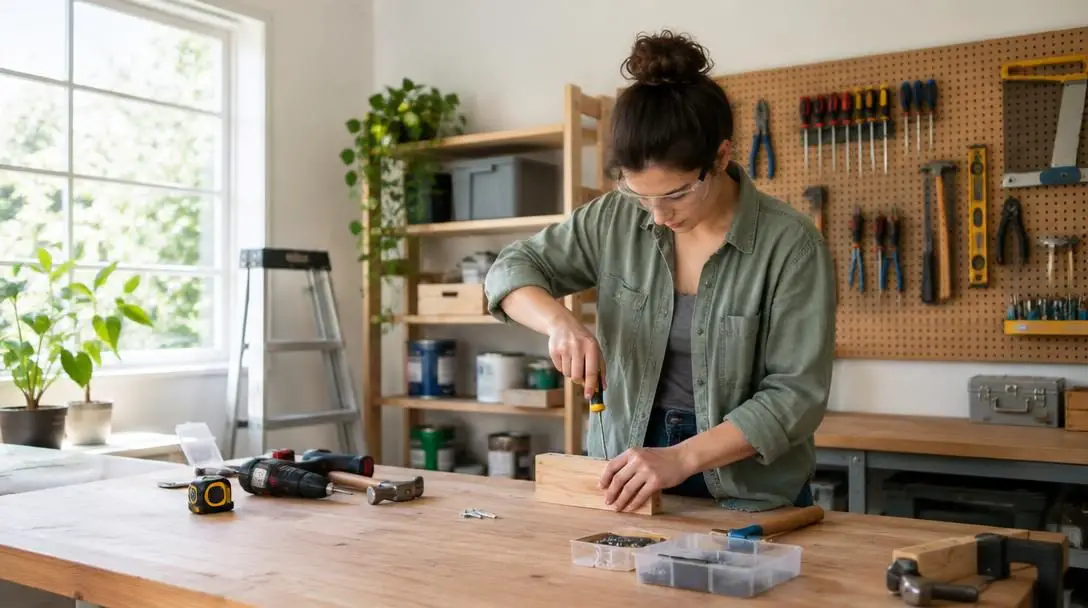
Learning to tackle household maintenance and mechanical fixes on your own offers an immediate sense of self-sufficiency. Rather than waiting hours or days for a busy technician to arrive, you gain the ability to troubleshoot problems directly and keep your home functioning smoothly. The personal satisfaction of restoring a broken fixture is substantial, bringing lasting pride and comfort to your everyday living space.
Beyond personal pride, learning basic repair skills delivers meaningful financial relief over time. Standard service calls typically carry non-negotiable dispatch fees, hourly labor charges, and substantial markups on replacement components. When you master fundamental diagnostic and repair concepts, you avoid these recurring expenses while turning an intimidating chore into a calm, systematic learning process.
Key takeaways
- Online video platforms and targeted search queries provide an instant library of expert repair demonstrations.
- Using the exact recommended tools prevents damaged fasteners, broken materials, and personal injuries.
- Taking on challenging, deep-end projects rapidly accelerates mechanical skill, provided dangerous utility and certification boundaries are respected.
- Isolating water and electrical lines, wearing protective gear, and keeping another person nearby form non-negotiable safety habits.
- Do-it-yourself maintenance is collaborative, allowing you to complete preliminary steps and bring in professionals or knowledgeable peers when necessary.
The 5 core tricks for learning DIY repairs
Hesitation often holds beginners back. Seeing a dripping pipe, a vibrating appliance, or a frozen mechanism can trigger anxiety about accidentally causing costlier damage. Overcoming that friction requires adopting five essential habits that transform complicated mechanical systems into manageable projects.
Do your research
When novice homeowners wonder who the single best mechanic or carpenter in the world is, they often expect a specific local legend. In reality, the best mentor available today is YouTube. The platform serves as a universal master tradesperson, hosting detailed walkthroughs from seasoned drywall installers, finish carpenters, auto mechanics, and appliance specialists. Social platforms like Instagram and TikTok also feature short-form, high-density demonstrations that showcase hands-on work from multiple camera angles, demystifying internal mechanisms that you cannot otherwise see.
To take full advantage of this knowledge base, enter your problem into search engines using phrasing that is as specific as possible. If a brass key binds tightly inside an exterior cylinder, searching for a key stuck inside a door lock immediately brings up the proper solution: applying dry powdered graphite rather than petroleum lubricants that attract grime. Looking up the exact scenario is not a shortcut or a form of cheating; it is the most efficient and practical educational method available to a modern DIYer.
Use the correct tools for the job
Careful project research does far more than illustrate the sequence of assembly; it explicitly identifies the specialized implements needed to finish the work cleanly. Substituting improper equipment—such as gripping a delicate hexagonal fastener with standard slip-joint pliers—frequently rounds off metal edges or fractures surrounding plastic housings. Making a repair harder than it needs to be almost always traces back to inadequate tooling.
When a diagnostic video reveals that you lack a specific Torx driver, basin wrench, or puller, view the job as a natural opportunity to expand your home toolbox with versatile, permanent additions. If the required implement is costly or rarely utilized, ask a friend, family member, or neighbor to borrow their gear, ensuring you return it clean and intact as soon as the job wraps up. For heavy-duty or specialized diagnostic tasks, many local hardware stores and auto parts centers maintain comprehensive tool rental or loaner programs that grant access to professional equipment for a tiny deposit or nominal fee.
Take safety precautions
Every home repair must prioritize personal safety over speed or convenience. Working with physical mechanisms introduces risks that range from sharp sheet metal to live currents and pressurized fluids. Protecting yourself requires unwavering adherence to several fundamental safety guidelines:
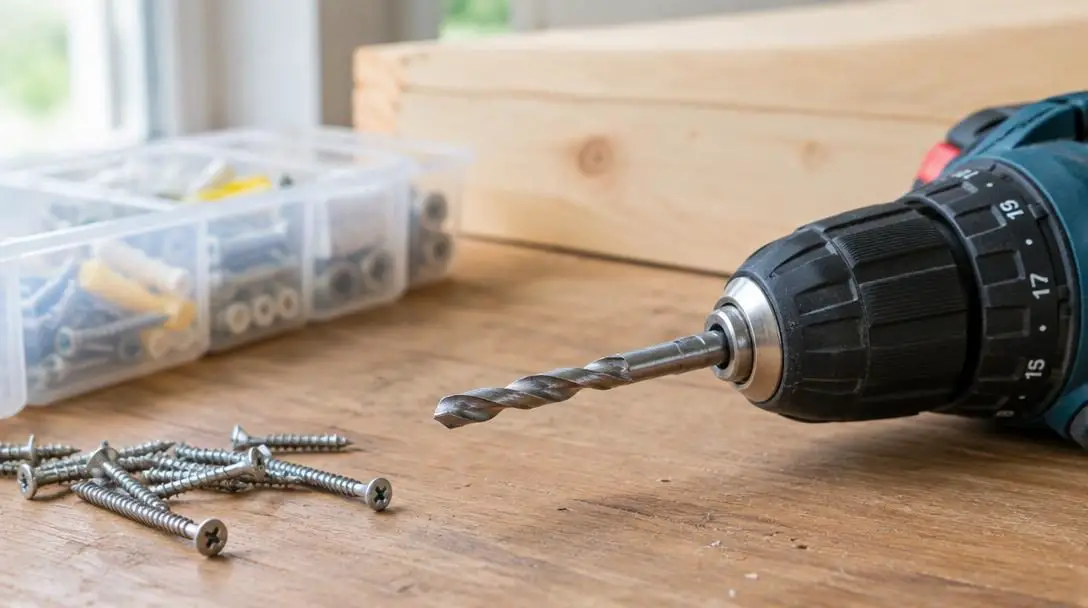
- Use the correct tool: Improper tool usage represents one of the most common origins of home workshop accidents and slip-and-fall injuries.
- Isolate utility feeds: Always cut off the main water shutoff valve or flip the dedicated circuit breaker at the electrical service panel before touching associated lines.
- Dress appropriately: Wear durable, closed-toe work boots, thick long pants, and resilient gloves suited to the specific chemical or physical hazard.
- Avoid total isolation: Ensure another person is nearby on the property so they can respond or summon emergency personnel if an unexpected incident takes place.
- Respect digital warnings: Pay strict attention to the hazard notes, torque specs, and protective gear recommendations highlighted by experienced technicians in tutorial videos.
Jump into the deep end
Conventional guidance typically advises novices to restrict themselves to inconsequential tasks like tightening loose drawer pulls or touching up paint scuffs. However, playing it overly safe can stunt your development and keep your mechanical intuition dormant. Jumping directly into substantial, multifaceted repairs forces you to understand how integrated assemblies function, significantly accelerating your overall learning curve.
Tackling an ambitious repair inevitably introduces moments of frustration and temporary dead ends. Navigating through these complications teaches you how separate parts interlock, building resilient problem-solving habits that simple cosmetic tasks never provide. This ambitious strategy works best when you establish an honest safety net: keeping a knowledgeable acquaintance on standby for advice, or maintaining enough reserve budget to hire a professional contractor if the mechanical situation exceeds your capabilities.
Navigating through unforeseen complications forces you to understand how assemblies fit together, building authentic mechanical confidence.
There is an essential disclaimer to this philosophy: you must never jump into uncertified work involving high-voltage electrical mains, pressurized natural gas lines, or air conditioning refrigerant circuits. These systems present severe physical hazards, including explosion, asphyxiation, and electrocution. Furthermore, municipal building codes enforce strict legal penalties and steep fines for unauthorized tampering with regulated systems, expenses that dwarf the cost of hiring a licensed contractor.
Ask for help
Embracing a do-it-yourself ethos does not require working in total isolation. Successful DIYers routinely partner with others to handle heavy lifting, stabilize unwieldy panels, or verify tricky alignments. It is completely reasonable to execute the preliminary disassembly, surface preparation, and parts sourcing on your own, and then hire a licensed specialist to inspect the final hookups or perform delicate technical calibrations.
You can also lean on friends, relatives, or community workshops to expand your practical knowledge base. Many municipal makerspaces, vocational high schools, and civic non-profits host beginner-friendly evening seminars covering plumbing essentials, carpentry joints, and automotive brake servicing. Learning alongside an instructor provides instant feedback on tool grip, posture, and applied force, turning intimidating procedures into repeatable, safe habits.
Comparing equipment acquisition methods
Acquiring the equipment required for household fixes involves balancing immediate project budgets against long-term utility. Understanding the advantages and compromises of purchasing, borrowing, and renting keeps your garage organized and your costs low.
| Acquisition Method | Best For | Key Advantage | Primary Drawback |
|---|---|---|---|
| Purchasing New | Core hand tools, drivers, drills, safety gear | Permanent availability for future emergencies | Higher upfront out-of-pocket investment |
| Borrowing | Mid-tier specialty hand tools and accessories | Zero financial outlay; builds neighborhood goodwill | Requires strict timeline discipline and coordination |
| Store Rental / Loaner | Heavy diagnostic tools, pullers, drain snakes | Access to commercial-grade equipment cheaply | Requires pickup, return trips, and temporary deposits |
How hands-on mechanical learning actually works
Competence with physical repairs is not a genetic gift or an innate talent; it is an active feedback loop constructed through diagnostic trial, physical observation, and tactile memory. The cycle begins the moment an appliance or structural component fails. Rather than panicking, a methodical DIYer pauses to observe the specific symptoms. You listen to the pitch of a grinding motor, examine the discoloration of a slow fluid leak, or test the mechanical play in an uncooperative hinge.
By translating those physical observations into precise technical search terms, you locate instructional media created by people who have encountered the exact same breakdown. Watching their repair sequence provides an end-to-end mental map of the project. You observe which access panels pop off first, where hidden locking tabs sit, and what type of clearance is required to withdraw an internal motor or valve core. Seeing the inner architecture demystifies the machine completely.
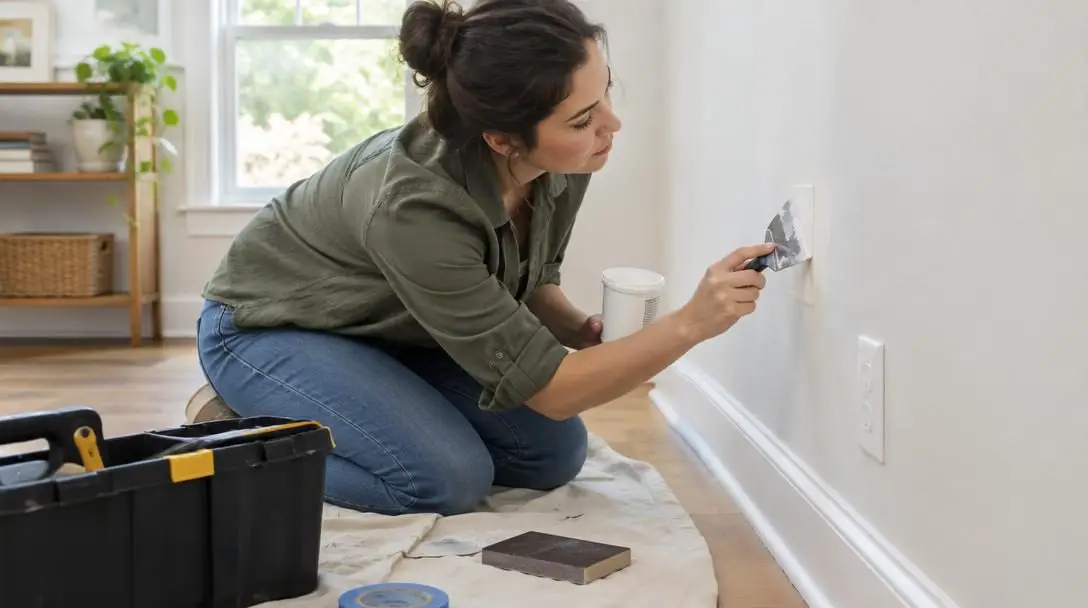
Once you begin the physical disassembly yourself, your hands develop authentic mechanical awareness. You learn to gauge how much torque a small machine screw can absorb before its threads strip, how different gasket compounds compress under pressure, and how an angled pry bar shifts leverage. Over time, these individual motor skills coalesce into general troubleshooting intuition. Freeing a rusted bolt on a lawnmower deck teaches you the identical heating and penetrating-oil techniques needed to loosen a corroded showerhead or an automotive suspension link.
A step-by-step framework to plan and execute repairs
Approaching a repair without an operational checklist creates disorganization, lost hardware, and avoidable mistakes. Following a structured procedure ensures your workspace stays controlled from initial diagnosis through final testing.
- Document the initial state: Before applying a wrench or loosening a fastener, use your smartphone to capture high-resolution photos and video clips of the intact assembly from multiple viewpoints, noting wiring pathways and hose routings.
- Conduct focused research: Enter the exact make, model number, and symptom into video search engines, watching multiple comprehensive guides to confirm the consensus disassembly sequence.
- Catalog required tools and parts: Review the media to compile an exhaustive list of socket sizes, screwdrivers, sealants, and replacement items, acquiring or renting every needed item prior to disassembly.
- Secure the working zone: Clear clutter, arrange ample task lighting, don personal protective equipment, verify that an assistant or family member is present, and shut off incoming water valves or electrical breakers.
- Disassemble and organize parts: Methodically back out fasteners, grouping hardware into labeled cups or across a clean magnetic tray in the precise order they were extracted.
- Perform the replacement: Install the new component using the designated hand tools, taking care to avoid over-tightening plastic fittings or cross-threading delicate machine bolts.
- Recommission and test: Carefully re-energize electrical circuits or restore water pressure, closely monitoring the work area for unexpected weeping joints, burning odors, or erratic vibrations before replacing decorative covers.
Critical mistakes to avoid during home repairs
While encountering minor hurdles during complex projects is a natural component of learning, making careless errors can cause physical danger and inflated expenses. Avoiding common baseline errors keeps maintenance projects productive and safe.
- Improvising tools in a pinch: Using table knives instead of flathead screwdrivers, water-pump pliers on precision hex bolts, or undersized sockets strips screw heads and rounds off bolts, turning a five-minute fix into a difficult extraction ordeal.
- Failing to verify isolation: Trusting an interior wall switch without tripping the main breaker, or assuming a single gate valve is holding pressure without opening an downstream tap, leads directly to electrical shocks and disastrous residential flooding.
- Rushing through research: Skimming video titles or skipping ahead through tutorials causes you to miss critical warnings, such as reverse-threaded nuts, internal snap rings, or mandatory curing intervals for industrial adhesives.
- Overstepping legal and safety thresholds: Attempting to splice main breaker panel wiring, patch natural gas piping, or discharge HVAC refrigerant without mandated certifications exposes your home to fire, poison gas, and substantial regulatory fines.
- Neglecting fastener management: Dropping screws onto carpeted floors or mixing various bolt lengths together causes loose reassembly, rattling housings, or punctured internal lines.
Building sustainable, long-term repair capabilities
Transitioning from an occasional, panicked fixer into a capable home maintenance manager involves developing habits that outlast any individual project. The first priority is curating a reliable assortment of equipment over time. Rather than spending hundreds of dollars on massive, low-grade tool sets packed with duplicate or fragile items, purchase dependable, contractor-grade hand tools and high-visibility safety gear incrementally as individual tasks demand them. Within a couple of years, your workshop will naturally hold the exact tools your property requires.
The second priority is expanding your technical education beyond internet searches. Look into hands-on weekend workshops hosted by community colleges, woodcraft centers, and regional vocational institutions. These settings offer structured access to professional-grade equipment and direct guidance from seasoned trade professionals, allowing you to practice soldering copper pipe, setting drywall anchors, or servicing small engines without risking your own home infrastructure.
Finally, build a reliable personal support network. Form connections with handy neighbors, local tradespeople, and trade counter staff at independent hardware stores. Having an experienced contact to consult when you reach a confusing diagnostic hurdle gives you the peace of mind required to take on difficult household projects, ensuring you continue mastering repairs with confidence.
Frequently asked questions
What should I do if a key gets stuck inside a door lock?
Do not attempt to force or twist the key with pliers, as this can snap the metal inside the cylinder. Instead, use dry powdered graphite lubricant sprayed directly into the keyway to ease the tumblers and free the binding key cleanly.
Which home repairs should I never attempt on my own?
You should never attempt DIY repairs that legally require municipal trade certification or carry extreme hazards, specifically central air conditioning refrigerant lines, residential natural gas or fuel feeds, and heavy work inside main electrical service panels.
How can I access specialized repair tools without buying them?
You can borrow specialized equipment from handy friends and family members, or take advantage of tool rental and loaner programs offered by many regional hardware stores and automotive parts retailers for a small fee or refundable deposit.
Why is working completely alone on a home repair considered dangerous?
Working without anyone nearby leaves you vulnerable if an emergency occurs, such as a severe laceration, fall from a ladder, or sudden electrical contact. Having someone close ensures immediate assistance can be provided or emergency services summoned.
The bottom line
Developing do-it-yourself maintenance skills is an accessible, step-by-step journey rather than an all-or-nothing talent. By relying on thorough online video research, sourcing the proper tools, maintaining strict safety protocols, and knowing when to ask for backup, you can tackle substantial home maintenance tasks with complete confidence while saving considerable money.