Developing Natural Cleaning Solutions for Healthier Indoor Air
In modern residential architecture, energy-efficient building envelopes and thick insulation seal interiors against outdoor weather extremes, substantially reducing heating and cooling costs. However, this airtight construction also prevents natural air circulation, effectively trapping microscopic dust, moisture, and chemical residues inside living spaces. Conventional commercial cleaning supplies—frequently marketed with vibrant colors, aerosol canisters, and heavy synthetic scents—often worsen this indoor environment by saturating closed rooms with persistent chemical vapors.
Achieving an immaculate, hygienic household does not require filling domestic spaces with aggressive chemical compounds. By understanding the physical and chemical principles that govern household debris, natural acids, conditioning oils, and botanical essences, homeowners can eliminate grime without degrading their indoor air quality. Embracing non-toxic cleaning strategies preserves respiratory wellness while keeping furniture, fixtures, and living areas pristine.
Key takeaways
- Conventional commercial cleaners and aerosol air fresheners disperse volatile organic compounds, ethanol, acetone, and acetate that degrade indoor air quality.
- Dry dusting sends millions of microscopic irritants airborne, whereas combining a microfiber cloth with distilled vinegar and olive oil traps dust physically on contact.
- Fragrance can be introduced safely using botanical alternatives like simmering fruit peels, herbal potpourri, and essential oil aromatherapy devices.
- Scheduling chores for the daytime lets disturbed airborne particles settle and air out before nighttime rest.
- Kitchen pollution from meal preparation can be substantially mitigated by using pot lids, operating exhaust fans, and choosing induction cooking over gas-powered stoves.
The Hidden Chemical Cost of Conventional Cleaners
Everyday commercial cleaning supplies promise rapid results, but they regularly sacrifice internal environmental safety. Traditional surface sprays, polishes, and scouring formulas contain heavy chemical loads engineered to dissolve grease aggressively. Once applied to open surfaces, these products off-gas volatile organic compounds (VOCs), sending fumes through enclosed hallways and bedrooms where fresh air exchange is minimal. Because residential spaces are insulated to prevent outdoor thermal transfer, these chemical vapors cannot easily disperse, lingering within the breathing zone long after surfaces dry.
Aerosol air fresheners present an especially counterproductive approach to indoor hygiene. Marketed to eliminate foul odors and create welcoming spaces, aerosol canisters deliver fine chemical mists containing volatile solvents such as ethanol, acetone, and acetate. Rather than purifying the air, they introduce synthetic propellants and compounds that irritate delicate lung tissue, provoke immediate allergic reactions, and cause long-term respiratory strain.
Rather than purifying the air, aerosol canisters deliver fine chemical mists containing volatile solvents that irritate delicate lung tissue.
These synthetic formulations degrade domestic environments because modern homes are sealed tightly against the elements. When chemical products are paired with unventilated rooms, concentrations build rapidly, turning daily chore routines into significant sources of indoor pollution. Moving toward non-toxic alternatives does not mean sacrificing cleanliness, but understanding how everyday ingredients can break down grime without compromising indoor air.
How Indoor Particulates and Dust Escape Into the Air
Physical debris presents an equally stubborn threat to indoor air cleanliness. Household dust is a constant eyesore and a potent trigger for allergy sufferers and vulnerable family members. However, the standard tools found in most utility closets actively worsen the situation instead of resolving it.
Sweeping over surfaces with standard rags, feather dusters, or dry dusting wands merely launches settled particles upward. These dry tools lack an adhesive or binding mechanism, leaving millions of microscopic dust particles suspended in the air. Once airborne, this particulate cloud remains floating for hours, readily inhaled by everyone in the room until it gradually settles back onto the exact furniture you intended to clean.
Natural Mechanisms for Trapping Debris and Neutralizing Odors
Natural cleaning strategies address household grime through physical capture, mild organic acids, and natural botanical aromas rather than aggressive synthetic chemistry. When you eliminate harsh solvents, everyday pantry staples can perform exceptionally well without off-gassing toxic residues.
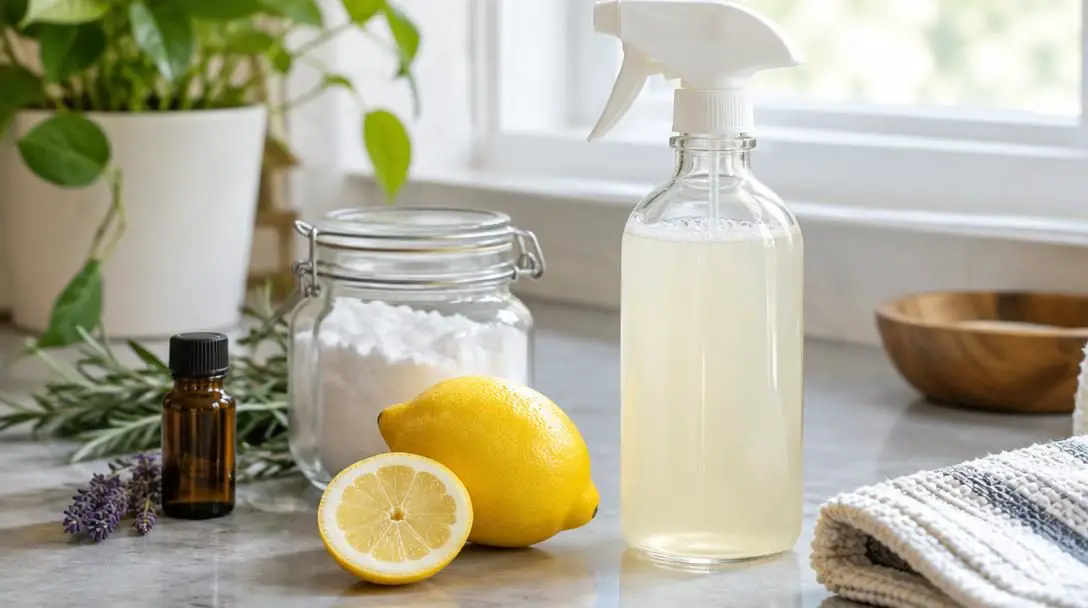
For surface dusting, combining physical microfiber strands with a mild acidic and conditioning solution changes the physics of cleaning. Microfiber fabrics are manufactured with tiny split channels designed to trap and lock in particles rather than flicking them into the room. Adding a homemade mixture of distilled vinegar and olive oil produces a dual-action effect: the mild acid cuts through surface residue, while the olive oil helps attract and bind fine dust, conditioning the surface beneath it.
Scenting your home naturally relies on organic evaporation instead of chemical propellants. Instead of masking unpleasant smells with aerosol sprays, you can introduce natural botanical essences via warm steam or dry herbal leaves, gently refreshing the home without releasing harsh industrial solvents into the breathing zone.
Plant-Based and Non-Aerosol Fragrance Alternatives
Eliminating pressurized canisters from your freshening routine removes primary sources of indoor solvents like acetone and ethanol. These three distinct botanical approaches allow you to introduce natural scents throughout the home without compromising your respiratory comfort.
Boiled Fruit Peels and Warm Spices

Simmering leftover citrus rinds and warm kitchen spices on the stovetop uses water vapor to scent your living space naturally. As the water heats, it gently carries volatile aromatic oils from the fruit peels into adjacent rooms, providing subtle, comforting fragrance while simultaneously adding gentle moisture to dry indoor environments.
Herbal Potpourri

Herbal potpourri provides a completely passive, continuous release of pleasant aroma without the need for electricity, heating elements, or propellants. High-quality mixtures rely on dried flowers, herbs, and cedar shavings arranged in open bowls, allowing organic aromas to drift naturally through bedrooms and entryways.
Aromatherapy Essential Oil Diffuser
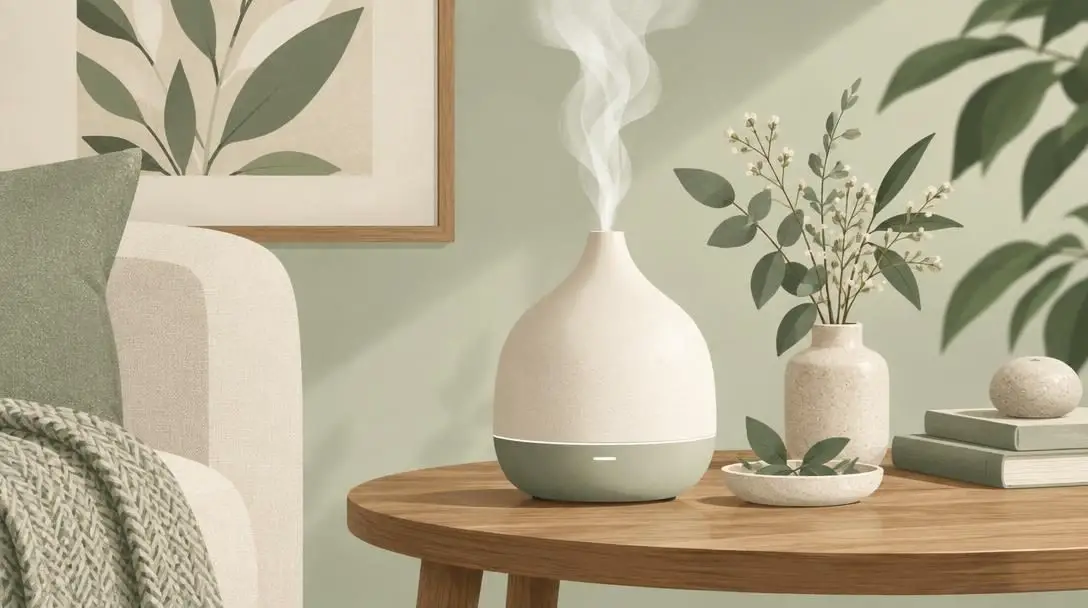
An aromatherapy device uses water ultrasonic vibrations or gentle air currents to distribute pure, plant-derived essential oils directly into the atmosphere. This method gives you complete control over your aromatic environment, letting you choose soothing lavender, uplifting citrus, or herbal scents without relying on pressurized petroleum propellants.
Comparing Household Scenting and Freshening Methods
Understanding what goes into the air when you freshen a room highlights the distinct advantages of moving away from aerosol cans toward whole-plant and mechanical alternatives.
| Scenting Method | Dispersion Mechanism | Primary Ingredients | Air Quality Impact |
|---|---|---|---|
| Aerosol Air Freshener | Pressurized chemical aerosol spray | Ethanol, acetone, acetate, synthetic fragrance | Introduces VOCs linked to headaches, nausea, and lung irritation |
| Simmered Fruit and Spices | Gentle hot water steam evaporation | Citrus rinds, cinnamon, cloves, pure water | Clean aromatic steam that adds light moisture without chemicals |
| Herbal Potpourri | Passive room-temperature air circulation | Dried botanicals, flower petals, fragrant herbs | Continuous, zero-emission aromatic release suited for small spaces |
| Aromatherapy Diffuser | Ultrasonic water vapor misting | Pure essential oils, water | Targeted plant-based fragrance without synthetic carriers or propellants |
Upgrading Your Cleaning and Dusting Technique
Adopting safer ingredients is only half the equation; your hands-on cleaning technique determines how many physical particulates remain suspended in the air. Follow these sequential steps to dust your furniture without polluting your breathing zone.
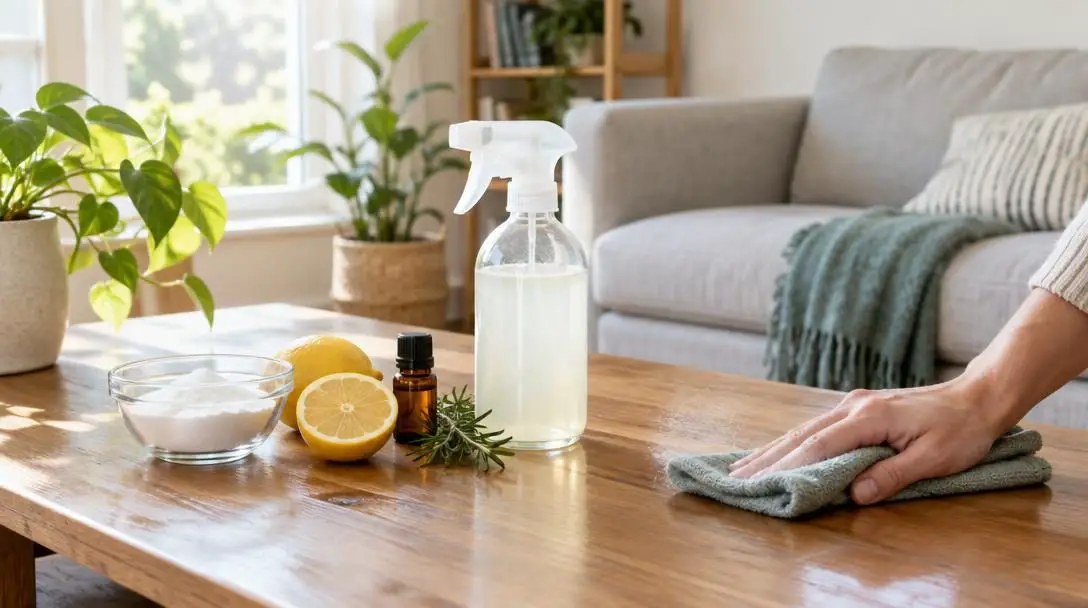
- Prepare your natural cleaning mixture by blending distilled vinegar and olive oil in a small spray bottle or dish.
- Lightly dampen a clean microfiber cloth with the mixture, ensuring the fabric is conditioned but not overly saturated.
- Wipe surfaces steadily in one continuous direction, allowing the microscopic split fibers to capture and lock in settled dust instead of pushing it back into the room.
- Fold the microfiber cloth periodically to expose clean fabric as you move from one piece of furniture to the next.
- Turn on an indoor air purifier in the room to pull in any rogue airborne dust disturbed during the cleaning process.
Managing Kitchen Emissions and Cooking Pollution
Many homeowners assume indoor air contaminants originate entirely under the sink, but ordinary meal preparation represents a substantial source of domestic air pollution. Combustion byproducts, evaporated cooking fats, and high-heat steam create an invisible cloud that can settle across nearby rooms. The severity of cooking emissions depends directly on your stove setup, food preparation techniques, and range hood operation.
Unvented gas stoves introduce combustion gases into the living area, while high-heat pan frying releases aerosolized oils and particulate soot. Implementing small procedural adjustments during meal prep dramatically reduces this unwanted airborne load:
- Always turn on your overhead kitchen exhaust fan as soon as you begin heating pans, keeping it running for several minutes after cooking ends.
- Keep matching lids fitted tightly over pots and pans to contain moisture, grease spatter, and vaporized food compounds.
- Ensure cross-ventilation by cracking open a nearby window if your range hood recirculates air rather than ducting outdoors.
- Consider upgrading from a gas-powered stove to an electric induction cooktop to eliminate combustion byproducts at the source.
Room-by-Room Strategy for Cleaner Air
Transitioning to non-toxic cleaning is most effective when approached systematically throughout your living space. Different areas in your home have unique air quality challenges based on activity, flooring, and airflow.
In high-traffic living areas with heavy fabric upholstery, drapes, and thick rugs, dust accumulates rapidly. These rooms benefit from frequent daytime damp-wiping using your microfiber cloth, distilled vinegar, and olive oil solution, paired with a dedicated mechanical air purifier to catch stray floaters.
Bedrooms require minimal chemical exposure, making passive herbal potpourri or intermittent aromatherapy diffusion ideal for refreshing the space without irritating sensitive airways before sleep.
Finally, inspect under utility sinks and inside laundry cabinets to inventory your commercial sprays. Replace harsh abrasive liquids with mild homemade alternatives or certified non-toxic store-bought cleaners. Retain strong commercial options strictly for hazardous or unusually severe sanitation issues, keeping them out of your routine maintenance schedule.
Frequently asked questions
Why are aerosol air fresheners bad for indoor air quality?
Aerosol air fresheners frequently contain volatile solvents such as ethanol, acetone, and acetate. When sprayed, these chemicals disperse fine droplets that linger in the air, contributing to indoor air pollution and potentially triggering headaches, nausea, throat irritation, and respiratory problems.
How does a microfiber cloth work better than a standard feather duster?
A microfiber cloth features tiny split fibers that mechanically grip, trap, and hold dust particles. Standard rags and feather dusters lack this structure and instead flick millions of microscopic particles into the air, worsening airborne irritants rather than removing them.
What is the purpose of combining vinegar and olive oil for dusting?
Distilled vinegar acts as a mild natural acid that cuts through grime and dissolves light surface films, while olive oil conditions the material and helps trap and bind fine dust onto your cleaning cloth so it does not escape into the room.
Why is it recommended to clean during the day rather than at night?
Any cleaning activity inevitably stirs up some particulate matter. Cleaning during daylight hours gives suspended dust particles time to settle or be caught by air purifiers while family members are active or away, preventing airborne irritants from disrupting your sleep.
How does cooking food affect indoor air quality?
Cooking releases steam, aerosolized grease, and combustion byproducts into the air, particularly when using gas-powered stoves. Without adequate ventilation, exhaust fans, and pot lids, these cooking emissions build up and pollute the household atmosphere.
The bottom line
Maintaining a spotless, pleasant home does not require filling your living quarters with harsh synthetic fumes and airborne particulates. By swapping aerosol sprays for natural botanical aromatics, ditching dry dusters for dampened microfiber cloths, and actively managing kitchen ventilation, you protect your indoor air quality. Small, deliberate updates to your everyday cleaning routine create a home that is truly clean, comfortable, and safe to breathe in.