How To Give Your Home a Makeover on a Budget
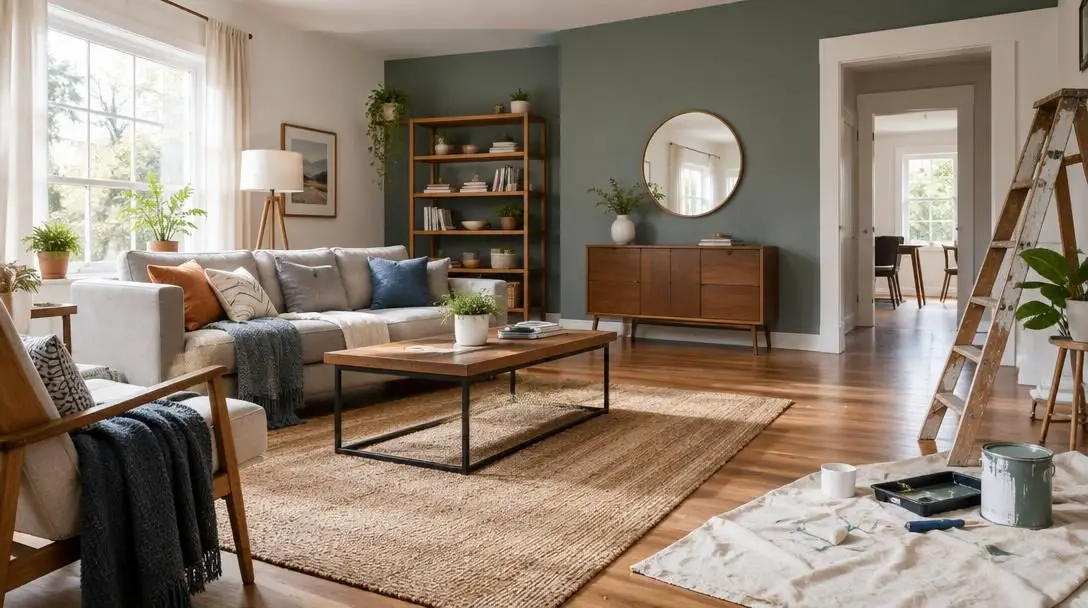
Almost every weekend, millions of Americans wake up and feel the urge to redecorate their living spaces entirely out of the blue. However, most households lack the disposable cash required to clear out the aisles of major hardware retailers like Home Depot or Lowe's for a massive, structural renovation. When full-scale remodeling is off the table, homeowners and renters must turn toward smaller, resource-efficient methods to refresh their living environments without taking on debt.
A successful budget home makeover relies on resourcefulness, creativity, and manual effort rather than expensive professional contractors or luxury designer goods. By operating within clear financial boundaries, you can target high-impact visual adjustments, spatial flow, and the clever reuse of existing materials. These accessible micro-projects can be carried out room by room or applied to small focal points, providing immediate aesthetic returns while keeping total spending to an absolute minimum.
Key takeaways
- Rearranging furniture and clearing open floor space redefines spatial perception without spending any money.
- Replacing harsh bulbs with warm, DIY-diffused lighting softens the sterile atmosphere of everyday living areas.
- Upcycling discarded household components, such as converting an old door into a coffee table, delivers functional furniture on a shoestring budget.
- High-impact cosmetic updates in kitchens and bathrooms modernize surfaces without the disruption and cost of full tear-outs.
Core Principles of Low-Cost Interior Transformations
Low-cost decorating operates on foundational concepts that alter how an interior looks and feels without altering the structural architecture of the building. Understanding these mechanisms helps you prioritize the adjustments that yield the most dramatic transformations for your effort.
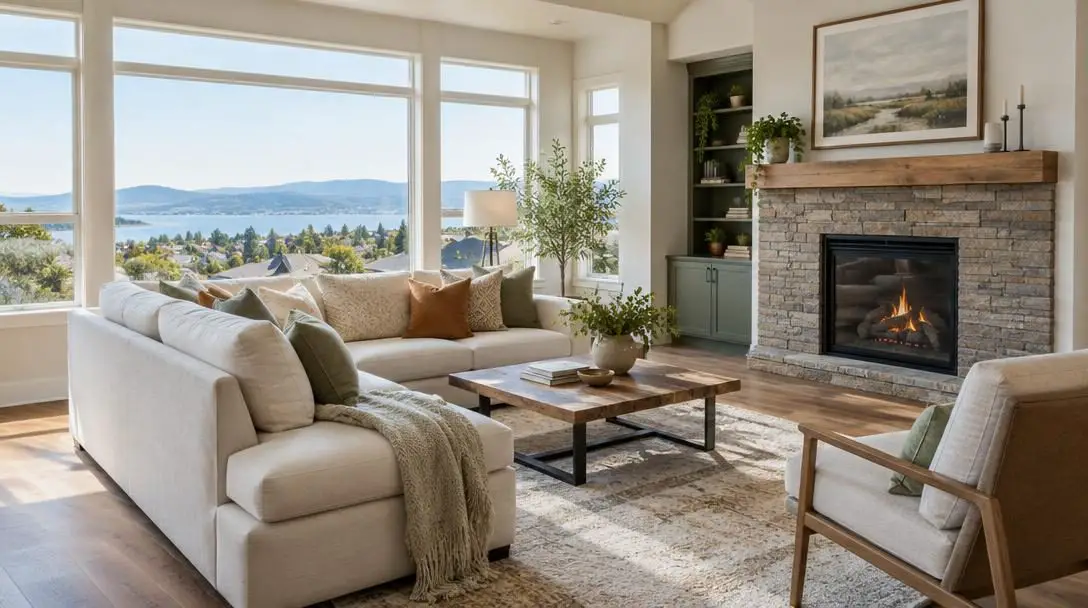
Spatial perception and navigational flow dictate how light travels through a room and how people navigate the floor plan. Removing physical obstacles, opening pathways, and eliminating visual clutter immediately lifts the mood of an environment, making compact rooms feel considerably larger than their physical square footage suggests. Arranging furnishings to maximize unbroken floor space changes the geometry of a room without touching a wall.
Sensory factors also determine how welcoming a room feels over time. The emotional tone of an interior is shaped heavily by color, texture, and light temperature. Harsh overhead fixtures can make a home feel sterile, resembling a corporate office or a skyscraper cubicle. Softening light sources or introducing organic elements like indoor greenery completely changes the perceived warmth of the living area.
A budget home makeover relies on resourcefulness, creativity, and manual effort rather than expensive professional contractors or luxury designer goods.
Finally, material repurposing prevents usable goods from reaching the waste stream. Giving an existing surface a fresh coat of paint, new fabric, or an alternative functional role delivers the sensation of brand-new furniture without standard modern retail price tags. Breathing new life into forgotten items bridges the gap between frugality and personal design expression.
10 Budget Makeover Projects to Transform Your Home
The following projects highlight accessible, low-cost opportunities to modernize every corner of your house, utilizing items you already own or inexpensive goods sourced locally.
Reorganization and Spatial Layout
Sometimes all it takes to make your home feel brand-new is applying practical layout adjustments. Changing furniture placement throughout the house and clearing away accumulated clutter shifts how you interact with daily living areas. Orienting your television or couch in an alternative direction might suddenly open up sightlines that were previously blocked. Simply reclaiming an extra square foot of open floor space delivers the same sense of massive accomplishment that people often recall experiencing when rearranging their bedrooms as kids.
Make Your Own Art
You do not need the artistic skills of Leonardo da Vinci to design eye-catching pieces for your bare walls, cabinets, or side tables. While homeowners often default to formal canvas paintings, the options for creative wall hangings are wide open. Gathering scraps or old junk from your garage and gluing it together into an assemblage can serve as unique rustic art. Making your own decorations adds personality to flat surfaces without requiring you to purchase overpriced commercial prints.
Switch Up the Lighting
Lighting plays a massive role in whether an interior feels welcoming or cold. To avoid the sensation of sitting beneath the harsh, sterile lights of an office cubicle, switch up your approach to room illumination. You can craft creative, decorative fixtures on a shoestring budget—such as placing classic Mason jars over exposed bulbs to instantly impart distinct visual character and warmer diffusion throughout the living area.
Cultivate a Green Thumb
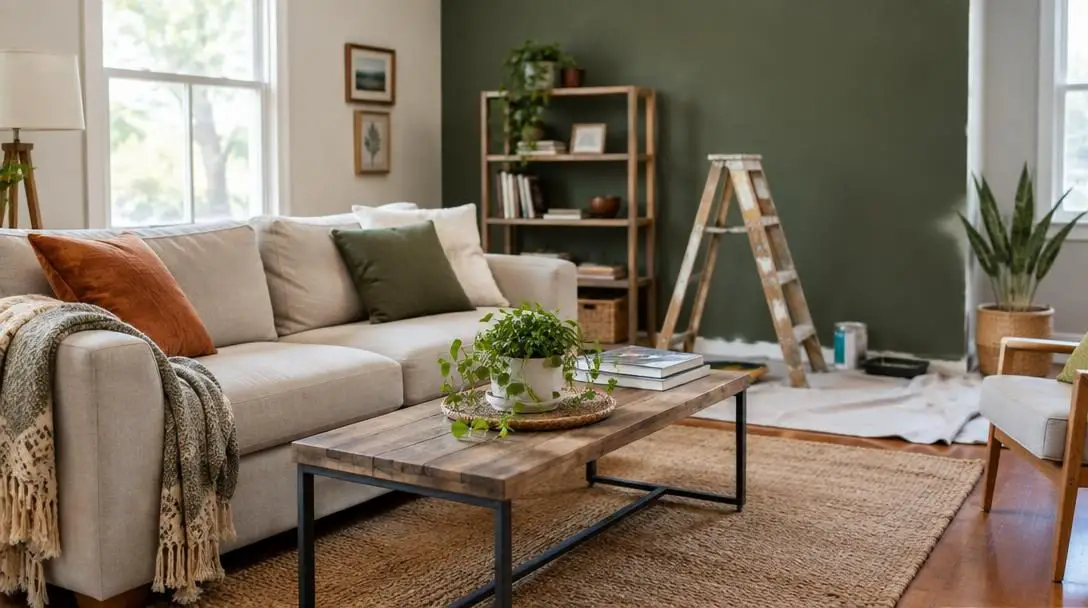
Introducing plants brings an organic vibrancy to living spaces in ways that many people do not expect. Outdoor varieties can quickly elevate the presentation of a front porch or back patio, while indoor plants fill awkward empty nooks in the living room. Even if you are not an experienced plant expert, bringing foliage indoors is an economical technique that improves the room's atmosphere while providing extra oxygen inside the home.
Upcycle Existing Household Items
Upcycling has expanded into a popular hobby for anyone wanting to repurpose everyday objects that would otherwise end up discarded in the trash. Rather than throwing out damaged or disused construction materials, look at how their forms can serve an alternate functional need. For example, an old discarded door can be sanded, stained, and painted to build a functional coffee table for next to no money.
Get Thrifty at Secondhand Stores
If you lack spare materials around the garage to upcycle, local thrift stores provide an endless inventory of inexpensive candidates for restyling. Thrift shops routinely offer used couches, armchairs, nightstands, and tables marked down to just a few dollars. Browsing these shops not only saves money on classic furnishings, but you may also encounter previous projects customized by other upcyclers that seamlessly fit your decorative tastes.
Window Redux
Windows serve as your interior's primary visual connection to the outside world, yet they are often neglected behind standard, plain white blinds reminiscent of a dreary office setting. There are dozens of ways to implement attractive, customized window treatments for $20 or less. Simple household textiles, such as clean cut-up bedsheets or repurposed burlap coffee sacks, can be hung above the frame to form charming, economical valances and curtains.
Renew Old Furniture with Reupholstery
If you already own quality furniture pieces that are structurally sound but visually outdated, reupholstering allows you to coordinate them with the rest of your house. While upholstering requires some hands-on effort and basic craft know-how, it remains far cheaper than purchasing brand-new seating. Anyone comfortable operating a basic sewing machine and an upholstery stapler can easily revitalize worn cushions and frames at home.
Low-Cost Kitchen Improvements
Many homeowners avoid kitchen renovations out of fear that any work in this space will quickly turn wildly expensive. Yet modest changes can produce significant aesthetic shifts without gutting the room. You can dramatically improve a kitchen on a minor budget by painting cabinet faces, applying peel-and-stick vinyl prints across the backsplash, or mounting simple handmade wooden shelves to organize spices.
Refresh the Bathroom on a Shoestring
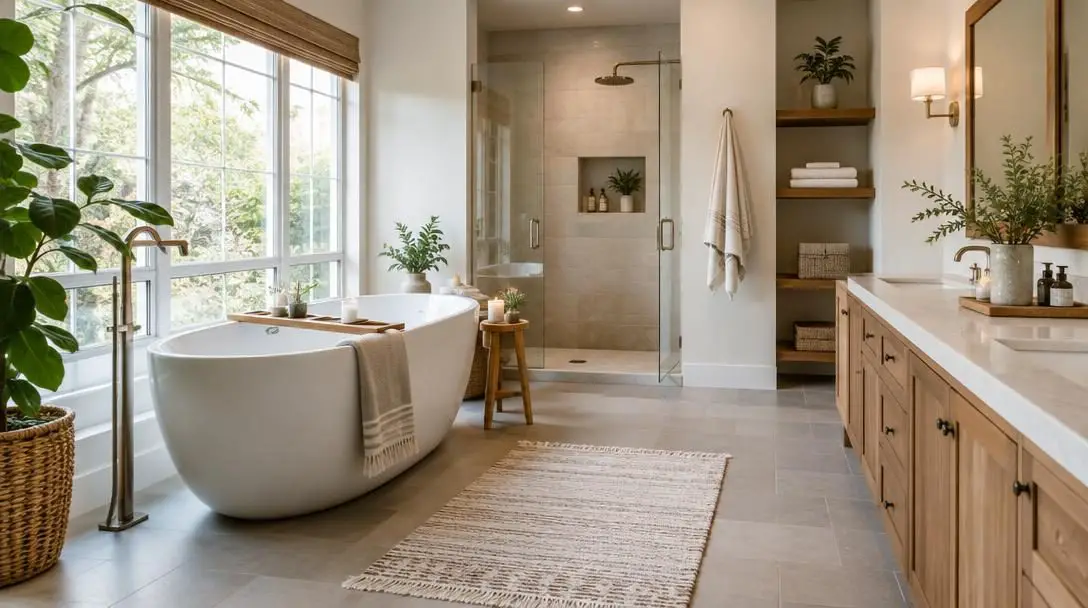
Bathrooms are similarly perceived as high-cost remodeling zones, but they respond exceptionally well to affordable surface updates. Swapping out a worn sink faucet or an outdated showerhead is far easier and less expensive than most homeowners realize. Even simpler adjustments, such as switching to towels in a different accent color or setting down a new shower rug, will instantly make the entire bathroom feel like a brand-new space.
Project Comparison at a Glance
To help determine where to begin your home transformation, review how these low-cost updates compare in terms of budget requirements, necessary tools, and their primary spatial impact.
| Project Focus | Primary Materials or Tools | Estimated Cost Level | Primary Impact |
|---|---|---|---|
| Spatial Layout | Existing furniture, muscle power | Zero cost | Improves walking flow and floor space |
| DIY Wall Art | Garage scraps, glue, salvage | Minimal to zero | Adds visual personality to blank walls |
| Lighting Adjustments | Mason jars, warm-tone bulbs | Low cost | Eliminates sterile, cold atmosphere |
| Indoor Greenery | Potted plants, plant cuttings | Low cost | Adds organic texture and oxygen |
| Furniture Upcycling | Old door, sandpaper, wood stain, paint | Low cost | Delivers functional, custom furniture |
| Secondhand Sourcing | Used nightstands, chairs, tables | Low to moderate | Fills functional furniture needs affordably |
| Window Treatments | Bedsheets, burlap coffee sacks, rods | $20 or less | Replaces sterile standard blinds |
| DIY Reupholstery | Fabric, sewing machine, staple gun | Moderate | Modernizes worn seating structures |
| Kitchen Refreshes | Cabinet paint, peel-and-stick vinyl | Moderate | Modernizes surfaces without gutting |
| Bathroom Updates | Showerhead, faucet, accent towels | Low to moderate | Improves hygiene fixtures and color accents |
Practical Steps to Execute Your Budget Makeover
Executing an affordable home makeover requires clear organization to ensure your time and funds are spent effectively. Following a logical order keeps your projects contained and prevents incomplete renovations from overtaking your daily routine.
- Conduct an inventory check: Walk through every room, your garage, and storage closets. Identify loose lumber, extra paint, unused fabric, or dated furniture that can be reused before planning any purchases.
- Select a single focal area: Attempting to redecorate an entire house in one weekend leads to unfinished projects. Choose one specific zone, such as a living room layout or the bathroom fixtures, to complete first.
- Establish a hard spending limit: Assign a strict financial cap for the project. If you are updating a window, determine whether you can stay beneath a $20 limit by using salvaged materials or clearance items.
- Clean and declutter completely: Before moving furniture or hanging items, strip the space down to its essentials. Removing clutter immediately reveals how much space you have available to work with.
- Execute surface updates: Carry out physical labor tasks such as painting cabinet doors, assembling upcycled tables, or reupholstering seat cushions.
- Arrange and style: Position furniture according to natural light and foot traffic patterns, install altered lighting fixtures, position your plants, and hang your DIY art pieces.
Common Renovation Mistakes to Avoid
Working with limited funds requires careful planning. Avoiding common missteps will ensure you do not waste resources or produce unsatisfactory results that require fixing later.
- Overcomplicating the project scope: Taking on major plumbing or electrical work without the necessary skills can cause costly damage. Stick to accessible tasks like replacing a showerhead, swapping out a faucet, or placing Mason jars over bulbs.
- Neglecting proper surface preparation: Applying paint directly over dirty, greasy kitchen cabinets or staining an upcycled door without sanding first will lead to peeling surfaces and uneven finishes.
- Cluttering with thrift store purchases: Thrifting is economical, but buying items simply because they cost a few dollars can quickly reintroduce the very clutter you are trying to eliminate. Only purchase items that serve an immediate decorative or functional purpose.
- Ignoring light and plant care: Introducing indoor plants without verifying their lighting requirements can result in dead greenery. Make sure the plants you select are suited to the specific light levels of the rooms they occupy.
Frequently asked questions
How can I make a room feel larger without spending money?
Rearranging your furniture to clear direct footpaths and eliminating visual clutter are zero-cost techniques that open floor space. Reorienting seating to maximize open floor space shifts the room's geometry and makes it feel substantially larger than its physical measurements.
What materials can be used for cheap window treatments?
You can create customized window treatments for $20 or less using common household textiles. Clean cut-up bedsheets or repurposed burlap coffee sacks make attractive valances and curtains that soften window frames without the expense of commercial drapery.
Is reupholstering furniture cheaper than buying new items?
Yes. If the underlying frame of an armchair, couch, or chair is structurally sound, reupholstering it using an upholstery stapler and a basic sewing machine costs far less than purchasing brand-new replacement furniture from a retail store.
What are the easiest low-cost updates for an outdated kitchen?
Painting existing cabinet faces, applying peel-and-stick vinyl tiles over an outdated backsplash, and mounting handmade wooden shelves for spice organization produce immediate visual changes without the cost of gutting cabinetry.
How do I change harsh overhead lighting on a tight budget?
You can diffuse harsh overhead bulbs by crafting decorative fixtures using inexpensive items like classic Mason jars over exposed bulbs, which disperses warmer light and eliminates the cold look of corporate office illumination.
The Bottom Line
Once you finish your initial budget updates, step back and evaluate how the space functions over the course of an entire week. Notice how the revised footpaths alter your daily movement, how the warm-toned lighting affects your evening wind-down, and whether your upcycled surfaces hold up to practical daily use. True home transformation is an iterative process that relies on careful observation rather than sudden spending sprees.
By tackling one project at a time—whether that means reupholstering a single armchair, installing peel-and-stick backsplash prints, or swapping out your bathroom fixtures—you maintain complete control over both your finances and your living environment. Thoughtful, resource-conscious upgrades prove that a stylish, comfortable home does not require debt or commercial renovation crews, but simply a clear vision and the willingness to make things by hand.