Transitioning From Traditional To Smart Home Technologies
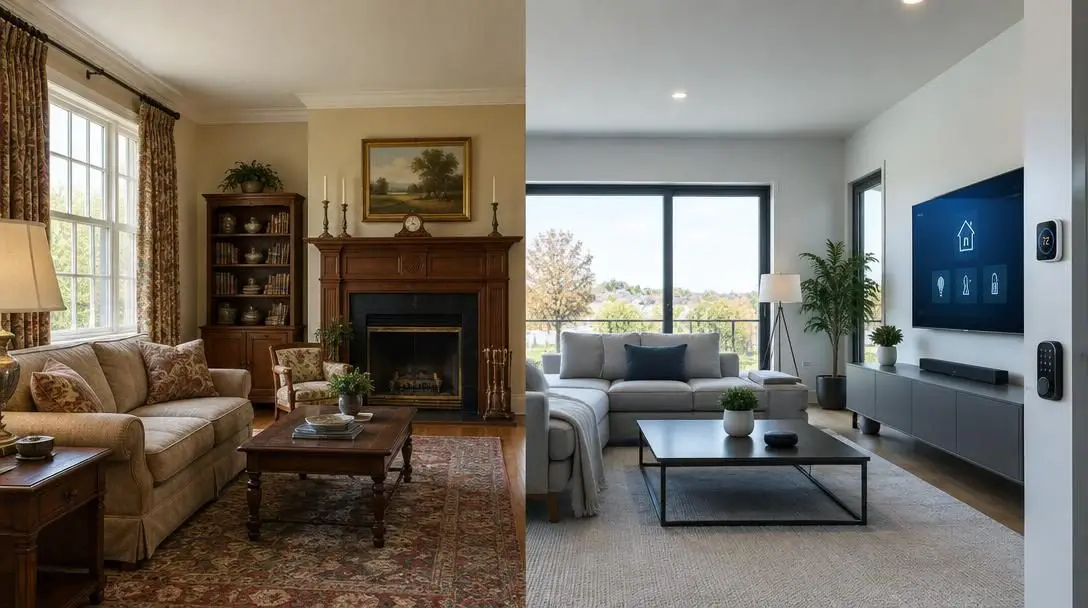
There was a time when clapping your hands twice to illuminate a bedside or living room lamp felt like the absolute pinnacle of domestic innovation. Today, residential spaces are undergoing an extraordinary transformation into intelligent, interconnected environments where comfort, efficiency, and day-to-day household management can be monitored and orchestrated directly from a handheld device or personal computer. Modern smart home technology has firmly shifted away from an exorbitant luxury novelty reserved for elite estates, establishing itself instead as an accessible, practical standard for everyday living.
When automated residential systems first entered the marketplace, the hardware required was prohibitively expensive, deeply complex, and largely out of reach for average homeowners. Decades of aggressive market competition, standardized wireless components, and rapid computing advancements have radically reengineered that landscape. Today, roughly half of all households across the United States qualify as smart homes, and industry projections anticipate that this figure will surge to two-thirds within just a few years. Shifting away from legacy analog switches and unlinked appliances does not require tearing down walls or rewiring your property from scratch, but it does call for strategic planning, thoughtful hardware selection, and a commitment to maintaining digital security.
Key takeaways
- Approximately half of all American households currently meet the criteria of a smart home, with adoption expected to reach two-thirds within a few years.
- Connected home ecosystems function across three foundational tiers: physical endpoints, wireless communication protocols, and central control software.
- Selecting hardware anchored to a unified brand ecosystem and managed via a centralized hub provides the smoothest, most affordable transition path.
- High-impact hardware upgrades, particularly automated smart thermostats, generate rapid value by substantially lowering recurring energy costs.
- Protecting domestic network perimeters demands routine password updates, multi-factor authentication, and prompt firmware installations.
The evolution of household automation
To fully appreciate the convenience and speed of modern automated living, it is useful to trace how residential automation technology has evolved over the past several decades. Early standalone automation devices operated in total isolation from the rest of the household. Mechanical plug-in outlet timers could spin dials to switch off a light after several hours, and acoustic sound-activated devices such as the Clapper responded mechanically to abrupt sharp noises. However, these early electronic novelties possessed no internal programmable logic, offered zero local network connectivity, and could never communicate real-time operating feedback to a homeowner.
As microprocessors and computer networking expanded throughout the late twentieth century, custom home automation began to emerge. These early integrated setups could link varied household subsystems together, yet they relied on dedicated utility closets, thick bundles of proprietary low-voltage wiring routed through wall cavities, and specialized teams of system integrators to write custom software code. Demanding investments of tens of thousands of dollars, whole-house automation remained an exclusive feature restricted to bespoke luxury estates for decades.
The explosive arrival of consumer smartphones, low-power microcontrollers, and omnipresent wireless local networks dismantled these barriers. Modern consumer hardware manufacturers now embed miniature control chips and low-power wireless transceivers straight into everyday appliances, standard wall receptacles, and light fixtures. Because global technology manufacturers continually compete for consumer market share, hardware manufacturing costs have fallen precipitously, making sophisticated automation hardware affordable and straightforward to install for the average consumer.
How smart home technology works
Regardless of whether a residence contains two automated accessories or two hundred interconnected nodes, every smart home deployment operates through three foundational layers working in continuous coordination to bridge physical actions with digital instructions.
The physical layer consists of the actual endpoint devices distributed across your interior and exterior property. This tier encompasses connected smart light bulbs, motorized window shades, environmental sensors, door locks, motorized valves, smart power plugs, and climate management hardware. Each physical endpoint incorporates dedicated internal logic and a miniature radio transceiver designed to receive incoming commands, execute mechanical or electrical actions, and broadcast its current operational status back to the network.
The communication layer forms the wireless networking bridge that conveys information back and forth across your residence. Instead of requiring technicians to run expensive, specialized data cables through drywall and floor joists, modern endpoints transmit data over standardized local Wi-Fi frequencies or specialized low-energy home automation wireless radio bands. This networking framework ensures that sensors, wall controls, and appliances can interact quickly without congesting basic household communications.
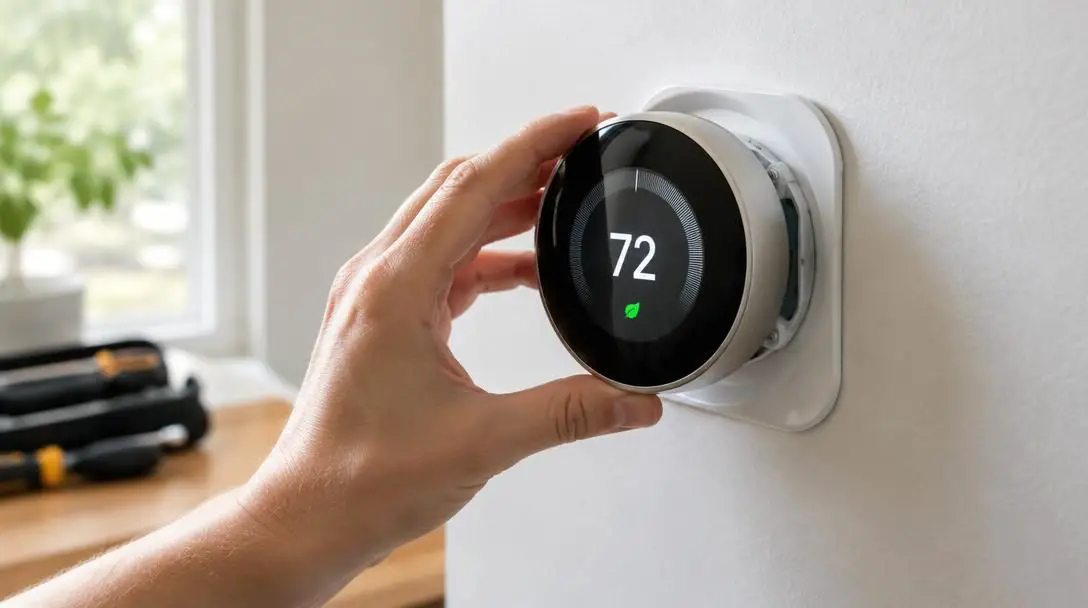
The control layer provides the human interface through which the homeowner directs and schedules the broader ecosystem. This interface commonly takes the form of a smartphone application, a web-based computer dashboard, or an intelligent hardware tabletop hub. When a user taps a touchscreen control, issues an audible voice command, or sets up an automated condition, the control layer translates that intention into instructions, transmits them through the network, and reports back confirmation of the task.
A smart home is defined as a living space where devices throughout your house are connected together and can be operated using your computer or cell phone with ease.
Determining your household needs
Before rushing out to buy the latest electronic gadgets, homeowners should closely analyze their everyday domestic routines to identify specific areas of friction, wasted energy, or daily inconvenience. Not every residence requires every automation device on the market. Certain specialized products function primarily as decorative novelties or expensive conversation pieces rather than practical additions to daily living.
For example, installing an elaborate, computerized smart irrigation network across a modest property featuring only a tiny patch of grass that requires a brief, five-minute weekly watering session represents an unnecessary capital expense. The maintenance overhead, installation time, and hardware purchase price rarely justify the negligible water savings achieved on such a small footprint.
Instead of overspending on oversized equipment, focus on hardware that yields direct utility cost reductions and tangible convenience. Smart thermostats have become one of the most popular upgrades because they actively automate conservation and can save homeowners hundreds, or even thousands, of dollars per year. By adjusting heating and cooling schedules based on real-time household occupancy, they prevent your climate systems from conditioning an empty house. Remote controls allow you to trigger heating or air conditioning on your way home from work so your living space reaches the perfect temperature the moment you step through the door.
Leading smart home hubs
Selecting an overarching command platform is the single most critical structural choice you will make when planning an automated residence. The easiest, most cost-effective, and most reliable method for building a modern smart home is selecting matching hardware designed to communicate through a centralized control hub. Acting as an operational nerve center, the hub bridges disparate communication standards, unifies automation routines, and gives all household members a single, intuitive point of access.
| Hub Platform | Primary Hardware Style | Key Strength | Ideal Ecosystem Fit |
|---|---|---|---|
| Amazon Echo | Smart speaker and tabletop voice interface | Broad device compatibility and voice coordination | Retail and mixed third-party hardware |
| Apple HomePod | High-fidelity acoustic smart speaker | Encrypted device communication and native controls | Apple hardware users |
| Aeotec Smart Home | Dedicated wireless protocol hardware bridge | Deep protocol interoperability across brands | Custom multi-brand sensor networks |
| Google Nest | Smart displays and integrated speakers | Visual feedback and environmental management | Google software and smart appliance users |
Amazon Echo
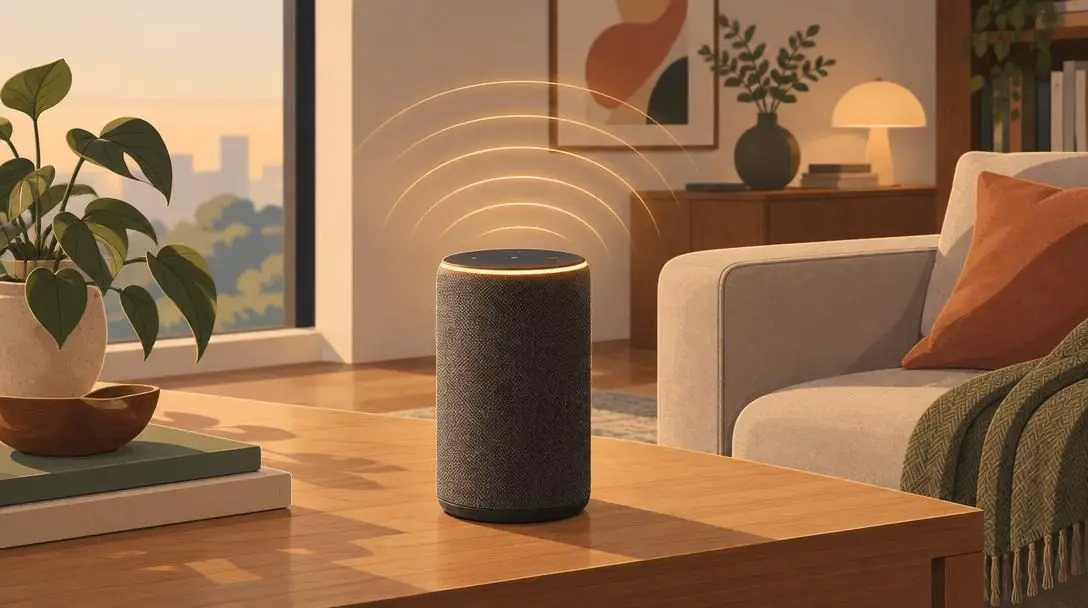
- Primary interface: Hands-free voice recognition and smartphone application
- Placement style: Tabletop, shelf, or counter unit
- Core strength: Broad compatibility across third-party switches and fixtures
The Amazon Echo sits comfortably in high-traffic communal zones, serving as a dedicated vocal command center and software coordinator for thousands of compatible third-party lights, wall switches, and climate devices. Due to extensive retail support and widespread manufacturer integration, it remains a highly dependable hub for homeowners who want to weave diverse, competitively priced electronics into coordinated morning, daytime, and evening routines without complex setup steps.
Apple HomePod
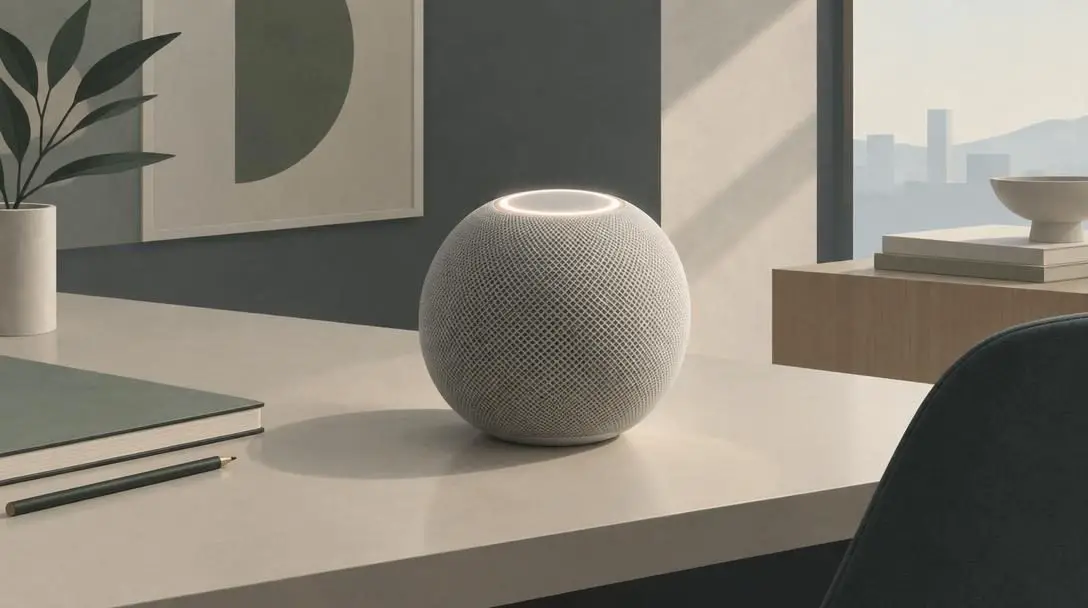
- Primary interface: Voice input, acoustic speaker, and Apple OS integration
- Placement style: Standalone audio counter unit
- Core strength: Encrypted communication and platform-level security
The Apple HomePod functions as both a premium acoustic music system and an automation nerve center purpose-built for households already invested in Apple smartphones, tablets, and personal computers. Designed around privacy, it coordinates compatible smart accessories with a strict technical emphasis on end-to-end encryption and streamlined, local-network device management, ensuring personal lifestyle data stays protected within your domestic perimeter.
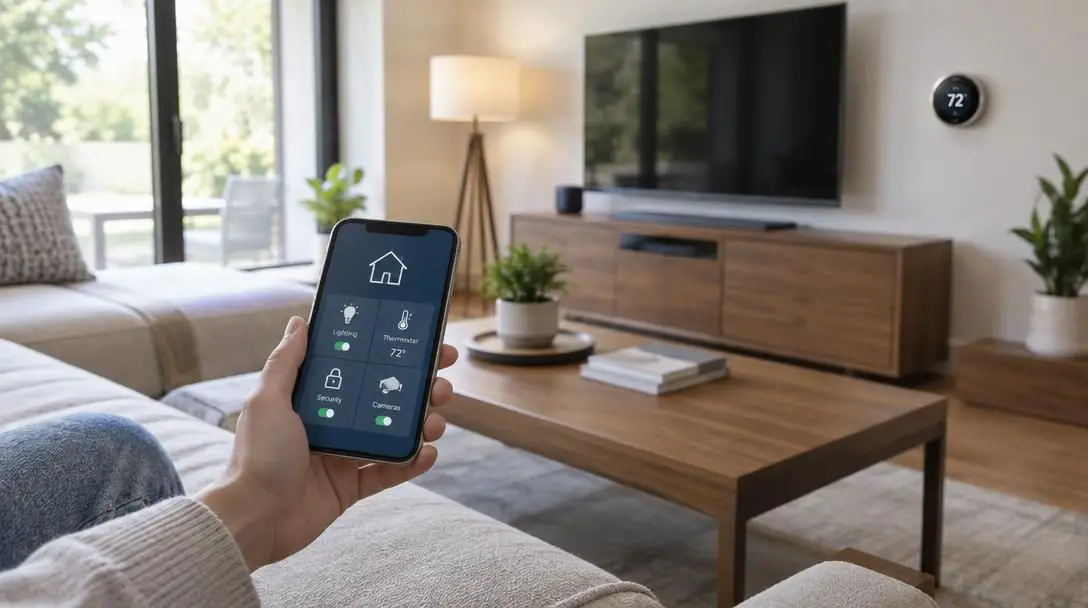
Aeotec Smart Home
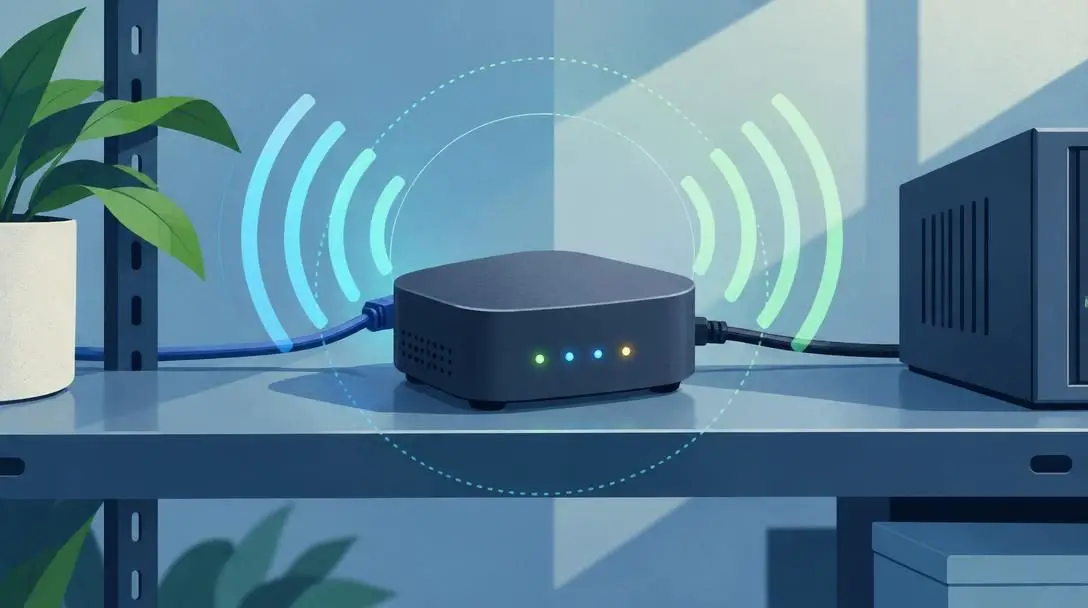
- Primary interface: Multi-protocol hardware bridge
- Placement style: Compact network utility unit
- Core strength: Flexible protocol translation across varied hardware makers
The Aeotec Smart Home hub is a dedicated hardware bridge engineered specifically to unify diverse sensors, contact triggers, light modules, and power plugs that operate on distinct smart home wireless standards. Rather than focusing on consumer media playback or visual touchscreens, this bridge caters to homeowners who want the flexibility to source specialized endpoints from multiple competing hardware manufacturers without being trapped in an exclusive retail silo.
Google Nest
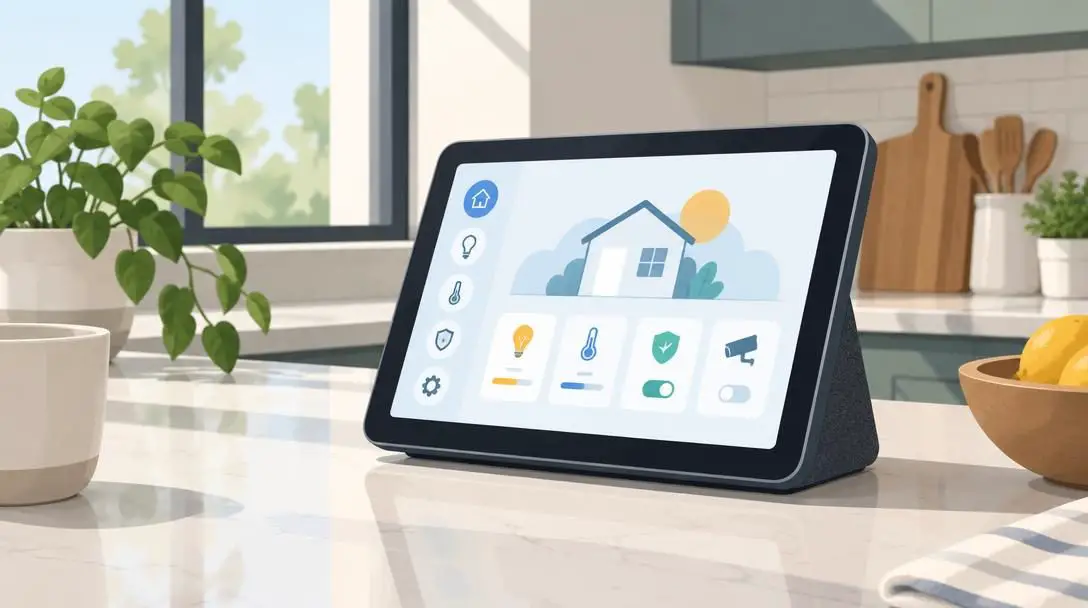
- Primary interface: Interactive touch display and voice assistant
- Placement style: Centralized counter display or compact speaker
- Core strength: Visual status confirmation and appliance controls
The Google Nest product family combines responsive voice control with vivid interactive touchscreen displays, functioning as an accessible visual dashboard on kitchen counters or living room side tables. It offers clear graphic confirmation of active environmental settings, quick access to streaming security camera feeds, and straightforward daily routine management that integrates cleanly with mobile devices, calendar software, and connected kitchen appliances.
Step-by-step transition plan
When starting an automation project, purchasing every connected device on the shelf can quickly become overwhelming. Moving too rapidly leads to installation headaches, tangled configuration settings, and a confusing patchwork of mobile applications. Taking a disciplined, progressive approach ensures that each new component functions harmoniously within your larger ecosystem.
- Assess your primary household priorities: Examine where automated controls solve genuine problems, like lowering electric bills or tracking front-door parcel drop-offs.
- Evaluate your network foundation: Confirm that your Wi-Fi coverage reaches outdoor doorways, basements, and distant bedrooms where endpoints will be placed.
- Choose an ecosystem hub: Select a platform—such as Amazon Echo, Apple HomePod, Google Nest, or Aeotec Smart Home—that natively matches your phone and computer.
- Start with a single introductory item: Install one straightforward device, like a video doorbell or motorized window blinds, to learn the configuration software.
- Test usability and settings: Spend several days operating the device, verifying notifications, and adjusting daily automated triggers.
- Expand gradually over time: Add new hardware periodically over subsequent weeks and months, confirming compatibility at each stage.
Staying on top of security
Integrating internet-connected microcontrollers into private living spaces transforms digital hygiene into an essential household responsibility. Staying on top of security does not require sitting in front of live camera feeds around the clock. Instead, it involves practicing routine digital safeguards, periodically changing administrative access credentials, and thoroughly reviewing application data permissions and software privacy policies before bringing new electronics online.
Leaving hardware unsecured can expose your private domestic network to unauthorized outside access. Security researchers have documented real-world instances where unsecured smart devices, including smart televisions connected to living room networks, were infiltrated remotely by hostile external actors. Because automated hardware operates within the most intimate areas of your life, establishing strong digital defenses is critical.
- Secure your local Wi-Fi: Replace standard factory router passwords with complex, distinct network security keys to block unauthorized connections.
- Enable multi-factor authentication: Turn on multi-factor authentication across every manufacturer profile, mobile application, and automation dashboard to prevent credential hijacking.
- Apply software updates immediately: Outdated firmware contains known software vulnerabilities; install updates promptly to maintain network defenses.
Common mistakes to avoid
Transitioning away from conventional mechanical fixtures involves a modest learning curve. Steering clear of common operational missteps will protect your initial hardware budget, preserve network reliability, and eliminate everyday technical friction.
- Assuming cross-compatibility without verification: Never assume that two wireless accessories will communicate simply because they are labeled smart. Purchasing hardware built on conflicting communication protocols forces you to juggle multiple incompatible phone apps and destroys the possibility of unified household automations.
- Neglecting ongoing software and hardware maintenance: Avoid the temptation to install a connected accessory, stow the instruction manual, and never look at its operational dashboard again. Skipping software maintenance prevents important feature enhancements, blocks bug patches, and leaves hardware exposed to known security vulnerabilities.
- Over-automating tasks before establishing routine needs: Constructing dozens of hyper-complex automation chains for obscure, rarely performed household tasks creates unnecessary confusion for family members, houseguests, and visitors. Keep your system practical, predictable, and focused on core household conveniences.
Frequently asked questions
What exactly is a smart home?
A smart home is a living space equipped with interconnected appliances and fixtures that link across a digital network, allowing homeowners to monitor, schedule, and operate household equipment using a computer or mobile phone with ease.
Do I need to replace all my home appliances at once?
No. The safest, most practical, and most cost-effective path is to begin with a single high-impact item—such as an automated thermostat or a connected video doorbell—and gradually add complementary accessories over time as you become comfortable with the software.
How can smart home devices save me money?
Connected equipment like smart thermostats can save hundreds or even thousands of dollars every year by automatically sensing when rooms are unoccupied and adjusting heating and cooling cycles, ensuring you never waste money conditioning an empty residence.
Why is a smart home hub necessary?
A smart hub acts as a centralized command bridge for your residence. It translates incoming wireless signals across different devices, processes automation logic, and allows hardware from various manufacturers to be operated through a single unified interface.
Are smart home devices vulnerable to digital hacking?
Yes. Connected endpoints, including smart televisions, can be compromised if left unprotected. Homeowners can protect their systems by setting strong router passkeys, activating multi-factor authentication, and installing manufacturer firmware updates promptly.
The bottom line
Transforming a traditional residence into an automated living environment is an exciting, manageable upgrade that yields continuous daily benefits in comfort, personal safety, and energy efficiency. As ongoing market competition drives hardware costs down and wireless communication protocols become faster and more reliable, modernizing your domestic living space will only grow more affordable and practical. By anchoring your home to a proven central hub, prioritizing practical upgrades like smart climate controllers, and following sound digital security habits, you can build a resilient, convenient smart home tailored precisely to your family's routine.