5 Ways to Plan an Active and Mindful Getaway
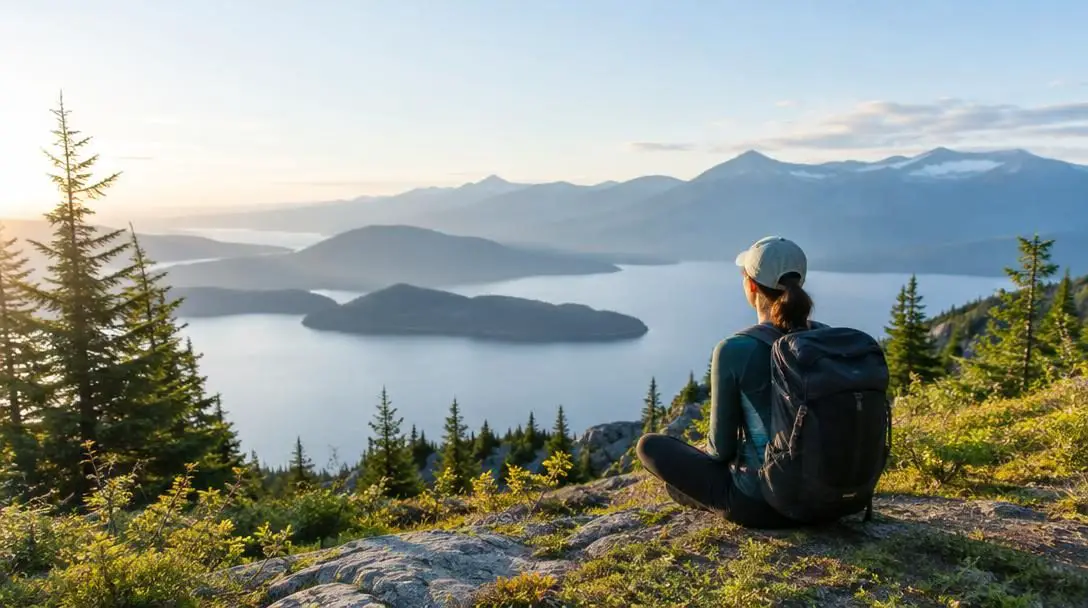
Modern travel frequently presents vacationers with an unappealing compromise. On one end lies the high-velocity sightseeing tour, where travelers rush breathlessly from one monument to the next, returning home physically depleted and in desperate need of another vacation just to recover. On the opposite extreme sits the completely sedentary resort getaway, where days pass in passive inertia beside a swimming pool, offering little in the way of physical vitality, intellectual stimulation, or cultural immersion. While both models have their place, each tends to leave travelers off-balance—either exhausted by logistical pressure or dulled by prolonged inactivity.
An active and mindful getaway resolves this tension by treating dynamic physical movement and deep mental relaxation as natural partners rather than competing goals. Engaging the body through open-air exercise awakens the senses, sharpens mental focus, and disperses accumulated work stress. Concurrently, deliberate pauses for quiet contemplation, restorative wellness, and cultural connection allow the nervous system to reset and process new surroundings. Approaching an itinerary with balanced intention ensures you return home with genuine physical energy, psychological clarity, and lasting memories.
Key takeaways
- Active and mindful travel balances dynamic outdoor movement with deliberate physical rest and mental stillness.
- Outdoor physical pursuits quiet cognitive rumination by demanding complete sensory presence in natural surroundings.
- Structuring dedicated self-care and buffer time prevents the physical depletion common to standard sightseeing marathons.
- Immersing yourself in local traditions and purposeful volunteer initiatives shifts travel from passive consumption to meaningful engagement.
The Science and Rhythm of Restorative Travel
The core philosophy of mindful travel rests on a simple biological reality: the human body and mind thrive on rhythmic alternation between exertion and recovery. Conventional vacations often fail because they treat leisure as pure stillness or treat exploration as an endurance sport. When travelers spend an entire holiday lounging without physical engagement, metabolic circulation slows, energy flags, and mental stagnation can set in. Conversely, packing every hour with tours and transit overstimulates the central nervous system, driving up systemic fatigue.
When you embark on an outdoor aerobic pursuit, such as paddling along a river, cycling through rural valleys, or trekking along mountain trails, the physical effort demands your undivided attention. Navigating uneven footpaths or reading water currents forces the brain to disengage from abstract career worries, digital interruptions, and daily administrative anxieties. In psychological terms, the immediate natural environment commands your sensory processing, effectively silencing chronic mental rumination and triggering positive endorphin pathways.
True restoration is not about choosing between moving your body and resting your mind, but creating a deliberate rhythm where physical vitality fuels mental clarity.
However, strenuous physical movement produces true restoration only when followed by deliberate down-regulation. Without planned recovery, physical exertion transforms into joint strain, muscle soreness, and nervous irritability. By pairing physical challenges with intentional stillness—such as restorative yoga, quiet journaling, meditation, or therapeutic spa visits—you activate the parasympathetic nervous system. In this state, heart rate settles, tissue repair accelerates, and physical fatigue becomes deep, wholesome tiredness that supports regenerative sleep.
The Five Core Pillars of an Active and Mindful Getaway
Building an itinerary that successfully honors both physical stamina and psychological rest requires a dependable framework. Rather than leaving balance to chance, travelers can structure their plans around five essential pillars that protect overall well-being, encourage bodily vitality, cultivate presence, connect with local history, and leave a positive footprint on the host destination.
1. Prioritize Self-Care
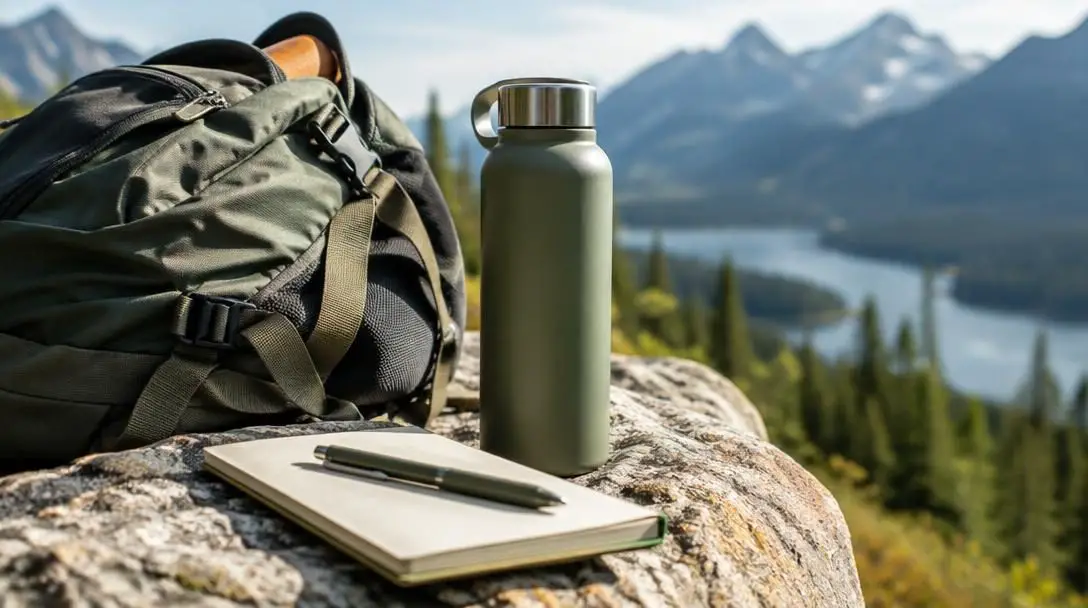
Self-care forms the foundational bedrock of any restorative getaway. When travelers dive into ambitious itineraries without defending their personal energy, physical exhaustion and mental fatigue quickly undermine the joy of exploration. Prioritizing self-care means establishing firm boundaries around your personal well-being so your reserves remain full from arrival to departure.
- Plan restful downtime: Dedicate specific intervals in your schedule to quiet pool relaxation, peaceful beach lounging, or therapeutic massages and spa treatments that soothe overtaxed muscle groups.
- Protect your energy: Regard deep physical sleep and midday breaks as non-negotiable requirements for adventure rather than secondary luxuries.
- Find quiet, secluded spaces: Intentionally seek out uncrowded, serene nooks where you can write in a journal, practice breathwork, or reflect without sensory overload.
- Connect with nature: Spend contemplative moments in quiet green spaces or along peaceful shorelines, letting natural sounds and tranquil settings restore internal equilibrium.
2. Explore the Outdoors
Venturing into open landscapes offers the ideal intersection of aerobic exercise, fresh air, and cognitive renewal. Wide-open natural environments help wash away the attention fatigue brought on by urban crowding and excessive screen time. Testing your physical capabilities against natural terrain builds authentic confidence and provides an invigorating sense of personal achievement.
- Gentle and moderate outdoor pursuits: Hike through forest trails, ride bicycles across quiet country roads, or paddle kayaks along coastal waterways to sustain steady movement while soaking in panoramic views.
- High-intensity challenges: For a deeper physical test and an adrenaline-fueled break from routine, tackle demanding adventures like white-water rafting, rock climbing, or bungee jumping.
- Sense of achievement: Summiting an elevated ridge or successfully navigating technical rapids instills a profound feeling of capability that carries back into everyday life.
3. Nurture Your Mind and Body
Dynamic movement strengthens the physical frame, but dedicated mindfulness practices are essential for soothing internal tension. Navigating unfamiliar airports, complex transit schedules, and language differences inevitably introduces unexpected travel friction. Establishing consistent mindfulness rituals anchors your attention firmly in the present moment, moderating blood pressure and steadying emotional reactions.
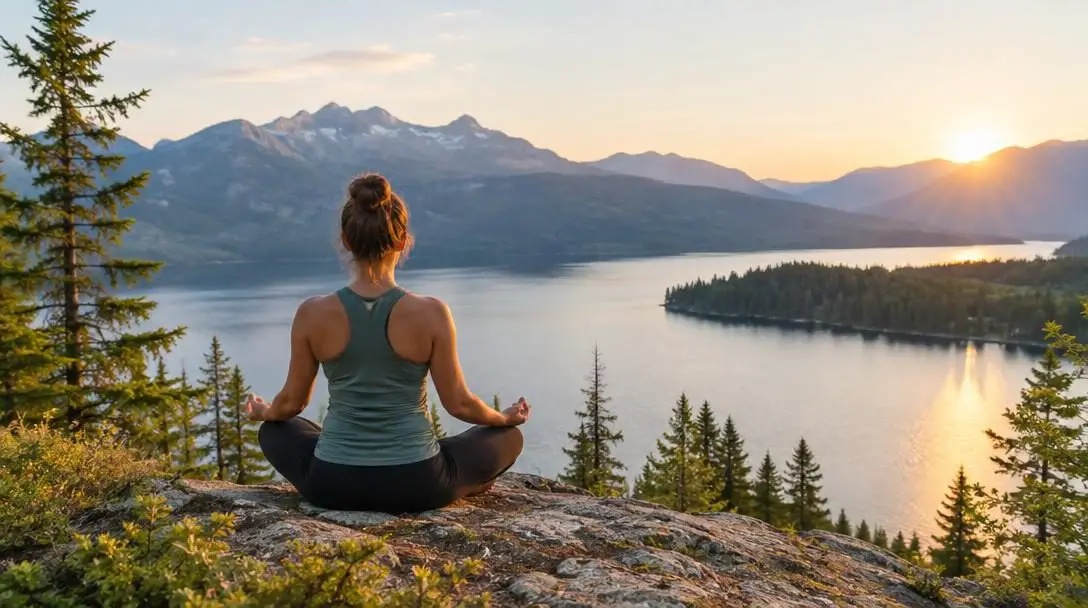
- Outdoor yoga sessions: Practice stretching routines and flowing postures in open air, such as grassy city parks, botanical gardens, or beachfront platforms where the breeze complements each deep breath.
- Community meditation: Join public meditation circles, spiritual temples, or regional wellness studios to experience the quiet power of communal reflection alongside fellow travelers and local residents.
- Long-term centering: Returning to these grounding habits day after day ensures you return home emotionally centered and mentally resilient rather than frazzled.
4. Seek Out Local Culture
Mindful travel is incomplete without authentic curiosity regarding the people, heritage, and daily life of the community hosting your visit. Stepping beyond insulated resort perimeters and generic tourist enclaves fosters empathy and expands your intellectual perspective. Engaging respectfully with local heritage turns your holiday into a rich cultural dialogue.
- Explore public cultural spaces: Dedicate unhurried hours to browsing regional art galleries, community history museums, and bustling neighborhood markets.
- Learn hands-on skills: Take a regional cooking class to understand traditional recipes and ingredients, or learn essential greetings and conversational phrases in the local language.
- Book tours led by locals: Choose neighborhood walking tours guided by resident historians or community members, whose firsthand narratives provide depth that standard guidebooks omit.
5. Travel with Purpose
Incorporating ecological stewardship or social service into your vacation transforms a standard trip into an altruistic, lasting journey. Offering your labor to local community programs pulls you out of the passive consumer mindset, establishing authentic bonds with local residents and grassroots causes. Even a brief engagement ensures your travel footprint leaves behind constructive, lasting value.
- Participate in conservation efforts: Join hands-on projects dedicated to cleaning delicate coastal waterways, maintaining backcountry wilderness trails, or restoring native habitats.
- Support community facilities: Donate time or logistical assistance to verified non-profit animal sanctuaries or regional social programs, including community orphanages that welcome visitor help.
- Gain fresh perspective: Dedicating an afternoon to purposeful community assistance broadens your worldview, offering humility and gratitude that outlast the vacation itself.
Pillars of Balanced Travel at a Glance
Every pillar serves a distinct role in balancing mental calm with physical vigor. Review the table below to understand how each component contributes to an enriching itinerary.
| Pillar | Primary Focus | Representative Activities | Core Well-Being Benefit |
|---|---|---|---|
| Self-Care | Recovery and preservation | Spa therapies, beach lounging, journaling | Replenishes physical energy stores |
| Outdoor Exploration | Aerobic exertion and immersion | Hiking, cycling, kayaking, rock climbing | Clears mental fatigue through exercise |
| Mind and Body | Internal balance and stillness | Outdoor yoga, temple meditation, breathwork | Calms the central nervous system |
| Local Culture | Intellectual and social connection | Cooking classes, local-led walks, markets | Deepens perspective and empathy |
| Travel with Purpose | Stewardship and altruism | Trail restoration, animal sanctuary service | Provides meaningful personal fulfillment |
A Step-by-Step Guide to Planning Your Itinerary
Translating the principles of active and mindful travel into an actionable itinerary demands thoughtful advance preparation. Structuring your schedule methodically helps prevent the twin perils of chaotic over-scheduling and aimless, unfulfilling downtime.
- Define your physical and mental goals: Before selecting a location, determine the exact ratio you want between high-intensity adventure and quiet repose. Clarify whether you crave challenging pursuits like white-water rafting and rock climbing, or favor moderate movements such as scenic trail hikes and daily yoga.
- Select an environment that supports your priorities: Seek destinations offering straightforward access to pristine nature, cultural districts, and tranquil retreat spaces. Mountain bases, coastal regions, and towns bordering national parks make exceptional staging grounds for alternating between rugged movement and quiet rest.
- Research local community organizations: Prior to departure, identify reputable non-profit foundations, wildlife sanctuaries, and environmental conservation projects that welcome short-term volunteers. Verify their background and community policies to ensure responsible engagement.
- Map out cultural and culinary activities: Locate neighborhood food markets, community art centers, regional museums, and local culinary workshops. Arrange walking tours guided by neighborhood residents to gain firsthand historical perspective.
- Build a balanced, flexible schedule: Alternate demanding physical activities with structured restorative sessions. Pair an energetic morning of trail cycling or paddling with an afternoon reserved for a therapeutic massage, beach lounging, or unhurried reading.
- Reserve spaces for mindfulness: Locate local studios hosting outdoor yoga sessions or scout quiet natural sanctuaries, such as botanical gardens or ocean bluffs, where you can meditate and journal undisturbed.
Common Planning Mistakes to Avoid
Even travelers who intend to cultivate peace of mind frequently fall into common travel habits that undermine their well-being. Recognizing these recurring traps will keep your journey grounded and restorative.
- Over-scheduling every hour: Filling every single morning, afternoon, and evening with tours, classes, and travel logistics introduces the exact administrative stress you are trying to escape. Leave open temporal margins for unplanned wandering and stillness.
- Neglecting physical recovery: Treating consecutive days of high-exertion sports without rest breaks invites physical injury and mental irritability. Respect your physical limits by treating downtime as an essential discipline.
- Staying trapped in tourist bubbles: Confining yourself exclusively to private resorts or commercial tourist strips prevents authentic cultural contact and reduces travel to mere consumption.
- Dismissing mindfulness as optional: In the excitement of new scenery, it is easy to skip meditation, breathwork, or stretching. Protecting these quiet rituals ensures internal grounding remains intact through unexpected travel delays.
Frequently asked questions
How can I make a trip active if I do not enjoy high-intensity sports?
Active travel does not require extreme sports like bungee jumping or white-water rafting. Gentle to moderate activities, including leisurely forest walks, flat rail-trail cycling, scenic kayaking on calm bays, or morning mobility sessions, deliver cardiovascular benefits and cognitive refreshment without physical strain.
How do I find reputable volunteer opportunities abroad?
Research non-profit community organizations, certified wildlife sanctuaries, and environmental conservation initiatives well before your departure. Look for transparent programs that work in direct partnership with local residents and avoid commercial outfits that treat community visits as tourist spectacles.
Can active and mindful travel work for family vacations?
Yes. Families can incorporate age-appropriate outdoor activities like guided nature walks, family bicycle rides, or beach kayaking. Mindful pauses can include quiet reading periods, sketching in botanical gardens, or participating in hands-on regional cooking classes that engage both children and adults.
How much unscheduled downtime should I include each day?
A dependable rule of thumb is to leave at least two to three hours of daylight completely unscheduled, in addition to dedicated meal times. This open space provides a comfortable buffer for unforeseen delays, restful naps, spontaneous explorations, or quiet journal writing.
What should I do if unexpected travel stress disrupts my mindful focus?
Delays and logistical obstacles are inevitable aspects of travel. When tensions rise, use brief grounding techniques such as five minutes of rhythmic breathing, stepping into a nearby park or quiet street corner, or practicing a short body-scan meditation before resuming logistical decisions.
The bottom line
Vacations should not leave you exhausted from rigid schedules, nor should they leave you sluggish from days of total inactivity. By blending dynamic outdoor exercise with intentional self-care, mental grounding, authentic cultural immersion, and purposeful community support, an active and mindful getaway harmonizes body and mind. Approaching your next itinerary with this balanced mindset ensures that travel becomes a deeply restorative journey—one that enriches the destinations you visit and sends you home with lasting vitality, mental focus, and inspiration.