A Guide To Selling or Trading In Your Old Car
Every year across the United States, tens of millions of used vehicles change hands as drivers update their transportation, downsize, or adapt to evolving family needs. In roughly one-quarter of those transactions, the motorist trades in their existing vehicle to help offset the cost of their next purchase. For millions of drivers, paying upfront in cash for a brand-new vehicle is simply out of reach, making an existing car an essential financial lever to satisfy down payment requirements or bring monthly loan and lease installments down to a manageable figure.
At the same time, many vehicle owners choose private selling to capture the highest possible cash payout for their automotive investment. Navigating dealership showrooms, public listings, and title paperwork can feel intimidating regardless of your experience level. Deciding whether to trade in or sell directly comes down to balancing personal priorities: the fast, turnkey convenience of handling everything in a single visit versus the higher financial return achieved by finding an individual buyer yourself.
Key takeaways
- Trading in provides maximum speed and convenience by applying vehicle equity directly toward a replacement purchase at a single dealership.
- Selling privately cuts out the retail middleman, typically yielding the highest possible financial return for your vehicle.
- Detailed prep work, including interior detailing, exterior washing, and organized maintenance records, directly preserves your appraisal value.
- Documenting optional upgrades like sunroofs or premium audio on pricing tools prevents buyers from shortchanging your car's true market worth.
- Completing post-sale responsibilities, such as prompt DMV title recording and insurance cancellation, protects you from liability and unnecessary fees.
How Private Sales and Dealership Trade-Ins Work
Understanding the operational mechanics behind both options helps you determine which path best matches your personal schedule, budget, and tolerance for administrative paperwork. A private sale operates entirely under your direct control. You determine the asking price, create public listings, manage inquiries, host test drives, evaluate offers, collect payment, and transfer legal documentation. Because there is no intermediary retail operation claiming a profit margin, an independent sale often secures top dollar. However, this path demands an investment of personal time, consistent communication, and a clear understanding of your local department of motor vehicles transfer rules.
A dealership trade-in functions as an immediate credit transaction where your current automobile offsets the cost of another car on the lot. You deliver the car to a retailer, an appraiser assesses its overall condition and presents a purchase figure, and that sum is deducted directly from the purchase price of your next vehicle. Dealership staff manage the bulk of title transfers and registration updates. In exchange for this convenience, trade-in valuations are generally lower than private party figures because the dealership must factor in reconditioning costs and profit margins upon resale.
Deciding between a private sale and a dealership trade-in comes down to what you prioritize: fast, convenient resolution or the maximum possible cash payout.
| Factor | Private Sale | Dealership Trade-In |
|---|---|---|
| Financial Return | Highest possible cash payout | Lower wholesale or trade allowance |
| Time Investment | Substantial (days to weeks of listing and messaging) | Minimal (often completed in a single afternoon) |
| Paperwork Burden | Seller manages bill of sale, title, and DMV notifications | Dealership processes title, payoffs, and registration |
| Transaction Safety | Requires vetting unknown individual buyers and payments | Conducted within an established business setting |
| Impact on Next Car | Yields direct cash to deploy as desired | Reduces purchase balance or monthly payments instantly |
Preparing Your Vehicle for Sale or Trade
Regardless of whether you sell to an individual or hand the keys to an auto dealer, investing effort into vehicle preparation protects your baseline asking price and improves appraisal figures. First impressions set the tone for any inspection, directly influencing what an appraiser or private shopper is willing to pay.
- Clean the exterior thoroughly: Maximize curb appeal with a spotless wash and clean wheels to make a strong initial visual impression on appraisers and shoppers.
- Detail the cabin space: Vacuum carpets, wipe down all surfaces, clear out personal clutter, and deodorize the interior to show that the cabin was treated with respect.
- Perform basic maintenance checks: Inspect engine oil, top off washer and coolant fluid levels, and check tire pressure and overall tread condition.
- Compile maintenance records: Gather receipts and service documentation for routine oil changes, brake servicing, and tire rotations to prove consistent upkeep.
- Organize title and ownership paperwork: Ensure the vehicle registration is currently in your name, locate the physical vehicle title to confirm it is free of liens, and keep active insurance papers handy.
Determining the True Market Value
Entering either a dealership showroom or a private negotiation without knowing the monetary value of your automobile puts you at an immediate financial disadvantage. Uninformed sellers risk accepting lowball offers due to a lack of objective, real-world benchmark data. Online pricing guides such as Kelley Blue Book and Edmunds provide reliable, data-backed estimates based on real-time market sales.
To pull an accurate valuation, enter the specific year, make, model, trim package, current mileage, and an honest assessment of its physical condition. Be sure to detail all optional equipment and factory upgrades that do not come standard on base trims. Features like a power sunroof, upgraded audio setups, satellite radio packages, or custom power windows add measurable value to your calculation. When using digital calculators, checking every installed amenity guarantees that those features reflect in your final estimate.
Honesty regarding physical wear and tear is equally critical. Carefully document imperfections, whether you are dealing with torn cabin upholstery or minor paint scratches around the door handles or keyholes. Familiarizing yourself with how valuation guides categorize cosmetic flaws prevents aggressive prospective buyers from claiming that a minor scratch justifies hundreds of dollars in price deductions.
Step-by-Step Guide to Selling Privately
When your primary objective is securing the highest cash payout for your vehicle, conducting a private sale is the most effective approach. Following an orderly sequence from listing to title transfer ensures a profitable, secure transaction.

- Gather documentation and finish preparation: Wash the exterior, detail the cabin, check essential fluids, and compile all routine maintenance receipts. Ensure the vehicle registration and title are in your name and organized for easy review.
- Research your pricing: Consult valuation resources like Edmunds or Kelley Blue Book. Set an asking price that accounts for condition, mileage, and optional features while leaving reasonable cushion for negotiation.
- Create your public listings: Advertise the automobile across popular digital platforms like Facebook Marketplace or Craigslist. Consider placing classified ads in local print newspapers if you want broader regional reach.
- Communicate with prospects: Answer serious inquiries promptly and politely. Keep prospective buyers informed regarding vehicle availability, but do not waste time answering unreasonably low offers.
- Negotiate and finalize an agreement: Permit serious shoppers to inspect the car, review maintenance receipts, and negotiate. While securing full asking price is ideal, closing near that figure still represents a win.
- Collect payment securely: Collect full payment using verified, secure payment methods before surrendering the keys, ownership documents, or the car.
- Complete legal paperwork at the DMV: Visit your local motor vehicle agency immediately to record the transfer of ownership, releasing you from legal liability and future registration fees.
- Cancel your auto insurance: Once the sale is officially documented with the state, contact your insurance company right away to cancel your active policy.
Step-by-Step Guide to Trading In at a Dealership
Trading in your vehicle eliminates the demands of hosting test drives, screening calls, or filing transfer documents at the department of motor vehicles. Use this step-by-step framework to maximize your trade allowance toward your next purchase.
- Prep your vehicle: Clean the cabin, wash the exterior, check fluid levels and tires, and gather your title, registration, and routine maintenance paperwork.
- Establish your baseline price: Check digital appraisal tools before leaving home so you have an objective, documented valuation figure to measure dealership offers against.
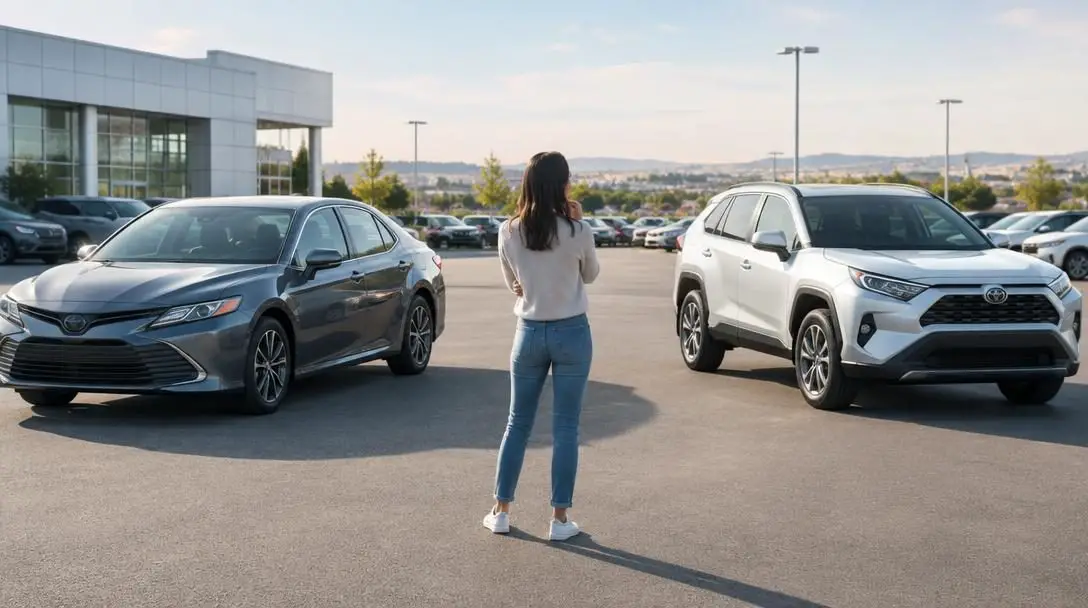
- Identify target vehicles: Browse inventories online and visit dealerships to select the vehicle you want to purchase, calculating the monthly payment or down payment targets you need to hit.
- Shop multiple dealerships: Do not settle for a single quote. Different dealers assign different values to used cars based on their current inventory gaps or brand-specific demands.
- Watch for promotions: Look out for special retail events, such as holiday weekend sales promotions, where dealerships offer trade-in bonuses or increased vehicle allowances.
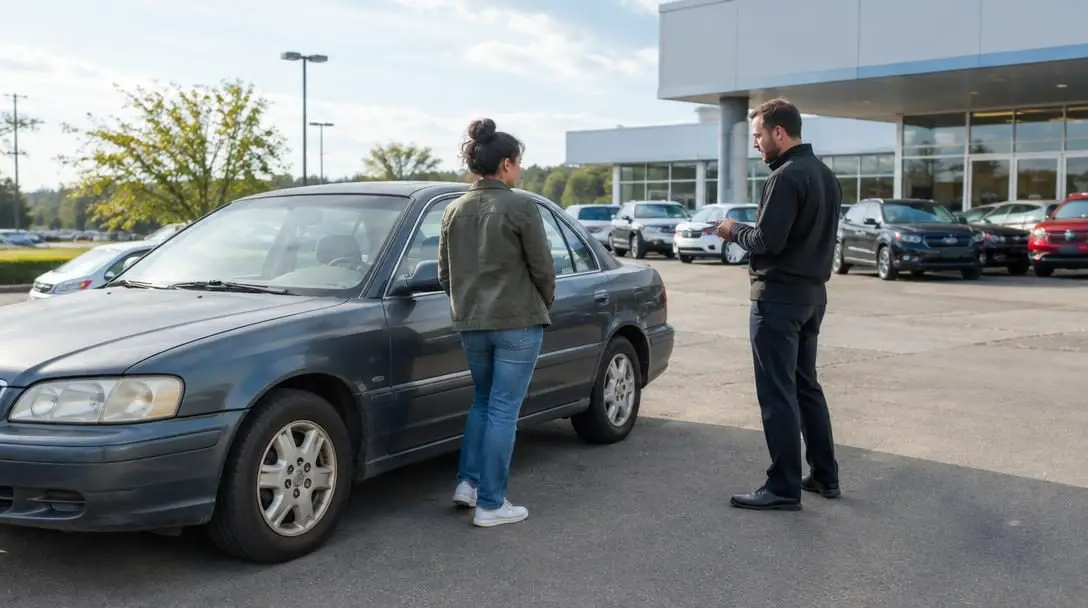
- Negotiate the appraisal: Present your vehicle for inspection, review the dealership's trade-in offer, and use your market research to negotiate the trade allowance.
- Apply the equity to your purchase: Direct the dealership to apply the agreed-upon trade value directly against the purchase balance of your replacement vehicle, lowering your loan amount or covering your required down payment.
Common Mistakes to Avoid
Sellers and trade-in customers regularly surrender hundreds or thousands of dollars by making avoidable mistakes during the transaction process. Keeping these common pitfalls in mind protects your financial interests throughout negotiations:
- Neglecting vehicle appearance: Presenting an unwashed car with trash in the cabin or pet odors leads buyers and appraisers to assume the engine and transmission were equally neglected.
- Failing to research worth beforehand: Arriving at a lot or meeting a buyer without objective valuation printouts leaves you susceptible to lowball offers.
- Overlooking premium vehicle options: Forgetting to list add-ons such as satellite radio, power packages, or a sunroof can cause you to leave significant money on the table.
- Allowing buyers to exaggerate cosmetic defects: Yielding to claims that superficial paint chips or faint upholstery wear warrant major price cuts costs you unnecessary cash.
- Accepting the first trade-in quote: Assuming all dealers offer uniform trade allowances prevents you from discovering higher offers at competing locations.
- Forgetting post-sale administrative duties: Failing to report the title transfer to the DMV or forgetting to cancel your insurance policy exposes you to continuing liability and policy costs.
Frequently asked questions
Can I trade in a vehicle if I still owe money on the loan?
Yes. The dealership can contact your lender to obtain the payoff amount, pay off the remaining balance, and apply any remaining positive equity toward your next vehicle's purchase price or down payment.
Where can I find the official market value of my car?
Independent automotive valuation platforms like Kelley Blue Book and Edmunds provide widely recognized market values based on real-time transaction data, regional trends, condition, and optional equipment.
Where should I advertise my car for a private sale?
Accessible digital platforms such as Facebook Marketplace and Craigslist provide broad local reach, while paid classified listings in regional print newspapers can help you connect with additional local buyers.
Why is a trade-in offer usually lower than a private sale price?
Dealerships purchase vehicles at wholesale rates because they must invest money into detailing, mechanical reconditioning, and safety inspections, while preserving a reasonable profit margin when the car is resold.
What should I do immediately after finalizing a private sale?
Go to your local department of motor vehicles agency to document the official ownership transfer, hand over the title and keys only after secure payment is received, and contact your insurance provider to cancel the vehicle's policy.
The bottom line
Deciding whether to sell your car privately or trade it in at a dealership depends on how you value your time versus the vehicle's net dollar return. A private sale demands hands-on effort, marketing, and negotiation, but rewards you with the full retail market price. In contrast, trading in offers an efficient, single-stop solution that reduces your next loan amount and offloads title paperwork to the dealer.
Regardless of which method you select, doing your homework is key. Wash the vehicle thoroughly, organize maintenance and title records, list all premium options, and research pricing benchmarks through tools like Edmunds and Kelley Blue Book. Entering negotiations with clear market data ensures you receive fair value for your car and smoothly transition into your next ride.