Pros and Cons of Leasing vs Buying a Car
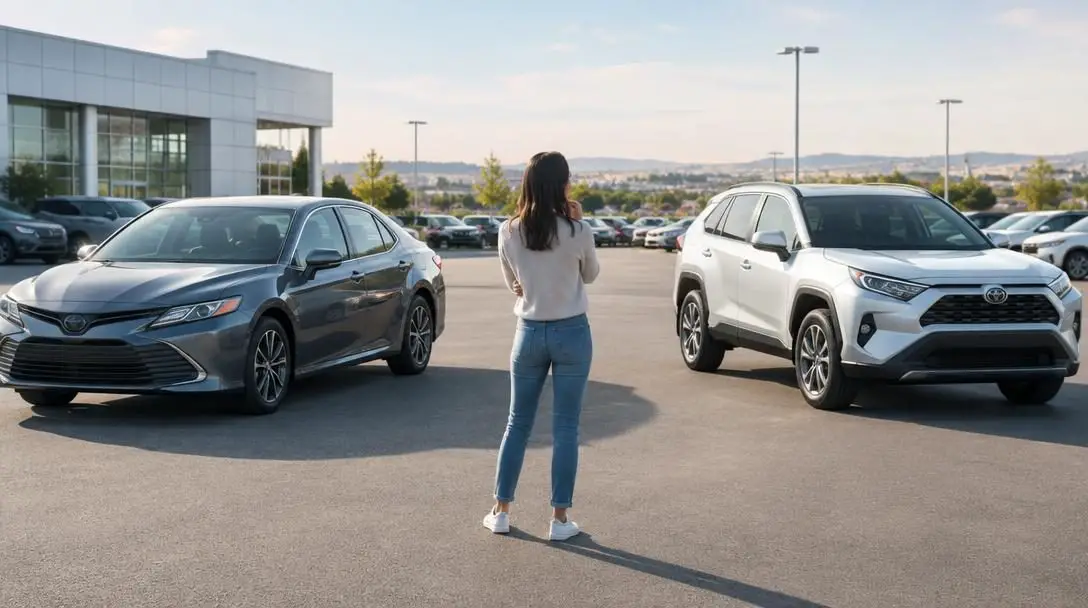
Acquiring a vehicle represents one of the most substantial financial commitments most people will make outside of housing. Historically, obtaining personal transportation meant saving money to buy an automobile outright or securing an auto loan through a bank or dealership to finance the purchase over several years. However, the modern automotive market offers an alternative that has gained widespread popularity: vehicle leasing.
Both methods provide access to reliable transportation, yet they treat the financial arrangement and the nature of possession in fundamentally different ways. Deciding between buying and leasing is not merely a mathematical exercise; it requires balancing short-term cash flow against long-term asset accumulation, assessing driving habits, and evaluating personal risk tolerance.
Key takeaways
- Leasing functions as a long-term rental contract that offers lower monthly payments and factory warranty coverage in exchange for zero equity.
- Buying requires higher upfront and monthly expenditures but builds valuable ownership equity and provides unlimited mileage.
- Lease agreements enforce strict annual mileage limits and demand that drivers return the automobile in clean, undamaged condition.
- Full ownership leaves the driver responsible for vehicle depreciation, fluctuating resale values, and out-of-pocket repair costs once warranties expire.
- Tax deductions for business use, daily commute distance, and long-term driving habits should determine whether you lease or purchase.
How Vehicle Leasing and Financing Work Financially
To evaluate these two avenues, it is essential to understand the underlying mechanics of how leases and purchases are structured financially. When you purchase a vehicle, whether paying in full with cash or using an installment loan, you are paying for the entire purchase price of the automobile, in addition to applicable taxes, registration fees, and finance charges. If you take out an auto loan, each monthly payment is split between the principal balance and the interest assessed by the lender. Over time, as the principal balance decreases, your ownership stake grows. Once the loan is paid off in full, you hold the vehicle title outright, free and clear of any lien. The vehicle becomes an asset you can keep indefinitely, sell privately, or trade in toward another car whenever you choose.
Leasing operates under a completely different financial framework. Rather than paying off the total value of the vehicle, a lease is essentially a long-term rental contract, typically lasting two to three years. Your monthly lease payments are designed to cover only the estimated depreciation of the automobile during the period you drive it, alongside interest fees (often called the money factor) and administrative charges.
Because you are only paying for the expected loss in value rather than the whole vehicle, your monthly obligations do not contribute toward ownership equity. At the conclusion of the lease term, the vehicle is returned to the leasing company, unless you opt to purchase it outright for that predetermined residual amount.
Leasing allows you to pay solely for the depreciation you consume, while buying transforms monthly debt payments into permanent ownership equity.
The Key Advantages of Leasing a Car
Leasing has become an attractive option for many motorists due to its distinct short-term financial and lifestyle advantages. Drivers who prefer predictable expenses and newer technology often gravitate toward this model.
Lower Monthly Payments
One of the main advantages of leasing a car is that the monthly payments are typically lower than buying a car. Because you are solely paying for the vehicle depreciation over a brief period rather than amortizing the entire purchase price, the regular cash demand on your monthly budget remains significantly lower than an equivalent auto loan payment.
Limited Maintenance Costs
Another primary benefit of leasing a car is that maintenance and repair costs are often limited. Because most lease contracts run for two to three years, the automobile typically remains under the original manufacturer warranty for the entire duration of your possession. Drivers are largely shielded from unexpected out-of-pocket costs tied to major mechanical breakdowns.
Flexibility in Vehicle Choices
Leasing provides notable flexibility regarding vehicle options. Because monthly installments are based solely on projected depreciation, motorists can often choose a higher-end car model, an elevated trim package, or advanced convenience features that might have been unaffordable through conventional vehicle financing.
Lower Initial Down Payment
Leasing an automobile often requires a lower initial payment compared to purchasing. Many retail lease programs require modest upfront cash down, allowing drivers to acquire reliable transportation while keeping their cash reserves intact.
Tax Benefits for Business Use
If you use your leased vehicle for business purposes, you may be eligible for helpful tax deductions. Depending on how much the vehicle is driven for commercial or work activities, tax relief can often be claimed on lease payments, operational mileage, and routine maintenance costs.
The Notable Drawbacks of Leasing a Car
Despite its financial appeal, leasing introduces rules and contractual commitments that do not apply to full vehicle ownership. Drivers must navigate several restrictions to avoid costly lease-end penalties.
Strict Mileage Restrictions
One of the main disadvantages of leasing a car is that there are strict mileage restrictions written into the contract. Most agreements establish an annual mileage allowance, and exceeding that threshold triggers substantial per-mile fees when the vehicle is returned to the dealership.
No Equity or Ownership
When you lease a car, you do not own it. Because you are effectively renting the asset for a set window, you do not build any equity over time. When the contract ends and the car is turned in, you walk away with zero financial interest in the asset.
Additional Fees and Charges
Lease agreements frequently carry administrative costs that buyers avoid. These can include initial acquisition fees, disposition charges assessed when handing the keys back, and mandatory lease turn-in fees that add to the aggregate cost of the contract.
Obligation to Maintain Good Condition
Leasing contracts require drivers to return the car in clean, working condition. Lessees are directly responsible for any physical damages, scratched wheels, stained upholstery, or neglected mechanical issues that exceed standard allowances, resulting in unexpected excess wear and tear penalties.
No Personal Customization
Because the car belongs to the leasing company, you cannot make any significant changes to the vehicle's appearance or mechanical features. Modifications such as aftermarket exhaust kits, non-factory wheels, custom stereos, or paint alterations are strictly prohibited.
The Key Advantages of Buying a Car
Purchasing an automobile—whether new or used—remains the standard path for many consumers because of the enduring freedom and long-term financial security that accompany full ownership.
Complete Ownership and Equity Accumulation
One of the most significant advantages of buying a car is that you own it, building genuine equity as loan installments pay down the principal balance. Once the loan is settled in full, the car is yours completely, serving as an asset that can be kept payment-free, sold privately, or applied toward a future trade-in.
No Mileage Restrictions
When you purchase a vehicle, you are free to drive as much as you want without worrying about contractual mileage penalties. Whether you have an extensive daily commute or frequently take long-distance road trips, ownership eliminates the anxiety of tracking every odometer reading.
Complete Freedom to Customize
Car ownership allows you to personalize your vehicle to match your exact tastes. You can alter the aesthetic trim, install upgraded audio systems, mount custom roof racks, or make performance modifications without needing approval from a third-party lender.
No Penalties for Wear and Tear
Vehicles naturally sustain door dings, rock chips, and interior wear over time. As an owner, you will never face penalty charges for normal wear and tear when you decide to transition to a different car.
Superior Long-Term Cost Savings
While purchasing typically demands higher upfront funds and larger monthly installments during the loan repayment phase, it usually yields substantial long-term cost savings. Once the loan is cleared, you can drive the car for years without any recurring car note, sharply reducing your total transportation expenditures.
The Notable Drawbacks of Buying a Car
Car ownership also carries notable financial obligations and risks that buyers must prepare to shoulder throughout the life of the vehicle.
Higher Upfront Costs
One of the main disadvantages of buying a car is that it requires a significantly higher upfront financial commitment. Buyers are responsible for financing or paying cash for the entire cost of the car, including the full purchase price, comprehensive state sales taxes, registration fees, and lender documentation costs.
Higher Monthly Loan Payments
Purchasing an automobile results in higher monthly payments compared to leasing an equivalent model. Because loan amortizations cover the total value of the vehicle rather than just a two-to-three-year depreciation segment, your monthly cash requirement is considerably steeper.

Higher Insurance Costs
Owning a vehicle can result in higher insurance costs compared to leasing. Because the buyer assumes complete liability for the asset's overall value, collision and comprehensive coverage requirements can be structured differently, occasionally demanding greater insurance outlays.
The Impact of Vehicle Depreciation
When you purchase an automobile, you shoulder the direct financial hit of market depreciation. As vehicles age and accrue mileage, their resale values drop. Should you choose to sell or trade the vehicle down the line, a sudden market slump can reduce the cash value you recover.
Uncapped Maintenance and Repair Costs
When you own a car, you are solely responsible for all maintenance, servicing, and repair costs. Once the original factory warranty expires, any major engine, electrical, or transmission failures must be paid entirely out of pocket, creating variable and unpredictable ownership costs.
At a Glance: How Leasing and Buying Compare
Understanding the operational and financial distinctions between acquiring a car via a lease, a loan, or an outright cash purchase helps clarify which method fits your current cash flow.
| Comparison Factor | Vehicle Lease | Auto Loan Purchase | Cash Purchase |
|---|---|---|---|
| Ownership Status | Lessor holds title; zero equity | Lender holds lien; buyer gains equity | Immediate, 100% full ownership |
| Monthly Payment Level | Lower; covers depreciation only | Higher; covers entire loan principal | None; paid in full upfront |
| Upfront Financial Requirement | Modest; first payment and fees | Moderate to high; down payment required | Maximum; entire vehicle price |
| Mileage Freedom | Strict contractual limits apply | Unlimited miles | Unlimited miles |
| Wear and Tear Policies | Penalties assessed for damage | No return penalties or restrictions | No return penalties or restrictions |
| Repair and Maintenance Risk | Shielded by original warranty | Full responsibility after warranty | Full responsibility after warranty |
Step-by-Step Guide to Choosing Between Leasing and Buying
Navigating the showroom or reviewing financing agreements can feel complex. Following an organized series of practical steps will help clarify which route aligns with your budget and lifestyle.
- Calculate your true annual driving distance: Review your daily commutes, regular weekend travel, and planned road trips over the course of a normal year. If your annual mileage consistently trends higher than standard lease contracts allow, buying eliminates the risk of expensive excess mileage charges at lease end.
- Assess your monthly and upfront cash flow: Determine what you can realistically afford to pay up front on the day of delivery, as well as the monthly payment your ongoing budget can comfortably accommodate. If keeping your immediate monthly payments low is paramount, look closely at lease terms; if your goal is eventual relief from monthly car notes, look at loan structures.
- Evaluate business use and tax potential: If the vehicle will be dedicated to business activities, speak with an accountant or tax advisor to determine whether writing off monthly lease payments, mileage, and maintenance provides greater tax relief than depreciating a purchased vehicle asset over multiple tax years.
- Determine your tolerance for vehicle age and upkeep: Ask yourself whether you prefer driving a vehicle that is always protected under a manufacturer warranty, or if you are comfortable managing out-of-pocket maintenance and repair costs once an automobile ages past standard factory coverage limits.
- Check vehicle turn-in habits and customization needs: Decide if you prefer altering your vehicle with aftermarket parts, upgraded wheels, custom paint, or specific interior modifications. If customizing is a priority, focus on buying. If you prefer returning a car every two to three years for an updated model, leasing will offer a smoother process.
Costly Pitfalls and Mistakes to Avoid
Consumers often encounter financial surprises when acquiring a vehicle due to misunderstandings about contractual terms. Avoiding these common mistakes can protect your wallet:
- Underestimating annual mileage on a lease: Agreeing to an unrealistically low mileage limit to secure a lower monthly lease payment is a frequent trap. Drivers who exceed these caps face substantial per-mile penalties when the car is returned.
- Neglecting lease-end return conditions: Returning a leased vehicle with door dings, stained seats, or scratched wheels can trigger steep excess wear and tear charges. Leaseholders must remember that the obligation to maintain the vehicle in good condition is strictly enforced at inspection time.
- Failing to account for out-of-warranty maintenance when buying: Buyers often look exclusively at the monthly loan payment while forgetting that older vehicles inevitably require out-of-pocket maintenance and repairs once factory warranties expire.
- Overlooking miscellaneous acquisition and disposition fees: A lease agreement often involves administrative expenses such as acquisition fees at signing and disposition fees when turning the vehicle back in. Forgetting to factor these into the total cost equation can skew comparisons against buying.
- Treating a lease like true ownership: Making irreversible modifications, using non-standard replacement parts, or skipping required factory service intervals can lead to breaches of lease contracts, resulting in heavy financial penalties.
Practical Next Steps Before Signing an Agreement
Once you have balanced the pros and cons of both options, take deliberate steps before signing any final paperwork. First, gather quotations for both options on the specific make and model you desire. Compare the total cost of a three-year lease—including the down payment, all monthly obligations, acquisition costs, and anticipated turn-in fees—against the total expenditure of purchasing the same vehicle over an equivalent period.
If purchasing, estimate what the vehicle might be worth in equity after three years to see how much value you retain versus the non-recoverable payments made during a lease. This gives you a clear look at your net cost of transportation.
Next, contact your auto insurance provider to request formal quotes for both financing and leasing that vehicle. Because insurance coverage requirements and rate structures can vary based on whether an automobile is owned outright, financed through an auto lender, or leased through a dealership, knowing these numbers beforehand prevents unexpected monthly expenses.
Finally, inspect your long-term personal and professional trajectory. If you anticipate major life changes in the coming years—such as a growing family, a change in work commute, or a cross-country relocation—consider how an inflexible lease contract or an ongoing purchase loan will adapt to those changes. Evaluating these dynamics early guarantees that your vehicle choice supports your broader lifestyle goals.
Frequently asked questions
Is it financially smarter to lease or buy a car?
Neither option is universally superior; the answer depends on your timeline and priorities. Buying is generally smarter for drivers who keep vehicles for many years, drive high mileage, and want to eliminate monthly payments once the loan is paid off. Leasing is better suited for motorists who prioritize lower monthly payments, prefer driving cars under warranty, and want a new model every two to three years.
What happens if I exceed the mileage limit on a leased car?
If you return a leased car with mileage beyond the contractual allowance, you will be charged an excess mileage fee for every mile driven over the limit. These per-mile fees can add hundreds or even thousands of dollars to your final lease-end settlement.
Can I buy the car at the end of my lease term?
Yes. Most lease agreements give you the contractual option to purchase the vehicle for its predetermined residual value at the end of the term. If the car has performed reliably and its real-world market value is higher than the residual price, buying it can be an advantageous financial move.
Why are monthly payments higher when buying versus leasing?
Monthly loan payments are higher because you are financing the vehicle's entire purchase price, including interest and sales tax, across the loan term. With a lease, your payments cover only the estimated depreciation during the two to three years you use the car, plus administrative fees and interest.
Can I write off vehicle costs on my taxes if I lease?
If you use your leased car for business purposes, you may be eligible to deduct portions of your monthly lease payments, operational mileage, and routine maintenance costs. You should consult a tax professional to calculate whether business lease deductions offer greater savings than vehicle depreciation write-offs.
The Bottom Line
Choosing between leasing and buying comes down to how you balance immediate flexibility against long-term financial equity. Leasing provides a straightforward way to drive modern, warranty-protected vehicles with manageable monthly payments, provided you are comfortable with continuous payments, mileage caps, and returning the car with no residual ownership.
Conversely, buying requires a steeper upfront investment and higher initial loan installments, but it rewards you with complete personal freedom, no mileage boundaries, and the long-term wealth of a paid-off asset. By carefully calculating your annual driving patterns, reviewing your cash flow, and projecting your vehicle needs over the next several years, you can select the vehicle acquisition strategy that best supports your financial health.