Is It Worth It To Go Out Of State For A Cheap Car?
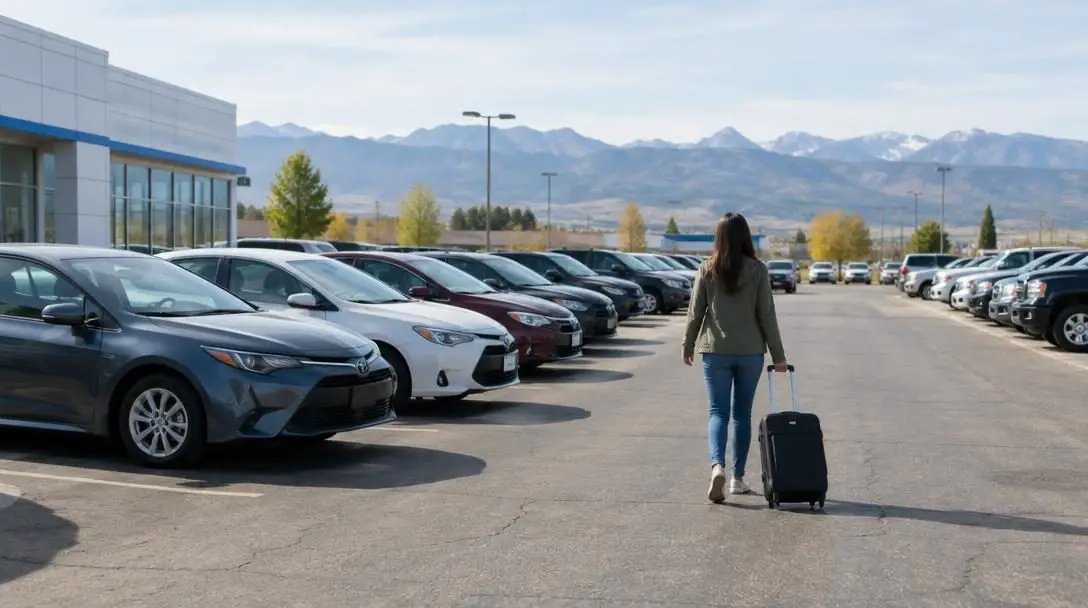
Buying a car represents a major financial decision that directly affects your budget and daily life. With modern digital car-shopping platforms making it effortless to browse dealership inventories across the country, it is increasingly common to discover an appealing vehicle listed hundreds of miles away with a sticker price substantially lower than comparable models in your local market.
While discovering a bargain across state lines can be exciting, navigating a cross-border vehicle transaction introduces unique logistical, financial, and administrative challenges. Before committing to a long-distance purchase, it is vital to understand why these regional price disparities exist, how the out-of-state process works, and whether the potential savings outweigh the added costs and red tape.
Key takeaways
- Regional supply, climate conditions, and local economic factors create genuine price differences between states.
- Purchasing out of state does not exempt you from paying sales tax, which is typically assessed when registering the car in your home state.
- Travel expenses, transit permits, and pre-purchase inspections must be calculated into the vehicle's true total cost.
- Dealership warranties and dispute resolutions become significantly more complicated when dealing with a seller in another jurisdiction.
Why vehicle prices vary across state lines
Automobile markets vary significantly from one geographic region to another. While many shoppers assume vehicle pricing remains uniform across the country, regional economics, climate conditions, state tax policies, and inventory distributions cause notable discrepancies. A vehicle that commands a premium in an area with high buyer demand might sit on a dealership lot in another region for months, compelling sellers in that slower market to discount it heavily.
Modern online inventory tools make these geographic price differences visible to consumers nationwide. A shopper looking for a specific body style or trim may find dozens of options in a neighboring state at lower asking prices. However, while an advertised sticker price may suggest an immediate bargain, cross-border vehicle shopping introduces operational and legal requirements that never arise when completing a transaction at a local dealership.

A vehicle listed hundreds of miles away may look like an immediate bargain, but travel expenses and administrative red tape can quickly wipe out the sticker price difference.
Key advantages of shopping across state borders
Expanding your automotive search beyond your home state offers distinct benefits under the right circumstances. When used strategically, regional market differences can work in your favor.
- Lower initial purchase prices: Dealerships in areas with lower overhead, slower demand, or differing promotional strategies frequently offer competitive discounts to move inventory off their lots.
- Broader selection and inventory: Exploring larger regional automotive markets increases your chances of finding a specific make, model, trim package, or color combination that is unavailable locally.
- Better vehicle condition: Climate differences play a substantial role in long-term wear and tear. Vehicles from states with harsh winter weather face road salt, rust, and corrosion, whereas vehicles from warmer states often experience less structural underbody wear. Furthermore, some states enforce stricter mechanical inspection and maintenance standards.
- Potential tax timing differences: Although registration taxes ultimately apply, purchasing in a state with low or zero sales tax can alter upfront out-of-pocket costs at the point of sale.
Hidden costs and drawbacks of out-of-state purchases
While the initial cost savings on a vehicle sticker price can be tempting, purchasing outside your home jurisdiction carries distinct financial, legal, and operational hurdles that require careful planning.
- Travel and transport overhead: The cost of long-distance vehicle shopping quickly escalates when factoring in round-trip airfare or gas, hotel stays, meals, and the fuel required to drive the car back home. Alternatively, hiring a professional auto-transport service introduces a substantial delivery fee.
- Complex administrative paperwork: Crossing state boundaries shifts the administrative burden to the buyer. You must obtain temporary transit permits to legally drive the vehicle home, transfer the title across state lines, and navigate the bureaucratic requirements of your home department of motor vehicles.
- Limited warranty coverage: Many dealer-backed warranties or service agreements are valid only at the selling dealership or within the state of purchase. If a mechanical breakdown occurs once you return home, your local repair shops may not honor the coverage.
- Difficult dispute resolution: Resolving consumer grievances, undisclosed damage claims, or contractual disputes across state lines is complicated. If a major legal issue arises, pursuing a claim often requires traveling back to the jurisdiction where the car was purchased.
Local vs. out-of-state car buying at a glance
| Factor | Local dealership purchase | Out-of-state purchase |
|---|---|---|
| Purchase price | Tied strictly to local market demand and supply | May offer significant regional discounts and incentives |
| Vehicle inventory | Limited to local dealer networks and regional lots | Access to wider national inventory and rare configurations |
| Travel expenses | Minimal local driving costs | Requires lodging, airfare, meals, and long-distance fuel |
| Registration process | Dealer handles titling, permits, and tax collection | Buyer often coordinates trip permits and dual-state titling |
| Warranty servicing | Convenient service at the local selling dealer | Dealer-specific warranties may be invalid out of state |
| Dispute resolution | Straightforward resolution in local small claims or courts | Complicated legal recourse requiring return travel |
Step-by-step guide to buying a car out of state
If you determine that an out-of-state vehicle deal provides genuine financial savings even after accounting for logistics, following a structured sequence helps prevent costly administrative mistakes.
- Calculate the true total cost: Add the advertised vehicle price to all anticipated secondary expenses. Include round-trip travel, hotel accommodations, meals, highway tolls, fuel for the return trip, transit permit fees, and your home state's sales tax. Compare this comprehensive figure against the cost of buying a comparable car locally.
- Contact the seller directly: Speak with the dealership or private seller to confirm that the car is physically present on the lot and matches its online listing. Ask detailed questions regarding their experience with out-of-state paperwork, title transfer turnaround times, and temporary transit permits.
- Review the vehicle history report: Obtain a detailed report using the vehicle identification number to examine accident records, previous ownership history, title status, and documented maintenance intervals.
- Order an independent pre-purchase inspection: Contract an independent mechanic near the vehicle's location to inspect the powertrain, suspension, electrical systems, and underbody for rust or concealed collision damage before you commit to the purchase.
- Verify warranty portability: Carefully read any existing factory or dealership warranty agreements to confirm whether repairs can be completed by certified mechanics in your home state, or if coverage requires returning to the original selling dealer.
- Secure transit documents and insurance: Confirm that the seller or local motor vehicle agency can issue a legal temporary registration or trip permit. Call your auto insurance provider with the vehicle identification number to establish active policy coverage before operating the car on roadways.
- Finalize titling and registration at home: Upon arriving home, visit your local motor vehicle agency with the bill of sale, the signed out-of-state title, proof of insurance, and any required inspection documents. Settle your home state's sales tax and receive your permanent registration and plates.
Crucial considerations before committing to a purchase
Conducting comprehensive research before traveling prevents unpleasant surprises once you arrive. Ensure you evaluate the following elements carefully:
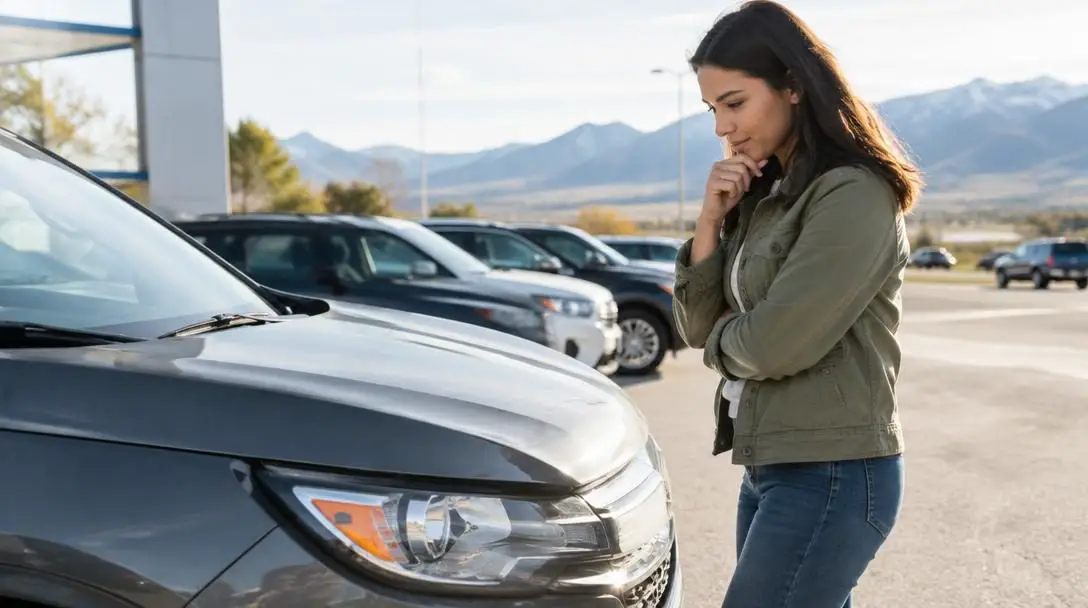
- Seller reputation: Research dealership reviews across multiple platforms and consult the Better Business Bureau. For private transactions, ask for references or documentation verifying the seller's identity and clean ownership of the title.
- Dual-state legal compliance: Motor vehicle regulations differ significantly from one state to another. You must adhere to the transit and temporary licensing rules of the state where the vehicle is bought, as well as the safety inspections, emissions mandates, and titling guidelines of your home state.
- Vehicle inspection standards: Never waive an independent mechanical assessment simply because the car appears pristine in digital photos. A qualified local mechanic can identify safety issues, improper modifications, or rust that photographs easily conceal.
Common mistakes to avoid when crossing state lines
Shoppers often encounter unnecessary expenses and delays because they assume motor vehicle transactions operate identically across all jurisdictions. Avoid these standard missteps:
- Assuming out-of-state purchases are tax-free: A persistent myth suggests that purchasing a vehicle in a state with low or no sales tax allows you to avoid taxes permanently. In reality, your local motor vehicle department will assess and collect your home jurisdiction's applicable sales or use tax before issuing your permanent license plates.
- Neglecting mechanical inspections: Trusting the seller's assurances without paying for an objective pre-purchase inspection often results in discovering mechanical flaws only after you have driven hundreds of miles away from the seller.
- Underestimating travel overhead: Focusing exclusively on the lower sticker price while disregarding travel expenses can turn a supposed bargain into an overpriced acquisition.
- Ignoring local title transfer procedures: Failing to verify whether your home state requires specific notarizations, physical vehicle identification number verifications, or specific emissions certificates can leave your vehicle unregistered for weeks.
- Presuming dealer perks travel home: Many dealer incentives—such as lifetime oil changes, in-house powertrains warranties, or loaner car privileges—apply solely at the selling facility.
Frequently asked questions
Do I have to pay sales tax twice if I buy a car out of state?
No, you generally do not pay double sales tax. If the selling state collects sales tax at the time of purchase, your home state usually grants a tax credit for the amount already paid. If the selling state has no tax or does not collect it from non-residents, you will pay your full home state sales tax rate when registering the vehicle locally.
How do I legally drive an out-of-state car back home?
To drive the vehicle legally across state lines, you must obtain a temporary registration or trip permit from the selling state or dealership, and verify that your personal auto insurance policy actively covers the new vehicle for the drive home.
Can I use a dealer warranty at my local mechanic?
It depends on the warranty type. Manufacturer-backed factory warranties are honored at authorized franchise dealerships nationwide. However, third-party service contracts or dealer-specific warranties offered by independent used-car lots often require you to bring the vehicle directly to their own repair shop.
What happens if the out-of-state car fails my home state inspection?
If the vehicle fails your home state's safety or emissions inspection, you are responsible for paying for the necessary repairs to bring it into compliance before your local motor vehicle agency will issue a permanent registration and license plates.
Is it possible to return an out-of-state car if I find a problem later?
Returning an out-of-state car is extremely difficult. Most used cars are sold under as-is agreements, and resolving consumer protection disputes or legal claims across state borders requires significant time, legal representation, and potentially returning to the state where the transaction occurred.
The bottom line
Purchasing a cheap car out of state can be a worthwhile strategy if you are shopping for a rare vehicle configuration, searching for a car free from regional winter rust, or saving thousands of dollars below local pricing. However, the sticker price alone does not reflect your true investment.
Before moving forward, tally the total financial investment—including fuel, lodging, transit permits, inspection costs, and home sales taxes. Balance those monetary and logistical costs against the potential inconvenience of handling out-of-state paperwork and remote warranty claims. If the math still demonstrates clear savings and the vehicle passes a rigid independent inspection, expanding your car search across state borders can deliver exceptional value.