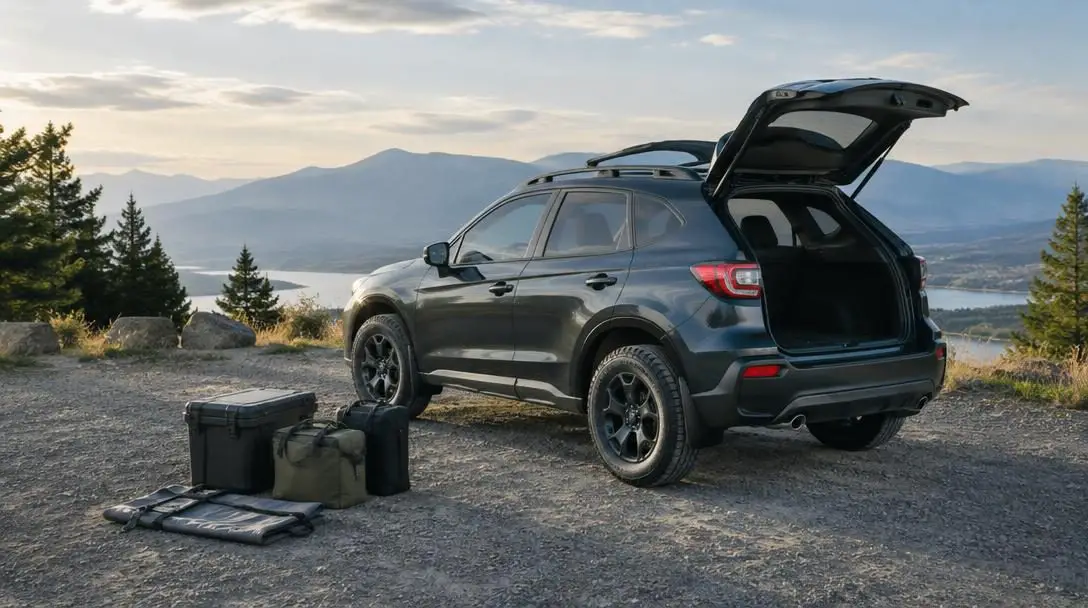
Finding The Most Fuel-Efficient Cars For Your Budget

Gasoline prices remain one of the most volatile and burdensome line items in the typical household budget. While historical data illustrates that fuel was significantly more affordable in past decades, lasting relief at the filling station is virtually nonexistent. Aside from brief price drops during the economic recession of the late 2000s and the initial shutdowns of the COVID-19 pandemic, retail fuel costs continue an upward trajectory year after year. For the millions of motorists who cannot work remotely and depend entirely on their private automobiles for daily travel, fuel consumption is a recurring, mandatory operational expense.
Although battery-electric models represent an appealing exit strategy from fluctuating pump prices, elevated purchase costs place them out of reach for many shoppers. Because of these financial barriers, identifying standard internal combustion vehicles that extract maximum travel distance from every gallon remains one of the most reliable and immediate ways to manage transportation overhead.
Key takeaways
- Volatile gasoline prices make maximizing fuel efficiency an essential strategy for lowering ongoing commuting costs.
- Budget-conscious drivers can secure up to 37 miles per gallon in standard gasoline models priced under $21,000.
- Mid-range cars between $20,000 and $30,000 provide an optimal balance of modern cabin amenities, safety tech, and high mileage.
- Select premium sedans demonstrate that refined luxury and quiet ride quality can coexist with efficiency figures above 32 miles per gallon.
- Affordable electric vehicles offer driving ranges up to 258 miles for motorists ready to transition away from petroleum entirely.
The Mechanics of Internal Combustion Efficiency
Fuel efficiency measures the distance a vehicle travels per unit of consumed fuel, universally expressed as miles per gallon. Achieving elevated fuel economy requires automotive engineers to coordinate engine displacement, overall curb weight, transmission gearing, and aerodynamics. When an internal combustion engine draws minimal fuel to propel a lightweight chassis, operating efficiency rises dramatically.
Modern non-hybrid powertrains optimize this process without relying on secondary electric traction motors. Automakers design sleek exterior profiles to minimize aerodynamic drag, ensuring vehicles slice through wind resistance at highway speeds with minimal energy expenditure. Concurrently, lightweight structural materials reduce chassis mass, and sophisticated transmissions keep the engine spinning within its most efficient operating band. Conversely, electric cars replace petroleum combustion with battery packs, calculating performance via driving range per complete charging cycle.
Identifying standard gas-powered cars that maximize fuel economy remains one of the most effective strategies for keeping transportation costs under control.
Top Entry-Level Gas Cars Under $20,000
The entry-level automotive market serves budget-focused motorists seeking economical transit without onerous financing terms. These vehicles deliver outstanding mileage alongside sub-$20,000 base pricing.
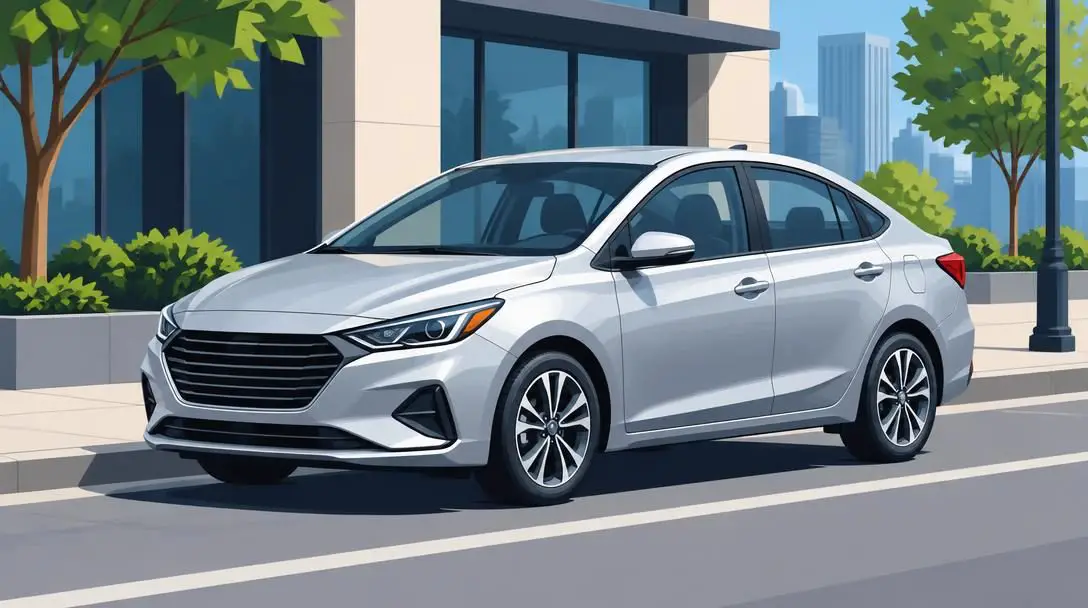
Nissan Versa
- Starting Price: Under $16,000
- Average Efficiency: 36 mpg
- Market Designation: Subcompact sedan
The Nissan Versa delivers exceptional financial value for entry-tier shoppers. Priced below $16,000 in its base trim, the Versa attains an average fuel rating of 36 miles per gallon. Its low acquisition cost paired with modest running expenses makes it an ideal option for value-minded commuters.
Mitsubishi Mirage

- Starting Price: $17,450
- Distinction: Most fuel-efficient in segment
- Market Designation: Compact hatchback
The Mitsubishi Mirage holds the title as the most fuel-efficient gas-only vehicle in the under-$20,000 category. Engineered with a lightweight structural footprint and a compact chassis, the $17,450 Mirage is tailored for city drivers who want to keep fuel consumption to an absolute minimum.
Kia Rio
- Starting Price: $17,875
- Average Efficiency: 36 mpg
- Market Designation: Subcompact car
Priced at $17,875, the Kia Rio matches the higher end of entry-level fuel economy by returning an average of 36 miles per gallon. It combines dependable assembly quality with thoughtful cabin ergonomics, demonstrating that lower-priced commuter cars can deliver mileage that rivals far more expensive alternatives.
Nissan Sentra
- Starting Price: $18,495
- Average Efficiency: 35 mpg
- Market Designation: Compact sedan
Serving as a slightly larger sibling to the Versa, the Nissan Sentra enters the market at $18,495 while returning a respectable 35 miles per gallon. It grants buyers added interior space and cabin comfort while preserving a wallet-friendly entry price beneath the $20,000 threshold.
Mid-Range Commuter Vehicles Between $20,000 and $30,000
The $20,000 to $30,000 price window represents the core of the passenger vehicle market. Shoppers browsing this bracket benefit from upgraded safety features, quieter interiors, modern infotainment screens, and robust fuel efficiency.
Kia Forte
- Starting Price: $20,815
- Average Efficiency: 34 mpg
- Market Designation: Compact sedan
The Kia Forte sets the financial baseline for the mid-tier segment at $20,815. Delivering 34 miles per gallon, it incorporates contemporary exterior styling, practical passenger volume, and dependable daily performance to keep monthly financing payments manageable.

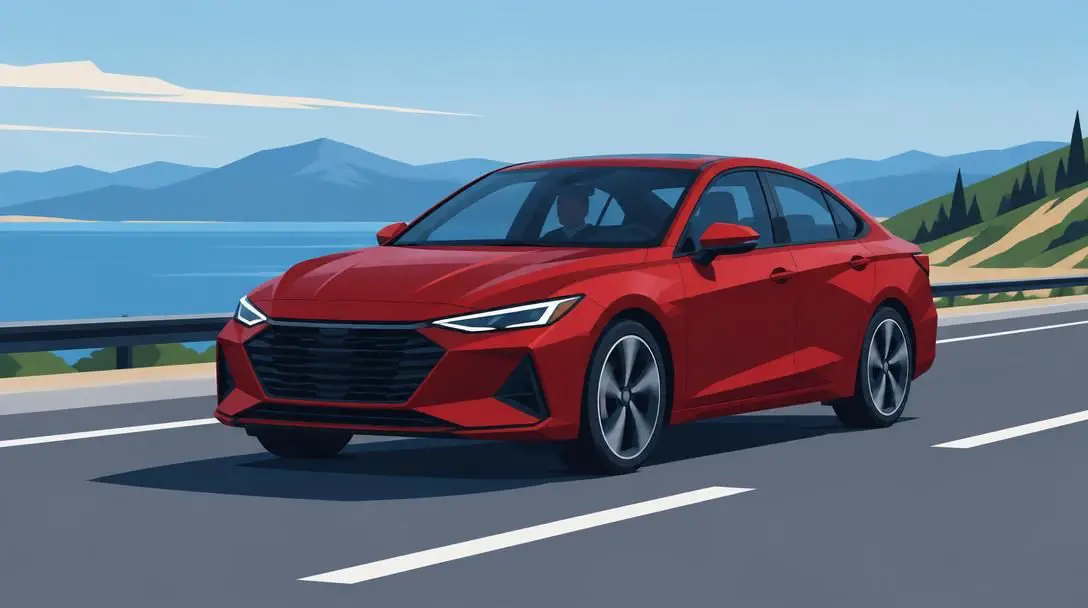
Hyundai Elantra
- Starting Price: $20,950
- Average Efficiency: 37 mpg
- Distinction: Class-leading fuel economy
With an entry figure of $20,950, the Hyundai Elantra provides class-leading non-hybrid fuel economy of 37 miles per gallon. Its sharp exterior sheet metal and highly efficient internal combustion engine make it an extraordinary highway cruiser for high-mileage drivers.
Volkswagen Jetta
- Starting Price: $22,550
- Average Efficiency: 35 mpg
- Market Designation: Compact sedan
Priced at $22,550, the Volkswagen Jetta remains under the $23,000 barrier while securing 35 miles per gallon. It appeals to commuters looking for composed highway manners and European driving dynamics without inflating fuel or purchase costs.
Toyota Corolla

- Starting Price: $22,650
- Average Efficiency: 35 mpg
- Market Designation: Compact sedan
The Toyota Corolla matches the Jetta's fuel rating with an average of 35 miles per gallon at a starting price of $22,650. Revered for its long-term durability and strong resale value, the Corolla remains a foundational choice for drivers seeking reliable, cost-effective ownership.
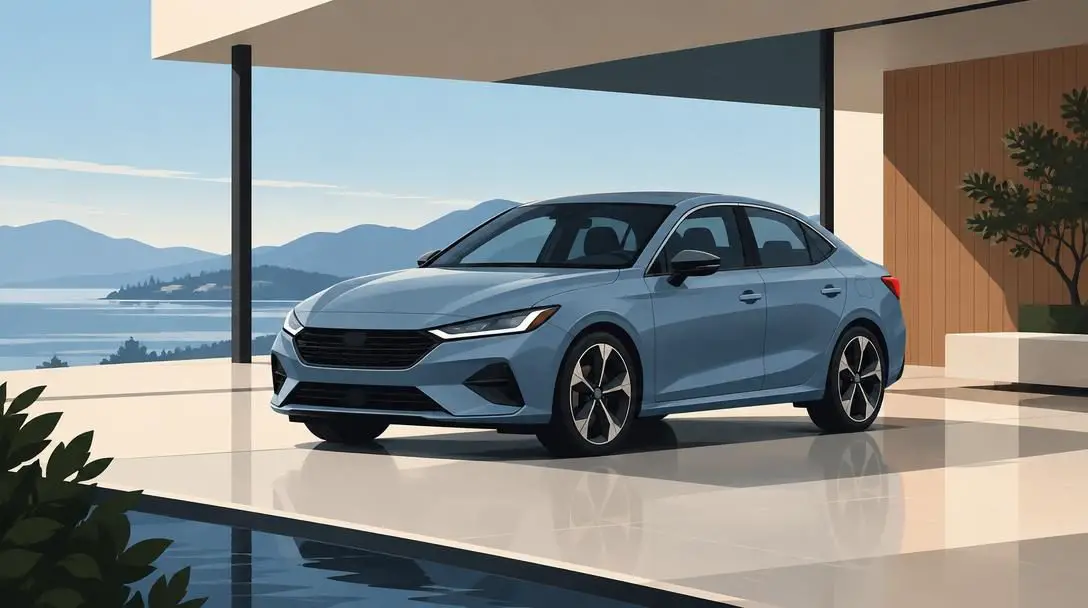
Honda Civic
- Starting Price: $27,550
- Average Efficiency: 36 mpg
- Market Designation: Compact sedan
Occupying the upper tiers of the mid-range bracket at $27,550, the Honda Civic returns 36 miles per gallon. It rewards drivers with crisp steering dynamics, refined interior finishes, and long-standing mechanical reliability.
Mini Hardtop
- Starting Price: $29,900
- Average Efficiency: 33 mpg
- Market Designation: Premium subcompact
Landing just $100 shy of the segment's upper limit at $29,900, the Mini Hardtop yields 33 miles per gallon. It caters to buyers who value agile handling and iconic styling, proving that personality and fuel mindfulness can intersect.
Premium and Luxury Vehicles Over $30,000
Historically, stepping into the luxury vehicle segment meant accepting elevated fuel consumption. Modern engineering has rewritten that assumption, allowing non-hybrid premium cars to exceed 32 miles per gallon through advanced aerodynamics and optimized power delivery.
Acura Integra
- Starting Price: $32,500
- Average Efficiency: 33 mpg
- Market Designation: Entry-luxury liftback
The Acura Integra carries a starting sticker price of $32,500 and achieves 33 miles per gallon. It serves as an accessible gateway into upscale driving, packaging five-door hatchback versatility with engaging road dynamics and conservative fuel use.
Audi A3
- Starting Price: $35,400
- Average Efficiency: 33 mpg
- Market Designation: Subcompact executive sedan
The Audi A3 provides an average of 33 miles per gallon with a base price of $35,400. Featuring high-end cabin materials and cutting-edge cockpit digital displays, it balances brisk performance with sustained fuel economy during protracted highway commutes.
Toyota Crown
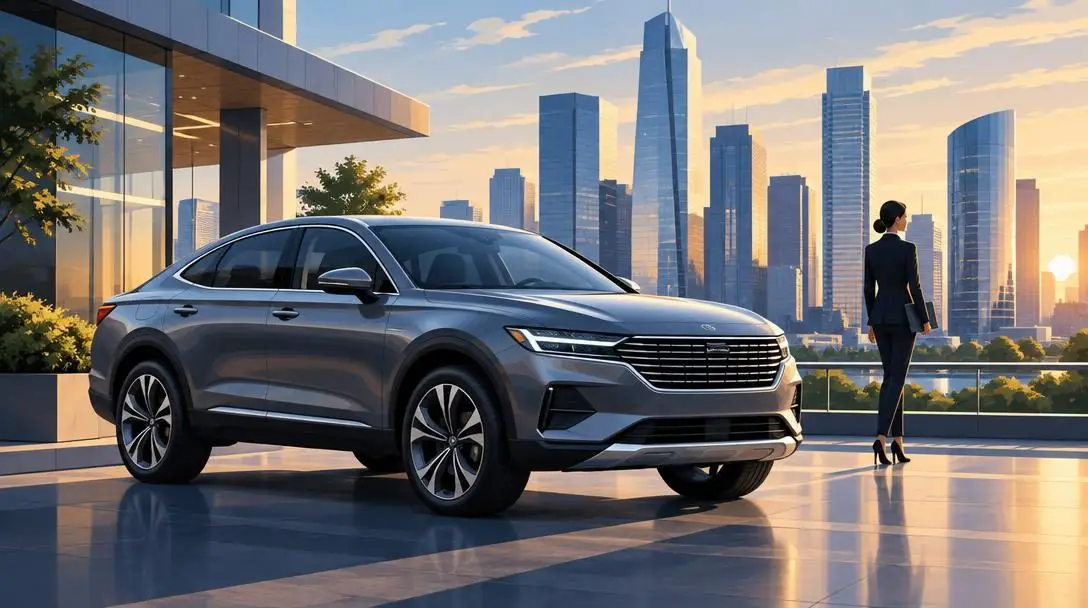
- Starting Price: $41,050
- Highway Efficiency: Up to 41 mpg
- Distinction: Most fuel-efficient luxury choice
Priced at $41,050, the Toyota Crown stands out as the most fuel-efficient vehicle in the luxury tier, achieving up to 41 miles per gallon on highway routes. Its elevated ride height and spacious executive cabin make it a supremely comfortable platform for long-distance cruising.
Lexus ES
- Starting Price: Approximately $43,000
- Average Efficiency: Around 30 mpg overall
- Market Designation: Mid-size luxury sedan
The Lexus ES enters at approximately $43,000, averaging around 30 miles per gallon overall while showing exceptional efficiency along highway corridors. It prioritizes whisper-quiet acoustics, supple seat cushions, and proven engineering integrity.

Zero-Emission Options: Affordable Electric Vehicles
For drivers ready to abandon internal combustion altogether, the electric vehicle market now features accessible entry points. These battery-electric cars eliminate trips to gasoline stations and offer practical driving ranges at manageable price points.
Chevrolet Bolt EV

- Starting Price: Around $27,500
- Total Range: Approximately 250 miles
- Distinction: Most affordable EV on the market
The Chevrolet Bolt EV claims top honors as the most affordable electric car available, starting around $27,500. With an estimated range of roughly 250 miles on a full charge, it provides a turnkey transition into zero-emissions commuting without an exorbitant price tag.
Nissan Leaf

- Starting Price: Under $30,000
- Total Range: 150 to 215 miles
- Market Designation: Electric compact hatchback
Priced under $30,000, the Nissan Leaf offers a range spanning between 150 and 215 miles depending on battery pack selection. As an established electric model, it delivers easy home-charging capabilities and dependable urban utility.
Mini Cooper SE
- Starting Price: $31,900
- Total Range: 114 miles
- Market Designation: Electric subcompact
Entering below $35,000 at $31,900, the Mini Cooper SE provides an electric driving range of 114 miles. Its compact battery pack and sharp handling make it a dedicated city car tailored for short-distance metro travel.
Hyundai Kona EV
- Starting Price: $34,900
- Total Range: Up to 258 miles
- Market Designation: Subcompact electric crossover
The Hyundai Kona EV retails for $34,900 and delivers an expansive driving range of up to 258 miles on a single charge. Combining practical crossover ride height with long-distance battery capacity, it fulfills both weekday commuting and weekend excursion duties.
Comparing Fuel-Efficient Models Across Price Tiers
Evaluating vehicles across distinct budget segments highlights how price, fuel economy, and range correlate across internal combustion and electric powertrains.
| Model | Starting Price | Powertrain | Efficiency / Range |
|---|---|---|---|
| Nissan Versa | Under $16,000 | Gasoline | 36 mpg |
| Mitsubishi Mirage | $17,450 | Gasoline | Highest in sub-$20k tier |
| Kia Rio | $17,875 | Gasoline | 36 mpg |
| Nissan Sentra | $18,495 | Gasoline | 35 mpg |
| Kia Forte | $20,815 | Gasoline | 34 mpg |
| Hyundai Elantra | $20,950 | Gasoline | 37 mpg |
| Volkswagen Jetta | $22,550 | Gasoline | 35 mpg |
| Toyota Corolla | $22,650 | Gasoline | 35 mpg |
| Honda Civic | $27,550 | Gasoline | 36 mpg |
| Mini Hardtop | $29,900 | Gasoline | 33 mpg |
| Chevrolet Bolt EV | Around $27,500 | Electric | ~250 miles |
| Nissan Leaf | Under $30,000 | Electric | 150–215 miles |
| Mini Cooper SE | $31,900 | Electric | 114 miles |
| Acura Integra | $32,500 | Gasoline | 33 mpg |
| Hyundai Kona EV | $34,900 | Electric | Up to 258 miles |
| Audi A3 | $35,400 | Gasoline | 33 mpg |
| Toyota Crown | $41,050 | Gasoline | Up to 41 mpg hwy |
| Lexus ES | Around $43,000 | Gasoline | ~30 mpg overall |
A Step-by-Step Guide to Choosing the Right Commuter Car
Selecting an economical vehicle requires aligning personal travel habits with vehicle specifications. A structured evaluation helps isolate the most cost-effective solution for your commute.
- Audit Your Daily Route: Calculate your total weekly mileage. Motorists facing extended commutes reap the fastest financial return by prioritizing vehicles that achieve 35 miles per gallon or higher.
- Compare Highway Versus City Needs: Analyze where your miles accumulate. Highway commuters benefit from long-wheelbase cruisers like the Toyota Crown or Lexus ES, while city drivers save fuel through lightweight urban runabouts like the Mitsubishi Mirage.
- Establish a Strict Pricing Boundary: Evaluate whether lower payments trump luxury appointments. Sub-$20,000 models like the Nissan Versa or Kia Rio yield fuel economy matching vehicles priced $10,000 to $15,000 higher.
- Evaluate Electric Feasibility: If battery electrics like the Chevrolet Bolt EV or Nissan Leaf fall within your budget, confirm that their driving range capabilities (114 to 258 miles) align with your daily charging availability.
- Test Drive for Comfort and Visibility: Ensure compact architectures like the Mini Hardtop or Kia Forte accommodate your posture and cargo needs comfortably during extended stints behind the wheel.
Pitfalls to Avoid When Shopping for Fuel Economy
Automobile buyers frequently make financial assumptions that undercut long-term fuel savings. Sidestep these common missteps during your vehicle search:
- Assuming High Trim Levels Share the Same Efficiency: Ticking option boxes for oversized alloy wheels, heavy luxury amenities, or aerodynamic accessories can drag down the vehicle's advertised baseline miles-per-gallon figures.
- Focusing Exclusively on Purchase Price: Settling for an inefficient vehicle simply because of a discounted sales price can cost far more in weekly fuel charges than investing in an efficient performer like the Hyundai Elantra.
- Overlooking Vehicle Range Limits: Comparing electric and gas vehicles without reviewing real-world range constraints—such as the Mini Cooper SE's 114-mile radius—can cause logistical headaches during unexpected detour trips.
- Assuming Luxury Cars Lack Efficiency: Premium badges do not automatically denote gas guzzlers. Engineering refinement allows cars like the Acura Integra and Audi A3 to deliver an economical 33 miles per gallon.
Frequently asked questions
Which new gas car offers the highest fuel efficiency under $20,000?
The Mitsubishi Mirage is recognized as the most fuel-efficient entry-level model in the sub-$20,000 tier, starting at $17,450. Drivers seeking a traditional sedan can also look to the Nissan Versa and Kia Rio, which both achieve 36 miles per gallon.
Can luxury sedans achieve more than 30 miles per gallon without a hybrid system?
Yes. Non-hybrid luxury sedans such as the Acura Integra and Audi A3 achieve 33 miles per gallon, while the Toyota Crown reaches up to 41 miles per gallon during highway driving.
What is the most affordable electric car currently available?
The Chevrolet Bolt EV is the most affordable electric vehicle on the market, starting around $27,500 and providing approximately 250 miles of driving range per charge.
Does moving up to a higher vehicle trim level hurt gas mileage?
It can. Higher trim grades frequently incorporate larger wheels, heavier power accessories, and luxury features that add curb weight and increase rolling resistance, reducing the fuel economy seen on lighter base models.
How much driving range can I expect from an entry-level EV?
Entry-level electric models generally span from 114 miles in urban-focused models like the Mini Cooper SE up to 258 miles in options like the Hyundai Kona EV.
The Bottom Line
Continual advancements in internal combustion design, lightweight metallurgy, and battery-electric drivetrains have created an expansive spectrum of efficient vehicles. Whether your target is an ultra-accessible gas runabout priced under $16,000 like the Nissan Versa, a high-efficiency mid-range sedan like the Hyundai Elantra, or a premium cruiser like the Toyota Crown, motorists no longer need to sacrifice comfort or utility to escape excessive fuel bills.
Before entering a dealership, calculate your typical yearly mileage against regional gas prices and identify whether your daily driving aligns with internal combustion or an affordable EV. Taking a methodical approach to base prices, real-world mileage ratings, and route requirements will secure a dependable car that protects your household budget mile after mile.