Selecting The Perfect Accessories To Enhance Your Vehicle
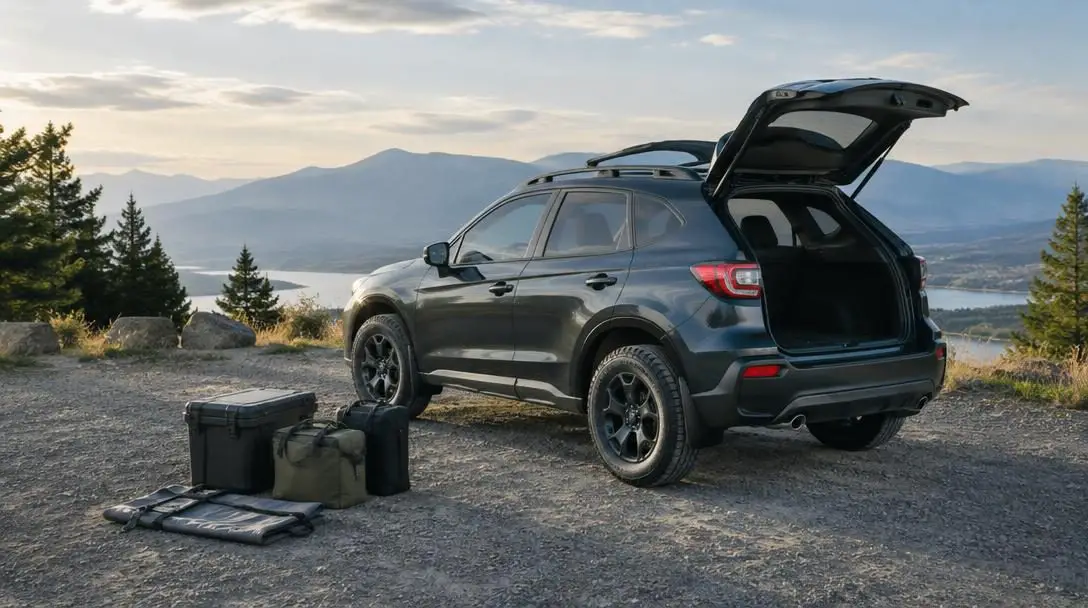
Your vehicle is far more than a basic instrument for daily transportation; it serves as an extension of your personality, a mobile workstation, and a trusted companion for weekend road trips. Because standard automobiles are engineered to suit the generic expectations of the broader public, factory models frequently lack the tailored features necessary to accommodate distinct lifestyles. Integrating specialized automotive accessories bridges the gap between mass-market utility and a truly customized vehicle optimized around your personal habits and preferences.
Whether you aim to bolster your vehicle's cargo capacity, integrate advanced active safety gear, or elevate its overall exterior presence, choosing the right modifications makes a profound difference. Navigating the sheer volume of available add-ons can quickly become overwhelming, making it essential to understand how different components function, how they interact, and how to execute a thoughtful upgrade plan that protects your investment over the long haul.
Key takeaways
- Automotive accessories fall into three foundational categories: utility-focused functional gear, active safety electronics, and aesthetic styling components.
- Thoroughly verifying make, model, and trim compatibility prevents structural damage, improper fitment, and costly returns.
- Complex electrical accessories require methodical installation or certified professional fitting to prevent vehicle wiring faults.
- Planning modifications in prioritized phases prevents physical interference between accessories and keeps your overall budget manageable.
Essential Accessory Categories and How They Work
Every automotive upgrade serves a specific mechanical, protective, or visual purpose. To design a cohesive vehicle build, you must first understand how distinct components operate on your vehicle platform and how they work in harmony with existing factory hardware.
| Accessory Type | Core Category | Primary Function | Mounting Location |
|---|---|---|---|
| Cargo Carriers | Functional | Expands external luggage storage capacity | Roof rails and crossbars |
| Bike Racks | Functional | Transports recreational bicycles externally | Hitch receiver or roof bars |
| Backup Cameras | Safety | Eliminates blind areas when reversing | Rear bumper or tailgate latch |
| Parking Sensors | Safety | Emits warnings as obstacles approach | Front and rear bumper fascias |
| Alloy Wheels | Aesthetic | Alters stance and enhances wheel design | Wheel hubs and wheel wells |
| Aerodynamic Spoilers | Aesthetic | Refines vehicle body lines and profile | Trunk lid or rear roofline |
Roof Racks and Cargo Carriers
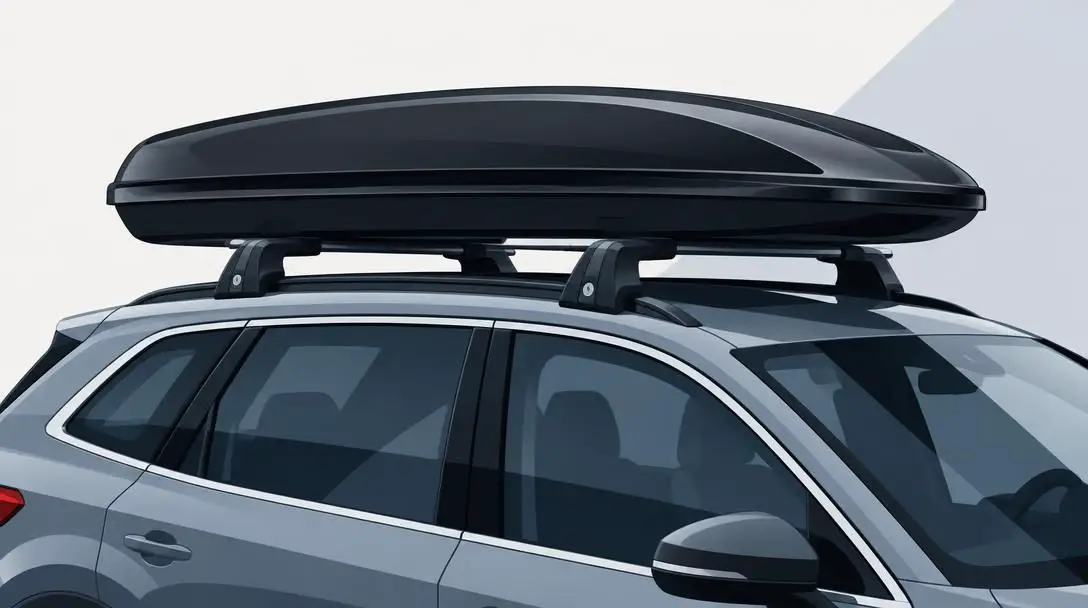
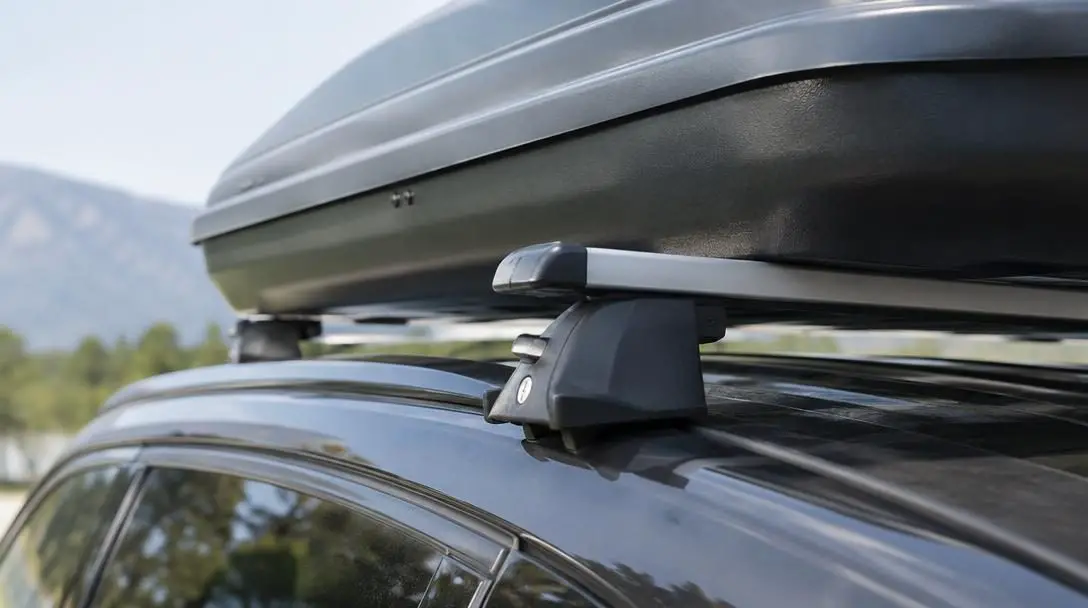
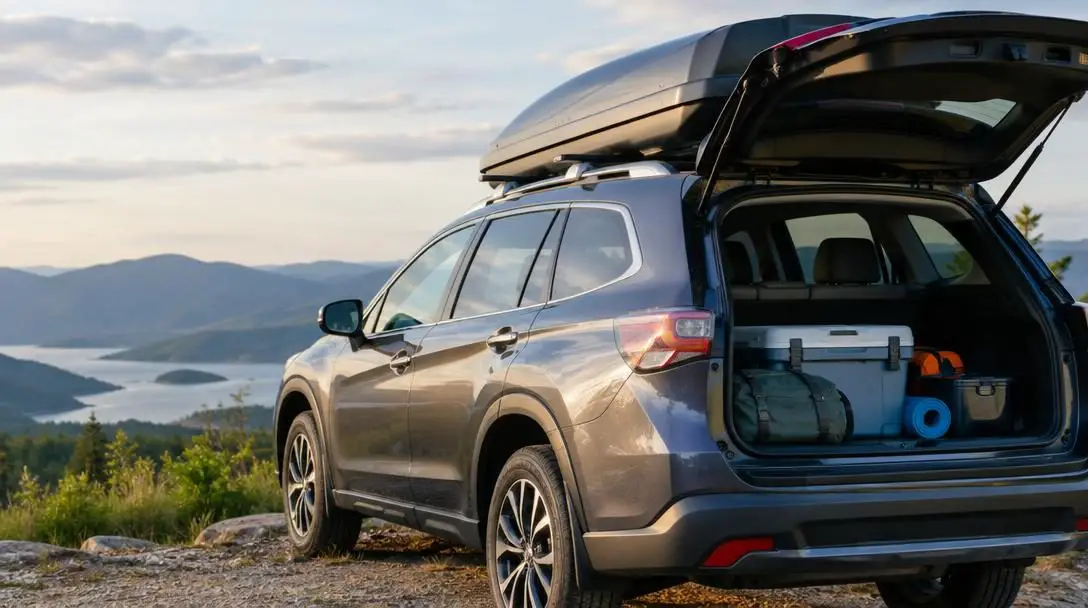
Roof-mounted systems expand your vehicle's overall hauling capability by utilizing exterior structural load-bearing points. By securing luggage, camping equipment, or cargo boxes directly onto heavy-duty crossbars, these systems preserve valuable cabin legroom and prevent unsecured, heavy gear from sliding across the interior while driving. They allow drivers to adapt compact vehicles or mid-sized SUVs for extended travel without sacrificing passenger comfort.
Hitch-Mounted Bike Racks
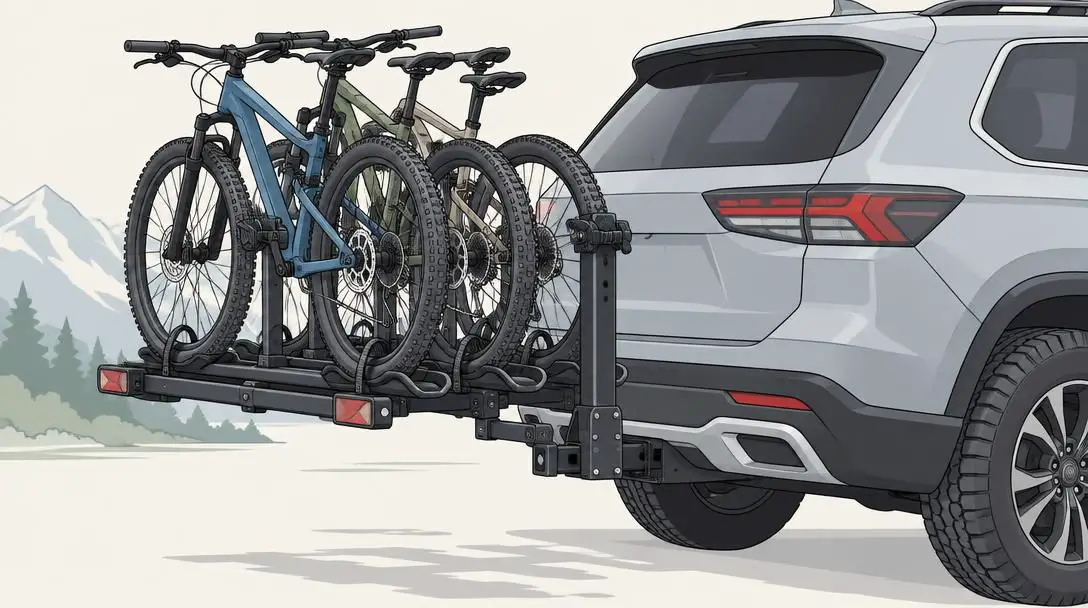
Bike racks utilize the structural strength of a rear receiver hitch to transport sports gear outside the automobile. By keeping muddy wheels and sharp metal pedal components outside the trunk, these racks protect interior upholstery from tears, stains, and scuffs. Hitch-mounted systems provide stable mechanical platforms that secure bicycles firmly against road vibrations and high-speed highway wind resistance.
Backup Cameras
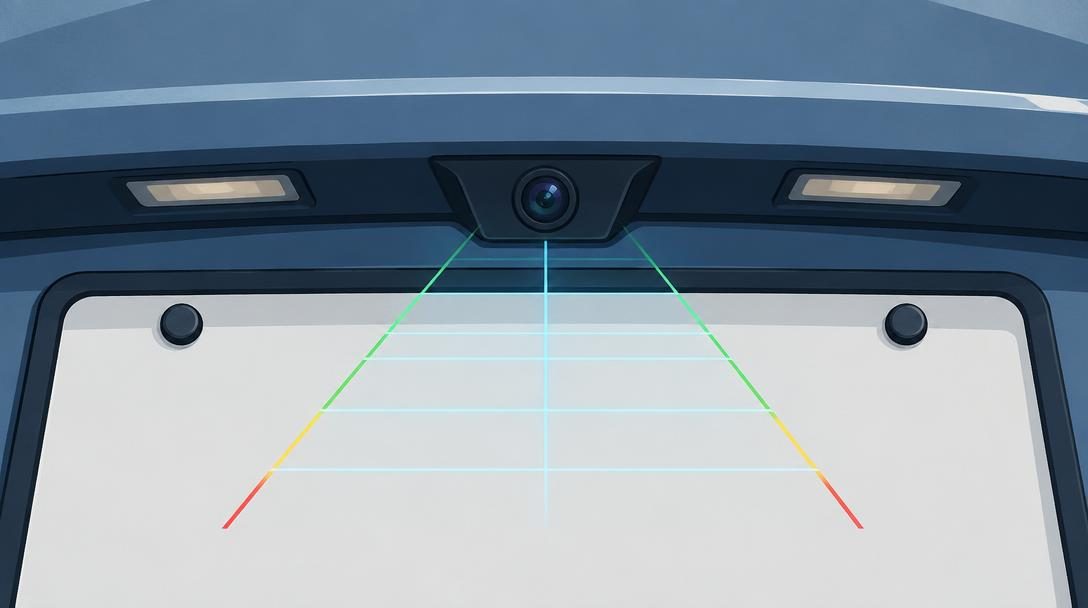
A backup camera acts as an essential active safety upgrade by displaying a broad video feed of the pavement directly behind your rear bumper. When you shift the transmission into reverse gear, the system automatically transmits an image to a dashboard screen or rearview mirror display. This real-time visibility eliminates low blind spots, helping drivers avoid hidden hazards, curbs, low walls, and pedestrian traffic.
Ultrasonic Parking Sensors
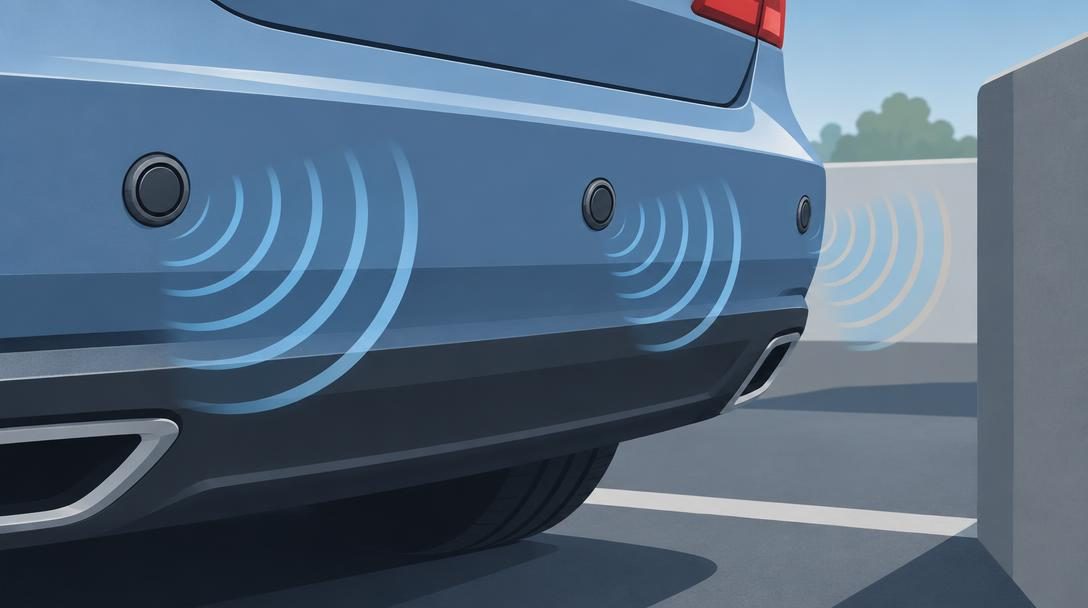
Parking sensors integrate into your vehicle's bumper fascias to provide electronic proximity awareness in tight driving environments. These devices continuously project acoustic or radar waves that bounce off nearby walls, bollards, and other vehicles. As the vehicle draws closer to an obstruction, the system emits an audible tone or visual display alert that intensifies in frequency, preventing minor body scrapes and bumper damage.
Blind-Spot Monitoring Systems

Operating as an electronic safety shield along the vehicle flanks, blind-spot monitoring systems detect objects positioned outside the conventional sweep of side-view mirrors. Radar sensors mounted behind the bodywork continuously track adjacent traffic lanes. When another motorist enters an obscured zone, the system alerts the driver through an illuminated warning indicator on or near the side mirror, drastically reducing collision risks during highway lane changes.
Alloy Wheels
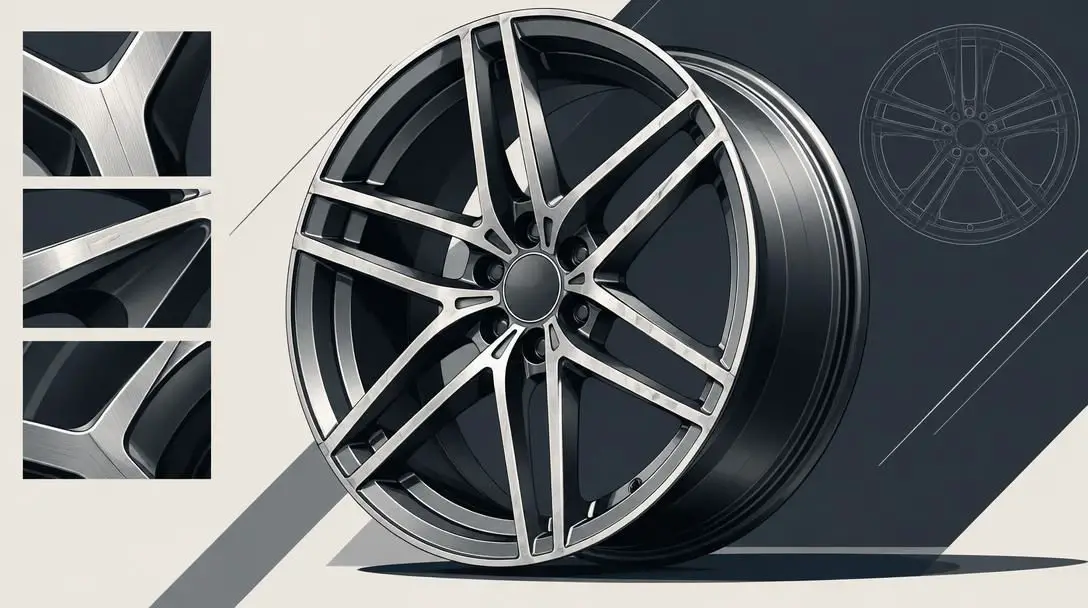
Alloy wheels provide a dramatic aesthetic transformation by replacing standard stamped-steel wheels with components manufactured from aluminum blends. These custom wheel sets showcase intricate spoke geometries, deep lips, and varied surface finishes ranging from brushed metallic to dark powder coat. Upgrading to tailored wheels significantly changes the vehicle's road stance and aesthetic profile while maintaining necessary structural tolerances.
Aerodynamic Spoilers
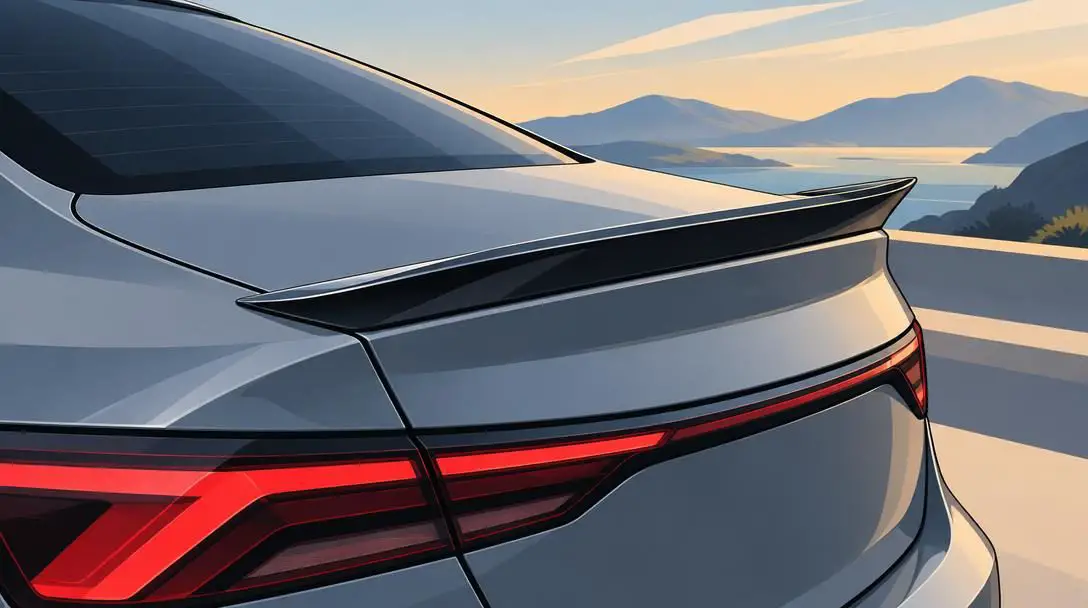
Spoilers are styling accents crafted to follow the aerodynamic contours of a vehicle's trunk deck, tailgate, or upper rear window frame. While race-bred designs manipulate airflow at extreme track speeds, consumer-focused spoilers primarily emphasize a vehicle's athletic silhouette. These additions break up boxy factory lines and give passenger sedans, hatchbacks, and performance coupes an aggressive, customized appearance.
Custom Decals and Graphics
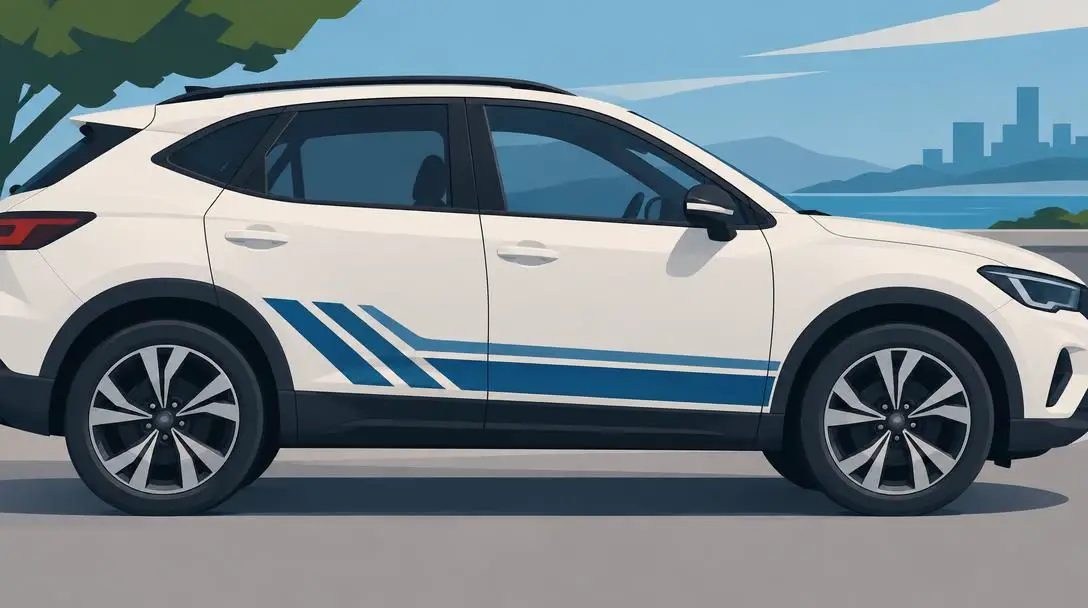
Vinyl graphics and custom decals offer a flexible avenue for personalizing exterior bodywork without the permanent financial commitment of a custom automotive paint job. Applied over painted panels or glass, these graphics can range from understated accent stripes to bold, modern geometric patterns. High-grade automotive vinyl withstands ultraviolet sunlight and bad weather while allowing clean removal if styling tastes evolve.
A Methodical Guide to Selecting Vehicle Upgrades
Selecting aftermarket components should always be an intentional process rather than an impulsive spending habit. Following a structured procedure helps you avoid incompatible parts and ensures that every accessory delivers genuine utility or enjoyment.
- Assess your primary driving needs: Evaluate your daily routine, regional climate, and lifestyle demands to determine whether your vehicle lacks storage utility, driver awareness, or exterior styling.
- Establish a comprehensive budget: Set a financial ceiling that accommodates not only the initial retail cost of the component, but also installation hardware, wiring harnesses, and potential professional labor fees.
- Conduct thorough technical research: Read product specifications, user reviews, and fitment charts across verified retailer portals and enthusiast forums to ensure the product meets real-world performance expectations.
- Select high-quality components: Avoid unbranded bargain products manufactured with brittle plastics or substandard metals, choosing instead well-engineered accessories backed by dependable manufacturer warranties.
- Execute a careful installation: Review step-by-step instructions before turning a bolt, assemble all required hand tools, and take your time to align brackets and secure wiring cleanly.
- Set up an ongoing maintenance schedule: Regularly examine mechanical attachments, lubricate moving lock cylinders, clean optical sensors, and check bolt torque settings to preserve accessory longevity.
Investing in well-engineered automotive accessories saves money over the lifespan of your car by avoiding early component failure and unnecessary bodywork repairs.
Common Mistakes to Avoid When Customizing
Even seasoned motorists can run into trouble when purchasing and installing aftermarket components. Staying mindful of common customization pitfalls keeps your build reliable, functional, and safe.
- Buying strictly on price: Opting for the lowest-priced accessories often leads to early failure, rusted brackets, or brittle plastic fittings that degrade under routine weather exposure.
- Ignoring model-year compatibility: Assuming an accessory labeled as universal will seamlessly bolt onto your exact make, model, and trim level can result in loose fittings, wind whistle, or body paint chafing.
- Rushing physical assembly: Hurrying through an installation leads to stripped threaded fasteners, cracked trim clips, and loose mounting plates that rattle at highway speeds.
- Bypassing professional installation when needed: Complex electronic modifications involving wiring looms and fuse blocks can short-circuit vehicle systems if attempted without proper electrical tools and knowledge.
- Neglecting post-installation upkeep: Forgetting to wash, inspect, and tighten mounted hardware allows dirt, vibration, and road salt to compromise structural stability over time.
Planning for the Future: Phasing and Interoperability
A successful customization project involves more than installing a single component; it requires evaluating how distinct accessories will coexist as your vehicle evolves. Rushing to install multiple parts simultaneously can strain your finances and cause operational conflicts between different vehicle systems.
One common conflict occurs when utility components interact with electronic driver-assist features. For instance, mounting a hitch-mounted bike rack or a high-sided cargo carrier on the rear receiver might obstruct the direct field of view of your newly fitted backup camera. Similarly, a loaded rack can trigger constant false alerts from ultrasonic parking sensors whenever the vehicle shifts into reverse gear. Identifying these mechanical and sensory overlaps before purchasing helps you select modular racks or systems with integrated bypass switches.
Prioritizing upgrades into structured phases allows you to test and become comfortable with each addition before proceeding to the next. Addressing practical necessities—such as weather-resistant roof racks or safety-focused cameras—provides immediate daily benefits. Once those systems are working seamlessly, you can shift your attention and budget toward aesthetic items like alloy wheels, aerodynamic trim, or vinyl styling accents.
Frequently asked questions
How do I know if an accessory will fit my vehicle?
To verify compatibility, cross-reference your vehicle's exact make, model year, body style, and trim level with the manufacturer's official fitment guide. Never rely solely on generic descriptions, as slight variations in bumper shapes or roof rail configurations can prevent proper installation.
Can I install electronic accessories myself?
Simple plug-and-play electronics may be manageable for confident do-it-yourselfers, but systems requiring hardwired connections into the vehicle fuse box, dashboard removal, or bumper drilling are best handled by certified automotive technicians to prevent electrical shorts.
Are expensive accessories always better than budget options?
Higher-priced accessories frequently use superior materials like weather-sealed electronics, structural aluminum, or UV-stable plastics, but the most expensive option is not always necessary. The goal is to choose reputable brands with proven track records of durability and warranty backing rather than unverified bargain products.
Will aftermarket accessories affect my vehicle's resale value?
Practical accessories such as roof racks, backup cameras, and hitch receivers often maintain or slightly improve resale appeal, whereas highly customized cosmetic additions like bold graphics or aggressive spoilers appeal to a narrower audience. Retaining original factory components allows you to return the car to stock before selling.
How often should I inspect exterior accessories?
Exterior accessories like roof carriers, bike racks, and alloy wheels should be inspected every few months, as well as before and after extended road trips. Check for loose bolts, signs of corrosion, cracked rubber seals, and secure locking mechanisms to ensure safety on the road.
The bottom line
Personalizing your vehicle through carefully chosen accessories is one of the most rewarding ways to elevate your driving experience. By categorizing your goals into utility, safety, and aesthetic improvements, you can make informed choices that deliver long-term satisfaction. Take the time to research compatibility, prioritize high-grade construction materials, and ensure precise installation. With a structured plan and proper routine upkeep, your customized vehicle will deliver enhanced performance, safety, and personal flair for thousands of miles to come.