Backpacking Essentials: What to Pack for Your Next Adventure
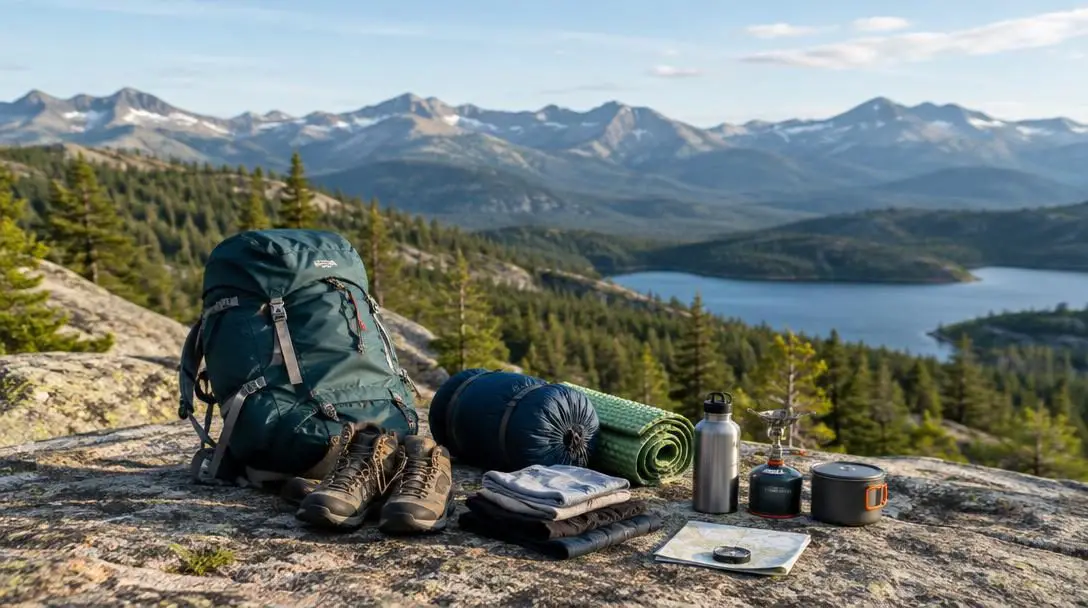
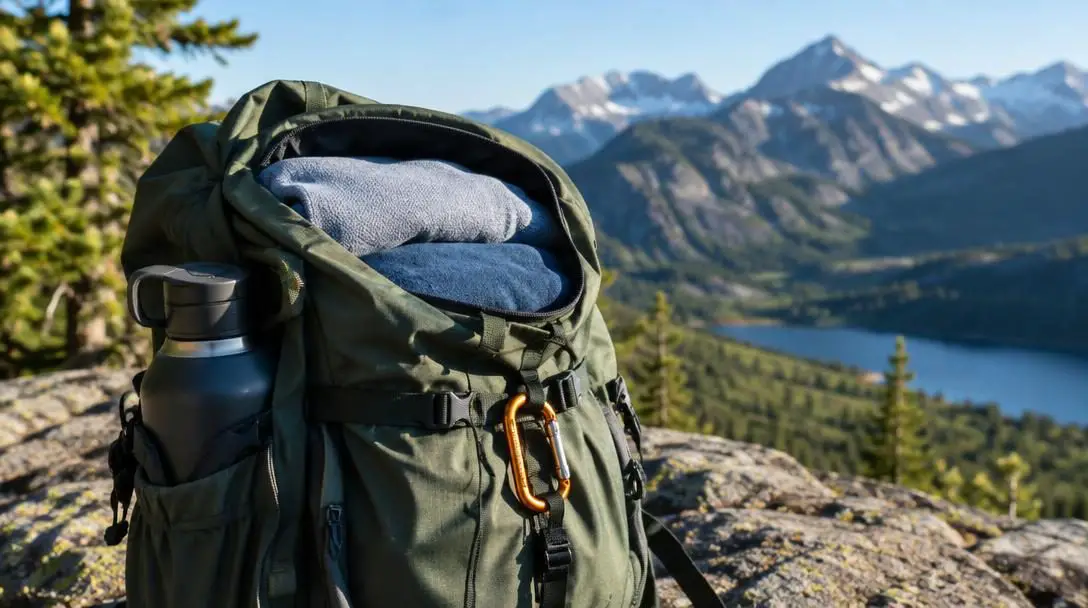
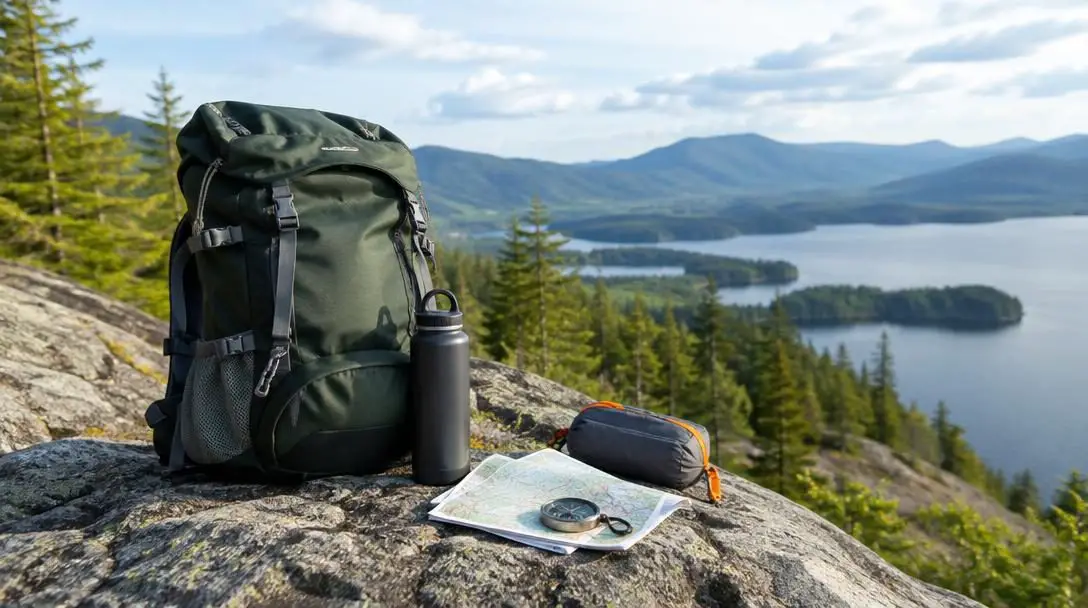
Backpacking offers an unmatched sense of freedom, inviting outdoor enthusiasts to step far beyond the boundaries of developed campgrounds and busy tourist corridors. Unlike standard day hiking or car camping, where vehicles and base camps provide immediate refuge and an endless supply of gear, backpacking requires you to carry every essential tool for survival and personal comfort directly on your back. From your portable kitchen and sleeping quarters to your emergency medical supplies and daily wardrobe, your entire living environment must fit into a single, cohesive pack. Stepping into remote wilderness areas means willingly leaving behind modern conveniences. On the trail, you will find no grocery stores to replenish depleted food rations, no roadside pavilions to shield you from sudden mountain downpours, and no guarantee of rapid rescue if an unexpected injury occurs. Preparing for such conditions can easily feel overwhelming, particularly for those new to wilderness travel. Success hinges entirely on finding the precise balance between carrying what you need to stay safe and warm without overloading yourself with unnecessary weight. <div class="takeaways"> <h2>Key takeaways</h2> <ul> <li>Backcountry preparation starts with rigorous research into local elevation profiles, surface terrain, seasonal weather patterns, and dependable water sources.</li> <li>Clothing and sleep configurations function as integrated thermal systems that rely on strategic moisture management and insulation rather than single bulky items.</li> <li>Distributing equipment inside your backpack according to weight density protects your center of gravity and prevents joint and shoulder fatigue.</li> <li>Dual navigation strategies that combine electronic GPS devices with physical topographic maps and compasses are necessary for remote safety.</li> <li>Prioritizing foot care with terrain-appropriate boots, ankle stability, and dry spare socks prevents common trail-ending friction injuries.</li> </ul> </div> <h2>Laying the Groundwork: Destination Research and Pack Selection</h2> <p>Thorough preparation begins long before you pull gear off the shelf. Entering the backcountry without understanding the environment you will encounter invites avoidable risk. Your first task is to conduct detailed research on your chosen route. Investigate the elevation profiles to gauge daily physical exertion, examine the prevailing trail surface types, verify the seasonal availability of natural water sources, and review historical weather trends for the region. Knowing whether to expect freezing nighttime drops, continuous precipitation, or high-altitude sun exposure dictates every choice you make regarding shelter, hydration, and clothing.</p> <p>Once you understand your environment, selecting the appropriate backpack becomes your next priority. A backpack is not merely a sack with straps; it is an engineered suspension system meant to transfer the bulk of your load directly onto your pelvic girdle. When fitted correctly, your pack distributes gear weight evenly across your hips and shoulders rather than letting the entire burden pull downward on your upper back and cervical spine. A poor fit transforms even a moderate trail into an exhausting ordeal, whereas a balanced, well-fitted pack allows you to cover demanding distances comfortably.</p> <p>Packing for the wilderness requires you to balance comfort and trail weight. While it is vital to bring equipment that keeps you comfortable at camp, overloading your pack with redundant gear will rapidly sap your stamina. Always prioritize packing survival essentials before considering optional luxuries.</p> <blockquote class="pull">Striking the balance between trail comfort and total pack weight is the central skill of wilderness preparation.</blockquote> <h2>The Mechanics of Layering and Body Temperature Regulation</h2> <p>The human body expends immense energy adapting to shifting weather conditions and varying levels of physical output. Experienced backpackers rely on the principle of layering rather than bringing a single heavy winter coat. Layering allows you to add or remove individual garments quickly, keeping your skin dry while maintaining a steady core temperature across changing terrain and microclimates.</p> <p>A dependable wilderness clothing system consists of three distinct components:</p> <ul> <li><strong>Base layer:</strong> Worn directly against the skin, this garment manages moisture by wicking perspiration away from your body during strenuous uphill climbs, preventing rapid chilling when you stop to rest.</li> <li><strong>Insulating layer:</strong> Positioned over the base layer, this garment traps warm air generated by your body, retaining vital core heat during cold mornings, high-elevation crossings, or evening camp chores.</li> <li><strong>Waterproof outer layer:</strong> Also serving as a windbreak, this outer shell shields your inner insulating garments from torrential rain, sleet, snow, and punishing winds, ensuring that external moisture never penetrates your thermal layers.</li> </ul> <aside class="callout tip"><strong>Tip:</strong> Strip off excess thermal layers before starting a steep, strenuous ascent to avoid sweating through your base layer, which can cause severe chills once you stop moving.</aside> <h2>Choosing the Right Wilderness Shelter System</h2> <p>Your shelter serves as your primary defense against rain, high winds, and biting insects. When selecting a shelter configuration, you must weigh its total pack weight, packed volume, structural durability, and overall ease of setup under adverse conditions.</p> <h3>Tents</h3> <p>Available in freestanding and non-freestanding designs, tents remain the most popular backcountry shelter choice. They offer complete, four-wall protection against severe wind, heavy rainfall, and flying insects. Double-walled models feature a breathable inner canopy paired with a waterproof rainfly to prevent internal condensation from dampening your sleeping gear. While tents generally represent the heaviest shelter option, their all-around reliability and simplicity make them suitable for almost any landscape with flat ground.</p> <h3>Tarps</h3> <p>Ultralight backpackers often favor tarps because they offer minimal pack weight and compact storage volume. A well-rigged tarp provides basic overhead shelter from wind and falling precipitation while leaving the sides open to the surrounding environment. However, utilizing a tarp requires careful campsite selection, knowledge of wind direction, and advanced knot-tying skills to anchor the fabric securely to trekking poles, rocks, or nearby trees. Tarps offer minimal insect protection unless paired with a standalone bug mesh.</p> <h3>Hammocks</h3> <p>Hammock systems are well-suited for heavily forested trails where level, rock-free ground is difficult to find. Suspending your sleeping setup between two sturdy anchor trees keeps you elevated above wet, uneven, muddy, or sloping terrain. To function effectively in cold or wet weather, a hammock setup must be paired with an overhead waterproof rain tarp and an underquilt to prevent heat loss from convective wind passing beneath your suspended body.</p> <table> <thead> <tr> <th>Shelter Type</th> <th>Primary Advantage</th> <th>Environmental Limitation</th> <th>Setup Complexity</th> </tr> </thead> <tbody> <tr> <td>Tents</td> <td>Full-coverage weather and insect barrier</td> <td>Requires clear, level tent footprint</td> <td>Low to moderate</td> </tr> <tr> <td>Tarps</td> <td>Extremely lightweight and compact</td> <td>No built-in insect or ground barrier</td> <td>High (requires knot-tying and site selection)</td> </tr> <tr> <td>Hammocks</td> <td>Independent of rocky or uneven ground</td> <td>Requires sturdy, properly spaced anchor trees</td> <td>Moderate to high</td> </tr> </tbody> </table> <h2>Insulation and Ground Protection in the Sleep System</h2> <p>A quality sleeping bag provides the loft necessary to trap your body heat in colder temperatures, but the sleeping bag cannot keep you warm on its own. When you lie inside your bag, your body weight compresses the down or synthetic insulation beneath you, eliminating the air pockets that hold heat. The cold earth acts as a massive thermal heat sink, rapidly conducting warmth away from your body.</p> <p>For this reason, a sleeping pad is an indispensable companion to your sleeping bag. The pad creates a physical barrier of cushioning and insulating dead air between you and the cold ground. A sleep system is only as warm as its pad; pairing an expensive cold-weather sleeping bag with an uninsulated pad often leads to restless, shivering nights. To finish your sleeping arrangement, you can pack a dedicated ultralight camping pillow or simply bundle extra clothing inside a stuff sack to create a comfortable makeshift headrest.</p> <h2>Footwear Selection and Preventive Foot Care</h2> <p>Your feet are your primary means of travel, and keeping them dry, supported, and blister-free is critical to the success of your expedition. Footwear choices must match the specific terrain and anticipated moisture levels of your trail.</p> <p>When traversing rocky terrain, scree fields, or heavily rooted paths, sturdy boots with substantial ankle support provide the torsional rigidity necessary to protect against twists, sprains, and impact bruises under a heavy load. Conversely, if you are hiking through constantly wet environments, marshes, or frequent shallow river crossings, specialized waterproof boots or fast-draining shoes are essential to keep external moisture from degrading your skin.</p> <p>Proper footwear alone does not guarantee healthy feet. Packing several pairs of clean, dry spare socks and fresh underwear is non-negotiable. Walking for hours in damp socks softens the skin through maceration, drastically accelerating the formation of debilitating hot spots and friction blisters. Swapping into dry socks mid-day and washing salt and grit from your feet keeps your skin resilient.</p> <aside class="callout warn"><strong>Watch out:</strong> Never embark on a multi-day backcountry trek in brand-new, unproven boots. Stiff leather and rigid soles require substantial break-in time around home to prevent severe heel and toe blisters on the trail.</aside> <h2>Hydration Mechanics and Backcountry Nutrition</h2> <p>Hauling thirty to forty pounds of equipment over mountain passes burns thousands of calories per day. Because you must carry your entire kitchen on your back, heavy canned foods, glass jars, and high-moisture fresh produce are completely impractical. Instead, focus on calorie-dense, lightweight foods with high fat and protein ratios. Staple provisions include nuts, seed blends, dried fruit, nut butter pouches, and jerky. Packing a wide variety of snacks and meal flavors is equally critical to prevent appetite fatigue during strenuous, multi-day routes.</p> <p>Water management is equally vital. Water weighs over two pounds per liter, meaning you cannot carry enough fluids for an entire multi-day journey from the trailhead. You must collect water from natural lakes, rivers, and streams along your route. Because clear mountain water often harbors invisible pathogens, giardia cysts, and bacteria, you must carry dependable water filtration tools or chemical water purification tablets.</p> <p>Practicing proactive hydration techniques is essential. Do not wait until you experience acute thirst to take a drink; sip water consistently at regular intervals throughout the day to support blood volume, mental alertness, and muscular endurance.</p> <h2>Step-by-Step Guide to Packing Your Backpack</h2> <p>Organizing your gear inside your backpack directly influences your balance, walking posture, and overall energy expenditure. Stowing dense gear in the wrong compartment forces you to lean forward unnaturally, straining your neck and shoulders.</p> <ol class="steps"> <li><strong>Audit and weigh all supplies:</strong> Spread every piece of gear across an open floor, grouping items strictly by category. Inspect zippers, tent stakes, stove valves, and cordage for wear or structural damage. Confirm that all survival essentials are present before deciding whether to pack optional comfort items like cameras or reading books.</li> <li><strong>Pack the bottom compartment:</strong> Place your sleep system—including your sleeping bag, sleeping pad, and designated camp sleepwear—into the lowest section of the main compartment. These items are not needed until camp is fully established, and their bulk forms a soft, shock-absorbing base that stabilizes the pack.</li> <li><strong>Position heavy core equipment against your spine:</strong> Place your densest, heaviest equipment directly against the interior back wall of the pack, centered between your shoulder blades and lower back. This includes concentrated food bags, your water reservoir, and dense cooking kits. Keeping heavy items close to your anatomical center of gravity prevents the pack from pulling backward away from your body.</li> <li><strong>Fill mid-pack and outer volume with medium-weight gear:</strong> Surround your dense core items with your shelter, such as your tent body, rainfly, or hammock. Stuff spare mid-layer garments and clothing bags into internal voids to lock your hard cooking gear in place and eliminate dead space that could cause the load to shift.</li> <li><strong>Load the top lid and quick-access exterior pockets:</strong> Store items you may need on short notice in the top compartment or stretchy exterior pouches. This includes your waterproof rain jacket, navigation tools, first aid supplies, headlamp, water filter, hand sanitizer, and daily trail snacks.</li> <li><strong>Don the pack and adjust the suspension harness:</strong> Hoist the packed bag onto your shoulders, loosen all harness webbing, and tighten each strap in correct physiological order. Secure the padded hip belt over your iliac crest first, tighten the shoulder straps until they wrap snugly against your chest, pull the upper load lifters forward to draw the pack weight closer to your back, and clip the sternum strap across your chest to stabilize the shoulder harness.</li> </ol> <h2>Navigation, Communication, and Emergency Readiness</h2> <p>Backcountry routes can change abruptly due to rockslides, seasonal snowpack, wildfire blowdowns, or misleading animal paths. Relying entirely on a digital smartphone mapping app is dangerous, as cold weather rapidly drains lithium batteries, moisture can disable touchscreens, and electronic hardware can shatter when dropped onto rocks.</p> <p>Standard wilderness practice demands a redundant navigation system consisting of:</p> <ul> <li><strong>Topographic maps:</strong> Detailed paper maps covering your exact trail corridor and surrounding watersheds provide a broad, bird's-eye view that does not rely on battery power.</li> <li><strong>Magnetic compass:</strong> A baseplate compass allows you to orient your paper map, determine accurate field bearings, and pinpoint your location using landmark triangulation.</li> <li><strong>GPS handheld or watch:</strong> Dedicated satellite receivers deliver rapid, real-time coordinates, elevation readings, and breadcrumb route tracking across dense tree cover.</li> </ul> <p>Before your trip, research the expected cellular coverage along your planned route. In most remote regions, cellular reception is nonexistent. You should carry an emergency communication device, such as a satellite communicator or satellite phone, to send two-way check-in messages to family or initiate a search-and-rescue response during a life-threatening crisis.</p> <aside class="callout note"><strong>Good to know:</strong> Keep your satellite communication device and paper maps secured in waterproof cases or zippered internal pouches where they remain protected from rain and accidental drops.</aside> <h2>First Aid, Personal Hygiene, and Waste Disposal</h2> <p>Maintaining medical preparedness and personal cleanliness is critical when you are days away from municipal sanitation and emergency departments. A basic first aid kit should always be packed within reach. Core supplies must include adhesive band-aids of various sizes, sterile gauze pads, medical tape, antiseptic wipes, blister treatments, elastic wraps for joint sprains, and essential over-the-counter pain relievers and anti-inflammatories.</p> <p>Field hygiene plays a major role in preventing digestive illness. Pack a bottle of hand sanitizer and use it consistently before cooking meals, treating drinking water, or eating snacks on the trail. Wet wipes and a supply of toilet paper should be sealed inside dedicated moisture-proof bags alongside small trowel tools for proper backcountry waste disposal.</p> <p>Practicing clean waste disposal safeguards fragile alpine ecosystems and prevents dangerous waterborne pathogens from contaminating wild streams and downstream campsites. Always follow established wilderness regulations regarding waste burial depth and minimum distances from lakes and running water.</p> <h2>Camp Illumination, Multi-Tools, and Field Enhancements</h2> <p>Once dusk settles over the wilderness, having reliable lighting is critical for camp safety. A bright headlamp or sturdy flashlight is essential for setting up shelters, cooking over camp stoves, navigating dark trails if your journey takes longer than anticipated, or attending to nighttime tasks. A hands-free headlamp with adjustable beam angles and red-light modes preserves night vision while leaving both hands free to handle tools.</p> <p>Multi-purpose gear provides broad versatility without adding dead weight. A well-built multi-tool or pocket knife can slice food, spark emergency tinder, trim blister bandages, tighten loose trekking pole hardware, or patch torn tent canopies. While weight discipline is essential, bringing small enhancements like a compact camera or a paperback book can provide mental relaxation once the day's physical exertion is complete.</p> <h2>Common Packing Mistakes to Avoid</h2> <p>Beginner backpackers frequently encounter preventable difficulties by overlooking core weight-management principles. Keep these common missteps in mind as you assemble your gear:</p> <ul> <li><strong>Overpacking heavy luxuries:</strong> Filling extra pack space with heavy electronics, bulky camp chairs, excess clothing, and heavy gourmet foods rapidly overburdens your joints and causes premature exhaustion.</li> <li><strong>Ignoring dynamic layering:</strong> Relying on one bulky winter jacket instead of a versatile three-part system (base layer, insulating mid-layer, waterproof outer shell) prevents you from regulating heat during exertion, resulting in wet, chilled clothing.</li> <li><strong>Neglecting foot care:</strong> Failing to pack dry spare socks, hiking in unproven footwear, or choosing shoes that lack ankle stability on rocky terrain leads directly to painful blisters and ankle injuries.</li> <li><strong>Skipping redundant navigation:</strong> Trusting a single smartphone app for backcountry navigation without packing a physical topographic map, compass, or satellite communication backup leaves you vulnerable to dead batteries and signal failure.</li> <li><strong>Carrying untreated water:</strong> Neglecting to pack a reliable water filter or chemical purification tablets forces you to risk drinking from contaminated backcountry sources.</li> </ul> <section class="faq"> <h2>Frequently asked questions</h2> <details> <summary>Why is a sleeping pad necessary if I already have a warm sleeping bag?</summary> <p>When you lie inside your sleeping bag, your body weight crushes the insulation beneath you, eliminating the loft and air pockets that trap warmth. Without a sleeping pad to provide physical cushioning and insulation, the cold ground acts as a thermal conductor, drawing body heat directly away from you throughout the night.</p> </details> <details> <summary>What should I do if my destination has no cellular coverage?</summary> <p>Research the destination's cellular coverage before departing and carry a dedicated satellite communication device, such as a satellite phone or satellite communicator. These devices bypass terrestrial cellular towers by connecting directly to orbital satellites, allowing you to send check-in messages or summon emergency help.</p> </details> <details> <summary>How do I prevent blisters from forming while hiking?</summary> <p>Blisters are caused by heat, friction, and moisture. Prevent them by choosing footwear suited to the terrain, thoroughly breaking in new boots before your trip, and packing clean, dry spare socks. Change damp socks immediately during the day, and apply protective tape or blister bandages to hot spots before friction creates an open wound.</p> </details> <details> <summary>What makes nuts, dried fruit, and jerky ideal backpacking foods?</summary> <p>Nuts, dried fruits, and jerky are calorie-dense, lightweight, and shelf-stable. They provide high ratios of protein, healthy fats, and carbohydrates without requiring refrigeration or heavy packaging, giving your body the fuel it needs without overloading your pack.</p> </details> <details> <summary>How should I distribute the weight inside my backpack?</summary> <p>Pack light, bulky items like your sleeping bag and pad at the bottom to form a stable base. Position your heaviest items—such as food bags, cooking sets, and water reservoirs—directly against the back wall of the pack centered between your shoulder blades. Medium-weight gear like your shelter and extra clothing should surround the core to keep the weight balanced.</p> </details> <details> <summary>Is a single smartphone enough for wilderness navigation?</summary> <p>No, relying solely on a smartphone is unsafe in the backcountry. Cold temperatures, water damage, hardware drops, and depleted batteries can render phones unusable without warning. Always carry a physical topographic map and a magnetic compass as a non-electronic backup.</p> </details> </section> <h2>The bottom line</h2> <p>Backpacking bridges the gap between rugged adventure and self-reliance, offering an immersive way to experience remote wilderness landscapes. Venturing deep into the backcountry requires shifting your mindset from the convenience of modern living to the discipline of weight and resource management. Every ounce carried in your pack must justify its presence by contributing directly to your warmth, hydration, navigation, or safety.</p> <p>By conducting thorough pre-trip research, selecting gear that operates as an interconnected system, and organizing your pack to maintain your natural balance, you set the foundation for a safe and memorable journey. Master the fundamentals of proper layering, dependable water purification, terrain-appropriate footwear, and redundant navigation, and you will be fully prepared to handle the unpredictable challenges and immense rewards of the open trail.</p>