Common Repair Costs To Be Prepared For With Owning a Vehicle
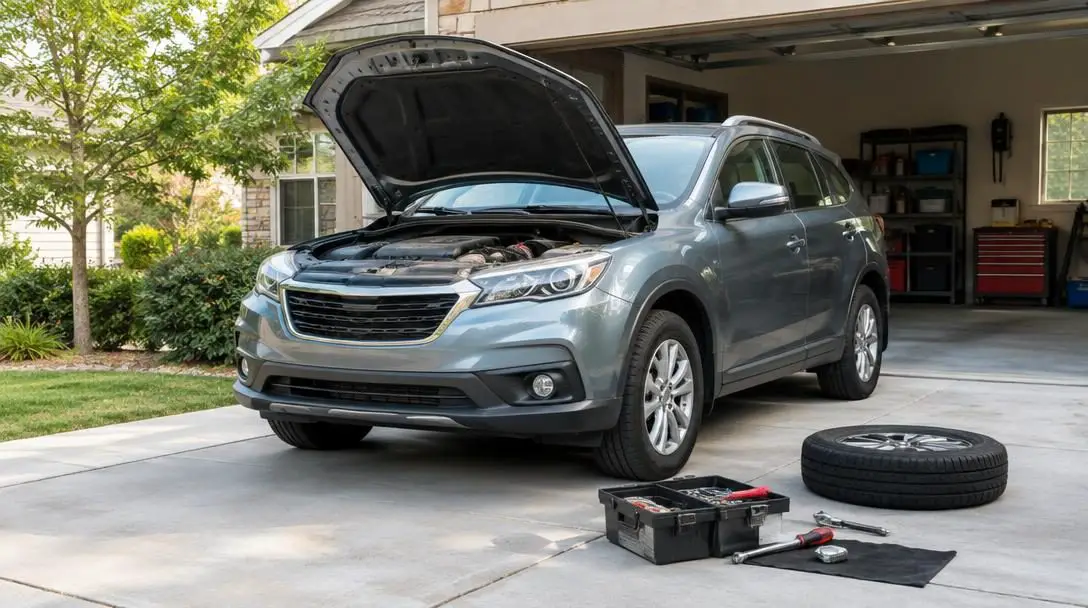
Acquiring an automobile is often one of the most substantial financial investments a household will undertake, typically ranking second only to housing. Yet the purchase price or monthly auto loan payment represents just a baseline commitment. Once a vehicle hits the road, keeping its mechanical and electrical systems in safe, functional order becomes an ongoing operational expense alongside fuel, registration fees, taxes, and auto insurance.
Every motor vehicle is an intricate assembly of thousands of interrelated components operating under demanding conditions, including thermal stress, friction, intense vibration, and exposure to adverse weather. Over time, protective fluids break down, rubber seals dry out, metal parts wear thin, and sensitive electronic sensors fail. Understanding common auto repair expenses and planning for them systematically transforms unexpected mechanical failures into predictable, manageable operating costs.
Key takeaways
- Automotive upkeep falls into four distinct financial categories: regular maintenance, normal wear and tear, major mechanical overhauls, and unforeseen emergencies.
- Scheduled regular maintenance usually requires between $150 and $300 annually, whereas major repairs like an engine or transmission replacement can cost up to $5,000.
- Ignoring early indicators such as dashboard warning lights, minor fluid leaks, or faint squeaks turns minor maintenance into catastrophic financial setbacks.
- Establishing a dedicated vehicle emergency fund and researching long-term model reliability insulate household budgets from unexpected automotive debt.
The Four Tiers of Automotive Ownership Expenses
Vehicle expenses fluctuate in both frequency and financial severity. Rather than lumping every automotive bill into a generic category, drivers can budget far more effectively by categorizing shop visits into four distinct operational tiers.
Regular Maintenance
Scheduled preventative upkeep preserves vehicle longevity and protects adjoining mechanical assemblies from premature wear. These routine appointments involve fluid replacements, visual safety inspections, and filter swaps as specified by the automobile manufacturer. Typical tasks include changing the motor oil and filter, servicing transmission fluid, replacing engine air filters, and rotating tires to ensure balanced tread consumption.
On average, routine preventative maintenance demands an investment of approximately $150 to $300 per year, depending on the make, model, and engine configuration of the car. While seemingly minor, consistently skipping these appointments accelerates component degradation and almost always triggers multi-thousand-dollar breakdowns down the road.
Normal Wear and Tear Repairs
As an automobile logs mileage, certain components inevitably degrade simply by carrying out their core functional responsibilities. Wear-and-tear components are engineered to be consumable rather than permanent fixtures of the chassis. Common wear items include brake pads and rotors, automotive starter batteries, wiper blades, and suspension bushings.
Tires are one of the most prominent wear-and-tear investments a driver faces. A full set of replacement tires typically costs anywhere from $400 to $1,000, depending on wheel diameter, load rating, performance tier, and vehicle specifications. Because wear and tear occurs gradually over thousands of miles, owners can inspect these parts regularly and budget for their eventual replacement well before they reach safety thresholds.
Major Mechanical and Electrical Repairs
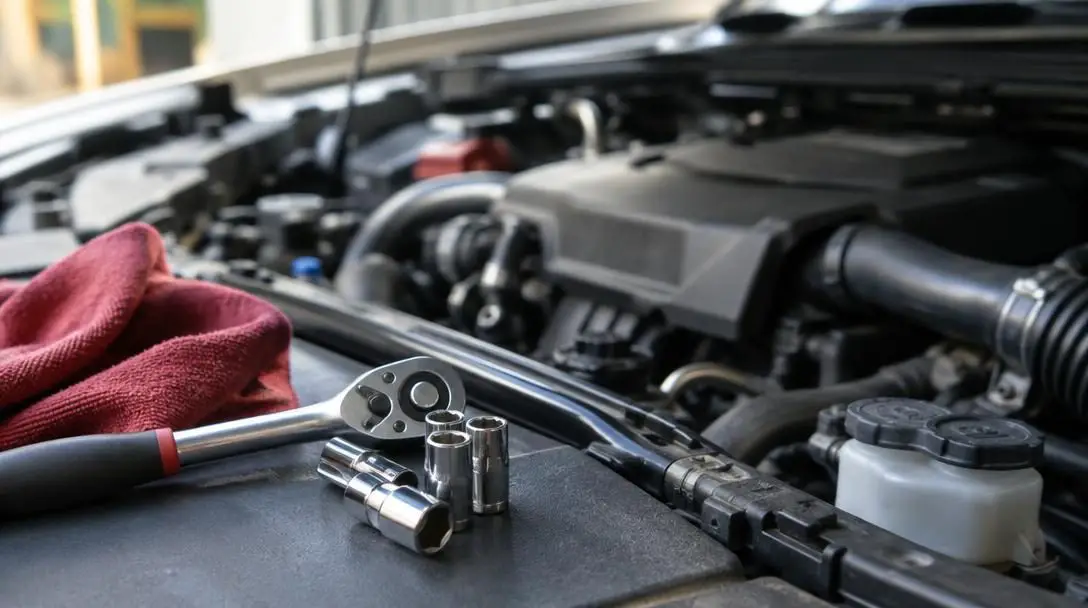
Major repairs represent critical, severe component failures that temporarily or permanently render a vehicle undriveable. These incidents often involve core powertrain or thermal management assemblies, including blown head gaskets, complete engine or transmission failures, cracked radiators, or extensive structural bodywork repairs.
A single major repair bill can severely disrupt household finances, frequently ranging from $1,000 to $5,000 or more. While manufacturing flaws occasionally trigger these faults, the vast majority of catastrophic mechanical failures are the direct consequence of neglected maintenance, such as operating an engine with degraded coolant or depleted oil levels.
Unforeseen Emergencies
Unlike predictable wear-and-tear degradation, unforeseen emergencies arrive without warning and bear no direct connection to the natural aging process of the vehicle. Examples include a vandalized side window, road debris puncturing an oil pan, a stolen car stereo, or an abrupt electrical control unit short-circuit.
Unforeseen incidents generally cost from a few hundred to a few thousand dollars to rectify. Because these occurrences follow no predictable calendar or mileage interval, they cannot be factored into standard monthly upkeep schedules, making a specialized vehicle emergency fund an indispensable layer of defense.
| Expense Category | Typical Cost Range | Predictability | Common Examples |
|---|---|---|---|
| Regular Maintenance | $150 – $300 / year | High (Mileage / Time based) | Oil changes, fluid checks, filter replacements |
| Wear and Tear Repairs | $400 – $1,000 (per event) | Moderate (Gradual degradation) | New tire sets, brake pads, car batteries, wiper blades |
| Major Repairs | $1,000 – $5,000+ | Low to Moderate (Often preventable) | Engine overhaul, transmission replacement, radiator repairs |
| Unforeseen Emergencies | Hundreds to Thousands | None (Random events) | Smashed windows, stolen electronics, sudden mechanical seizure |
Costly Habits: Common Mistakes That Inflate Repair Bills
Many drivers dramatically inflate their lifetime vehicle operating costs by falling into poor operational and financial routines. Recognizing these missteps is the easiest way to keep automotive expenses low.
- Skipping routine oil changes: Motor oil acts as both a friction barrier and a vital heat sink for high-revving internal engine parts. Allowing oil to break down creates thick petroleum sludge, which starves moving parts of lubrication and leads directly to total engine failure.
- Ignoring dashboard alerts: The check engine light and system warning indicators illuminate when sensors detect out-of-spec operational readings. Overlooking these warnings permits small electrical or sensor faults to damage expensive emissions hardware like catalytic converters.
- Buying substandard replacement parts: Opting for low-cost, unverified aftermarket components often proves to be false economy. Inferior parts wear out prematurely, leading to repeated labor charges and potential secondary damage to adjacent mechanical assemblies.
- Operating on underinflated tires: Inadequate tire pressure increases rolling resistance, squanders fuel economy, promotes irregular tread wear, and significantly elevates the risk of high-speed blowouts that can compromise vehicle bodywork.
- Neglecting secondary fluids: Engine oil receives the bulk of consumer attention, but transmission fluid, brake fluid, engine coolant, and power steering fluid also break down over time. Old coolant turns acidic, corroding radiators, while moisture-laden brake fluid impairs stopping distances.
- Delaying windshield stone-chip repairs: Small glass chips caused by highway gravel rapidly propagate across the entire windshield when subjected to chassis flex and thermal expansion, turning a modest chip repair into a costly full-glass replacement.
Proven Strategies to Lower Lifetime Vehicle Costs
While mechanical wear is an unavoidable reality of automotive ownership, drivers retain significant control over the frequency and severity of shop visits. Implementing disciplined operational strategies safeguards vehicle longevity and keeps household spending predictable.
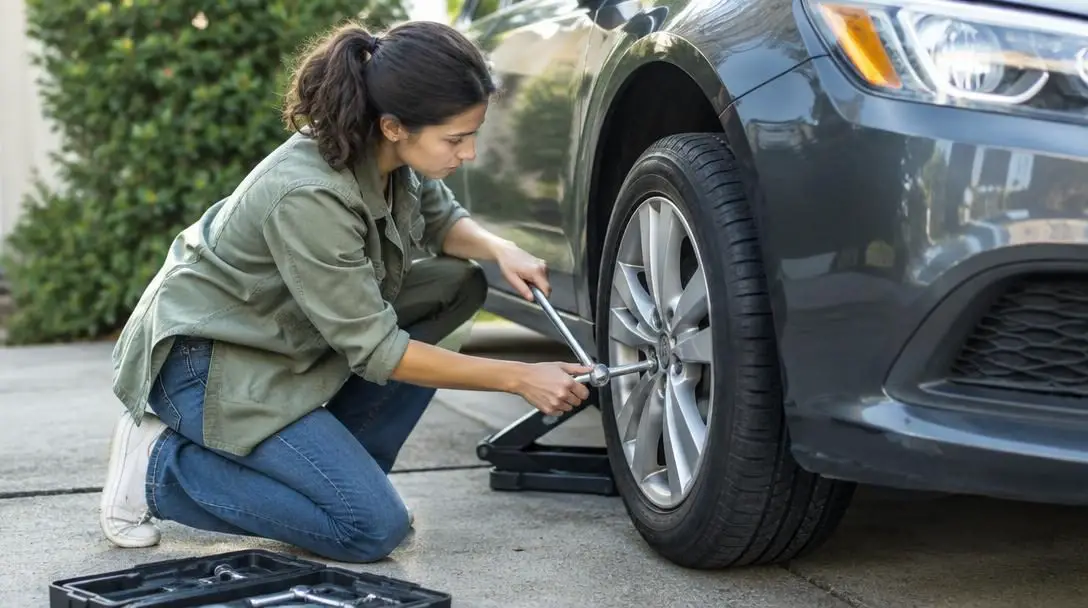
Viewing automotive maintenance not as an unpredictable emergency, but as an inevitable operating baseline, protects your household budget and preserves your vehicle's resale value.
The foundation of low-cost ownership is strict adherence to the manufacturer's recommended service schedule. Automobile engineers determine these intervals based on empirical testing; adhering to their guidelines guarantees that lubricants, friction surfaces, and mechanical timing assemblies are renewed before critical failure thresholds are breached.
Drivers should also develop defensive driving habits that limit unnecessary stress on chassis components. Aggressive standing-start acceleration, abrupt threshold braking, and erratic cornering place severe shear loads on transmission gears, drive axles, and brake pads. Similarly, limiting exposure to harsh environments—such as driving through deep floodwaters, driving across deeply rutted terrain, or leaving road salt to corrode the undercarriage—protects the frame and suspension from rapid structural decay.
When repairs are necessary, insisting on high-quality original equipment manufacturer (OEM) or premium-tier aftermarket components prevents premature failures. Premium components match the precise metallurgical and electrical tolerances required by the vehicle's onboard computers, eliminating recurring labor bills.
How to Conduct a Vehicle Maintenance and Financial Audit
Taking command of automotive expenses requires combining physical inspection routines with sound financial safeguards. Owners can follow this structured process to organize their vehicle's health and budget.
- Audit the service history against the manual: Locate the manufacturer's owner manual and cross-reference your vehicle's current mileage against the factory maintenance schedule. Determine whether major services—such as transmission fluid exchanges, brake flushes, or timing belt replacements—are overdue.
- Inspect all consumable wear components: Measure the remaining tread depth across all four tires, test the age and resting voltage of the 12-volt battery, look for streaking wiper blades, and check brake pad friction material through the wheel spokes.
- Inspect under-hood fluid levels: When the engine is cold, check the engine oil level and clarity, evaluate coolant reservoir volume, and check brake fluid reservoirs. Ensure there are no visible puddles or fluid leaks forming underneath the chassis.
- Price out upcoming maintenance tasks: Gather cost estimates for any consumable components that show signs of advanced wear so that replacements can be scheduled before unexpected failures occur on the road.
- Fund a dedicated vehicle reserve account: Calculate the baseline wear costs for your automobile and deposit a fixed monthly contribution into an emergency car fund to absorb sudden repair shocks without resorting to high-interest personal debt.
- Evaluate extended mechanical protection: If your vehicle is approaching the expiration of its factory bumper-to-bumper or powertrain warranty, investigate reputable extended warranty programs to insulate your budget from catastrophic mechanical breakdowns.
Frequently asked questions
How much should I set aside each year for vehicle upkeep?
At minimum, plan for $150 to $300 annually for routine fluid services, oil changes, and filter replacements. However, because wear-and-tear items like tires ($400 to $1,000) and brakes degrade continuously, setting aside $50 to $100 per month into a dedicated vehicle savings account provides a healthy cushion for both consumable replacements and unexpected repairs.
What makes major mechanical repairs so expensive?
Major repairs, such as replacing an engine or transmission, involve massive labor requirements and complex machinery. Sourcing replacement core components, removing the failed assembly from the chassis, and calibrating modern electronic control systems often requires dozens of hours of skilled labor, driving total costs into the $1,000 to $5,000 range.
Is purchasing an extended warranty worth the cost?
An extended warranty can be a practical financial safeguard if you drive a complex vehicle nearing the end of its factory warranty. It shields your personal budget from catastrophic electrical and mechanical failures that exceed standard maintenance costs, turning unpredictable repair bills into a fixed, manageable investment.
Can driving habits really reduce auto repair expenses?
Yes. Gentle acceleration, early and progressive braking, and avoiding road hazards reduce friction and mechanical stress across the entire vehicle. Smooth driving extends the operational lifespan of brake pads, tires, suspension bushings, and transmission clutches, delaying the need for costly replacements.
How can I tell the difference between routine maintenance and wear-and-tear repairs?
Routine maintenance consists of recurring, time- or mileage-based preventative services like motor oil changes and fluid flushes designed to keep parts working. Wear-and-tear repairs involve physically swapping out consumable parts, such as tires, brake pads, and batteries, once daily driving friction and electrical cycles have naturally depleted their usable lifespan.
The Bottom Line
Vehicle ownership encompasses far more than managing a purchase loan and stopping at the fuel pump. Automobiles are complex mechanical assets subject to relentless friction, thermal cycling, and environmental wear. When drivers ignore this operational reality, repair bills inevitably present themselves as urgent, budget-draining emergencies.
By dividing vehicle costs into routine maintenance, normal wear and tear, major powertrain interventions, and unforeseen emergencies, owners can replace anxiety with actionable financial foresight. Adhering strictly to manufacturer schedules, conducting regular under-hood checks, avoiding poor driving habits, and funding a dedicated car emergency account ensures your automobile remains a reliable, cost-effective tool for years to come.