Comparing Modern Democrats Vs Conservatives On Social Issues
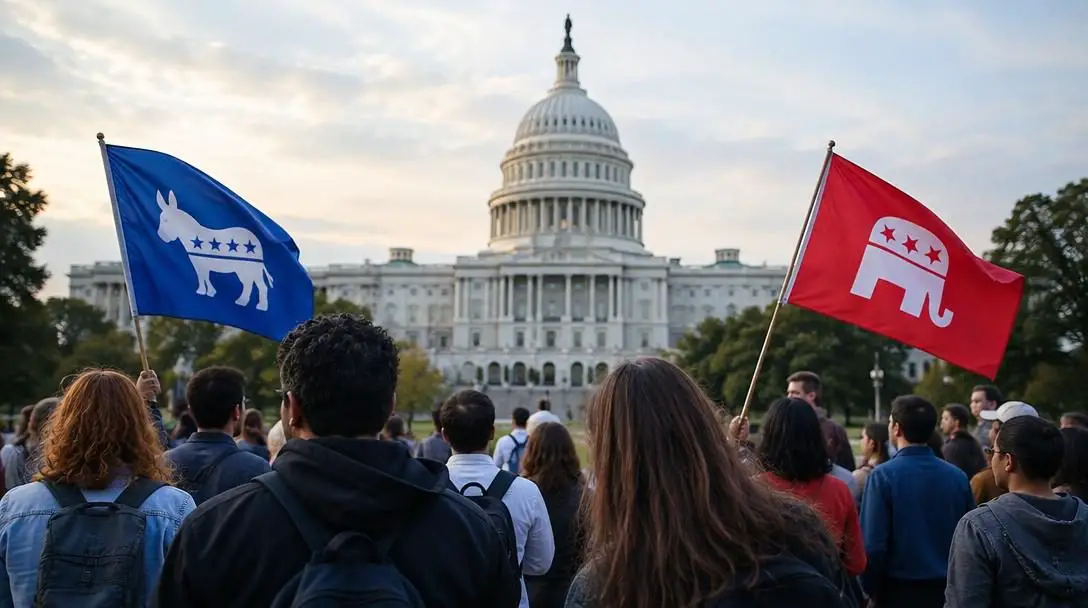
In contemporary American politics, discussions surrounding social issues have become central to public discourse, policy negotiations, and legislative agendas. From conversations regarding gender, racial, and income equality to debates over climate change and comprehensive healthcare reform, social matters regularly shape how communities and governments evaluate their responsibilities to individual citizens. These recurring debates do not merely address technical policy mechanisms; they reflect deeply divergent worldviews concerning human purpose, community responsibility, and individual freedom.
At the center of this cultural and political landscape stand two distinct ideological frameworks: modern Democratic liberalism and conservatism. Modern Democrats generally favor progressive reforms that emphasize inclusivity, active government protections for marginalized groups, and broad bodily and personal autonomy. In contrast, conservatives champion institutional stability, traditional moral norms, individual merit, and the preservation of enduring customs rooted in family and faith. Understanding the underlying philosophies that drive these competing platforms is essential for navigating modern civic life and evaluating policy proposals effectively.
Key takeaways
- Modern Democrats prioritize systemic equity, anti-discrimination safeguards, and personal autonomy for marginalized communities.
- Conservatives emphasize the preservation of traditional institutions, religious liberty, the nuclear family, and merit-based individual treatment.
- Major points of disagreement center on reproductive healthcare access, LGBTQ+ public accommodations, diversity initiatives, and the scope of religious conscience exemptions.
- Constructive political dialogue requires acknowledging shared civic goals, framing disagreements around principles rather than malice, and addressing concrete policies.
Philosophical Foundations: Equity and Reform vs. Tradition and Continuity
The divide between modern Democrats and conservatives stems from fundamentally different assessments of how a just and stable society is maintained. The debate rarely centers on whether societal improvement is desirable; rather, it hinges on how rights are recognized, how public order is preserved, and what role governance should play in personal and communal affairs.
Modern Democrats approach social issues through a framework centered on equity, representation, and systemic protection. From this perspective, historical disadvantages based on race, gender, and sexual orientation persist within social structures, requiring active public intervention to dismantle institutional bias. Democrats view the legal system and public policy as proactive instruments designed to expand individual autonomy, protect personal dignity, and guarantee equal opportunity for every individual regardless of their background.
Conservatives operate through an institutional and merit-based framework rooted in historical continuity and traditional order. Under this philosophy, human flourishing relies upon enduring institutions, organic communal ties, and time-tested customs—most notably the nuclear family and religious organizations. Conservatives express concern that rapidly dismantling or re-engineering these structures risks weakening individual moral accountability and fracturing civil society. Consequently, they prioritize policies that protect religious liberty and uphold personal responsibility without categorizing citizens into identity groups.
Key Social Battlegrounds: Where the Two Ideologies Diverge
These divergent foundations manifest across several prominent public debates. Examining each issue reveals how broader ideological premises dictate specific policy stances.
While modern Democrats champion greater freedom and inclusivity across all spheres of life, conservatives prioritize preserving traditional values and stabilizing foundational institutions.
Affirmative Action, Diversity Initiatives, and Merit
Modern Democrats advocate for proactive public measures, including affirmative action programs, diversity, equity, and inclusion initiatives, and strong anti-discrimination laws. They view these policies as indispensable tools for counteracting historical inequities and ensuring that underrepresented groups gain fair access to educational and professional opportunities. Conservatives, however, generally oppose identity-based initiatives, viewing them as unnecessary or counterproductive. They contend that public policy and private institutions should evaluate people strictly on individual merit and character, warning that categorization based on demographic traits undermines equal treatment under the law.

LGBTQ+ Protections, Marriage, and Public Accommodations
On matters affecting LGBTQ+ communities, modern Democrats consistently support broad protective legislation. They maintain that all individuals have the fundamental right to love whom they choose, advocating for same-sex marriage, anti-discrimination protections, and accommodations such as gender-neutral restrooms. Conservatives express significant skepticism toward these policies, arguing that rapid redefinitions of gender and marriage disrupt traditional family structures. Many conservatives advocate for the protection of conventional norms and support the right of faith-based organizations and business owners to uphold standard definitions of marriage and family.
Reproductive Health, Family Planning, and Abortion
Reproductive rights represent one of the most polarized arenas of American public policy. Modern Democrats view reproductive healthcare—including access to safe and legal abortion, contraception, and comprehensive sex education—as essential components of bodily autonomy and personal freedom. They argue that reproductive decisions must remain between individuals and their healthcare providers. Conservatives view abortion as a profound moral issue, maintaining that human life begins at conception and requires legal protection. Most conservatives oppose abortion, with many holding that exceptions should be restricted to rare circumstances, such as when the life of the mother is directly threatened.
Religious Freedom and Conscience Protections
The tension between expanding civil rights and safeguarding religious expression is a core feature of contemporary legal disputes. Modern Democrats emphasize that public accommodation and anti-discrimination laws must apply equally to all citizens, asserting that commercial enterprises open to the public should not deny services based on identity. Conservatives prioritize the protection of religious freedom and conscience rights, maintaining that business owners and organizations must not be coerced by the state into providing services that directly violate their sincere religious convictions.
Side-by-Side Comparison of Policy Perspectives
The core differences between modern Democratic and conservative platforms on social matters can be summarized across their approaches to identity, individual rights, and public institutions.
| Issue Area | Modern Democratic Approach | Conservative Approach |
|---|---|---|
| Racial & Gender Equity | Supports affirmative action, diversity initiatives, and systemic anti-bias legislation. | Favors race-neutral, merit-based standards; opposes demographic categorization. |
| LGBTQ+ Rights | Champions same-sex marriage, inclusive public facilities, and expansive civil protections. | Emphasizes traditional family definitions; skeptical of measures altering conventional norms. |
| Reproductive Healthcare | Protects legal abortion access, affordable contraception, and comprehensive sex education. | Opposes abortion on moral grounds, generally limiting exceptions to maternal life threats. |
| Religious Liberty | Limits religious exemptions to ensure public accommodation laws protect all citizens equally. | Defends conscience protections for business owners and faith-based institutions. |
Broader Policy Intersections: Healthcare, Climate, and Economy
Social debates in the United States do not exist in isolation from wider policy conversations. Issues such as income equality, climate change, and healthcare reform are increasingly viewed through the lens of social justice by modern Democrats, while conservatives view them through the lenses of economic liberty, fiscal responsibility, and private enterprise.
For modern Democrats, healthcare access and climate stability represent pressing social equity concerns. They view comprehensive healthcare reform as a vital mechanism to ensure that low-income populations and marginalized communities are not disproportionately burdened by medical debt or lack of coverage. Similarly, they frame environmental protection and climate change mitigation as duties to future generations and vulnerable communities that bear the brunt of industrial pollution. In this view, government regulation and collective action are required to secure fair societal outcomes.
Conservatives approach these broader challenges with a focus on market mechanisms, personal independence, and limited regulatory burdens. They express caution that sweeping government healthcare overhauls or aggressive climate mandates risk destabilizing the economy, undermining personal choice, and expanding bureaucratic reach at the expense of local communities and private industry. They argue that sustainable progress is achieved through innovation, individual initiative, and economic growth rather than centralized administrative directives.

Practical Steps for Constructive Political Conversations
Because social issues are intertwined with moral convictions, cultural identity, and personal values, discussions across political divides frequently become adversarial. Employing intentional communication strategies can prevent emotional impasses and foster productive engagement.
- Acknowledge shared objectives: Begin discussions by recognizing that both parties generally desire societal flourishing and human well-being, even if their mechanisms for achieving those ends differ substantially.
- Identify fundamental premises: Clarify the core philosophical values driving each perspective before debating policy details, noting whether the argument rests on systemic equity or traditional stability.
- Ask clarifying questions: Pose open-ended questions to discover how an individual arrived at their viewpoint rather than anticipating their responses or assuming rigid conformity to a platform.
- Separate principles from malice: Frame opposing arguments around competing philosophical principles—such as individual liberty versus collective welfare—rather than assuming negative intentions.
- Focus on specific policies: Ground abstract debates in tangible examples, such as the exact language of a local nondiscrimination ordinance or specific healthcare delivery models.
- Practice active listening: Accurately summarize the other person's core assertions before delivering a rebuttal to ensure the discussion addresses actual viewpoints rather than exaggerated versions.
- Know when to conclude the conversation: Identify when an exchange has reached an intellectual impasse, ending the dialogue respectfully to preserve civil relationships and leave room for future communication.
Common Pitfalls in Social and Political Debates
When participating in debates over contentious social topics, individuals frequently encounter cognitive biases and conversational habits that impede mutual understanding. Recognizing these common errors helps participants maintain constructive discourse.
- Treating ideological groups as monoliths: Assuming that every conservative or modern Democrat holds identical viewpoints ignores the wide diversity of thought, personal nuances, and distinct priorities present within each political movement.
- Equating political disagreement with harm: Treating divergent policy stances as direct threats undermines honest debate, as policy disagreements often reflect competing definitions of rights rather than intentional hostility.
- Relying on caricatures: Engaging only with extreme or radicalized portrayals of an opponent's philosophy prevents serious exploration of legitimate institutional arguments.
- Dismissing institutional and historical context: Overlooking the stabilizing role of faith and community heritage alienates conservatives, just as ignoring patterns of historical marginalization alienates modern Democrats.
- Refusing to acknowledge legal complexity: Failing to recognize that many disputes involve valid, competing rights—such as nondiscrimination protections versus religious conscience guarantees—prevents the development of workable civic compromises.
The Future Landscape: Legal Precedents and Regional Divergence
The trajectory of American social policy will continue to be shaped by legal challenges, demographic changes, and varying state-level legislative approaches. Two primary domains will likely dominate legislative and judicial arenas over the coming decades.
First, the American legal system faces ongoing challenges at the intersection of civil rights laws and constitutional religious protections. Federal and state courts are increasingly tasked with clarifying how public accommodation mandates interact with the First Amendment rights of religious organizations, private contractors, and business owners. Crafting durable standards will require legal bodies to balance the prevention of identity-based discrimination with the protection of religious expression.
Second, the regulatory landscape governing reproductive health, family policy, and education is becoming increasingly decentralized. As individual states enact sharply divergent statutes concerning abortion access, gender-affirming care, and school curricula, citizens experience differing legal environments depending on geography. This regional divergence impacts family planning, healthcare systems, and interstate commerce, making ideological literacy an indispensable skill for citizens navigating an evolving federal republic.
Frequently asked questions
What is the main difference between modern Democrats and conservatives on social issues?
Modern Democrats focus on progressive equity, active systemic protections, and expanding personal autonomy for marginalized groups, whereas conservatives prioritize preserving traditional values, institutional continuity, individual merit, and religious liberty.
How do conservatives and modern Democrats differ on LGBTQ+ rights?
Modern Democrats strongly support LGBTQ+ rights, including same-sex marriage, anti-discrimination laws, and gender-neutral accommodations. Conservatives tend to be skeptical of policies that redefine traditional marriage and family norms, frequently advocating for religious conscience exemptions for business owners and faith-based institutions.
Why do modern Democrats and conservatives disagree on affirmative action?
Democrats view affirmative action and diversity initiatives as necessary remedies to overcome historical and systemic inequities. Conservatives argue that programs categorizing individuals by demographic identity are discriminatory, maintaining that educational and professional selections should be based strictly on individual merit.
What are the primary conservative exceptions regarding abortion restrictions?
While conservatives broadly consider abortion morally wrong and argue that human life begins at conception, many conservative policy positions allow exceptions in limited circumstances, specifically when the life of the mother is directly threatened.
How does religious freedom intersect with social issue debates?
Religious freedom often clashes with nondiscrimination laws when faith-based organizations or business owners decline services that violate their religious beliefs. Modern Democrats prioritize equal public access and protection from discrimination, while conservatives prioritize protecting the constitutional right to act according to one's religious conscience.
The bottom line
The social policy divide between modern Democrats and conservatives reflects deep-seated differences regarding the nature of justice, the role of institutions, and the definition of personal liberty. Modern Democrats seek an inclusive society that actively uses law and policy to correct historic disadvantages, whereas conservatives seek a stable society anchored by traditional moral frameworks, civil institutions, and individual accountability. Recognizing the philosophical coherence behind both worldviews allows citizens to move past simplistic caricatures, engage in rigorous civic discussions, and contribute thoughtfully to the governance of a diverse democracy.