Crafting An Environmentally Friendly Home Improvement Plan
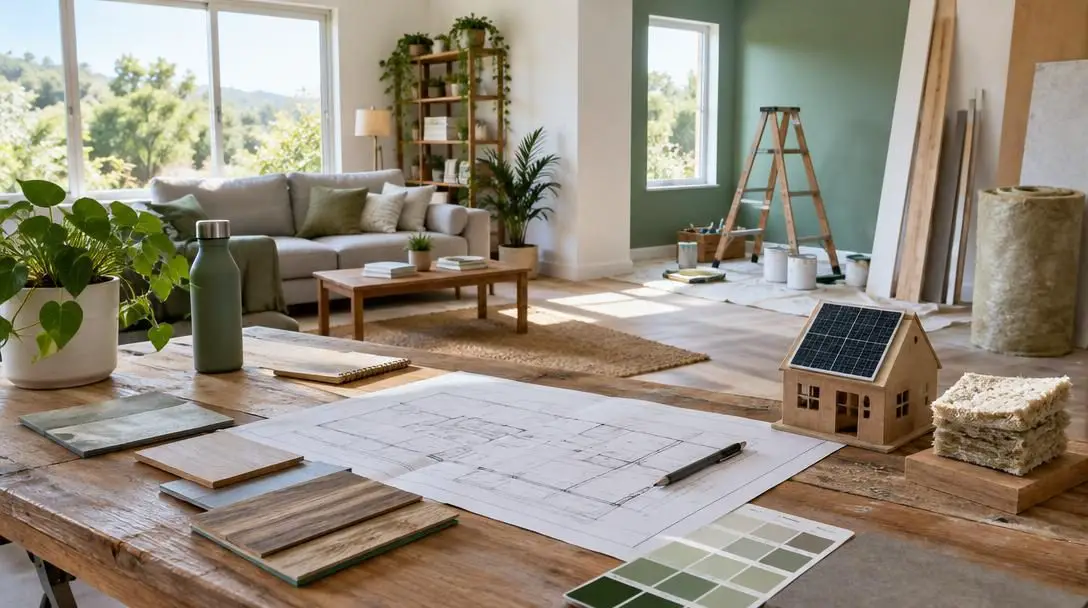
Crafting an environmentally friendly home improvement plan offers a practical, high-impact pathway to lower household carbon emissions while reducing day-to-day operating costs. As environmental awareness grows, homeowners are increasingly seeking thoughtful, durable strategies to lessen their ecological footprints without compromising on personal comfort, functional reliability, or interior design aesthetics. Sustainable renovating unites structured planning, natural resource conservation, and high-efficiency technologies to establish living spaces that operate in direct harmony with the natural world.
At its foundation, eco-friendly home improvement examines the entire lifecycle of the residential built environment. This perspective requires homeowners to evaluate how household power is generated, how building materials are sourced, how existing furnishings are kept out of municipal dumps, and how ongoing maintenance impacts local waterways. By prioritizing resource preservation over disposable convenience, everyday renovations can transform standard houses into healthy, resilient environments that cost noticeably less to maintain over the long run.
Key takeaways
- An eco-friendly home plan optimizes electricity use through smart controls and on-site solar generation to reduce greenhouse gas emissions.
- Prioritizing durable wood varieties like cedar and redwood alongside Forest Stewardship Council certification safeguards natural forest ecosystems.
- Repurposing everyday salvaged items, including wooden pallets and fruit boxes, prevents usable materials from entering local landfills.
- Using biodegradable commercial cleaners or pantry staples like white vinegar and baking soda keeps harmful chemical compounds out of municipal water systems.
- Phased implementation prevents unnecessary waste by encouraging homeowners to use existing appliances and fixtures through their complete operational lifespans.
The Evolution Toward Sustainable Living Spaces
Historically, standard residential construction and remodeling routines prioritized short-term convenience, rapid execution, and low initial costs. These conventional practices routinely generated massive construction material waste, demanded immense energy consumption, and relied heavily on harsh chemical formulations that degraded indoor air quality and local ecosystems. Landfills rapidly filled with discarded fixtures and structural elements that possessed years of remaining utility.
In response to accelerating climate concerns, fluctuating utility expenses, and overflowing landfill capacities, public perception has decisively shifted. Homeowners now recognize that sustainable residential design is no longer an all-or-nothing proposition limited to specialized eco-architecture. Incremental, deliberate upgrades—such as sealing thermal leaks, upgrading lighting fixtures, and selecting certified lumber—allow any household to dramatically cut greenhouse gas emissions while simultaneously enhancing property value.
True residential sustainability views the home as a unified system, connecting the energy drawn from the grid to the materials salvaged from the waste stream.
A functional green renovation plan relies on treating the home as an interconnected ecosystem. Rather than updating appliances or replacing flooring in isolation, an integrated strategy considers how energy controls, material flows, salvage opportunities, and non-toxic maintenance practices reinforce one another. When these operational components align, homeowners achieve substantial utility savings and establish healthier domestic environments.
Smart Technology and Renewable Power Generation
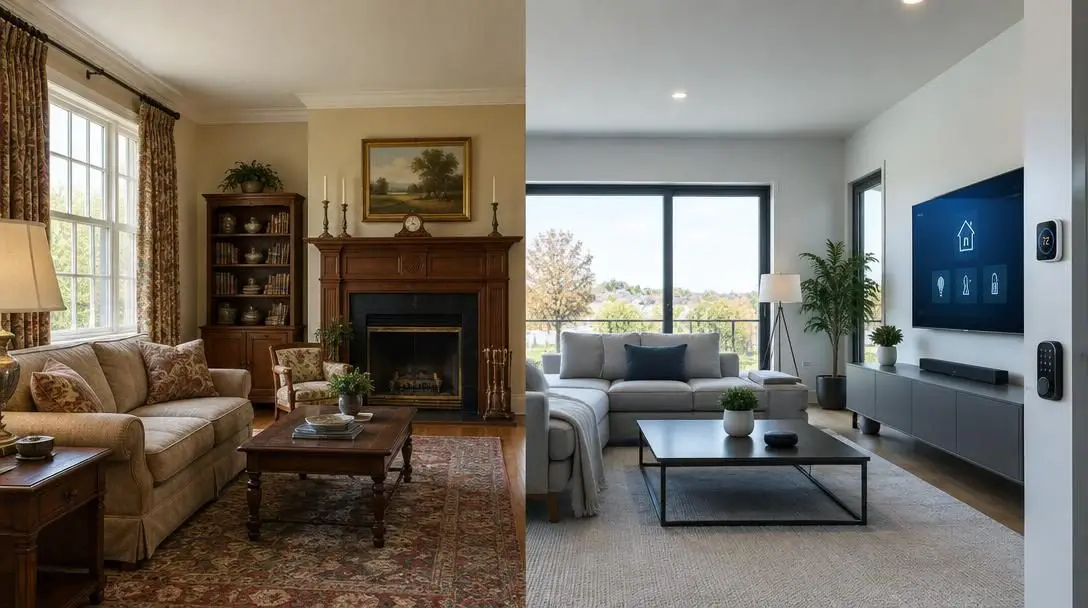
Modern electrical management plays an indispensable role in any comprehensive home improvement plan. Incorporating automated equipment allows households to streamline power consumption without requiring continuous manual intervention, keeping overall electrical draw to a minimum.
Motion Sensors
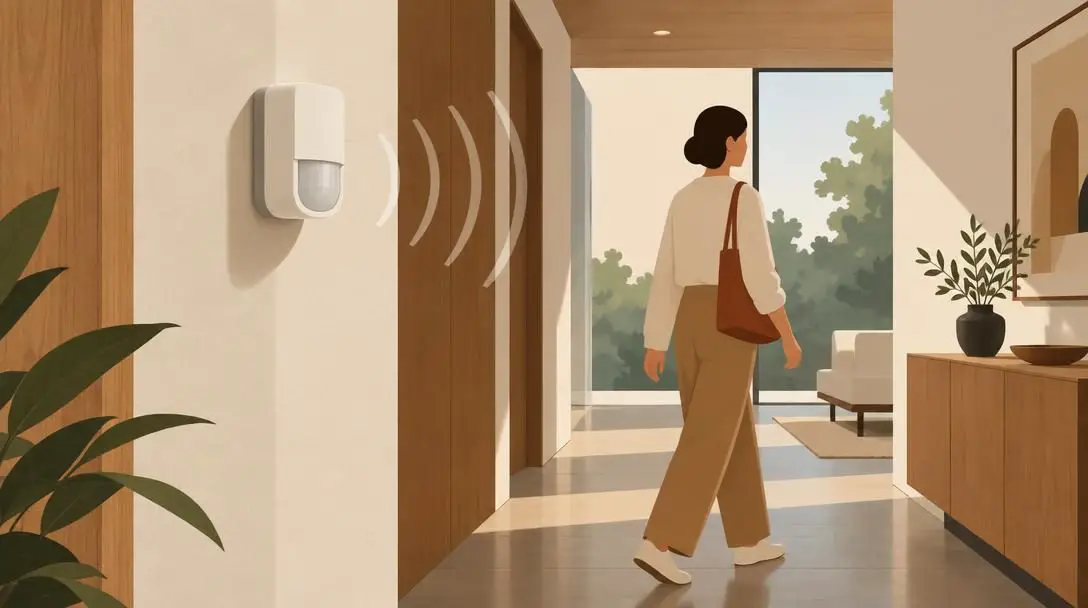
Motion sensors provide an immediate solution to passive energy waste in residential properties. By installing these units in intermittent-use spaces such as basements, utility closets, hallways, and exterior walkways, homeowners ensure that lighting activates solely when an area is occupied. This automated control prevents fixtures from remaining illuminated indefinitely due to human oversight, cutting baseline electricity use.
Dimmer Switches
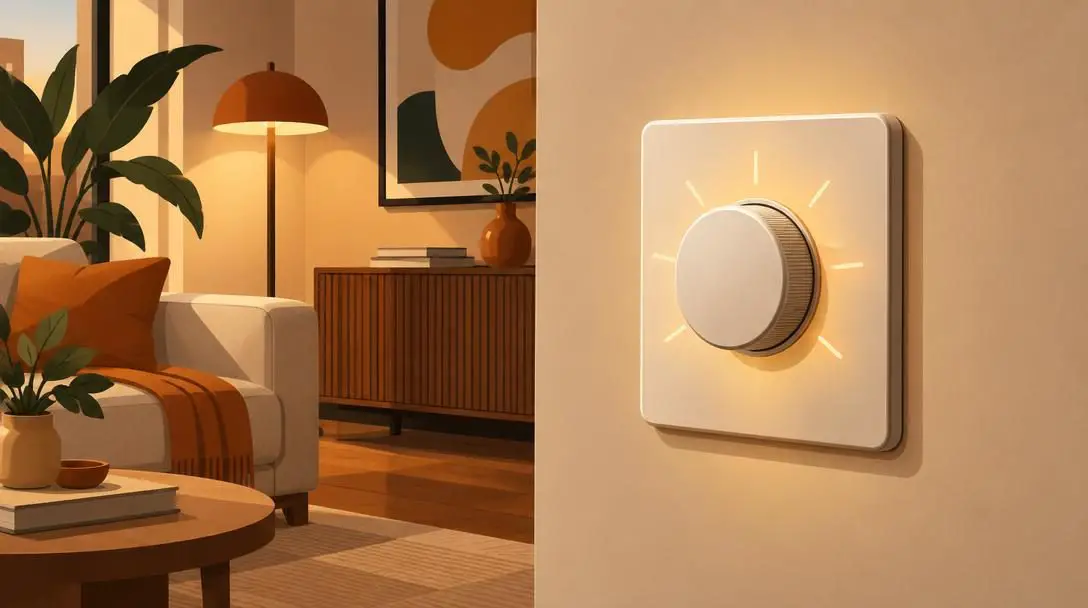
Dimmer switches give residents direct control over the wattage required to illuminate indoor living areas. Rather than running lights at maximum output continuously, dimmers allow occupants to calibrate lighting intensity according to the time of day and the availability of natural daylight. Lowering light levels reduces cumulative wattage draw and noticeably extends the functional lifespan of light bulbs across the house.
Energy-Efficient Appliances
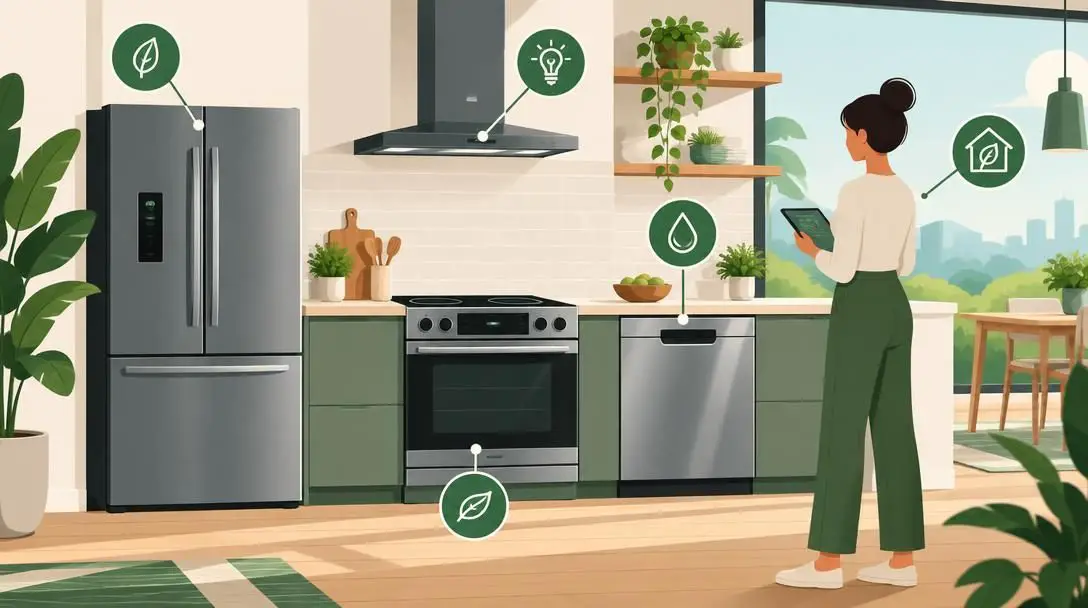
Outdated household appliances frequently represent the largest ongoing power drains in a residence. Upgrading to modern energy-efficient appliances drastically curbs baseline electricity demands. These units are engineered to accomplish identical tasks—such as refrigeration, dishwashing, and laundry—using a fraction of the power required by older models, leading directly to lower monthly utility bills.
Solar Panels
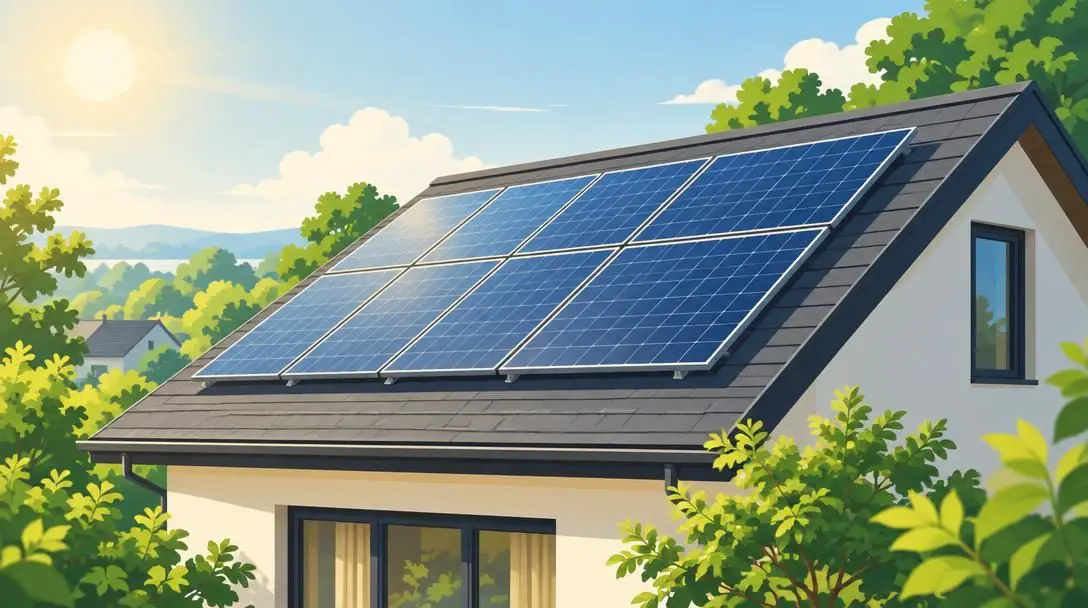
Installing solar panels on residential rooftops allows homeowners to generate clean, renewable electricity directly on-site. By capturing solar energy to power daily household functions, an on-site array offsets conventional grid reliance. This clean transition plays an active, measurable role in shrinking regional greenhouse gas emissions while protecting homeowners from rising conventional utility costs.
Responsible Selection of Natural Resources
The materials incorporated into structural framing, decorative trims, and outdoor additions fundamentally dictate a project's ecological footprint. Selecting renewable, carefully harvested resources ensures that structural upgrades remain durable while supporting responsible forestry practices.
Local Timber and Scrap Wood
Using local timber and scrap wood sourced from nearby managed woodlands, personal property, or workshop leftovers keeps valuable lumber out of burn piles and garbage dumps. Repurposing off-cuts for trim work, small structural repairs, or shelving eliminates the transportation emissions and commercial packaging associated with purchasing factory-milled supplies.
Naturally Durable Wood Species

When selecting timber for exterior installations or moisture-prone spaces, choosing durable wood species like cedar and redwood ensures natural longevity. These specific woods feature inherent defenses against decay and harsh outdoor weather conditions. Their natural resilience reduces the need for synthetic chemical treatments and ensures that outdoor decks, planters, and railings do not require premature replacement.
FSC-Certified Lumber
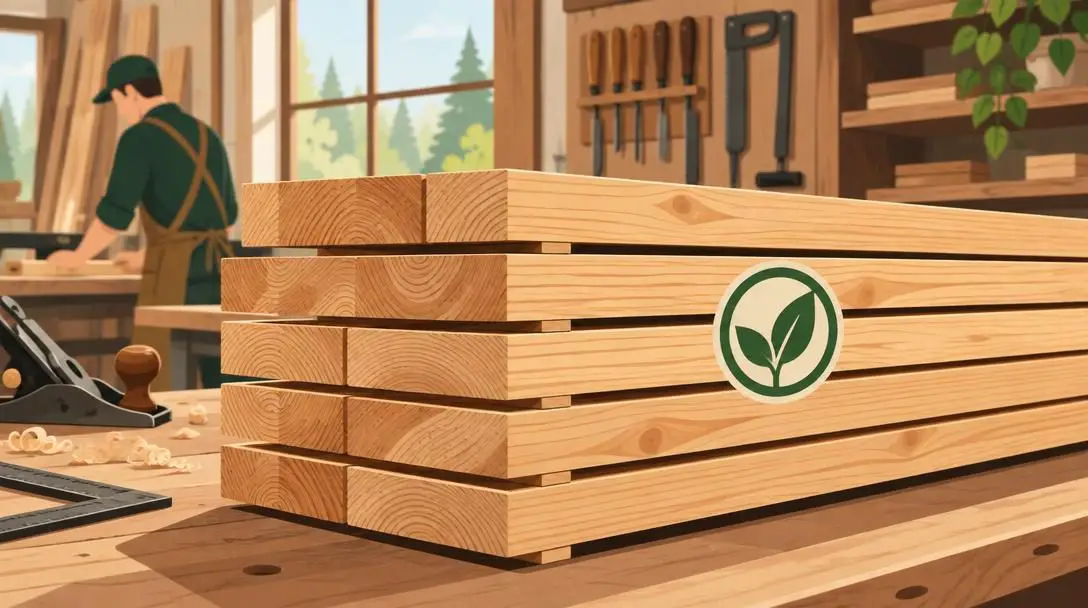
When brand-new lumber must be purchased from building supply retailers, seeking products certified by the Forest Stewardship Council (FSC) is essential. FSC certification provides verified assurance that timber was harvested using rigorous, environmentally responsible forestry techniques that protect biodiversity, maintain ecological balance, and support forest regeneration rather than clear-cutting.
Circular Sourcing and Material Repurposing
Transitioning toward a circular economy model within home improvement dramatically lessens the burden placed on municipal waste facilities. Giving functional items a second life minimizes the consumption of newly manufactured goods and brings distinctive architectural character into the home.
Secondhand Building Supplies
Acquiring architectural components and hardware through secondhand building supplies channels—such as architectural salvage yards, online marketplaces, and community reuse centers—diverts tons of functional material from landfills. Sourcing doors, lighting fixtures, hardware, and cabinetry secondhand delivers noticeable cost savings while bypassing the carbon-heavy manufacturing processes required for new retail inventory.
Reclaimed Wooden Pallets

Discarded shipping materials, particularly reclaimed wooden pallets, offer an abundant supply of sturdy lumber for do-it-yourself renovations. Rather than allowing pallets to rot or end up in commercial dumpsters, enterprising homeowners can dismantle them to construct custom furnishings. Clean pallet boards serve as excellent structural stock for rustic coffee tables, outdoor patio benches, vertical wall gardens, and decorative plant stands.
Upcycled Storage Crates
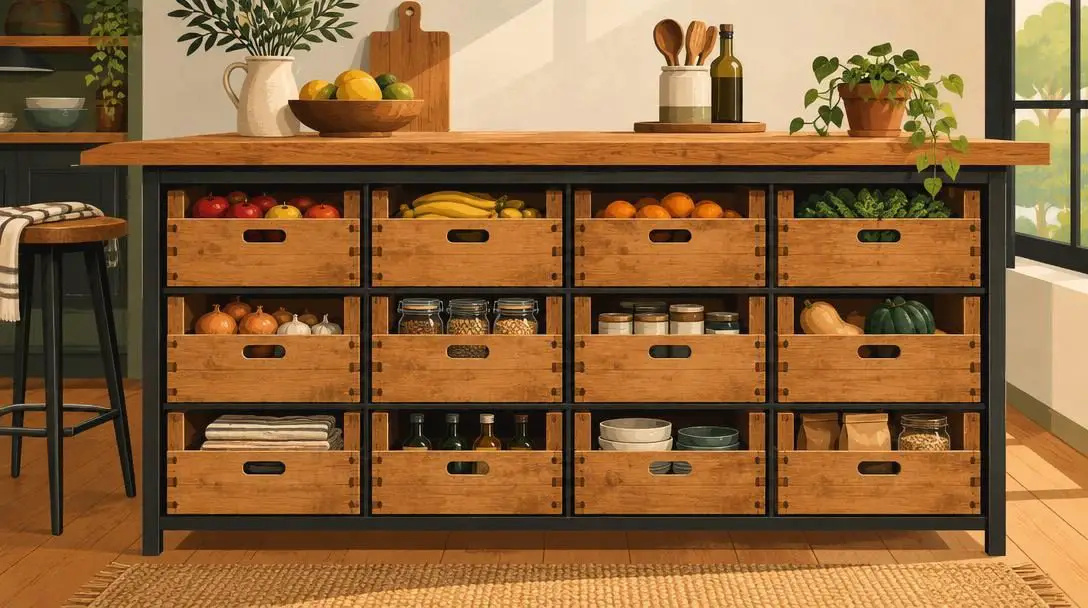
Repurposing everyday wooden packaging, such as upcycled fruit boxes, provides practical, low-cost utility in utility rooms, pantries, and workshops. Simple wooden produce crates can be sanded, treated, and fitted beneath sinks or inside closets to organize hand tools, cleaning products, hardware, or toiletries, completely bypassing the need to purchase newly produced plastic storage bins.
Eco-Friendly Cleaning and Post-Project Maintenance
Every home improvement undertaking concludes with dust removal, surface polishing, and ongoing maintenance. Traditional commercial cleaning formulations frequently contain aggressive chemical compounds that compromise indoor air quality and threaten surrounding water ecosystems when washed down drains.
Biodegradable Commercial Cleaners
Stocking household cleaning caddies with biodegradable commercial cleaners ensures post-project cleanup does not leave behind lingering airborne toxins or caustic residues. Readily available in local stores, these eco-friendly formulas use plant-derived cleaning agents that break down naturally in municipal sewage systems, significantly minimizing the risk of regional watershed contamination.
Homemade Cleaning Solutions
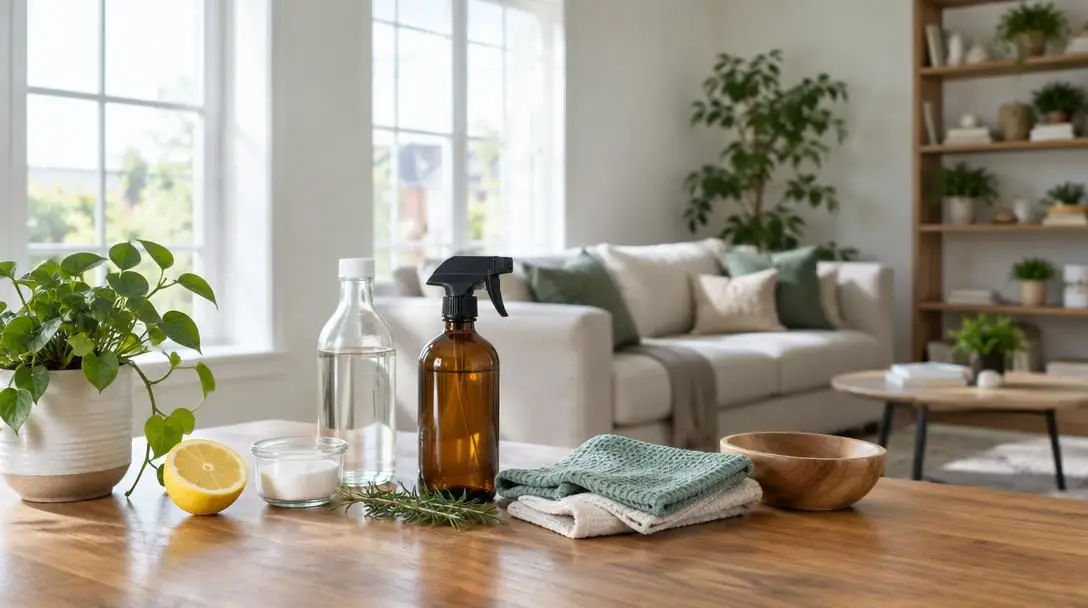
Homeowners can assemble powerful, non-toxic cleansers using inexpensive pantry staples. Mixing white vinegar and baking soda alongside a few drops of natural essential oils produces an effective scouring paste and degreasing spray. This gentle combination cuts through renovation grime, grease, and surface dirt without releasing volatile chemicals or toxic pollutants into indoor living spaces.
Comparing Green Renovation Solutions
Evaluating the practical applications, environmental strengths, and maintenance demands of different green upgrades helps homeowners allocate their project budgets effectively.
| Upgrade or Material | Functional Category | Primary Environmental Benefit | Recommended Application |
|---|---|---|---|
| Motion Sensors | Smart Technology | Eliminates passive lighting energy waste | Hallways, closets, basements, and walkways |
| Dimmer Switches | Smart Technology | Reduces overall wattage and bulb turnover | Living rooms, dining spaces, and bedrooms |
| Solar Panels | Renewable Energy | Cuts fossil fuel reliance and greenhouse emissions | Unshaded residential roof surfaces |
| Cedar and Redwood | Natural Resources | Weather resistance without chemical treatments | Outdoor decking, siding, and garden boxes |
| Reclaimed Pallets | Circular Reuse | Diverts sturdy timber stock from landfills | Custom tables, patio benches, and plant stands |
| Pantry Cleaners | Non-Toxic Maintenance | Eliminates synthetic chemical runoff in water | Countertop degreasing and surface scrubbing |
Step-by-Step Implementation Guide
Transforming a residential space into an eco-friendly property requires structured pacing. Rushing into comprehensive renovations without assessing baseline performance can lead to unnecessary spending and discarded materials. Following a sequential process ensures optimal efficiency and resource allocation.
- Evaluate current home performance: Walk through every room to detect energy losses and structural drafts. Note older, power-hungry appliances, assess drafty gaps around windows and entry doors, and locate areas where interior lights frequently stay illuminated while rooms sit empty.
- Establish priority upgrades: Rank potential projects by weighing environmental advantages against available budgets. Low-cost interventions, like adding dimmer switches or organizing scrap lumber for repairs, offer immediate starting points, whereas photovoltaic solar systems require long-range budget planning.
- Audit existing household materials: Thoroughly inspect storage spaces, including the attic, basement, shed, and garage, before initiating any purchases. Gather usable lumber cutoffs, spare mechanical fasteners, leftover paint, and unused wooden crates that can be incorporated into upcoming projects.
- Source secondhand first: When additional supplies become necessary, check local architectural salvage centers, community material exchanges, and secondhand digital platforms. Reserve retail trips exclusively for specialized hardware or FSC-certified timber stock that cannot be acquired through reuse networks.
- Install efficiency controls: Mount motion detectors in intermittent-use and transit zones, and wire dimmer switches into central gathering areas. When existing home appliances eventually reach the conclusion of their serviceable operational lives, systematically replace them with high-efficiency models.
- Transition maintenance supplies: Empty storage cabinets of harsh chemical cleaners and toxic scouring solvents. Restock cleaning supplies with certified commercial biodegradable cleaners or prepare customized cleaning batches using white vinegar, baking soda, and essential oils.
Common Mistakes to Avoid in Green Renovations
Well-intentioned homeowners frequently make preventable mistakes that inadvertently increase their environmental footprint or inflate overall project budgets. Remaining alert to these common missteps keeps sustainability efforts on track:
- Discarding functional items prematurely: Tossing out operating appliances, cabinetry, or plumbing fixtures merely because they lack modern eco-friendly labels creates unnecessary landfill bulk. Maximum sustainability comes from utilizing functional items across their entire operational lifespans before seeking efficient replacements.
- Overlooking timber certifications: Assuming all natural lumber is inherently sustainable allows destructive logging methods to persist. Homeowners should verify that purchased commercial lumber displays the Forest Stewardship Council (FSC) trademark.
- Neglecting proper material preparation: Utilizing salvaged materials like pallet wood without inspecting structural integrity, removing rusty fasteners, or sanding sharp splinters compromises project safety and reduces the longevity of finished furnishings.
- Assuming green equals expensive: Believing that sustainable improvements always demand significant financial investments causes many to overlook high-impact, low-cost steps. Sourcing secondhand building supplies, upcycling wooden crates, and mixing pantry-based cleaners cost substantially less than buying brand-new retail alternatives.
- Ignoring water runoff impacts: Focusing strictly on electrical power reduction while continuing to pour harsh chemical solutions down residential drains leaves watersheds vulnerable to pollution. Sustainable stewardship requires mindful attention to the liquids entering municipal drainage.
Planning Future Home Upgrades
Completing basic upgrades—such as fitting motion controls, adopting non-toxic cleansers, and repurposing salvaged storage crates—lays a dependable foundation for ambitious future renovations. Long-range planning guarantees that subsequent home additions integrate smoothly with existing green infrastructure.
Homeowners planning future clean energy investments should examine their roof layout, sun orientation, and regional shading to evaluate solar panel compatibility. Reviewing seasonal electricity bills reveals annual kilowatt consumption patterns, making it easier to determine the exact system size needed to balance domestic power needs. Concurrently, developing relationships with regional architectural salvage operations and certified timber suppliers ensures you are prepared to source ethical materials whenever structural maintenance or major additions arise.
Frequently asked questions
How does smart technology help reduce a home's carbon footprint?
Smart technology, including automated motion sensors and dimmer switches, optimizes household power consumption by eliminating passive electricity waste. Motion sensors automatically shut off lights in empty rooms, while dimmers reduce total wattage consumption based on daylight levels, directly cutting the demand placed on municipal electrical grids.
Why is Forest Stewardship Council (FSC) certification important when buying wood?
The FSC certification guarantees that lumber originates from responsibly managed forests that work within natural ecological cycles. This certification ensures that harvesting practices protect biodiversity, respect local environmental systems, and avoid destructive clear-cutting techniques.
Can broken wooden pallets really be used safely for home projects?
Yes, provided they are properly inspected and prepared. Homeowners should inspect salvaged pallets for structural stability, pull out old nails or rusty fasteners, and sand down rough splinters. Once prepared, pallet lumber can be safely built into durable indoor and outdoor furniture, such as coffee tables, patio benches, and plant stands.
Is an eco-friendly home renovation always more expensive than a conventional remodel?
No. While advanced systems like solar panels demand upfront capital, many core eco-friendly practices dramatically reduce renovation expenses. Sourcing materials from secondhand salvage stores, reusing leftover scrap wood, upcycling wooden crates, and making cleaners from vinegar and baking soda cost noticeably less than purchasing conventional retail goods.
How do household cleaning supplies affect the environment after a renovation project?
Cleaning products rinsed down sinks and drains flow into municipal water systems and local watersheds. Conventional cleaners containing harsh chemical compounds can contaminate local aquatic ecosystems, whereas biodegradable commercial formulas and homemade mixtures of vinegar and baking soda break down safely without polluting waterways.
The bottom line
Creating an environmentally friendly home improvement plan does not demand radical lifestyle sacrifices or exorbitant financial outlays. By prioritizing smart energy controls, responsibly harvested natural timbers, circular material reuse, and non-toxic maintenance, any homeowner can systematically transform their living space. Making mindful, phased updates preserves natural resources, reduces utility overhead, and establishes a healthier, more stylish home that supports the surrounding environment for years to come.