Creative Ways To Play With Friends Without Using A Board

Gathering with friends often defaults to familiar tabletop activities, yet standard board games are not the only way to share an engaging afternoon or evening. Traditional boards frequently take up substantial physical space, rely on dense rulebooks that stall the fun, and enforce strict player limits dictated by the small wooden or plastic pieces inside the box. When you step away from the tabletop board, social events open up to spontaneous movement, creative expression, quick mental recall, and collaborative problem-solving.
Board-free activities offer remarkable versatility for hosts and guests alike. They can be coordinated on a moment's notice using household essentials like pens and paper, adapted to spaces ranging from compact living rooms to outdoor neighborhood streets, or transitioned entirely online through modern conferencing software. Choosing these alternate styles of play keeps energy high, prevents players from feeling sluggish after hours in a chair, and readily accommodates groups of all sizes, ages, and backgrounds.
Key takeaways
- Board-free games bypass rigid component limits and complicated rulebooks in favor of active physical expression and social deduction.
- Everyday household supplies or accessible digital tools like Kahoot!, Quizlet Live, Zoom, Skype, and Google Meet make game nights easy to organize on short notice.
- Balancing team skill levels and enforcing turn timers prevents fatigue and ensures quieter participants remain actively engaged.
- Matching activity formats to your venue—from living rooms and backyards to commercial escape room spaces—guarantees a smooth social experience.
Comparing board-free game styles
Each board-free entertainment format highlights a distinct social dynamic. Some reward fast physical improvisation, while others demand keen deductive logic, encyclopedic memory, or sharp hand-eye coordination. Reviewing the core attributes of each activity helps determine which option fits your group size and physical environment.
| Activity | Primary Play Mechanic | Recommended Environment | Key Materials Needed |
|---|---|---|---|
| Scavenger Hunt | Physical exploration and item discovery | House, backyard, or neighborhood | Item checklist, writing implements |
| Charades | Physical gestures and silent acting | Living room or open indoor space | Paper slips, hat or bowl, timer |
| Trivia Night | Knowledge retrieval and speed | Indoor seating or virtual rooms | Mobile devices, digital quiz platforms |
| Murder Mystery Party | Roleplay, interrogation, and deduction | Spacious home or dining area | Character dossiers, clue sheets |
| Pictionary | Rapid sketching and visual interpretation | Living room or classroom | Paper pads or whiteboard, markers |
| Escape Room | Collaborative puzzle-solving | Dedicated commercial puzzle venue | In-room props, codes, lock mechanisms |
| Virtual Games Night | Remote interaction and digital competition | Online across multiple locations | Computers, webcams, conferencing apps |
| Card Games | Hand management, bluffing, and luck | Dining table or casual lounge | Standard or specialized card decks |
Stepping away from traditional game boards transforms a passive gathering into an active, collaborative social experience.
Eight creative board-free activities for your next gathering
Whether your friends prefer cerebral challenges, theatrical performances, or rapid artistic scribbling, these eight game categories provide an endless array of options for your next group get-together.
Scavenger Hunt
- Core dynamic: Active exploration and item searching
- Play area: Home interiors, backyards, or neighborhood streets
- Winning condition: First team to retrieve every checklist item
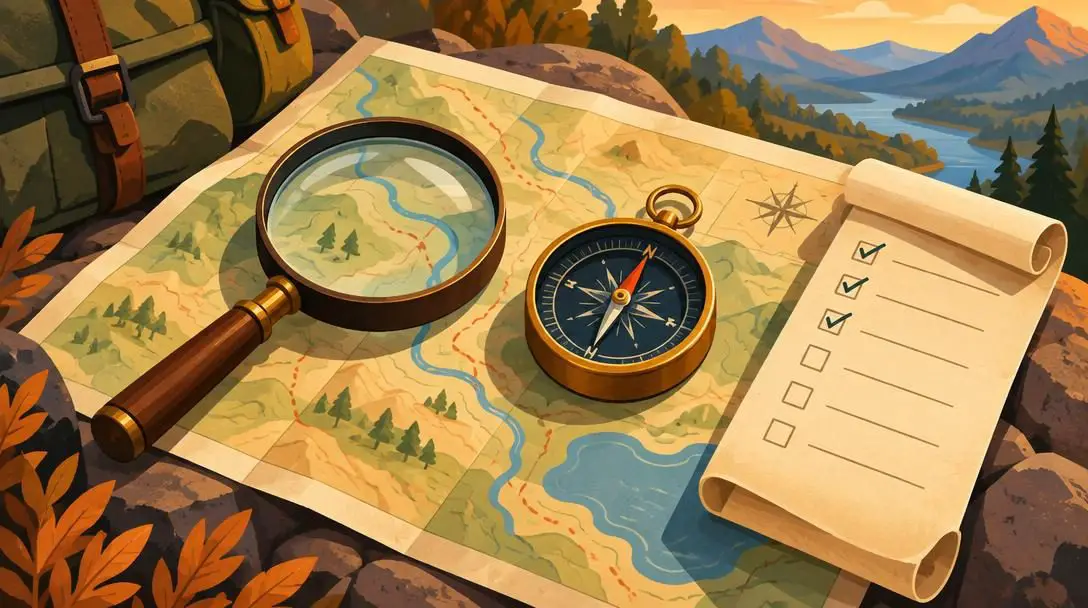
A scavenger hunt turns your immediate surroundings into an interactive playing field. The organizer designs a structured checklist of specific items for participants to find. Difficulty levels can easily be tailored to the ages and capabilities of the players involved, ranging from simple household artifacts for younger guests to obscure neighborhood landmarks for adults. Players divide into rival teams, set out across designated search perimeters, and race against the clock. The team that returns with their list fully verified by the host claims victory.
Charades

- Core dynamic: Non-verbal acting and physical expression
- Prompt topics: Books, films, and television shows
- Winning condition: Most correct guesses before time expires
Fueled by imagination and body language, Charades asks players to convey complex ideas without uttering a single syllable. Prompts consisting of well-known entertainment titles—such as movies, books, and TV series—are written on paper slips and tossed into a hat. On their turn, an actor draws a prompt, checks the title in secret, and uses pantomime, exaggerated hand gestures, and expressive facial reactions to steer their teammates toward the right answer. Because vocalizations are strictly forbidden, success hinges entirely on intuitive teamwork and sharp visual interpretation.

Trivia Night

- Core dynamic: Fact recall, speed, and subject mastery
- Common categories: Pop culture, history, science, and sports
- Software tools: Kahoot! and Quizlet Live
A competitive trivia night puts mental agility center stage. Hosts compile rounds of questions covering diverse topics like science, world history, athletics, and modern entertainment. Rather than relying on pen and paper scoring, modern trivia nights frequently incorporate digital response tools like Kahoot! or Quizlet Live. Participants use their personal smartphones or tablets to lock in responses against a ticking clock. These platforms automatically track speed and accuracy, generating real-time leaderboards that elevate tension as the final rounds approach.
Murder Mystery Party

- Core dynamic: Theatrical roleplaying and criminal deduction
- Structural elements: Character dossiers, sequential clues, and motives
- Winning condition: Correctly identifying the culprit behind the crime
A murder mystery party transforms an ordinary social gathering into an immersive, living narrative. Every guest receives a customized persona complete with a distinct backstory, secrets, and potential criminal motives. As the evening unfolds, the host introduces evidence and revelation cards at scheduled intervals. Attendees mingle, interrogate suspects, form private alliances, and cross-reference testimonies to reconstruct the crime scene and reveal the killer's true identity before the final curtain.
Pictionary

- Core dynamic: Visual sketching and symbol deduction
- Prompt topics: Historical events, pop culture, and entertainment
- Forbidden elements: Spoken hints, written letters, and numbers
Pictionary strips away verbal dialogue and challenges participants to communicate solely through rapid sketches. Teams rotate illustrators, who draw a prompt derived from pop culture, historical milestones, or entertainment media on a communal whiteboard or paper pad. Artists are barred from speaking, writing out numbers, or sketching alphabetic characters, forcing them to translate complex narrative ideas into intuitive visual symbols. Teammates shout out guesses in real time as the drawing develops, racing to decipher the sketch before the timer elapses.
Escape Room

- Core dynamic: Environmental examination and puzzle decoding
- Popular themes: Horror, mystery, and adventure quests
- Venue type: Dedicated commercial adventure space
An escape room offers a tactile, cooperative adventure set inside a themed physical environment. Friends enter a secure, immersive room configured around storylines such as a daring adventure quest, an eerie horror encounter, or an unsolved detective mystery. To escape the locked space, the group must scour furniture, discover hidden wall compartments, crack mechanical codes, and solve interconnected logic puzzles within a strict time limit. Clear cross-room communication and efficient task delegation are crucial for breaking free.
Virtual Games Night

- Core dynamic: Remote multiplayer interaction
- Supported platforms: Zoom, Skype, and Google Meet
- Play formats: Video games, digital party games, and virtual reality
A virtual games night bridges geographic divides, enabling far-flung friends to gather effortlessly online. Utilizing video conferencing platforms such as Zoom, Skype, or Google Meet, participants communicate via live audio and video feeds. Hosts can share their screens to stream party games, orchestrate rounds of cooperative multiplayer video games, or coordinate shared sessions inside virtual reality environments. This format replicates the warmth of in-person fellowship without requiring travel or physical cleanup.

Card Games

- Core dynamic: Probability, bluffing, and fast-paced turn mechanics
- Classic styles: Poker and Rummy (52-card standard deck)
- Modern styles: Exploding Kittens and Cards Against Humanity
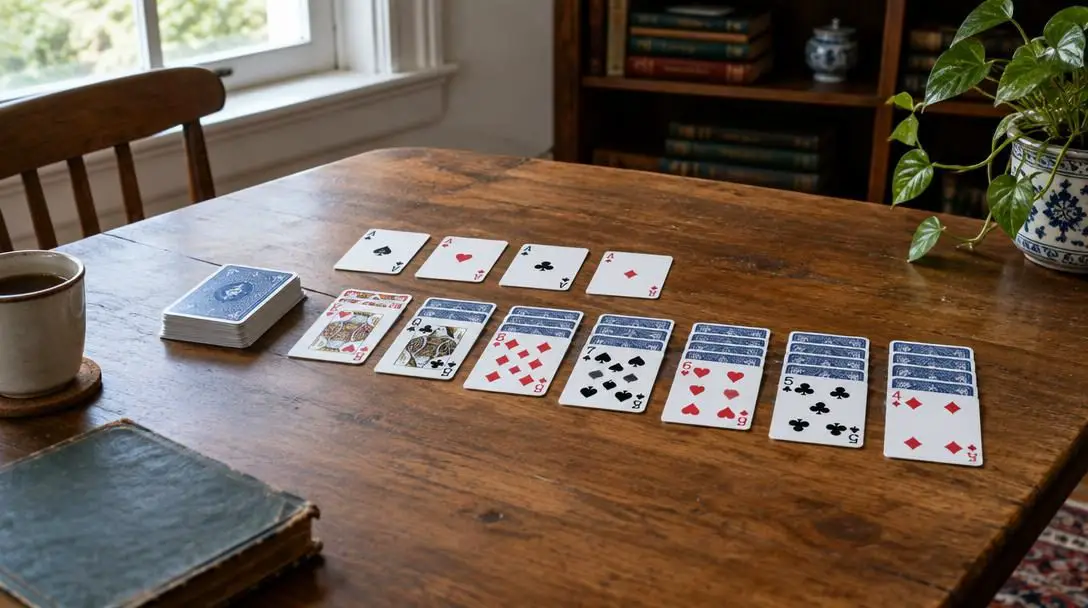
Relying on specialized or traditional decks rather than bulky boards, card games remain one of the most flexible entertainment options available. Classic card games like Poker and Rummy use a standard 52-card deck to test a player's grasp of hand building, calculated risk, and probability. In contrast, modern releases such as Exploding Kittens or Cards Against Humanity leverage custom illustrated decks designed with irreverent humor and fast turn cycles, ensuring easy accessibility regardless of how many people join the table.
How to organize a seamless board-free game night
Without the predetermined structure of a board game track to keep play moving along, organizing a board-free event requires intentional planning. Following these orderly steps ensures that your gathering remains energetic and free from awkward interruptions.
- Select an activity suited to your space: Match your entertainment choice to your physical setup. Outdoor yards or neighborhood blocks suit scavenger hunts; open living rooms accommodate charades and drawing games; and video conferencing tools support remote groups.
- Assemble materials before guests arrive: Prepare all game components in advance. Pre-cut and fold charades slips into a hat, draw up the scavenger hunt checklist, test digital quiz software, or lay out markers and drawing pads.
- Review game rules explicitly: Walk through boundaries, speaking restrictions, and scoring mechanisms before the opening round begins so every attendee understands the expectations.
- Construct balanced teams: Mix varied personality types, observational skills, and specialized knowledge bases across teams to foster competitive parity.
- Enforce firm pacing and time limits: Use stopwatches or timers to cap individual turns and rounds, keeping play crisp and sustaining player focus throughout the session.
- Offer tangible incentives: Award small novelty prizes to top-scoring squads to introduce lighthearted stakes and celebrate participation.
Common organizational mistakes to avoid
Even the most promising games can falter if logistical oversights dampen the group's enthusiasm. Keeping the following operational hazards in mind will help you steer clear of common host missteps:
- Calibrating difficulty poorly: Designing scavenger hunts that take hours or writing trivia questions that nobody can answer saps energy rapidly. Adapt the challenge level directly to the collective age and background of your guests.
- Overwhelming casual groups with complex setups: Forcing casual players into elaborate murder mystery roles with massive background dossiers can intimidate quieter attendees. Save deep narrative setups for enthusiastic roleplayers.
- Failing to test technical gear: For online gatherings or smartphone-based trivia, failing to check network connections, screen shares, or app permissions beforehand leads to frustrating downtime.
- Letting game sessions drag indefinitely: Board-free games rarely feature built-in stop mechanisms. Establish an explicit round limit or point ceiling beforehand to conclude the event on an energetic high note.
- Sidelining introverted participants: High-energy games like Charades can easily be dominated by vocal players. Assign diverse responsibilities—such as timekeeping or score recording—so everyone feels included without feeling cornered.
Frequently asked questions
What equipment do I need to host a virtual games night?
A virtual games night requires an internet-connected device equipped with a webcam and microphone, along with video conferencing software such as Zoom, Skype, or Google Meet. Hosts also need access to web-based party games, multiplayer digital titles, or virtual reality platforms that support remote screen sharing or synchronized lobbies.
How can I make sure quiet or shy guests have fun during active games?
You can support quieter participants by balancing team rosters with a mix of expressive and analytical players, using cooperative team guessing formats rather than solo spotlights, and offering crucial non-acting support roles such as timekeeper, score manager, or clue distributor.
What is the difference between classic and modern card games?
Classic card games like Poker and Rummy rely on a standard 52-card deck and emphasize hand collection, probability, and strategic wagering. Modern card games, such as Exploding Kittens or Cards Against Humanity, use proprietary themed decks featuring specialized action cards, humor, and streamlined rule sets designed for rapid group play.
Can a scavenger hunt be held indoors if the weather is bad?
Yes. Scavenger hunts can easily be restricted to indoor domestic spaces by challenging teams to locate peculiar household objects, identify books on shelves, discover hidden notes in specific rooms, or solve riddle-based clues leading to common interior fixtures.
What themes are most common for escape rooms?
Commercial escape rooms predominantly feature immersive narrative themes based around horror, unsolved detective mysteries, or high-stakes adventure quests, each requiring players to work cooperatively against a fixed countdown clock.
The bottom line
Shifting your social gatherings away from conventional tabletop boards encourages active movement, genuine laughter, and fresh forms of creative collaboration. Whether you are leading a dynamic neighborhood scavenger hunt, hosting a digital trivia showdown on Kahoot!, or decoding hidden locks inside a themed escape room, non-board games provide limitless variety. By preparing supplies early, establishing clear rules, and tailoring game complexity to the social personality of your group, you can cultivate vibrant game nights that keep friends eagerly anticipating the next gathering.