Mastering Bullet Chess: Tips and Strategies
Bullet chess is the ultimate high-speed test of mental reflexes, turning the methodical game of kings into an electrifying race against the clock. While traditional classical chess gives grandmasters hours to calculate deep variations and assess subtle structural imbalances, bullet restricts each player to just one or two minutes for all of their moves. The ticking clock strips away hesitation, transforming every match into a raw contest of intuition, tactile pattern recognition, and psychological resilience.
Originally sparked by the development of mechanical chess timers and supercharged by modern digital platforms, bullet chess has emerged as a cornerstone of competitive online gaming. It attracts millions of casual players looking for a rapid adrenaline fix as well as the world's most elite grandmasters battling in virtual arenas. Thriving in this breakneck environment demands far more than rapid clicking; it requires a specialized understanding of openings, pragmatic tactics, endgame simplification, and meticulous time management.
Key takeaways
- Bullet chess limits each competitor to an overall time control of one to two minutes, with one-minute games standing as the most popular format.
- Success relies heavily on rapid intuition and sharp pattern recognition rather than the deep, exhaustive calculations typical of classical chess.
- Openings like the King's Pawn Opening and Sicilian Defense help establish immediate active piece play and open central lines for early attacks.
- Major digital platforms such as Chess.com, Lichess.org, and the Internet Chess Club (ICC) provide the low-lag architecture needed for competitive speed chess.
- Modern grandmasters like Hikaru Nakamura, Magnus Carlsen, and Alireza Firouzja have defined the modern era of high-stakes online speed chess.
The evolution of lightning-fast chess
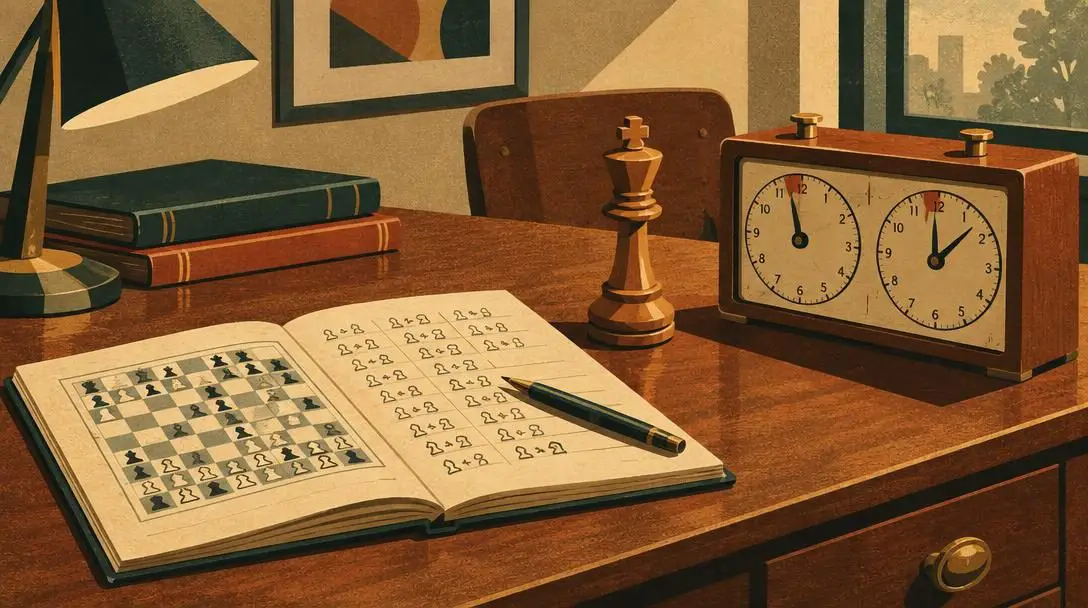
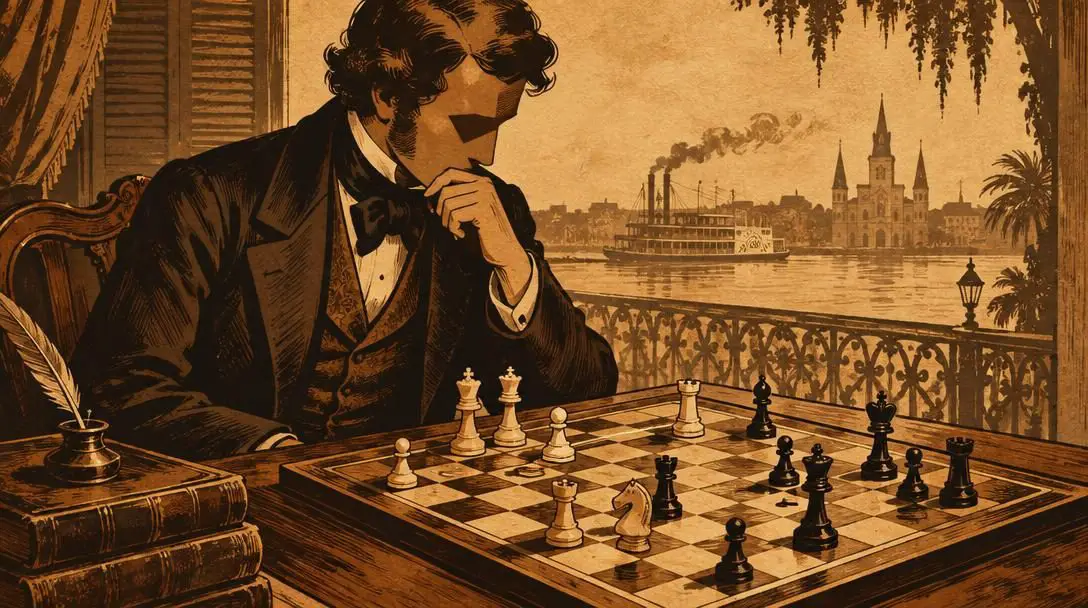
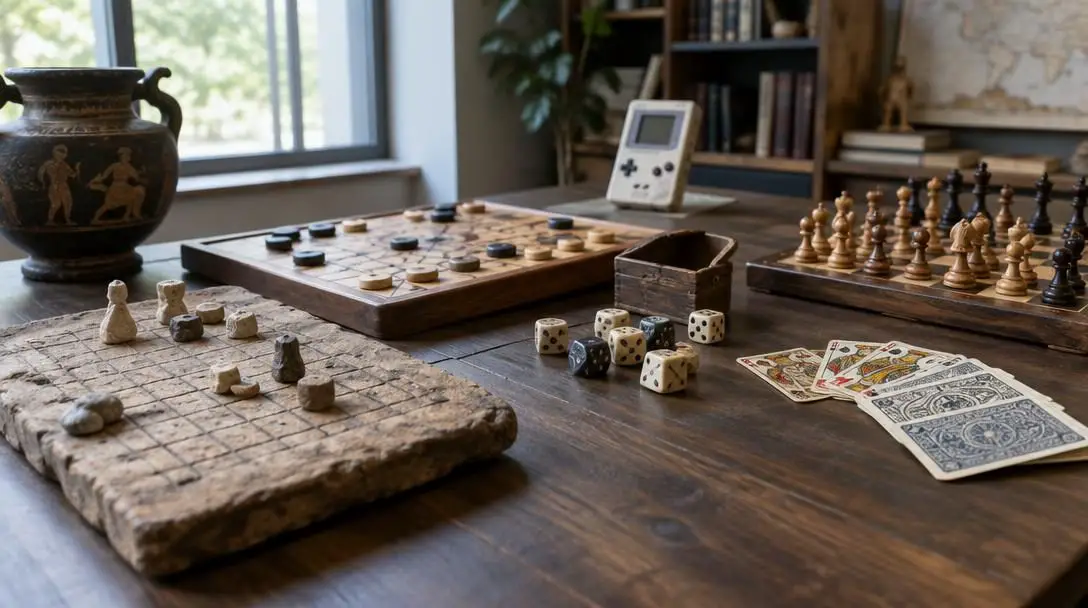
The origins of bullet chess are firmly anchored in the broader lineage of blitz and speed chess, formats documented as far back as the 19th century. In its earliest iterations, speed chess was constrained by manual mechanics, requiring players to visually track sandglasses or rely on verbal arbiters calling out intervals. The crucial breakthrough arrived during the late 1800s with the invention of the chess clock. Dedicated dual-dial timing mechanisms forced players to physically split their allocated time, establishing a framework where personal time conservation became a viable strategic weapon.
Over the course of the 20th century, casual off-hand games and rapid club tournaments steadily shaved down time controls from several minutes per side to sudden-death showdowns. Yet bullet chess in its modern identity could not fully mature over physical boards alone, where knocking over wooden pieces, accidental illegal moves, and mechanical clock-banging routinely disrupted games with less than sixty seconds on the clock.
The true golden age of bullet chess arrived with the birth of the internet. The debut of platforms like the Internet Chess Club (ICC) in the late 20th century, followed by modern heavyweights such as Chess.com and Lichess.org, removed physical friction from the game. By automating legal move enforcement, introducing pre-moves, and eliminating physical piece displacement, low-lag software allowed players worldwide to wage pure tactical warfare at speeds previously thought impossible.
Speed in bullet chess is not merely physical velocity with the mouse; it is the immediate recognition of patterns acquired through systematic training.
Understanding the rules and time mechanics
At its core, bullet chess adheres to standard international chess rules: the objective is checkmate, illegal moves cannot be executed on digital boards, and standard pawn promotions, castling, and en passant rights remain unchanged. The defining deviation lies strictly in the ruthless pacing dictated by the countdown timer.
In standard bullet matchups, each competitor receives a base time of one minute (expressed as 1+0). With zero seconds added per move, every split-second deliberation eats away at your finite pool of resources. Running out of time means an immediate forfeit, provided the opponent has sufficient material remaining on the board to deliver checkmate.
To mitigate the heartbreak of losing entirely to physical latency or scrambling clocks at the finish, many formats feature an increment or time delay. Under these controls, a predetermined number of seconds—commonly two or three seconds—is credited back to a player's clock after each completed move. For example, in a 1+2 time control:
- Each competitor starts the match with sixty seconds on their digital clock.
- As soon as a move is completed, two additional seconds are added to their time pool.
- Swift, accurate play in standard endgame conversions allows a player to maintain or even expand their remaining time, rewarding technique over pure scrambling.
Phase-by-phase tactical blueprint
Mastering bullet chess requires an overhaul of the classical mindset. Because there is no time to ponder twenty moves ahead, practical pressure and initiative consistently trump theoretical perfection. Navigating each phase demands specific tactical adjustments.
In the opening, spending time looking for obscure sidelines is a recipe for time trouble. Competitors rely on well-trodden, aggressive systems such as the King's Pawn Opening (1.e4) or dynamic answers like the Sicilian Defense. These systems instantly fight for central dominance, open sightlines for bishops and queens, and set the board on fire with immediate tactical complications. The goal is simple: achieve harmonious piece development, tuck the king safely away via castling, and force the opponent to react first.
During the middle-game, the emphasis shifts overwhelmingly toward direct tactical blows over deep positional maneuvering. Players hunt for loose, undefended pieces and engineer simultaneous double attacks, discovered checks, and pins. Creating acute, immediate threats forces your opponent to waste precious seconds interpreting the danger, shifting psychological pressure squarely onto their clock.
When the board simplifies into an endgame, technical clarity must merge with speed. Key priorities include:
- Quickly identifying opportunities to trade down when holding a decisive material advantage.
- Pushing passed pawns toward promotion squares while cutting off enemy king routes.
- Relying on ingrained checkmating mechanics—such as rook rollers or queen-and-king cutoffs—without pausing to double-check every step.
- Maintaining relentless practical counterplay to complicate the position if you are behind on material.
Top online platforms for bullet chess
Finding the right digital arena is vital for low-latency play, reliable matchmaking, and active tournament ecosystems. Three primary servers dominate the bullet chess landscape, each offering distinct advantages.
| Platform | Cost Model | Key Bullet Formats | Notable Features |
|---|---|---|---|
| Chess.com | Freemium | 1+0, 1+1, 2+1 | Massive global community, rating leaderboards, Bullet Chess Championship |
| Lichess.org | Free and open-source | 1+0, 2+1, Ultra-bullet (15 seconds) | Zero lag architecture, Lichess Titled Arenas, community league systems |
| Internet Chess Club (ICC) | Subscription-based | 1+0, 2+0, custom blitz/bullet | Historic prestige, elite grandmaster pedigree, curated masterclasses |
Chess.com
- Access Model: Freemium platform
- Flagship Time Control: 1 minute per player
- Flagship Event: Bullet Chess Championship
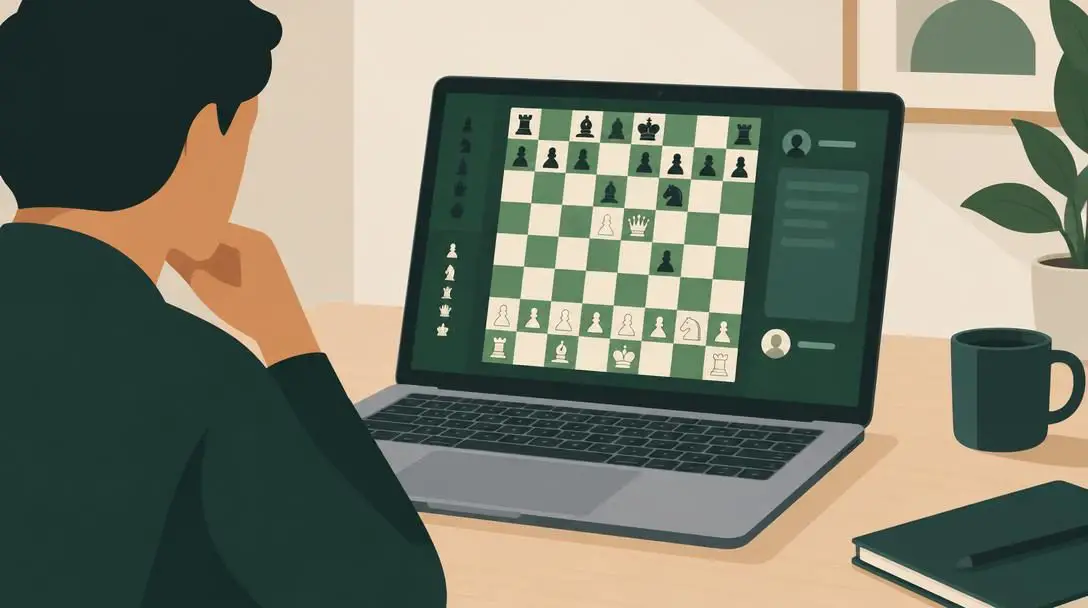
As the largest digital chess community in the world, Chess.com offers instantaneous matchmaking across all skill levels, from beginners to elite grandmasters. The site features an intuitive interface, global rating leaderboards, and frequent high-profile tournaments. Its standard one-minute pool remains one of the most competitive proving grounds in modern esports.
Lichess.org
- Access Model: Free, open-source platform
- Specialty Format: Ultra-bullet (15 seconds per player)
- Premier Event: Lichess Titled Arenas
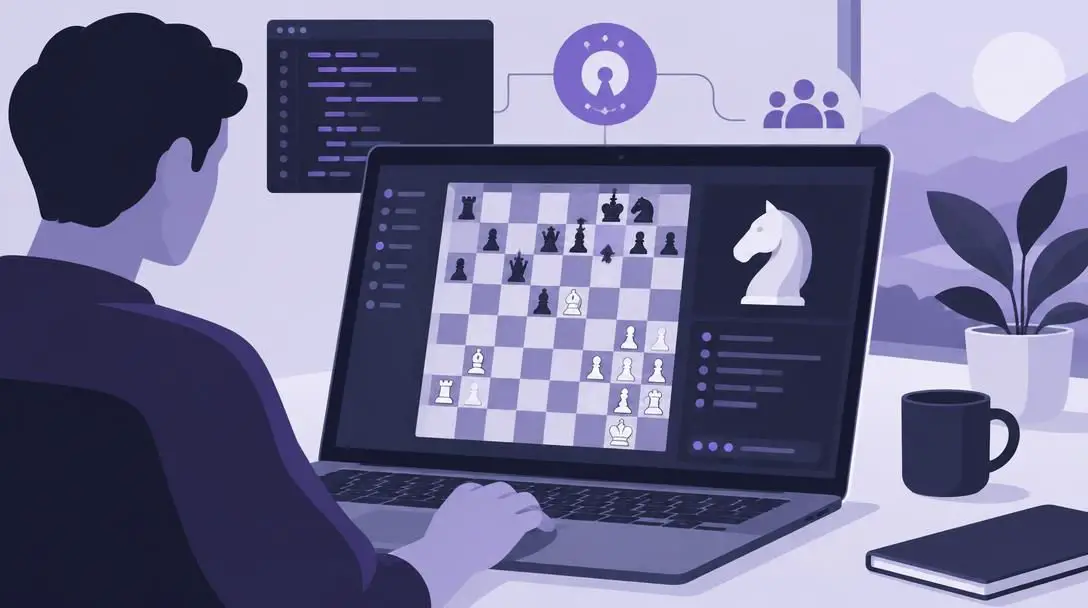
Revered for its clean aesthetic, ad-free environment, and blisteringly fast server performance, Lichess.org is a favorite among dedicated speed enthusiasts. In addition to standard bullet tournaments, the platform hosts high-octane 15-second ultra-bullet games and monthly Titled Arenas where top grandmasters duel under high-pressure conditions.
Internet Chess Club (ICC)

- Access Model: Paid subscription
- Community: Professional and titled players
- Educational Resources: Grandmaster video libraries and guides
The Internet Chess Club represents the historic foundation of competitive digital chess. Long considered an elite digital clubhouse, ICC has hosted generations of grandmasters. Its subscription model provides high-caliber matchmaking, historically prestigious rating ladders, and an extensive library of educational commentary and articles provided by seasoned masters.
Famous grandmasters of the one-minute arena
While bullet chess was once dismissed by purists as mere reckless patzer play, the world's most dominant classical champions have demonstrated that supreme chess understanding shines even with only sixty seconds on the clock.
Hikaru Nakamura

- Birth Year: 1987 (Japan; represents United States)
- Grandmaster Title: Earned at age 15
- Major Bullet Achievements: Chess.com Bullet Chess Champion
American grandmaster Hikaru Nakamura is widely regarded as one of the greatest speed chess talents in history. A four-time U.S. Champion who achieved his grandmaster title at just 15 years of age, Nakamura pairs exceptional board vision with unmatched mouse mechanics. Known for his aggressive, intuitive play, Nakamura has claimed multiple Bullet Chess Championships and memorably defeated classical champion Magnus Carlsen in head-to-head bullet matches.
Alireza Firouzja
- Birth Year: 2003 (Iran)
- Milestone: Youngest player to cross 2700 Elo (October 2019)
- Notable Victory: 2019 European Fischer Random Championship
Alireza Firouzja represents the new generation of hyper-dynamic chess phenoms. Born in 2003, Firouzja shattered records by becoming the youngest player in history to hit a 2700 Elo rating in October 2019. His bullet play is defined by shocking speed, tactical fearlessness, and tactical inventiveness. Firouzja proved his elite credentials on the global stage by toppling top champions, including Magnus Carlsen, during his triumph at the 2019 European Fischer Random Championship.
Magnus Carlsen
- Birth Year: 1990 (Norway)
- Grandmaster Title: Earned at age 13
- Record: Highest classical Elo rating in history
Longtime World Chess Champion Magnus Carlsen has displayed historic mastery across every single time format. The Norwegian prodigy earned his grandmaster title at 13 before reaching the highest classical rating ever recorded. Unlike pure tacticians who rely on chaotic trickery, Carlsen dominates bullet through ruthless positional clarity, rapid safety calculations, and near-flawless intuition, often streaming his games online while casually dismantling top-ranked opposition.
How to systematically improve your bullet game
Climbing the bullet rating ladder is not simply a matter of moving your mouse faster; it requires training your brain to process tactical patterns instantaneously while managing stress under extreme time constraints.
- Drill pattern recognition daily: Use tactical trainers such as ChessTempo, Chess.com, or Lichess to solve straightforward puzzles in seconds, cementing tactical motifs in your subconscious.
- Narrow and solidify your opening repertoire: Play consistent, aggressive openings like the King's Pawn Opening or Sicilian Defense so your first ten moves require zero clock investment.
- Prioritize practical threats over theoretical perfection: When low on time, make forcing moves that put checks on the enemy king, attack loose pieces, or demand immediate defensive calculation from your opponent.
- Master basic endgame mechanics: Drill simple checkmates (such as queen-and-king or rook-and-king) until you can execute them effortlessly on pre-moves without thinking.
- Review your catastrophic blunders: Regularly inspect your losses to identify whether you dropped games due to opening preparation gaps, tactical blind spots, or poor clock management.
Frequently asked questions
What is the difference between blitz chess and bullet chess?
The primary distinction lies in the total time allotted per player. Blitz chess typically gives each player between three and five minutes per game. Bullet chess reduces this allotment to under three minutes, with one-minute games being the standard format.
Does playing bullet chess hurt your classical chess performance?
Relying exclusively on bullet chess can encourage superficial calculations, shallow tactical tricks, and bad positional habits. However, when balanced with classical study, bullet sharpens tactical pattern recognition, time scramble composure, and intuitive tactical vision.
What does a time increment mean in bullet chess?
An increment is an extra allotment of time—typically one, two, or three seconds—added to a player's clock immediately after each move they make. This feature prevents games from being lost entirely to physical mouse-clicking speed or connection latency.
What is ultra-bullet chess?
Ultra-bullet is an extreme variant of speed chess, most famously hosted on Lichess.org, where each player is given a total of only 15 seconds for the entire game. It requires extraordinary manual dexterity and instant pre-moving.
What are pre-moves in online bullet chess?
Pre-moves allow online players to register their next move while their opponent is still taking their turn. Once the opponent moves, the pre-move is executed automatically in a fraction of a second, saving vital time on the clock.
The bottom line
Bullet chess is an adrenaline-fueled arena where traditional chess strategy collides with split-second execution. By developing a dependable opening repertoire, sharpening tactical instincts, choosing the right digital platform, and maintaining composure under the relentless tick of the clock, any player can transform chaotic scramble into clinical, lightning-fast victories.