Master Chess Books: The Ultimate Collection
For centuries, the Royal Game has preserved its insights, debates, and breakthroughs through the written word. From medieval allegorical tracts to modern engine-assisted analyses, chess literature forms an unbroken lineage of human ingenuity, documenting how players have learned to harness thirty-two pieces across sixty-four squares.
Whether dissecting historical masterworks, parsing instructional guidebooks, or analyzing the aggressive leaps of tactical play, exploring celebrated chess texts provides students of all skill levels with a structured pathway toward competitive mastery.
Key takeaways
- Chess writing spans over five hundred years, progressing from moral treatises and Romantic puzzle compendiums to rigorous Soviet training manuals and digital-age grandmaster analyses.
- World champions such as Bobby Fischer and Garry Kasparov have authored foundational volumes that illuminate high-level calculation, tournament psychology, and strategic planning.
- Mastering the game requires parallel development in positional strategy, as formulated by Aron Nimzowitsch and Jeremy Silman, and dynamic tactical execution, as taught by Yasser Seirawan and Vladimir Vukovic.
- Studying pawn skeletons and recurring middlegame patterns enables players to devise clear, effective long-term plans rather than relying on haphazard over-the-board improvisation.
The Historical Evolution of Chess Literature
The earliest surviving European chess writings took root during the late Middle Ages, coinciding with the game's accelerating popularity across the continent. In the 15th century, foundational works emerged to document both the mechanics and the cultural meaning of play. Among the pioneering works of this era is Repeticion de Amores y Arte de Ajedrez, connected in historical accounts with Spanish poet Jacobus de Cessolis, which paired the rules of movement with extended allegorical commentary on medieval society and civic morality. Concurrent manuscripts by Luis Ramirez de Lucena and Pedro Damiano formalized this transition, assembling tactical motifs and opening principles into the first codified manuals of play.
The Renaissance and the introduction of movable type revolutionized the spread of chess ideas. In 1476, William Caxton printed The Game and Playe of the Chesse, recognized as the very first English-language book on the subject. Caxton's treatise addressed the philosophical nature of each piece, examining duty, social balance, and spiritual values through the lens of the board. Decades later in Italy, apothecary Pedro Damiano published his seminal 1512 volume, Questo libro e da imparare giocare a scachi et de li partiti. Damiano prioritized sound opening strategies, rapid piece development, and early control of the center, establishing strategic doctrines that remain cornerstones of modern opening theory.
By the Romantic Era of the 17th and 18th centuries, chess manuals turned toward audacious artistic expression. Italian master Gioachino Greco published dynamic game manuscripts filled with brilliant sacrifices, king hunts, and devastating opening traps. Greco’s creative attacking recipes defined Romantic chess aesthetics. In the 19th century, the explosion of daily newspapers, specialized magazines, and tournament bulletins quickly replaced isolated manuscripts, turning master games into public spectacles and giving rise to the modern international chess community.
In the 20th century, state-backed training systems transformed instructional publishing. The Soviet chess school produced landmark game collections, most notably Mikhail Botvinnik’s One Hundred Selected Games and Anatoly Karpov’s My Best Games, giving aspiring players an intimate look inside the analytical processes of world champions. Today, while digital databases and neural-network engines have revised concrete evaluation, classical printed treatises retain enduring pedagogical power.
Legendary Grandmasters and Chess Educators
While hundreds of masters have written on chess, a select group of world champions and veteran instructors have fundamentally reshaped how the world learns to calculate, evaluate, and compete.
Bobby Fischer
- Title: Grandmaster and World Chess Champion
- Nationality: American
- Signature Book: My 60 Memorable Games (1969)
- Key Educational Work: Bobby Fischer Teaches Chess
American prodigy Bobby Fischer left an indelible mark on chess literature with his 1969 masterpiece, My 60 Memorable Games. Renowned for its raw candor and exacting precision, Fischer did not merely publish comfortable victories; he included three of his own losses and several hard-fought draws, offering readers an unfiltered look into his operational calculations and deep tactical insight. Fischer also co-authored Bobby Fischer Teaches Chess, an entry-level handbook using programmed learning formats to instill checkmating patterns in beginners, while his legendary career remains documented in Fischer’s Chess Games.
Garry Kasparov
- Title: Grandmaster and former World Chess Champion
- Nationality: Russian
- Signature Book: My Great Predecessors (Five-Volume Series)
- Broader Works: How Life Imitates Chess; Winter is Coming
Garry Kasparov brought the same volcanic intensity to the page that defined his reign at the pinnacle of competitive chess. His monumental five-volume, 2,000-page historical series, My Great Predecessors, systematically evaluates every official world champion from Wilhelm Steinitz through Anatoly Karpov. Kasparov paired computer-assisted engine checks with grandmaster intuition to reexamine historic clashes, clarifying how each champion pushed the theoretical frontier forward. Beyond pure tournament analysis, Kasparov explored decision-making models in How Life Imitates Chess and modern geopolitical struggle in Winter is Coming.
Jeremy Silman
- Title: International Master
- Nationality: American
- Signature Book: How to Reassess Your Chess
- Notable Training Text: The Amateur’s Mind
International Master Jeremy Silman gained widespread acclaim for translating abstract positional concepts into practical, relatable guidelines for everyday club competitors. In The Amateur’s Mind: Turning Chess Misconceptions into Chess Mastery, Silman demonstrated how typical intermediate players sabotage their own games through flawed evaluation habits. His crowning work, How to Reassess Your Chess, introduced the concept of positional imbalances, training students to systematically inventory strengths—such as minor piece superiority, pawn structures, and open files—to construct cohesive, purposeful plans.
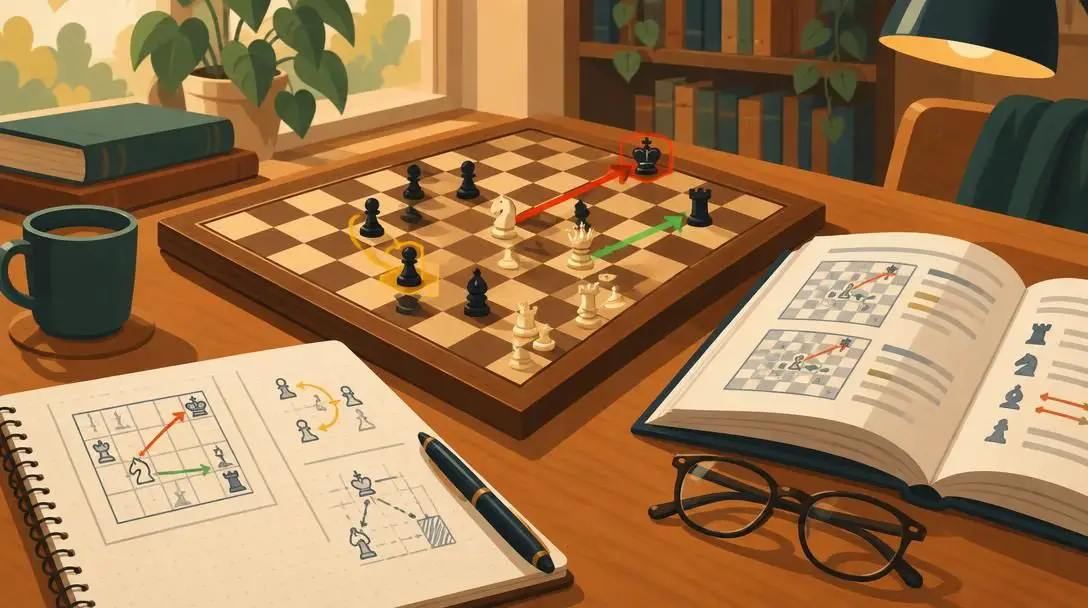
Mastering chess requires cultivating long-term positional advantages while staying alert to the tactical blows that bring plans to fruition.
Essential Manuals for Strategy and Positional Play
Positional play governs the quiet phases of the game, setting the stage for decisive strikes. Without a sound positional foundation, attacks collapse from a lack of structural support.
My System by Aron Nimzowitsch
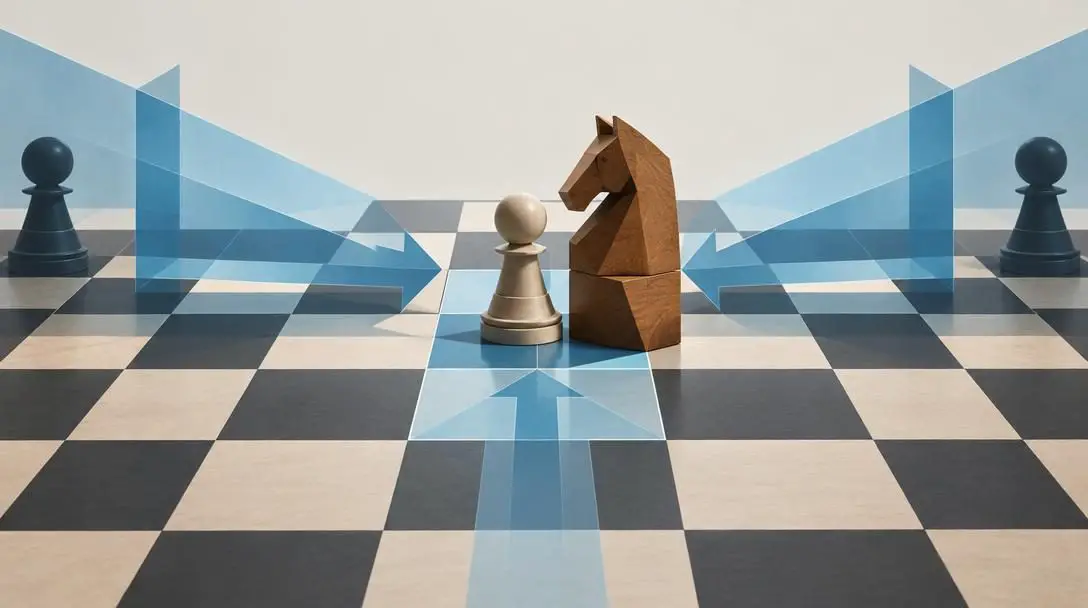
Published in 1925, My System challenged classical dogmas and codified the Hypermodern school of chess. Aron Nimzowitsch argued that controlling the center did not require physically occupying central squares with pawns; pieces operating from the flanks could achieve the same objective. Nimzowitsch established vital tenets that remain indispensable in modern club preparation:
- Prophylaxis: Anticipating and frustrating your opponent's upcoming maneuvers and tactical intentions before launching active plans of your own.
- Blockading: Stationing a secure piece—ideally a knight—directly in front of an opposing passed pawn or advancing pawn chain to nullify its mobility.
- The Isolani: Dissecting the strategic trade-offs of the isolated queen's pawn, balancing its dynamic open files and outpost squares against its endgame vulnerability.
- Overprotection: Reinforcing an important square or pawn multiple times so that the defending pieces remain active and ready to pivot to other tasks.
The Art of the Middle Game by Paul Keres and Alexander Kotov
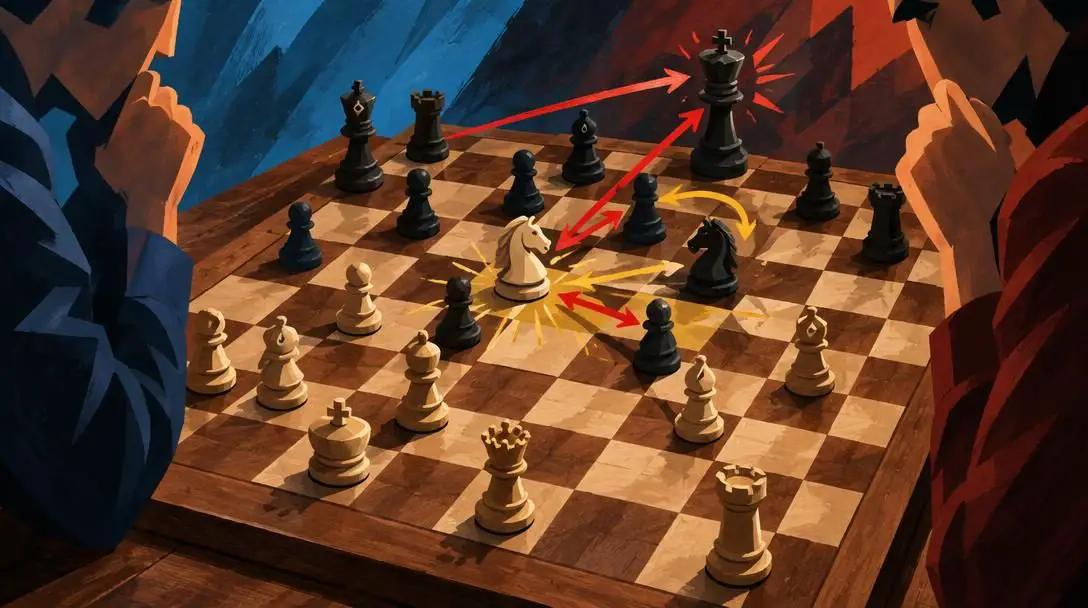
In this collaborative instructional classic, Estonian grandmaster Paul Keres and Soviet grandmaster Alexander Kotov provide a complete breakdown of middlegame mechanics. The text bridges the gap between calculating variations and formulating sweeping plans, focusing on:
- Assessing structural deficiencies, including isolated, doubled, or backward pawns, and exploiting resulting outposts.
- Timing dynamic pawn breaks to open vital central and flank highways for bishops and rooks.
- Orchestrating piece-led mating attacks against castled kings while maintaining control over defensive counter-strikes.
- Evaluating when to liquidate dynamic middlegame advantages into cleanly converted, simplified endgames.
Pawn Structure Chess by Andrew Soltis
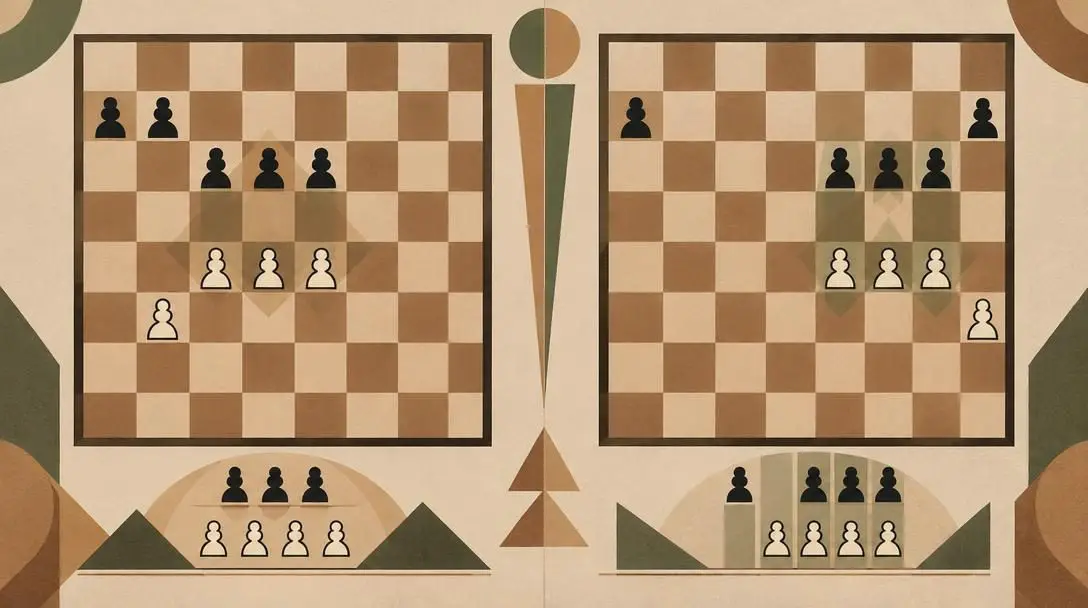
Grandmaster Andrew Soltis takes the guesswork out of strategic planning by demonstrating how pawn structures dictate piece placement and overarching plans. By grouping positions according to pawn skeletons rather than strict opening names, Soltis demystifies complex middlegame positions. Readers learn to:
- Connect specific opening moves to the standard middlegame pawn formations they produce.
- Execute essential central pawn breaks that unleash attacking piece coordination.
- Distinguish between permanent static weaknesses and acceptable, dynamically compensated structural defects.
- Apply universal strategic themes across recurring structures like the Carlsbad formation, French defense frameworks, and the Stonewall setup.
Masterworks on Tactics, Offense, and Combinations
While strategy dictates where pieces belong, tactics determine whether a plan survives contact with the opponent. Sharp tactical calculation is the executioner of strategic advantages.
Winning Chess Tactics by Yasser Seirawan
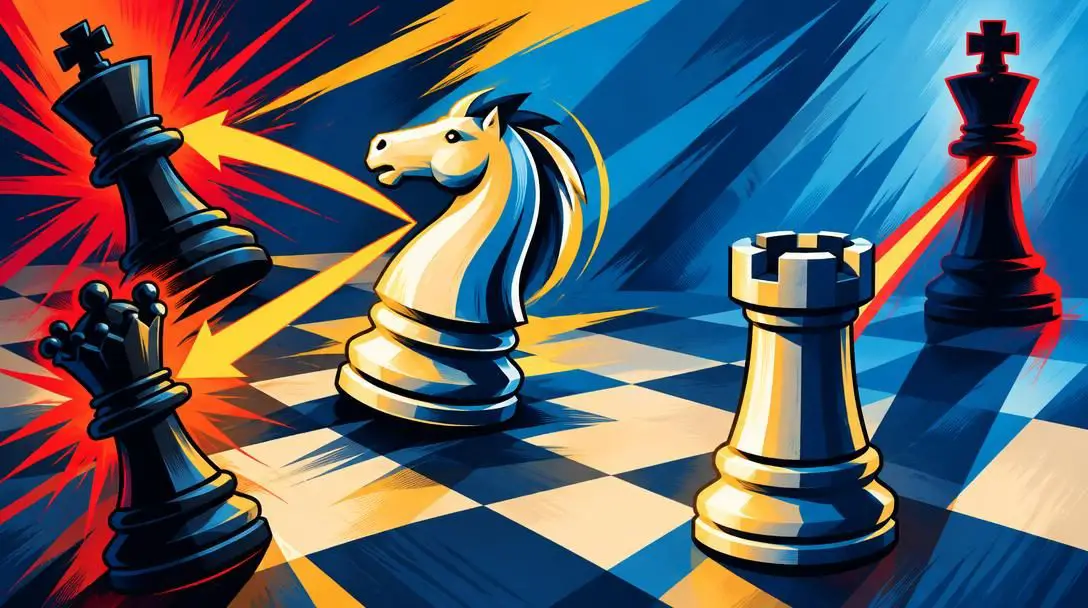
Grandmaster Yasser Seirawan’s entry in his celebrated series offers an engaging primer on the mechanical building blocks of dynamic calculation. Seirawan teaches players to identify tactical vulnerabilities and execute classic geometric maneuvers:
- Forks and Double Attacks: Striking two enemy pieces simultaneously using a single pawn, knight, or major piece.
- Pins: Freezing an enemy piece against a more valuable target or king, rendering it completely immobile.
- Skewers: Forcing a valuable piece to retreat, leaving an undefended piece behind it open to capture.
- Discovered Attacks: Moving one piece to unmask a devastating line of fire from a rook, bishop, or queen hiding behind it.
The Art of Attack in Chess by Vladimir Vukovic
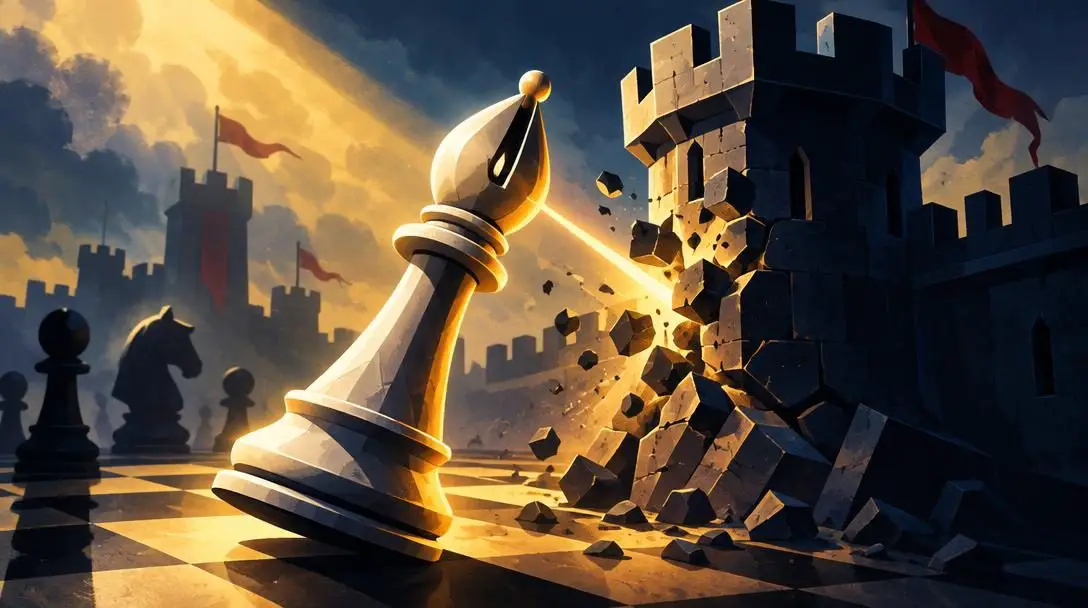
Vladimir Vukovic’s authoritative work remains the premier study on breaching defensive barriers and hunting down enemy monarchs. Vukovic breaks down the exact prerequisites required to launch successful operations against uncastled, kingside-castled, and queenside-castled kings. The text provides a comprehensive breakdown of the famous Greek Gift—the classical bishop sacrifice on h7 or h2—while detailing precise piece coordination to systematically strip away defensive cover and seal off escape squares.
Imagination in Chess by Paata Gaprindashvili
Targeting intermediate and advanced competitors, Paata Gaprindashvili presents over 700 challenging exercises engineered to break predictable, dogmatic thinking habits. The book emphasizes daring calculations, including:
- The Zwischenzug: Inserting an unexpected intermediate check or counter-threat that disrupts the opponent's anticipated move order.
- The Windmill: Stringing together a series of unstoppable alternating discovered checks and regular checks to decimate opposing material.
- The Staircase: Maneuvering heavy pieces along geometric, stepped trajectories to corner the king or collect loose material.
Tactics Time! by Tim Brennan and Anthea Carson
Departing from composed, artificial studies, Tactics Time! features 1,001 tactical puzzles taken directly from real-world amateur tournament play. Tim Brennan and Anthea Carson concentrate on the genuine tactical oversights, short combinations, and opportunistic strikes that decide competitive club games, helping developing players hone pattern recognition in realistic settings.
Foundational Chess Manuals at a Glance
| Book Title | Primary Author(s) | Core Focus | Target Level |
|---|---|---|---|
| My System | Aron Nimzowitsch | Positional foundations, prophylaxis, pawn play | Intermediate / Advanced |
| The Art of the Middle Game | Paul Keres & Alexander Kotov | Strategic planning, pawn breaks, attack execution | Intermediate / Advanced |
| Pawn Structure Chess | Andrew Soltis | Pawn skeletons, formation-based strategy | Intermediate |
| Winning Chess Tactics | Yasser Seirawan | Tactical motifs, forks, pins, discovered attacks | Beginner / Intermediate |
| The Art of Attack in Chess | Vladimir Vukovic | Kingside assaults, sacrifices, mating nets | Intermediate / Advanced |
| Imagination in Chess | Paata Gaprindashvili | Creative tactics, intermediate moves, calculation | Advanced / Master |
| Tactics Time! | Tim Brennan & Anthea Carson | Real-world amateur puzzle patterns | Beginner / Club Player |
Frequently asked questions
Which book should a beginner study first?
Novices benefit most from direct tactical manuals and basic instructional guides, such as Bobby Fischer Teaches Chess or Yasser Seirawan’s Winning Chess Tactics, before tackling advanced positional treatises.
Why is Aron Nimzowitsch's My System considered revolutionary?
Published in 1925, My System broke with classical dogmas by demonstrating how flank pieces could control the center without physically occupying it with pawns, introducing foundational modern concepts like prophylaxis and overprotection.
What makes Bobby Fischer's My 60 Memorable Games unique among game collections?
Unlike conventional anthologies that showcase effortless victories, Fischer's 1969 work included three losses and several draws, offering candid, intensely objective analytical evaluations of his thought processes at the board.
How does studying pawn structures improve middlegame play?
As demonstrated in Andrew Soltis's Pawn Structure Chess, pawns define the static geometry of the board, establishing outposts, open files, and breaks that determine where pieces belong and what plans will succeed.
What is a Greek Gift sacrifice in chess?
Examined in detail in Vladimir Vukovic’s The Art of Attack in Chess, the Greek Gift is a classic tactical motif involving a bishop sacrifice on the h7 (or h2) square to pry open the enemy king's defensive shelter and start a decisive mating offensive.
The Bottom Line
Mastering chess requires dedicated study and structured reading. From early Renaissance manuscripts to modern grandmaster surveys, the literature of chess provides a complete record of strategic insight and tactical artistry. By exploring master game collections like those of Fischer and Kasparov alongside foundational manuals on pawn structures, prophylaxis, and mating attacks, players can build a well-rounded foundation and elevate their play on the board.