Culture Guide: 5 Things You Should Not Do When Visiting Scotland
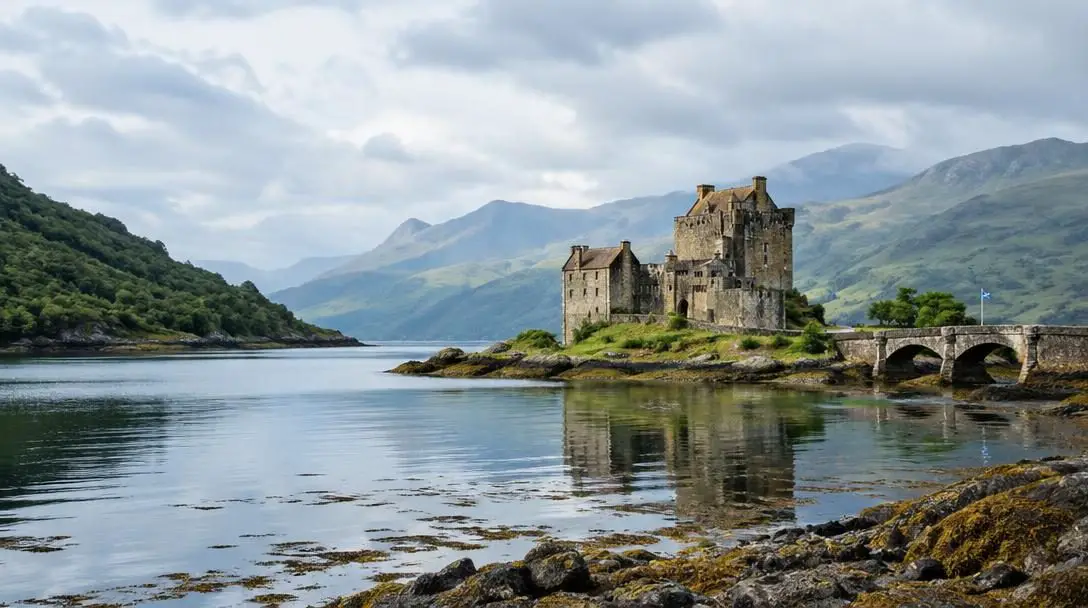
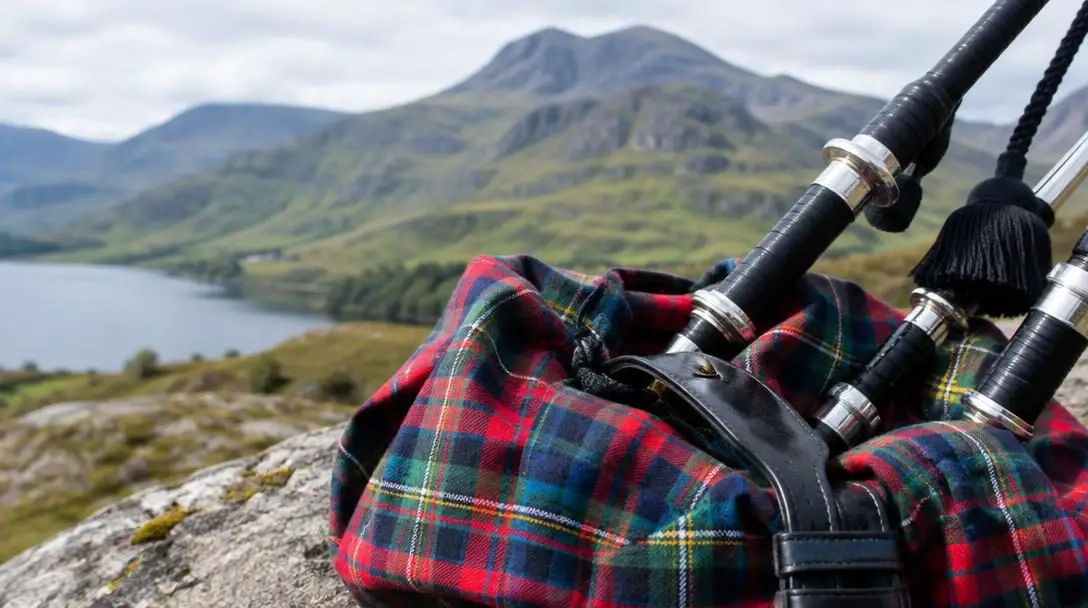
When travelers imagine Scotland, iconic imagery readily springs to mind: sweeping tartan kilts, the stirring wail of bagpipes, and golden glasses of single malt whisky. While these classic cultural hallmarks are woven deeply into the country's identity, Scotland offers far more depth and variety than its traditional symbols alone suggest. The nation encompasses an extraordinary range of terrain, spanning from the dramatic peaks and deep glens of the northern Highlands to the gentle, rolling green hills of the Borders region in the south.
Urban Scotland presents an equally compelling contrast. While Edinburgh stands proudly as the historic and administrative capital with its grand architecture, Glasgow is widely embraced as the nation's true cultural heart and soul. Because Scotland packs such rich geography, historic architecture, and dynamic urban life into a relatively compact area, first-time visitors often find it challenging to plan their routes effectively. Avoiding common travel missteps will ensure you experience the very best of Scottish scenery, cuisine, and hospitality.
Key takeaways
- Exploring the Highlands is vital for experiencing Scotland's most dramatic scenery, including Loch Ness, Glencoe, and Royal Deeside.
- Packing sturdy, supportive walking footwear is essential for handling both cobbled city lanes and rugged countryside paths.
- Tasting traditional haggis allows you to connect with centuries of authentic Scottish culinary heritage.
- Carrying waterproof outerwear and an umbrella is necessary to handle rapid and unpredictable weather shifts.
- Pacing your Scotch whisky consumption prevents travel-disrupting hangovers while letting you savor regional flavor profiles.
At a glance: Five common Scottish travel pitfalls
| Pitfall to avoid | Why it matters | Recommended approach |
|---|---|---|
| Skipping the Highlands | Limits your trip to urban corridors and misses classic landscapes like Glencoe and Loch Ness. | Plan a self-drive road trip or join an organized guided tour heading north. |
| Packing only casual footwear | Causes physical discomfort on cobblestones, steep hills, and wet hiking trails. | Make supportive, broken-in walking shoes the first item in your luggage. |
| Refusing to try haggis | Deprives you of experiencing Scotland's most famous and flavorful traditional culinary dish. | Order a classic serving at a traditional pub or modern restaurant early in your trip. |
| Traveling without rain gear | Leaves you vulnerable to sudden, heavy downpours that develop in minutes. | Always carry a reliable raincoat and an umbrella, even when mornings start sunny. |
| Overindulging in whisky | Leads to a severe hangover that wastes valuable daylight and sightseeing time. | Limit tastings to a dram or two, sip slowly, and drink plenty of water. |
Five Things You Should Not Do When Visiting Scotland
To help guide travelers who are building their itineraries, here are the essential pitfalls to avoid when visiting Scotland.
Don't Miss Out on Visiting the Highlands
One of the most frequent mistakes made by first-time visitors is confining their entire stay to the Central Belt cities and neglecting the dramatic landscapes of the north. The Scottish Highlands represent some of the most scenic and awe-inspiring natural environments in all of Europe. This vast northern expanse is home to many of the country's most celebrated landmarks, including the dark waters of Loch Ness, the towering, atmospheric peaks of Glencoe, and the royal heritage of Royal Deeside.
Failing to travel north means missing the epic scale that defines Scotland's natural identity. Whether you prefer to navigate the winding roads independently or take advantage of organized group tours, stepping into the Highlands gives you a profound appreciation of the nation's rugged majesty and timeless geography.
Don't Forget to Pack Your Walking Shoes
Scotland is a country designed to be explored on foot. Regardless of which regions you choose to visit, you will encounter exceptional walking opportunities at every turn. In the countryside, walking routes wind through lush glens, climb rocky hillsides, and trace remote loch shores. Even within major cities, foot travel is the primary and most rewarding way to sightsee.
Arriving with only flimsy sneakers or fashion-focused footwear can severely restrict your activities. Without supportive, weather-resistant walking shoes, negotiating the steep cobbled closes of historic towns, navigating muddy trails in rural villages, or embarking on hikes up rugged peaks quickly becomes uncomfortable or unsafe. Prioritizing durable footwear ensures you can explore both urban pavements and wild trails with total confidence.
Don't Miss Out on Trying Haggis
Culinary hesitation causes many visitors to miss out on Scotland's national dish. Haggis has a reputation that sometimes intimidates foreign travelers due to its traditional composition: minced sheep's heart, liver, and lungs, blended with oatmeal, suet, onions, and rich spices. While the ingredient list may sound unusual to those unfamiliar with historic offal preparations, the actual taste is rich, savory, peppery, and deeply satisfying.
Haggis is widely available across the nation, featured everywhere from casual neighborhood pubs to upscale contemporary restaurants. It is an authentic staple of Scottish culinary identity that has sustained communities for generations. Approaching dinner with an adventurous palate and sampling haggis—often served alongside traditional neeps and tatties (mashed turnips and potatoes)—is an essential cultural rite of passage.
Don't Forget to Pack a Raincoat
Scotland possesses a well-deserved international reputation for wet weather, and underestimating its climate is a frequent miscalculation. Atlantic weather systems move rapidly across the country, meaning a morning that begins with clear blue skies and bright sunshine can transform into a soaking deluge in a matter of minutes. Leaving your lodging without waterproof outerwear simply because it looks pleasant outside almost guarantees you will end up drenched.
A dependable, waterproof raincoat is a non-negotiable travel necessity. In addition to a quality coat, carrying a sturdy umbrella provides versatile protection against sudden squalls while doubling as a shield against intense afternoon sun during brighter spells.
Don't Drink Too Much Whisky
As Scotland's national drink, whisky is an omnipresent fixture of local culture. With historic distilleries producing distinct regional single malts and blends all across the Highlands, Lowlands, islands, and Speyside, sampling whisky is naturally one of the country's highlight experiences. However, the sheer abundance of top-tier distilleries makes it easy to overindulge.
Scotch whisky is crafted with exceptional care, designed to be nosed, tasted, and savored slowly to uncover subtle notes of peat, oak, smoke, and fruit. Treating whisky tastings as a casual drinking race leads to a notoriously punishing Scottish hangover. An excessive night can leave you bedridden, causing you to lose precious travel days that could have been spent exploring castles, hiking glens, or wandering historic quarters.
While Edinburgh serves as the historic and administrative capital, Glasgow is widely regarded as the place where you will encounter the country's true heart and soul.
Understanding Scottish Transit, Climate, and Culture
Getting around Scotland comfortably requires an understanding of how local transit, microclimates, and dining customs work together in practice. Whether your plans focus on urban exploration or highland adventures, keeping several practical realities in mind will make your trip run smoothly.
When planning a trip into the Highlands, travelers generally choose between two distinct approaches: self-guided exploration and guided group excursions. Independent driving allows you to set your own timetable, detour into remote glens, and stop spontaneously at lochside viewpoints. Conversely, organized guided tours remove the stress of navigating single-track rural roads and tight mountain passes, transporting you directly to premier sights such as Glencoe, Royal Deeside, and Loch Ness under the care of experienced drivers.
Walking forms the backbone of daily life and tourism throughout Scotland. In rural areas, established right-to-roam traditions and clear footpaths invite hikers into scenic glens and up mountain peaks. In major cities, walking allows you to experience Edinburgh's dramatic topography and historic alleyways, as well as Glasgow's spacious public parks and Victorian avenues. Because so much of the country's charm lies in places inaccessible by automobile, foot travel is inescapable.
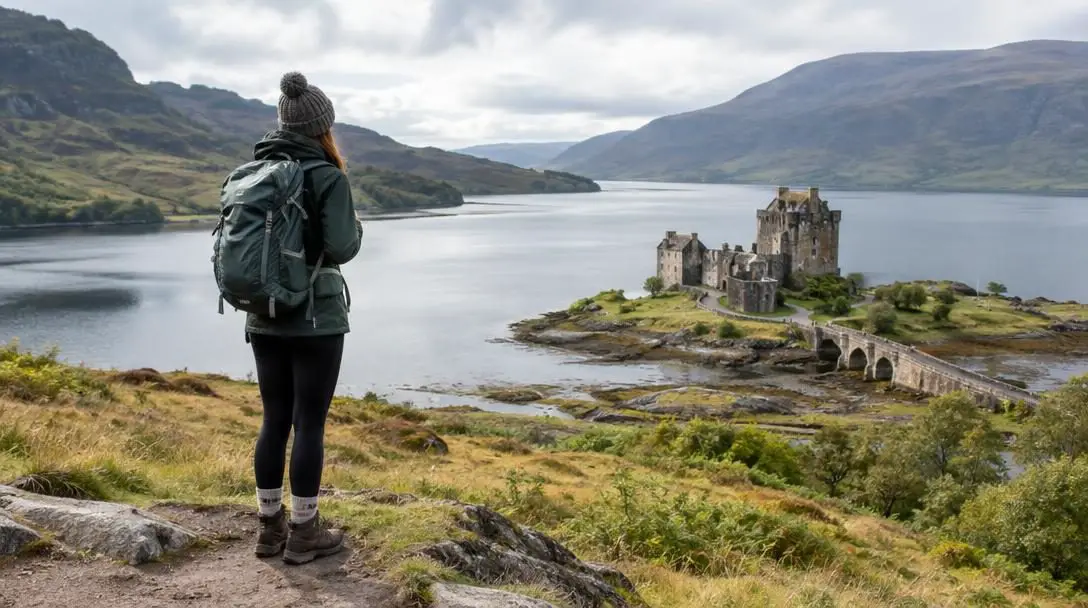
The climate is defined by rapid shifts. Rain clouds frequently sweep in from the Atlantic, blanketing hills and city streets in sudden showers before clearing just as quickly. This damp, mild atmosphere is precisely what keeps the Scottish countryside so intensely green, but it demands constant readiness from travelers. Dressing in adaptable layers topped with a waterproof outer shell is the standard method for staying comfortable throughout the day.
Practical Steps for Planning Your Scottish Journey
Translating these travel guidelines into a smooth, rewarding itinerary requires intentional preparation before you depart and thoughtful choices once you arrive. Follow these steps to ensure you are fully prepared for your Scottish holiday:
- Book your Highland excursion well in advance: Decide early whether you want to rent a vehicle for self-guided exploration or secure a seat on an organized tour visiting Glencoe, Loch Ness, and Royal Deeside so your route covers these essential scenic landmarks.
- Select supportive, durable walking shoes: Place a sturdy, comfortable pair of broken-in walking shoes at the top of your packing list to ensure you can comfortably handle cobbled historic districts, stone staircases, and wet hiking trails.
- Pack reliable waterproof outerwear and an umbrella: Pack a quality raincoat—or even two—directly into your primary luggage, and carry a compact umbrella to shield against unexpected rain showers and midday sun alike.
- Order a plate of traditional haggis early: Look for haggis on the menu during your first few days at a local pub or traditional eatery, approaching the dish with an open mind to appreciate its savory, spiced flavor.
- Pace your whisky tastings responsibly: Limit your consumption to a dram or two during distillery visits or evening pub sessions, sipping slowly to appreciate regional flavors while drinking ample water to avoid travel-delaying hangovers.
- Balance your itinerary across both premier cities: Allocate sufficient time to experience both Edinburgh's historic administrative grandeur and Glasgow's warm, lively cultural atmosphere.
Frequent Mistakes Tourists Make in Scotland
Many travelers encounter avoidable frustrations simply by misjudging the Scottish climate, terrain, or regional character. Staying mindful of these common missteps will keep your adventure hassle-free:
- Confining your trip exclusively to city centers: Remaining entirely inside Edinburgh and Glasgow prevents you from witnessing the magnificent grandeur of the Highlands, including famous landmarks like Glencoe and Loch Ness.
- Packing fashion sneakers instead of outdoor walking shoes: Wearing flat, thin-soled, or non-waterproof shoes leads to sore feet and slipped steps on wet cobblestones, steep rural trails, and rocky mountain paths.
- Dismissing haggis because of its ingredients: Allowing the mention of sheep offal to frighten you away causes you to miss out on one of the most beloved, comforting, and flavorful culinary traditions in Britain.
- Assuming a clear morning guarantees a dry day: Stepping outside without protective outerwear because the morning sky is clear often leads to getting thoroughly soaked when coastal squalls blow in unexpectedly.
- Treating distillery visits as drinking sessions: Drinking large volumes of high-proof Scotch whisky in a short span results in severe hangovers that ruin carefully planned morning itineraries and travel connections.
Exploring Beyond the Classic Route: Highlands to the Borders
Once you have accounted for the core travel rules, consider how to distribute your travel days between Scotland's varied geographic regions. Scotland's character changes noticeably depending on which direction you travel from the central belt.
While the northern Highlands rightfully command global attention for their towering peaks and expansive lochs, the southern Borders region provides an equally captivating, quieter alternative. Characterized by soft, rolling green hills, tranquil river valleys, and historic abbey ruins, the Borders offer a restful counterpoint to the dramatic crags of the north. Incorporating both regions into an itinerary reveals the surprising diversity of the Scottish countryside.
Urban exploration also benefits from balance. Edinburgh showcases the country's royal pageantry, towering fortress, and classical architecture. In contrast, Glasgow pulses with creative vitality, friendly neighborhood pubs, world-class Victorian architecture, and vibrant arts venues. By allowing sufficient time to immerse yourself in both cities while taking excursions into the surrounding rural territories, you will experience the complete breadth of modern and historic Scottish life.
Frequently asked questions
Why is visiting the Highlands considered an essential part of a trip to Scotland?
The Scottish Highlands represent the country's most scenic territory, featuring world-famous natural wonders such as Loch Ness, the mountain pass of Glencoe, and the historic estates of Royal Deeside. Skipping the region deprives travelers of experiencing Scotland's true scale and dramatic natural majesty.
Can I explore the Scottish Highlands without renting a car?
Yes. While independent driving offers maximum route flexibility, numerous organized guided tours depart regularly from major cities. These excursions handle transport and logistics, taking visitors directly to celebrated sites including Glencoe, Royal Deeside, and Loch Ness without the stress of driving.
What makes proper walking shoes so critical for exploring Scotland?
Scotland's cities and countryside are both built for pedestrian travel. Visitors encounter steep cobbled alleys, uneven historic pavements, and wet, rocky footpaths in rural glens. Sturdy walking shoes provide the traction, ankle support, and comfort required to explore safely without pain or fatigue.
What does traditional Scottish haggis taste like?
Despite being made from seasoned sheep's heart, liver, and lungs blended with oats and suet, haggis has a savory, peppery, and rich flavor profile reminiscent of a hearty spiced meatloaf or sausage. It is widely praised for its comforting texture and deep seasoning.
How should visitors handle Scotch whisky tastings to avoid hangovers?
Whisky in Scotland is crafted for careful appreciation of regional aromas and taste notes. Travelers should pace themselves by ordering only a dram or two, taking small sips, and drinking plenty of water throughout the tasting to stay hydrated and refreshed for the next day's travel.
How should travelers prepare for Scotland's changeable weather?
Scottish weather changes rapidly within hours. Even if the day begins with clear sunshine, visitors should always carry a reliable waterproof raincoat and an umbrella in their daypack to guard against sudden heavy rainfall and shifting conditions.
The bottom line
A memorable visit to Scotland comes down to thoughtful preparation and cultural curiosity. By stepping beyond the major cities to explore the majestic Highlands, donning dependable walking shoes, keeping a sturdy raincoat and umbrella close at hand, embracing a hot plate of savory haggis, and enjoying Scotch whisky in moderation, you will navigate the country like a seasoned traveler. Scotland rewards those who respect its unpredictable elements and embrace its vibrant traditions with open minds.