The Culture Guide: 5 Things You Should Not Do When Visiting Norway

Norway is renowned worldwide for its dramatic geography, where steep fjords carve through towering mountains, pristine waterways weave past coastal archipelagos, and modern cities hum with clean, quiet efficiency. Every year, international travelers arrive eager to traverse scenic hiking trails, wander through historic maritime ports, and experience the warmth of local communities. Yet traveling comfortably in Norway involves more than packing warm layers and planning an itinerary; it requires a clear grasp of Norwegian social norms, civic expectations, and environmental stewardship.
Norwegian daily life operates on an unspoken contract of mutual consideration, individual accountability, and profound reverence for the natural world. Public spaces are meticulously cared for, communities prioritize collective well-being, and pristine wilderness is guarded through strict protective standards. When visitors align their habits with these local principles, interactions are smoother, nature remains undisturbed, and travel is far more rewarding. To help you steer clear of cultural missteps and legal penalties, here is a detailed breakdown of the five primary things you should never do when visiting Norway.
Key takeaways
- Discarding trash anywhere outside designated bins carries an on-the-spot fine of 2000 NOK (around £180 or $230).
- Smoking is completely prohibited in all indoor public venues, including bars and restaurants, as well as outdoor areas like playgrounds and sports fields.
- Street shoes must always be removed at the front door when entering private residences and before walking inside public saunas.
- Feeding birds in parks and urban greenways is disallowed to prevent wildlife dependency, aggressive flocking, and ecological disruptions.
- Approaching marine wildlife within 300 meters or attempting to touch or swim with whales is strictly illegal in Norwegian waters.
Understanding the Norwegian Social Framework
To understand why Norwegian behavioral guidelines are so distinct, it helps to examine the broader cultural values that underpin them. Norwegian society is strongly grounded in egalitarianism and personal autonomy, coupled with an equally strong belief in civic duty. Citizens generally believe that the smooth functioning of public life does not require heavy-handed surveillance; instead, individuals are expected to self-regulate and respect shared environments without waiting for an official intervention.
A central pillar of this philosophy is the collective stewardship of nature. Norway's vast outdoor spaces are treated as a shared national treasure, accessible to all but protected by everyone. The same standard applies to modern public spaces, village squares, transit networks, and cozy residential neighborhoods. When everyone takes responsibility for maintaining cleanliness, hygiene, and low disturbance levels, society functions efficiently for locals and visitors alike.
In Norway, preserving the shared purity of the outdoors and maintaining spotless indoor living spaces are considered fundamental civic duties rather than optional courtesies.
The 5 Things You Should Not Do When Visiting Norway
Whether navigating busy urban districts, relaxing in domestic settings, or venturing out to sea, steering clear of these five habits will keep your trip pleasant, respectful, and free from costly municipal fines.
| Action to Avoid | Primary Locations | Core Restriction | Consequence or Penalty |
|---|---|---|---|
| Littering | Streets, parks, transport hubs, nature paths | Never drop waste or cigarette ends on the ground | Municipal fine of 2000 NOK (around £180 / $230) |
| Smoking in public | Bars, dining areas, playgrounds, sports venues | No indoor smoking; no smoking near youth or sports areas | Indoor removal; litter fines for dropped filters |
| Keeping shoes on | Private home hallways, public wellness saunas | Remove street footwear immediately at the doorway | Social disapproval; contamination of clean spaces |
| Feeding the birds | City plazas, public parks, urban ponds | Do not throw breadcrumbs, leftovers, or snacks to gulls or ducks | Disruption of wildlife diets; public nuisance flocks |
| Touching whales | Coastal fjords, open ocean, guided boat tours | Maintain a 300-meter buffer; no swimming or touching | Violation of marine protection laws |
Don't Litter
- Standard Fine: 2000 NOK (around £180 / $230)
- Enforcement Scope: City centers, transport hubs, roadways, wilderness trails
- Included Items: Packaging, beverage containers, and discarded cigarette filters
Littering is viewed with severe disapproval across Norway. The country takes immense pride in its immaculate city boulevards, pure mountain streams, and well-kept roadside rest stops. Because maintaining this baseline of purity is treated as a national duty, municipalities install copious waste receptacles in pedestrian districts, bus stops, ferry terminals, and park gateways. As a result, leaving waste behind on the street or along a hiking trail is viewed as an act of blatant disrespect toward the community.
Dropping rubbish is not simply a social breach; it also carries substantial legal penalties. Law enforcement and local authorities can issue a fine of 2000 NOK (approximately £180 or $230) for littering. This sum can vary slightly depending on the local municipality, but the zero-tolerance stance remains consistent nationwide. Travelers must always carry their wrappers, drink bottles, and miscellaneous packaging until they reach a designated waste bin.
Don't Smoke in Public
- Indoor Ban: All public interior venues, including bars, pubs, and restaurants
- Outdoor Exclusions: Children's playgrounds, sports centers, and athletic grounds
- Waste Requirement: Butts must be placed in designated wall-mounted ashtrays or bins
Norway maintains strict public health legislation regarding tobacco consumption. For many years, smoking has been banned entirely inside all public buildings, public transportation vehicles, and hospitality venues. Travelers cannot smoke while having drinks in a pub, dining at a restaurant, or relaxing inside a hotel lobby. This comprehensive indoor prohibition is intended to shield workers and patrons from secondhand exposure, and it is universally respected across the country.
Beyond interior bans, smoking is prohibited in several open-air public locations as well. Municipalities strictly forbid smoking in outdoor recreational spaces such as children's playgrounds and athletic facilities. If you do choose to smoke in unrestricted outdoor areas, you must pay close attention to your waste. Flicking a cigarette butt onto the ground is a violation of littering statutes and can result in the same 2000 NOK fine applied to general trash. Use wall-mounted municipal ashtrays or pocket pouches to store spent filters until they can be safely discarded.
Don't Forget to Take Your Shoes Off
- Key Environments: Private residential entryways and communal public saunas
- Architectural Norm: Built-in entryway shoe racks or floor mats by the door
- Primary Reason: Keeping grit, mud, rain, and winter snow slush off interior floors
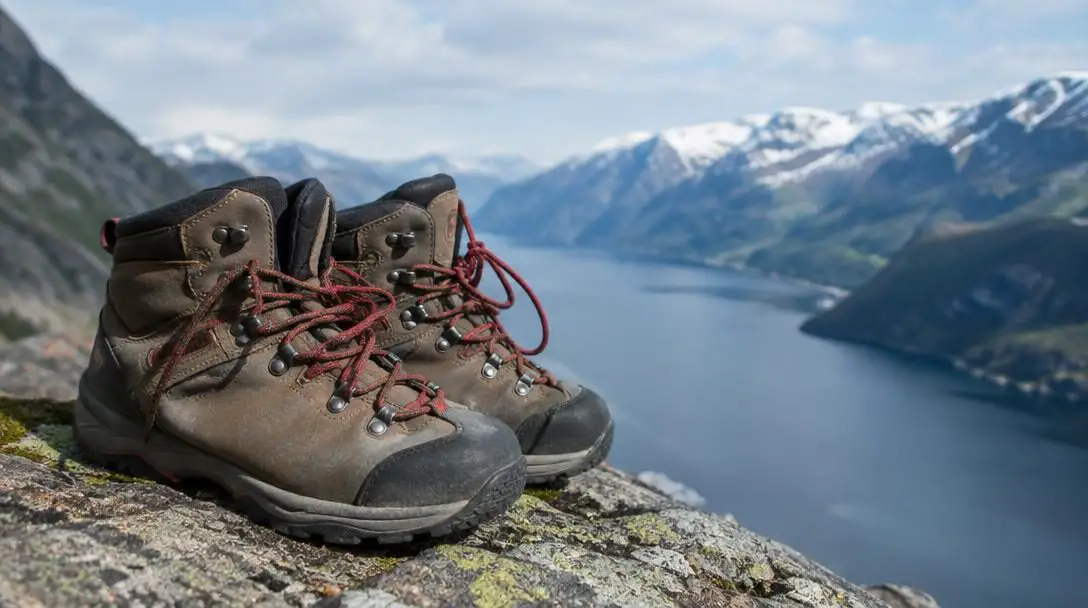
When entering a private residence in Norway, you are expected to take off your outdoor shoes immediately at the door. Due to the country's northern climate, street footwear regularly picks up mud, grit, gravel, rainwater, and snow slush. Tracking these outdoor elements across clean hardwood floors or woven rugs is considered remarkably impolite to your host. Nearly every Norwegian hallway features a shoe rack, storage bench, or rubber tray positioned right beside the front door for this exact purpose.
This shoe-removal custom extends to wellness settings as well. In recent years, public floating saunas and shoreline bathhouses have become popular features across Norwegian harborfronts and fjords. When visiting a public sauna, you must leave your outdoor footwear outside the bathing entrance before stepping onto the wooden floorboards. Walking through a sauna with street shoes compromises communal hygiene and violates the relaxed, clean atmosphere that visitors and locals expect.
Don't Feed the Birds
- Species Affected: Pigeons, gulls, and urban waterfowl
- Ecosystem Risk: Loss of natural foraging instincts and human food dependency
- Public Impact: Overcrowded, aggressive bird colonies in dining and park spaces
While sitting by an urban pond or relaxing on a bench in a city square, you might feel tempted to toss leftover bread, pastries, or lunch scraps to nearby birds. In Norway, feeding the birds in public parks and green spaces is not allowed. Local councils and environmental authorities actively discourage the practice through public notices and municipal park guidelines, emphasizing that human food undermines the health and behavior of native wildlife.
When wild birds such as gulls, ducks, and pigeons are regularly fed by humans, they lose their natural foraging habits and become reliant on junk food that lacks essential nutrients. Furthermore, hand-feeding encourages dense flocks to congregate in public dining areas and pedestrian plazas, where birds can quickly become aggressive, snatching food directly from hands and tables. Keeping your snacks sealed preserves natural ecological behavior and ensures public open spaces remain comfortable for all visitors.

Don't Touch the Whales
- Legal Safety Buffer: Minimum approach distance of 300 meters
- Banned Behaviors: Swimming alongside whales, pursuing pods, and direct physical contact
- Viewing Standard: Certified, responsible wildlife tour operators
The cold, nutrient-rich coastal waters of northern Norway represent one of the world's premier destinations for whale watching. During seasonal feeding runs, pods of orcas, humpback whales, and other cetaceans enter the fjords to feed on dense herring shoals, offering boat passengers breathtaking natural encounters. However, observing these marine giants requires strict discipline and deep respect for their wild nature.
Touching, chasing, or swimming with whales in Norway is prohibited, and it is strictly illegal to approach whales within 300 meters. Intrusive human presence disrupts pod hunting maneuvers, stresses mothers with calves, and alters critical migration habits. Responsible tour companies operate under strict codes of conduct to maintain appropriate distances, shut off engines when animals surface nearby, and allow the whales to navigate unimpeded. Visitors should view these creatures through telephoto lenses and binoculars rather than seeking close physical contact.
Practical Etiquette Guidelines for Travelers
Following basic etiquette during your journey through Norway is simple when you incorporate a few proactive habits into your everyday routine. Use these steps to navigate local expectations smoothly:
- Carry a compact, sealable waste pouch or bag in your daypack during urban walks and wilderness excursions so you never drop trash when a municipal bin is out of sight.
- Check your immediate surroundings before smoking outdoors; ensure you are well clear of playgrounds, school yards, sports zones, and building entrances.
- Select slip-on shoes or footwear with simple fastenings so you can step out of your shoes instantly upon crossing residential thresholds or entering public saunas.
- Store all picnic supplies, baked goods, and trail snacks in secure containers while dining outdoors to avoid attracting urban birds.
- Confirm when booking coastal wildlife safaris that your marine tour provider strictly adheres to Norway's 300-meter whale-viewing buffer.
Common Cultural Mistakes Visitors Make
Travelers accustomed to different social norms often make unintentional blunders when visiting Scandinavian destinations. Keeping an eye out for these frequent mistakes will save you from embarrassment and regulatory scrutiny:
- Failing to recognize small waste as litter: Assuming that biodegradable fruit rinds or tiny cigarette filters do not count as trash; in Norway, all discarded debris is treated as litter subject to a 2000 NOK fine.
- Crowding building doorways to smoke: Standing immediately outside cafe, pub, or transit doors to smoke, which allows secondhand smoke to drift directly into indoor non-smoking zones.
- Stepping past entryways with footwear on: Walking across an entry mat into a hallway before taking off your shoes; you should unlace and step out of your shoes right at the threshold.
- Wearing footwear inside sauna reception and benches: Forgetting that saunas require bare feet, socks, or designated indoor footwear, contaminating warm wooden surfaces with exterior street dirt.
- Baiting wildlife for photography: Scattering food to bring park birds or coastal waterfowl closer for social media photos, which compromises wildlife health and violates municipal park guidelines.
Frequently asked questions
What is the fine for littering in Norway?
The fine for dropping rubbish in Norway is currently 2000 NOK, which translates to roughly £180 or $230. This penalty can vary depending on municipal regulations, and it applies to all types of discarded waste, including food packaging and cigarette butts.
Are you allowed to smoke outside at Norwegian restaurants?
Smoking is strictly prohibited inside all restaurants, cafes, and bars throughout Norway. While outdoor smoking is permissible in certain unsheltered open areas, many establishments restrict smoking on dining terraces, and smoking is completely prohibited around children's play areas, sports facilities, and school zones.
Why do Norwegians remove their shoes at the front door?
Taking off shoes at the threshold is a practical hygiene custom driven by Norway's variable northern climate. Footwear frequently collects rainwater, gravel, winter slush, and mud, so removing outdoor shoes keeps indoor floors clean, protects floor surfaces, and maintains a comfortable domestic environment.
Can you swim with whales on a tour in Norway?
No, swimming with whales is not permitted. Norwegian wildlife regulations make it illegal to approach whales within 300 meters or attempt physical contact. Tour boats must keep a respectful distance to avoid interrupting the animals' natural pod feeding and migration patterns.
Why is bird feeding discouraged in public parks?
Feeding birds disrupts their natural foraging instincts, causes them to rely on low-nutrition human scraps, and encourages large, dense flocks to gather. This can lead to aggressive behavior toward outdoor diners and disrupt the local ecological balance in urban green spaces.
The bottom line
Traveling through Norway offers an extraordinary encounter with some of Europe's most magnificent landscapes and well-organized communities. The country's behavioral expectations are not complex, but they reflect deep-seated values of mutual consideration, public hygiene, and environmental conservation. By taking your trash with you, respecting smoking boundaries, slipping off your shoes indoors, leaving park wildlife undisturbed, and admiring marine life from a legal distance, you will enjoy a seamless, culturally respectful, and memorable Norwegian journey.