Designing a Backyard Garden That Could Slash Your Grocery Bill in Half
Supermarket receipts have become an escalating source of financial anxiety for households across the country. A convergence of compounding pressures—including the geopolitical fallout from the war in Ukraine, elevated fuel expenses, and widespread agricultural disruptions like avian flu outbreaks—has driven food costs sharply upward. According to reporting from CNN, grocery prices surged by a staggering 10.8 percent across the board in a single year, forcing families to reconsider how they balance household budgets while maintaining nutritious daily meals.
Faced with these compounding grocery expenses, an increasing number of households are turning toward self-reliance by launching backyard food gardens from seed. While growing your own produce requires patience and a season or two of trial and error, a well-planned garden can yield massive harvests of staples like tomatoes, squash, zucchini, onions, pumpkins, and eggplants. Within one to two years of focused cultivation, dedicated home growers can develop a productive edible landscape capable of cutting their household grocery expenses in half.
Key takeaways
- Widespread supply shocks and inflation pushed retail grocery prices up by 10.8 percent across the board in a single year.
- Cultivating food from seed on modest suburban lots or patios can slash weekly grocery spending by fifty percent within one to two years.
- Maximizing cost efficiency requires aligning planting choices with actual family eating habits and prioritizing calorie-dense, long-storing staples.
- Vertical trellising and home composting reduce physical footprints and eliminate the need for expensive retail fertilizers and store-bought soil.
The Economic Rationale for Home Food Production
For several generations, modern grocery logistics provided unprecedented convenience, stocking produce aisles with non-seasonal vegetables and fruits regardless of climate or geography. However, recent disruptions have exposed the underlying fragilities of modern industrial supply networks. International conflicts such as the war in Ukraine disrupt grain and input flows, high fuel prices dramatically increase overland transport overhead, and livestock and poultry crises like avian flu ripple across food distribution systems. When these logistical arteries experience friction, the added costs are passed straight to consumers at the supermarket register.
Establishing an edible garden shifts food security away from precarious transportation corridors and places it directly under household control. While commercially packaged produce incurs shipping, packaging, and refrigeration markups, a packet of seeds costs mere pennies and can yield dozens of pounds of fresh produce. By learning the mechanics of soil preparation, seed germination, and plant care, families can insulate themselves against unpredictable grocery price spikes while converting ordinary, unproductive lawn turf into a high-yielding, edible asset.
Transitioning to home-grown food transforms fragile commercial supply chains into immediate household security, yielding nutrient-dense produce for pennies on the dollar.
Core Principles of a High-Yield, Budget-Slashing Garden
Financial success in home gardening is not an accident; it is the result of disciplined layout design, sensible crop selection, and strict overhead control. Simply scattering arbitrary seeds across a plot often leads to high startup costs, unmanageable labor, and minimal grocery relief. To effectively reduce your food bill by fifty percent, your garden layout should follow four fundamental tenets.
Align Crops with Household Eating Habits
A high-yield harvest yields zero economic return if your household refuses to eat what you pick. Dedicating square footage to unfamiliar or novelty varieties that spoil on the kitchen counter does not lower your grocery receipts. Gardeners should audit their weekly grocery lists to identify high-frequency staples. If your family consumes salad greens daily, uses carrots for snacks, or regularly cooks stir-fries with broccoli, those exact varieties should form the core of your planting plan. Similarly, if your shopping cart consistently includes apples, pears, or fresh berries, planting perennial fruit trees and berry canes provides substantial recurring savings year after year.
Maximize Growing Space with Vertical Architecture
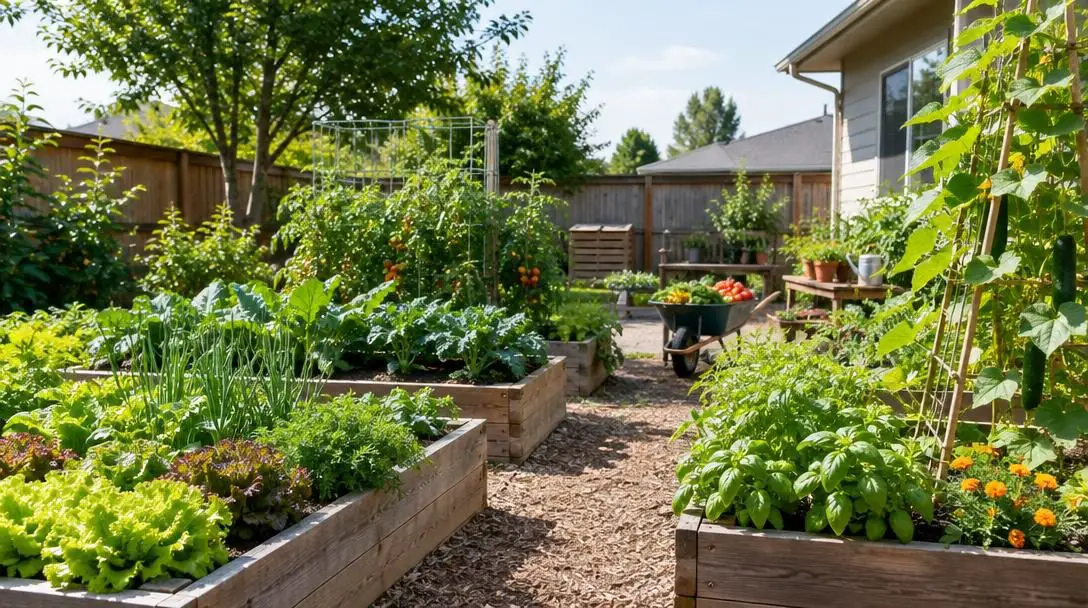
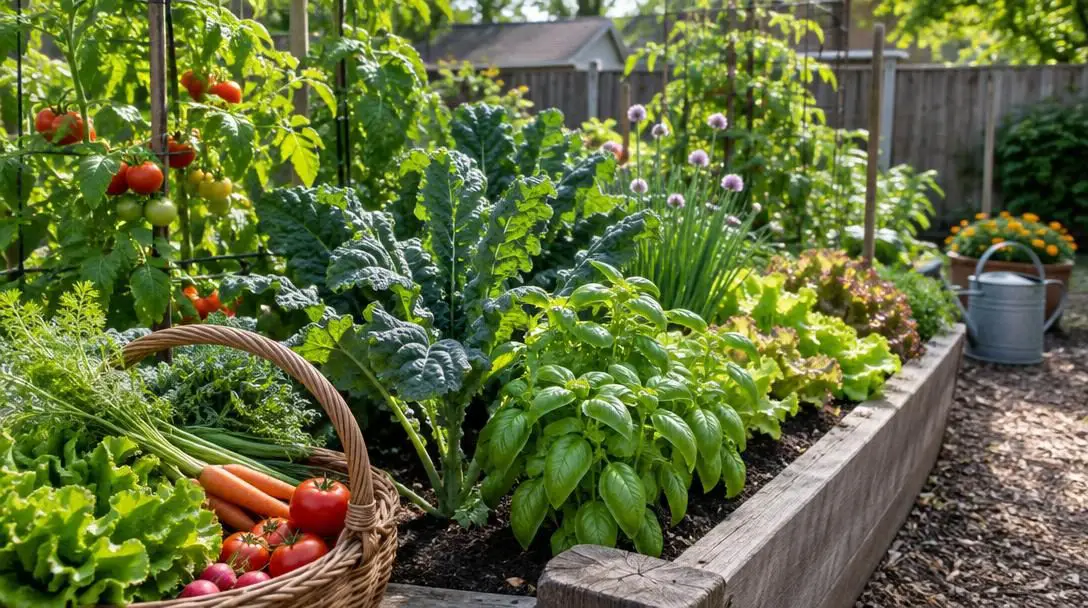
Ground space is often limited, especially on compact suburban lots or patio spaces. Leaving sprawling vine crops to crawl horizontally across open ground consumes valuable real estate, restricts pedestrian movement, and exposes developing fruit to damp soil, pests, and fungal diseases. Training heavy-yielding plants upward on trellises, netting, and stakes keeps the garden tidy and frees ground space for understory crops. Vertical training is particularly valuable for climbing squashes, pumpkins, and indeterminate tomatoes, ensuring developing produce receives optimal sun exposure while remaining clean and easy to harvest.
Focus on Calorie-Dense, Long-Storing Staples
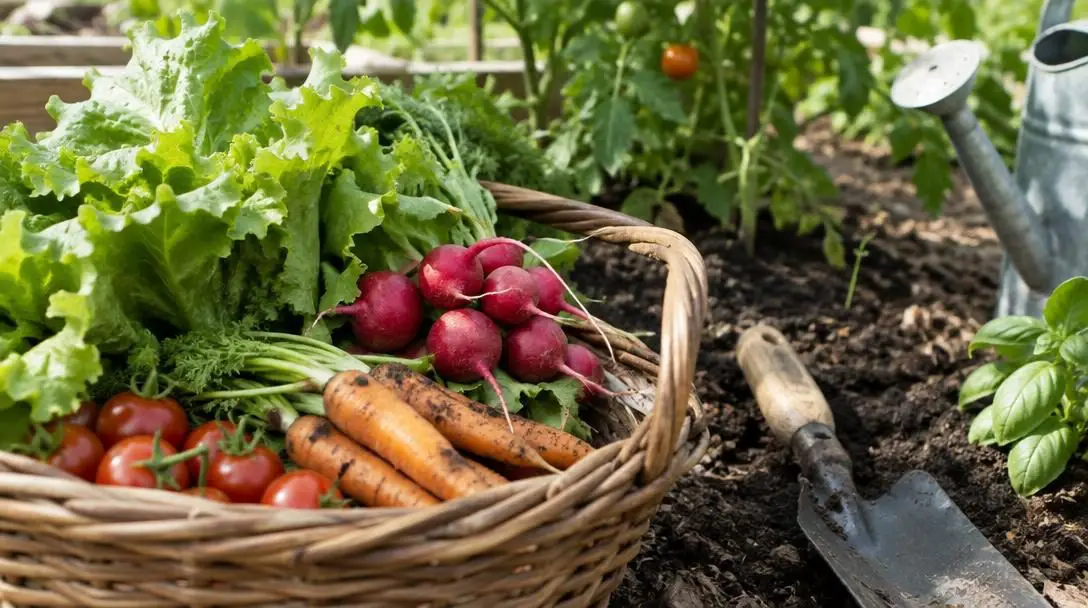
While tender greens provide welcome summer freshness, they do not sustain a family through the winter months. Long-term grocery bill reduction depends on harvesting nutrient-dense, calorie-heavy crops that preserve well without complex refrigeration. Hearty staples like potatoes, sweet potatoes, corn, dry beans, and peas supply substantial caloric density and dietary sustenance. When harvested in quantity and cured properly, these durable crops hold up in cool, dry storage throughout the off-season, feeding your family well after the warm summer months have concluded.
Minimize Overhead and Material Upfront Expenses
The fastest way to ruin garden economics is overspending on high-end retail accessories, designer raised bed kits, and commercial soil amendments before your first seed germinates. The financial goal of a food garden is to reduce living expenses, which requires keeping capital expenditure minimal. Cost-conscious growers source used containers, scavenge wash tubs and wooden pallets, and hunt for discounted gardening supplies at home improvement stores during seasonal inventory transitions. Keeping inputs low ensures that your harvest delivers immediate net savings.
Crop Selection for Maximum Household Savings
Balancing quick-turnaround salad vegetables with heavy producers and durable off-season staples ensures your garden offsets grocery costs from spring through the dead of winter. The following crop categories offer the highest return on investment for home growers:
| Crop Category | Representative Varieties | Primary Garden Function | Budget Impact |
|---|---|---|---|
| Quick-Turn Greens & Veggies | Lettuce, carrots, broccoli | Frequent, rapid harvests for daily meals | Replaces expensive, perishable salad produce |
| Heavy Summer Producers | Tomatoes, squash, zucchini, eggplants, onions | Abundant mid-season yields for daily cooking | Eliminates weekly fresh vegetable purchases |
| High-Calorie Storage Crops | Potatoes, sweet potatoes, corn, beans, peas, pumpkins | Dense nutritional staples for winter pantry storage | Dramatically reduces grocery bills through the off-season |
| Perennial Fruits | Apples, pears, fresh berries | Permanent multi-year food production | Offsets high retail fruit and berry price tags |
Step-by-Step Guide to Establishing Your Garden
Launching an efficient garden requires methodical preparation before turning over any soil. Executing the setup in structured phases prevents costly missteps and creates an orderly, productive growing environment.
- Observe and map the property: Spend several days monitoring your yard to evaluate direct sunlight patterns, shade cast by buildings or tree canopies, and water drainage after rain. Ensure your planned layout includes wide paths for easy walking, weeding, and hose management.
- Collect free planning resources: Request free print seed catalogs from agricultural suppliers. These publications offer wealths of practical information on regional hardiness zones, germination timelines, and plant spacing requirements without requiring expensive reference books.
- Establish an on-ground composting area: Avoid expensive commercial compost tumblers by designating a simple open pile directly on bare earth. Combine green kitchen scraps with dry carbon materials to start generating rich organic matter immediately.
- Source low-cost beds and containers: Scour yard sales and salvage opportunities for deep plastic buckets, metal wash tubs, and durable wooden containers. Check garden centers during seasonal transitions when remaining soil blends and pots are marked down for clearance.
- Erect vertical supports: Secure wooden stakes, sturdy netting, or wire cages into place before seeds sprout or transplants are set. Early trellising ensures that vigorous climbers like squash, pumpkins, and indeterminate tomatoes have an immediate upward structure to climb.
- Time plantings by temperature: Divide your seed varieties into cool-weather crops and warm-weather crops. Sow cool-hardy selections like broccoli and carrots early, holding back tender crops like eggplants and squashes until all frost dangers have completely passed.
- Implement succession planting: Stagger seed sowing every two to three weeks instead of planting all your seeds in one weekend. This continuous planting approach provides a smooth, steady harvest throughout the growing season and prevents sudden gluts of spoiling food.
Building Soil Fertility Without Commercial Inputs
Healthy, biologically active soil is the foundation of high-yield gardening, yet purchasing packaged topsoil, peat moss, and synthetic fertilizers at retail garden centers can quickly drain your budget. Creating fertility on-site through balanced composting is the most cost-effective way to nourish heavy-feeding vegetables like tomatoes, squashes, and eggplants.
Composting requires no chemical additives or specialized machinery; it relies on naturally occurring microorganisms to decompose organic matter into nutrient-dense humus. Successful decomposition requires a balance of two core components:
- Green materials (nitrogen-rich): Fresh kitchen scraps, raw fruit rinds, vegetable peels, and soft plant trimmings provide moisture and feed the bacterial population that drives decomposition.
- Brown materials (carbon-rich): Dry leaves, unprinted cardboard, clean straw, and shredded twigs provide essential pile structure, introduce air channels, and balance moisture levels to eliminate unpleasant odors.
To keep the decomposition process active, build your pile directly over bare soil so native earthworms and microbes can enter freely. Use a pitchfork or garden spade to turn the pile periodically, reintroducing oxygen throughout the center. The resulting heat speeds the breakdown of raw waste into rich, dark compost, giving you an endless supply of free, organic soil amendment to enrich containers and in-ground beds.
Common Garden Mistakes That Erode Cost Savings
New growers frequently run into preventable pitfalls that inflate startup costs and decrease yields. Keeping your garden financially sustainable means avoiding these common operational mistakes:
- Planting produce nobody eats: Filling valuable growing beds with crops your family dislikes wastes time, space, and water. Focus your square footage strictly on household favorites.
- Letting sprawling vines run unchecked: Allowing pumpkins, squashes, and sprawling tomatoes to creep unchecked across garden walkways consumes space, obstructs airflow, and invites mildew and rotting. Vertical supports prevent this problem entirely.
- Purchasing expensive brand-new tools: Buying premium gardening gear, elaborate raised bed systems, and decorative implements quickly erases any financial gains from growing your own food. Scavenge materials, buy second-hand, and build your own infrastructure.
- Ignoring seasonal temperature windows: Sowing warm-weather vegetables like tomatoes into cold, wet spring ground or attempting to grow cool-season greens in the intense heat of midsummer causes stunted growth and crop failure. Always respect your regional seasonal calendars.
- Neglecting winter storage planning: Focusing exclusively on summer vegetables leaves your pantry empty when cold weather arrives. Dedicate a portion of your space to durable staples like potatoes, sweet potatoes, onions, and dry beans that keep your grocery expenses low year-round.
Advanced Techniques for Long-Term Self-Sufficiency
Once you master foundational garden management, implementing advanced techniques will help you lock in long-term savings and achieve greater self-sufficiency across future seasons.
One critical skill is seed saving. Rather than repurchasing packets of seeds every spring, identify your most vigorous, productive, open-pollinated plants and harvest their mature seeds. Collecting and drying viable seed stock from your best tomatoes, squashes, and beans eliminates recurring seed purchases altogether while gradually breeding plants adapted to your specific backyard microclimate and soil conditions.
Another valuable strategy is season extension. By utilizing simple cold frames or unheated plastic row covers built from salvaged window frames or bent conduit pipes, you can trap radiant heat from the earth. These protective covers shield cool-hardy crops like carrots, broccoli, and greens from freezing temperatures, allowing you to harvest fresh food well into late autumn and early winter, extending your grocery savings deep into the cold months.
Frequently asked questions
Can a beginner really cut their grocery bill in half with a backyard garden?
Yes, though it generally takes one to two seasons of practice and planning. By focusing on high-cost produce items your family regularly eats, growing calorie-dense staples for winter storage, and keeping equipment costs low, substantial grocery reductions are entirely achievable.
Do I need a large rural property to grow a meaningful amount of food?
No. Even modest suburban lots or compact patios can generate significant yields. By employing vertical trellising for heavy vining crops like squashes and tomatoes, and using recycled containers, small footprints can produce surprisingly large harvests.
What are the best crops to grow to reduce winter grocery expenses?
Calorie-dense, durable staples that store well without freezing or canning offer the best winter savings. These include potatoes, sweet potatoes, corn, dry beans, peas, onions, and winter squashes like pumpkins.
How can I keep my initial garden startup costs from getting out of hand?
Avoid expensive retail raised bed kits, brand-new tools, and bagged commercial fertilizers. Source containers from yard sales, use free seed catalogs for regional research, repurpose salvaged wood for beds, and manufacture your own soil nutrients through home composting.
What is succession planting and why does it matter?
Succession planting involves sowing small batches of seeds every two to three weeks instead of planting an entire plot at once. This staggers plant maturity, ensuring a continuous supply of fresh produce rather than a single overwhelming harvest that risks spoiling before it can be eaten.
The Bottom Line
Rising food costs and global supply disruptions have made the supermarket checkout counter a source of ongoing financial strain. While economic headwinds like inflation, fuel costs, and agricultural diseases remain outside individual control, food production does not have to. By transforming modest outdoor space into a strategically designed, vertical, and biologically fertile garden, any household can build genuine food security. With thoughtful planning, disciplined spending on materials, and a focus on nutrient-dense staples, your backyard can become a reliable, resilient buffer against grocery inflation—slashing your food spending by up to half while delivering fresher, healthier produce directly to your kitchen table.