Everything You Need to Know About Electric Shavers

For generations, traditional wet shaving with straight razors or multi-blade manual safety razors served as the undisputed standard for men and women managing facial and body hair. While conventional exposed steel blades can yield an exceptionally close cut, they require a substantial investment of time, a constant supply of replacement cartridges, and steady, cautious hands to prevent painful nicks, abrasions, and razor burn. For modern grooming routines that demand efficiency and ease, lathering up and running a bare blade across delicate skin is often too slow and demanding.
Electric shavers emerged as a transformative solution, engineered specifically to deliver comfort, rapid performance, and convenience. By enclosing high-speed cutting elements safely behind perforated foils or slotted metal caps, these mechanical tools prevent direct blade-to-skin friction while harvesting thousands of hairs in mere seconds. Today, electric grooming devices have evolved from simple corded appliances into sophisticated, ergonomic wet-and-dry systems capable of tailoring every stroke to individual facial contours and hair densities.
Key takeaways
- Electric razors cut using a scissor-like shearing mechanism behind protective metal guards, drastically lowering the risk of accidental cuts and razor burn.
- Rotary shavers excel across curved facial contours like the jawline and neck, while foil shavers provide high-precision trimming on flatter surfaces.
- Dedicated electric trimmers offer exposed comb teeth designed specifically for detailing sideburns, mustaches, goatees, and beard borders.
- Light pressure, slow passes against the grain of hair growth, and routine blade replacements are critical for avoiding post-shave skin irritation.
Comparing the Primary Electric Grooming Categories
Selecting the right grooming tool starts with understanding the mechanical architecture of different cutting systems. Manufacturers build three main types of electric cutting devices to solve distinct grooming challenges: rotary shavers, foil shavers, and specialized electric trimmers. Choosing between them depends entirely on your facial structure, styling goals, and preferred shaving techniques.
| Shaver Type | Cutting Mechanism | Optimal Facial Contours | Primary Grooming Purpose |
|---|---|---|---|
| Rotary Shavers | Internal spinning blades beneath independent circular heads | Curves, jawlines, chin, and neck | Everyday versatile shaving across varied growth patterns |
| Foil Shavers | Oscillating blade block vibrating beneath thin metal foil | Flatter areas such as cheeks and upper lip | Close, straight-stroke shaving with high skin smoothness |
| Electric Trimmers | Exposed comb-style teeth moving horizontally | Detailed facial hair borders and edges | Shaping sideburns, goatees, mustaches, and beard boundaries |
Rotary Shavers
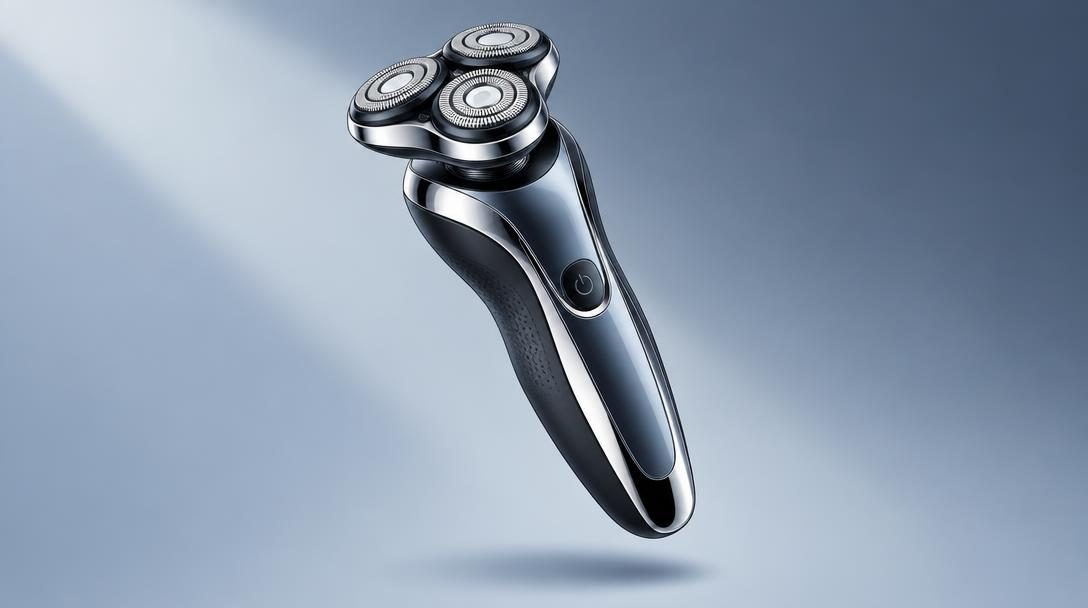
Rotary shavers represent the most popular type of electric shaver on the market today. These devices typically feature three circular cutting heads arranged in an ergonomic triangular cluster, with each head engineered to tilt and pivot independently. Beneath the slotted metal outer caps, internal circular cutters spin at high velocity to sever incoming hairs from multiple angles simultaneously.
Because each circular head flexes on its own suspension, rotary models excel at tracking the complex, irregular contours of the human face. They glide smoothly over the throat, Adam's apple, jawbone, and chin without losing continuous surface contact. Designed for everyday versatility, rotary shavers accommodate both dry skin and wet lathered shaving routines, making them a balanced choice for broad, full-face clearance.
Foil Shavers
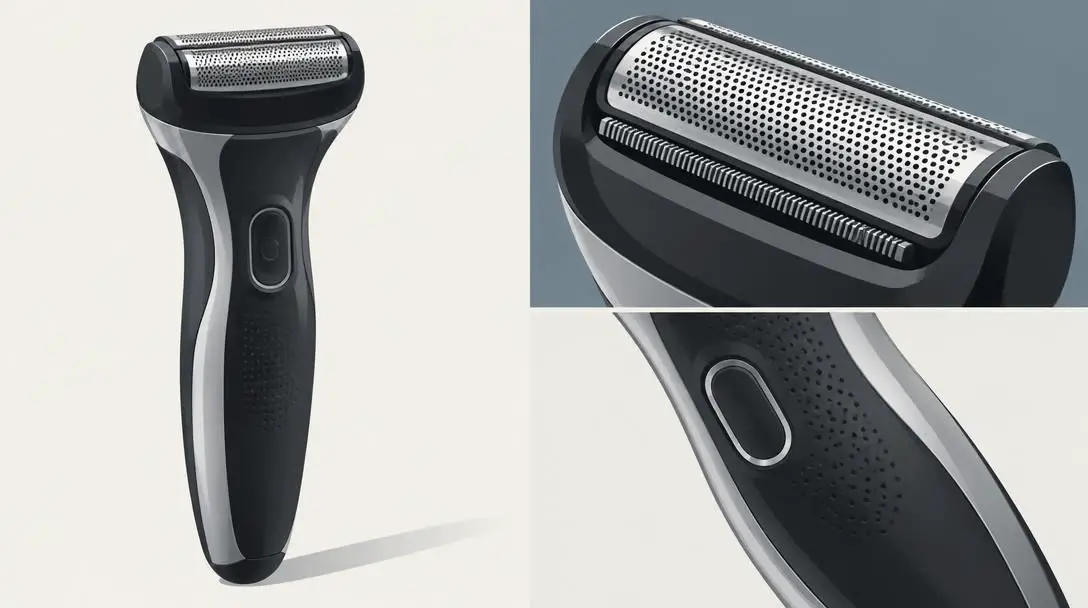
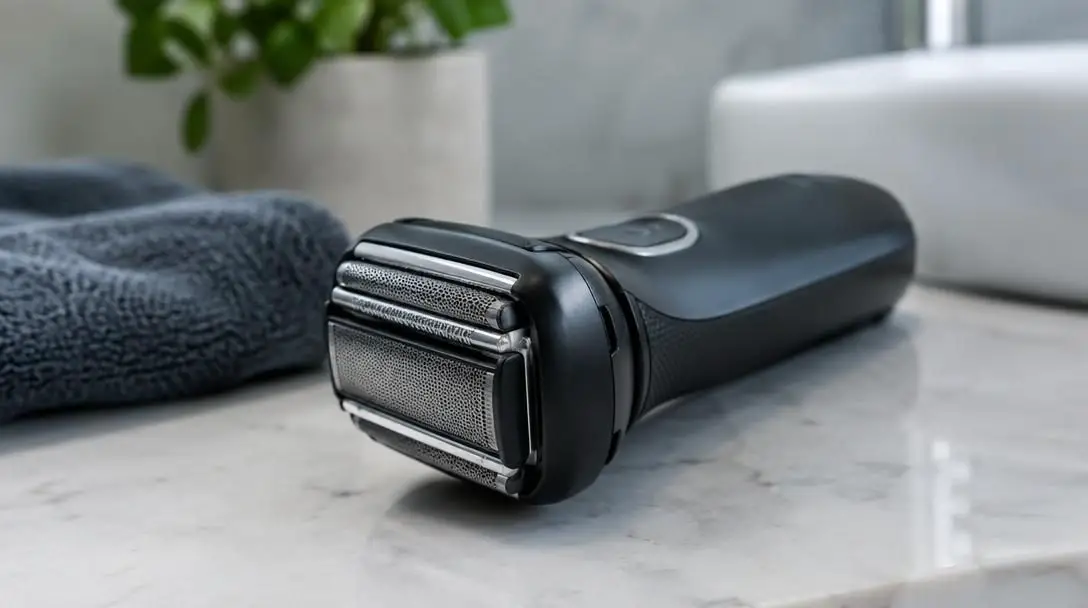
Foil shavers rely on an entirely different mechanical approach to facial grooming. Rather than using spinning circular discs, a foil razor incorporates a thin sheet of curved, micro-perforated metal foil positioned directly over a bank of rapidly oscillating cutting blades. As the shaver passes along the face, individual hair shafts slip through the tiny perforations in the foil barrier, where the vibrating blades instantly shear them flush to the surface.
This linear configuration is purpose-built for clean, straight, sweeping strokes across the skin. Foil shavers perform exceptionally well on relatively flat planes of the face, including the cheeks and upper lip, delivering an ultra-smooth finish that closely rivals traditional manual razors. Their micro-mesh foil barrier protects delicate epidermal tissue from blade friction, providing a reliable cut without causing unwanted redness.
Electric Trimmers
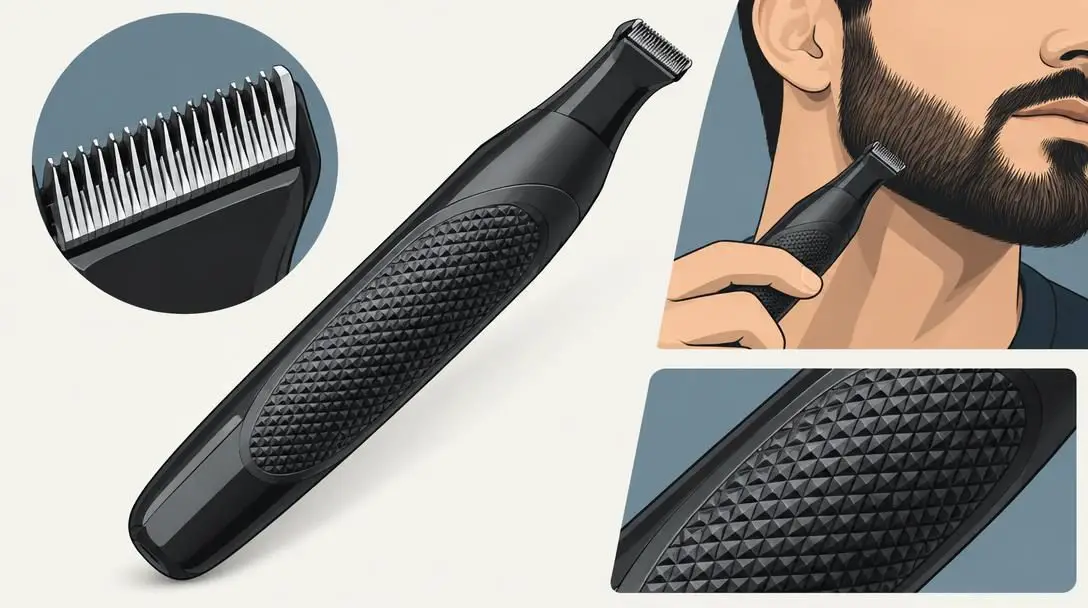
While rotary and foil units focus on clearing facial hair down to the skin surface, electric trimmers serve as dedicated detailing instruments. Instead of concealing their blades behind a closed foil screen or slotted guard, trimmers feature exposed comb-style teeth that oscillate back and forth at precise, fixed lengths. This open mechanical layout allows the user to see the exact point of contact between hair and steel.
Trimmers are the ideal implement for sculpting clean, well-defined facial hair boundaries. Groomers rely on them to edge sideburns, neaten mustache lines, sculpt goatees, and taper beard margins. Many individuals maintain a dedicated electric trimmer directly alongside their primary rotary or foil razor, using the trimmer for architectural boundary lines before smoothing surrounding areas with their main shaver.
The Mechanics Behind the Cut
To achieve the best possible finish with an electric razor, it helps to understand the underlying mechanics taking place at the surface of your skin. Manual safety blades work by dragging an unshielded wedge of sharpened carbon or stainless steel across wet tissue at an angle. As the blade advances, it slices directly through the hair shaft while simultaneously scraping away microscopic layers of epidermal skin cells. This unavoidable surface abrasion explains why manual blades so frequently produce stinging razor burn, microscopic weeping points, and ingrown hairs.
Electric shavers function on an entirely different shearing principle, behaving much like a motorized pair of microscopic scissors. The stationary outer component—either the micro-perforated foil or the slotted rotary guard—presses gently against the skin, allowing hair shafts to poke through the apertures. Behind this stationary barrier, the motorized blade assembly travels at intense speeds, slicing through the trapped hair shafts the instant they cross the inner steel threshold.
Because the high-speed cutting edges remain shielded behind protective metal guards, electric shavers eliminate direct blade-to-skin friction while executing thousands of cuts every minute.
Because the sharpened edges never make direct physical contact with the epidermal layer, the shaver completely bypasses the scraping friction inherent to traditional razor blades. The internal electric motor drives thousands of individual cutting cycles every minute, enabling the device to shear through dense patches of facial hair in a tiny fraction of a second without snagging or pulling.
Essential Features to Evaluate Before Buying
Electric razors vary significantly in power, ergonomics, and internal hardware. Reviewing the core engineering features of a prospective device ensures you select an instrument that aligns with your specific skin sensitivity, hair thickness, and daily schedule.

- Battery Life and Charging Time: Cordless mobility is essential for modern grooming convenience. Review both the total runtime delivered by a complete charge and the hours required to recharge the battery. Fast-charging capabilities are particularly advantageous, allowing users to secure enough battery life for a complete shave in just a few minutes of wall charging.
- Speed Settings: Coarse, dense beard growth demands rapid blade oscillation to prevent pulling, while hypersensitive skin benefits from a gentler pace to minimize thermal friction. Shavers with variable speed controls permit users to alternate between aggressive power and sensitive modes depending on the region of the face.
- Wet and Dry Capabilities: Shaver versatility expands dramatically with wet/dry water-resistance. Dry-only units are restricted to bare, unmoisturized skin, whereas wet/dry models can be used with warm water, soothing shaving gels, rich protective foams, or operated directly under the morning shower stream.
- Noise Level: Electric motors and reciprocating cutting blocks produce distinct acoustic profiles, ranging from muted low-frequency hums to sharp, high-pitched buzzes. Those who groom in shared living spaces or early in the morning should prioritize quieter motor assemblies.
- Ergonomic Handle: Shaving requires stable, multidirectional hand control around the neck and jaw. A handle contoured with textured rubber grips ensures the device remains anchored in the hand, avoiding slips and dropped tools when hands are wet or coated in slippery shaving lather.
- Adjustable Head Angle: Shavers engineered with multi-axis pivoting heads track sharp transitions along the jawline and throat automatically, maintaining continuous perpendicular contact with the skin without requiring forced, uncomfortable wrist angles.
A Step-by-Step Guide to a Smooth Electric Shave
Attaining a close, comfortable shave relies as much on proper human technique as it does on mechanical engineering. Rushing through your routine or using incorrect hand motions can produce patchy stubble, skipped hairs, and unnecessary skin irritation. Follow this structured sequence to achieve optimal results.
- Prepare Your Skin: Wash your face thoroughly with warm water before beginning. Warm water dissolves accumulated facial oils, sweeps away ambient surface debris, and relaxes the cuticle layer of the hair shaft, allowing the cutting blades to slice through cleanly.
- Moisturize Correctly: For the closest possible cut, ensure facial hair is damp rather than dripping wet. If you are using a wet/dry shaver, apply a thin, translucent layer of quality shaving gel or cream across the grooming area to provide lubrication and reduce surface drag.
- Execute Proper Shaving Strokes: Switch on the motor and approach the face using controlled, deliberate movements. For rotary shavers, use small, overlapping circular motions; for foil shavers, maintain steady, linear strokes against the natural direction of hair growth. Move the razor slowly across the skin to give the cutting head sufficient time to feed every hair shaft into the cutting slots.
- Control Your Pressure: Maintain a gentle touch throughout the session. Electric shaving heads are designed to float across the surface of the skin. Pushing the foil or rotary guard aggressively into the face forces skin folds into the cutting apertures, generating acute friction, skin burn, and microscopic nicks.
- Rinse and Soothe: Immediately after finishing, splash your face with cold water. Cold water closes the pores, cools irritated epidermal tissue, and calms minor surface redness. Gently pat your face dry with a clean towel and apply a soothing post-shave balm.
- Clean and Dry the Shaver: Switch off the unit, unlatch or detach the cutting head, and empty the hair debris reservoir. Dry all mechanical components thoroughly to shield internal seals and cutting blocks from moisture-related wear.
Essential Cleaning, Care, and Maintenance Routine
Consistent maintenance is necessary to keep an electric razor functioning smoothly and hygienically. As you shave, severed hair clippings, skin flakes, natural sebum, and residual shaving gels collect inside the cutting cassette. Left unaddressed, this mixture solidifies into a dense slurry that burdens the motor, generates excess frictional heat, dulls cutting edges prematurely, and cultivates harmful bacteria.
Clean your razor immediately after every shaving session. If your device features a fully waterproof wet/dry housing, pop open the head assembly and rinse it thoroughly under a running stream of warm tap water to dislodge loose hairs and lather residue. For dry-only models, use the supplied specialized cleaning brush to clear away hair dust from beneath the cutters and around the drive shafts. Never strike the delicate outer foil against a hard sink edge or counter, as thin metal foils warp and crack under impact.
After rinsing, shake away excess water droplets, dry the exterior casing with a towel, and place the components in an open, well-ventilated, cool space to air-dry completely. Beyond day-to-day cleaning, establish a scheduled replacement window for your cutting blades and protective screens. Over months of friction, high-velocity movement naturally wears down blade edges and erodes thin foils. Replacing these cutting components every few months guarantees that the shaver continues to cut cleanly rather than pinching, pulling, or tearing at facial hair.
Common Shaving Mistakes and How to Avoid Them
Even high-tier grooming devices underperform if operated with poor habits. Steer clear of these frequent mistakes to preserve your skin's health and extend the lifespan of your electric razor.
- Pressing Too Hard Against the Face: Jamming the cutting head firmly into the skin is a natural instinct for those seeking a closer cut, but it inevitably produces skin burn. Heavy pressure pinches skin tissue into the metal openings, causing immediate irritation and dulling the shaving components. Let the speed of the motor do the work.
- Moving the Razor Head Too Quickly: Sweeping the shaver rapidly back and forth across your cheeks prevents hairs from entering the stationary perforations. Moving slowly and deliberately ensures that the cutting mechanism captures every strand on the initial pass, eliminating the need to repeatedly shave over irritated skin patches.
- Shaving in the Wrong Direction: Moving the shaver with the grain of your facial hair simply pushes flat-lying hairs down, causing the blades to glide over them harmlessly. Always guide the razor against the natural grain of hair growth to pull hairs upright into the cutting chambers.
- Shaving Over Soaking Wet Skin Without Lather: While wet/dry devices excel with shaving creams or completely dry skin, attempting to shave while your face is dripping wet without lubrication causes hairs to stick flat against the skin surface, making them nearly impossible for the cutting head to snag.
- Neglecting Regular Blade Replacements: Operating the same blade block or foil screen for over a year degrades performance severely. As blades lose their edge, they begin pulling, tugging, and yanking hairs rather than slicing them, causing intense razor burn and uneven stubble.
- Improper Storage in Damp Environments: Leaving your razor on a wet shower ledge or in a damp bathroom cabinet accelerates mechanical wear, degrades waterproofing gaskets, and invites odor-causing mold. Store your clean, dry shaver in a cool, moisture-free location.
Frequently asked questions
Can electric shavers be used on sensitive skin without causing razor burn?
Yes. Because electric shavers feature protective foil screens or slotted rotary guards that keep sharp cutting blades from directly scraping the epidermal layer, they generate significantly less surface friction than traditional manual razors, making them ideal for sensitive skin.
What is the main functional difference between a rotary shaver and a foil shaver?
Rotary shavers use three independently flexing circular heads with internal spinning blades that follow facial curves like the neck and jawline. Foil shavers feature oscillating blades beneath a straight, perforated metal foil that provides an exceptionally smooth finish using sweeping linear strokes.
Do I need to shave with or against the grain when using an electric razor?
You should shave against the natural direction of hair growth. Shaving against the grain lifts hair shafts and directs them into the perforations or slots of the cutting head, ensuring a close, consistent cut.
How often should cutting blades and foils be replaced?
Cutting blades and foils should be replaced every few months depending on your shaving frequency and hair density. Over time, friction naturally dulls the blade edges and wears down the thin metal barriers, leading to hair pulling and skin irritation if not replaced.
Can I use shaving cream or gel with an electric shaver?
You can use shaving creams or gels if your device is rated for wet and dry operation. Wet/dry shavers are fully water-resistant and work well with rich lathers to reduce friction, whereas dry-only shavers must only be used on dry skin without water or lubricants.
The bottom line
Adopting an electric shaver or upgrading your current grooming tool introduces speed, comfort, and safety into your morning routine. By evaluating key engineering characteristics—such as battery life, speed settings, wet/dry versatility, acoustic noise output, and ergonomic handling—you can invest in a device tailored precisely to your facial contours and personal habits. Pairing quality hardware with deliberate preparation, light pressure against the grain, cold-water post-care, and diligent blade maintenance ensures a crisp, irritation-free appearance day after day.