Exploring Hidden Gems: Cities You Haven’t Seen Before
When planning an international holiday, it is natural for travelers to look toward the world's most famous urban centers. Metropolises like Paris, London, and Rome attract millions of visitors every single year, drawing massive crowds with their iconic monuments, renowned art collections, and storied avenues. Yet relying solely on global household names often means missing out on destinations that provide equal, if not greater, cultural richness, distinctive architecture, and historical value.
Across Europe and its neighboring regions, a selection of smaller or less publicized cities offers deep cultural immersion and vibrant local life without the overwhelming intensity of traditional tourism hubs. Venturing beyond the standard circuit reveals places shaped by different historical eras, unique geographical settings, and varied artistic traditions. By turning attention to destinations such as Tallinn, Ljubljana, Porto, Riga, and Sarajevo, travelers can experience preserved historic quarters, local culinary scenes, and authentic communities from a completely fresh perspective.
Key takeaways
- Exploring secondary cities provides deep cultural immersion and rich architectural heritage without the overcrowding typical of major tourist capitals.
- Tallinn, Ljubljana, Porto, Riga, and Sarajevo each offer distinct historical legacies, spanning medieval streets, Art Nouveau facades, and Ottoman bazaars.
- Historic quarters in smaller cities operate as living, pedestrian-friendly neighborhoods rather than cordoned-off tourist zones.
- Careful planning around regional transport, local opening hours, and regional history ensures a smoother, more respectful journey.
At a glance: five distinctive alternative destinations
To help choose the right destination for an upcoming trip, the table below highlights the primary architectural features, cultural designations, and geographic settings of the five featured cities.
tbody| City | Country | Key architectural style | Key cultural feature | Landscape setting |
|---|---|---|---|---|
| Tallinn | Estonia | Medieval stone towers and defensive walls | UNESCO World Heritage Old Town | Northern European coastal hub |
| Ljubljana | Slovenia | Historic riverfront architecture and bridges | Riverside promenades and museums | Ljubljanica River and Tivoli Park |
| Porto | Portugal | Picturesque historic riverfront quarter | UNESCO World Heritage center and port wine cellars | Atlantic coast along the Douro River valley |
| Riga | Latvia | World-class Art Nouveau facades | European Capital of Culture (2014, 2027) | Baltic urban center with scenic Old Town |
| Sarajevo | Bosnia and Herzegovina | Ottoman-era structures and modern European quarters | Historic Baščaršija bazaar and culinary traditions | Urban basin surrounded by mountains |
Five remarkable cities to explore beyond the standard circuit
Understanding what makes each of these urban centers special allows travelers to appreciate why stepping away from the typical capital itinerary can be so rewarding. Each city presents a unique environment shaped by centuries of distinct regional events.
Tallinn
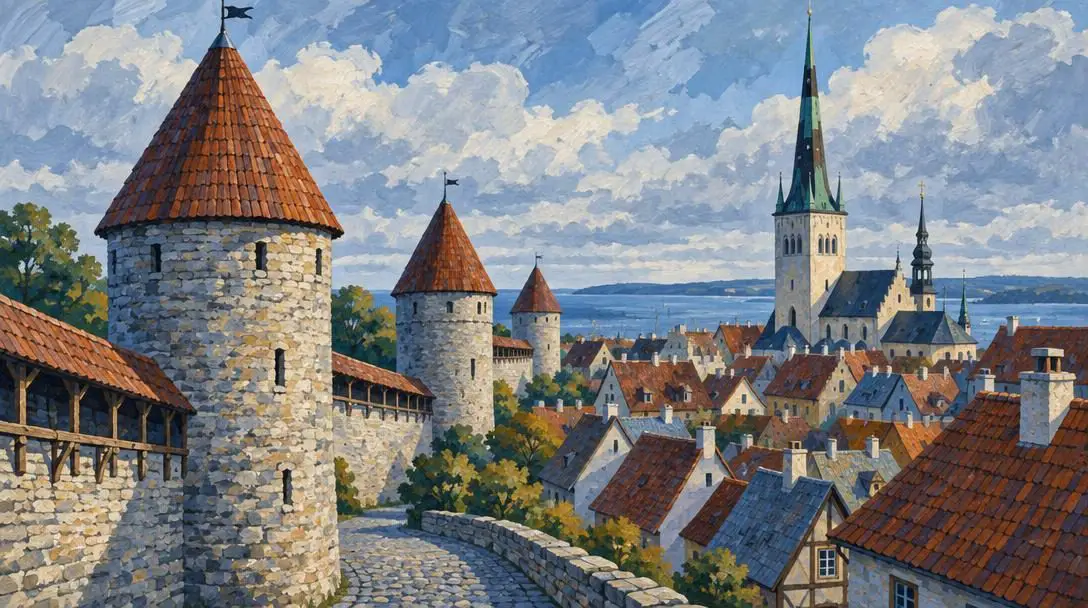
- Country: Estonia
- Heritage status: UNESCO World Heritage Site (Old Town)
- Key attraction: Intact medieval defensive walls, town halls, and stone towers
Serving as the capital city of Estonia, Tallinn is an urban center that is frequently overlooked by travelers planning journeys across northern Europe. It is a medieval city that boasts stunning architecture, narrow cobblestone streets, and a very rich history. The heart of Tallinn’s enduring appeal lies in its remarkably preserved historic center.
One of the absolute best ways to experience Tallinn is by simply wandering through its Old Town, which has been designated as an official UNESCO World Heritage site. Inside this well-preserved core, the medieval street layout remains intact, giving visitors a direct window into the past as they explore ancient defensive walls, historic town halls, and stone towers that have guarded the city for centuries.
Ljubljana
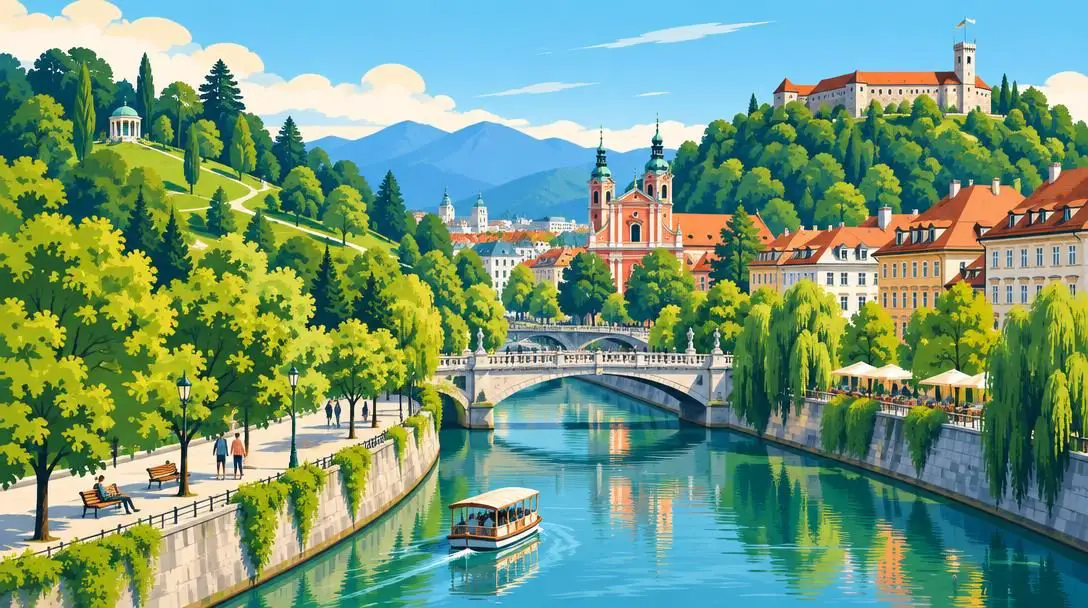
- Country: Slovenia
- Population: Just over 280,000 residents
- Key attraction: Riverside promenades and expansive Tivoli Park
Ljubljana proves that a destination does not need vast geographic sprawl to offer an enriching travel experience. Although it is relatively small in physical size and home to just over 280,000 people, the Slovenian capital packs a big punch when it comes to activities, sightseeing, and community atmosphere.
The city is particularly famous for its charming old town area, which is situated along the banks of the winding Ljubljanica River. In addition to picturesque riverside promenades, visitors can enjoy expansive green spaces by taking a relaxing stroll through Tivoli Park, or they can choose to spend their time visiting one of the numerous museums distributed throughout the city to learn about local art, history, and natural science.
Porto
- Country: Portugal
- National ranking: Second-largest city in Portugal
- Heritage status: UNESCO World Heritage historic center
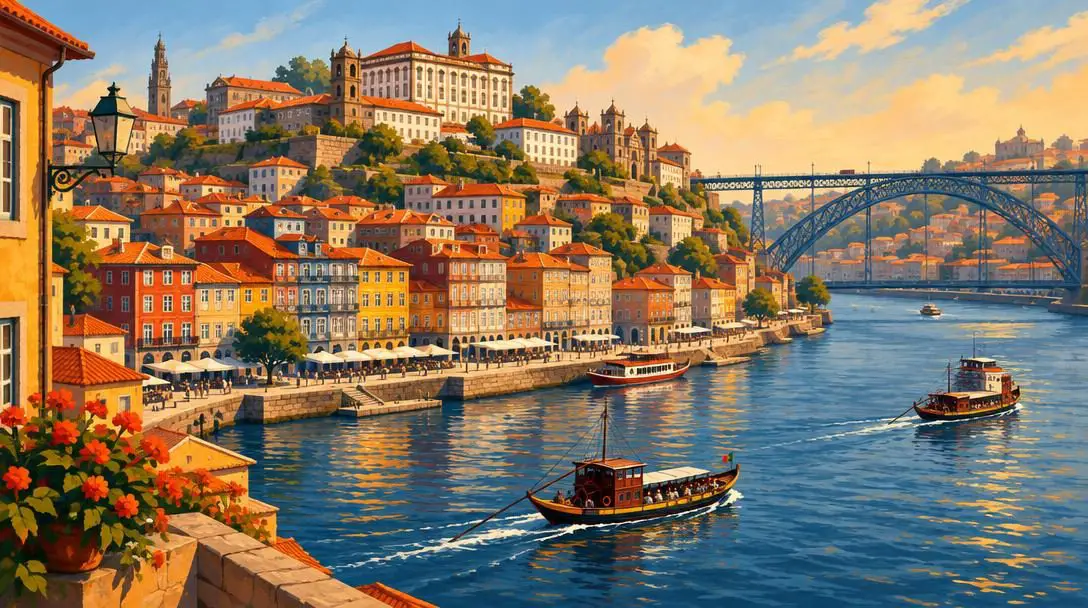
Located along the Atlantic coast, Porto is recognized as Portugal’s second-largest city. Despite its regional importance, it often finds itself overshadowed by Lisbon, the nation's capital. Nevertheless, this coastal gem provides an abundance of sights, culinary traditions, and sweeping viewpoints that rival any major destination in western Europe.
Porto is celebrated worldwide for its picturesque historic center, which, like Tallinn’s Old Town, is recognized as an official UNESCO World Heritage site. Beyond its historic buildings and scenic views across the Douro river valley, Porto is globally renowned for its famous port wine cellars, where travelers can learn about the traditional production methods and storage of this specialized regional drink.
Riga
- Country: Latvia
- Cultural title: European Capital of Culture (2014 and 2027)
- Key attraction: World-class collection of Art Nouveau architecture
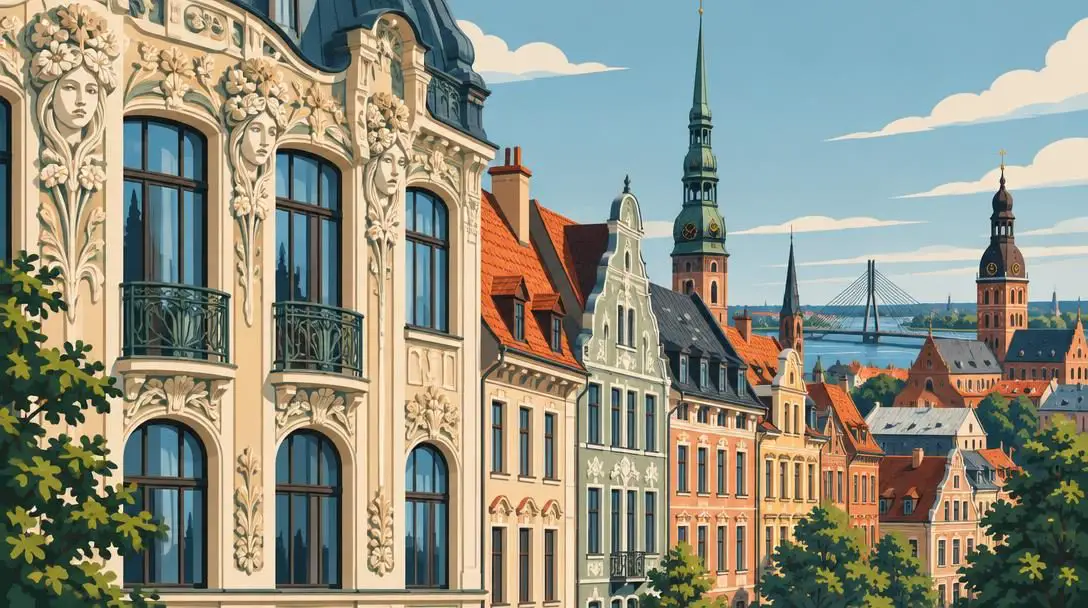
Riga stands as another vital Baltic center that offers visitors exceptional artistic and cultural experiences. The city holds the rare distinction of being named the European Capital of Culture twice, first receiving the honor in 2014 and scheduled to hold the title again in 2027. This recognition reflects the city's continuous investment in cultural programming and historical preservation.
This Baltic gem features a world-class collection of stunning Art Nouveau architecture, presenting elaborately decorated facades across its central boulevards alongside a thriving modern cultural scene. The old town area is particularly beautiful, offering a vibrant atmosphere filled with numerous restaurants and cafes where visitors can sample authentic, traditional Latvian cuisine.
Sarajevo
- Country: Bosnia and Herzegovina
- Key attraction: Historic Baščaršija bazaar and surrounding mountains
- Culinary staple: Traditional grilled cevapi
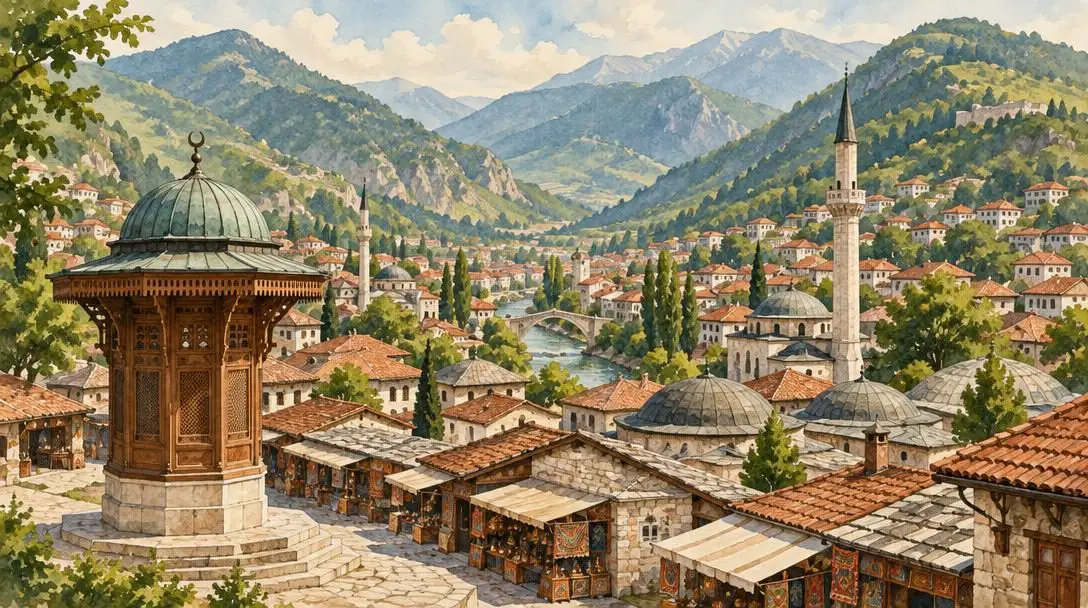
Sarajevo may not currently occupy a spot on every traveler’s radar, but interest in the city is steadily changing as more people recognize its distinct identity. The city carries a fascinating, complex history, having endured a major modern conflict when it was under siege during the Bosnian War in the early 1990s. Understanding this background provides vital context for interpreting its present-day landscape.
Today, Sarajevo features an eclectic blend of cultural traditions, displaying prominent Ottoman-era influences alongside later European urban development. Visitors traveling to Sarajevo can explore the historic Baščaršija, which serves as the city's old bazaar, sample cevapi, a popular regional grilled meat dish, and take in the natural beauty of the prominent mountains that encircle the urban basin.
How travel to lesser-known cities operates
Visiting secondary cities and emerging destinations operates somewhat differently than traveling to megacities that have handled high-density mass tourism for generations. When traveling to places like Paris or London, the tourism infrastructure is heavily commercialized, standardized, and designed to move tens of thousands of visitors through specific ticketed turnstiles each day. In contrast, smaller or lesser-known destinations function on a more localized and personal scale.
In destinations like Tallinn, Ljubljana, and Riga, cultural attractions remain integrated directly into everyday life rather than isolated inside cordoned-off monuments.
For example, Tallinn’s Old Town and Porto’s historic center are living, working districts where local governance, residential life, and trade occur right alongside tourism. Because these historic centers are UNESCO World Heritage sites, local preservation frameworks govern how modern businesses interact with historical structures, protecting their authenticity while maintaining everyday community utility.
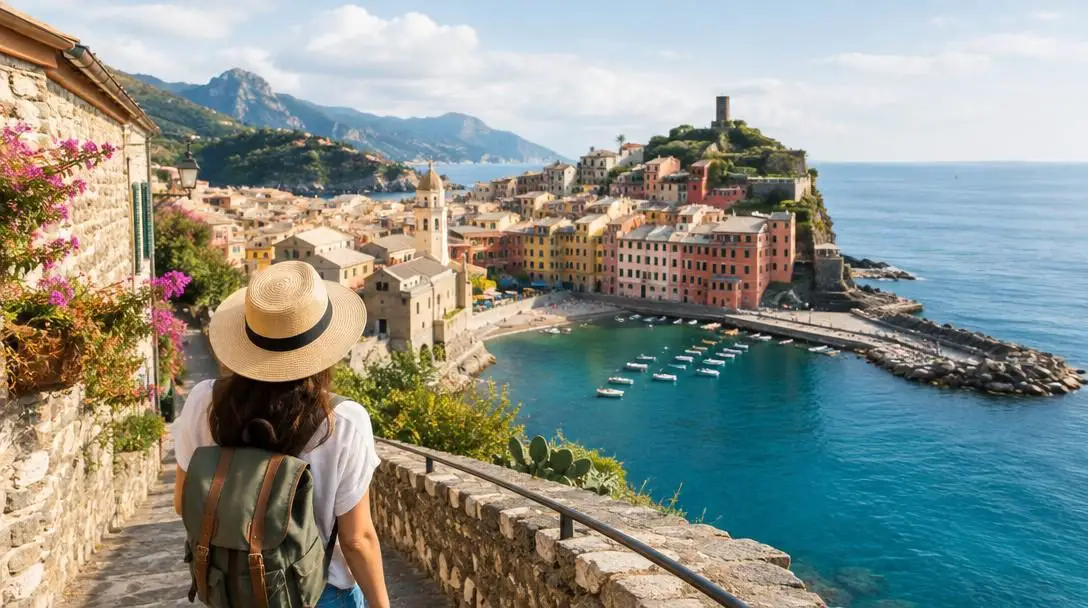
Logistically, transport networks in these cities tend to be concentrated and pedestrian-oriented. While larger capitals require extensive underground subway lines simply to navigate between major landmarks, cities like Ljubljana rely heavily on walkable riverfronts, public pedestrian zones, and bike paths. Similarly, Sarajevo’s cultural transitions—moving from Ottoman-influenced streets to newer districts—can be traversed on foot within a single afternoon. Public transit exists primarily to serve residents commuting into the center, meaning travelers use the same buses, trams, and regional rail lines as the local community rather than specialized tourist shuttles.
Step-by-step: planning a trip off the beaten path
Organizing a journey to destinations outside the standard mass-tourism circuit requires a practical, structured approach to ensure smooth connections and meaningful cultural engagement.
- Research regional transport routes: Because secondary cities may not host as many direct long-haul flights as major capital hubs, look into regional air links, train connections, or ferry routes. For instance, Baltic travels might involve combining Tallinn and Riga through regional land transit, while trips to Porto can easily link via rail to other parts of the Iberian Peninsula.
- Map the historic quarters: Before departure, identify the layout of key heritage districts. Determine the boundaries of Tallinn's Old Town, the riverside pathways along the Ljubljanica River in Ljubljana, and the historic center of Porto so you can locate accommodations that allow you to explore on foot.
- Schedule time for local food culture: Rather than relying solely on international dining chains or generic menus, seek out traditional food venues. In Sarajevo, make dedicated time to visit the Baščaršija bazaar specifically to try cevapi from established local vendors, and in Riga, set aside time to sit in old town cafes serving traditional Latvian dishes.
- Plan for varied architectural styles: Ensure your itinerary balances visits to museums with outdoor architectural exploration. In Riga, designate specific hours for walking through neighborhoods famed for their Art Nouveau facades, and in Ljubljana, combine museum visits with open-air walks through Tivoli Park.
- Prepare for local currency and payment systems: While many European destinations utilize common payment systems, regional norms vary. Verify local practices regarding card payments and cash usage, especially when visiting smaller market stalls, such as those found in Sarajevo's historic bazaar or regional markets in the Baltics.
Common mistakes to avoid in secondary destinations
Travelers exploring lesser-known cities often encounter unexpected challenges if they treat these destinations identically to major commercial hubs. Being mindful of these common missteps can improve the overall journey.
- Rushing through on a day trip: A common error is treating cities like Ljubljana or Porto as quick day trips from larger hubs. While their centers may be compact, rushing through them prevents you from exploring museums, parks, or specialized local sites like Porto's port wine cellars at an appropriate pace.
- Assuming English is spoken universally by everyone: While staff in hospitality and central tourist areas generally speak international languages, straying off the main thoroughfares into residential neighborhoods or smaller markets in the Baltic states or Bosnia and Herzegovina may mean encountering language barriers. Learning a few polite phrases in the local language is essential.
- Overlooking recent historical context: Visiting cities with complex modern histories requires awareness and sensitivity. For example, when visiting Sarajevo, understanding the background of the Bosnian War and the siege in the early 1990s provides vital context for interpreting the city's monuments, architecture, and current cultural landscape.
- Expecting continuous late-night services: Megacities often run comprehensive services around the clock. In smaller cities like Ljubljana, shops, public transit, and restaurants may operate on more restrained local schedules, closing earlier in the evening or having limited hours on weekends and public holidays.
- Neglecting cobblestone-friendly footwear: Historic centers, especially the medieval alleys of Tallinn and the steep streets of Porto, are dominated by uneven cobblestones and hills. Wearing shoes that are not suited for continuous walking on historical stone surfaces can lead to fatigue or injury.
Regional pairings and seasonal considerations
After deciding to explore beyond conventional travel hubs, travelers should consider how to structure their itineraries to maximize both variety and comfort. One practical approach is creating regional itineraries that link several distinctive cities together on a single trip.
For example, a northern European itinerary can easily link Tallinn and Riga. This pairing allows travelers to contrast the medieval UNESCO heritage of Estonia's capital with the expansive Art Nouveau quarters and European Capital of Culture heritage in Latvia. Traveling overland between the two Baltic capitals offers an appreciation for regional geography that is missed when flying over it.
Another factor to consider is the seasonal variation inherent to these unique locations. Northern Baltic destinations offer completely different atmospheres between summer and winter, with freezing temperatures altering daily routines compared to warm summer periods. Similarly, Sarajevo’s surrounding mountains offer different vistas and activities depending on whether you visit during the summer or when snow covers the peaks. Evaluating personal interests in architecture, local food traditions, and regional history helps align your trip with the best season for each location.
Frequently asked questions
Why should I visit Tallinn instead of a larger European capital?
Tallinn offers an intact medieval street layout and an official UNESCO World Heritage Old Town with ancient defensive walls and stone towers. It provides rich historical immersion in a compact, walkable setting without the overwhelming crowds of larger capitals.
Is Ljubljana worth visiting despite its small size?
Yes. Although home to just over 280,000 residents, Ljubljana features a vibrant cultural life along the Ljubljanica River, expansive green spaces like Tivoli Park, and numerous museums dedicated to art, history, and natural science.
What makes Riga unique compared to other Baltic cities?
Riga is renowned for its world-class collection of Art Nouveau architecture along central boulevards, an attractive Old Town filled with traditional Latvian cafes, and the distinction of being named European Capital of Culture in both 2014 and 2027.
What should travelers know before visiting Sarajevo?
Visitors should be aware of Sarajevo's complex modern history, including the siege during the Bosnian War in the 1990s. The city blends Ottoman-era heritage in the Baščaršija bazaar with later European quarters, all set within a dramatic mountain basin.
What is Porto known for besides its historic center?
In addition to its UNESCO World Heritage historic center and Douro river valley views, Porto is globally celebrated for its famous port wine cellars, where visitors can learn about traditional production and aging methods.
The bottom line
Stepping off the well-trodden tourist circuit and choosing cities like Tallinn, Ljubljana, Porto, Riga, or Sarajevo rewards travelers with rich architecture, distinct culinary traditions, and an authentic sense of place. By embracing walkable historic centers, engaging with local customs, and planning around regional geography, you can discover European history through vibrant communities that offer all the depth of traditional travel hubs with none of the commercialized congestion.