Exploring Nature: The Best National Parks in the World
National parks provide an unmatched gateway to explore untouched wilderness, disconnect from the pace of modern life, and witness the raw power of the natural world. Across every continent, these protected territories safeguard fragile ecosystems, ancient geological monuments, and extraordinary wildlife habitats that would otherwise be threatened by development.
From the active thermal basins of North America to the sprawling savannas of East Africa and the crystalline lakes of East Asia, iconic national parks offer life-changing adventures. Understanding the unique landscapes, resident animals, and available recreational pursuits is the first step toward mapping out an unforgettable journey into the wild.
Key takeaways
- National parks protect vital biodiversity, critical water resources, and fragile geological features across every continent.
- Iconic destinations cater to diverse wilderness activities, ranging from big game safaris and deep-water kayaking to high-altitude trekking and scuba diving.
- Careful park zoning and active conservation monitoring balance high-volume public tourism with ecological preservation.
- Successful expeditions require forward planning, seasonal awareness, strict wildlife safety protocols, and dedication to Leave No Trace principles.
Iconic national parks around the world
Every major conservation territory showcases a distinctive slice of the Earth's natural heritage. Whether featuring geothermal wonders, alpine glaciers, or vibrant coral reefs, the world's most renowned parks offer unique opportunities for outdoor recreation and environmental discovery.
Yellowstone National Park
- Location: Wyoming, United States
- Key distinction: The world's first national park
- Notable wildlife: Bears, wolves, bison, and elk
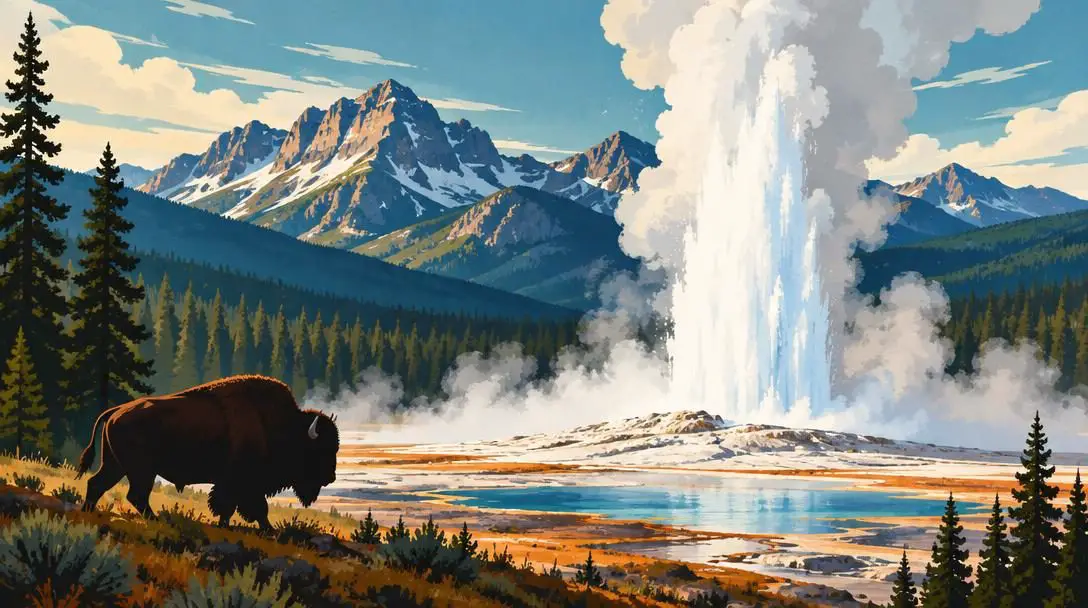
- Signature feature: Old Faithful geyser and active geothermal basins
Holding a revered position in conservation history, Yellowstone was established primarily in Wyoming as the world's first national park. The territory is famed worldwide for its extraordinary geothermal features, highlighted by the punctual eruptions of the Old Faithful geyser, bubbling mud pots, and vast multicolored thermal springs. Beyond its subterranean energy, Yellowstone encompasses broad river valleys and mountain ranges that support rich populations of free-roaming wildlife, including grizzly bears, gray wolves, vast herds of bison, and elk. Outdoor enthusiasts flock to the reserve to pursue hiking, backcountry camping, river fishing, and seasonal wildlife watching across its sprawling landscapes.
Banff National Park
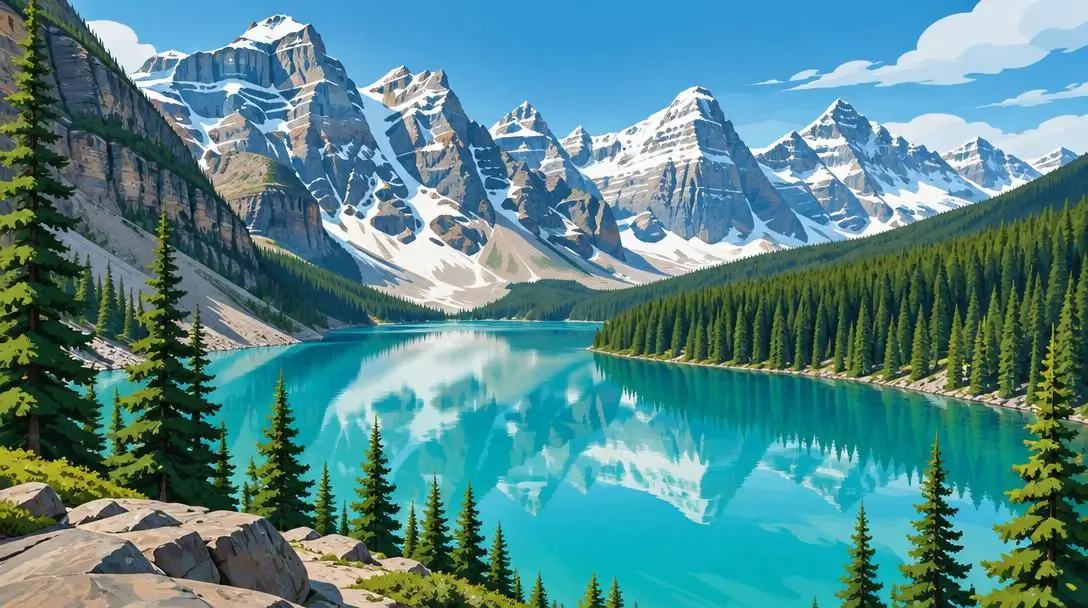
- Location: Alberta, Canada
- Landscape: Canadian Rocky Mountains, glaciers, and pristine lakes
- Notable wildlife: Grizzly bears, wolves, and elk
- Key activities: Hiking, skiing, camping, and soaking in hot springs
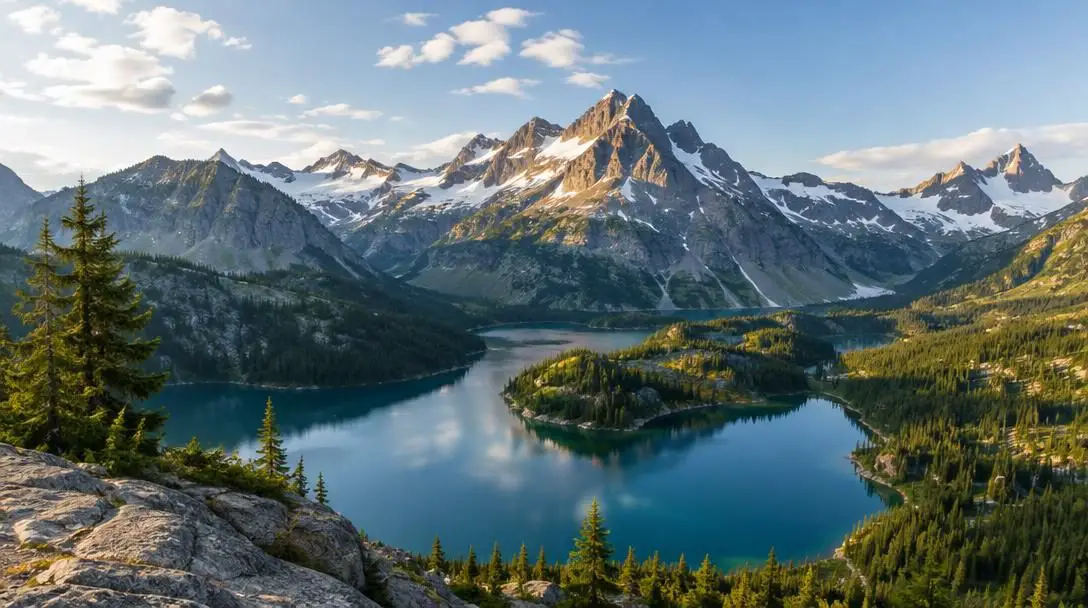
Nestled in the rugged province of Alberta, Banff National Park stands as the crown jewel of the Canadian Rocky Mountains. Its global acclaim stems from dramatic alpine topography featuring jagged, snow-dusted peaks, massive ancient glaciers, and vivid, turquoise-hued glacial lakes. Banff functions as an outdoor playground through all four seasons, welcoming visitors who want to hike scenic alpine passes, camp beneath pine forests, ski down world-class slopes, or soak in soothing natural hot springs. The park remains a crucial sanctuary for northern wildlife, providing secure corridors for grizzly bears, wolves, and large herds of elk.
Torres del Paine National Park
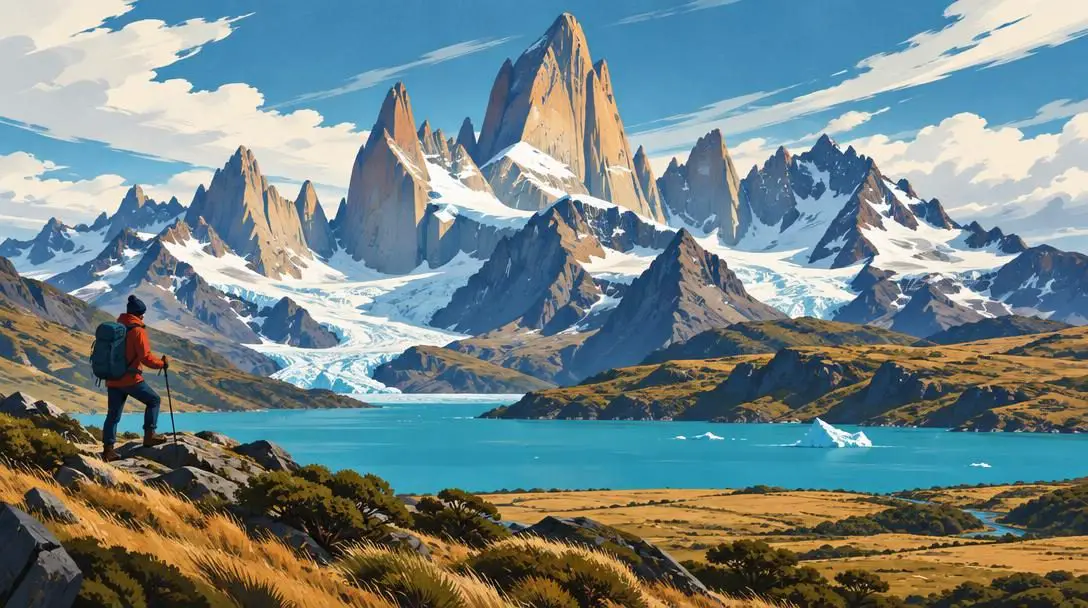
- Location: Patagonia, Chile
- Landscape: Towering granite horns, ancient glaciers, and mountain lakes
- Terrain: Rugged southern wilderness
- Key activities: Trekking, camping, wildlife watching, and kayaking
Positioned deep in the windswept wilderness of Chilean Patagonia, Torres del Paine National Park is internationally celebrated for its sheer granite spires, rugged valleys, and dynamic ice formations. It has earned a reputation as one of the premier trekking destinations on the planet, welcoming adventurers with a trail network that includes gentle day strolls alongside rigorous multi-day expeditions. Visitors navigate past electric-blue lakes, camp along pristine mountain rivers, watch for local wildlife, and paddle kayaks past floating icebergs and sheer glacial walls.
Serengeti National Park
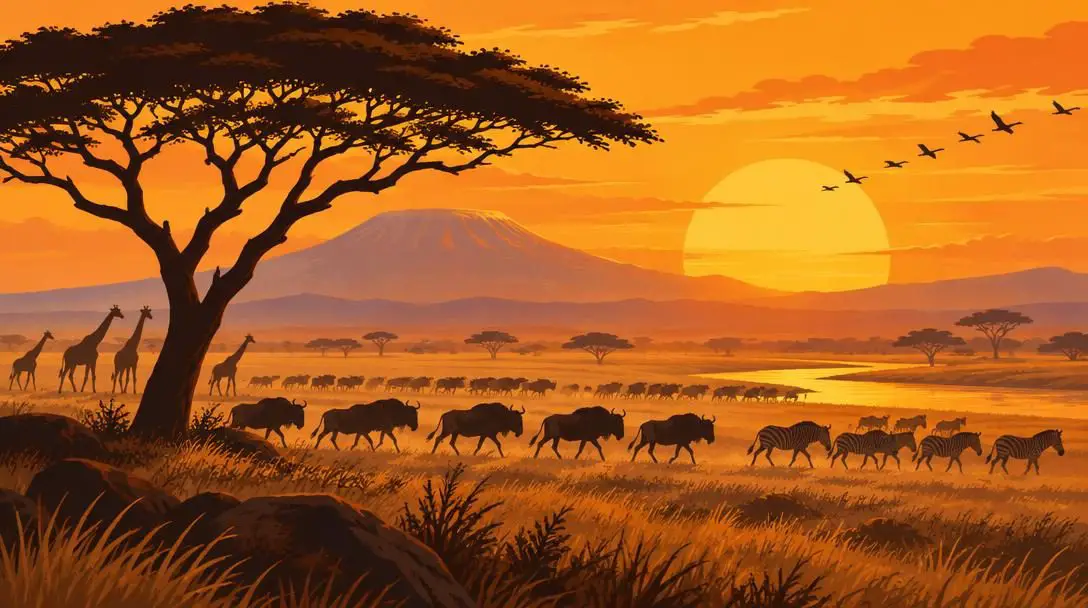
- Location: Tanzania
- Ecosystem: Expansive open savannas and acacia woodlands
- Signature event: Annual migration of wildebeest and zebras
- Notable wildlife: Lions, cheetahs, elephants, and giraffes
Encompassing immense tracts of open grassland in northern Tanzania, Serengeti National Park is among the most legendary wildlife preserves on Earth. The park is globally famous for hosting the annual Great Migration, where millions of wildebeest and zebras traverse the open savanna in search of fresh grazing grounds. This massive movement of herbivores sustains thriving predator populations, making the Serengeti an exceptional location to witness lions, cheetahs, leopards, elephants, and giraffes in their natural habitats. Travelers explore the sweeping plains via guided game drives, wilderness camping, and panoramic hot air balloon flights at sunrise.
Kruger National Park
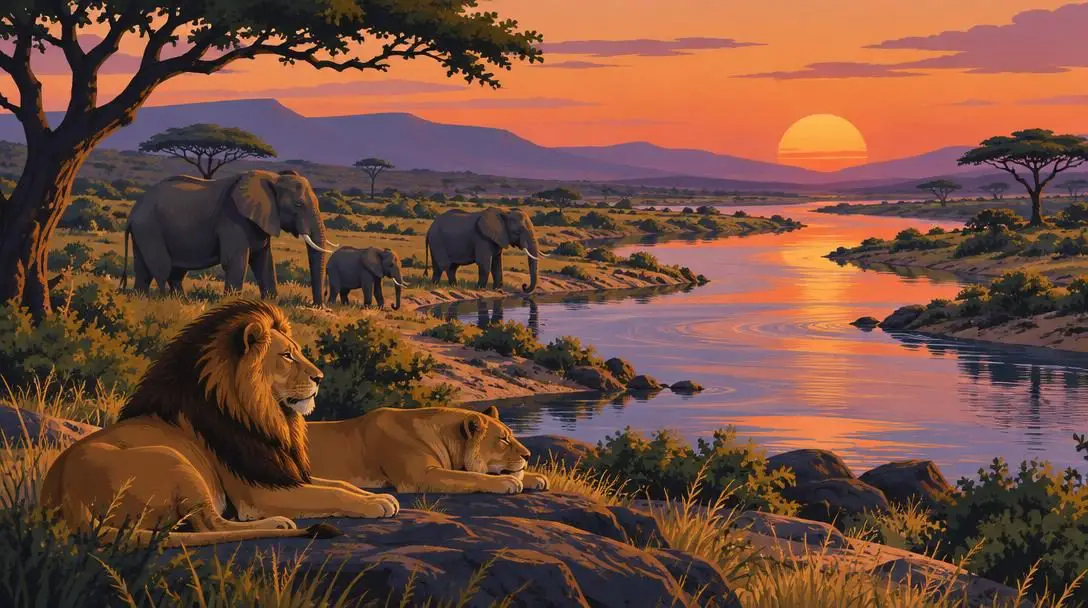
- Location: South Africa
- Key distinction: One of Africa's largest game reserves
- Notable wildlife: The Big Five (lion, leopard, elephant, rhino, buffalo)
- Key activities: Game drives, guided bush walks, and bird watching
Spanning an expansive section of northeastern South Africa, Kruger National Park is an extraordinary African game reserve renowned for its incredible biodiversity. It is celebrated globally as one of the most reliable places to view the fabled Big Five: lions, leopards, African elephants, rhinoceroses, and Cape buffaloes. Kruger provides well-developed infrastructure that accommodates both independent self-drive safaris and guided game drives, along with immersive walking safaris led by experienced armed rangers. Beyond its charismatic megafauna, the park is a premier international haven for bird watching enthusiasts, boasting hundreds of avian species.
Fiordland National Park
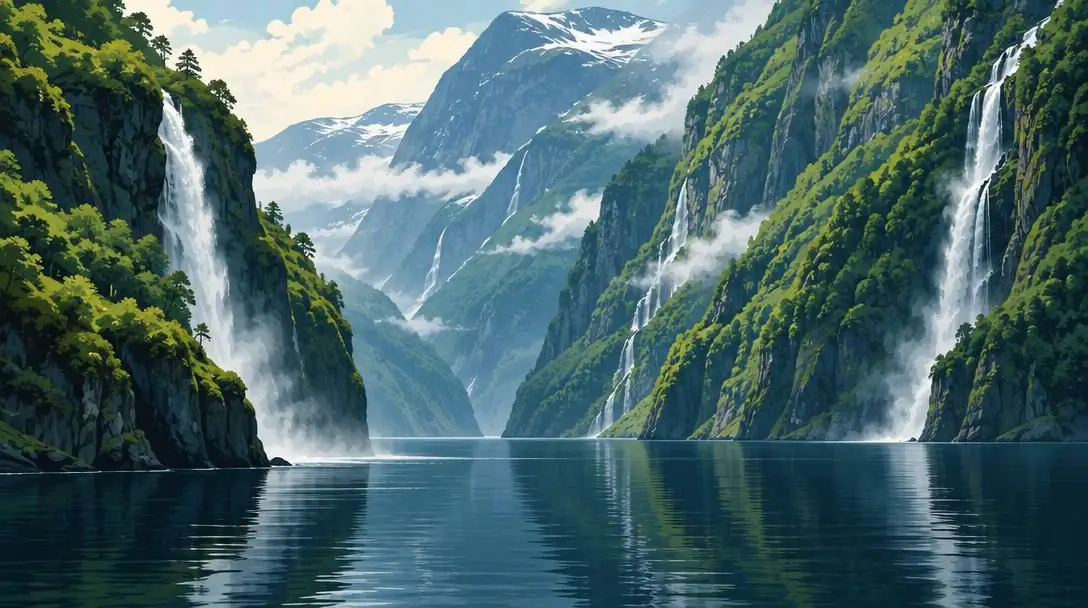
- Location: South Island, New Zealand
- Landscape: Carved fiords, cascading waterfalls, and temperate rainforests
- Notable wildlife: Dolphins, penguins, and seals
- Key activities: Coastal kayaking, boat cruises, and multi-day hiking
Carved by ancient glaciers along the southwestern coast of New Zealand's South Island, Fiordland National Park is a realm of dramatic sea fiords, vertical mountain walls, cascading waterfalls, and dense, moss-draped rainforests. The park offers some of the country's most celebrated walking trails, accommodating day hikers as well as trekkers embarking on strenuous multi-day journeys. Along the water, visitors board sightseeing cruises or paddle sea kayaks through sheltered coastal sounds, where they regularly encounter resident marine wildlife, including pods of dolphins, fur seals, and rare native penguins.
Plitvice Lakes National Park
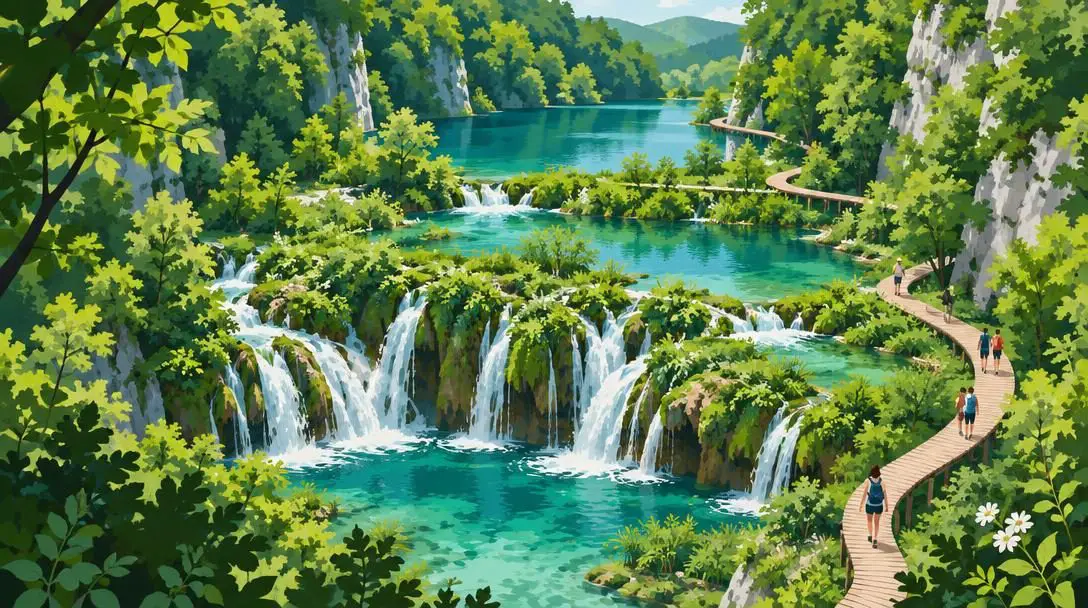
- Location: Central Croatia
- Water network: Sixteen interconnected cascade lakes
- Signature feature: Elevated wooden boardwalk paths and travertine barriers
- Notable wildlife: European brown bears, wolves, and lynx
Hidden within the mountainous interior of Croatia, Plitvice Lakes National Park is famed for its stepped series of sixteen turquoise lakes connected by rushing waterfalls and natural travertine dams. Visitors navigate this aquatic labyrinth via an intricate system of raised wooden boardwalks and cleared walking paths that trace the lake shores and cross plunging torrents. The park also provides quiet electric boat rides that ferry guests across the largest bodies of water. The deep surrounding beech and fir forests provide a secure sanctuary for rare European carnivores, including brown bears, gray wolves, and elusive lynx.
Jiuzhaigou National Park
- Location: Sichuan Province, China
- Landscape: Tiered waterfalls, crystalline multi-hued lakes, and alpine forests
- Notable wildlife: Giant pandas and golden snub-nosed monkeys
- Key activities: Forest hiking, boating, and regional cultural experiences
Situated on the edge of the Tibetan Plateau in southwestern China, Jiuzhaigou National Park is renowned for its crystalline, multi-colored alpine lakes, multi-tiered waterfalls, and lush, layered forests that transform dramatically with the seasons. Hiking routes range from leisurely lake-edge walks to demanding mountain ascents, allowing travelers to marvel at the high water clarity and distinct mineral hues of the park's waterways. In addition to boating and nature sightseeing, travelers can experience the distinctive cultural heritage of the local mountain communities. The secluded forests also harbor some of China's most endangered and treasured animal species, notably giant pandas and golden monkeys.
Komodo National Park
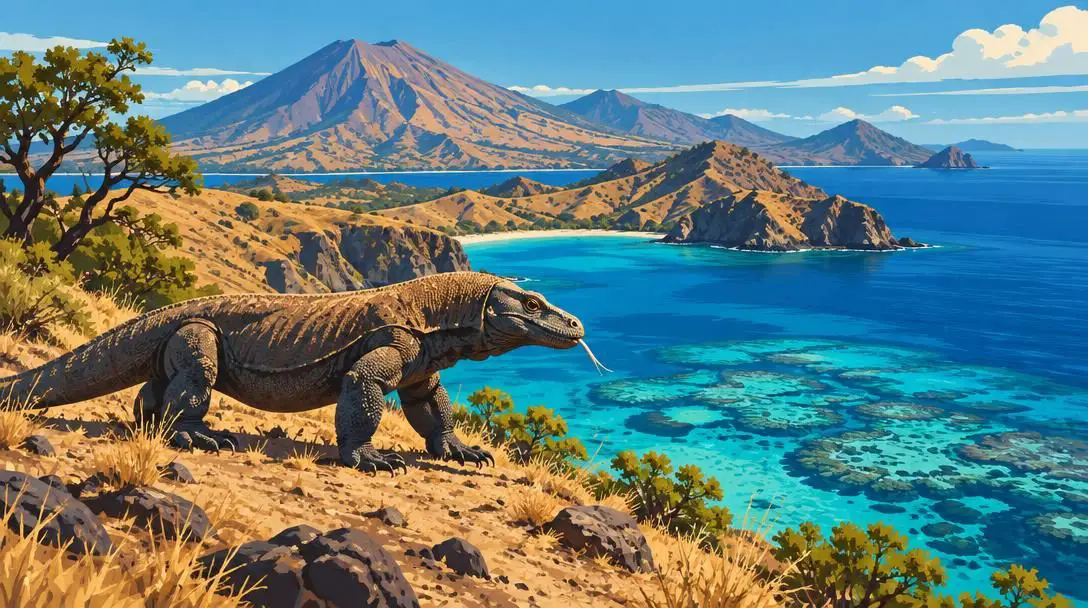
- Location: Lesser Sunda Islands, Indonesia
- Landscape: Rugged volcanic islands and coral-rich marine reserves
- Notable wildlife: Komodo dragon and diverse marine species
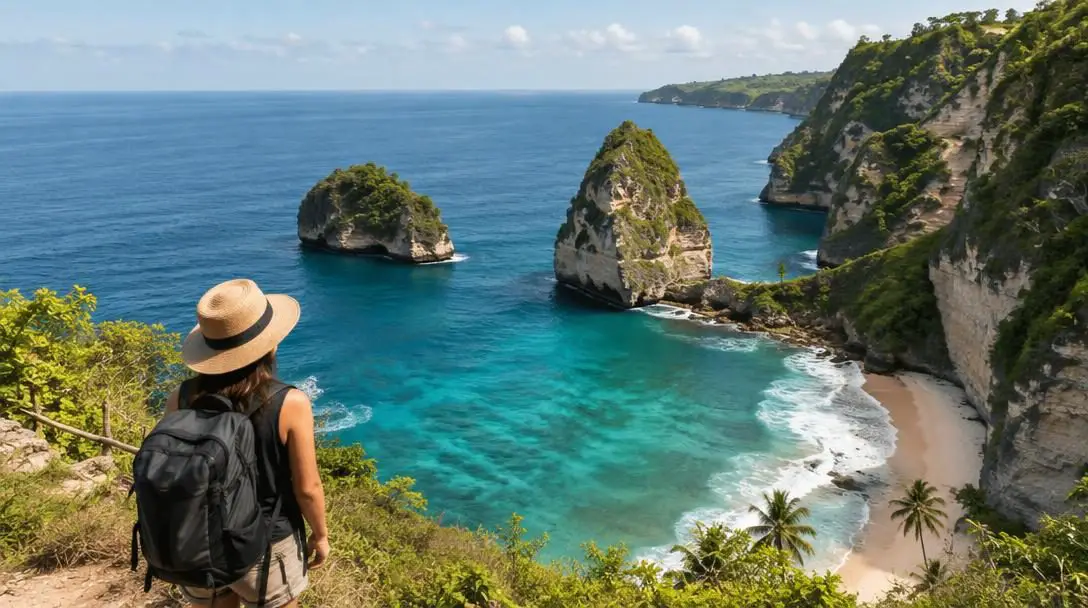
- Key activities: Scuba diving, snorkeling, trekking, and island boat tours
Comprising a cluster of arid, rugged volcanic islands in the Indonesian archipelago, Komodo National Park was established to protect the endemic Komodo dragon, the largest living lizard on the planet. Beyond its prehistoric terrestrial inhabitants, the park's marine boundaries enclose vibrant coral reefs teeming with extraordinary ocean life, establishing the region as an elite destination for scuba diving and snorkeling. Visitors venture across rugged island hills on guided treks, embark on multi-island sailing cruises, and participate in cultural exchanges with local fishing villages.
National parks preserve extraordinary natural wonders in public trust, ensuring fragile ecosystems endure for future generations.
Comparing global national parks at a glance
Every national park offers a unique combination of terrain, signature wildlife encounters, and recreational challenges. The following comparison highlights the diverse environments and primary pursuits available across these nine world-class destinations.
| National Park | Location | Primary Landscapes | Signature Wildlife | Key Activities |
|---|---|---|---|---|
| Yellowstone | Wyoming, United States | Geothermal basins, canyons, valleys | Bison, grizzly bears, wolves, elk | Hiking, geyser viewing, camping, fishing |
| Banff | Alberta, Canada | Glaciers, alpine lakes, Rocky Mountains | Grizzly bears, wolves, elk | Skiing, hiking, hot springs, camping |
| Torres del Paine | Patagonia, Chile | Granite peaks, ancient glaciers, lakes | Patagonian wildlife species | Backcountry trekking, camping, kayaking |
| Serengeti | Tanzania | Open savannas, grasslands, woodlands | Lions, cheetahs, elephants, wildebeest | Game drives, balloon safaris, camping |
| Kruger | South Africa | Savanna woodland, bushveld riverbanks | Big Five (lion, leopard, rhino, elephant, buffalo) | Guided walks, game drives, bird watching |
| Fiordland | South Island, New Zealand | Glacial fiords, temperate rainforests | Dolphins, penguins, seals | Cruising, sea kayaking, multi-day hiking |
| Plitvice Lakes | Central Croatia | Cascade lakes, waterfalls, karst forest | Brown bears, wolves, lynx | Boardwalk hiking, boat rides, sightseeing |
| Jiuzhaigou | Sichuan, China | Tiered falls, alpine lakes, tiered forests | Giant pandas, golden monkeys | Trail hiking, scenic boating, cultural tours |
| Komodo | Lesser Sunda, Indonesia | Arid volcanic hills, coral reef systems | Komodo dragons, rich marine life | Diving, snorkeling, island boat charters |
How national park systems preserve wilderness
The global conservation movement originated from the urgent need to shield unspoiled wildlands from unregulated industrial development and resource extraction. The founding of Yellowstone established a revolutionary legal philosophy: the most magnificent landscapes of a nation should belong to the public and remain preserved in perpetuity. Over the subsequent decades, this model spread worldwide, establishing a network of sanctuaries that protect delicate biomes ranging from the freezing heights of the Canadian Rockies to the arid savannas of Southern Africa.
Modern conservation agencies rely on structured land zoning frameworks to manage large volumes of travelers without compromising fragile ecological balances. Accessible visitor corridors are engineered with designated roads, hardened trails, visitor education centers, and developed campgrounds. These installations channel human foot traffic into durable areas, protecting surrounding primitive zones from degradation. Within these primitive sectors, access is carefully controlled, permitting only non-motorized boats, foot travel, or certified expedition vehicles.
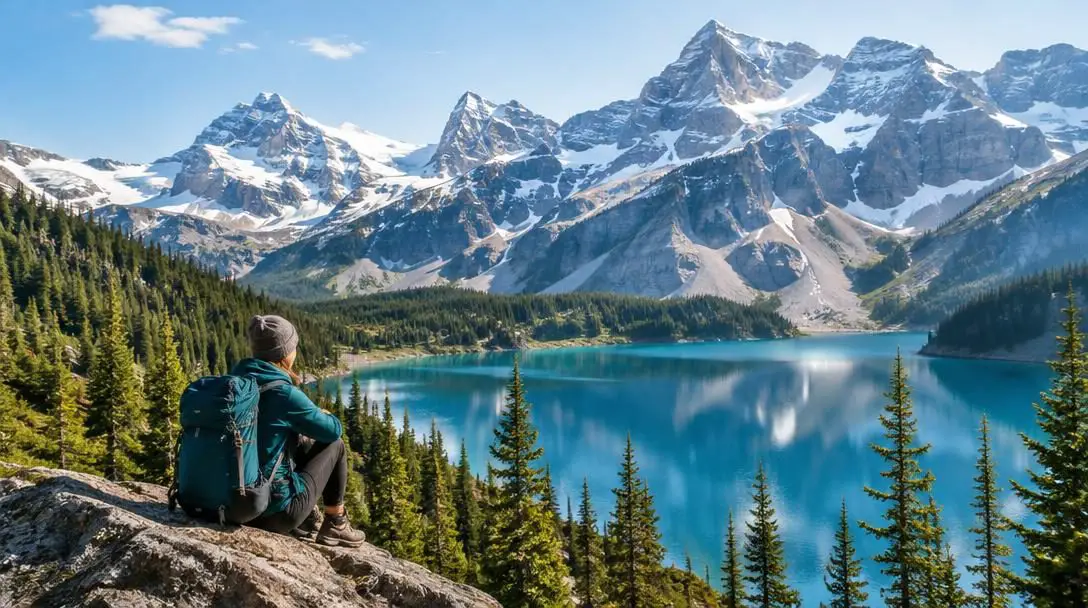
Simultaneously, professional wildlife biologists, wardens, and park rangers carry out continual ecological monitoring. Their operations include tracking the migration corridors of large carnivores like Serengeti lions and Banff grizzly bears, evaluating water quality in sensitive karst formations, and enforcing safe viewing distances. In marine protected zones, such as Komodo, dedicated marine patrols manage mooring buoys, monitor dive operators, and protect vulnerable coral reefs from anchor damage.
Step-by-step guide to planning a national park adventure
Executing a safe, rewarding wilderness excursion across international borders requires methodical preparation. Because terrains, elevations, and weather conditions vary substantially between parks, travelers should follow structured logistical steps before departure.
- Identify your travel focus: Determine the central theme of your trip, whether that involves high-energy pursuits like diving in Komodo, multi-day alpine trekking in Patagonia, or tracking large African mammals across Kruger.
- Build adequate physical fitness: Review trail ratings and elevation profiles. If your trip involves rigorous hikes through Fiordland or Torres del Paine, begin endurance conditioning and test footwear months in advance.
- Secure permits and reservations early: Investigate seasonal quota systems. Backcountry permits, campsite allocations, and specialized activities like balloon safaris or guided boat tours frequently sell out far ahead of peak travel windows.
- Assemble region-tailored outdoor gear: Select equipment that matches the destination's climate. Pack dependable rain gear for coastal rainforests, specialized hiking boots for wet boardwalks and rocky ridges, and premium optics for wildlife observation.
- Study wildlife safety protocols: Familiarize yourself with the dangerous animals native to the park. Learn proper food storage techniques in bear territory and memorize the required minimum viewing distances for large herbivores and apex predators.
Common visitor mistakes to avoid
Even seasoned outdoor enthusiasts can make critical errors when entering unfamiliar ecosystems. Being mindful of these widespread oversights ensures both visitor safety and the long-term integrity of the park.
- Underestimating severe weather shifts: Mountain and maritime parks like Torres del Paine and Fiordland regularly experience sudden weather reversals, leaving ill-equipped hikers vulnerable to hypothermia.
- Approaching wild animals too closely: Approaching bison in Yellowstone, elephants in Kruger, or Komodo dragons in Indonesia puts visitors in extreme danger and inflicts harmful stress on native fauna.
- Leaving designated trails and boardwalks: Trampling delicate travertine terraces in Plitvice or rare alpine flora in Banff causes enduring environmental harm and increases the risk of falls on treacherous ground.
- Overcrowding the daily itinerary: Trying to traverse vast reserves like the Serengeti or Yellowstone in a single afternoon leads to fatigue and robs travelers of the patience required for rewarding wildlife encounters.
- Disregarding local park regulations: Ignoring restrictions on campfires, recreational fishing, drone usage, or refuse disposal threatens delicate habitats and results in significant administrative penalties.
Essential considerations before departure
As departure dates approach, fine-tuning your travel calendar around seasonal weather windows is critical. For example, Banff shifts from an alpine hiking and lake-paddling paradise in the summer to a premier snow-sports haven in the winter. In the Serengeti, the movement of massive wildebeest and zebra herds depends entirely on regional rainfall patterns, dictating where game drives should be focused.
Hiring certified local guides is another meaningful way to enhance your wilderness journey. Professional naturalists in Kruger, Plitvice Lakes, and Komodo possess deep familiarity with terrain navigation, animal behavior, and regional heritage. Their expertise significantly increases the chances of spotting elusive creatures like leopards, lynx, or marine life, while ensuring visitors navigate backcountry routes safely.
Finally, every traveler must honor the principles of Leave No Trace. When venturing into protected lands, carry out all waste, minimize noise, respect designated fire boundaries, and never disturb geological formations or wildlife. Preserving these remarkable wilderness sanctuaries ensures they remain vibrant and pristine for generations to come.
Frequently asked questions
Which national park was the first in the world?
Yellowstone National Park, established primarily in Wyoming in the United States, holds the distinction of being the first national park in the world, setting the global precedent for public wilderness conservation.
Where can I see the Big Five in their natural habitat?
Kruger National Park in South Africa is one of the premier locations to observe the Big Five, which includes African lions, leopards, elephants, rhinoceroses, and Cape buffaloes.
What is the main natural attraction at Plitvice Lakes National Park?
Plitvice Lakes National Park in Croatia is world-famous for its system of sixteen cascading, interconnected turquoise lakes joined by natural travertine dams and dramatic waterfalls.
What rare wildlife can be found in Jiuzhaigou National Park?
Jiuzhaigou National Park in China protects important mountainous habitats that support rare and endangered animals, including iconic giant pandas and golden monkeys.
What activities are available at Komodo National Park?
Visitors to Komodo National Park in Indonesia can observe Komodo dragons on guided walks, dive and snorkel among vibrant coral reefs, hike volcanic hills, and take scenic island boat tours.
The bottom line
The world's greatest national parks offer vital sanctuaries where nature thrives free from unchecked industrial development. By safeguarding these dramatic landscapes, conservation reserves allow travelers to witness incredible wildlife migrations, active geological forces, and ancient glaciers firsthand. Approaching these protected lands with thoughtful preparation, respect for park regulations, and environmental mindfulness ensures that our planet's wild spaces remain intact for future explorers.