Florida on a Budget: 5 Essential Tips
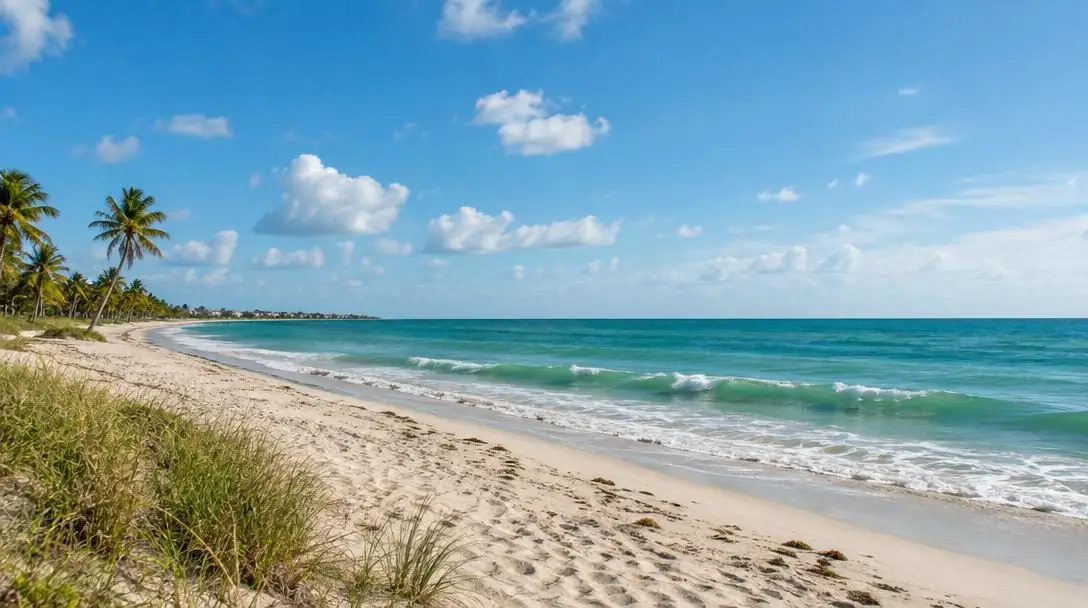
Florida stands out as the third-most populous state in the nation and ranks as the second-most visited destination in the United States, trailing only California. Every year, tens of millions of vacationers head to the Sunshine State, drawn by iconic commercial theme parks and an unmatched geographic footprint. Florida features more mainland coastline than any other state in the country, even surpassing California in ocean-facing shores. While upscale resorts and luxury hospitality can quickly inflate an itinerary, intense commercial competition across the state's travel corridors creates major savings for budget-minded visitors.
Because Florida's state economy is deeply reliant on high-volume tourism, hospitality operators and travel hubs frequently lower entry costs to attract visitors, leaning heavily on secondary purchases to generate overall profits. Once travelers cross the threshold of amusement venues and resort corridors, premium add-ons, specialty dining, and retail purchases can cause expenses to spiral. Understanding how travel economics function across Florida's major flight hubs, entertainment complexes, and public shores allows travelers to enjoy a premier vacation while keeping their total spending strictly managed.
Key takeaways
- Florida is home to the second- and third-cheapest commercial flight hubs in the United States, keeping baseline transit costs remarkably low.
- Single-park immersion tickets offer much better financial return at massive resorts like Disneyworld, whereas multi-park bundles work best for smaller venue footprints.
- Scheduling trips around off-peak months, particularly September, sharply reduces both gate admission fees and nightly accommodation rates.
- Approximately 40 percent of Florida's mainland coastline is completely free and accessible to the public, making beach days an ideal low-cost recreation option.
- Physical coupon racks located in highway service plazas, welcome centers, and hotel lobbies offer substantial, verified savings on dining, lodging, and activities.
Understanding Florida Tourism and Travel Economics
Florida's vast tourism industry operates largely on an economic model of high-volume traffic balanced by secondary spending. Amusement parks, hotel conglomerates, and aviation operators frequently keep the barrier of entry competitive to ensure high guest turnstiles. Once visitors arrive on site, businesses capitalize on discretionary purchases: branded merchandise, food concessions, premium fast passes, and ticket upgrades. When travelers fail to plan for these incidental costs, overall trip expenses escalate dramatically.
This market structure is especially pronounced in Florida's aviation corridors. Nationwide, Harry Reid International Airport in Las Vegas, Nevada, ranks as the single cheapest airport to fly into. However, Florida claims the next two spots on the national roster: Orlando International Airport (MCO) holds second place, while Fort Lauderdale-Hollywood International Airport (FLL) ranks as the third-cheapest hub in the country. Because these airports process massive commercial traffic, airlines run frequent non-stop routes from regional airports, driving down average ticket prices across the state.
The 5 Essential Budget Strategies for Florida
Executing an affordable trip requires synchronizing flight routes, park selection, promotional vouchers, and free natural landmarks. Visitors who leverage the state's commercial scale can experience Florida's premier attractions at a fraction of standard retail rates.
Orlando International and Fort Lauderdale-Hollywood Airports

- National Fare Ranking: 2nd cheapest (MCO) and 3rd cheapest (FLL)
- Primary Hub Locations: Central Florida (Orlando) and South Florida (Fort Lauderdale)
- Key Geographic Benefit: Direct access to major metropolitan centers and beach corridors
Aviation expenses routinely absorb the largest upfront slice of an annual travel budget, but targeting Florida's primary transit gateways provides instant relief. Orlando International Airport and Fort Lauderdale-Hollywood International Airport offer the lowest median airfare in the state. Because major carriers run extensive non-stop schedules connecting secondary and mid-sized cities to these terminals, travelers can routinely bypass expensive multi-leg routes and costly flight changes.
In addition to lower base airfares, both facilities serve as ideal transit hubs. Orlando International sits adjacent to the region's primary amusement parks, while Fort Lauderdale-Hollywood provides immediate access to South Florida's metropolitan areas and oceanfronts. Even when an itinerary centers on secondary destinations across the state, driving from Orlando or Fort Lauderdale is frequently far cheaper than flying into regional airfields with limited carrier competition.

Disneyworld Timing and Accommodations
- Location: Orlando, Central Florida
- Optimal Month: September
- Secondary Off-Peak Windows: January, February, and November
The Disneyworld Resort in Orlando stands as the central engine for Central Florida's tourism economy, which helps sustain Orlando International's status as a low-cost airport. However, without deliberate timing, a Disney vacation can become an expensive undertaking. Controlling costs at Disney requires booking far in advance to lock down base rates and targeting low-attendance periods throughout the calendar year.
The off-peak winter months of January, February, and November deliver lower accommodation fees and reduced travel costs. Yet, September ranks as the single best month for budget-conscious Disney visitors. As schools resume nationwide, daily attendance numbers decline, prompting lower pricing on regional lodging and admission tiers. Travelers should book simple baseline rooms on the Disney property, decline costly optional add-ons like pre-packaged dessert parties, and skip in-park souvenir spending to protect their bottom line.
Theme Park Tickets Tailored to Venue Scale
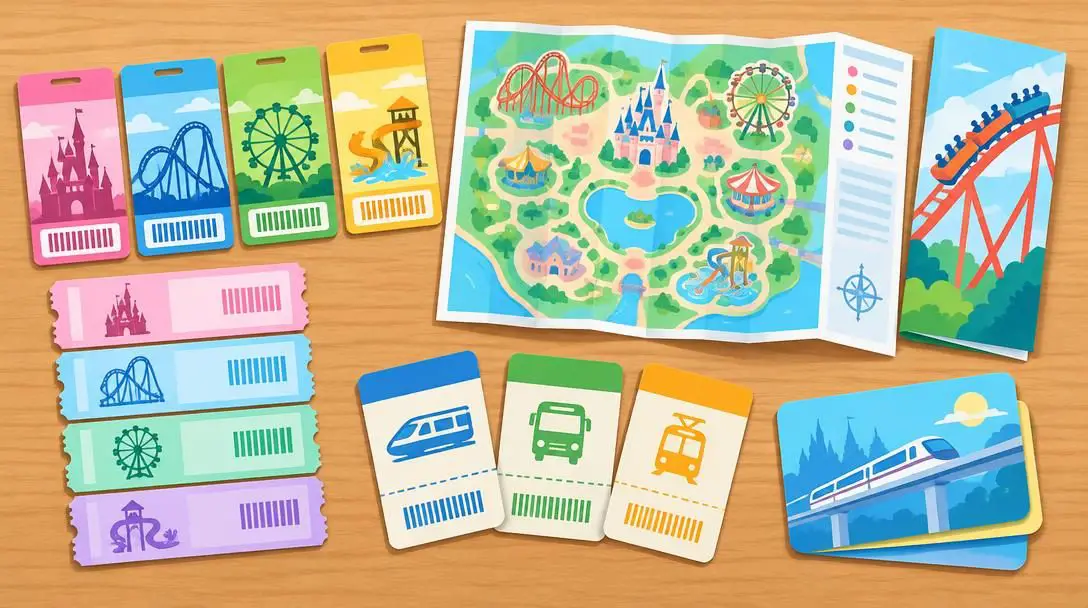
Admission tickets represent a major expense for Central Florida travelers. To extract genuine value from ticket spending, visitors must match their ticketing tier to the physical footprint of the venue. Massive resorts operate under fundamentally different dynamics than mid-sized entertainment parks, making blanket ticketing strategies ineffective.
At large venues like Walt Disney World, purchasing single-park standard value passes is the most economical decision. Because experiencing the main park fully takes over two entire days, buying single-park admission prevents wasted spending on unused park-hopping privileges. Visitors can rely on the Genie+ app to monitor live line wait times and prioritize top attractions without spending extra on higher ticket tiers. Conversely, smaller venues such as Universal Studios, SeaWorld, and Wet 'n Wild operate on more compact footprints. For these smaller parks, purchasing multi-park bundled tickets over a three-day itinerary lowers the average per-park admission rate and delivers significantly better financial value.
| Attraction Operator | Footprint Scale | Recommended Ticket Type | Primary Cost Strategy |
|---|---|---|---|
| Walt Disney World | Expansive / Multi-day immersion | Single-Park Value Pass | Track queues with Genie+; avoid Park Hopper add-on |
| Universal Studios | Moderate / Walkable venue | Multi-Park Bundle | Spread visits across a 3-day itinerary |
| SeaWorld | Compact / Specialized exhibits | Multi-Park Bundle | Combine with partner attractions for reduced daily entry |
| Wet 'n Wild | Compact / Waterpark attractions | Multi-Park Bundle | Leverage multi-venue packages to lower per-day admission |
Regional Coupon Racks and Booklets

- Display Locations: Welcome centers, highway gas stations, and hotel lobbies
- Target Destinations: Tallahassee, Tampa, Kissimmee, and Miami
- Discount Range: Up to 50 percent off activities, plus dining vouchers
Physical paper coupons remain one of the most reliable and underused tools for slashing vacation expenses in Florida. Official highway rest stops, state welcome centers, gas stations, and hotel lobbies routinely feature free promotional racks stocked with printed discount guides and coupon brochures. These booklets are distributed by local merchant networks and regional tourism organizations to encourage commerce across nearby cities.
Taking a few moments to review these brochure displays can yield immediate savings across every category of travel spending. Visitors can routinely find activity coupons that slash prices in half, such as half-priced go-kart tickets in Kissimmee. Dining vouchers are equally common, offering deals like a free sub sandwich at the Miami Children's Museum. For accommodations, these coupon booklets regularly provide discounted lodging rates for properties in Tallahassee, Tampa, Disney, and surrounding areas, allowing travelers to secure rooms well below standard retail rates.
Public Coastlines and Free Beaches

- State Coastline Status: More mainland coastline than any other U.S. state
- Public Access Share: Approximately 40 percent open to the general public
- Baseline Admission: Free public entry across hundreds of miles
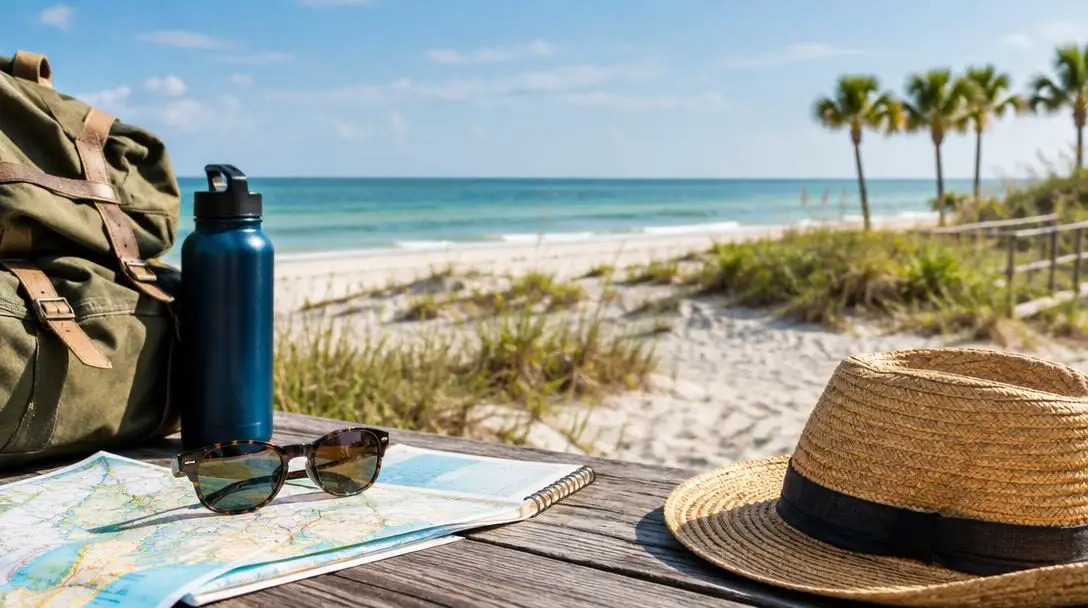
Florida features more mainland coastline than any other state in the country, surpassing even California in total ocean-facing perimeter. Anchoring an itinerary around the coast is the most reliable way to enjoy an authentic vacation without paying high entertainment fees. Because roughly 40 percent of the state's mainland coastline is entirely open to the public, visitors have access to hundreds of miles of pristine ocean waterfront at zero admission cost.
Beyond free recreational access, staying near the coast offers significant downstream financial benefits. The abundance of coastal land creates a competitive lodging market where beachfront and near-beach hotels compete aggressively for bookings, helping keep room rates reasonable. Furthermore, lodging outside commercial theme park gates allows travelers to purchase groceries at local markets, replacing inflated counter-service park meals with inexpensive home-cooked dining.
Because approximately 40 percent of Florida's mainland coastline is completely free and open to the public, beach days remain the most effective counterweight to theme park spending.
Practical Steps for an Affordable Florida Trip
Translating these cost-cutting strategies into an effective itinerary requires clear organization before leaving home and disciplined spending on arrival. Follow these steps to maximize your savings across the Sunshine State:
- Secure flights into high-volume gateways: Check flight schedules into Orlando International (MCO) or Fort Lauderdale-Hollywood (FLL) first, comparing these fares against your local regional airport before considering smaller municipal terminals.
- Select an off-peak calendar window: Schedule travel during January, February, November, or ideally September, when nationwide school sessions drive down park crowd levels and lodging rates.
- Purchase tickets matched to venue size: Select standard single-park admission passes for Disneyworld to avoid paying for unneeded mobility, while securing multi-park bundles for Universal Studios, SeaWorld, and Wet 'n Wild across a three-day schedule.
- Collect physical coupon booklets on arrival: Stop at the brochure displays inside the first highway rest stop, service station, or hotel lobby you encounter to secure discounts for meals, regional hotels, and attractions in cities like Kissimmee, Tampa, Tallahassee, or Miami.
- Balance paid days with coastal recreation: Alternate paid amusement park days with free beach outings along Florida's public coastlines, and purchase everyday meal provisions from neighborhood grocery stores.
Common Budget Mistakes to Avoid
Vacation budgets can quickly dissolve due to simple, avoidable oversights during travel planning. Steer clear of these common pitfalls when organizing your trip:
- Upgrading to the Disney Park Hopper without sufficient time: Disney's primary park offers more attractions than can be seen in two full days; paying extra to hop between multiple parks simply adds transit time and cost without practical value.
- Buying unplanned resort retail and food treats: Unchecked concession snacks, in-park dessert parties, and impulse merchandise purchases can easily add hundreds of dollars to a family travel tab.
- Relying entirely on theme park dining: Eating every meal at counter-service resort windows rapidly drains a travel budget; reserving lodging with simple kitchen amenities and buying groceries nearby cuts dining costs significantly.
- Bypassing printed coupon displays: Walking past the brochure racks in hotel lobbies and gas stations means missing out on verified half-price tickets, free meals, and discounted hotel codes across the state.
- Paying standard rack rates for lodging: Given the fierce competition between hotels along Florida's coast and throughout the Disney corridor, travelers should never accept baseline shelf rates without checking off-peak specials or coupon booklet discounts.
Frequently asked questions
Which Florida airports offer the cheapest flights?
Orlando International Airport (MCO) and Fort Lauderdale-Hollywood International Airport (FLL) offer the lowest median airfares in Florida. Nationally, they rank as the second- and third-cheapest commercial airports to fly into, trailing only Harry Reid International Airport in Las Vegas, Nevada.
What is the best month to visit Disneyworld on a budget?
September is the most cost-effective month to visit Disneyworld. Because school resumes across the United States during this time, park attendance drops significantly, leading to reduced gate fees, cheaper lodging, and lower airfares. January, February, and November also serve as solid off-peak alternatives.
Is the Disney Park Hopper ticket worth the extra cost?
For most budget-conscious travelers, the Park Hopper upgrade is not worth the added expense. The main Disneyworld park is so vast that fully exploring it takes more than two complete days, meaning guests rarely have time to visit multiple parks in a single day without wasting admission value.
How much of Florida's coastline is free to the public?
Approximately 40 percent of Florida's mainland coastline is open to the public without admission charges. Because Florida has more mainland coastline than any other state in the country, visitors can explore hundreds of miles of free public beaches.
Where can travelers find regional discount coupon booklets in Florida?
Free physical coupon booklets are prominently displayed in racks near entrance doors at state welcome centers, highway gas stations, rest stops, and hotel lobbies throughout Florida. These booklets feature discounts on lodging, attractions, and dining in cities such as Kissimmee, Miami, Tallahassee, and Tampa.
The bottom line
Visiting Florida does not require a luxury vacation budget. While the Sunshine State draws tens of millions of visitors as the nation's second-most popular destination, its massive tourism economy provides natural competitive advantages for frugal travelers. By flying into major hubs like Orlando or Fort Lauderdale, aligning park passes with actual venue sizes, utilizing physical paper discounts, and enjoying hundreds of miles of free public shorelines, vacationers can experience the best of Florida while keeping expenses firmly under control.