Forgotten Women of Science: Discovering the Hidden Gems of History
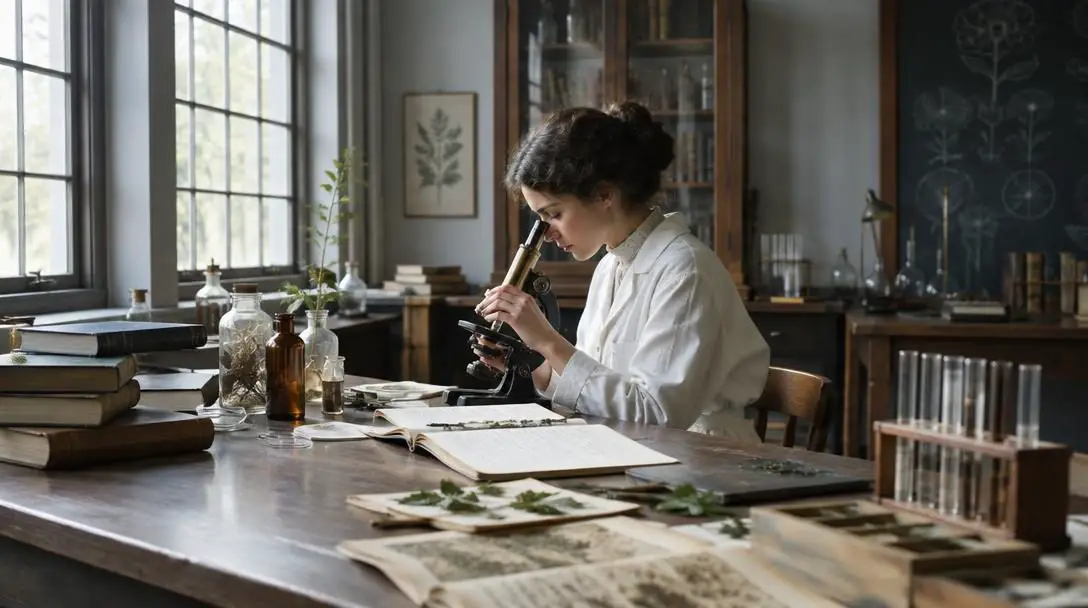
Throughout the history of science, foundational breakthroughs across physics, genetics, astronomy, and computing were achieved with direct, indispensable contributions from women. Yet for centuries, the official narratives of scientific progress routinely omitted their names, attributed their discoveries to male contemporaries, or minimized their research as secondary clerical labor.
This historical invisibility was not an accidental sequence of oversight, but the product of deeply entrenched social, educational, and institutional barriers. By revisiting the historical record, unearthing overlooked primary archives, and examining the structural factors behind scientific erasure, we can restore these pioneering researchers to their rightful place in the chronicle of human discovery.
Key takeaways
- Women made fundamental contributions to modern science, including the discovery of nuclear fission, the structure of DNA, computer programming, and cosmological measurement.
- Systemic institutional exclusion, archival invisibility, and collaborative subsumption consistently denied female researchers academic posts, publications, and major honors like the Nobel Prize.
- Recovering lost scientific history requires deep archival investigation into laboratory logbooks, raw field data, and unindexed correspondence rather than relying solely on official historical rosters.
- True historical re-evaluation must account for intersectional factors such as social class and ethnicity while avoiding the misleading trope of the lone, isolated genius.
The Anatomy of Historical Erasure in Scientific Institutions
To understand why so many pioneering women were excluded from scientific memory, one must evaluate the formal institutions that governed research for centuries. Major universities, professional research laboratories, and scientific academies were established, managed, and regulated almost exclusively by men. Structural barriers were explicit and widespread: women were routinely barred from enrolling in degree programs, denied official academic faculty positions, and prohibited from presenting research papers or publishing under their own names in leading academic journals.
When female researchers did manage to secure access to laboratory spaces, their work was frequently subjected to collaborative subsumption. Under this common dynamic, the scientific output of a woman working alongside a male collaborator, husband, or mentor was attributed entirely to the man. Male colleagues were named as primary authors on papers, granted institutional funding, and nominated for prestigious international awards, while the women who conducted the experiments, managed the calculations, and devised theoretical models were described merely as laboratory assistants or technicians.
Furthermore, traditional historiography leaned heavily on the concept of the singular discoverer. Early science historians celebrated the myth of the lone male genius, framing complex scientific revolutions around solitary figures. This narrative framework naturally ignored collaborative laboratory dynamics, leaving the substantial research contributions of women uncatalogued in official histories.
Mainstream scientific narratives consistently presented a distorted view of discovery by casting major breakthroughs as the work of solitary male researchers.
Pioneering Women in Science at a Glance
The following table summarizes the key contributions, fields of inquiry, and institutional barriers faced by some of the most influential women in scientific history.
| Scientist | Field | Primary Discovery or Breakthrough | Institutional Barrier or Recognition |
|---|---|---|---|
| Marie Curie | Physics and Chemistry | Pioneering work in radioactivity; development of X-rays | First woman to win a Nobel Prize; first person to win two Nobel Prizes in different fields |
| Ada Lovelace | Mathematics and Computing | First computer program for Charles Babbage's Analytical Engine | Concepts were disregarded and ignored for more than a century |
| Rosalind Franklin | Biophysics | Captured Photo 51 revealing the double-helix structure of DNA | Excluded from the Nobel Prize awarded to Watson and Crick |
| Henrietta Swan Leavitt | Astrophysics and Astronomy | Period-luminosity relation of variable stars to measure cosmic distances | Employed under clerical status; work provided the yardstick to map the universe |
| Lise Meitner | Nuclear Physics | Theoretical explanation and discovery of nuclear fission | Omitted from the Nobel Prize; award given solely to her male collaborator |
| Chien-Shiung Wu | Nuclear Physics | Experimental disproof of the conservation of parity | Omitted from the Nobel Prize awarded to her theoretical colleagues; awarded U.S. National Medal of Science |
| Barbara McClintock | Cytogenetics | Discovered genetic transposition (jumping genes) in maize | Findings were dismissed for decades before she received an unshared Nobel Prize |
| Mary Anning | Paleontology | Unearthed fossilized prehistoric marine skeletons on coastal cliffs | Denied entry to the formal scientific community due to gender and social class |
Pioneers Who Paved the Way for Modern Recognition
A small number of women achieved such undeniable breakthroughs that their legacies pierced through institutional barriers, establishing foundations for modern computing, medicine, and cosmology.
Marie Curie

- Primary Fields: Physics and Chemistry
- Major Discovery: Radioactivity and the development of X-rays
- Historical Milestone: First woman to win a Nobel Prize, and first person to win two Nobel Prizes in different categories
Working in Paris, Marie Curie conducted transformative investigations into the physical properties of radioactive elements. Her groundbreaking research isolated radioactive isotopes and established the foundational science of radioactivity, directly leading to the practical implementation of medical X-rays. In recognition of her extraordinary scientific output, Curie became the first woman ever to be awarded a Nobel Prize. She remains the only individual in history to win two Nobel Prizes across two distinct scientific disciplines: physics and chemistry. Her achievements permanently proved that women were capable of working at the absolute pinnacle of empirical research.
Ada Lovelace
- Primary Fields: Mathematics and Writer
- Major Discovery: Conceptualization of the world's first computer program
- Focal Project: Charles Babbage's mechanical Analytical Engine
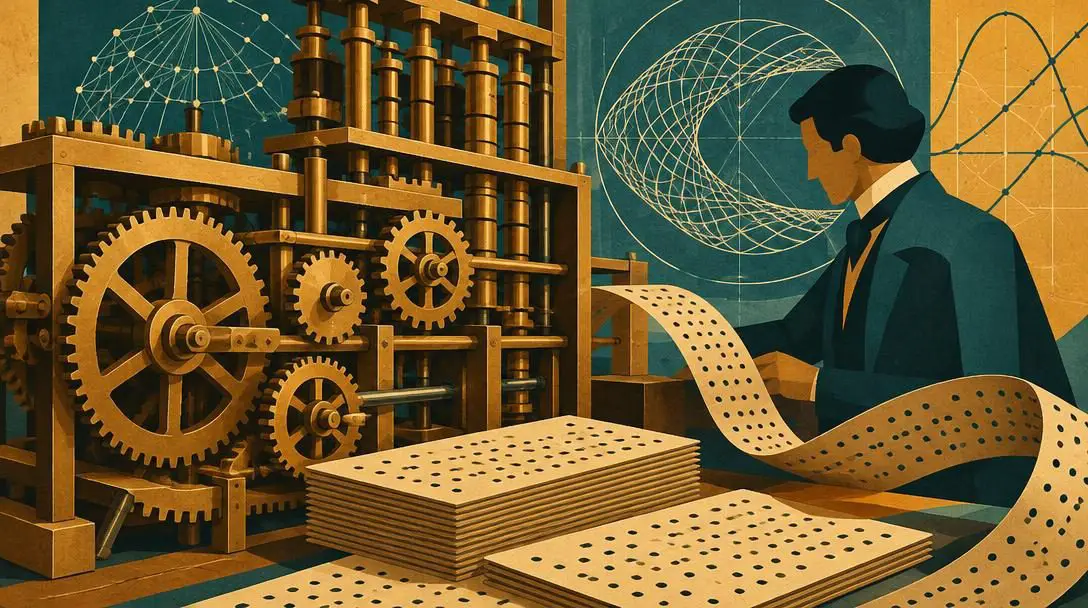
In nineteenth-century England, Ada Lovelace collaborated with inventor Charles Babbage on his mechanical calculating machine, known as the Analytical Engine. Lovelace recognized that Babbage's theoretical general-purpose machine had potential far beyond mere numerical calculation. She authored an operational algorithm designed specifically for the engine to execute, earning her historical recognition as the world's very first computer programmer. Her theoretical concepts were so vastly ahead of existing Victorian engineering that they were disregarded and largely forgotten for over one hundred years before the birth of modern computer science vindicated her foresight.
Rosalind Franklin
- Primary Field: Biophysics
- Major Discovery: Crucial structural data for the double-helix geometry of DNA
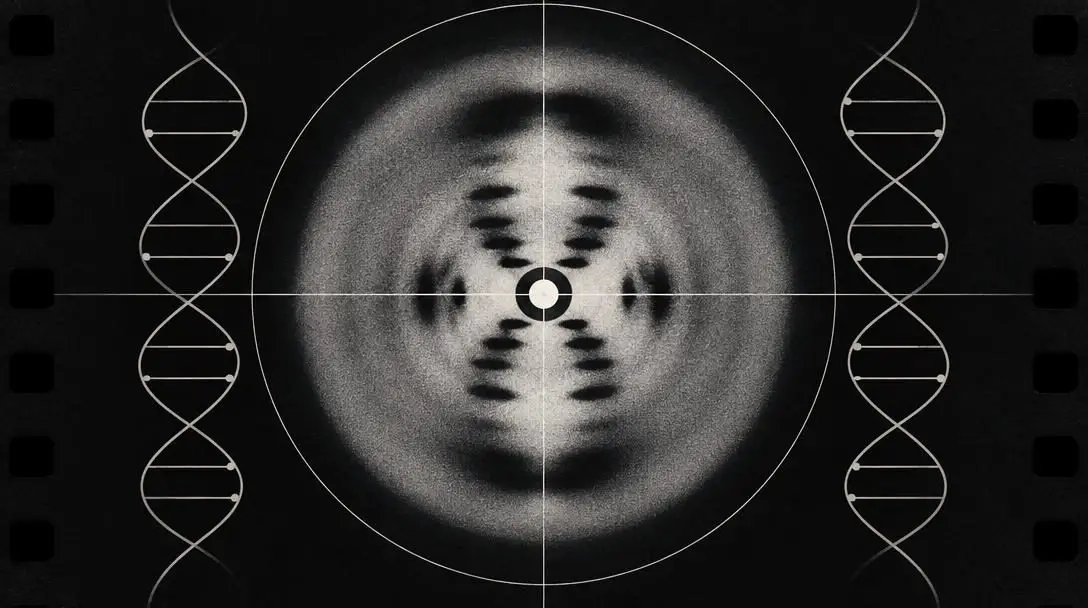
- Key Evidence: Captured the famous X-ray diffraction image "Photo 51"
Rosalind Franklin applied high-precision physical methods to biological matter, specializing in X-ray diffraction photography. While working in London, she produced "Photo 51," an extraordinarily clear X-ray diffraction image that revealed the precise physical dimensions and helical nature of deoxyribonucleic acid (DNA). This critical experimental image was shown to James Watson and Francis Crick, who utilized Franklin's proprietary data to successfully construct the molecular double-helix model. While Watson and Crick received a Nobel Prize for this historic breakthrough, Franklin was excluded from the prize and died without receiving appropriate institutional credit for her foundational contribution.
Henrietta Swan Leavitt
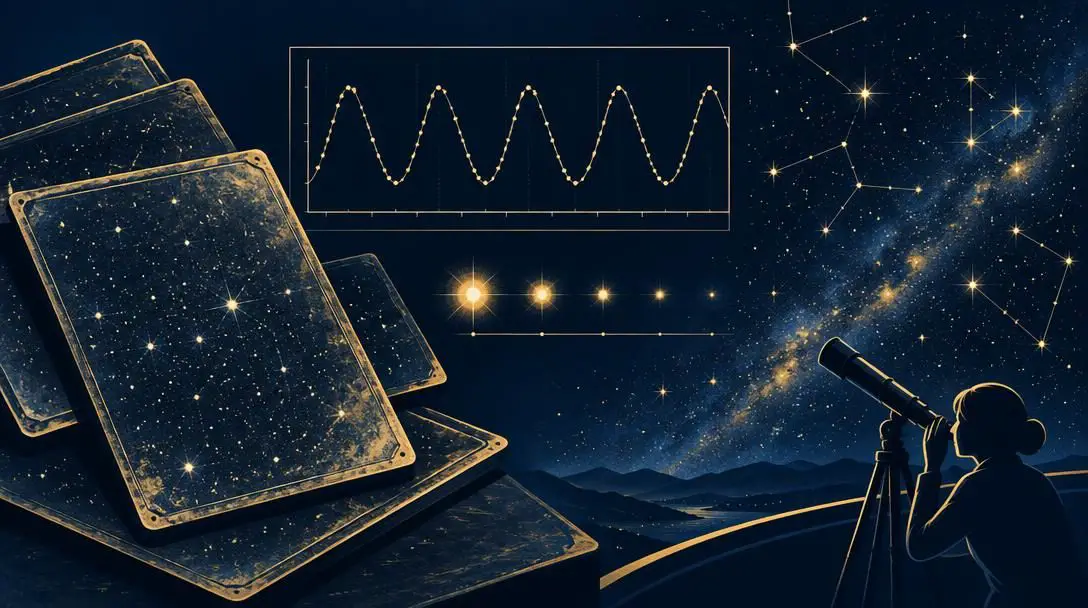
- Primary Fields: Astronomy and Astrophysics
- Major Discovery: Relationship between stellar brightness and variability period
- Cosmic Impact: Provided the standard yardstick for calculating interstellar distances
Henrietta Swan Leavitt worked at the Harvard College Observatory, examining thousands of glass photographic plates of variable stars. Leavitt identified a direct correlation between the luminosity (intrinsic brightness) of Cepheid variable stars and the precise timing of their pulsation periods. This critical insight provided astronomers with an absolute baseline to measure astronomical distances across deep space. Prior to Leavitt's discovery, scientists had no reliable method for determining the scale of the cosmos; her breakthrough served as the vital cosmological yardstick that allowed researchers to accurately map the universe.
Overlooked Scientists Whose Work Altered Modern Disciplines
Beyond the few names that have gradually entered mainstream public discourse, many other female scientists made monumental theoretical and experimental discoveries that were credited almost entirely to their male peers.
Lise Meitner
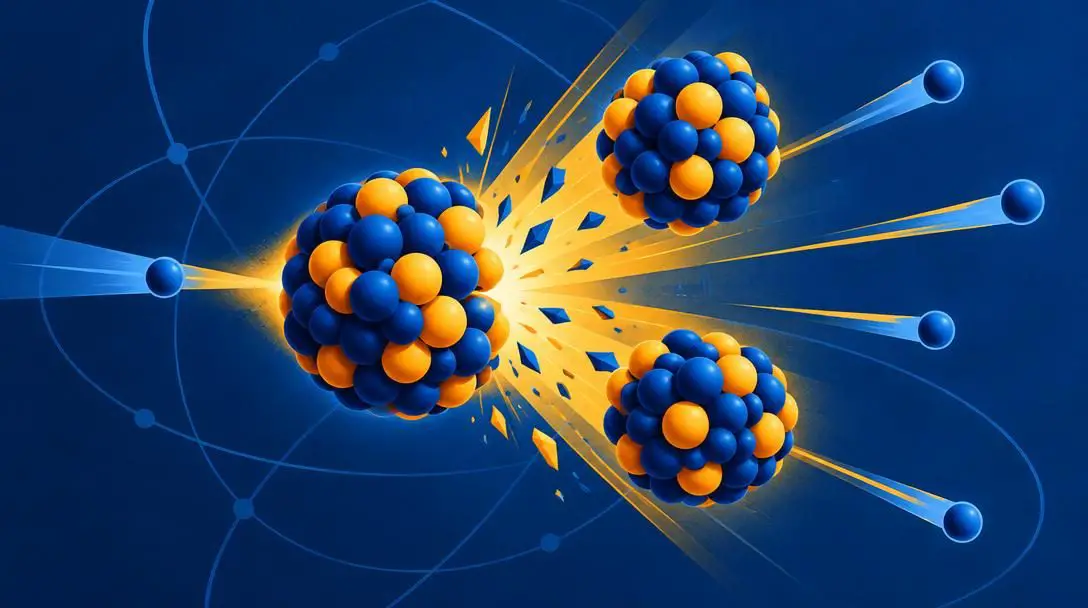
- Primary Field: Nuclear Physics
- Major Discovery: Theoretical explanation and mechanics of nuclear fission
- Institutional Bias: Omitted from the Nobel Prize awarded to her long-time collaborator
Lise Meitner was an Austrian-born physicist who dedicated decades to investigating radioactivity and atomic structure. Following years of joint laboratory experiments, Meitner provided the critical theoretical framework explaining how an atomic nucleus could split into lighter fragments—a process she termed nuclear fission. Despite fission representing one of the most consequential discoveries of the twentieth century, Meitner was completely omitted when the Nobel Prize was awarded for the breakthrough. Her long-time male research collaborator was granted the award alone, while Meitner's essential conceptual work was relegated to historical obscurity for decades.
Chien-Shiung Wu
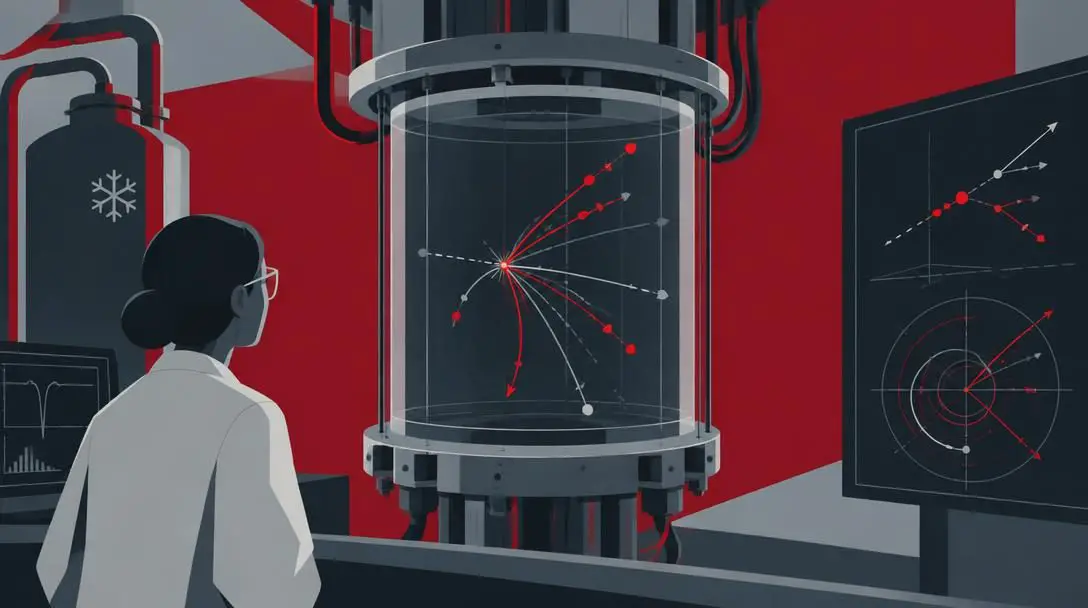
- Primary Field: Nuclear Physics
- Major Discovery: Experimental disproof of the fundamental law of conservation of parity
- Key Honors: United States National Medal of Science
Known as one of the most influential experimental physicists of the twentieth century, Chien-Shiung Wu was a Chinese-American researcher whose laboratory designs were renowned for their extraordinary precision. When theoretical physicists hypothesized that the law of conservation of parity might break down during weak radioactive decay, Wu designed and conducted the complex ultra-low-temperature experiments that definitively proved the theory. Her experiments revolutionized fundamental physics. However, while the male theorists who formulated the hypothesis were quickly awarded the Nobel Prize, Wu's experimental genius was passed over, and her contributions were marginalized due to the intersecting biases of her gender and ethnicity.
Barbara McClintock
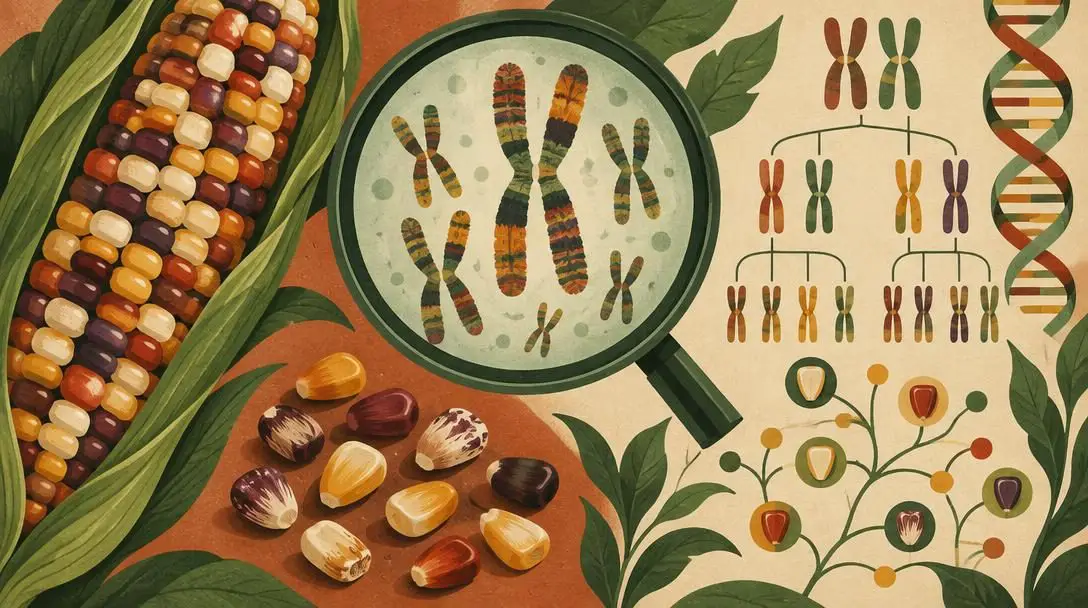
- Primary Field: Cytogenetics
- Major Discovery: Genetic transposition (mobile genetic elements or "jumping genes")
- Key Honors: First woman to receive an unshared Nobel Prize in Physiology or Medicine
Barbara McClintock conducted painstaking micro-botanical research on the chromosomes of maize (corn), mapping how physical traits were passed across generations. Through meticulous observation, McClintock demonstrated that genetic elements do not remain permanently static on chromosomes; instead, genes can physically move or transpose within the genome to regulate other genes. Her findings fundamentally challenged the prevailing dogma of static genetics. For decades, her male colleagues dismissed and ignored her findings as eccentric anomalies. McClintock persevered in her work until independent molecular biology confirmed her theories decades later, culminating in her becoming the first woman to win an unshared Nobel Prize in her category.
Mary Anning
- Primary Field: Paleontology
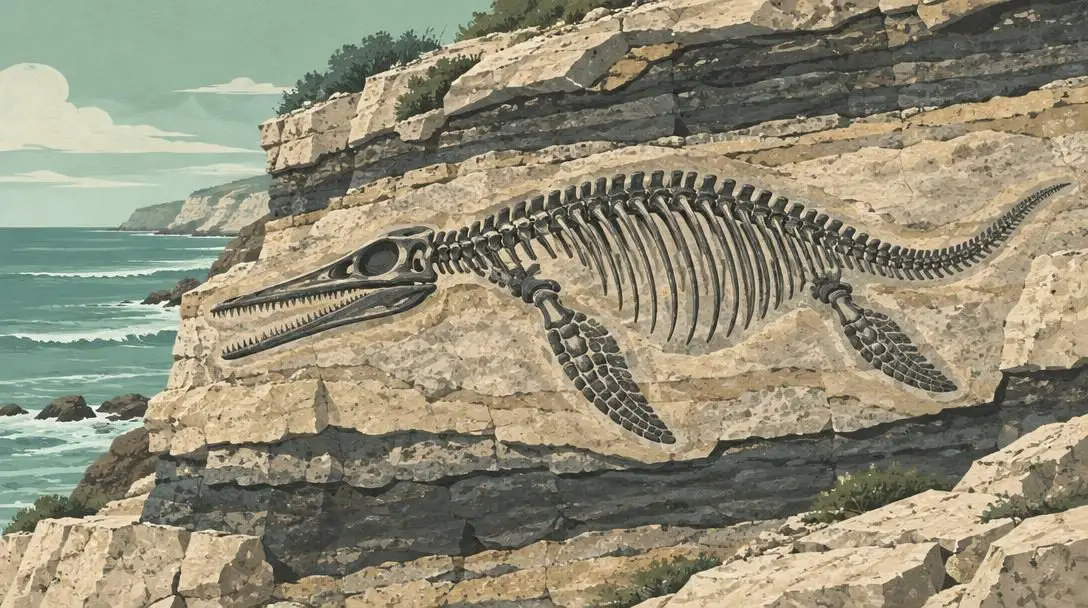
- Major Discovery: First intact fossilized marine reptile skeletons
- Institutional Barrier: Denied membership in the Geological Society due to gender and working-class origins
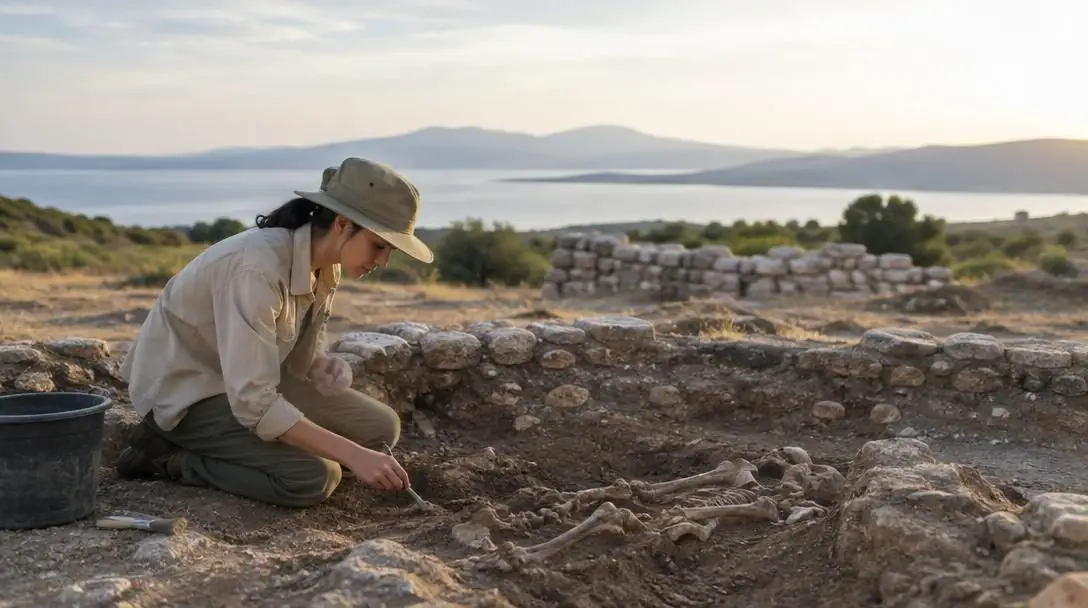
Working along the unstable coastal cliffs of Lyme Regis in southwest England, Mary Anning discovered and excavated multiple intact fossilized skeletons of previously unknown prehistoric creatures, including ichthyosaurs and plesiosaurs. Her anatomical understanding and delicate field extraction techniques provided the physical evidence that founded the discipline of modern paleontology. Her discoveries fundamentally challenged existing religious and scientific assumptions about the age of the Earth and the reality of biological extinction. However, because of her gender and her working-class economic status, Anning was barred from joining formal academic bodies such as the Geological Society of London, and wealthy male scholars frequently bought her specimens to describe them in academic journals under their own names.
How Historians Restore Overlooked Scientific Discoveries
Recovering the accurate attribution of scientific labor requires systematic, forensic historical investigation. Researchers and historians follow a multi-step empirical methodology to ensure that forgotten contributors are restored to the historical record.
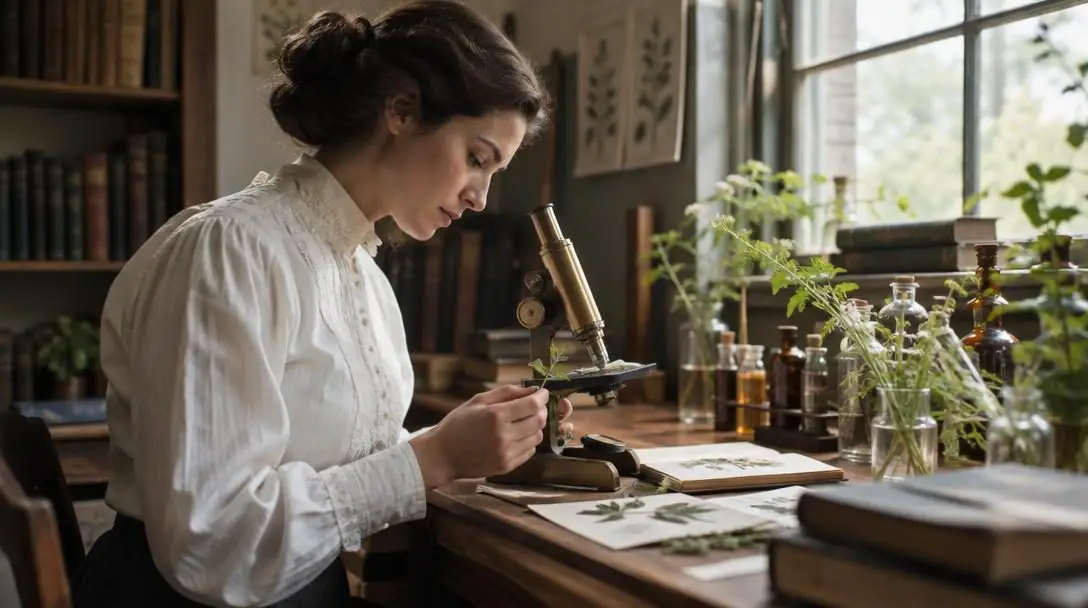
- Audit primary laboratory logbooks: Scholars look past the author lines of published papers to examine raw laboratory notebooks, original observation charts, and direct experimental data entries to identify who designed the equipment and conducted the experiments.
- Analyze personal and academic correspondence: Reading private letters, telegrams, and institutional memos between collaborating researchers exposes who originated hypotheses, solved theoretical bottlenecks, or pointed out critical analytical errors.
- Examine secondary institutional records: Historians audit university payroll rosters, budget sheets, and laboratory assistant rosters, revealing skilled female scientists who carried out advanced calculations while categorized under non-academic clerical titles.
- Review physical artifacts and media: Researchers cross-reference physical artifacts—such as Rosalind Franklin's original X-ray diffraction films or Henrietta Swan Leavitt's marked glass plates—against published models to measure direct intellectual derivation.
- Update educational curricula and archives: Archivists digitize primary sources, transcribing handwritten notes for public research databases, while educators integrate corrected timelines into academic textbooks to normalize accurate scientific history.
Common Pitfalls in Historical Re-evaluation
When revising historical narratives to include forgotten women scientists, scholars and commentators must remain aware of several common interpretive mistakes that can distort historical understanding:
- Constructing counter-myths of the lone genius: Replacing the traditional trope of the lone male genius with an equally isolated lone female genius misrepresents the reality of scientific discovery, which has always been an iterative, communal, and collaborative endeavor.
- Overlooking intersectional barriers: Analyzing historical exclusion solely through gender risks ignoring how race, nationality, and social class compounded marginalization, as demonstrated by the distinct obstacles encountered by Chien-Shiung Wu and Mary Anning.
- Anachronistic moral judgment: Evaluating historical research agreements through the lens of modern laboratory guidelines can obscure the restrictive legal and financial constraints that forced women to accept unfair co-authorship arrangements in earlier eras.
- Tokenizing a single pioneer: Relying exclusively on Marie Curie as the universal representative of women in science creates the misleading impression that only an exceptional few women were capable of contributing to historical research.
- Treating public awareness as finished recovery: Believing that a biographical article or media profile completes the historical record neglects the ongoing necessity of cataloging, transcribing, and scientifically analyzing hundreds of unpublished manuscripts still held in private archives.
Future Priorities for Equity in Scientific History and Practice
The work of restoring forgotten women of science carries profound implications for the contemporary scientific community. Historical exclusion has created long-lasting cultural ripples that continue to shape academic disciplines, institutional hierarchies, and workforce retention.
First, scientific societies, granting agencies, and international award committees must continuously reform their attribution standards. Modern research often involves massive consortia of hundreds of researchers; establishing rigorous protocols for recognizing data curators, experimental designers, and technical analysts prevents modern versions of historical erasure.
Second, academic institutions must invest in the dedicated preservation and cataloging of marginalized archives. The personal papers, correspondence, and working notes of women who worked without official professorial titles are frequently lost, discarded, or unindexed in university cellars. Funding targeted archival conservation ensures that primary evidence survives for future generations of historians.
Third, historical recovery must directly inform modern workplace reforms. Historical disparities directly parallel the modern underrepresentation of women in senior STEM positions and the persistent gender pay gap. By recognizing that women have always driven scientific innovation, modern academic institutions can dismantle persistent cultural stereotypes and build equitable institutional environments.
Finally, historical inquiry must expand its geographical focus. Much of the recovery work undertaken to date has centered on European and North American academic centers. Historians must expand their archival work to uncover the contributions of women researchers throughout Latin America, Asia, Africa, and the Middle East, establishing a truly global, comprehensive history of scientific discovery.
Frequently asked questions
Why were women routinely excluded from historical scientific records?
Women were excluded because scientific institutions, universities, and academies were run almost exclusively by men who barred women from formal degrees, faculty appointments, and publishing under their own names. Furthermore, collaborative research often resulted in male supervisors or colleagues taking sole credit for work carried out by female researchers.
What was Rosalind Franklin's specific contribution to discovering DNA?
Rosalind Franklin was a biophysicist who produced "Photo 51," an exceptionally sharp X-ray diffraction image of DNA fibers. This image revealed the precise helical structure and spatial dimensions of the molecule, which James Watson and Francis Crick used to assemble their famous double-helix model.
Has any woman ever won an unshared Nobel Prize in scientific fields?
Yes. Barbara McClintock became the first woman to win an unshared Nobel Prize in Physiology or Medicine for her discovery of genetic transposition, showing that genes can move along chromosomes in maize.
How did Henrietta Swan Leavitt change our understanding of the universe?
Henrietta Swan Leavitt discovered the period-luminosity relationship in Cepheid variable stars, linking how brightly a star pulses to its true intrinsic brightness. This discovery gave astronomers the first reliable cosmic yardstick to calculate distances across deep space and map the broader universe.
What is the difference between parity and nuclear fission?
Nuclear fission, explained theoretically by Lise Meitner, is the physical process where an atomic nucleus splits into smaller atomic nuclei, releasing massive energy. Parity, experimentally disproven by Chien-Shiung Wu, is a fundamental physical symmetry principle regarding whether physical processes behave identically under mirror reflection.
The bottom line
The history of scientific progress is incomplete without the vital discoveries made by women. From deciphering the architecture of the genome and the mechanics of the atom to mapping the boundaries of the cosmos and establishing the logic of computer programming, women have always driven scientific revolutions. Restoring these forgotten pioneers to their proper place in the historical narrative does more than correct the historical ledger—it inspires modern scientific discovery, fosters equitable institutional standards, and ensures that intellectual brilliance is recognized regardless of gender, social standing, or background.