Life In Zero G: 5 Things That Happen To Your Body When You’re In Space For A Month Or More
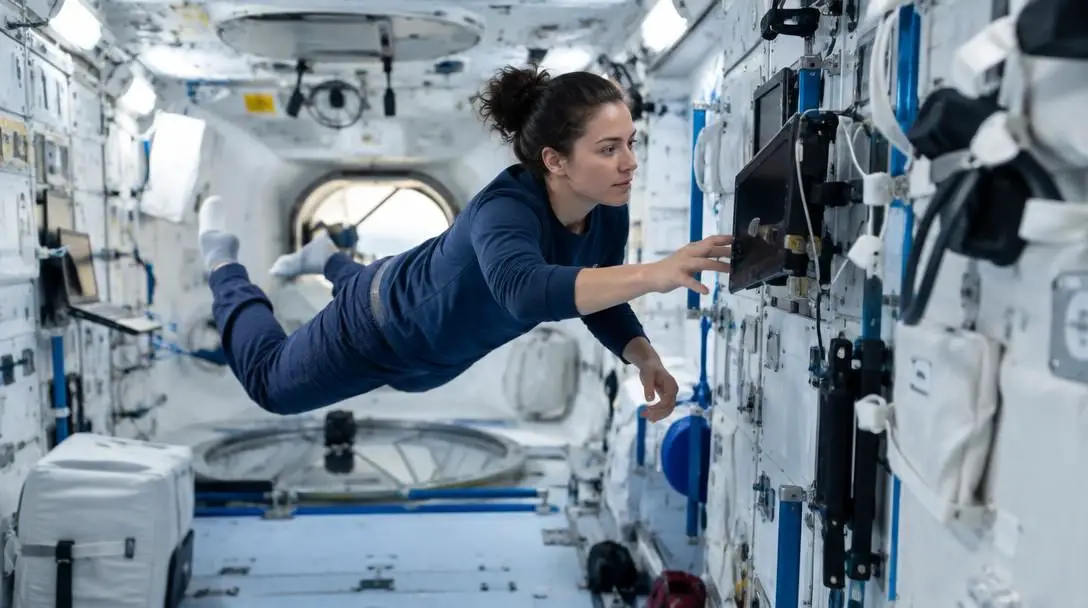
Human beings evolved under the continuous, unyielding downward pull of Earth's gravity. Every biological structure within the body—from the mineral scaffold of the skeleton to the hydraulic pressure of the circulatory system—relies on this constant gravitational load to maintain normal function and structural tone. When an astronaut enters microgravity, that environmental baseline vanishes, triggering immediate and profound physiological adaptations across multiple organ systems.
While brief spaceflights cause transient disruptions like motion sickness and slight fluid redistribution, missions extending to a month or more force the body to reorganize its internal architecture. The human system begins viewing high-pressure cardiovascular mechanics and heavy structural bone as unnecessary metabolic overhead. As space agencies prepare for extended missions to the Moon, Mars, and beyond, understanding these systemic transformations has become essential to protecting the physical and cognitive health of human crews.
Key takeaways
- Astronauts lose up to 1 to 2 percent of their bone mass every month spent in microgravity, leaving the skeletal frame brittle and porous.
- Muscles in the legs, arms, and posture-supporting groups atrophy rapidly because floating through space requires minimal physical effort.
- Without terrestrial gravity to oppose blood flow, the heart muscle deconditions, while circulating red blood cells drop in quantity and alter their physical shape.
- Biological fluids redistribute toward the head, raising extracellular electrolyte levels and causing pressure changes inside the brain that can trigger cognitive disorientation.
- Counteracting these shifts requires rigorous daily exercise with specialized resistance machines, strict nutritional protocols, and careful post-flight rehabilitation.
At a glance: Five physiological adaptations to microgravity
Extended stays in orbit impact virtually every major biological system. The table below outlines how zero gravity alters key bodily systems over thirty days or more.
| Bodily System | Primary Adaptation in Space | Key Health Risk |
|---|---|---|
| Skeletal System | Accelerated calcium leaching and mineral resorption | High risk of bone fractures and structural brittleness |
| Muscular System | Shrinkage and fiber breakdown from lack of physical load | Rapid atrophy in limbs and dormant postural muscles |
| Cardiovascular Pump | Decreased workload and structural softening of cardiac tissue | Inability to circulate blood effectively against gravity upon return |
| Blood Composition | Decline in red blood cell count alongside cellular shape changes | Compromised oxygen transport and heightened risk of heart disease |
| Cranial Fluids | Upward migration of fluid and altered osmotic pressure | Confusion, disorientation, and potential permanent cognitive shifts |
The five critical ways microgravity alters the body
When living off-planet, the human body adapts to its new environment with surprising speed. Over an extended mission lasting a month or more, five critical physiological shifts reshape how an astronaut functions.
1. Bones become brittle and weak
On Earth, the simple acts of walking, standing, and lifting items create continuous mechanical stress across the skeletal framework. This constant load signals specialized cells to deposit minerals and maintain structural integrity. In zero gravity, your bones bear no weight at all. Without the stimulus of body weight pressing downward, the skeletal remodeling cycle tips into disequilibrium.
The body accelerates the breakdown of bone tissue, shedding essential minerals into the bloodstream. According to NASA, astronauts lose up to 1-2% of their bone mass each month they are in space. Calcium leaches out of the internal scaffolding and is cleared through the kidneys. Over weeks and months, the internal matrix becomes increasingly porous and brittle, fundamentally altering skeletal durability and elevating the danger of serious fractures during or after flight.
2. Muscles begin to atrophy
Alongside the skeleton, the muscular system faces an immediate drop in functional demand. Navigating a space station requires only a gentle fingertip push against a bulkhead rather than the coordinated, forceful contractions necessary to carry weight on Earth. Because moving from one side of a module to another is effortless, muscles do not need to exert force to support the body.
As a result, astronauts experience significant muscle atrophy, particularly in the legs, arms, and lower back. Postural muscles that continuously fire to hold the human frame upright against gravity become virtually dormant. Protein synthesis slows, protein breakdown accelerates, and muscle fibers shrink. Without strict operational countermeasures, this loss of muscle mass, tone, and functional strength intensifies with every passing week in orbit.
3. The cardiovascular system changes
The terrestrial human heart functions as a heavy-duty pump engineered to propel oxygen-rich blood upward against gravity to sustain the brain. In microgravity, this hydrostatic resistance disappears. The heart no longer needs to pump against a steady downward gradient to keep blood circulating through the upper body and head.
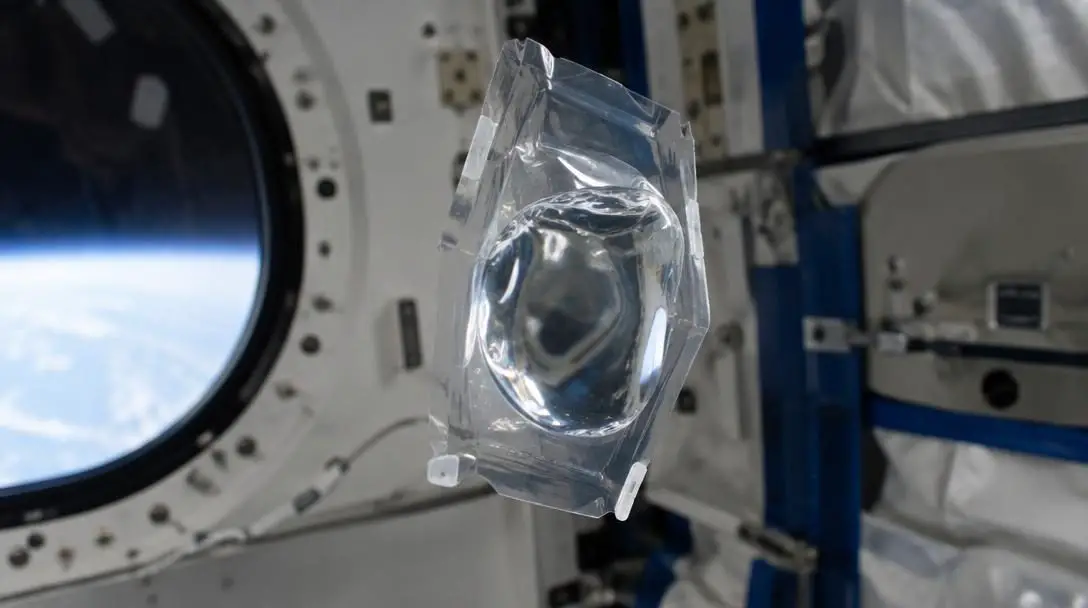
Because the cardiovascular workload is drastically reduced, the heart muscle begins to adapt to the lower demand. Over an extended mission, cardiac mass can decrease as the muscular walls decondition. This physiological downshift causes serious complications when an astronaut returns to Earth or lands on another planetary body. Once exposed to gravity again, the deconditioned heart struggles to maintain adequate blood pressure and upward blood flow, leading to immediate lightheadedness and circulatory instability.
4. Red blood cells are affected
The circulatory shifts caused by microgravity extend beyond the heart pump itself down to the cellular components of the bloodstream. Scientific observations reveal that circulating red blood cell counts drop significantly during prolonged stays in space. Furthermore, the red blood cells physically alter their geometry, taking on different shapes than they exhibit on Earth.
This reduction in total red blood cell volume and the alteration of their physical structure hampers the circulatory system's ability to deliver oxygen efficiently to tissues. Compounding the issue, researchers have noted that these systemic transformations in blood properties may correlate with an increased risk of heart disease after returning home from extended spaceflights. The cellular impact on the blood introduces long-lasting cardiovascular vulnerabilities that do not instantly resolve at touchdown.
The human system views high-pressure cardiovascular mechanics and dense structural bone as unnecessary metabolic overhead when gravity is removed.
5. Fluid shifts occur in the brain
On Earth, gravity pulls biological fluids toward the lower extremities, creating a stable fluid pressure gradient throughout the body. In the absence of gravity, this gradient vanishes, prompting fluids to migrate upward into the torso, neck, and head. This upward redistribution manifests noticeably within the cranial cavity itself.
Scientists believe this redistribution is closely tied to an increase in electrolytes gathering outside cell walls, which shifts fluid dynamics within brain tissues. The resulting pressure alterations inside the cranium cause cognitive disruptions, including persistent confusion and spatial disorientation. For space travelers who spend months away from Earth, these cranial fluid shifts raise deep medical concerns, as researchers warn that some of the resulting neurological and cognitive impacts may become permanent.
Mechanisms: How these biological shifts unfold
The human body operates through responsive biochemical feedback loops. When mechanical compression and gravitational pull disappear, cellular and tissue pathways rapidly recalibrate to minimize energy expenditure.
Within the skeletal system, structural mass is maintained through a delicate dynamic between bone-building osteoblasts and bone-resorbing osteoclasts. Terrestrial impact forces stimulate mineral retention. In orbit, the total absence of physical compression signals to the body that heavy structural bone is superfluous. The resorption process speeds up, causing calcium to leach into the circulation and leave behind an attenuated, porous framework.
Muscular tissue undergoes a parallel decline. Muscle fibers require consistent tensile stress to maintain protein turnover rates. When floating replaces walking, lifting, and balancing, intracellular signaling pathways dial down protein synthesis while ramping up protein degradation. The individual muscle fibers contract far less frequently, lose their metabolic endurance, and progressively wither from disuse.
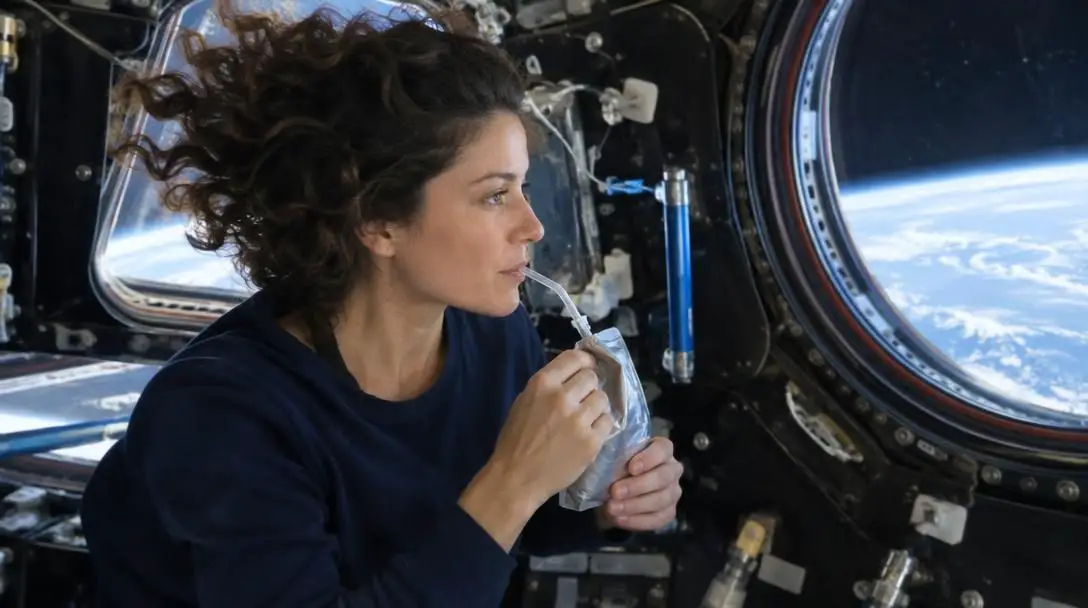
Fluid dynamics shift almost immediately upon entering orbit. Without downward gravity, blood, cerebrospinal fluid, and interstitial fluid pool within the upper body. Because volume receptors in the chest and neck sense this high fluid volume, the body adjusts how it manages electrolytes across cell membranes. The redistribution of electrolytes outside cell walls alters osmotic pressure gradients within the brain. Simultaneously, the destruction and remodeling of red blood cells further compromise systemic oxygen transport and internal metabolic equilibrium.
Practical steps to counteract zero-G physical decline
To prevent irreversible physical deterioration during missions lasting a month or more, space agencies rely on precise operational countermeasures to preserve crew health.
- Perform rigorous daily resistance training: Crew members must dedicate roughly two hours each day to specialized exercise hardware. They use stationary bicycles, specialized treadmills equipped with harness systems that strap the runner down, and advanced resistance devices that simulate heavy mechanical loads to preserve muscle fibers and bone density.
- Follow tailored nutritional protocols: Diets are engineered to offset continuous calcium loss, counteract shifting metabolic rates, and prevent hidden dehydration. Caloric intake must be monitored carefully to supply the building blocks required for tissue maintenance in an environment where appetite is suppressed.
- Regulate fluid and electrolyte consumption: Astronauts consume precise mixtures of electrolytes and fluids, especially before transitioning between different gravitational environments. Balancing mineral intake helps manage cranial osmotic pressure and readies the cardiovascular system for renewed gravity.
- Maintain strict circadian sleep schedules: Because space stations experience multiple artificial sunrises and continuous station lighting, crews follow rigid sleep routines in darkened sleep quarters to protect cognitive health and combat zero-G disorientation.
- Engage in targeted post-flight physical therapy: Immediately after returning to Earth, astronauts enter dedicated rehabilitation regimens. Structured physical therapy gradually retrains the cardiovascular system to manage gravitational loads while safely rebuilding deconditioned leg, core, and spinal muscles.
Common mistakes in managing health in space
Decades of crewed orbital missions have demonstrated that managing human physiology in microgravity requires constant vigilance. Operational missteps can quickly magnify physical deconditioning.
- Skipping scheduled exercise sessions: When complex mission repairs, payload operations, or scientific schedules fall behind, astronauts may feel tempted to trim their exercise time. Cutting workouts accelerates bone mineral loss and muscle atrophy, drastically lengthening terrestrial recovery time.
- Underestimating daily caloric and nutrient requirements: Sensory blunting and cranial fluid pressure often diminish an astronaut's appetite. Failing to eat sufficient calories deprives the body of the amino acids and micronutrients needed to sustain muscle tissue and synthesize healthy red blood cells.
- Disregarding structured sleep hygiene: Working through scheduled rest cycles in an unnatural environment leads to compounding fatigue. Chronic sleep deprivation worsens the disorientation and cognitive fogginess already sparked by cranial fluid shifts.
- Assuming physical fitness fully shields against return effects: Believing that strong in-orbit workout performance eliminates the physical shock of re-entering gravity is a dangerous assumption. Even conditioned astronauts suffer cardiovascular instability, balance impairments, and fragile bones upon landing, requiring supervised movement.
Planning for Mars and deep-space exploration
The biological challenges observed during month-long orbital flights present serious hurdles for future interplanetary travel. A crewed voyage to Mars involves months of transit through zero gravity before touching down on a foreign planet where immediate physical labor is required.
A primary concern is whether long-term bodily adaptations ever reach a stable plateau or if they continue degrading indefinitely. With astronauts losing 1 to 2 percent of their bone mass each month, multi-year expeditions could inflict irreversible skeletal fragility. Furthermore, if intracranial fluid shifts cause permanent cognitive alterations, prolonged journeys may threaten the analytical and motor performance of the crew during high-stakes maneuvers.
Cardiovascular vulnerability upon arrival is equally hazardous. If astronauts touch down on Mars after a prolonged zero-G transit and experience severe fainting or circulatory collapse the moment they encounter gravity, mission safety is immediately compromised. To overcome the biological limits of the human frame, mission architects are actively investigating rotational spacecraft configurations that generate artificial gravity, recreating the downward mechanical forces our anatomy requires to stay healthy.
Frequently asked questions
How much bone density do astronauts lose in space?
According to NASA, astronauts lose up to 1 to 2 percent of their bone mass for each month spent in microgravity. Over an extended mission, this rapid depletion leaves bones porous, weak, and susceptible to fractures.
Why does the heart weaken in zero gravity?
On Earth, the heart works continuously against gravity to pump blood upward to the brain. In space, that gravitational resistance vanishes, allowing the heart to distribute blood with far less effort, which causes the cardiac muscle to decondition and shrink over time.
What happens to red blood cells during spaceflight?
Studies show that red blood cell counts decrease during extended space missions. Additionally, the cells change their physical shape, which impedes efficient oxygen transport throughout the body and may contribute to an elevated risk of heart disease upon returning to Earth.
Can fluid shifts in the brain cause permanent damage?
In microgravity, biological fluids shift upward toward the head, altering extracellular electrolyte levels and intracranial pressure. These changes cause cognitive confusion and disorientation, and scientists warn that some of these cognitive alterations could become permanent after lengthy missions.
How do astronauts prevent severe muscle loss in orbit?
Astronauts combat muscle atrophy by performing intensive daily exercise routines using specialized equipment, including resistance exercise devices, stationary cycles, and treadmills equipped with harnesses that pull them down against the running surface.
The bottom line
The human body is an adaptable biological machine, but its resilience is deeply anchored to terrestrial gravity. When humans spend a month or more in orbit, the lack of mechanical loading triggers significant bone demineralization, rapid muscular atrophy, cardiovascular shrinkage, cellular blood modifications, and intracranial fluid pooling. Counteracting these shifts requires continuous physical training, strict nutritional discipline, and vigilant operational management. Until artificial gravity technology can replicate Earth's downward pull aboard spacecraft, the biological realities of zero gravity will remain one of the most demanding boundaries in human space exploration.