France On A Budget: 5 Essential Tips
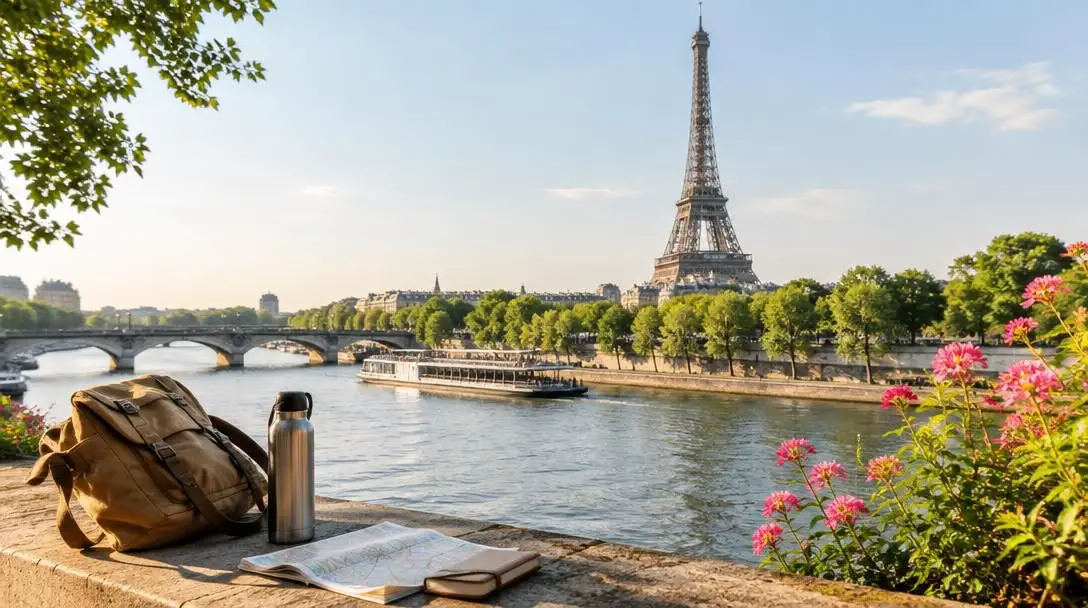
France consistently ranks among the most desired vacation destinations on Earth, drawing millions of international visitors who dream of exploring its historic monuments, rolling countryside, and celebrated culinary culture. While the country offers an exceptionally safe and welcoming environment throughout every season of the year, its reputation for steep travel expenses often discourages travelers on a modest budget. Because international tourism serves as a cornerstone of the French economy, commercial vendors and tourist-heavy corridors are structured to charge premium rates at every opportunity.
Fortunately, seeing France does not require emptying your savings account. The nation boasts world-class public infrastructure, high-speed rail lines, and deep-rooted dining customs that make economical travel remarkably straightforward once you know how the system operates. By adopting five foundational strategies covering international airfare, ground transportation, dining schedules, and regional excursions, any traveler can tour the country comfortably while keeping expenses to a minimum.
Key takeaways
- Flying directly into Paris Charles de Gaulle Airport delivers the lowest transatlantic airfares thanks to heavy carrier competition from roughly 20 United States cities.
- France operates an extensive passenger train network that connects distant cities like Paris and Nice for barely above $20, rendering long-distance car rentals unnecessary.
- Choosing free secondary highways over private toll roads prevents expensive driving fees while revealing picturesque rural scenery.
- Making lunch your primary sit-down meal unlocks multi-course fixed menus and daily specials at roughly one-third the price of evening dining.
- Sourcing bottles directly from local vineyards bypasses commercial retail markups and connects you straight to regional producers.
Understanding travel costs across France
To keep your expenditures under control, it helps to understand why a French vacation can become expensive in the first place. High tourist density across metropolitan centers and landmark locations drives up the price of goods and services. Establishments positioned right next to famous attractions naturally capitalize on convenience, pricing menus, transit options, and souvenirs at a considerable premium. Unprepared visitors who pay toll booth gate rates, book flights into smaller regional airports, or dine out exclusively at night quickly discover that their daily spending spirals out of control.
Conversely, daily life for French residents is built around practical conveniences that favor frugality. The domestic transit grid allows locals to traverse hundreds of miles swiftly and cheaply without personal automobiles. In addition, traditional culinary habits emphasize fresh regional ingredients, neighborhood food markets, and subsidized midday lunch specials designed for working people. By aligning your itinerary with local living patterns, you can sidestep artificial tourist inflation and discover an authentic, affordable side of the country.
Relying on the national passenger rail network allows you to cross nearly 500 miles between Paris and Nice in just under six hours for barely above $20.
Five essential strategies for visiting France on a budget
Cutting costs across France does not mean sacrificing comfort or missing out on world-class experiences. Instead, it involves making intentional choices regarding your points of entry, transportation methods, dining hours, and shopping habits. The following five strategies form the backbone of a high-value French itinerary.
| Strategy | Primary Cost Benefit | Key Trade-Off | Best Suited For |
|---|---|---|---|
| Book Paris Charles de Gaulle | Lowest international airfare and direct routes | Requires rail transfer to southern or eastern regions | Transatlantic arrivals from US hubs |
| Bypass highway toll gates | Eliminates steep private highway charges | Adds additional driving miles and transit time | Scenic road trips through rural districts |
| Rely on national rail system | Bypasses car rentals, parking, and gas expenses | Fixed departure schedules require advance booking | Intercity travel between major cultural hubs |
| Prioritize midday dining | Saves up to two-thirds compared to evening menus | Requires aligning schedule to daytime restaurant hours | Food lovers seeking quality multi-course meals |
| Source wine at vineyards | Bypasses commercial storefront retail markups | Requires traveling outside central retail corridors | Enthusiasts seeking affordable regional vintages |
Book your international flight into Paris Charles de Gaulle Airport
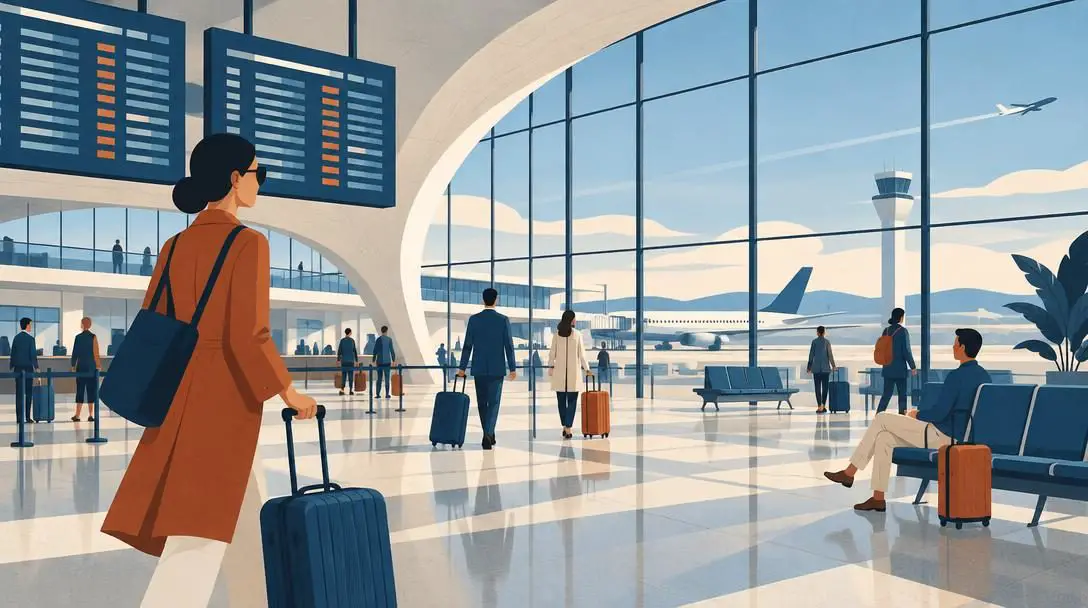
- Facility status: Largest international airport in France
- Direct US markets: Roughly 20 major metropolitan areas
- Sample departure hubs: New York, Detroit, Los Angeles
While entering the country via regional airports like Nice Cote d'Azur Airport or Lyon Saint Exupery Airport might seem convenient for exploring specific regions, doing so almost always increases your international airfare. Paris Charles de Gaulle Airport serves as France's primary international hub, hosting the vast majority of overseas carriers. This concentration of airline competition keeps transatlantic ticket prices significantly lower than those for flights bound for smaller provincial facilities.
Roughly 20 cities throughout the United States operate non-stop routes straight into Paris Charles de Gaulle. Travelers departing from cities as diverse as New York, Detroit, and Los Angeles can easily find direct flights without having to endure expensive, inconvenient layovers in transit hubs like London, Montreal, or New York City. Beginning and ending your French journey at Charles de Gaulle gives you the most flexible scheduling while establishing a cost-effective foundation for the rest of your vacation.
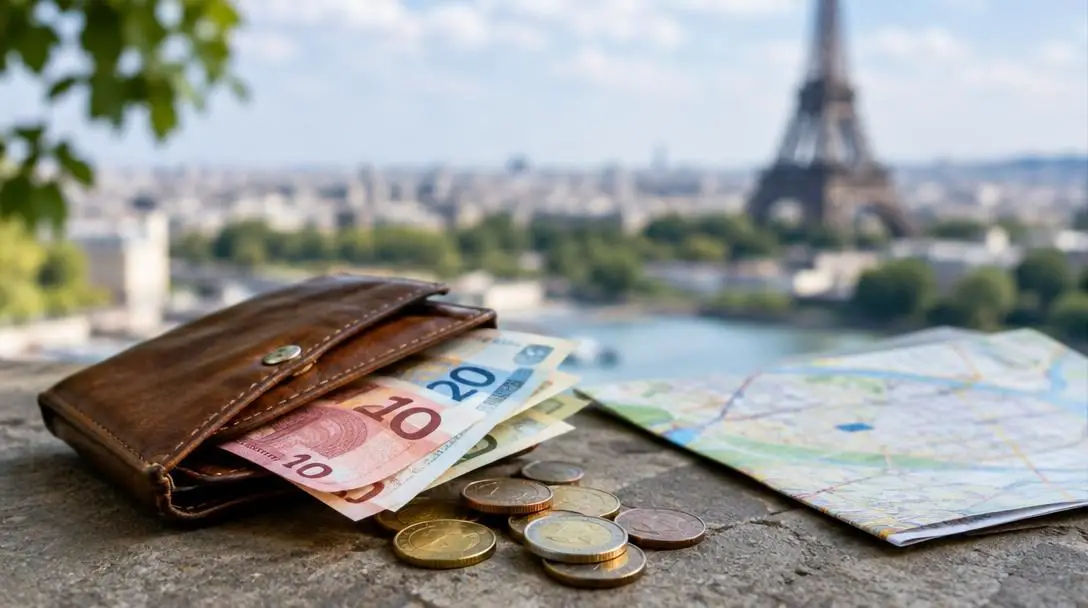
Avoid driving on expensive toll roads
- Highway network: Heavily privatized regional toll roads
- Cost alternative: Toll-free national and departmental roads
- Electronic option: Discounted prepaid highway passes
Many foreign drivers are surprised to learn that France relies on an extensive network of privately operated toll motorways. While these expressways provide rapid routes across vast provincial distances, the gate fees accumulate rapidly, turning a simple cross-country road trip into a major financial burden. A single afternoon spent on high-speed motorways can cost travelers an astonishing amount in toll charges alone.
Fortunately, an intricate system of free alternative routes crisscrosses every department of the country. Taking these secondary roads may add a few extra miles or kilometers to your journey, but they allow you to bypass tolls entirely while immersing you in the classic French countryside. If tight schedules or fuel conservation make using toll expressways unavoidable, purchasing a prepaid electronic toll pass ahead of time ensures you pay only a fraction of the standard gate rate.
Travel between cities using the national railway system
- Network coverage: Comprehensive nationwide passenger rail
- Sample journey: Paris to Nice in under 6 hours
- Entry-level fare: Barely above $20 for long-distance routes
Renting a passenger car is frequently one of the most expensive blunders an international traveler can make in France. Beyond standard rental fees, drivers must shoulder the burdens of fuel costs, parking fees, mandatory insurance, and road tolls. In sharp contrast, France maintains an exceptional national passenger rail network that links virtually every significant city quickly, cleanly, and reliably.
The affordability of the national train network routinely surprises first-time international visitors. For instance, the route connecting Paris in the north to Nice along the Mediterranean spans nearly 500 miles. Rather than costing hundreds of dollars, tickets on this route can be booked for barely above $20 for a journey that clocks in at just under six hours. Taking advantage of daily departures allows you to relax in comfort while crossing the country at prices passenger cars cannot match.
Make midday lunch your primary restaurant meal
- Evening pricing: Often nearly triple daytime rates
- Midday special: Plat du jour for only a few bucks
- Multi-course deals: Fixed-price formules and menus
In French dining culture, the evening meal is treated as an elaborate, extended social ritual, and dinner menus reflect that focus with substantial price increases. In many traditional establishments, an evening dinner can cost nearly triple what the same kitchen charges for an equivalent meal during daytime hours. If you want to experience fine French dining without draining your daily funds, reserve your sit-down restaurant visits for the midday lunch service.
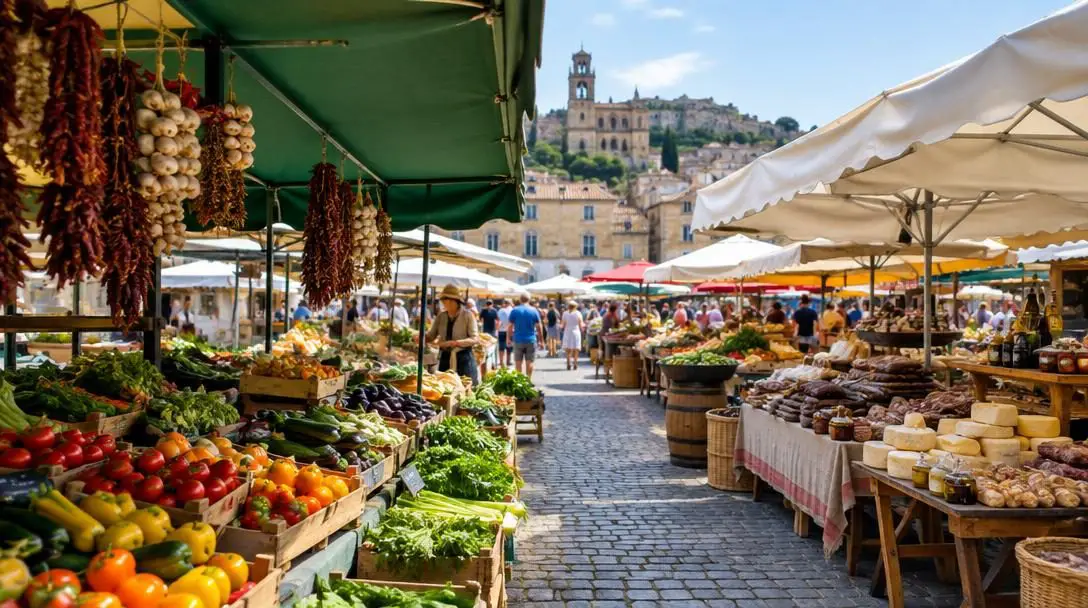
Smaller, neighborhood bistros and brasseries offer extraordinary value during lunch hours. Look specifically for the plat du jour, which provides a high-quality, freshly prepared daily specialty for only a few bucks. Travelers looking for a more comprehensive culinary experience can choose a fixed-price formule or menu, which bundles two or three courses together at an affordable set rate. You can then supplement your midday dining by grabbing fresh, inexpensive provisions from local open-air grocery markets for dinner.
Purchase wine directly from vineyards and wineries
- Source access: Regional estates and local cellars
- Retail avoidance: Eliminates third-party commercial markups
- Product range: High-quality everyday regional vintages
France is globally renowned for its winemaking heritage, but buying premium bottles off retail store shelves in major city centers or tourist hotspots can quickly strain your budget. Specialized commercial storefronts catering to visitors apply substantial markups, charging elevated rates for everyday labels that locals purchase at far lower prices.

Rather than relying on commercial storefronts, make a point to visit local vineyards, cooperative cellars, and family-owned wineries directly. You do not need to target elite, world-famous estates to enjoy sensational wine. Stopping at regional producers allows you to taste different varietals and purchase bottles straight from the source at domestic production rates, securing authentic French wine while bypassing urban retail inflation.
How to organize a budget-friendly itinerary
Putting these five cost-saving concepts into practice requires thoughtful scheduling before your departure. Follow this step-by-step roadmap to organize a smooth, affordable tour through France.
- Secure direct flights into Charles de Gaulle: Search for transatlantic departures from major United States gateways like New York, Detroit, or Los Angeles to lock in competitive direct flights to Paris without expensive layovers in Montreal, London, or NYC.
- Book long-distance rail tickets early: Map out your movement between cities using the national train network, securing long-haul trips—such as the six-hour voyage between Paris and Nice—well in advance to claim fares near the $20 mark.
- Prepare alternative driving logistics: If a rental vehicle is necessary for exploring remote rural areas, plan driving routes along toll-free departmental roads, or obtain a prepaid toll pass to avoid standard gate charges.
- Align your daily schedule with midday restaurant hours: Structure your sightseeing around a relaxed midday lunch, seeking out bistros advertising a plat du jour or fixed-price multi-course formules.
- Shop open-air markets for evening provisions: Gather fresh cheeses, breads, fruits, and charcuterie at neighborhood food markets during the late afternoon to build an inexpensive, authentic evening meal.
- Coordinate direct vineyard excursions: Identify regional wineries and independent cellars along your route to purchase wine directly from local growers at producer prices.
Costly travel errors to avoid
Even seasoned travelers can make innocent planning errors that drive up the overall price of a French getaway. Steering clear of these routine mistakes will protect your wallet.
- Booking flights into smaller regional airports: Securing flights directly into Nice Cote d'Azur Airport or Lyon Saint Exupery Airport might seem convenient, but the limited carrier competition usually results in significantly higher base ticket prices than flying into Paris.
- Paying toll fees directly at the highway gate: Pulling up to motorway toll booths without a discounted prepaid pass leads to instant gate charges that drain your travel funds across long journeys.
- Defaulting to rental cars for long-distance transit: Choosing to drive across France instead of boarding passenger trains forces you to absorb car rental costs, high fuel prices, highway tolls, and metropolitan parking fees.
- Treating dinner as your primary culinary splurge: Eating your main restaurant meal at night guarantees you pay evening menu prices that can be nearly triple the cost of midday offerings.
- Ignoring the plat du jour and fixed menus: Ordering a la carte items off restaurant lunch menus bypasses the incredible value provided by the daily special and set course combinations.
- Purchasing all your wine from urban retail shops: Buying bottles exclusively in high-traffic commercial shops means paying substantial storefront markups on products you could source directly from nearby vineyards.
Planning your regional transit and daily schedules
Once your major travel bookings are settled, pay close attention to the small logistical details that govern day-to-day transit. When arriving at train stations in major metropolitan areas, avoid high-priced private taxis. France's urban centers provide well-integrated public transit options, including comprehensive subway and municipal bus networks that connect directly to central railway terminals.
Balancing your daily timing is equally critical for keeping dining expenses low. Because lunch is your primary restaurant meal, identify the specific neighborhoods or villages you will be exploring between noon and 2:00 PM. This timing ensures you are seated when kitchens are offering their fresh plat du jour and value-driven formules before afternoon service closes. By matching your daily movements to the rhythms of local life, you can traverse nearly 500 miles of diverse terrain, dine on remarkable cuisine, and enjoy fine wine without unnecessary financial strain.
Frequently asked questions
Is it cheaper to fly into Paris Charles de Gaulle than regional French airports?
Yes. Charles de Gaulle Airport is the largest airport in France and handles the highest volume of carrier competition, keeping transatlantic fares lower than flights bound for regional hubs like Nice Cote d'Azur Airport or Lyon Saint Exupery Airport. It also offers direct connections to roughly 20 United States cities, eliminating expensive layovers in London, Montreal, or New York City.
How much can I save by riding the national railway instead of driving?
Riding passenger trains eliminates rental fees, mandatory vehicle insurance, high fuel prices, and expensive highway tolls. Long-distance rail routes are remarkably affordable; for instance, the nearly 500-mile journey from Paris to Nice can cost barely above $20 and takes just under six hours.
What is a plat du jour, and why does it save money?
The plat du jour is the daily special prepared by French restaurants for the midday lunch crowd. It features fresh, seasonal ingredients at an affordable price, often costing just a few bucks and delivering substantial savings compared to ordering a la carte or dining out at night.
Are French toll roads avoidable when traveling by car?
Yes. France possesses an extensive system of secondary, toll-free roads that run throughout the country. While these routes may add a few miles or kilometers to your travel time, they allow you to avoid heavy toll charges while enjoying the rural landscape. If toll roads are necessary, using a prepaid pass reduces gate fees significantly.
Why should I buy wine at vineyards instead of retail stores?
Retail shops in urban centers and tourist zones mark up their inventory significantly. By visiting local vineyards and cellars directly, you purchase wine straight from the producer at domestic production rates, saving substantial money while sampling regional varieties.
The bottom line
Exploring France on a budget does not require you to sacrifice the cultural and culinary delights that make the country so celebrated. By landing at Paris Charles de Gaulle Airport, utilizing the national railway network, choosing toll-free country roads, taking advantage of midday lunch menus, and purchasing regional wines directly from local vineyards, you can design an unforgettable vacation that remains completely affordable from start to finish.