New York City on a Budget: 5 Essential Tips

New York City pulls in more than 60 million visitors each year from outside the metropolitan area and across the globe, cementing its position as one of the most popular travel destinations on Earth. With its vast geographic footprint, vibrant street life, and massive population, the metropolis can easily feel like a country unto itself. Yet for countless aspiring travelers, the single greatest barrier to experiencing the Big Apple is the perception of runaway costs. Without strategic planning, New York can quickly become one of the most expensive cities on the planet to navigate, leaving visitors with the impression that simply stepping out onto a public sidewalk incurs an immediate expense.
That high-priced reputation, however, obscures the reality of how millions of everyday residents live, commute, and eat without exhausting their financial resources. America's largest city is far more than a cluster of upscale midtown hotels and luxury dining establishments; it is a tapestry of distinct boroughs united by a robust transit network. By shifting away from standard tourist hotspots and adopting the practical habits of everyday New Yorkers, budget-conscious travelers can take in world-class architecture, legendary parks, historic neighborhoods, and outstanding food while keeping their spending under control.
Key takeaways
- Evaluating total airport transfer costs is essential, as cheaper domestic airfare into LaGuardia may be offset by ground transit compared to the direct public rail connections at JFK.
- The historic New York City Subway carries more than 6 million riders daily and provides comprehensive citywide mobility for under $3 per ride.
- Booking accommodations in outer boroughs like Queens can save travelers hundreds of dollars while maintaining a quick 20-minute transit link into Manhattan.
- Premier cultural sights—including Central Park, Grand Central Station, the Brooklyn Bridge, Times Square, and select museums—offer world-class experiences completely free of charge.
- Asking local residents, workers, and shopkeepers for dining recommendations uncovers delicious, budget-friendly meals while avoiding overpriced tourist traps.
The five essential principles of budget travel in New York
Successfully navigating America's largest metropolis on a limited budget relies on five core travel principles. Each strategy balances personal convenience against financial savings, helping visitors sidestep commercial tourist markups by taking advantage of the city's shared public infrastructure.
Weighing airport trade-offs (go LaGuardia sometimes)
When planning a trip to New York City from elsewhere within the United States, LaGuardia Airport almost always serves as the more affordable destination for domestic flights. Conversely, travelers arriving on international itineraries will often find that John F. Kennedy International Airport (JFK) is their primary or only practical arrival hub. However, booking decisions should never be based solely on initial sticker prices found on flight comparison websites.
To capture authentic bottom-line savings, you must ensure that your ticket into LaGuardia is substantially cheaper than an alternative landing at JFK. The reason lies in ground connectivity: JFK is noticeably easier and cheaper to reach via public transportation infrastructure. If choosing LaGuardia forces you into paying for expensive ground transit alternatives like private shuttles, taxis, or car services, those extra transit fees can quickly cancel out whatever discount you secured on your airline ticket.
Riding the rails instead of driving
Throughout most major metropolitan regions across the United States, public transit infrastructure remains relatively limited, making it difficult for visitors to get around efficiently without renting an automobile or paying for rideshares. New York City represents the absolute opposite of this trend, outclassing every other destination in America. Beginning operation back in 1904, the New York City Subway serves as the lifeblood of the entire region, carrying more than 6 million riders every single day across an intricate web of underground and elevated lines.
Relying on this historic system allows travelers to travel virtually anywhere across the metropolitan area without ever needing a private car or enduring exhausting walking distances. In most instances, you will pay under $3—specifically a flat fare of $2.75—for a single one-way trip between destinations. You no longer even need to carry physical cash, as turnstiles accept direct contactless tap-to-pay methods via smartphones or standard bank cards. For extended stays, travelers can obtain a classic MetroCard that can be easily refilled at station kiosks for ongoing rides. Outside of Chicago, nowhere else in the nation features an urban rail network this comprehensive or cost-effective.
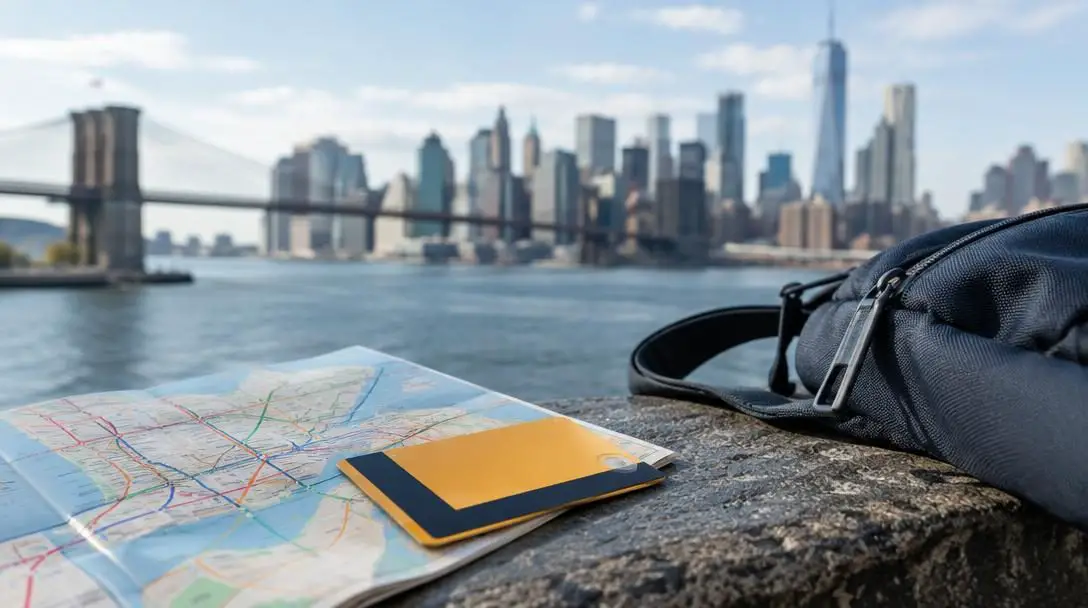
By shifting away from standard tourist hotspots and navigating the city like local residents, travelers can enjoy New York City without breaking the bank.
Avoiding the swanky areas for lodging
Because the public transportation system is so affordable and dependable, travelers can stay in virtually any borough and pay only $2.75 to travel into another. Inexperienced visitors frequently make an immediate beeline for Manhattan under the assumption that they must stay in the geographic center of the city. However, Manhattan is precisely where luxury, high-end hotels are most heavily concentrated, commanding premium nightly rates that can devour a vacation budget within days.
Every outer borough possesses its own cultural charm and hospitality options at a fraction of the cost. Choosing to stay in Queens, for example, can save you hundreds of dollars—if not significantly more—over the length of your trip. Accommodations in Queens provide comfortable, quality hotel amenities while requiring only a short 20-minute train ride to reach midtown Manhattan. In addition to dramatic lodging savings, staying in Queens positions you near iconic local attractions such as Flushing Meadows and Citi Field.
Seeking out the city's great free hotspots
Even though stepping onto a bustling sidewalk can feel expensive, New York City is packed with world-renowned attractions that cost absolutely nothing to explore. Central Park is the classic green space that draws global attention, living up to its lofty reputation across every season of the year. Visitors can wander its paths, bridges, and meadows without spending a dime, provided they steer clear of commercial add-ons like horse-drawn carriage rides along the perimeter.
Similarly, Times Square is a legendary destination inextricably linked with the Big Apple. While it primarily consists of towering commercial advertisements and neon billboards overlooking an active street intersection, standing in the heart of the pedestrian plazas is an exhilarating experience that costs nothing. Other premier zero-cost activities include taking a scenic pedestrian walk across the historic Brooklyn Bridge, marveling at the architecture inside Grand Central Station, and planning visits around the city's many free public museum hours. Prioritizing these landmarks lets you build an unforgettable, dense sightseeing schedule without paying costly admission fees.
Asking locals for affordable food recommendations
A huge portion of New York City's resident population lives on modest incomes and must manage strict household budgets, and one of their primary strategies is keeping daily dining expenses manageable. While popular movies, television shows, and travel influencers regularly highlight glamorous, expensive dining rooms, those venues are designed to cater to wealthy patrons and affluent tourists willing to pay premium prices.
You will eat far better and spend dramatically less by simply asking everyday local residents where they choose to purchase meals. Engaging with neighborhood shopkeepers, transit employees, and local workers routinely leads travelers to authentic counters, neighborhood bakeries, and casual eateries serving outstanding food. Beyond keeping dining costs low, these recommendations come with fascinating personal stories and neighborhood history, helping you quickly distinguish between beloved community institutions and overpriced tourist traps.
At a glance: comparing transit and lodging options
Balancing cost and convenience requires looking at how arrival points, transit choices, and accommodation hubs operate together across the metropolitan region.

| Travel option | Primary function | Budget impact | Key transit consideration |
|---|---|---|---|
| LaGuardia Airport (LGA) | Domestic flight arrival hub | Often offers the lowest initial airline ticket pricing | Ground public transit is less direct, which may require costlier transfers |
| John F. Kennedy Airport (JFK) | International and domestic air terminal | Airfare can be higher on domestic routes | Connects directly and smoothly to the public transit network |
| New York City Subway | Primary inter-borough transit system | Under $3 ($2.75) flat fare for any single trip | Carries over 6 million daily riders across an extensive 24/7 network |
| Queens Accommodations | Outer-borough budget lodging base | Saves hundreds of dollars compared to Manhattan hotels | Maintains a short 20-minute subway commute into midtown Manhattan |
| Manhattan Accommodations | Central luxury hotel district | Heavily inflated room rates that quickly deplete travel funds | Places travelers within walking distance of central tourist hubs |
Practical steps to implement your budget plan
Translating these core principles into a smooth, cost-efficient trip requires straightforward advance planning. Following these sequential steps will help you organize your itinerary and maximize savings before you arrive and while navigating the city:
- Compare total transit costs when booking flights: Rather than reflexively choosing the lowest airfare, calculate the overall arrival expense. Compare domestic flights arriving at LaGuardia against those touching down at JFK, and verify that the ticket price at LaGuardia remains substantially cheaper after factoring in how you will travel from the terminal to your hotel.
- Select accommodations in outer boroughs: Skip midtown Manhattan and search for well-reviewed, budget-friendly hotels in neighboring areas such as Queens. Verify that the property sits within easy walking distance of an active subway station so you can maintain a swift 20-minute commute into Manhattan.
- Prepare your transit payment method: Avoid long ticket lines or the need for physical currency by organizing your fare payment in advance. Use contactless digital wallet features on your smartphone to tap directly through turnstiles, or pick up a physical, refillable MetroCard at any station kiosk.
- Map your itinerary around free landmark clusters: Organize your sightseeing days around clusters of no-cost public sights. Group activities so you can walk across the Brooklyn Bridge, explore the grand interior of Grand Central Station, stroll through Central Park, admire Times Square, and visit free museums during shared neighborhood outings.
- Engage with residents for meal advice: When mealtimes arrive, walk away from heavily advertised commercial corridors and avoid restaurants highlighted in entertainment media. Speak with neighborhood workers, retail staff, or long-time residents to ask where they eat high-quality everyday meals at reasonable prices.
Common budget mistakes to avoid in New York City
Even experienced travelers can accidentally spend far more than planned if they fall into typical tourist routines. Keep an eye out for these frequent spending traps:
- Paying for in-park extras: Visiting Central Park is completely free and visually rewarding across all four seasons, but purchasing paid tourist add-ons—such as horse-drawn carriage rides operating along the perimeter—can quickly introduce unnecessary expenses.
- Defaulting to Manhattan hotels: Reserving a hotel room in midtown or downtown Manhattan simply because it feels like the focal point of the city is the quickest way to empty your bank account. Outer boroughs offer safe, quality lodging for hundreds of dollars less, connected by rapid rail links.
- Relying on rideshares and taxis: Hailing yellow cabs or booking rideshares to travel between neighborhoods or across boroughs adds huge expenses to your daily budget. With the subway operating comprehensive routes across the city for just $2.75, paying for private automotive transit is entirely unnecessary.
- Falling for media-hyped dining spots: Heading straight to famous eateries featured in television shows or films almost always leads to inflated checks, long wait times, and tourist-heavy crowds. The city's best everyday food values are discovered through local word-of-mouth.
- Ignoring the complete cost of airport transfers: Assuming that landing at LaGuardia is automatically the superior choice without evaluating ground transit costs can lead to unpleasant financial surprises upon arrival.
Planning your itinerary around borough hubs
Once you understand the basic mechanics of saving on transportation, accommodations, attractions, and dining, you can begin organizing your daily schedule geographically to minimize wasted time and backtracking on the rails. The most efficient approach is to anchor your stay around your outer-borough home base and plan targeted excursions into Manhattan.
If you choose Queens as your lodging hub to save hundreds of dollars, take time to explore the major attractions located directly within that borough. Queens is home to the expansive green spaces of Flushing Meadows and the excitement of Citi Field, both of which provide a rich look at local culture outside the tourist core. Because traveling from Queens into Manhattan costs only $2.75, you can easily venture into the city center for dedicated days of sightseeing.
Structure your Manhattan days into geographic groupings to maximize your time. For instance, you can spend a morning strolling across the pedestrian walkway of the historic Brooklyn Bridge, travel uptown via the subway to marvel at the celestial ceiling of Grand Central Station, wander through the scenic trails of Central Park in the afternoon, and cap off your evening surrounded by the neon lights of Times Square. By utilizing the 24/7 subway network that has served commuters since 1904, you can move effortlessly between these iconic sights for under $3 per leg.
Frequently asked questions
Can you visit New York City on a tight budget?
Yes. Although New York has a reputation for high expenses, you can travel affordably by staying in outer boroughs like Queens, using the historic subway system for under $3 per ride, prioritizing free landmarks like Central Park and the Brooklyn Bridge, and eating at neighborhood spots recommended by local residents.
Which New York airport is best for budget travelers?
For domestic travelers, LaGuardia Airport often features the lowest initial airfare, but you must ensure the ticket is substantially cheaper than flying into JFK. John F. Kennedy International Airport connects more directly to the cheap public subway network, which can offset higher baseline ticket prices.
How much does it cost to get around New York City on the subway?
A single subway ride costs $2.75 (under $3), allowing you to travel anywhere across the network regardless of distance. Fares can be paid via contactless smartphones and credit cards, or by purchasing and loading funds onto a reusable MetroCard.
Why should visitors consider staying in Queens instead of Manhattan?
Hotels in Manhattan charge steep premiums for their central location. Staying in Queens can save travelers hundreds of dollars or more across a visit, while keeping midtown Manhattan just a quick 20-minute subway commute away for a flat $2.75 fare.
What are the best free sights to see in New York City?
Top free sights include strolling through Central Park, experiencing the lights of Times Square, walking across the Brooklyn Bridge, admiring the historic architecture of Grand Central Station, and visiting the city's numerous museums during designated free admission hours.
The bottom line
Visiting New York City does not require an extravagant budget or luxury spending habits. By understanding how the city's infrastructure functions and thinking like one of the millions of everyday residents who call the five boroughs home, travelers can unlock immense savings. Basing your stay in Queens, relying on the historic subway system for transit, building itineraries around iconic free public landmarks, and seeking food recommendations from locals allows you to experience the full vibrancy, culture, and energy of the Big Apple while remaining firmly within your financial comfort zone.