Japan on a Budget: 5 Essential Tips
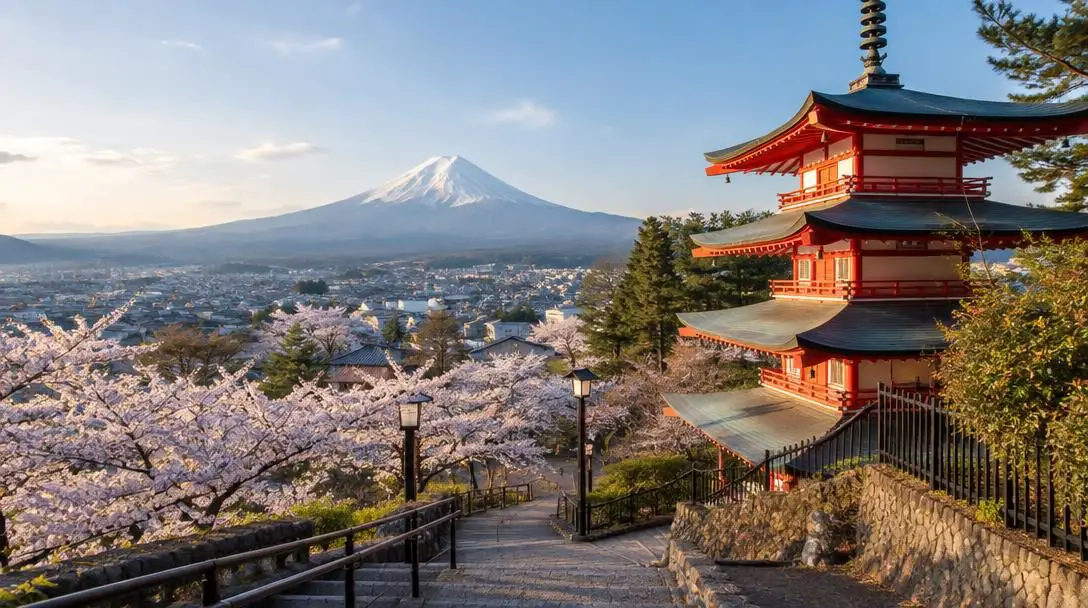
Visiting Japan has transformed dramatically over the last few decades. During the 2000s, the island nation welcomed roughly six to eight million international visitors each year, but that figure escalated rapidly across the 2010s until inbound journeys reached nearly 32 million visitors immediately prior to the COVID-19 pandemic. To sustain this massive influx, the country expanded its hospitality and tourism infrastructure, welcoming global travelers drawn to its ancient heritage, modern cities, and renowned cuisine.
Despite this surge in popularity, Japan still holds a reputation as a prohibitively expensive destination. Between long-distance transit across the islands and accommodation in dense urban centers, costs can rapidly spiral out of control for travelers without a plan. However, exploring the country does not require exorbitant spending. By understanding operational transit systems, taking advantage of unique micro-accommodations, and rethinking everyday meals, it is entirely possible to experience Japan on a reasonable budget without compromising on adventure or comfort.
Key takeaways
- Timing long-haul flights for shoulder windows like mid-April or early October through major hubs like Tokyo or Osaka yields significant savings.
- A standard Japan Rail Pass avoids costly point-to-point train fares and offers coach seating that rivals domestic first-class cabins abroad.
- Capsule hotels provide functional, clean overnight accommodations in major metropolitan centers for as little as $10 to $20 per night.
- Relying on Japanese convenience chains like 7-Eleven and 100-Yen stores delivers quality meals and travel essentials at a fraction of standard restaurant and retail prices.
- Iconic destinations like Tokyo's Senso-ji Temple and Kyoto's Fushimi Inari-Taisha Shrine charge no admission, making world-class sightseeing free.
Understanding Travel Expenses and Logistics in Japan
To keep overall expenditures modest, travelers need to recognize how pricing structures operate across Japanese transportation, lodging, food, and sightseeing. Each sector features clear, predictable cost tiers. Travelers who default to Western travel habits—such as booking standard business hotels, dining in sit-down restaurants three times a day, and purchasing individual high-speed rail tickets at station counters—often see their budgets evaporate. Conversely, replacing these habits with local, highly efficient alternatives preserves capital while offering an authentic cultural experience.
Airfare to Japan fluctuates significantly based on seasonal demand and arrival airport. The most budget-friendly airfare windows occur between March and May, as well as early autumn. Conversely, flight costs escalate steeply after October and remain elevated through the end of the year. Entering through massive international transit hubs like Tokyo or Osaka is almost always cheaper than flying directly into secondary regional airports such as Nagoya, Kagoshima, or Okinawa.
Once on the ground, long-distance domestic transit is anchored by an exceptionally reliable rail network. While single journey tickets on bullet trains can be costly, rail passes provide flat-rate access across fixed periods. Accommodations and food follow similar efficiency principles, ranging from micro-lodging units designed for urban transit layovers to retail food counters that serve balanced, fresh meals at base prices.
Navigating Japan on a modest budget is not about deprivation, but about embracing the country's remarkably efficient everyday infrastructure.
Five Essential Strategies for Budget Travel in Japan
Strategic Flight Booking

- Optimal travel windows: March to May (especially mid-April) and early October
- Cost-effective entry hubs: Tokyo and Osaka
- Higher-cost arrival points: Nagoya, Kagoshima, and Okinawa
- Budget carrier options: United (international routes), Japan Airlines (domestic flights)
Securing affordable airfare serves as the foundation of any economical journey to Japan. Flight pricing correlates directly with seasonal tourist volume and airport passenger capacity. The least expensive travel periods cluster between March and May, with mid-April offering a particularly strong balance of pleasant weather and moderate fares. Another prime window arrives in early October. Once October concludes, flight costs escalate dramatically through the end of the calendar year.
Airport selection is just as critical as timing. Tokyo handles massive passenger volumes across Haneda and Narita airports, making the capital the most economical entry gate for overseas visitors, with Osaka acting as a strong secondary option. Arriving directly into regional airports such as Nagoya, Kagoshima, or Okinawa generally results in significantly higher ticket prices. When selecting airlines, international carriers like United often deliver the most economical transpacific and transatlantic routes. If your journey requires traveling between distant islands or prefectures, booking internal domestic legs through Japan Airlines provides the most cost-effective local airfare.
Standard Japan Rail Pass
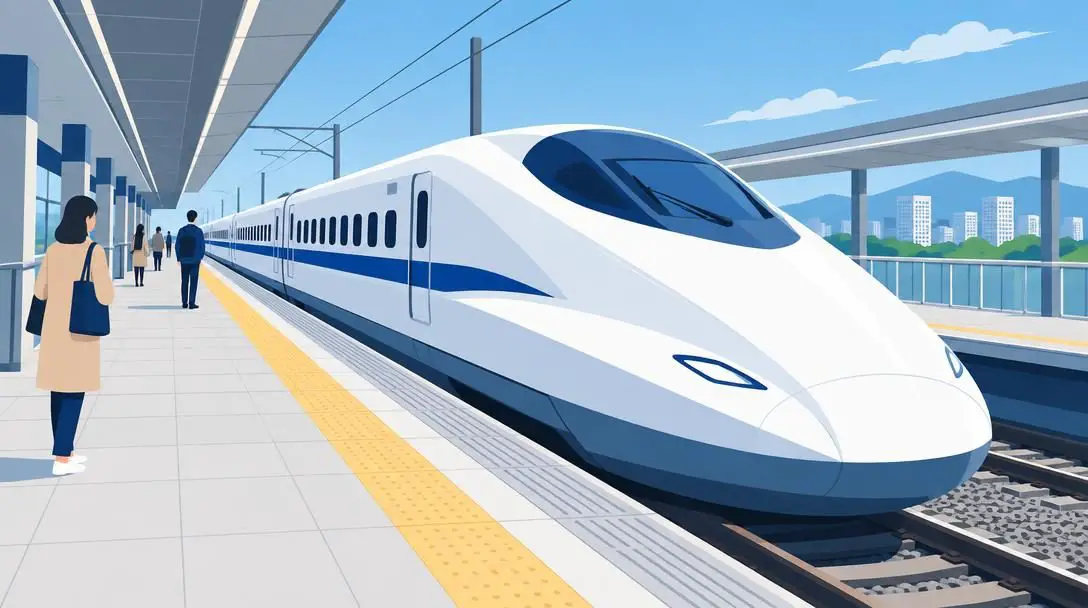
- Pass durations: One, two, or three consecutive weeks
- Baseline cost: Approximately $225 USD for a basic seven-day pass
- Car types: Standard Pass vs. upgraded Green Pass
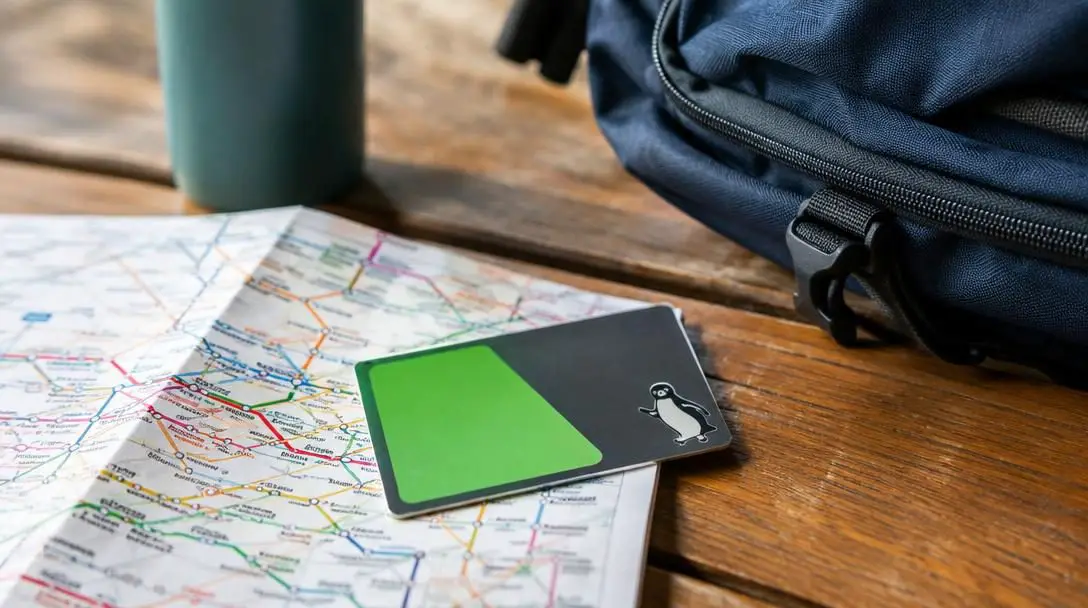
Ground transit across Japan is powered by a punctual, high-speed rail network. While convenient, buying separate, point-to-point tickets for every leg of an ambitious itinerary can rapidly drain your wallet. Rail expenses are most effectively controlled through unified ticketing credentials. Securing a Japan Rail Pass grants travelers unlimited access over continuous periods of one, two, or three weeks, bypassing the need to constantly purchase tickets or repeatedly reload local transit cards.
Although an upfront investment of approximately $225 USD for a basic seven-day pass may seem significant, it eliminates the unpredictable accumulation of long-distance rail fares. Buyers must choose between the standard pass and the premium Green Pass. The standard pass is by far the superior choice for budget-conscious travelers. Standard coach cars on Japanese trains are clean, quiet, and offer legroom and seat comfort that routinely matches or exceeds the domestic first-class experience found on American airlines. Upgrading to a Green Pass introduces unnecessary expense for a marginal change in comfort.
Capsule Hotels
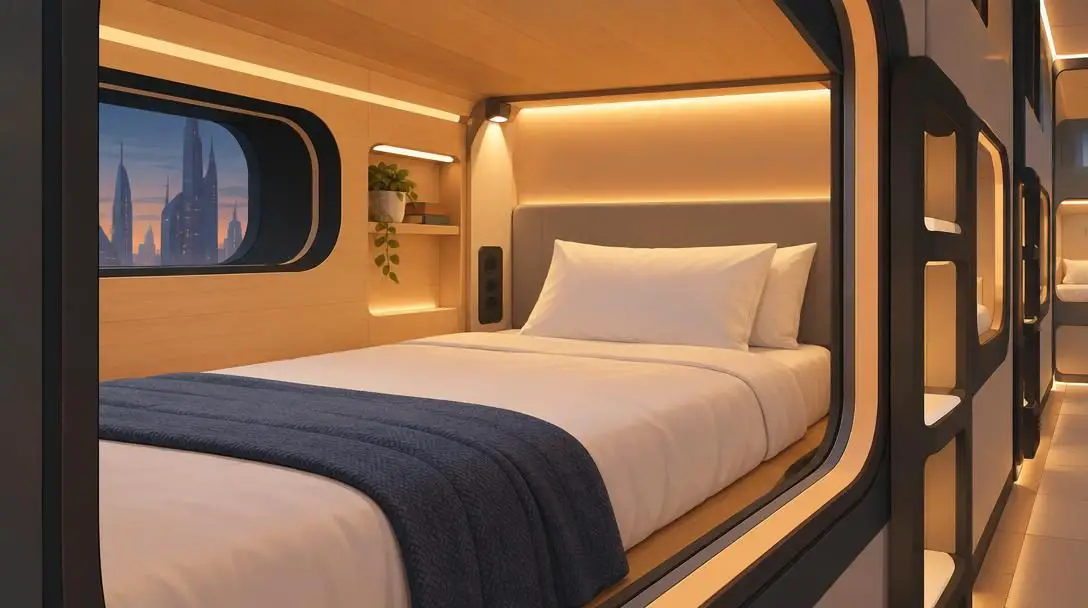
- Nightly cost: $10 to $20 for standard locations
- Design format: Stacked sleeping compartments with shared utilities
- Key features: Dedicated luggage lockers and communal bathing spaces
Lodging typically represents the largest portion of any travel budget, particularly in dense urban areas where luxury metropolitan hotels command rates climbing toward $1,000 per night. Japan addresses high urban real estate costs with a distinctive micro-accommodation model: capsule hotels. Designed conceptually like human-sized filing cabinets or stacked sleeping compartments, these properties provide guests with a private, comfortable sleeping berth alongside communal amenities.
While trendy boutique or luxury capsule designs charge higher rates aimed at international tourists, standard facilities offer overnight stays for as little as $10 to $20 per night. For travelers who plan to spend their daylight hours wandering city streets, visiting shrines, and touring cultural quarters, capsule hotels provide everything necessary for a restful night at minimal expense. Guests should review arrival procedures before booking, as facilities almost universally utilize secure luggage storage lockers and shared bathing areas to maintain an efficient physical footprint.
Convenience Chains and 100-Yen Stores
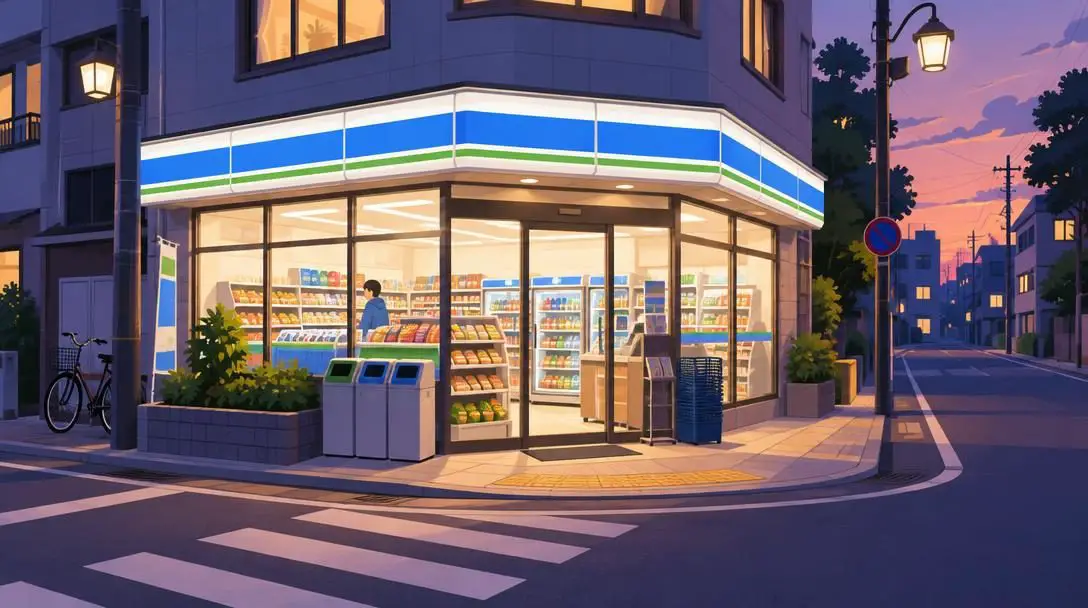
- Primary convenience brand: 7-Eleven
- Budget fast food standout: KFC
- Everyday supply retail: 100-Yen stores (analogous to Dollar General or Poundland)
Rethinking routine daily dining and supply purchases delivers substantial daily savings. Western brands operate under distinctly higher product standards in Japan than they do in their domestic markets. Rather than sitting down in expensive dining rooms for breakfast, lunch, and dinner, travelers can rely on ubiquitous convenience chains like 7-Eleven. These stores provide clean, affordable, and high-quality ready-to-eat meals, sandwiches, and hot items throughout the day and evening.
Fast-food chains follow this same trend. An outlet like KFC provides an upgraded, higher-quality dining experience compared to standard branches in the United States or Europe, making it an inexpensive option for quick meals. For personal items, toiletries, travel goods, and supplementary groceries, Japanese 100-Yen stores outperform international discount shops like Dollar General or Poundland. Picking up daily travel necessities at a 100-Yen store avoids the inflated convenience markups charged by retail kiosks located inside major train stations.
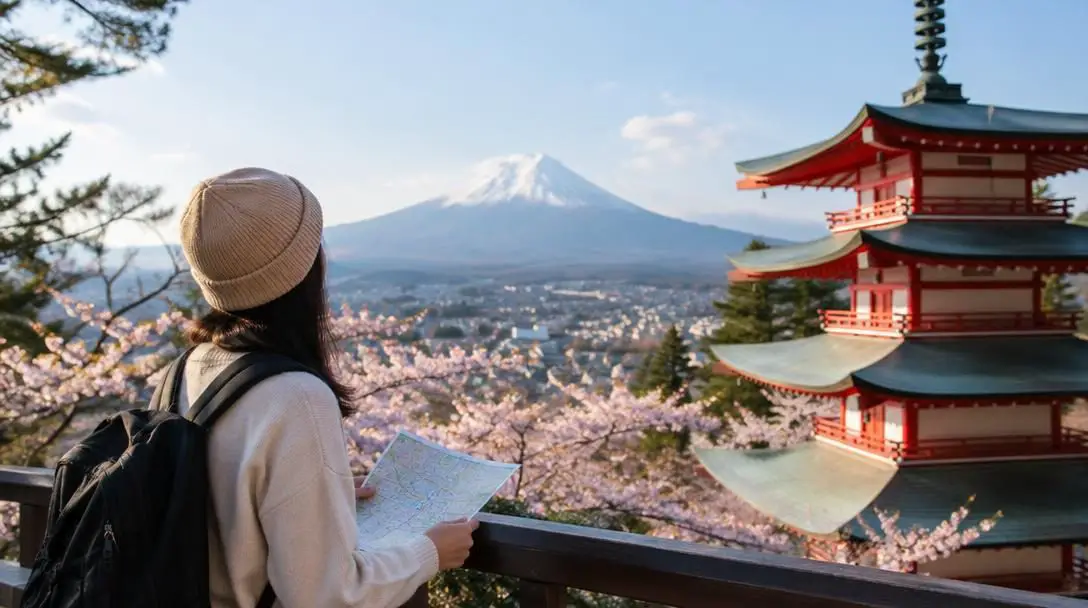
Free Cultural Landmarks
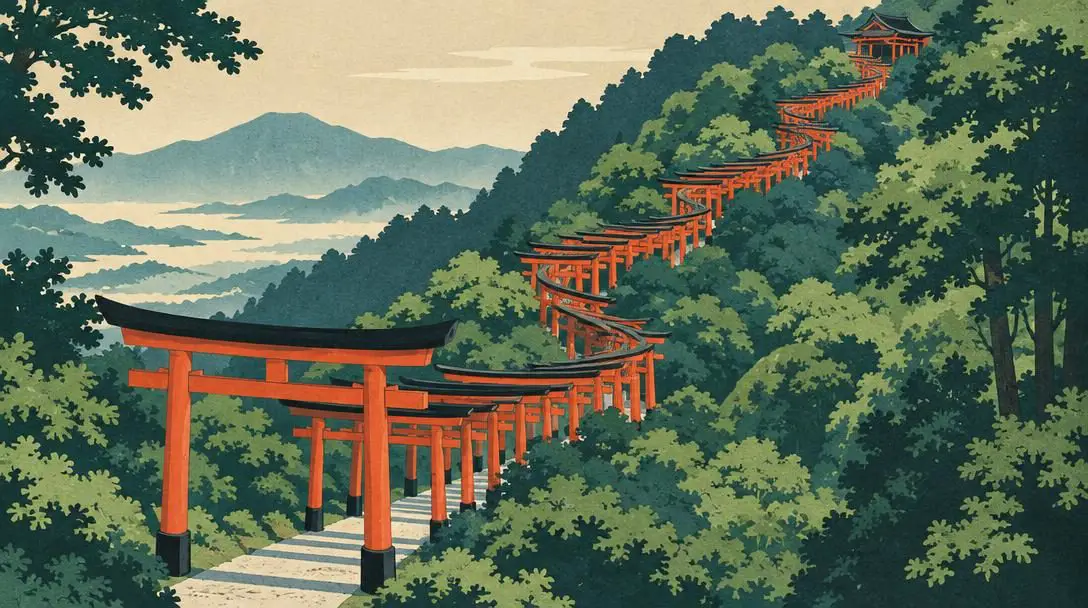
- Tokyo destination: Senso-ji Temple
- Kyoto destination: Fushimi Inari-Taisha Shrine
- Osaka destination: Dotombori District
- Costly diversions to limit: Pachinko parlors and the Pokemon Store
Sightseeing fees can quietly derail a travel budget if an itinerary leans heavily into commercial entertainment, high-tech amusement arcades, or specialized pop-culture merchandise stores. Spending afternoons playing mechanical Pachinko machines or buying collectibles at the Pokemon Store will rapidly consume your disposable funds. Fortunately, Japan features a vast array of historic, spiritual, and civic sites that require no admission fees whatsoever.
In Tokyo, visitors can walk the grounds of Senso-ji Temple without purchasing an entrance ticket. In Kyoto, travelers can hike beneath the thousands of vermilion torii gates winding up the mountain paths of Fushimi Inari-Taisha Shrine free of charge. In Osaka, taking a self-guided walking tour through the lively, neon-lit Dotombori District offers rich local atmosphere, striking canal views, and cultural immersion at zero cost. Prioritizing historic temples, public shrines, and distinctive urban neighborhoods allows travelers to experience Japan's deepest traditions without paying steep entry fees.
At a Glance: Budget vs. High-Cost Travel Choices
| Travel Category | High-Cost Option | Budget-Friendly Alternative | Typical Budget Rate / Window |
|---|---|---|---|
| International Airfare | Late October to December flights | Mid-April or early October via Tokyo/Osaka | Seasonal baseline low |
| Domestic Rail Transit | Point-to-point tickets or Green Pass | Standard Japan Rail Pass | Around $225 USD (7-day standard) |
| Urban Lodging | Metropolitan luxury hotels | Standard capsule hotels | $10 to $20 per night |
| Daily Sustenance | Full-service restaurants for all meals | 7-Eleven meals and upgraded KFC | Low-cost daily baseline |
| Sightseeing | Pachinko parlors and Pokemon Store | Senso-ji, Fushimi Inari, Dotombori | Free admission ($0) |
Step-by-Step Guide to Planning an Affordable Itinerary
Translating these strategies into concrete savings requires deliberate preparation before your departure date and disciplined execution once you land. Following a structured planning sequence ensures your funds stretch across your entire stay:
- Time your departure window: Book flights targeting mid-April or early October. Select Tokyo or Osaka as your port of entry, avoiding smaller regional airports like Nagoya, Kagoshima, or Okinawa to prevent high landing fares.
- Purchase your rail pass in advance: Calculate the transit duration required across your route and purchase a one-week, two-week, or three-week standard Japan Rail Pass. Choose the standard pass instead of the Green Pass to maximize your transit savings.
- Reserve capsule hotels for city stays: For layovers in dense metropolitan centers, secure bookings at standard capsule hotels running between $10 and $20 per night. Verify their luggage locker policies and check-in procedures before arriving.
- Establish a daily meal routine: Rely on convenience chains like 7-Eleven for quick breakfasts, bento lunches, and snacks, supplemented by casual spots like KFC. Purchase travel toiletries and sundries at 100-Yen stores rather than transit station kiosks.
- Build days around open cultural sites: Construct your daily sightseeing schedules around zero-admission historic attractions like Kyoto's Fushimi Inari-Taisha Shrine, Tokyo's Senso-ji Temple, and self-guided walking tours through Osaka's Dotombori District.
Common Financial Mistakes to Avoid
Even diligent travelers frequently stumble into habits that silently drain their funds. Being aware of these pitfalls before departure helps keep your overall travel spending predictable and controlled:
- Paying for unnecessary rail upgrades: Purchasing the first-class Green Pass option is an avoidable expense. Standard Japanese rail coach cars provide exceptional cleanliness, ample legroom, and high comfort that rival domestic first-class cabins abroad.
- Booking domestic flights through international partner carriers: When connecting between distant regions inside the country, travelers often default to global alliance airlines. Booking internal flights directly through Japan Airlines provides far cheaper domestic rates.
- Assuming global chains match their Western counterparts: Foreign visitors sometimes avoid familiar convenience and fast-food storefronts assuming the food is low quality. In Japan, establishments like 7-Eleven and KFC maintain high culinary standards while offering affordable meals.
- Overspending on commercial entertainment: Spending extensive time in Pachinko gaming parlors or purchasing high-priced branded merchandise at specialty retail shops like the Pokemon Store can rapidly undo days of disciplined spending.
- Defaulting to traditional luxury hotels: Reserving standard Western hotel rooms in primary city districts can cost upwards of $1,000 per night. Overlooking capsule hotels for brief layovers needlessly increases your accommodation costs.
Frequently asked questions
Is the standard Japan Rail Pass comfortable enough for long journeys?
Yes. The standard coach cars on Japanese trains are clean, spacious, and well-maintained, providing seat comfort and legroom that match or exceed domestic first-class airline cabins in the United States. The Green Pass upgrade is an unnecessary expense for budget travelers.
What amenities can I expect when staying at a capsule hotel?
Standard capsule hotels, which cost between $10 and $20 per night, provide a private sleeping compartment with a flat mattress, shared modern bathing facilities, and secure luggage storage lockers to stow your bags.
Which months offer the cheapest airfare into Japan?
The most affordable travel windows generally run from March through May, particularly mid-April, along with early October. Once October ends, airfares rise significantly through the winter holiday season.
Can you eat healthy, high-quality food from Japanese convenience stores?
Yes. Unlike convenience stores in many Western countries, Japanese chains like 7-Eleven offer fresh, high-quality ready-to-eat meals, pre-packaged lunches, and nutritious snacks at very economical price points.
Which major Japanese tourist attractions do not charge an entrance fee?
Major historic and cultural destinations such as Senso-ji Temple in Tokyo and Fushimi Inari-Taisha Shrine in Kyoto are completely free to enter. In Osaka, walking through the vibrant Dotombori District also costs nothing.
The Bottom Line
Japan does not have to be an intimidating or prohibitively expensive destination. While luxury accommodations, commercial shopping districts, and unreserved bullet train journeys can quickly mount up, the country's exceptional public infrastructure provides unmatched alternatives for budget-conscious travelers. By timing your flight bookings, utilizing standard rail credentials, embracing capsule lodging, eating at convenience chains, and prioritizing free historic landmarks, you can experience the best of Japan's culture and cities on a disciplined, sensible budget.