From Mainframes to Microprocessors: A Brief History of Computing Hardware
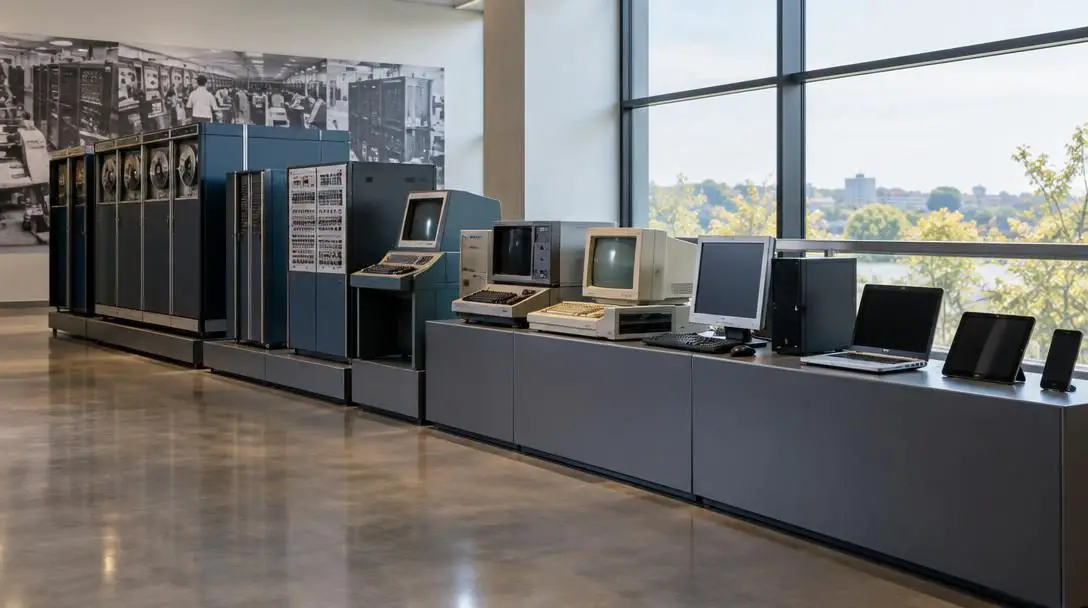
Computing hardware has undergone a continuous transformation since the early nineteenth century, shifting from purely mechanical gears and steam-era concepts to integrated silicon chips and pocket-sized supercomputers. This physical progression reflects a steady drive toward miniaturization, energy efficiency, and universal access, fundamentally reshaping how societies organize information, conduct business, and manage daily life.
Every major leap in hardware architecture has democratized computing power, turning massive institutional installations once restricted to governments and major corporations into compact consumer devices. Exploring the trajectory from early punch-card mechanisms to microprocessors and mobile system chips provides vital perspective on how modern computing platforms operate and where computer engineering is headed next.
Key takeaways
- The conceptual foundation of programmable computing dates back to the early nineteenth century with Charles Babbage's Analytical Engine.
- Vacuum tubes established electronic switching in the 1930s, replacing physical mechanical switches before giving way to centralized mainframe systems in the 1950s.
- The development of single-chip microprocessors by Intel in the early 1970s made small, affordable personal computers commercially viable.
- IBM standardized the personal computer architecture in 1981 by combining Intel processors with Microsoft's MS-DOS operating system.
- Modern computing centers on mobile architectures running iOS and Android, while future horizons explore virtual reality, artificial intelligence, and quantum computing.
Key Milestones in the Evolution of Computing Hardware
The progression of computing machinery is marked by definitive breakthroughs in physical architecture. Each breakthrough tackled previous engineering limitations regarding size, thermal load, manufacturing cost, and calculating speed.
Analytical Engine
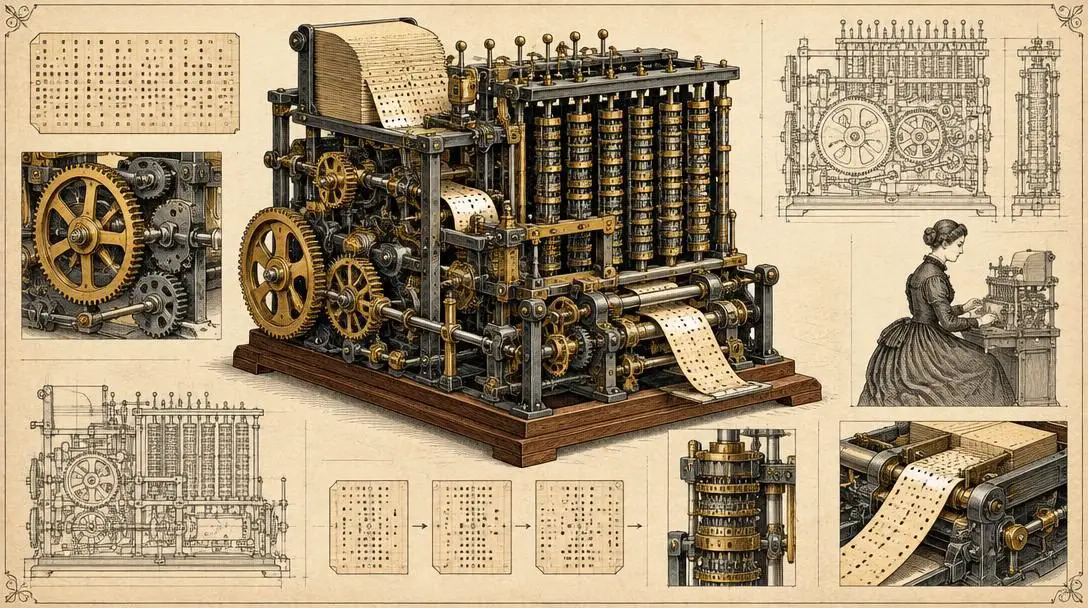
- Origin Era: Early 19th century
- Inventor: Charles Babbage
- Input Medium: Stiff paper punch cards
- Operational Status: Designed conceptually; never completed during inventor's life
The earliest ancestor of modern computational hardware was conceptualized by Charles Babbage in the early nineteenth century. Known as the Analytical Engine, this ambitious design was engineered to perform complex mathematical calculations through purely mechanical linkages, gears, and levers. To input data, the engine relied on punch cards—a technique borrowed from textile manufacturing that encoded instructions through physical perforations. Although manufacturing tolerances and financial constraints prevented the Analytical Engine from being built during Babbage's lifetime, it established the foundational model of separating processing mechanisms from data storage and input systems.
Vacuum Tube Systems
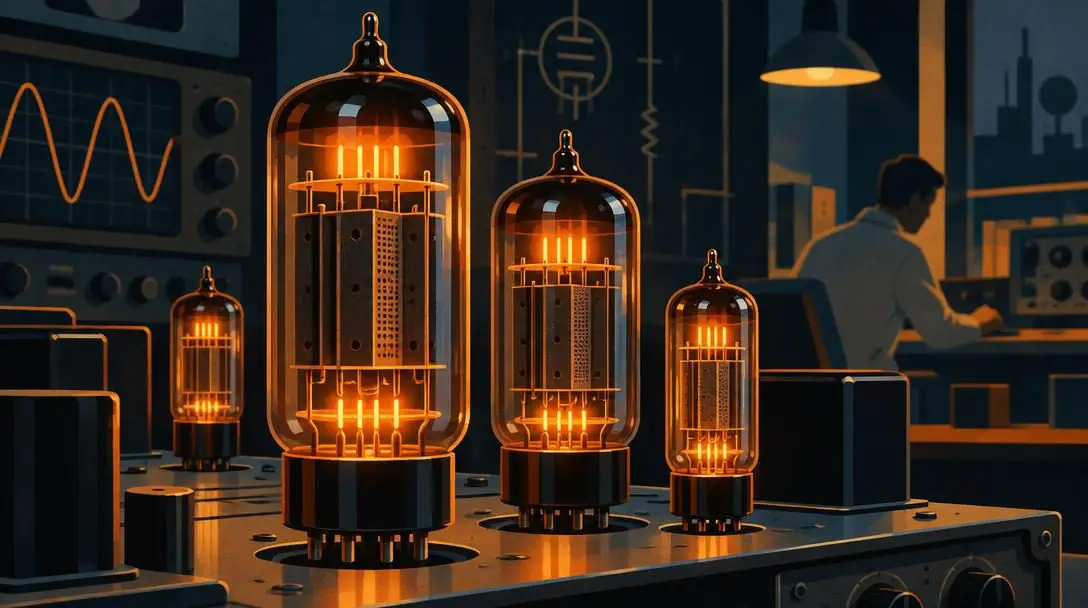
- Introduction Era: 1930s
- Primary Role: Electronic switching mechanism
- Major Constraint: Heavy power draw and extreme heat generation
- Technological Predecessor: Mechanical relays and punch cards
In the late nineteenth century, punch cards gained independent momentum as an essential medium for government and commercial record-keeping, persisting across business systems well into the twentieth century. By the 1930s, physical computing underwent an electronic revolution with the introduction of vacuum tubes. By controlling electrical current inside a sealed glass enclosure, vacuum tubes acted as rapid electronic switches without moving physical parts. This design allowed mathematical operations to proceed far faster than mechanical gears allowed, though their substantial power requirements and physical bulk restricted their use to room-sized experimental equipment.
Mainframe Computers
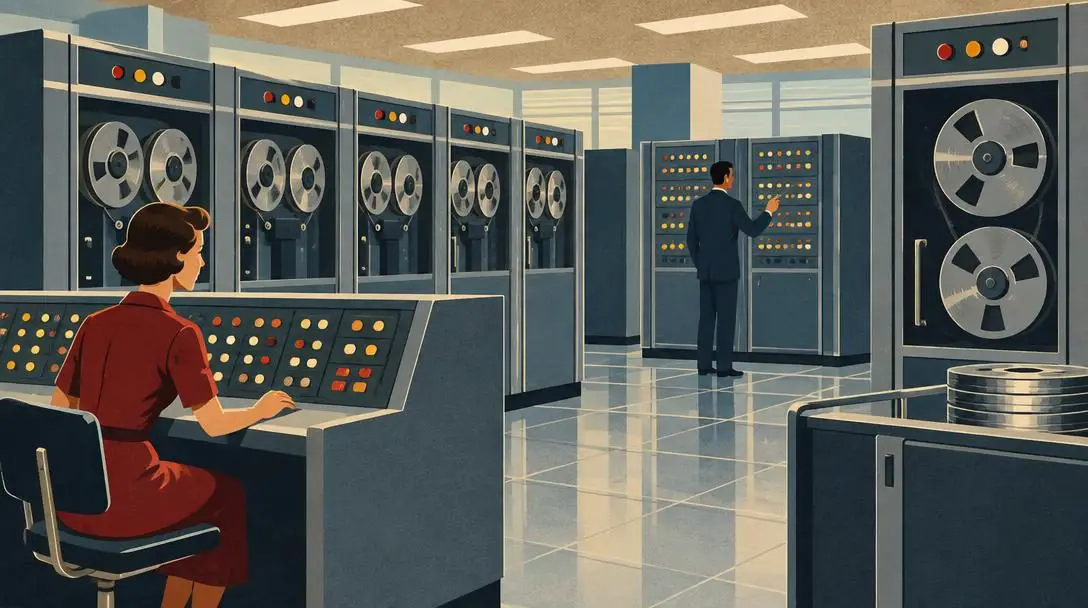
- Introduction Era: 1950s
- Primary Users: Government agencies and large corporations
- Core Hardware Components: Central processor cabinets, magnetic tape drives, card readers
- Operational Model: Centralized batch processing managed by technical specialists
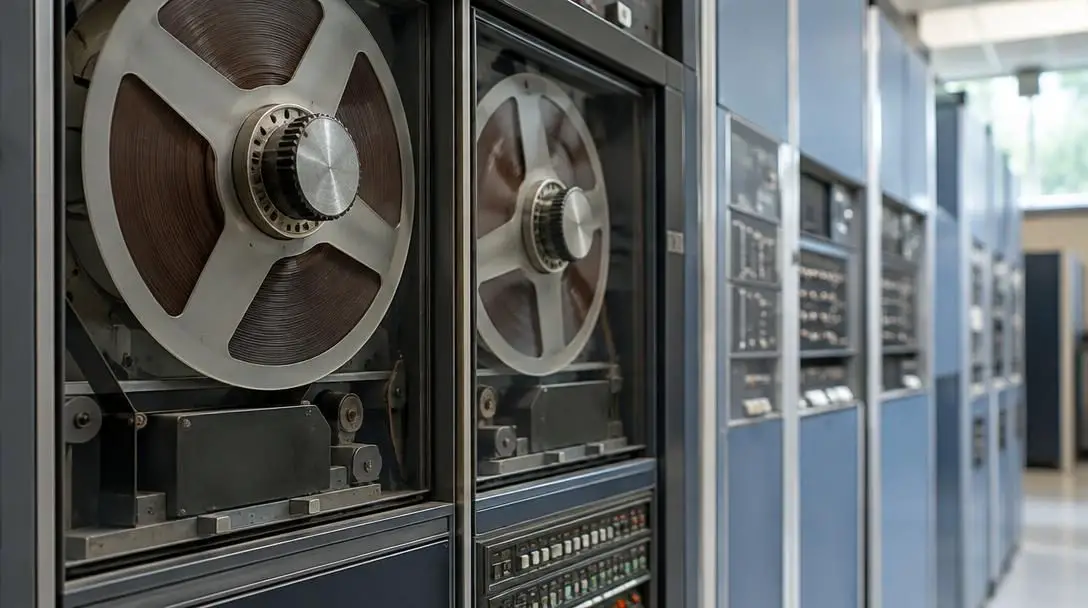
By the 1950s, computing hardware entered the commercial and institutional sectors through the development of the first mainframes. These machines were massive installations housing interconnected cabinets of processors, magnetic tape systems, and punch-card inputs. Mainframes processed large-scale institutional workloads, including census figures, national defense logistics, and corporate financial ledgers. Because these systems cost extraordinary sums and required specialized technical personnel to operate complex physical consoles, their deployment remained restricted to well-funded enterprises and governmental bodies.
Minicomputers
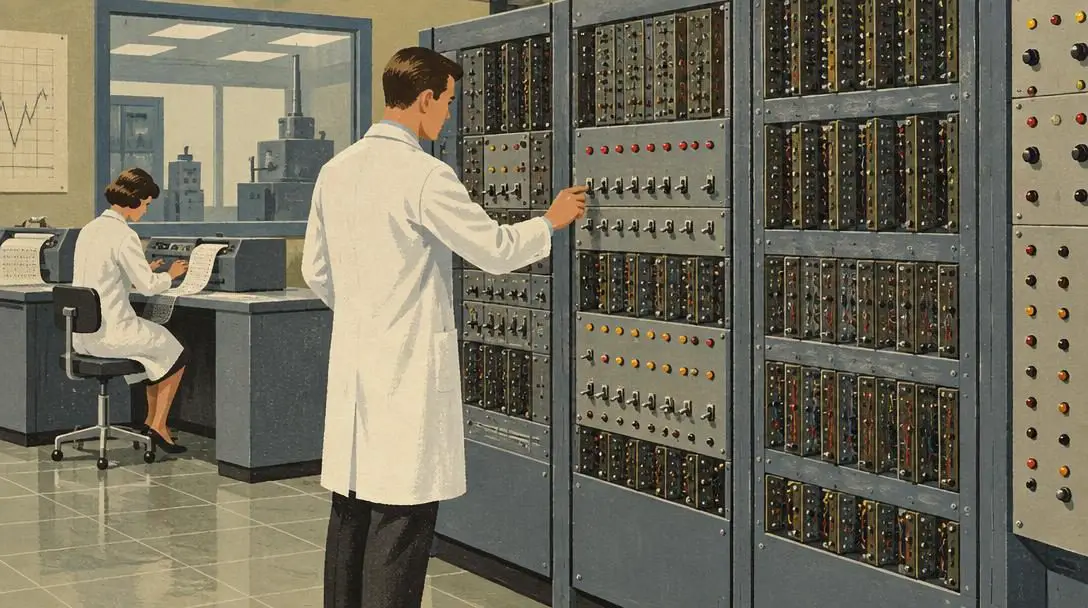
- Introduction Era: 1960s
- Target Organizations: Scientific research laboratories and smaller businesses
- Primary Use Cases: Dedicated data analysis and research computing
- Distinction: Lower acquisition cost and smaller footprint than mainframes
The rigid centralization of the mainframe era prompted hardware designers to seek smaller, more economical alternatives. Introduced in the 1960s, minicomputers bridged the gap between enterprise-level mainframes and departmental needs. By shrinking chassis dimensions and lowering acquisition costs, minicomputers allowed university laboratories, research facilities, and mid-sized commercial entities to perform specialized scientific research and data analysis in-house, bypassing the bureaucratic queues of centralized mainframe centers.
The Personal Computer and Microprocessor
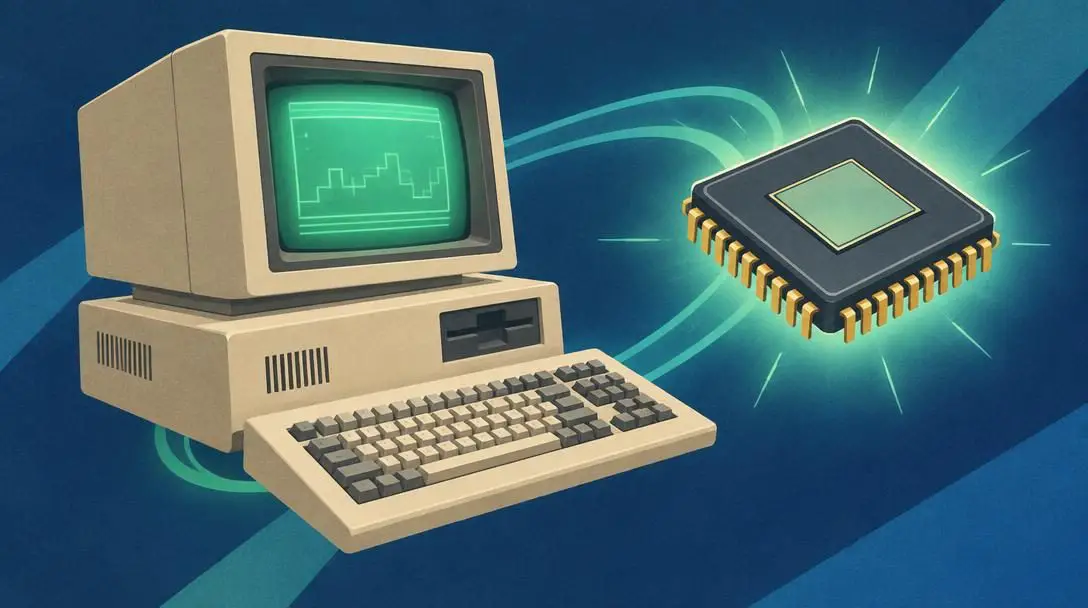
- Microprocessor Debut: Early 1970s by Intel
- Standardization Milestone: IBM PC introduced in 1981
- Primary Operating System: Microsoft MS-DOS
- Target Audience: Individual users and office workstations
The definitive turning point in modern hardware arrived in the early 1970s when Intel introduced the first commercial microprocessors. By condensing logic circuits, control units, and registers onto a single silicon chip, microprocessors eliminated the sprawling wiring and multi-board assemblies previously required for central processing units. This architectural leap enabled the birth of personal computers: small, affordable machines designed for individual use.
In 1981, IBM introduced the IBM PC, which rapidly cemented the global standard for desktop computing hardware. By pairing an Intel microprocessor with Microsoft's MS-DOS operating system, IBM created an accessible, standardized platform that established computing hardware as an indispensable office tool and a consumer staple.
The development of microprocessors marked a monumental breakthrough by consolidating multiple critical hardware components onto a single silicon chip.
Smartphones and Tablets

- Early Mobile Era: 1990s handheld phones
- Smartphone Era: Early 2000s with touch displays and mobile OSs
- Tablet Emergence: Mid-2000s for portable media and computing
- Operating Platforms: Apple iOS and Google Android
The 1990s introduced early mobile devices designed primarily for wireless voice calls and simple text messaging. As component fabrication matured, engineers integrated miniaturized radio modules, low-power processing cores, and digital displays into handheld enclosures. In the early 2000s, this evolution produced the smartphone—a full-featured personal computer engineered to fit into a pocket, running operating systems like Apple's iOS and Google's Android to execute diverse software applications.
By the mid-2000s, the introduction of tablets extended this mobile hardware architecture into larger form factors. Utilizing the same mobile operating systems as smartphones, tablets paired larger touchscreens with higher-capacity batteries and more powerful processors, offering a versatile balance between desktop-grade media viewing and handheld mobility.
Comparing Hardware Eras Across Seven Decades
The transitions between computing eras reflect distinct hardware mechanisms, form factors, and target operators. The following table summarizes how physical computing architectures evolved from early institutional mainframes to modern mobile devices.
| Hardware Category | Era Introduced | Core Processing Mechanism | Primary Intended User | Typical Use Case |
|---|---|---|---|---|
| Mainframes | 1950s | Discrete component banks and vacuum tubes | Governments and enterprise corporations | Large-scale institutional data processing |
| Minicomputers | 1960s | Multi-board modular circuit assemblies | Smaller businesses and scientific labs | Scientific calculations and departmental analysis |
| Personal Computers | 1970s–1980s | Single-chip microprocessors (Intel) | Individual users and small offices | General-purpose computing via MS-DOS |
| Smartphones | Early 2000s | Low-power system chips with integrated radios | General consumers and mobile professionals | Pocket communication, web, and mobile apps |
| Tablets | Mid-2000s | High-performance mobile system processors | Consumers, educators, and field workers | Portable media, digital reading, and touch applications |
How Core Hardware Mechanisms Function
To grasp why computing hardware evolved so rapidly, it is necessary to examine the physical mechanisms that stored data and carried out logical instructions across each generation.
Early mechanical hardware, including Charles Babbage's designs and late-nineteenth-century tabulating equipment, used punch cards made of stiff paper. Perforations in the paper interrupted or permitted mechanical pins or electrical sensors to register numeric values. While robust enough for long-term record-keeping, mechanical reading systems suffered from physical wear and slow data entry rates.
The vacuum tube introduced in the 1930s replaced mechanical moving parts with thermionic emission. Inside a sealed vacuum bulb, an electric filament produced a flow of electrons toward an anode. By modulating an electrical grid between them, the tube functioned as a high-speed electronic switch, alternating between on and off states. This enabled binary calculation at speeds thousands of times faster than mechanical gears, but the tubes generated tremendous heat, consumed vast amounts of electricity, and burned out frequently.
Mainframe installations in the 1950s organized thousands of discrete electronic components into vast cabinet banks, coordinating them with magnetic tape storage drives, magnetic drum memories, and centralized card readers. These systems processed data in large sequential batches, requiring dedicated air-conditioned facilities and round-the-clock maintenance by technical engineers.
The microprocessor breakthrough introduced by Intel in the early 1970s integrated arithmetic logic units, control registers, and memory interfaces onto a microscopic silicon substrate. Etching microscopic circuit paths directly onto silicon minimized the physical distance electrical signals had to travel. This drastic reduction in path length produced three major benefits: it cut electrical resistance, reduced heat emissions, and increased processing speeds, allowing machines like the 1981 IBM PC to sit comfortably on standard office desks.
Modern mobile hardware architectures combine the central processing core, graphics engines, power regulators, and wireless network chips onto unified, highly efficient system chips. Running operating systems like Apple's iOS and Google's Android, these chips dynamically scale clock frequencies up or down millisecond by millisecond, preserving battery life during idle periods while providing intense processing bursts for rich applications.
Practical Steps for Exploring and Managing Hardware History
For organizations evaluating technological transitions, legacy infrastructure, or educational coursework, tracing physical hardware developments provides actionable insight into current system design. Follow these steps to analyze and audit computing hardware progression:
- Audit Existing Equipment: Inventory any legacy systems or older components currently in your home or workplace, cataloging them by era, internal processor type, and storage bus interfaces.
- Study Primary Architecture Concepts: Compare multi-board processing designs from 1960s minicomputers with early single-chip microprocessors to understand how component consolidation improves efficiency.
- Examine Operating System Compatibility: Review how hardware interfaces changed over time by comparing the physical BIOS and disk access of MS-DOS on the 1981 IBM PC with the sensor and touch-driven hardware layers of iOS and Android.
- Simulate Historical Architectures: Run software emulators that mirror early microprocessors to observe firsthand how software performed under constrained memory, low clock speeds, and discrete bus limitations.
- Assess Ongoing Hardware Needs: Align your computational tasks to appropriate form factors, identifying whether your daily workflow demands the sustained computing throughput of personal computers or the battery life and portability of smartphones and tablets.
Common Mistakes When Assessing Hardware Evolution
Analyzing computing history often involves cutting through popular myths and retrospective assumptions. Avoiding these common analytical errors ensures a clearer understanding of how computing hardware actually developed:
- Assuming Early Concepts Were Immediately Operational: It is easy to assume Charles Babbage's early nineteenth-century Analytical Engine launched computational hardware in practice. In reality, the machine was never completed during his lifetime, and fully operational electronic hardware did not arrive until the twentieth century.
- Ignoring the Physical Constraints of Vacuum Tubes: Vacuum tubes are often celebrated simply for replacing mechanical switches. However, overlooking their severe power draw, physical size, and extreme heat generation obscures why early computing machines remained inaccessible to the general public.
- Confusing Mainframes with General-Purpose Desktops: Retroactive accounts sometimes treat 1950s mainframes as direct forebears to personal computers. In truth, mainframes were centralized institutional installations run by dedicated teams, completely separate from individual workstations.
- Underestimating the Power of Industry Standardization: Focusing solely on raw processor clock speed ignores the critical role of architecture standards. The 1981 IBM PC succeeded because its combination of an Intel microprocessor and Microsoft's MS-DOS established a predictable, reproducible standard for third-party expansion.
- Equating Mobile Devices with Miniaturized Desktops: Assuming smartphones and tablets are simply smaller versions of desktop PCs overlooks their unique low-power silicon designs, sensor integrations, and battery-centric mobile operating systems.
Emerging Horizons in Computing Hardware
The progression that carried computing from mechanical gears to microprocessors continues to push physical limits. Emerging technologies are moving beyond classical silicon chip paradigms to support more demanding computational workloads.
Virtual reality (VR) hardware represents a significant step forward in human-computer interfaces. By utilizing head-mounted displays, spatial positioning sensors, and handheld tracking controllers, VR systems generate responsive simulated environments. Smooth virtual reality experiences demand specialized, ultra-low-latency display processors and motion-tracking hardware, unlocking interactive use cases across healthcare rehabilitation, educational simulations, and gaming.
Artificial intelligence (AI) workloads have similarly prompted new hardware requirements. AI software relies on complex algorithms to perform tasks that historically required human intelligence, such as natural language processing and computer vision image recognition. Because conventional desktop architectures struggle with these massive parallel calculations, specialized processing hardware has emerged to deliver high-throughput computing power for critical operations in transportation, automated finance, and diagnostic medicine.
Quantum computing breaks fundamentally with the binary switching logic established during the vacuum-tube and microprocessor eras. Classical computers process information through transistors held in definite binary states of zero or one. Quantum computing systems, by contrast, utilize quantum-mechanical principles such as superposition and entanglement. This capability enables quantum hardware to evaluate complex mathematical permutations simultaneously, opening possibilities for rapid scientific advances in molecular modeling, pharmacology, advanced cryptography, and complex financial analysis.
Frequently asked questions
Why was Charles Babbage's Analytical Engine never finished?
Charles Babbage designed the Analytical Engine in the early nineteenth century to use punch cards and mechanical gears for calculations. However, the machine was never completed during his lifetime due to funding difficulties and the mechanical engineering limitations of the era.
What major advantage did vacuum tubes offer over early mechanical computers?
Vacuum tubes functioned as electronic switches without moving physical parts, alternating electrical states far faster than mechanical gears. However, their physical bulk, heavy power consumption, and substantial heat generation kept them limited to large institutional applications.
How did minicomputers differ from 1950s mainframes?
Introduced in the 1960s, minicomputers were smaller and far less expensive than mainframes. This allowed scientific research laboratories, universities, and smaller commercial businesses to deploy computing power directly in their facilities rather than relying on centralized enterprise mainframes.
Why was the 1981 IBM PC so important to hardware history?
The 1981 IBM PC established an enduring industry standard for personal computing by combining an Intel microprocessor with Microsoft's MS-DOS operating system, providing a stable platform for software and hardware developers worldwide.
How does quantum computing hardware differ from classical microprocessors?
Classical microprocessors use electronic switches that register distinct binary states of zero or one. Quantum hardware leverages physical principles like superposition and entanglement, allowing it to perform calculations impossible on classical systems.
The Bottom Line
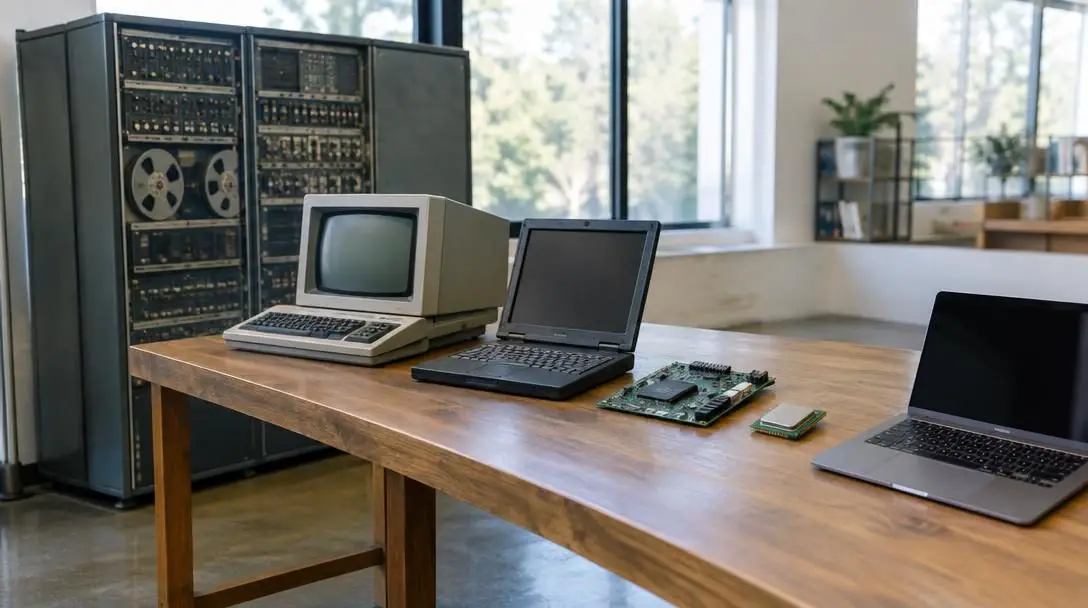
The history of computing hardware demonstrates an unrelenting trend toward smaller, more efficient, and more widely accessible technology. The conceptual foundation laid by Charles Babbage's punch-card-driven Analytical Engine eventually gave way to the electronic switching of vacuum tubes, the enterprise power of 1950s mainframes, and the mid-sized accessibility of 1960s minicomputers.
When Intel placed processing circuits onto a single microprocessor chip in the early 1970s, it laid the groundwork for the modern technological landscape. Standardized by the 1981 IBM PC and subsequently transformed by mobile smartphones, tablets, and mobile operating systems, computing has shifted from room-sized machinery to pocket-sized devices. As emerging fields like virtual reality, artificial intelligence, and quantum computing advance, hardware architecture will continue to evolve, unlocking computational capabilities once thought impossible.