Germany On A Budget: 5 Essential Tips

Germany has established itself as one of the premier travel destinations globally, welcoming an average of around 40 million visitors every year. Travelers from all corners of the globe are drawn to Deutschland by its profound historical depth, modern infrastructure, and vibrant cultural traditions. From storied architectural landmarks to efficiently organized cities, the country presents an exceptionally appealing landscape for international exploration. Yet despite its popularity, a persistent misconception prevents many prospective tourists from making the journey: the belief that exploring Germany requires an exorbitant travel budget.
Because of this financial assumption, many travelers unnecessarily delay or abandon their plans altogether. In reality, Germany remains one of the most accessible and affordable destinations in Western Europe if you know how to navigate major travel expenses. By learning the mechanics of flight routing, seasonal price fluctuations, urban public transportation, alternative lodging options, and everyday dining, anyone can experience the richness of German culture without draining their savings.
Key takeaways
- Shifting your flight destination from major hubs like Frankfurt to secondary airports such as Berlin-Schönefeld, Hamburg, or Düsseldorf can cut ticket prices into the three-figure range.
- Visiting during the winter months yields deep discounts on transit and lodging, with February ranking as the single cheapest month of the year to explore the country.
- Germany boasts world-class public transit where short single trips cost under two Euros and unlimited 24-hour passes cost around 10 Euros, eliminating the need for car rentals or taxis.
- Staying in high-quality hostels—including converted historic estates and castles—costs around 30 Euros per night, while short-term apartment rentals lower incidental costs through domestic amenities.
- Embracing casual street food staples like bratwurst, fresh pretzels, and kumpir provides hearty, authentic meals at a fraction of sit-down restaurant prices.
Five essential strategies for affordable German travel
Managing travel expenses across Germany does not mean sacrificing comfort or missing out on cultural highlights. Rather, it requires a conscious pivot away from corporate tourism infrastructure toward practical, local alternatives. Implementing these five core strategies will dramatically lower your baseline expenses across transportation, accommodation, and daily sustenance.
1. Strategic Airport Selection
Airfare typically represents the single largest upfront expense when journeying to Europe, particularly for travelers crossing the Atlantic from the United States. Where you choose to touch down can dramatically influence your overall vacation budget. Certain airports feature lower landing fees, greater competition among low-cost carriers, and specialized regional routes that save hundreds of dollars right at the start of an itinerary.
For long-haul travelers flying out of the United States, round-trip flights directly into Germany's primary international aviation hub, Frankfurt, average just over $1,000. While Frankfurt ranks as the fifth cheapest entry point into the country, travelers aiming for round-trip ticket prices sitting squarely in the three-figure range should look toward regional airports such as Hamburg, Berlin Tegel, or Düsseldorf. These secondary hubs frequently offer significantly lower entry costs.
For visitors whose primary destination is the German capital, Berlin-Schönefeld serves as the ultimate low-cost entry point. While Berlin-Schönefeld is much smaller than massive transit hubs like Frankfurt or Berlin-Brandenburg, it acts as a primary operating base for budget airlines. Although you will not find direct transatlantic flights connecting American cities to Berlin-Schönefeld, travelers can easily book an affordable connecting flight through major European transfer gateways such as London, Barcelona, or Istanbul.
If you prioritize the convenience of nonstop transatlantic routing, direct flights operate out of select American departure cities. Major transit centers including Atlanta, Detroit, New York City, and Denver offer nonstop service straight into Germany, giving international passengers a dependable balance between direct transit times and budget management.
| Airport | Relative Pricing Level | Flight Route Connections | Key Budget Advantage |
|---|---|---|---|
| Frankfurt Airport | Averages just over $1,000 | Direct nonstop routes from Atlanta, Detroit, New York City, Denver | Fifth cheapest entry point; extensive global long-haul connectivity |
| Berlin-Schönefeld Airport | Three-figure pricing | Connecting flights via London, Barcelona, Istanbul | Ultimate low-cost entry point for travelers visiting Berlin |
| Hamburg Airport | Three-figure pricing | Regional and intra-European budget connections | Substantial airfare savings over major international hubs |
| Düsseldorf Airport | Three-figure pricing | Extensive European carrier networks and regional transfers | Competitive pricing sitting comfortably in the three-figure range |
2. Winter Season Travel
Seasonal timing directly dictates hotel rates, airfares, and overall tourist density. While many global vacation destinations lose their charm once warmer weather fades, Germany retains its character, cultural appeal, and urban vitality throughout the entire year. Because the nation is renowned for architectural heritage, museum collections, historical landmarks, and rich cultural traditions rather than coastal beach resorts, a winter landscape provides an authentic and deeply atmospheric setting.
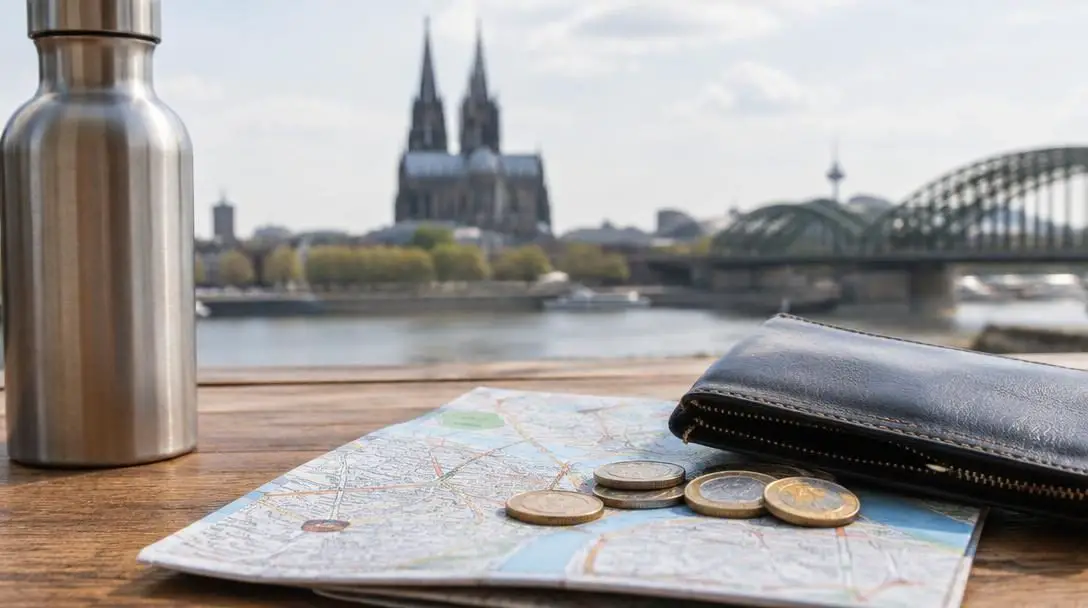
Traveling during the winter months yields a massive price difference compared to peak summer tourism, unlocking hundreds of dollars in savings on flights and lodging.
Booking your vacation during the winter season unlocks substantial cost reductions. Within this winter travel window, December and January deliver exceptional savings relative to peak summer pricing, while February ranks as the single cheapest month of the year to travel across Germany. Traveling in February allows budget-conscious visitors to secure bottom-tier pricing on both international flights and local accommodations.
Travelers arriving from northern regions of the United States will find the German winter climate familiar and manageable. On average, German winter temperatures run slightly warmer than many northern American states. Coldest stretches typically see average lows around 23 degrees Fahrenheit, while daytime highs average around 41 degrees Fahrenheit. Braving these brisk temperatures with layered clothing is the single most effective scheduling choice for slashing travel costs.
3. Urban Public Transit Networks
Germany possesses one of the cleanest, most punctual, and most comprehensive infrastructure networks in the world. As a consequence, cost-conscious visitors have zero need to pay for rental cars, expensive parking garages, fuel, or private taxis. Urban transit systems integrate seamlessly across regional trains, commuter rails, trams, buses, and underground subways.
Berlin consistently ranks among the top ten cities worldwide for public transportation quality. A central pillar of mobility in the capital is the rapid transit network, exemplified by the Berlin U-Bahn. Much like the subway system in New York City, the U-Bahn moves millions of commuters rapidly across urban sectors every single day. The system also reflects local culture in memorable ways: on weekend nights, train cars and station platforms frequently take on an energetic, social atmosphere that feels like an impromptu party on rails.
Navigating these transit networks is straightforward and budget-friendly:
- Short individual trips: Reduced-fare tickets for short hops cost lower than two Euros per ride.
- Long-distance urban rides: Even the longest single routes traversing the entire municipal transit network cost less than four Euros per trip.
- Daily unlimited transit passes: Travelers intending to sightsee throughout the day can purchase a 24-hour pass for around 10 Euros, granting unlimited access to all trains, subways, trams, and buses across the network.
4. Alternative Accommodations and Historic Hostels
While traditional hotels are plentiful throughout Germany's major metropolitan areas, they cater heavily to corporate travelers, trade fairs, and commercial business conventions. This constant corporate demand keeps standard nightly room rates high. Vacationers seeking an authentic cultural experience without high hospitality markups have excellent alternative lodging avenues.
Short-term apartment and home rentals arranged through platforms like Airbnb and VRBO allow visitors to base themselves directly inside vibrant residential neighborhoods. In addition to offering nightly rates that are frequently lower than those of standard mid-tier business hotels, apartments come equipped with domestic amenities such as kitchens and laundry facilities. Having access to a private kitchen eliminates the need to dine out for every meal, cutting everyday incidental expenses dramatically.
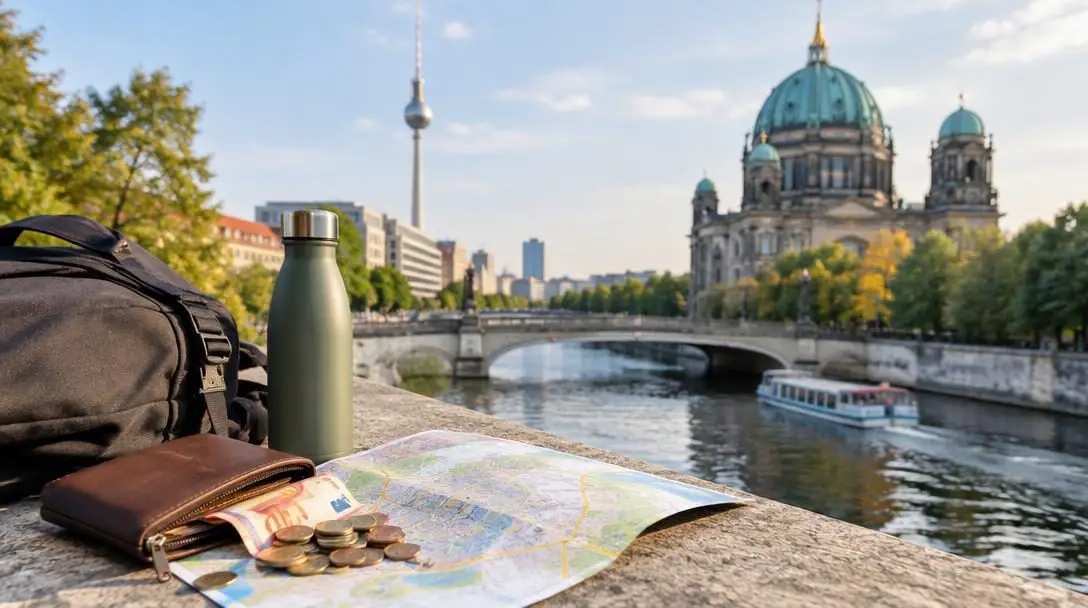
Hostels represent another exceptional option in Germany, consistently earning glowing reviews and top international rankings from independent globetrotters. German hostels have evolved far beyond basic institutional dormitories; the country features expansive modern hospitality complexes, converted historic estates, and even genuine medieval castles. Booking a bed in a quality German hostel typically costs only about 30 Euros per night, providing dependable, secure lodging alongside an easy venue for meeting fellow independent travelers.
5. Street Food and Casual Dining
Relying on full-service sit-down restaurants for breakfast, lunch, and dinner will rapidly erode any travel budget. Table service in Germany carries higher overhead costs, tipping expectations, and beverage markups. The most practical and culturally immersive way to protect your daily food budget is to embrace Germany's legendary street food scene.
Street food vendors, traditional imbiss snack stands, and casual dining kiosks operate across virtually every public plaza, pedestrian thoroughfare, and train station entrance in the country. These vendors serve freshly prepared, hearty local specialties at a tiny fraction of conventional dining room prices. Building your daily meals around these street staples guarantees satisfying fuel for full days of urban exploration:
- Bratwurst: Ubiquitous grilled pork sausages served fresh on crusty rolls with mustard, sold at competitive kiosks that constantly vie to offer the lowest local price.
- Pretzels: Freshly baked, oversized, and remarkably cheap, soft German pretzels serve as an ideal morning breakfast on the go or an affordable afternoon energy boost.
- Kumpir: Massive baked potatoes stuffed to order with a vast array of savory toppings, vegetables, and sauces, delivering a hot, dense, and deeply satisfying meal for just a few Euros.
While relying on street kiosks means enjoying a diet rich in carbohydrates, the financial savings are extraordinary, making casual street dining an essential pillar of any budget-conscious German itinerary.
Step-by-step itinerary planning for a low-cost German vacation
Executing an affordable international trip requires deliberate preparation well before departure. By following a clear, chronological planning sequence, you can prevent unexpected fees and lock in the best available rates across all legs of your journey.
- Compare multi-leg and secondary flight paths: Contrast direct flights departing from major US gateways like Atlanta, Detroit, Denver, or New York City against budget flights landing in Hamburg, Düsseldorf, or Berlin-Schönefeld via European hubs like London, Barcelona, or Istanbul.
- Target the late winter departure window: Schedule your travel dates within December, January, or especially February to capitalize on the cheapest lodging rates and lowest transcontinental airfares of the year.
- Secure alternative lodging in advance: Reserve dormitory beds or private rooms in highly rated hostels around the 30 Euro price point, or book residential rental apartments featuring kitchens to reduce meal expenditures.
- Adopt daily unlimited public transit passes: Skip private taxis and car rentals entirely; instead, purchase 24-hour unlimited municipal transit passes for around 10 Euros on days requiring multi-neighborhood exploration.
- Map out neighborhood street food vendors: Locate central open-air plazas, train stations, and market squares to enjoy inexpensive street food staples like bratwurst, pretzels, and kumpir for daily meals.
Common financial pitfalls to avoid in Germany
Even seasoned travelers can fall into expensive traps when exploring Germany for the first time. Staying mindful of these frequent financial missteps will help safeguard your travel funds throughout your stay:
- Assuming summer is the only viable travel window: Waiting for peak summer months causes airfares and lodging rates to spike dramatically, whereas winter travel offers massive price relief alongside manageable temperatures with highs around 41 degrees Fahrenheit.
- Defaulting automatically to Frankfurt: While Frankfurt is the fifth cheapest entry airport, flying directly into Frankfurt often costs upwards of $1,000, whereas secondary gateways like Hamburg, Düsseldorf, or Berlin-Schönefeld provide ticket options in the three-figure range.
- Overusing single point-to-point transit tickets: Purchasing individual rides at three to four Euros each quickly outpaces the economical around-10-Euro cost of an unlimited 24-hour day pass when you are visiting multiple sights.
- Relying exclusively on full-service restaurants: Sitting down for full table service three times a day inflates your budget needlessly, while street food stands deliver authentic, flavorful cultural dishes at minimal expense.
- Booking corporate business hotels: Paying inflated commercial rates for generic business hotels drains financial resources that could be saved by booking 30 Euro hostel beds or local apartment rentals.
Frequently asked questions
What is the cheapest month of the year to visit Germany?
February ranks as the single cheapest month of the year to travel across Germany. Flying and booking accommodations during February unlocks significant seasonal discounts compared to peak summer travel, while offering manageable winter temperatures with highs averaging around 41 degrees Fahrenheit.
Which German airports offer the most affordable flights from the United States?
While Frankfurt is the fifth cheapest entry hub with round-trip tickets averaging just over $1,000, secondary airports such as Hamburg, Düsseldorf, Berlin Tegel, and Berlin-Schönefeld frequently offer round-trip airfares in the three-figure range, especially when connecting through European hubs like London, Barcelona, or Istanbul.
How much does public transportation cost in major German cities like Berlin?
Public transit is exceptionally affordable. In cities like Berlin, short rides cost less than two Euros, the longest cross-city routes cost less than four Euros, and a 24-hour unlimited transit pass costs around 10 Euros, covering all subways, trains, trams, and buses.
How much should I expect to spend on hostel accommodations in Germany?
A bed in a high-ranking, quality German hostel typically costs only about 30 Euros per night. German hostels are renowned for high standards and diverse properties, ranging from modern city complexes to converted historic estates and authentic castles.
What are the best low-cost street food options for daily meals?
The most popular and cost-effective street foods in Germany include bratwurst served on a fresh roll, oversized baked pretzels for quick breakfasts or snacks, and kumpir, which are large baked potatoes packed with savory toppings and vegetables.
The bottom line
Experiencing Germany's historic cities, efficient infrastructure, and vibrant cultural landmarks does not require a luxury budget. By strategically selecting entry airports like Berlin-Schönefeld, Hamburg, or Düsseldorf over major hubs, scheduling departures during the late winter months, taking advantage of unlimited public transit passes, staying in unique 30 Euro hostels or residential apartments, and savoring local street foods, you can explore the heart of Europe on a practical, predictable budget.