How Does Ageing Affect Learning? The Facts About Neuroplasticity

For decades, conventional medical wisdom maintained a remarkably rigid view of the human mind: once you reached adulthood, your brain was considered fully formed, fixed, and essentially unalterable. Scientists and clinicians assumed that cognitive capacity reached its peak in early adulthood and embarked on an irreversible, one-way trajectory of gradual deterioration. Lost brain cells were deemed gone forever, and popular aphorisms like "you can't teach an old dog new tricks" reinforced the belief that cognitive decline was an inevitable consequence of getting older.
Modern neuroscience has thoroughly dismantled this fatalistic view. Contemporary research shows that the human brain retains a lifelong capacity to reorganize, repair, and renew its physical architecture in response to experience, environment, and focused practice. Driven by the dual mechanisms of neuroplasticity and adult neurogenesis, the brain can build fresh neural pathways and generate new functional cells well into old age, provided it receives the right stimulation and lifestyle support.
Key takeaways
- The brain is not hardwired; it continuously remodels its physical structure and functional networks in response to internal thought and external input.
- Adult neurogenesis takes place in the hippocampus, producing fresh neurons that integrate into memory and learning circuits throughout life.
- The perceived cognitive decline in older adults is often driven by repetitive daily routines and a lack of novelty rather than biological decay alone.
- Targeted lifestyle choices—including quality sleep, regular exercise, diverse video games, and nutrient-dense nutrition—directly stimulate neural adaptation.
- Repeated behaviors carve physical pathways in the brain, meaning unhelpful routines can be steadily replaced with health-promoting habits.
The Myth of the Static Brain: How Neuroscience Overturned Old Dogma
Throughout much of the twentieth century, neurology operated under the assumption that the central nervous system lacked the capacity for self-repair or structural renovation. If an individual sustained physical head trauma, suffered an ischemic stroke, or battled chronic psychiatric conditions like severe depression or epilepsy, the underlying neurological disruptions were frequently viewed as permanent deficits. Patients were urged to adapt around their limitations rather than expect meaningful restoration of the underlying brain tissue.
Advancements in high-resolution neuroimaging and functional mapping completely transformed this perspective. Researchers observed that the living brain does not operate like an immutable machine with soldered circuits. Instead, it functions as a highly malleable, responsive biological network. When given appropriate, repeated demands, damaged areas can re-route functional responsibilities to uninjured regions, and underutilized circuits can be reactivated to support mental clarity and cognitive recovery.
The Mechanics of Neuroplasticity and Neurogenesis
To understand how the mind preserves its sharpness, it is essential to distinguish between two foundational biological phenomena: neuroplasticity and neurogenesis. Neuroplasticity refers to the central nervous system's capacity to adjust, alter, and rearrange its synaptic connections and functional pathways based on internal input and outside environmental stimuli. Whenever an individual learns a new concept or refines a physical motion, communication junctions between neurons change their strength and efficiency.
At the center of this lifelong adaptation is neurogenesis: the literal birth of brand-new neurons. While early anatomists believed neuron production ceased in early childhood, scientists have confirmed that a specialized brain structure known as the hippocampus continues to generate functional neurons throughout adulthood and into advanced age. Once produced, these newly formed cells migrate to where they are needed, integrating directly into working circuits that handle spatial awareness, memory consolidation, and abstract thought.
Every time you practice an activity—whether calculating complex mathematical formulas, catching a tossed ball, or learning to ride a bicycle—a discrete neural pathway lights up. If that behavior is repeated, the cellular pathway thickens, signaling transfers become faster, and the task gradually feels effortless. Conversely, when a pathway is neglected, the connections weaken and can eventually dissolve, freeing metabolic resources for circuits that are actively engaged.
Neuron pathways are the real physical structures that make learning possible, forming when engaged and dissolving when neglected.
Why Learning Feels Harder as We Age
Younger individuals generally demonstrate higher baseline rates of neuroplasticity than older adults. However, researchers increasingly recognize that this divide is not solely the result of biological aging. A substantial portion of the difference stems from the dramatic contrast between the lifestyle of youth and the lifestyle of adulthood.
From infancy through roughly age twenty-five, the brain is immersed in constant, non-negotiable novelty. Children, adolescents, and young adults are continually thrust into unfamiliar environments, rigorous academic settings, changing social structures, and complex athletic challenges. The nervous system is forced to build fresh pathways daily simply to navigate everyday expectations.
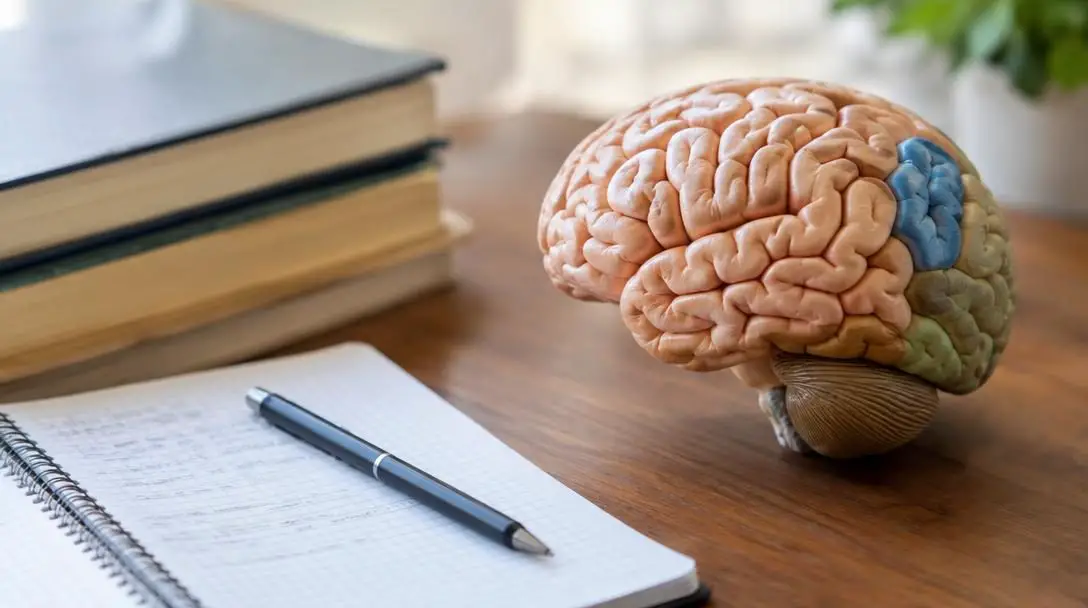
In contrast, mature adults frequently settle into rigid, predictable routines. Many maintain the same career tasks for decades, associate with the same social circles, and rarely encounter situations requiring radical cognitive adaptation. When day-to-day life consists of repeating well-worn patterns, the brain naturally relies on existing pathways rather than manufacturing new ones. Without novel stimuli demanding expanded processing power, the brain downregulates the production and integration of new neurons in the hippocampus, leaving individuals feeling cognitively stuck.
Ten Evidence-Based Ways to Enhance Brain Plasticity
Because the central nervous system retains the biological hardware to build connections at any age, adults can deliberately structure their daily habits to encourage neurogenesis and synaptic expansion.
Always Find Something New to Learn
Deliberately push your mental limits by acquiring skills or studying subjects outside your existing expertise. Tackling an unfamiliar foreign language, studying musical theory, or learning an intricate mechanical craft forces the brain to construct brand-new operational networks instead of reusing established mental shortcuts.
Play Diverse Video Games
Video games demand spatial reasoning, rapid motor reflexes, and complex situational decision-making. Rather than sticking exclusively to one comfortable genre, rotate through varied game types with distinct rules, viewpoints, and controller mechanics. Persist with challenging games until competence is achieved to maximize structural adaptation.
Seek Out New Experiences
Novelty is a powerful biological trigger for neuroplastic change. Break away from rigid daily routines by navigating unfamiliar neighborhoods, taking different transportation routes, visiting museums, or altering your weekly agenda. Novel environments prompt the hippocampus to generate new spatial mapping cells.
Start a Creative Hobby
Creative activities—such as painting, sculpting, woodworking, or creative writing—combine fine motor coordination with abstract thinking. This blend of sensory, motor, and imaginative demands activates multiple brain regions simultaneously, encouraging cross-network communication.
Meet New People and Nurture Relationships
Social interaction is one of the most cognitively demanding tasks the human brain performs. Engaging with new acquaintances forces you to process unfamiliar conversational rhythms, interpret subtle social cues, and integrate different viewpoints, providing rich sensory and emotional stimulation.
Eat a Nutrient-Dense Diet
Building and maintaining cellular structures requires high-grade biochemical fuel. Emphasize a dietary pattern centered on whole plants, nuts, and fish. These foods provide the essential fatty acids, antioxidants, and micronutrients necessary for cellular membrane integrity and neuronal health.

Prioritise Restful Sleep
Sleep is not passive downtime; it is the critical window during which the brain consolidates freshly learned skills and memories. During restorative sleep stages, temporary traces held in the hippocampus are encoded into long-term cortical networks, solidifying the pathways formed during waking hours.
Exercise Regularly
Consistent physical activity promotes systemic vascular health and fosters a biological environment conducive to cellular renewal. Cardiovascular and resistance training stimulate blood flow to neural tissues, facilitating the transport of oxygen and vital growth factors needed for neurogenesis.
Practice Active Stress Management
Chronic psychological tension elevates systemic stress hormones that impair cognitive flexibility and suppress the formation of new hippocampal cells. Incorporating intentional relaxation techniques, mindfulness practices, and breathing exercises helps shield the nervous system from the destructive effects of prolonged stress.
Replace Bad Habits with Positive Routines
Because habits are physical manifestations of reinforced pathways, breaking a destructive routine requires more than willpower; it requires physical remodeling. By consistently practicing a constructive behavior in place of an unwanted habit, you build a competing pathway that gradually overrides the old circuit.
Everyday Misconceptions and Habits to Avoid
While interest in brain health continues to grow, many well-intentioned individuals spend time on activities that offer little real benefit for neuroplasticity. Recognizing these common traps helps ensure your cognitive efforts yield tangible improvements.
- Relying entirely on familiar puzzles: Solving the exact same daily crossword or number puzzle merely exercises well-established mental pathways. True neuroplasticity requires real cognitive friction and genuine unfamiliarity.
- Consuming passive entertainment: Spending extensive periods watching television or scrolling feeds demands minimal mental involvement, failing to trigger the production of new hippocampal cells.
- Neglecting physiological foundations: Mental exercises cannot compensate for poor sleep, lack of exercise, or a diet devoid of whole plants, nuts, and fish. Cognitive tissue depends entirely on basic biological upkeep.
- Quitting when initial friction occurs: Many adults abandon new hobbies because early attempts feel awkward or mentally exhausting. That uncomfortable feeling of effort is the precise biological signal that tells your brain to adapt.
- Withdrawing into social isolation: Solitude deprives the brain of complex, real-time interpersonal processing, which accelerates cognitive stagnation.
Comparing Cognitive Activities and Neural Impact
Not all activities engage the nervous system in the same way. The table below outlines how common daily behaviors influence neural pathways, structural demands, and cognitive outcomes.
| Activity Type | Cognitive Novelty | Primary Pathway Effect | Long-Term Brain Impact |
|---|---|---|---|
| Learning an Unfamiliar Skill | High | Builds entirely new neural pathways | Stimulates adult neurogenesis in the hippocampus |
| Playing Diverse Video Games | Moderate to High | Refines visual-motor and spatial circuits | Enhances mental flexibility and reaction speed |
| Solving Familiar Word Puzzles | Low | Reinforces existing, well-worn pathways | Preserves recall speed without expanding capacity |
| Passive Screen Viewing | Very Low | Minimally engages active circuits | Offers no stimulus for new neuron production |
| Intentional Habit Replacement | Moderate | Weakens old circuits; strengthens new routines | Improves self-regulation and executive control |
Frequently asked questions
Can the adult human brain truly generate new neurons?
Yes. While older scientific models claimed neuron production ended early in life, modern research confirms that neurogenesis continues throughout adulthood in the hippocampus, a brain region central to memory and learning.
Why does learning feel more difficult as an adult than it did during childhood?
Adults typically live with predictable routines, repeated work assignments, and established social groups. Because adults encounter far less compulsory novelty than young students do, the brain produces fewer new pathways simply out of a lack of demand.
Do daily crossword puzzles keep the brain young?
Only to a limited degree. If you are already skilled at crosswords, completing another one relies heavily on preexisting circuits. To drive true neuroplastic adaptation, activities must present novel challenges that force the brain to figure out unfamiliar rules.
How does physical exercise directly support learning and memory?
Cardiovascular exercise increases overall blood flow to the brain, delivering vital oxygen and nutrients. This physiological support creates an ideal bodily environment for adult neurogenesis and synaptic remodeling.
Can neuroplasticity help individuals recover after a stroke or brain injury?
Yes. Brain imaging confirms that the nervous system can re-route pathways around damaged areas. Through repeated physical and cognitive rehabilitation, uninjured regions can take over lost functions, showing that recovery has no strict expiration date.
The bottom line
Aging does not condemn the human brain to automatic, irreversible deterioration. While young minds enjoy higher baseline plasticity due to their developmental stage and constantly shifting environments, older adults possess the biological capacity to remodel their nervous systems at any point in life.
Maintaining high levels of neuroplasticity requires stepping away from comfortable, repetitive patterns and actively embracing novelty. By pursuing unfamiliar subjects, engaging in challenging games, nurturing deep social connections, and supporting the body with nutritious foods, regular movement, and sound sleep, you can continuously build new neural connections. Your brain remains an adaptable, evolving organ for as long as you choose to challenge it.