How Modern Schools are Adapting to Better Support Students and Families
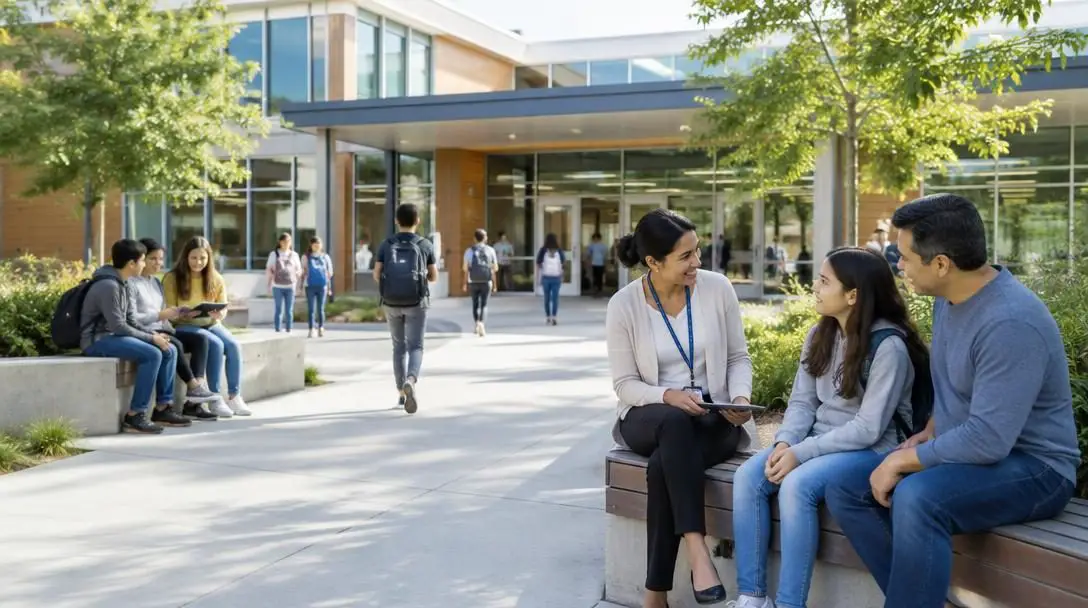
Modern educational institutions are navigating an era defined by rapid structural transformation and shifting family needs. Traditional schooling models historically depended on uniform pacing, local geographic funding, and strict physical attendance. Today, that framework is giving way to adaptable, resilient learning environments designed to serve diverse populations across public and private sectors, from urban public elementary schools in New York City to private secondary academies in California.
To ensure learning remains inclusive and uninterrupted, forward-thinking schools are combining modern software tools with grassroots community engagement. By reevaluating instructional delivery, academic intervention, and institutional resourcing, educators are building supportive ecosystems that extend far beyond physical campus boundaries to assist students, parents, and teachers alike.
Key takeaways
- Modern schools utilize real-time video tools and cloud-based learning management systems to maintain continuous instruction beyond physical classrooms.
- Campuses are diversifying funding by blending hands-on STEM manufacturing, like 3D-printed products, with social media outreach and neighborhood events.
- Targeted, diagnostic tutoring in core subjects like mathematics and English builds student confidence well before major examinations.
- Sustainable modernization requires balancing digital screen time with hands-on activities while planning for the ongoing maintenance of school technology.
Four Core Innovations Reshaping Modern School Communities
Rather than relying strictly on legacy educational designs, contemporary schools are introducing targeted innovations across instructional delivery, supplemental academic aid, and campus resource development. These pillars help schools respond directly to student scheduling challenges, health restrictions, and variable learning paces.
Virtual Classrooms
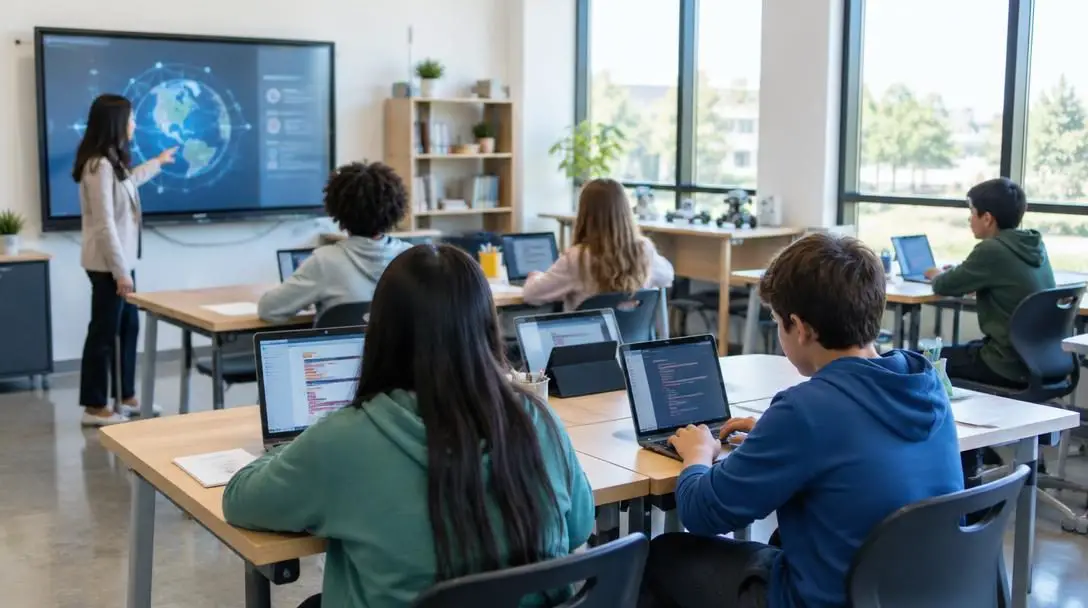
Virtual classrooms have become a vital operational component for institutions ranging from New York City public elementary schools to specialized private academies in California. Powered by audio and video conferencing software such as Zoom and Skype, these environments recreate the interactive dynamics of in-person learning in a digital space. Teachers conduct live lectures, answer student questions in real time, and organize immediate group discussions. Beyond basic streaming, virtual rooms allow educators to effortlessly circulate multimedia presentations, handouts, digital quizzes, and collaborative experiments with minimal logistical friction.
Remote Learning Platforms
For pupils facing health conditions, geographic isolation, or family situations that prevent physical campus attendance, remote learning frameworks bridge critical divides. Using high-speed internet connections and cloud platforms like Google Classroom and Edmodo, schools structure centralized digital hubs where coursework is stored, completed, and reviewed. This infrastructure democratizes access to rigorous academic content, permitting students living in distant rural areas to connect with specialized curricula developed by prestigious universities worldwide without leaving their homes.
Creative Student-Led Fundraising
Securing modern educational technology and maintaining campus facilities requires substantial capital, prompting schools to reconsider traditional sales models. Creative institutions now employ their own campus facilities to generate financial support. For example, some schools use their dedicated 3D printer laboratories ahead of back-to-school season to manufacture and retail custom student-designed keychains. These initiatives not only generate direct revenue for school programs but also build genuine student pride and practical design experience. To maximize visibility, schools frequently pair these maker initiatives with traditional bake sales, garage sales, local merchant donation boxes, and social campaigns across Twitter and Facebook.
Targeted Personalized Tutoring
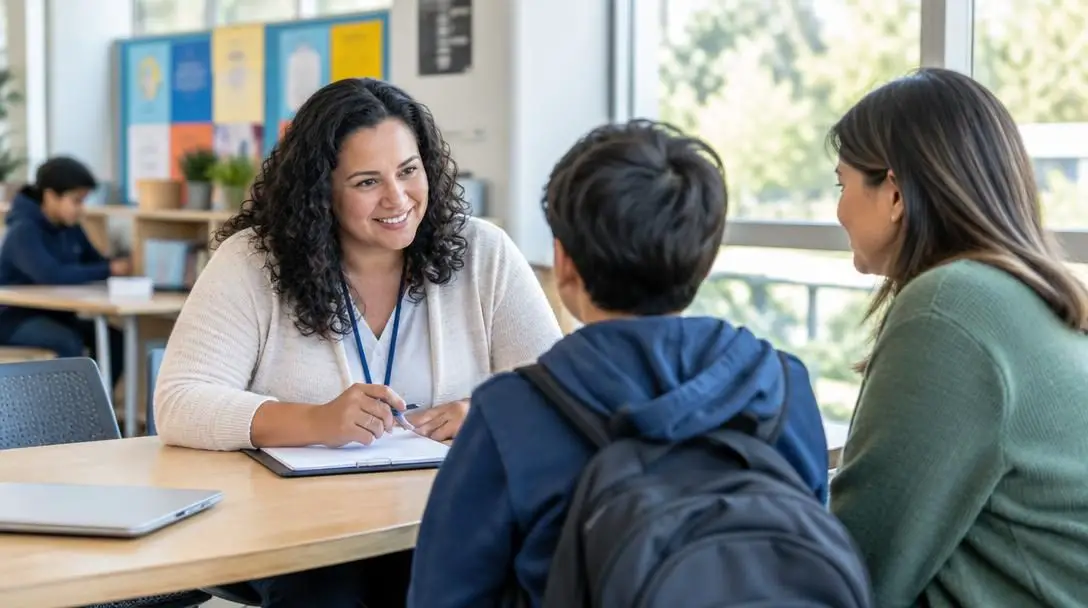
Recognizing that students digest complex concepts at markedly different rates, modern educators rely heavily on targeted, individual instruction. By implementing one-on-one or small-group tutoring in foundational subjects such as math and English, teachers can identify specific stumbling blocks before major testing cycles arrive. These focused interventions create a secure setting where pupils feel comfortable voicing uncertainties, strengthening interpersonal trust between students and faculty while building mastery over difficult material.

| Innovation Pillar | Primary Tools and Methods | Main Institutional Objective | Core Beneficiaries |
|---|---|---|---|
| Virtual Classrooms | Zoom, Skype, real-time multimedia | Provide synchronous, interactive teaching anywhere | Homebound learners, remote classrooms |
| Remote Learning Platforms | Google Classroom, Edmodo, cloud portals | Centralize asynchronous coursework and assessments | Rural students, self-paced learners |
| Creative Fundraising | 3D printers, bake sales, social media campaigns | Fund equipment purchases and facility upgrades | School districts, student makers |
| Personalized Tutoring | Diagnostic review, one-on-one instruction | Address individual skill gaps in math and English | Struggling students, test takers |
How Integrated Support Systems Function in Practice
The successful execution of these progressive educational models relies on the deliberate synchronization of digital infrastructure, tailored pedagogy, and active community participation. When these components function in unison, schools can address academic challenges swiftly and maintain operational resilience.
Digital communication networks serve as the administrative and instructional backbone. When instructors schedule sessions using platforms like Zoom or Skype, they create an interactive hub where desktop displays can be shared, questions fielded, and digital handouts instantly distributed. Meanwhile, learning management systems such as Google Classroom and Edmodo function as persistent academic repositories. Syllabi, grading rubrics, recorded instructional videos, and interactive quizzes reside in an accessible, organized structure that students can revisit whenever necessary.
Educational modernization succeeds when schools unite digital infrastructure with direct community involvement to support every student.
On the financial and operational side, resource generation has evolved from passive catalog sales to active, community-driven production. By utilizing campus assets like computer-aided design tools and 3D printing equipment, schools turn everyday curriculum activities into functional fundraising ventures. When backed by social media promotion on Facebook and Twitter or supported by neighborhood businesses displaying collection boxes, these campaigns tap into both local goodwill and broad digital donor networks.
Pedagogically, modern support systems center around differentiated instruction. Diagnostic assessments allow teachers to isolate specific comprehension gaps early. Instead of retrying identical whole-class lectures, educators adapt their pace, examples, and practice assignments directly to the individual student during private tutoring sessions, demystifying challenging concepts and ensuring foundational comprehension.
Step-by-Step Implementation for School Communities
Transitioning from conventional teaching structures to an adaptable, modern framework requires careful planning. Administrators, teachers, and parent committees can follow an organized sequence to deploy these support systems effectively.
- Audit existing technical capacity: Inspect on-campus hardware, network bandwidth, and home device access across the student body to verify that high-speed internet connections and core cloud applications will function reliably.
- Standardize digital workflows: Select a unified software stack—such as Google Classroom or Edmodo paired with Zoom or Skype—and conduct straightforward onboarding workshops for staff, students, and parents.
- Establish early academic intervention pathways: Institute routine progress checks in core areas like English and mathematics so that students can be scheduled for small-group or individual tutoring before facing major deadlines.
- Catalog campus production assets: Review existing equipment, such as art studios, fabrication spaces, or 3D printers, that can be mobilized for creative student-led fundraising merchandise.
- Deploy multi-channel fundraising initiatives: Coordinate physical initiatives like bake sales, garage sales, and retail collection boxes alongside focused digital campaigns on Twitter, Facebook, and crowdfunding platforms.
- Create transparent feedback loops: Establish comfortable communication channels within tutoring sessions and virtual meetings so students can ask questions and discuss difficulties without fear of embarrassment.
Critical Mistakes to Avoid When Modernizing School Support
While adopting new educational tools can yield transformative outcomes, common strategic errors can derail implementation efforts and alienate families.
- Overcomplicating software suites: Mandating too many disconnected applications creates unnecessary friction. Relying on an integrated core—such as Edmodo or Google Classroom combined with a trusted video tool—keeps technical confusion to a minimum.
- Assuming universal tech literacy: Expecting every family and instructor to understand digital quizzes or conferencing software immediately leads to missed assignments. Clear, step-by-step guidance is necessary for every new tool introduced.
- Relying on passive video lectures: Delivering long, static monologues over a camera causes disengagement. Effective virtual instruction integrates multimedia slide presentations, active discussions, real-time quizzes, and downloadable resources.
- Abandoning physical neighborhood fundraising: Depending entirely on social media campaigns overlooks strong neighborhood ties. Blending digital appeals on Facebook and Twitter with local donation boxes, garage sales, and school bake sales generates more reliable funding.
- Postponing academic tutoring until crisis points: Waiting until a learner is on the verge of failing an examination or missing project deadlines creates intense anxiety. Providing steady, ongoing tutoring throughout the academic term yields superior long-term results.
Strategic Considerations for Long-Term Educational Resilience
Sustaining these educational advancements over multiple school years requires institutions to balance immediate tactical adjustments with thoughtful long-range planning.
First, educators must continuously balance screen-based activities with offline, physical learning. While digital slide decks, interactive quizzes, and remote video calls create flexible access, pupils also require hands-on experimentation, paper-based creative projects, and physical peer collaboration to support balanced social and cognitive development.
Second, schools must plan for the lifecycle costs of advanced technical equipment. Laboratories equipped with 3D printers, digital design workstations, and cloud computing hardware require ongoing maintenance, software upgrades, and raw material replenishment. Fundraisers must account for these recurring operational overheads rather than treating tool acquisition as a one-time expense.
Finally, lasting institutional strength depends on authentic collaboration between educators, families, and local businesses. Transparent communication regarding curriculum goals, software adoption, and resource allocation fosters a culture of mutual trust, ensuring that the school community remains engaged as educational practices continue to evolve.
Frequently asked questions
Which software platforms are most commonly used for remote schooling?
Schools frequently rely on video conferencing software like Zoom and Skype for live instruction, alongside learning management systems such as Google Classroom and Edmodo to organize, deliver, and evaluate assignments.
How can schools use 3D printers to support fundraising?
Campuses with 3D printer laboratories can engage students in designing and producing custom goods, such as keychains, to sell ahead of the back-to-school season, generating money for campus projects while teaching applied STEM skills.
What subjects benefit most from early personalized tutoring?
Targeted personalized tutoring is especially impactful in fundamental academic subjects like mathematics and English, where addressing skill gaps early helps pupils handle exams and deadlines successfully.
How can schools ensure digital instruction remains engaging?
Rather than relying solely on continuous video lectures, instructors should incorporate interactive quizzes, downloadable worksheets, multimedia slide presentations, and direct group discussions into their virtual lessons.
Why should schools combine online fundraising with local events?
While social networks like Facebook and Twitter expand donor reach to alumni and extended family, local efforts like bake sales, garage sales, and merchant donation boxes maintain strong ties with the immediate neighborhood.
The bottom line
The transition toward more adaptable, supportive schooling demonstrates that high-quality education is no longer confined to a physical classroom desk. By pairing cloud-based learning management software and interactive video conferencing with thoughtful, personalized academic tutoring, contemporary schools are making learning accessible for students regardless of their personal circumstances or geographic location.
At the same time, forward-thinking institutions understand that hardware and software are only as strong as the human community behind them. By engaging students in practical maker-space fundraisers, maintaining open lines of communication with parents, and blending digital outreach with traditional neighborhood events, schools build the resilience needed to support students and families through an ever-changing educational landscape.