How to Choose the Best Phone For You
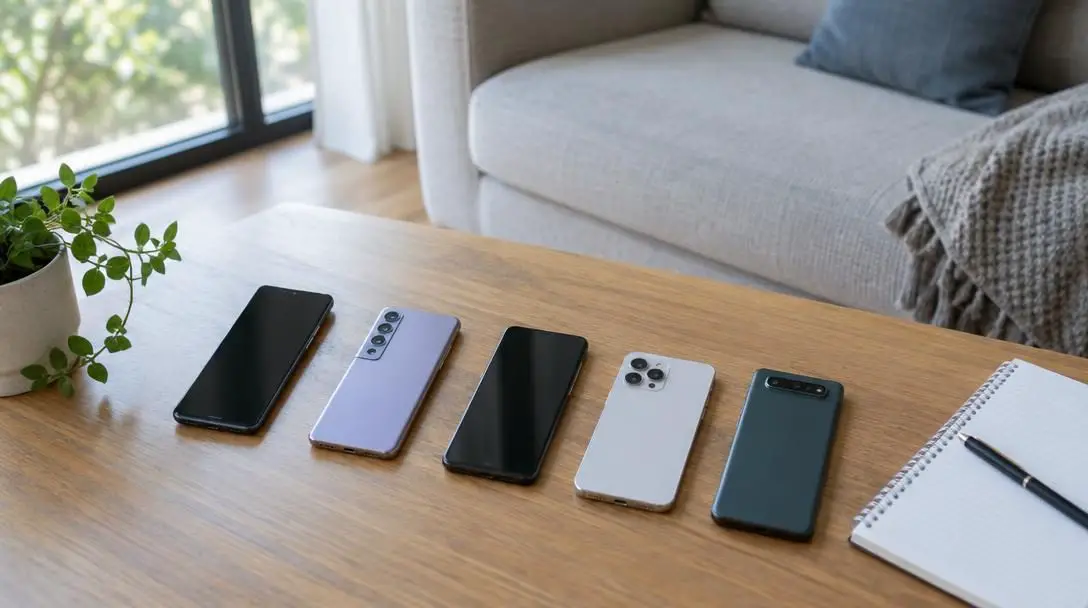
Modern mobile phones have evolved into indispensable multifunctional devices that manage nearly every facet of our daily routines. They function simultaneously as primary communication hubs, pocket-sized cameras, entertainment centers, navigation units, and digital workspaces. Because these handsets handle so many personal and professional responsibilities, choosing a replacement when it comes time for an upgrade can easily turn into an intimidating and confusing endeavor for anyone who does not follow the rapid cycles of consumer technology.
The contemporary marketplace features an overwhelming spectrum of choices, spanning from entry-level handsets priced below $100 to premium performance flagships exceeding $700. Rather than simply defaulting to the most heavily advertised model or purchasing the first device you encounter on a retail shelf, navigating this crowded space requires a clear understanding of the core mechanisms that set individual devices apart. By carefully evaluating your personal habits, technical priorities, and financial parameters, you can identify a dependable device that integrates seamlessly into your daily life.
Key takeaways
- Choosing between Apple iOS and Android defines your overall user experience, software ecosystem, and long-term hardware options.
- Establishing a strict budget boundary upfront prevents impulse purchases and clarifies whether you should pay in full or finance through carrier installments.
- Evaluating your actual weekly habits ensures you prioritize the right hardware components, such as high-performing cameras or extended battery longevity.
- Testing devices in person at an electronics store allows you to assess critical ergonomic factors like screen clarity, hand feel, and overall balance.
- Pairing your new smartphone with protective accessories immediately shields your investment against accidental drops and surface damage.
The Foundation: Comparing Operating Systems
At the center of every modern smartphone is its operating system, the underlying software platform that directs internal hardware, coordinates background tasks, manages digital security, and shapes every tap and swipe on your display. The mobile environment largely comes down to two primary platforms: Apple iOS and Android. Selecting between them is one of the most critical decisions in your buying journey, as each platform embodies a fundamentally distinct philosophy regarding interface design, customization, and hardware integration.
Apple iOS
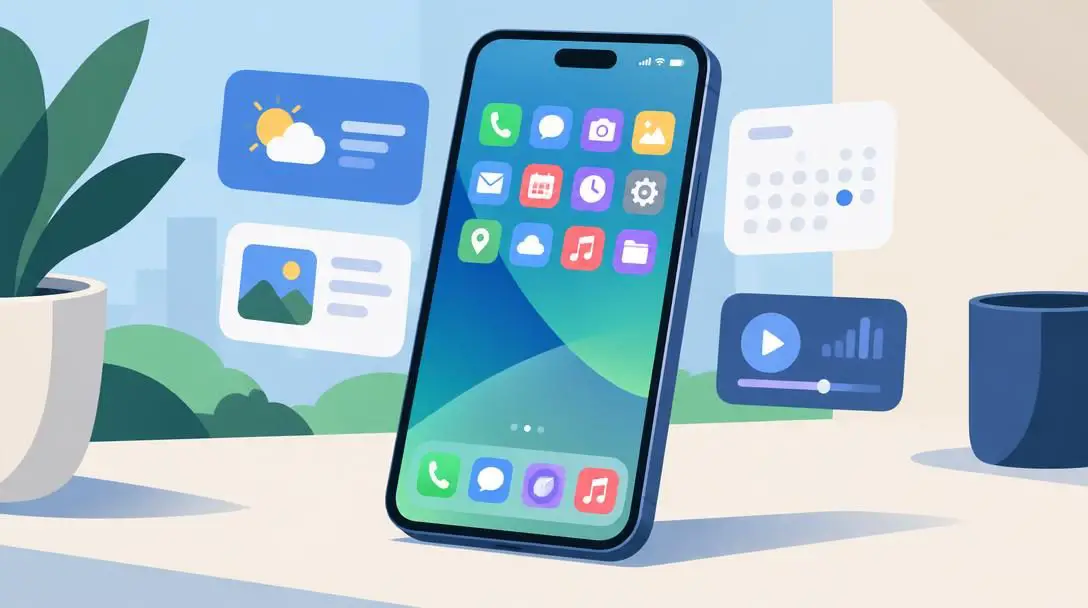
Apple iOS operates exclusively on the company's proprietary iPhone line, providing an environment renowned for its intuitive user-friendliness and robust security framework. Because Apple designs both the physical handset and the operating software that drives it, the resulting interface remains exceptionally smooth, reliable, and uniform across multiple generations of devices.
For consumers who already own Apple hardware or rely on existing services such as iTunes, choosing an iPhone offers seamless integration across their broader digital ecosystem. Media libraries, synced messages, and shared files flow effortlessly between hardware units with minimal configuration. However, this tightly controlled design ecosystem generally carries a higher retail price point than many entry-level alternatives, making it a platform tailored primarily toward mid-tier and premium-tier budgets.
Android
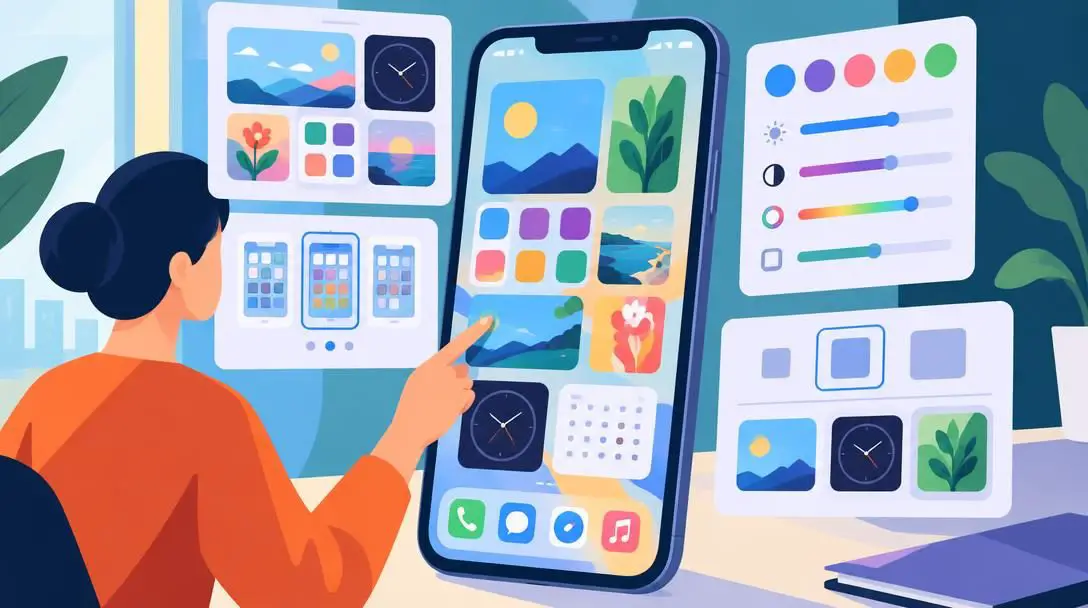
Originally designed to operate across hardware produced by a wide variety of global manufacturers, Android is celebrated for its versatility, expansive device choice, and deep customization features. The platform allows users to alter their home screens, rearrange visual layouts, and modify granular system settings far more extensively than closed software environments.
Because numerous hardware brands build handsets powered by Android, opting for this operating system grants consumers access to a vast array of physical designs, screen dimensions, aesthetic stylings, and hardware features. This broad manufacturing ecosystem produces devices across every imaginable price category, making Android the natural choice for individuals seeking an affordable entry-level phone or those who want distinctive hardware options not available within a single brand's product catalog.
Hardware Components That Dictate Everyday Performance
While the operating system governs your software experience, physical hardware components dictate how well a handset holds up under the strain of everyday activities. Understanding what happens beneath the glass helps you allocate your budget toward the components that matter most to your lifestyle.
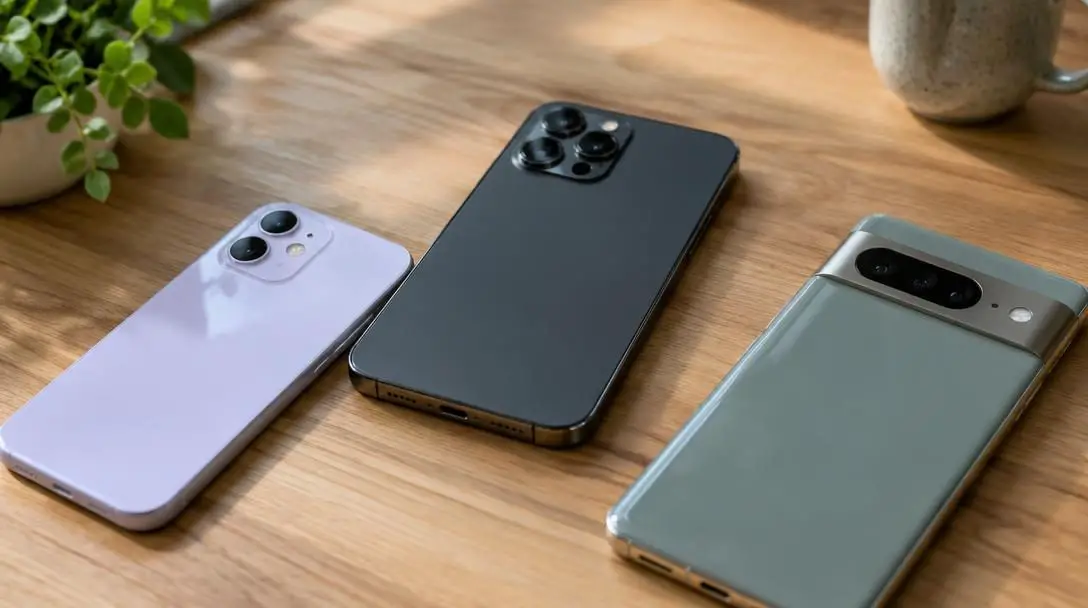
Display dimensions and screen technology directly impact how comfortably you can stream video clips, review work documents, or browse the internet. Larger displays provide generous visual space for media consumption and gaming, but they also increase the overall footprint of the phone, making one-handed operation and pocket storage more challenging. Smaller screens sacrifice multimedia immersion in exchange for lightweight portability and easier handling.
Processing power and internal memory serve as the engine of your mobile workspace. These components manage how rapidly applications launch, prevent background programs from stuttering, and keep mobile games running smoothly. If you limit your mobile usage to basic phone calling and texting, lower-tier processing hardware will easily meet your needs. Conversely, high-intensity multitasking and advanced mobile gaming require robust processing capabilities to prevent lag.
Camera hardware and image processing separate casual snapshots from professional-quality media. Modern camera systems rely on a combination of precision physical lenses and automated digital processing to capture clear photos in varied lighting conditions. If preserving family memories, capturing vacation landscapes, or producing creative projects is a primary hobby, investing in a handset with a proven camera system should remain a non-negotiable priority.
Battery capacity and power efficiency determine how long your phone operates away from an electrical outlet. High-drain activities like continuous video recording, heavy gaming sessions, and streaming high-definition video deplete power quickly. Choosing a handset with substantial battery endurance ensures that your phone remains active through demanding workdays and travel schedules without requiring constant recharges.
Matching your hardware choices to your actual daily routine ensures you invest in features that bring tangible value rather than paying a premium for unused capabilities.
Evaluating Spending Tiers and Budget Boundaries
Setting a definitive financial ceiling before browsing retail displays or carrier websites is the single most effective way to simplify your search. Modern mobile devices span a huge financial range, and knowing your limits prevents you from becoming overwhelmed by hundreds of competing options.
| Price Category | Primary Hardware Focus | Ideal Use Cases | Recommended Payment Method |
|---|---|---|---|
| Under $100 | Basic calling and messaging hardware; standard screens | Essential communication, texting, voice calls, light web tasks | Full upfront purchase |
| Intermediate ($100–$700) | Balanced processors, versatile multi-lens cameras, solid battery life | Daily multitasking, social media, video streaming, everyday photography | Full upfront purchase or short-term carrier financing |
| Over $700 | Top-tier processing engines, high-end camera sensors, premium displays | Demanding mobile gaming, advanced photography, intensive productivity | Carrier monthly installment plan or full upfront payment |
Establishing your target price bracket also requires deciding how you plan to cover the financial cost of the hardware. Consumers generally choose between two standard payment pathways:
Paying in Full Upfront
Buying a handset outright involves paying the entire retail price at the moment of purchase. This approach provides immediate, complete ownership of the hardware. By absorbing the cost on day one, you eliminate recurring monthly hardware surcharges on your cellular bill and maintain total freedom to switch service providers whenever a better rate appears.
Monthly Installment Plans
Offered primarily through cellular service carriers, monthly installment structures break the complete retail cost of a smartphone into predictable installments spread across a designated billing period. This method significantly lowers the barrier to acquiring top-tier, performance-driven devices costing over $700, though it adds ongoing monthly expenses to your standard service plan and keeps you financially committed over an extended duration.
A Step-by-Step Guide to Selecting Your Ideal Phone
Transforming a confusing array of options into a single, confident decision requires an orderly evaluation process. By working through each phase methodically, you can eliminate unsuitable options and find a phone that perfectly complements your personal routine.
- Define your financial boundary: Establish your maximum spending limit before researching individual models. Decide whether your finances favor an entry-level handset under $100, an intermediate device, or a high-end flagship above $700, and determine whether you prefer paying in full or using monthly carrier installments.
- Select your operating system: Choose between an iPhone running Apple iOS and a device powered by Android. Lean toward iOS if you already rely on Apple services like iTunes, own other Apple products, or value a unified interface. Select Android if you want extensive customization, varied hardware form factors, or a highly economical price tag.
- Catalog your must-have features: Analyze how you genuinely spend time on your phone each week. Prioritize advanced camera lenses and image processing if you focus on family photography, creative projects, or social sharing; focus on larger screens and substantial battery capacity if you stream video or play mobile games.
- Verify app compatibility: Double-check that your essential daily applications, work software, and personal productivity tools operate without friction on the platform you plan to adopt.
- Test the hardware in an actual store: Visit an electronics store or carrier retail shop to handle physical devices. Assessing weight, balance, display brightness, and pocket fit in person reveals ergonomic realities that online product listings cannot convey.
- Consult with knowledgeable store representatives: Engage with floor associates while testing demonstration units. Inquire about practical, real-world reliability, common user feedback, and functional differences among the specific models on your shortlist.
- Pick your essential protective accessories: Before leaving the checkout counter with your new phone, select a durable protective case and a quality screen protector to shield your investment from drops, cracks, and surface scuffs from day one.
Common Buying Pitfalls to Avoid
Many consumers experience immediate buyer's remorse simply because they overlook fundamental practicalities during the purchase process. Keeping these common mistakes in mind will help safeguard your investment and ensure long-term satisfaction.
- Purchasing purely based on brand familiarity: Selecting a handset solely because of a recognized brand name often leads to paying premium prices for specialized features you will never touch, or leaves you stuck with an operating system that conflicts with your existing electronics.
- Ignoring your own daily usage patterns: Buying a compact device with a modest battery when you spend hours streaming media and gaming, or picking a basic camera when photography is your main creative outlet, leads to continuous daily frustration.
- Skipping the hands-on evaluation: Relying exclusively on promotional imagery and online specifications can result in unpleasant ergonomic surprises. A phone that looks sleek in pictures may feel slippery, awkwardly balanced, or uncomfortably heavy in your hand.
- Failing to confirm app availability: Assuming every application functions identically across iOS and Android can disrupt your personal workflows and productivity.
- Neglecting immediate device protection: Carrying an unprotected glass smartphone out of a store leaves fragile screens and camera lenses vulnerable to catastrophic drop damage within hours of purchase.
- Overextending your monthly finances: Agreeing to high carrier installments on an expensive top-tier model without projecting the long-term impact on your recurring monthly bill can create persistent financial strain.
Preparing for the Switch: Setup, Plans, and Trade-Ins
Once you have identified and purchased your target phone, taking a few preparatory steps will ensure that your transition between devices proceeds smoothly. Planning ahead prevents data loss and helps you capture potential savings.
Transferring your personal data should be your immediate priority. Before deactivating your current phone, ensure your contacts, photographs, document libraries, and primary account credentials are fully backed up to cloud services or prepared for transfer through platform migration applications. Modern operating systems offer dedicated migration tools designed to move media and account settings across devices with minimal manual input.
Reviewing your cellular carrier plan ensures your current service terms align with your new hardware capabilities. Check whether your new phone requires changes to your existing data allowance or network access tiers. If you financed the handset through your carrier, review the contract terms and billing timeline so there are no surprises on your next statement.
Handling your previous device provides an opportunity to offset your expenses or prepare an emergency backup. Check whether your carrier or an electronics retailer offers a trade-in program; applying the trade-in value of your old handset can directly lower the net cost of your upgrade. Alternatively, if the trade-in value is low, you can safely wipe your personal data, complete a factory reset, and store the old phone as a reliable emergency backup unit for your household.
Frequently asked questions
Should I buy an iPhone or an Android device?
Your choice depends on your budget, existing electronics, and desire for customization. If you already use Apple services like iTunes, own other Apple products, or prefer a streamlined, uniform interface with strong security, an iPhone running iOS is an ideal choice. If you prefer deep personalization, a broader range of hardware styles, or need an affordable price point, Android provides far more variety.
Is it better to pay for a phone upfront or use monthly installments?
Paying upfront grants you immediate hardware ownership, eliminates recurring monthly device surcharges, and allows you to switch service carriers at will. Monthly installment plans make high-end models costing over $700 more accessible without a massive initial payment, but they lock you into recurring monthly expenses across a set billing period.
How much money do I need to spend to get a good smartphone?
Smartphones range from entry-level options under $100 for basic calling and texting up to performance flagships above $700 for intensive mobile gaming and high-end photography. Intermediate devices positioned between these extremes provide a balanced blend of reliable processing, quality cameras, and strong battery life suitable for most users.
Why should I visit a physical store if I can order online?
Visiting a retail store allows you to hold the phone in your hand to test its physical weight, balance, display clarity, and pocket fit. You can also consult in-store representatives about real-world performance, common issues, and differences between competing models before spending any money.
What should I do with my old smartphone after upgrading?
You can research trade-in programs through carriers or electronics retailers to receive credit toward your new phone. If the trade-in value is modest, you can thoroughly back up your personal files, wipe all personal data from the device, and keep it in a drawer as an emergency backup phone.
The bottom line
Selecting the best smartphone is not about chasing the most expensive flagship on the market or succumbing to flash marketing campaigns. It is an intentional exercise in matching your real-world routines with the right operating system, hardware specifications, and payment terms. By defining your budget early, testing devices in person, avoiding common purchasing pitfalls, and protecting your new handset the moment you buy it, you can secure a dependable digital companion that enhances your daily productivity and entertainment for years to come.