How to Cook Perfectly Steamed Vegetables Every Time
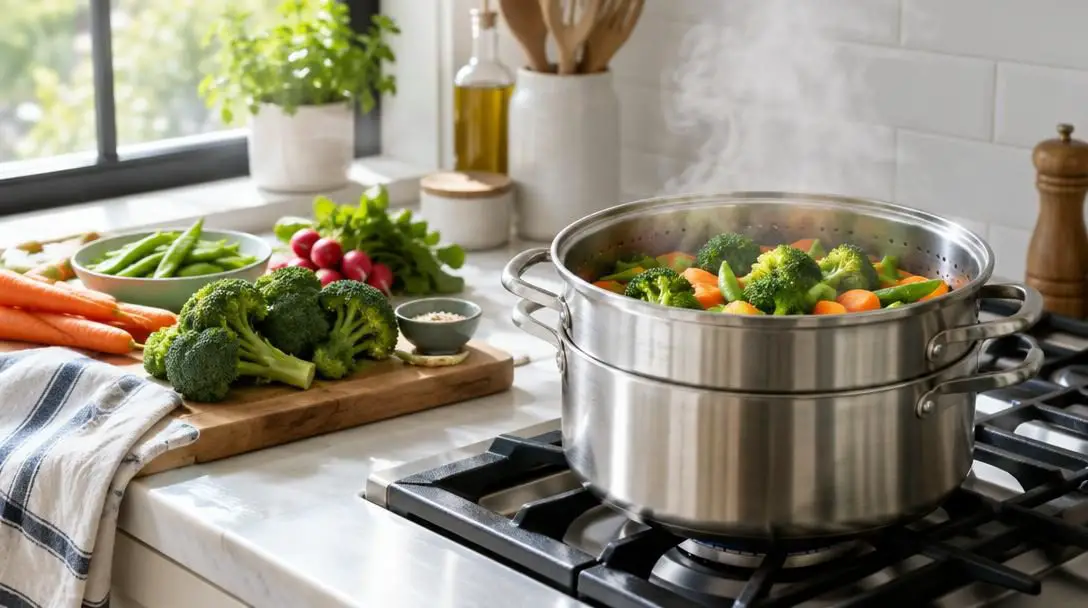
Steaming is an ancient culinary technique that remains one of the simplest, cleanest, and most dependable ways to prepare fresh produce. Unlike boiling, which submerges vegetables in turbulent water and leaches away valuable water-soluble vitamins, steaming suspends vegetables above the liquid. By relying exclusively on hot water vapor, this gentle cooking method preserves vibrant natural pigments, crisp structural integrity, and delicate aromatic compounds that would otherwise be lost to the cooking water.
For home cooks, mastering the art of steaming delivers wholesome side dishes with minimal fuss, no required cooking fats during the primary heating phase, and very little specialized gear. Yet achieving the ideal balance between crisp freshness and fork-tender texture requires precision. Understanding the thermal mechanics of steam, proper knife work, and accurate timing will transform everyday vegetables into bright, flavor-packed centerpieces.
Key takeaways
- Steaming preserves delicate water-soluble nutrients, natural sugars, and vibrant plant pigments by keeping produce out of direct contact with boiling water.
- Cutting vegetables into uniform, bite-sized pieces is essential to prevent smaller sections from turning to mush while denser segments remain raw.
- Three dependable household setups—a traditional steamer basket, a standard pot with a metal colander, or a covered microwave dish—deliver consistent results.
- Most fresh vegetables cook to an optimal tender-crisp state within 5 to 10 minutes when tested with the tip of a paring knife or fork.
- Tossing vegetables with fats, aromatics, or citrus immediately after cooking allows heat to melt seasonings and distribute flavor evenly across every surface.
The Science of Steam: How Thermal Vapor Cooks Vegetables
The mechanics of steam cooking rely on the efficient transfer of thermal energy through gaseous water. When liquid water reaches its boiling point, it changes phase into an invisible gas known as steam. Confined inside a covered cooking vessel, this expanding vapor circulates rapidly around the suspended produce. The moment the hot steam encounters the significantly cooler exterior of raw vegetables, it condenses back into liquid water droplets on the plant surface.
This condensation triggers a rapid release of latent heat directly onto the vegetable tissue. That thermal energy then conducts steadily inward toward the core of each piece, breaking down rigid pectin and hemicellulose structures within the plant cell walls. As these structural polysaccharides soften, the vegetable transitions from hard and unyielding to pleasantly tender.
Because steam transfers heat efficiently without the violent agitation of boiling water, delicate vegetable structures remain completely intact.
Because steam transfers heat without the turbulent mechanical agitation of rolling water, fragile features such as broccoli florets and tender asparagus tips remain intact instead of breaking apart. Elevating the vegetables above the water reservoir prevents waterlogging, ensuring that the finished dish retains its natural juices, vibrant coloration, and concentrated natural sweetness.
Selecting and Preparing Produce for Optimal Texture
Great steamed vegetables begin with thoughtful selection at the market. Heat tends to accentuate flaws rather than hide them, meaning limp or aging produce will turn out dull and stringy regardless of your technique. Hearty choices such as broccoli, cauliflower, carrots, and green beans are ideal candidates for the steamer because their dense fiber structures soften beautifully while maintaining distinct shape and bite.
When selecting vegetables, keep these core quality markers in mind:
- Surface firmness: Choose items that feel solid and heavy for their size, showing no signs of rubbery flexibility, shriveling, or soft indentations.
- Color saturation: Look for vivid, unbroken color across the skin or florets, steering clear of yellowing edges, dark spots, or surface blemishes.
- Structural crispness: Pick pods, stems, and stalks that snap cleanly when bent rather than yielding passively.
Once you bring your produce home, prep work dictates your final cooking consistency. Wash all vegetables thoroughly under cold running water to eliminate surface grit, soil, and debris. Shake off excess moisture before moving to the cutting board.
Uniform cutting is the single most critical prep step. Slice vegetables into uniform, bite-sized pieces so that steam penetrates every morsel at the identical pace. If a batch contains both large chunks and tiny slivers, the smaller pieces will disintegrate into mush long before the thick sections soften. Furthermore, factor in natural vegetable density. Fibrous root crops like carrots take noticeably longer to cook than tender florets or thin green beans. When preparing a mixed vegetable medley, either group vegetables that share similar natural cooking rates or slice the denser varieties into significantly smaller portions to harmonize their time in the pot.
Three Reliable Methods for Steaming at Home
You do not need expensive commercial appliances to steam produce effectively. Home cooks can rely on three proven methods depending on the equipment available in their kitchen and the time constraints of the meal.
The Steamer Basket Method
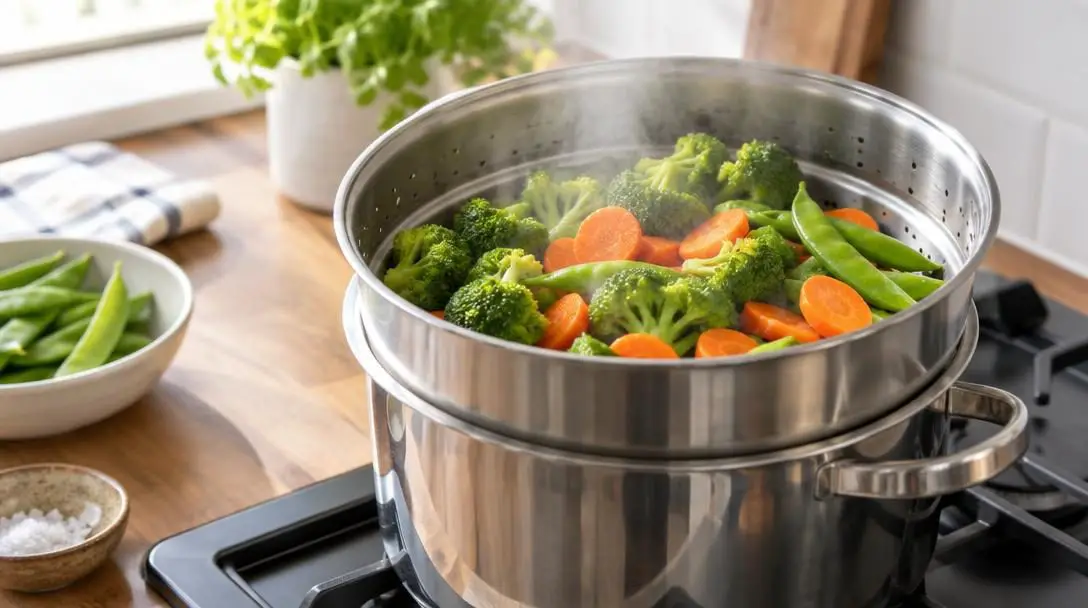
The classic folding metal or rigid perforated steamer basket remains the gold standard for stovetop steaming. Designed to sit inside a saucepan, the basket elevates produce cleanly above the liquid, letting vapor circulate through its perforations from all directions.
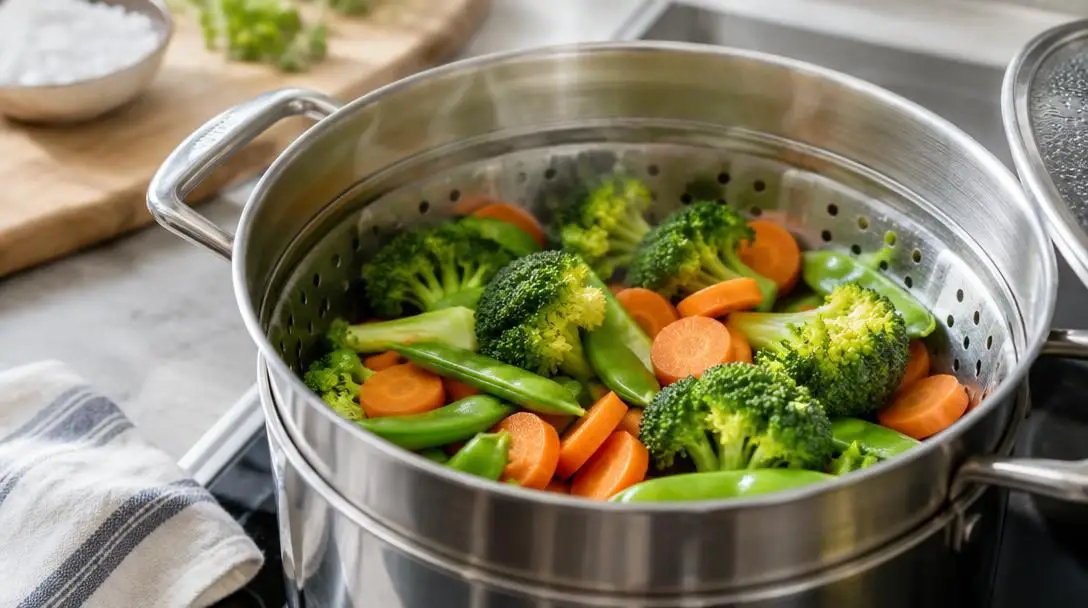
To use this method, pour approximately one inch of water into the bottom of your saucepan, verifying that the liquid sits just beneath the base of the insert. Bring the water to an active boil over medium-high heat until vigorous steam rises. Place the basket filled with prepared vegetables into the pan, seal the pot with a snug lid, and let the steam do its work. When finished, tilt the lid away from your face to avoid direct contact with escaping steam before transferring the vegetables to a bowl.
The Pot and Colander Method
If you lack a dedicated steamer basket, a standard soup pot paired with a heat-safe metal colander functions as an excellent alternative. The setup mimics commercial perforated pans by suspending food over a generous volume of boiling liquid.
Add a few inches of water to a deep pot, ensuring that your metal colander rests securely on the rim without touching the water surface below. Arrange your bite-sized vegetables evenly inside the colander, place a tight lid on top, and bring the liquid to a steady, rolling simmer. Because larger pots lose moisture more rapidly, monitor the liquid level periodically throughout longer cooking sessions to prevent the bottom from scorching.
The Microwave Steaming Method
When speed is your top priority, the microwave offers an exceptionally fast, energy-efficient steaming chamber. This approach leverages the natural moisture inside the produce combined with a tiny volume of added water to generate rapid steam in a sealed environment.
Place your cut vegetables into a microwave-safe glass or ceramic dish and pour in a single tablespoon of water. Cover the vessel tightly with a microwave-safe lid to trap the expanding vapor. Cook on high power for a few minutes. Halfway through the cycle, pause the appliance, carefully lift the lid, and stir the vegetables thoroughly to redistribute heat before covering and finishing the cook.
| Steaming Method | Water Volume | Primary Advantage | Key Caution |
|---|---|---|---|
| Steamer Basket | Approximately 1 inch | Exceptional, even vapor circulation | Do not let water level rise above basket floor |
| Pot and Colander | A few inches | Uses standard kitchen equipment | Check water frequently to prevent pot from boiling dry |
| Microwave Vessel | 1 single tablespoon | Fastest prep and cooking time | Stir halfway through to prevent hot spots |
Cooking Times and the Tactile Doneness Test
Cooking times for steamed vegetables vary depending on moisture content, piece dimension, and natural plant density. As a universal standard, most fresh vegetables require between 5 and 10 minutes of steaming to transition from raw to tender-crisp. Denser selections like carrots, broccoli stalks, and cauliflower take longer, whereas slender green beans require far less exposure to heat.
Rather than relying solely on a kitchen timer, use a tactile check to confirm when your vegetables have reached the ideal texture. Insert the pointed tip of a small paring knife or the tines of a fork directly into the thickest part of a vegetable piece. The utensil should slip through the flesh smoothly with only a gentle hint of resistance. If the vegetable resists firmly, it requires additional steaming; if it offers zero resistance and collapses or slumps under the utensil, it has ventured into overcooked territory.
Step-by-Step Practical Routine
To produce consistently bright, flavorful results without guesswork, follow this streamlined operational workflow every time you steam:
- Organize your ingredients: Inspect and select firm, brightly colored produce. Rinse thoroughly under cold water to strip away dirt, and shake off excess surface droplets.
- Cut uniformly: Trim stems and chop all vegetables into identical, bite-sized segments so that every piece finishes cooking at the exact same moment.
- Prepare your equipment: Set up your chosen vessel—either adding an inch of water beneath a stovetop steamer basket, filling a pot under a colander, or measuring a single tablespoon of water into a microwave dish.
- Initiate steaming: Bring stovetop water to an active, rolling boil before introducing the vegetables, then seal the lid tightly to capture the expanding vapor.
- Monitor progress: Track the cooking duration within the standard 5-to-10-minute window while keeping an eye on water levels so stovetop cookware never runs dry.
- Test for doneness: Pierce the thickest piece with a paring knife or fork to ensure it is tender throughout with a slight lingering bite.
- Season promptly: Transfer the steaming vegetables directly to a warm serving bowl and immediately fold in your favorite seasonings, fats, or citrus.
Seasoning and Flavoring Techniques
While unadorned steamed vegetables possess an appealing, naturally sweet flavor, thoughtful seasoning transforms them into an irresistible part of the meal. Seasoning must take place immediately after the vegetables leave the steamer. The residual surface heat quickly dissolves fine salt crystals, melts solid fats, and releases the aromatic essential oils found in fresh and dried herbs.
Combine elements from these three flavor categories to create balanced, mouthwatering profiles:
- Aromatic herbs and spices: Toss warm produce with finely minced garlic, dried oregano, or fresh thyme leaves. These earthy, fragrant seasonings provide a savory backbone that complements natural sweetness.
- Enriching fats and oils: Coat hot vegetables in a knob of unsalted butter, a stream of extra-virgin olive oil, or a light drizzle of toasted sesame oil. Healthy lipids add luxurious mouthfeel, balance vegetable astringency, and help the body absorb fat-soluble nutrients.
- Acids and freshly ground pepper: Squeeze fresh lemon juice over the vegetables just before serving and finish with freshly cracked black pepper. The sharp citrus acidity cuts through bitterness and enlivens dull flavors, while black pepper adds a warm, aromatic bite.
Critical Mistakes That Ruin Steamed Vegetables
Even though steaming is an approachable technique, small oversights can ruin both texture and flavor. Sidestep these five common pitfalls to protect your produce:
Adding Too Much Water
Pouring too much liquid into your steaming pot causes boiling water to surge upward through the perforated floor of the basket. Once the vegetables sit submerged in liquid, the process turns into boiling. This washes out water-soluble nutrients, leaches sugars, and leaves the produce sodden and waterlogged.
Letting the Pot Boil Dry
Using inadequate water or steaming over aggressively high heat can cause all the liquid to evaporate before the vegetables finish cooking. When the pot runs dry, the metal base scorches, filling the enclosed chamber with acrid, burnt smoke that permanently ruins the delicate flavor of your food.
Inconsistent Piece Sizes
Haphazard knife work creates an uneven batch where small florets disintegrate into mush while large chunks remain tough and raw in the center. Dedicate an extra minute on the cutting board to guarantee uniform dimensions across all pieces.
Overcooking the Vegetables
Exposing vegetables to steam for even a couple of minutes past their prime destroys the structural pectin completely. The results are lifeless, drab-colored vegetables that slump under their own weight and taste bland. Always start checking for doneness at the five-minute mark.
Lifting the Lid Repeatedly
Peeking under the lid every minute vents trapped thermal energy into the kitchen. Every time the seal is broken, internal temperatures drop drastically, lengthening the overall cooking time and causing vegetables to cook unevenly.
Creative Serving and Leftover Storage
Vibrant steamed vegetables deserve an appealing presentation. Spread them across a broad serving platter rather than piling them deep in a narrow bowl; this prevents excess steam from becoming trapped underneath, which can cause them to continue softening. Scatter freshly chopped herbs over the top and serve them hot alongside proteins like grilled chicken, roasted or baked fish, or pan-seared tofu.
Beyond functioning as a traditional dinner side, steamed vegetables add color and nutrition to a wide range of secondary dishes. Fold tender florets into quick weeknight stir-fries during the final seconds of cooking, chill them to toss into crisp green salads, or stir them directly into comforting vegetable soups and hearty grain bowls.
If you find yourself with leftovers, cooling and storing them correctly will keep them appetizing for subsequent meals. Let the vegetables cool down to room temperature to prevent condensation from gathering inside your storage vessel. Seal them in an airtight container and refrigerate for up to three days. When ready to eat, avoid prolonged boiling; simply warm them with a quick 30-second burst in the microwave or flash-sauté them in a hot skillet with a splash of olive oil to restore their heat and texture.
Frequently asked questions
Why are my steamed vegetables soggy instead of crisp?
Sogginess is almost always caused by either overcooking or adding too much water to the pot. If the boiling water rises above the base of your steamer basket, the vegetables boil rather than steam. Additionally, leaving vegetables in the steamer past the 10-minute mark breaks down cell wall pectin completely, resulting in a limp, mushy texture.
Can I steam different vegetables together in the same pot?
Yes, you can steam vegetable medleys together, provided you account for density differences. Either combine vegetables with similar cooking times, like broccoli and cauliflower florets, or chop denser varieties like carrots into smaller pieces so they cook at the exact same pace as faster-cooking items.
Should I salt vegetables before or after steaming?
You should always season vegetables immediately after steaming. Because steam relies on pure water vapor, salt applied prior to steaming simply rolls off or gets washed into the bottom reservoir by condensing droplets. Seasoning while the vegetables are steaming hot allows the salt to dissolve effortlessly into the surface moisture.
How much water should I put in the pot for steaming?
For a standard collapsible or rigid steamer basket, pour approximately one inch of water into the bottom of the pot. The key is ensuring that the liquid rests just below the bottom perforated floor of the basket once it is inserted so the produce stays suspended above the bubbling water.
How do I reheat leftover steamed vegetables without making them mushy?
To reheat refrigerated steamed vegetables without degrading their texture, toss them into a hot skillet with a teaspoon of olive oil or butter over medium-high heat for two minutes. Alternatively, heat them in a microwave-safe dish for 30 to 45 seconds just until warmed through.
The bottom line
Steaming is one of the most efficient, nutrient-preserving, and versatile techniques in everyday cooking. By harnessing the clean power of latent heat and vapor, you can achieve brilliant colors, clean flavors, and an irresistible tender-crisp bite across any vegetable variety. With uniform knife cuts, attentive timing between 5 and 10 minutes, and prompt seasoning with fats, herbs, and bright citrus, you can consistently deliver restaurant-quality vegetable sides straight to your dinner table.