The Best Recipes for Cooking with Zucchini
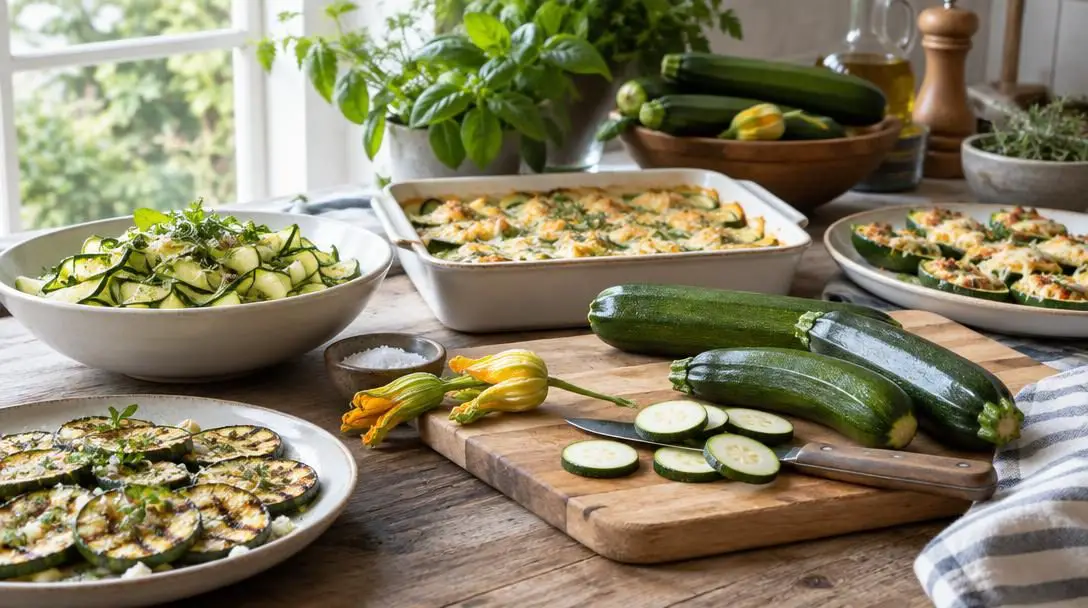
Zucchini is one of the most adaptable and abundant summer squashes available to home cooks. Characterized by its thin, edible skin and mild, tender flesh, this vegetable serves as a versatile culinary canvas that transitions seamlessly from quick stovetop sautés to hearty baked casseroles and tender breakfast breads.
Because summer squash carries a remarkably high moisture content, knowing how it behaves under heat is the key to unlocking its full culinary potential. With the proper techniques for handling water release, seasoning, and heat application, you can easily turn everyday zucchini into vibrant, nutrient-dense meals.
Key takeaways
- Zucchini contains high levels of fiber, vitamin C, vitamin A, and anti-inflammatory antioxidants while remaining naturally low in calories.
- Managing the vegetable's natural water content is essential to prevent steaming and achieve crisp caramelization in the pan or oven.
- Gentle moisture release makes grated squash an exceptional hydrator for baked goods like quick breads without requiring heavy oils.
- High-heat methods such as grilling, roasting, and quick sautéing concentrate the vegetable's subtle sweetness and preserve its tender-crisp bite.
- Avoiding common mistakes like overcrowding pans and overcooking zucchini noodles ensures clean texture and vibrant color.
Nutritional Profile and Health Advantages of Summer Squash
Zucchini provides significant nutritional value while remaining exceptionally light. Because it is naturally low in calories and high in dietary fiber, it is an ideal ingredient for anyone seeking to support digestive wellness or manage a calorie-conscious weight loss diet. Dietary fiber aids gastrointestinal transit and extends feelings of satiety after a meal, preventing the urge to overeat without requiring dense caloric additions.
Beyond fiber, summer squash delivers substantial quantities of micronutrients that sustain daily physiological function. It serves as a dependable source of vitamin C, an essential nutrient that strengthens immune defense and supports collagen synthesis for healthy connective tissue. Simultaneously, zucchini supplies vitamin A, which plays a vital role in maintaining clear vision, cell renewal, and healthy skin.
The vegetable also offers a protective array of cellular antioxidants that help reduce systemic inflammation throughout the body. Chief among these compounds are carotenoids, which impart yellow and golden hues within squash varieties, and flavonoids. Regular intake of these anti-inflammatory agents helps safeguard tissues from oxidative stress while delivering a mild, refreshing flavor profile to weeknight dinners.
The Science of Moisture: Managing Water Content in Pan and Oven
Cooking zucchini successfully requires an understanding of how plant cells interact with heat. Summer squash is composed largely of water held within delicate cellular walls. When heat penetrates the squash, those cell walls rupture, expelling stored moisture into the pan, baking sheet, or casserole dish. How you manage this liquid determines whether your squash turns delightfully browned or disappointingly soggy.
Surface moisture must evaporate rapidly for natural plant sugars to brown against the cooking surface rather than steam in pooled juices.
When zucchini pieces are crowded closely together in an unvented or low-heat environment, the liquid escaping from the squash cannot evaporate into the air. Instead, it gathers on the cooking surface, causing the pieces to steam in their own juices. Steaming breaks down the structure rapidly, resulting in a soft, mushy texture. Conversely, when given ample space and exposed to direct, dry heat, the surface water evaporates quickly, allowing the vegetable's natural sugars to caramelize against the hot surface.
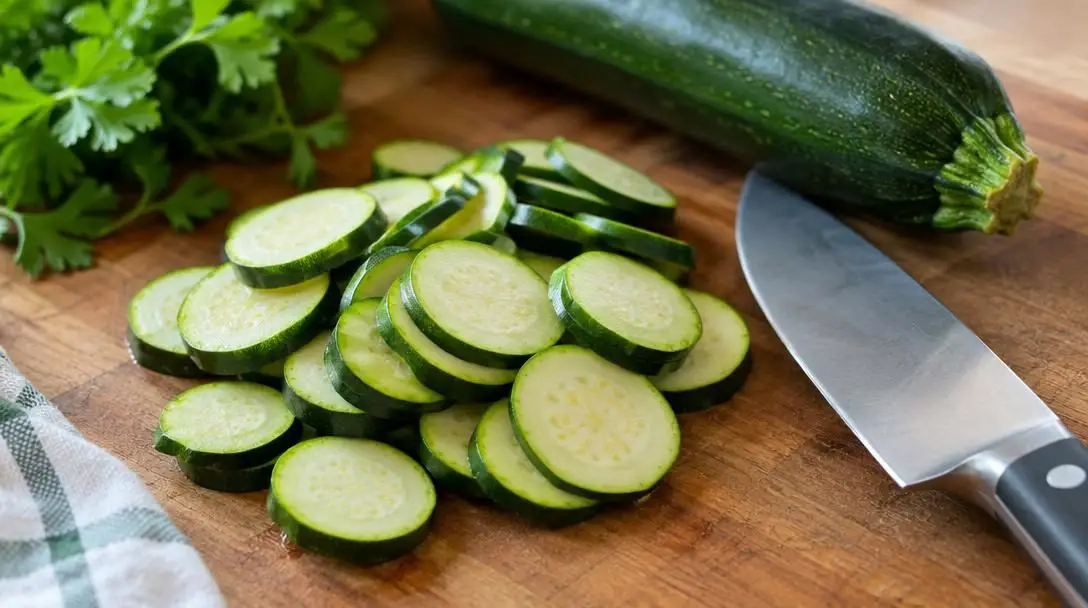
In contrast to savory stovetop dishes, moisture release works to your distinct advantage when baking. Grating fresh zucchini into a batter introduces microscopic pockets of hydration distributed throughout the dry flour. As the loaf or pastry bakes in the oven, the squash slowly releases moisture into the crumb. This process creates a remarkably tender crumb structure that stays soft over several days without requiring excessive butter or liquid oils.
Foundational Cooking Techniques for Zucchini
Mastering basic cooking methods gives you the freedom to prepare zucchini on short notice without complicated equipment. Each method highlights a different textural balance, ranging from quick char to oven-baked crunch.
- Grilling: Sliced lengthwise or into thick coins, zucchini takes well to an open flame. Lightly brush the surfaces with olive oil, season with salt and pepper, and grill for 3 to 5 minutes on each side. The intense heat marks the exterior with smoky char while preserving a pleasant firmness in the interior.
- Sautéing: A rapid stovetop sauté is ideal for weeknight side dishes. Warm olive oil in a wide skillet, add sliced zucchini alongside minced garlic and fresh or dried herbs, and cook for 3 to 5 minutes until tender and lightly browned around the edges.
- Roasting: Roasting relies on ambient, dry heat to draw out natural sweetness. Toss cut zucchini with olive oil and seasonings, spread the pieces in a single layer across a baking sheet, and roast in the oven at 400°F for 20 to 25 minutes until the moisture evaporates and edges turn deeply caramelized.
- Baking: A dry-heat baking method offers a lighter alternative to deep frying. Dredge sliced zucchini through beaten egg, coat with seasoned breadcrumbs, and bake at 425°F for 20 to 25 minutes to develop a crunchy outer shell with a soft center.
Top Five Recipes for Cooking with Zucchini
Summer squash adapts easily across breakfast, appetizers, light lunches, and hearty dinners. These five preparation styles demonstrate how to harness zucchini's unique moisture balance across diverse cooking techniques.
| Recipe | Primary Method | Temperature | Approximate Cooking Time | Key Prep Requirement |
|---|---|---|---|---|
| Zucchini Fritters | Skillet frying | Medium-high heat | 6 to 8 minutes | Squeeze excess moisture from shreds |
| Zucchini Noodles with Pesto | Stovetop flash sauté | Medium heat | 1 to 2 minutes | Spiralize unpeeled squash uniformly |
| Zucchini Lasagna | Oven casserole baking | Moderate oven heat | 30 to 40 minutes | Slice into thin, uniform lengthwise planks |
| Stuffed Zucchini Boats | Oven roasting | Standard baking heat | 25 to 35 minutes | Hollow out seed core leaving a sturdy rim |
| Zucchini Bread | Loaf pan baking | 350°F | 50 to 60 minutes | Fold fine unpeeled shreds into batter |
Zucchini Fritters
Zucchini fritters deliver a crisp exterior and a tender, savory interior, making them an excellent warm appetizer or quick side dish. By binding finely grated squash with flour and egg, you create a cohesive batter that fries to a rich golden brown in a hot skillet. Pairing the finished fritters with a cool dollop of sour cream or garlic-infused tzatziki creates an appealing temperature and flavor contrast.
- Grate fresh, firm zucchini using the coarse side of a standard box grater.
- Firmly press or squeeze the shredded squash with clean hands or a kitchen cloth to remove excess liquid, ensuring the batter remains sufficiently thick.
- In a mixing bowl, combine the drained shreds with flour, beaten egg, and your preferred savory seasonings until evenly incorporated.
- Pour a shallow layer of cooking oil into a flat skillet and warm it over medium-high heat until shimmering.
- Drop generous spoonfuls of the batter into the hot oil, flattening each portion slightly with the back of a spatula.
- Fry until the undersides turn a deep golden brown, flip carefully, and cook the reverse side until equally crisp.
- Transfer the cooked fritters to a plate lined with paper towels to drain briefly, then serve warm alongside sour cream or tzatziki.
Zucchini Noodles with Pesto
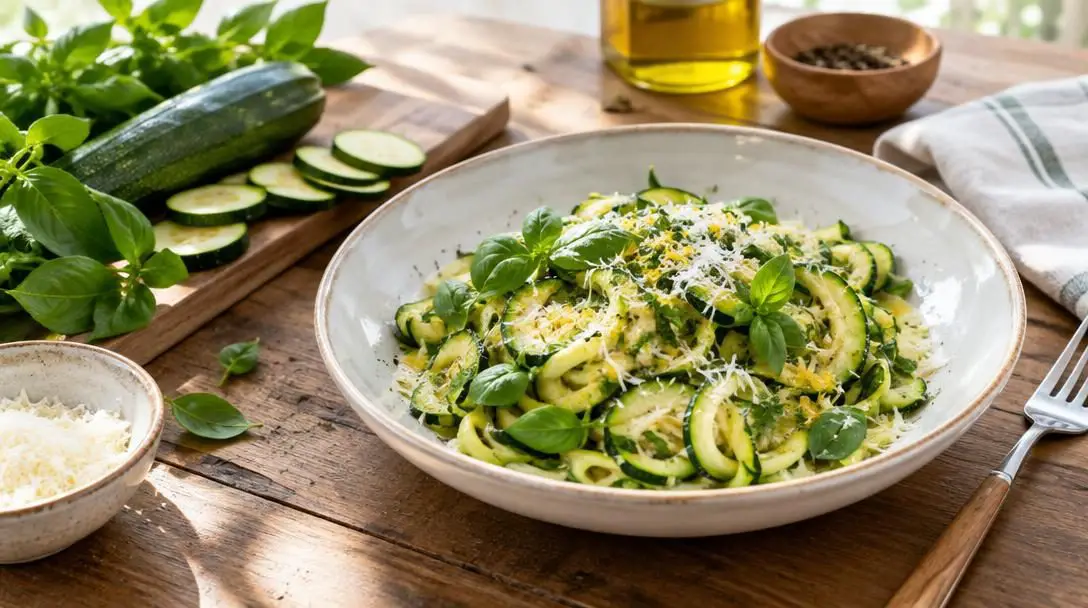
Zucchini noodles, widely known as zoodles, provide a vibrant, low-carb alternative to traditional grain pasta. Using a countertop spiralizer, whole zucchini is transformed into long, delicate ribbons that mimic spaghetti. Because squash strands soften rapidly under heat, they require only a brief flash in a warm skillet with olive oil and fragrant garlic to retain their tender-crisp texture before being dressed with fresh pesto and juicy cherry tomatoes.
- Rinse and trim the ends of firm, medium zucchini, leaving the dark skin intact for visual appeal and structural integrity.
- Process the squash through a spiralizer to produce uniform, continuous noodle strands.
- Heat a light swirl of olive oil in a wide skillet set over medium heat, then stir in minced garlic until fragrant.
- Add the zoodles to the pan and toss continuously for only 1 to 2 minutes, allowing them to soften slightly without releasing heavy pools of water.
- Remove the skillet immediately from the direct heat source to halt the cooking process.
- Gently fold in your homemade pesto and halved cherry tomatoes until the noodles are evenly coated, and serve immediately.
Zucchini Lasagna
Zucchini lasagna replaces traditional wheat pasta sheets with thin, lengthwise slices of summer squash, creating a comforting, low-carb Italian classic. Layered between seasoned meat sauce, creamy ricotta cheese, and melted mozzarella, the squash planks absorb the savory herbs of the sauce while retaining enough structure to hold clean portions once baked and rested.
- Trim the squash ends and slice each zucchini lengthwise into thin, uniform planks to serve as noodle replacements.
- Prepare your seasoned meat sauce, ricotta cheese mixture, and shredded mozzarella cheese before assembling.
- Coat the bottom of a deep baking dish with a light layer of meat sauce to prevent sticking.
- Arrange zucchini planks edge-to-edge over the sauce to create a continuous vegetable foundation.
- Spread an even layer of ricotta cheese over the squash, top with additional meat sauce, and sprinkle with mozzarella.
- Repeat the layering sequence until the baking dish is filled, finishing with a generous layer of mozzarella cheese across the top.
- Bake uncovered for 30 to 40 minutes until the cheese is bubbling and golden and the zucchini layers yield easily to a fork.
- Allow the lasagna to rest on the counter for 10 to 15 minutes before slicing, giving the layers time to settle.
Stuffed Zucchini Boats
Stuffed zucchini boats present summer squash as an edible vessel for hearty protein and grain fillings. By slicing the squash lengthwise and hollowing out the central seed bed, you form an elongated cavity capable of holding seasoned ground beef, tender rice, or cooked quinoa. As the boats bake in the oven, the squash walls become fork-tender while the filling melds into a cohesive, satisfying meal.
- Trim the stems and cut each zucchini in half lengthwise.
- Gently carve out the inner seeds using a small metal spoon, ensuring you leave a sturdy rim along the perimeter and bottom to support the filling.
- Prepare your chosen filling mixture, such as browned ground beef, seasoned fluffy rice, or cooked quinoa.
- Place the hollowed squash halves skin-side down in a lightly greased baking dish.
- Spoon the filling mixture into each channel, pressing gently to compact the ingredients so they remain neat during baking.
- Bake the dish in the oven until the squash flesh pierces easily with a paring knife and the interior filling is heated thoroughly.
- Let the stuffed boats cool for several minutes before transferring to plates as individual entrées.
Zucchini Bread
Zucchini bread is a time-tested quick bread that turns an abundance of fresh summer squash into a comforting breakfast loaf or afternoon snack. Finely grated zucchini is folded directly into a spiced batter of flour, sugar, and eggs. Because the squash releases its natural water gently during baking, the loaf develops a tender, delicate crumb that slices cleanly and pairs naturally with salted butter or cream cheese.
- Preheat your oven to 350°F and grease a standard rectangular loaf pan.
- Finely shred clean zucchini on a grater, leaving the skin on for natural flecks of green throughout the loaf.
- In a large mixing bowl, whisk together the dry base ingredients, including flour, sugar, and aromatic baking spices.
- In a separate bowl, thoroughly whisk the eggs along with any liquid components required for your recipe.
- Pour the wet ingredients into the dry bowl and stir gently until just combined, taking care not to overmix the flour.
- Fold the finely shredded zucchini evenly throughout the batter until distributed.
- Pour the batter into the prepared loaf pan, smoothing the surface into an even layer.
- Bake at 350°F for 50 to 60 minutes, confirming doneness when a toothpick or wooden skewer inserted into the center emerges clean.
- Allow the bread to cool on a wire rack before slicing, and serve warm with a spread of butter or cream cheese.
Common Pitfalls to Avoid in Zucchini Preparation
Because zucchini carries such high water content, small missteps during preparation can turn an otherwise vibrant meal soggy. Keeping these common culinary errors in mind will help you maintain ideal texture and clean flavor across every recipe.
- Overcrowding the cooking surface: Piling zucchini slices on top of one another in a skillet or on a sheet pan traps outgoing steam. Keep the pieces spaced apart so surface moisture evaporates instantly, encouraging deep browning.
- Overcooking zucchini noodles: Leaving zoodles on direct heat for longer than two minutes causes the cell structure to collapse completely, transforming a crisp pasta alternative into a watery puddle.
- Neglecting moisture extraction for fritters: Mixing freshly grated squash straight into dry ingredients without pressing out water dilutes your binder, leading to greasy fritters that fail to crisp in hot oil.
- Slicing irregularly for layered casseroles: Slicing squash planks unevenly for lasagna results in pieces that cook at different speeds, leaving thicker sections undercooked while thinner slices dissolve.
- Cooking oversized squash: Extremely large, overgrown zucchini often have dense, fibrous seed cavities and spongy flesh. Select small to medium squashes for delicate sautés, noodle dishes, and raw ribbons.
Storage Guidelines and Weekly Meal Planning
Maximizing the culinary shelf life of summer squash starts the moment you bring it home from the market or garden. Store whole, dry, and unwashed zucchini inside a breathable plastic or paper bag within the vegetable crisper drawer of your refrigerator. Kept in this low-humidity environment, the squash retains its firm snap for up to a full week without softening.
When harvest yields outpace your immediate dinner plans, summer squash can be preserved in the freezer for future use. Grate the unpeeled squash, press out excess liquid, and portion the shreds into pre-measured amounts inside airtight freezer bags. While frozen squash loses the structural firmness needed for grilling or raw salads, it functions seamlessly when thawed and added to winter quick breads, spiced muffins, or simmering vegetable soups.
Frequently asked questions
Do you need to peel zucchini before cooking or baking?
No, peeling zucchini is unnecessary for almost all preparations. The skin is thin, tender, completely edible, and provides valuable dietary fiber, vitamin A, and vibrant green color to your finished dish.
Why do zucchini noodles become watery in the skillet?
Zucchini noodles turn watery when left over direct heat for too long or salted prematurely in the pan. Cooking them for just 1 to 2 minutes softens the ribbons while preserving cellular integrity, preventing heavy water release.
How do you keep zucchini fritters crispy?
The key to crisp fritters is thoroughly squeezing out liquid from the grated squash using your hands or a clean dish towel before stirring it into the flour and egg batter. Additionally, frying in properly heated oil ensures a crisp shell forms before the interior absorbs excess fat.
Can you freeze zucchini for later use?
Yes, zucchini freezes well when grated first. Squeeze out excess liquid, pack the shreds into airtight freezer containers or bags in standard baking portions, and freeze for use in quick breads, muffins, and thick soups.
What size zucchini is best for everyday cooking?
Small to medium zucchini are superior for everyday cooking because they contain fewer seeds, firmer flesh, and less total water than oversized squash, ensuring better caramelization and texture.
The bottom line
Zucchini is one of the most rewarding vegetables to master in the kitchen, offering an exceptional balance of low-calorie nutrition, essential vitamins, and culinary flexibility. Whether you are searing ribbons over high flame, layering planks into a comforting baked lasagna, or folding fresh shreds into a breakfast quick bread, the secret lies in managing moisture. By pairing the right cutting technique with adequate cooking heat, you can transform this humble summer squash into an array of crisp, flavorful, and wholesome dishes throughout the year.